 Protected Spring
 Rehabilitation Project









The 120 people living in this area of the Mukhuyu Community have two water sources for their daily water needs - the broken-down, seasonal Njomo Chisembe Spring or a small, muddy, hard-to-reach stream. Neither water source provides safe, sufficient water, and it's a serious problem for community members.
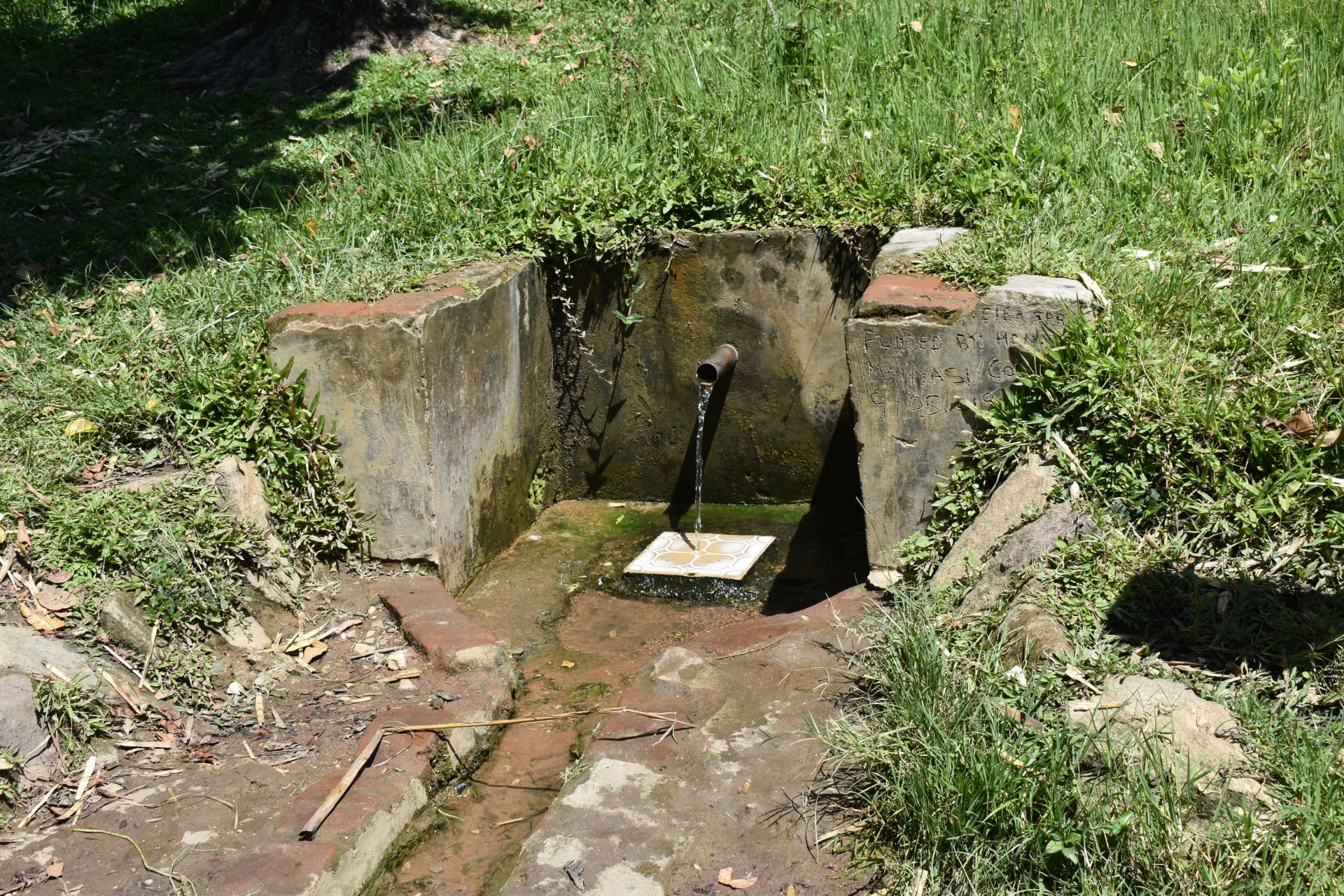
The spring.
The spring was originally installed by the community many years ago, but in its current state, it struggles to keep up with demand, especially during the dry season, when people crowd around it and wait up to 30 minutes just to collect water. When the spring gets too crowded or there is too little water, community members are forced to turn to the nearby stream. It is easy to see that neither source is ideal.
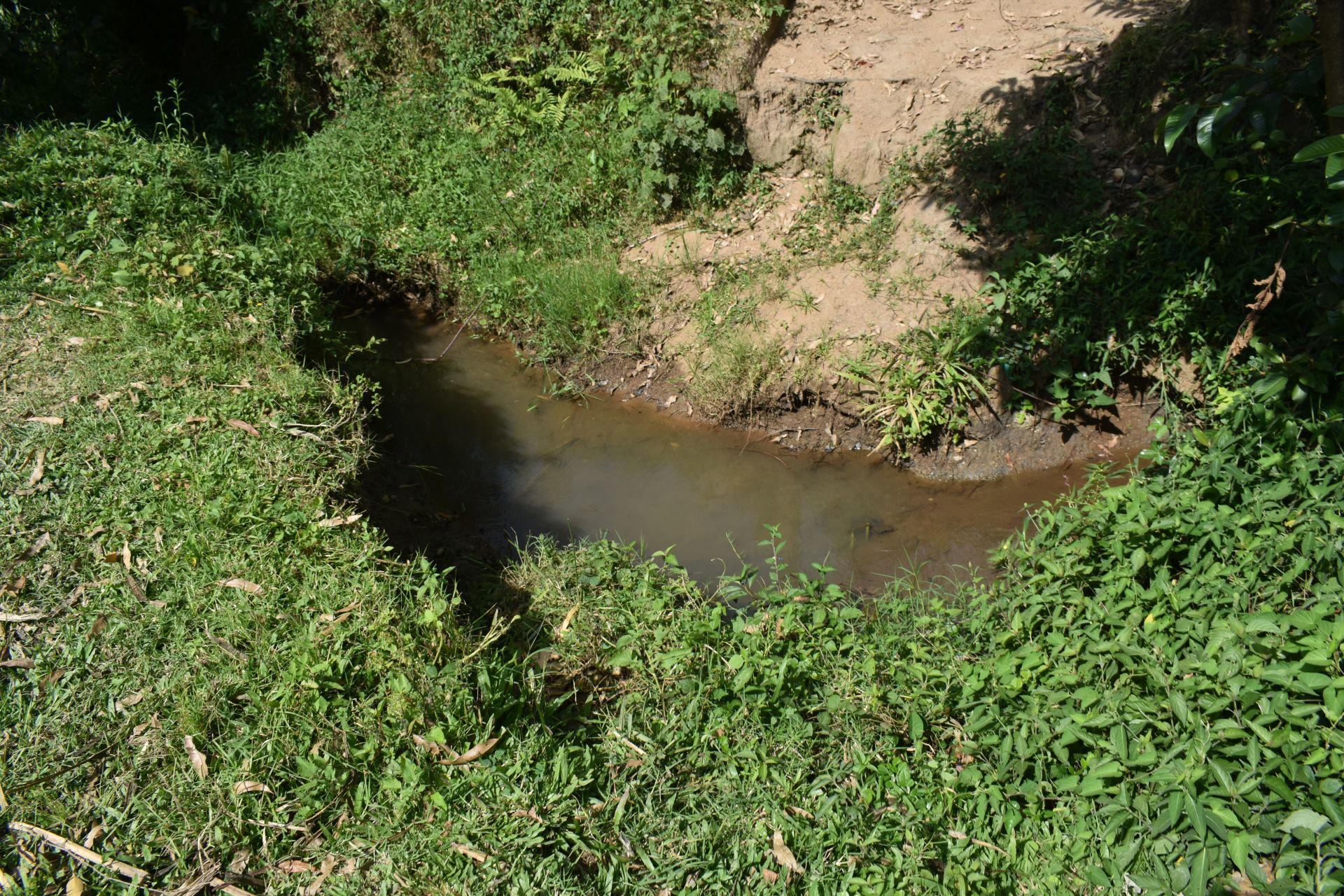
The stream.
17-year-old Emmanuel is responsible for collecting water for his family. It is a task that consumes his time and energy, leaving him little else for the things he likes to do, never mind the things he must do, like go to school.
"Our spring is old. It's been long [time] since it was constructed. This state has resulted in water diverting, making the water coming out of the discharge pipe a little. I feel my time is wasted whenever I have to wait for people to draw before I can [have] my turn to do the same," Emmanuel said.
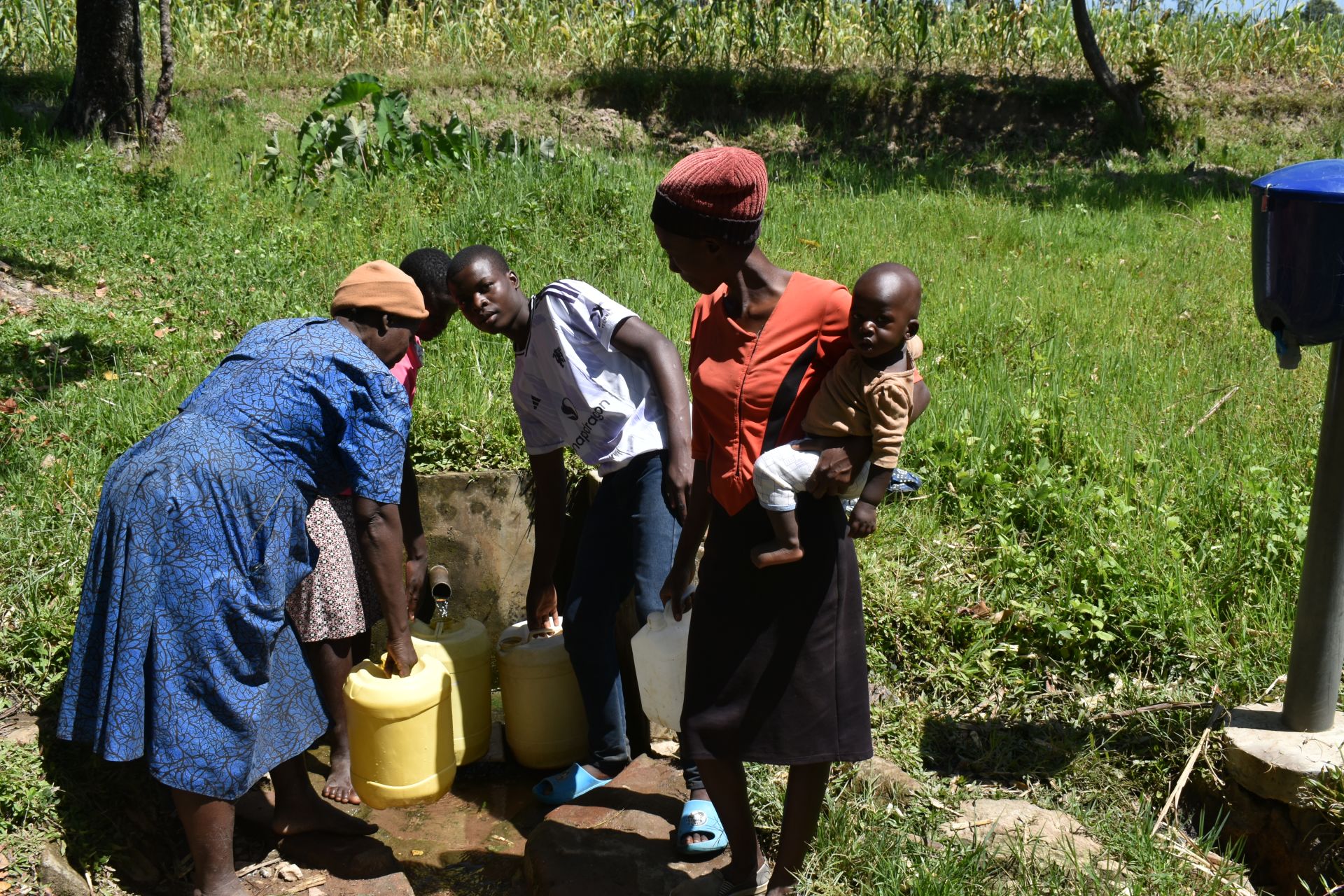
Emmanuel and other community members wait to collect water from the spring.
"I have opted to fetch water after school hours since I realized I [end up] late for school if I do it in the morning. Queuing would make me late, especially during the dry season," he continued. "People fight and quarrel at the water point, especially during the dry season when the spring is crowded."
"I love helping my parents out, and so I don't feel bad when I am sent to fetch water, only that I feel disgusted stepping in the filth at the spring," he said.
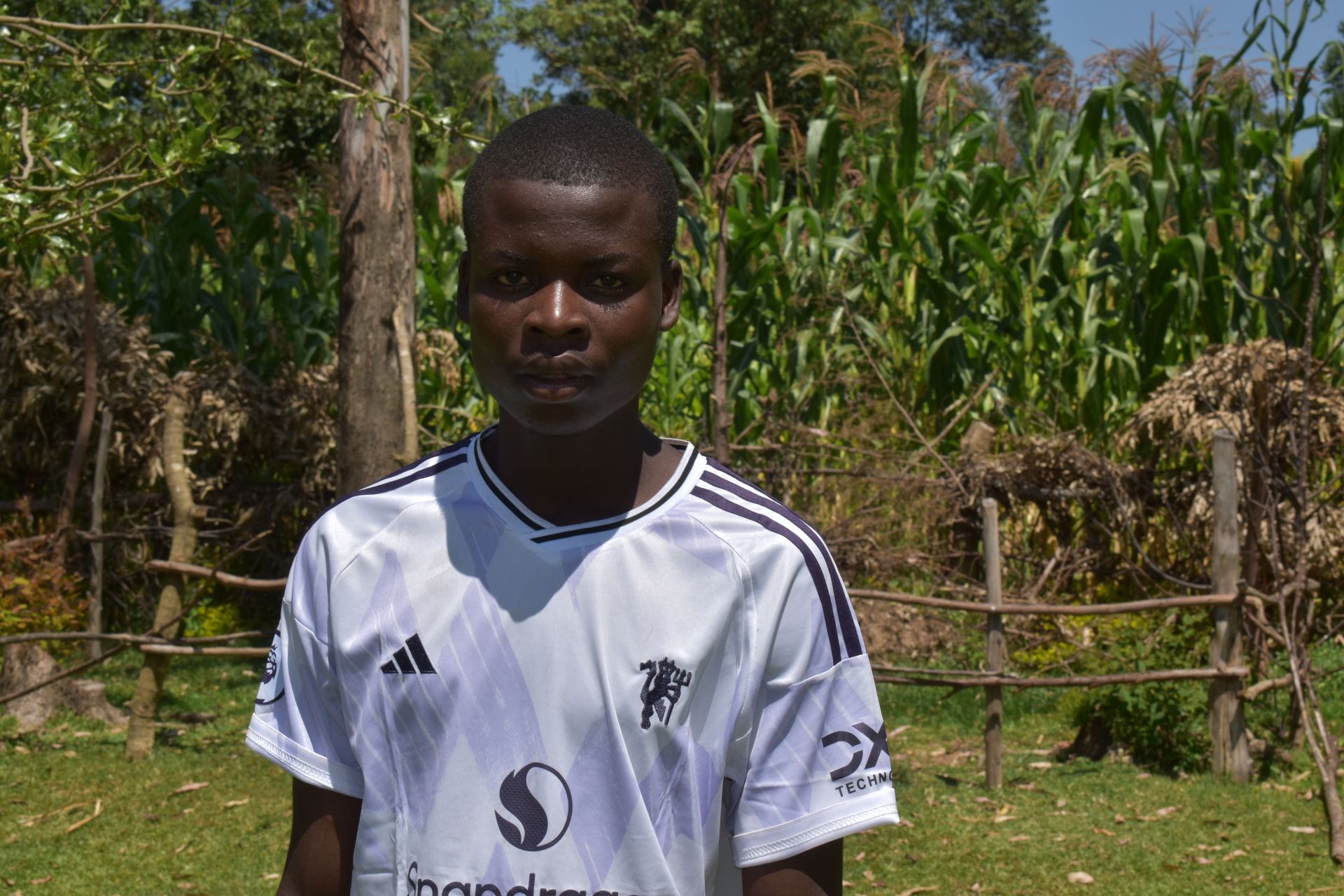
Emmanuel does not resent his responsibility, but he doesn't enjoy the process of collecting water from the spring in its broken-down condition, causing him to stand in dirty water pooling on the spring floor. Without an alternative until the spring is fixed, he has no choice.
A new water solution would mean not just clean, safe water, but also a better-maintained environment, hygiene training, and an end to lengthy, troublesome trips to collect water.
Steps Toward a Solution
Our technical experts worked with the local community to identify the most effective solution to their water crisis. They decided to safeguard the existing flowing spring.
Spring Protection
Springs are natural water sources that originate from deep underground. As water travels through various layers of the earth, it undergoes a natural filtration process, making it cleaner and safer to drink. To protect these spring sources from contamination, we construct a waterproof cement structure around layers of clay, stone, and soil. This design channels the spring water through a discharge pipe, facilitating easier, faster, and cleaner water collection.
Chlorine Dispenser
As an extra measure towards water quality safety, uniquely engineered chlorine dispensers are installed at all of our spring protection projects so community members can treat their water with pre-measured doses of chlorine. The chlorine treats any possible contamination and stays active for two to three days, ensuring water stays safe to use even when stored at home. Chlorine delivery and maintenance of the dispensers are part of our ongoing community support.
Community Education & Ownership
Hygiene and sanitation training are integral to our water projects. Training is tailored to each community's specific needs and includes key topics such as proper water handling, improved hygiene practices, disease transmission prevention, and care of the new water point. Safe water and improved hygiene habits foster a healthier future for everyone in the community.
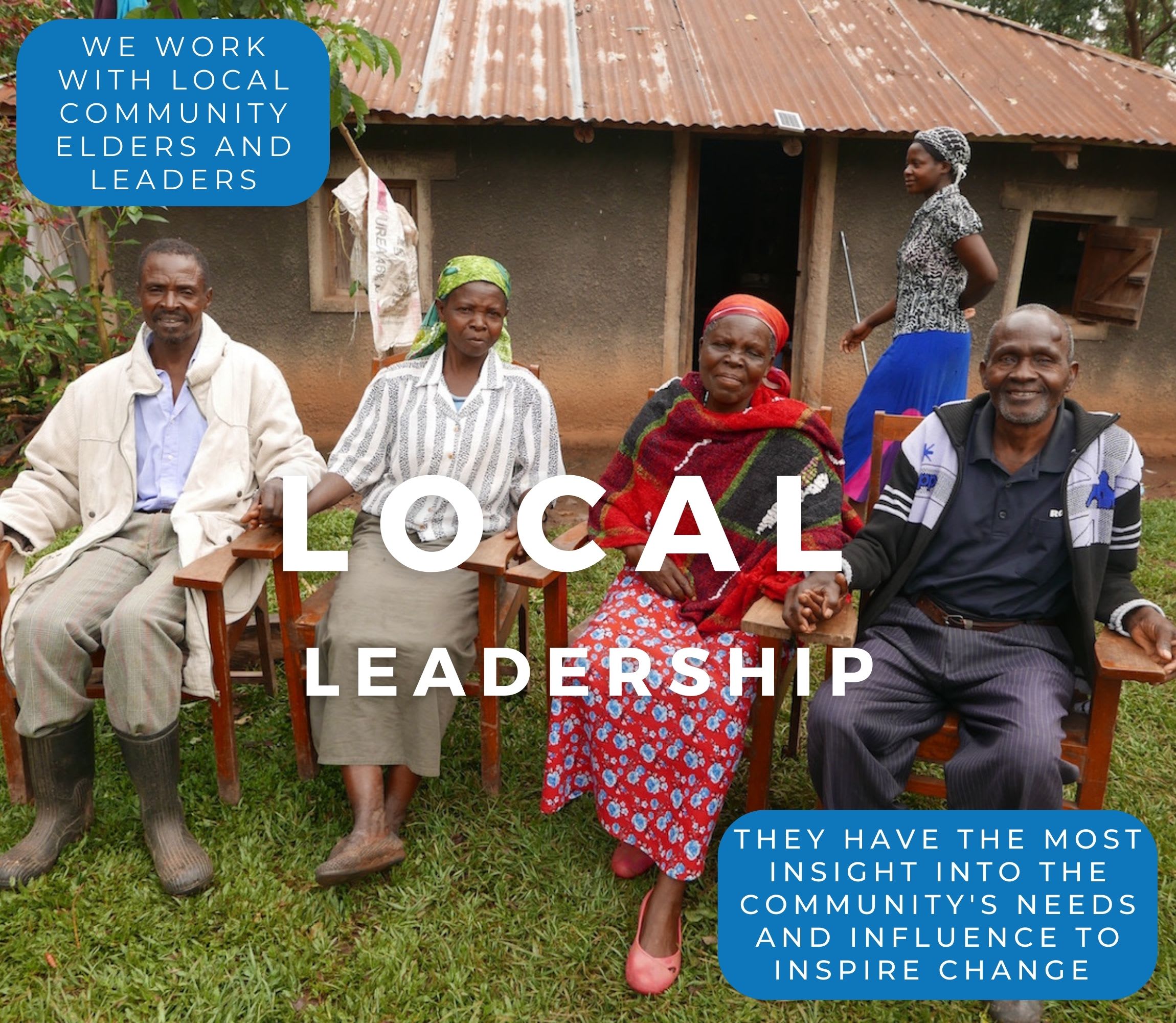
Encouraged and supported by our team's guidance, the community elects a water user committee representative of its diverse members. This committee assumes responsibility for maintaining the water point, organizing community efforts, and gathering fees to ensure its upkeep.