 Protected Spring
 Rehabilitation Project








The Butali community of 215 relies on two main water sources - the unprotected Muyiekho Spring and a dug well. Neither is safe nor reliable, and neither is easy or quick to collect water from, as both sources take far too long.
The spring, which has been in use since 2008, is in poor condition. The area around it is swampy and dirty, water spills across the collection area, and the pipe sits too low, forcing people to tilt their jerry cans and splash water everywhere.

The spring needing protection.
The dug well isn't much better. It has a wide opening that lets in contaminants; the surrounding bricks are crumbling, and the whole setup is unsafe, especially for young children.
A round trip to collect water takes the average person about two hours. People have to carry heavy containers uphill on rough ground, which is exhausting and time-consuming. During rainy seasons, both sources get worse; the water turns cloudy and becomes even less safe to drink. People in Butali regularly report stomachaches, diarrhea, and other waterborne illnesses, especially when the rains hit and water quality drops.
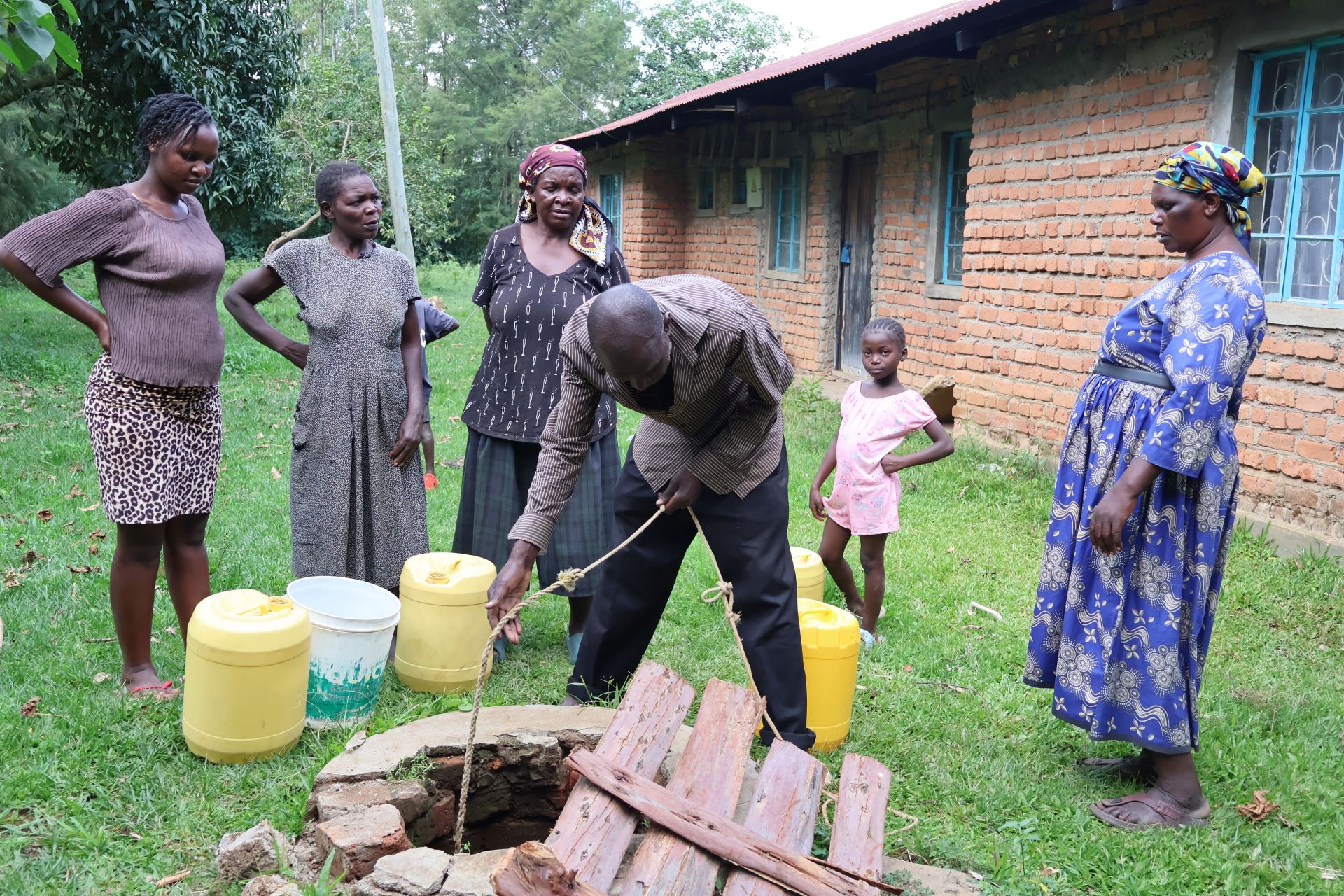
Community members at the dug well.
Protecting the spring would change this. A properly constructed spring with good drainage, a better-placed outlet pipe, and proper protection against surface runoff would provide the community with clean, reliable water that can be collected more quickly and efficiently.
It would reduce illness and support the community's goals for better hygiene and sanitation. Simply put, the spring is already the community's main water source — it just needs to be made safe.

Roseline Shiyonga (in blue dress) waits to collect water from the spring.
Roseline Shiyonga, a 58-year-old businesswoman, shared her experience.
"When water-related illnesses occur, community members typically seek treatment from nearby health facilities or local clinics, where they are given medication such as pain relief drugs, and sometimes antibiotics, depending on the severity of the symptoms. In less severe cases, some also use home remedies prepared at home and increased fluid intake. The cost of treatment can take a noticeable portion of household income, especially for families that experience repeated cases," said Ms. Shiyonga.
"The consequences of water-related illnesses are significant for both households and school-going children. When illness occurs, individuals often miss school or work for several days due to stomach pain, diarrhea, and general weakness. This affects children’s learning progress and reduces school attendance. For adults, it can lead to loss of income or reduced productivity since they are unable to carry out daily activities such as farming, business, or casual labor. In households where multiple members fall sick, there is also increased financial strain due to medical expenses and transport costs to health facilities. Overall, these illnesses disrupt daily routines, affect livelihoods, and place a burden on already limited household resources," she continued.

Illness is not the only burden these water sources place on the Butali community. Residents also lose hours every day just collecting water — time that could be spent earning an income and caring for their families.
"If I didn’t have to spend so much time fetching water, I would use that time to focus more on my grocery business at the nearby market. This could include restocking goods, serving customers more efficiently, and increasing my sales. Also, I could use the extra time to expand my business activities, such as sourcing new products, improving my stall, or engaging more with suppliers. Overall, saving time from water collection would likely improve my income and strengthen my livelihood," Roseline explained.
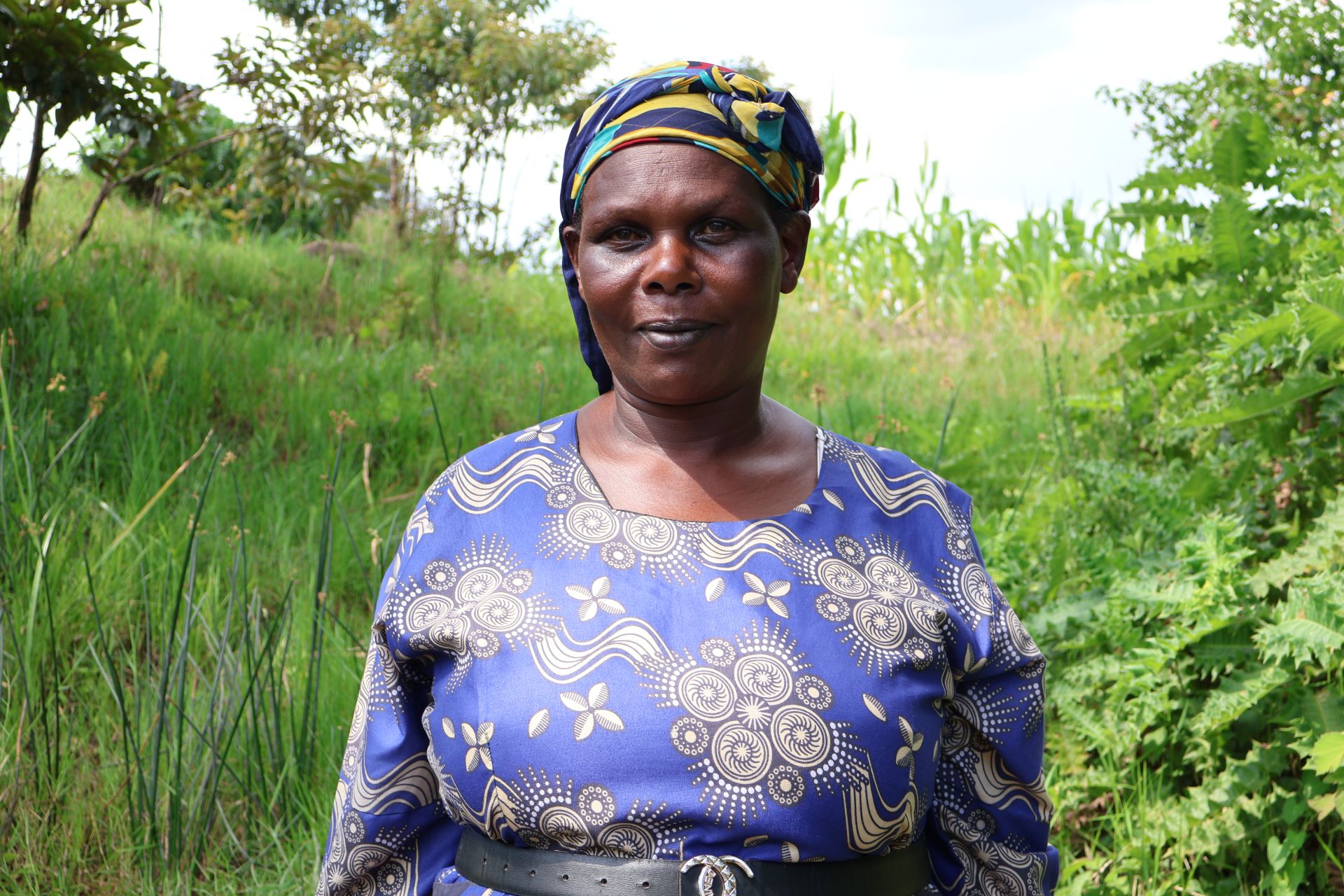
"Water is very important because it supports almost every aspect of my daily life. I use water for drinking, cooking, cleaning, and maintaining personal hygiene. Without clean water, it becomes difficult to stay healthy and carry out normal household activities. Overall, water is a basic necessity that supports life, health, and development in the community," she said.
It is clear Roseline is aware of the importance of water and her need for a safe, reliable water point. The spring protection planned in this community is certain to make a significant difference in her daily life.
Steps Toward a Solution
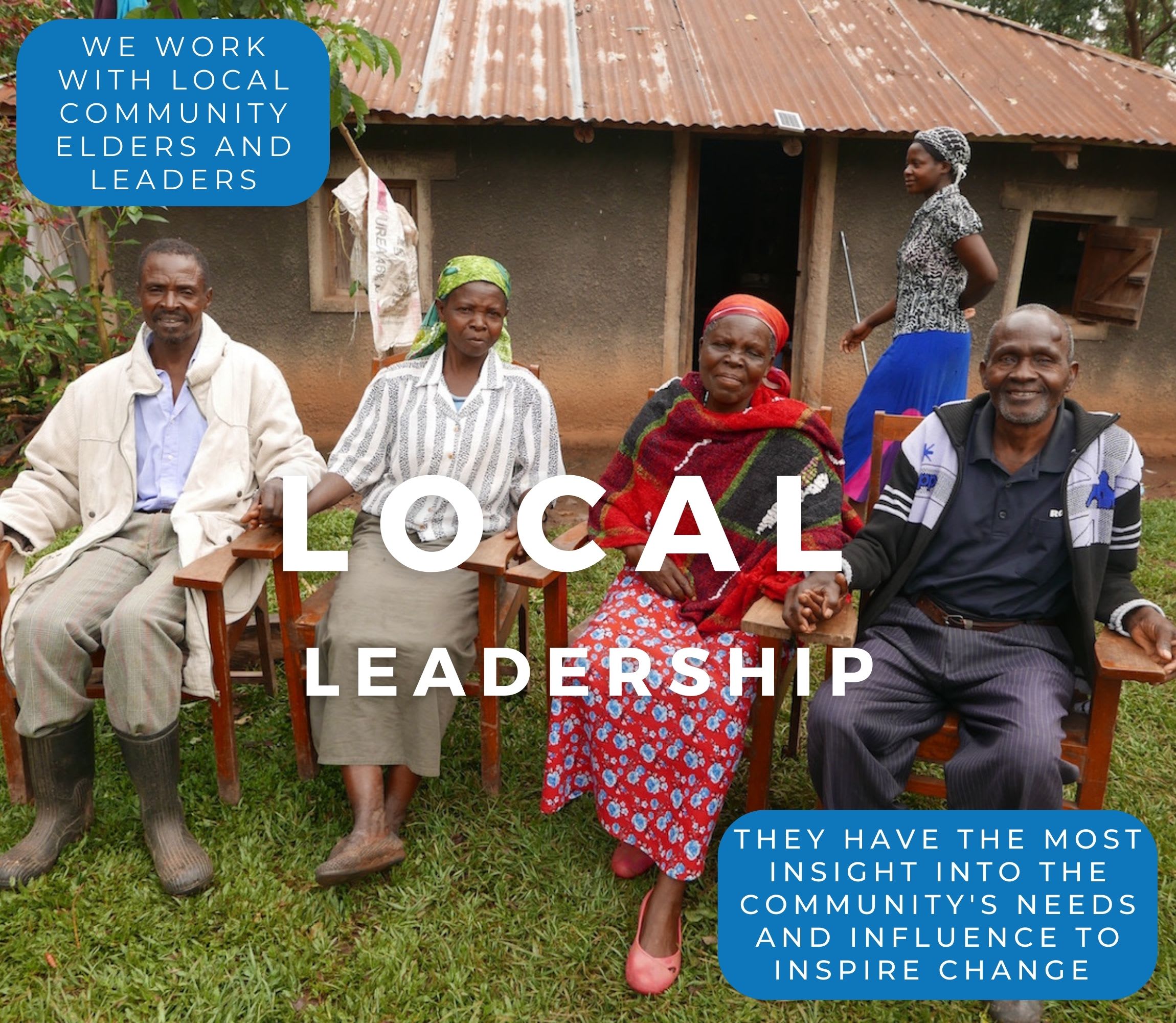
Our technical experts worked with the local community to identify the most effective solution to their water crisis. They decided to safeguard the existing flowing spring.
Spring Protection
Springs are natural water sources that originate from deep underground. As water travels through various layers of the earth, it undergoes a natural filtration process, making it cleaner and safer to drink. To protect these spring sources from contamination, we construct a waterproof cement structure around layers of clay, stone, and soil. This design channels the spring water through a discharge pipe, facilitating easier, faster, and cleaner water collection.
Chlorine Dispenser
As an extra measure towards water quality safety, uniquely engineered chlorine dispensers are installed at all of our spring protection projects so community members can treat their water with pre-measured doses of chlorine. The chlorine treats any possible contamination and stays active for two to three days, ensuring water stays safe to use even when stored at home. Chlorine delivery and maintenance of the dispensers are part of our ongoing community support.
Community Education & Ownership
Hygiene and sanitation training are integral to our water projects. Training is tailored to each community's specific needs and includes key topics such as proper water handling, improved hygiene practices, disease transmission prevention, and care of the new water point. Safe water and improved hygiene habits foster a healthier future for everyone in the community.
Encouraged and supported by our team's guidance, the community elects a water user committee representative of its diverse members. This committee assumes responsibility for maintaining the water point, organizing community efforts, and gathering fees to ensure its upkeep.