 Protected Spring
 Rehabilitation Project










The 280 people who live in this section of the Mukhonje Community primarily rely on the broken-down Peter Tindi Spring for their daily water needs. It is their only nearby option besides rainwater, but rainwater is seasonal and runs out quickly. When it does, people must resort to visiting the spring, risking consumption of the questionable water.
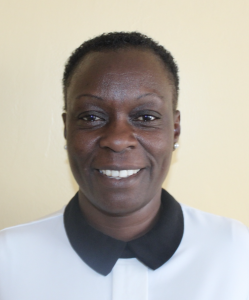
Field Officer Mary Afandi shared the current condition for spring. She said, "The spring was protected some years back by the community members, [but] now the spring is broken down and worn out, [and] to access the water point is quite difficult. It is hard to access the water point because there are no stairs to access the water collection point. Also, the place cannot accommodate two or more people at any given time, because it is small and people [must] step in water to fetch water."

The spring that needs protection.
"Sometimes people quarrel and even go to the extent of fighting at the water point because of overcrowding, and also while competing on who is to draw the water first," she continued.
Ms. Afandi noted that when it rains, runoff goes into the spring, changing the water's color and contaminating it. "The community members complain about the prevalence of typhoid, whose treatment costs them a lot of money on medication," she said.
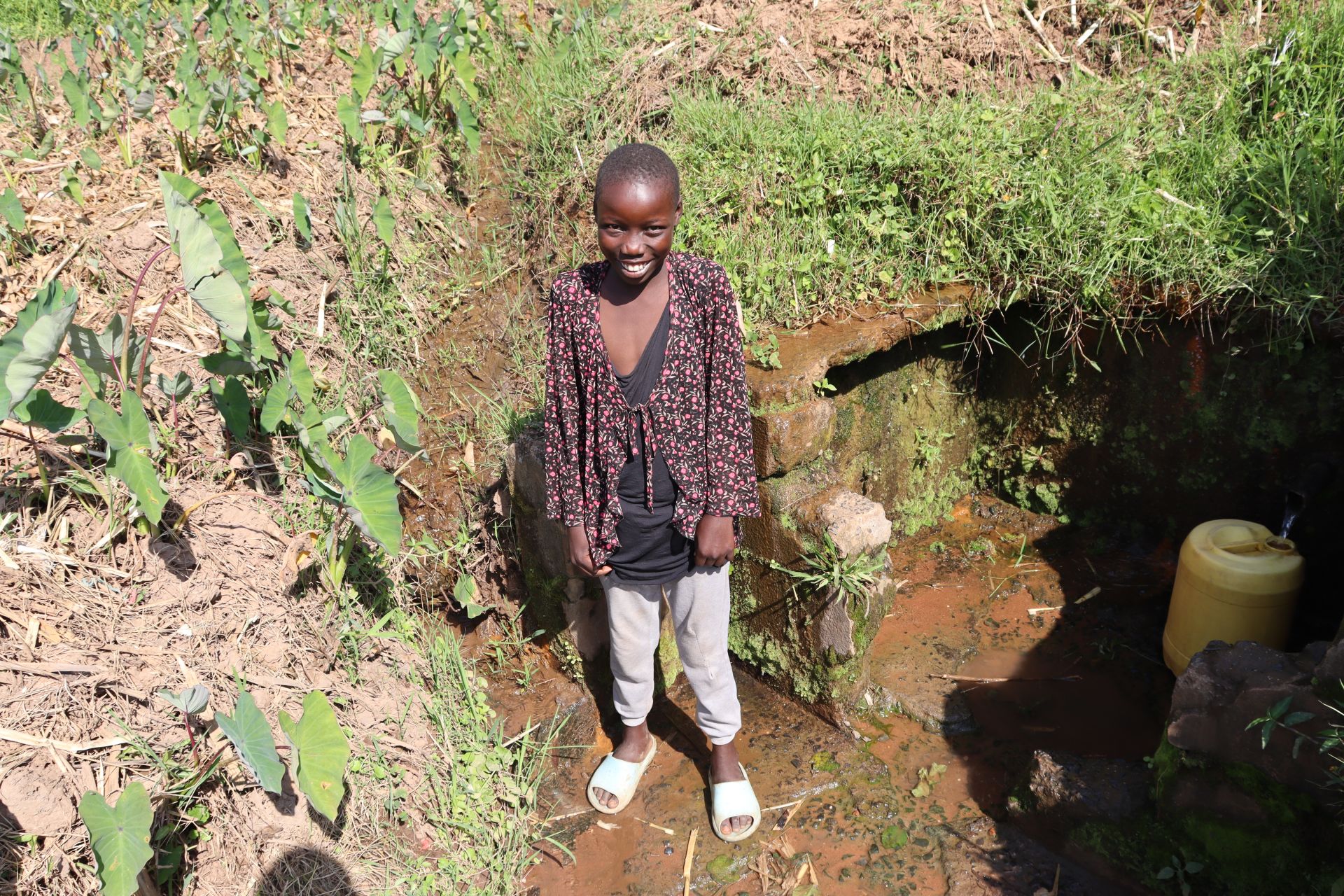
Roselyn stands in the spring's collection area.
12-year-old Roselyn spends at least 30 minutes a day collecting water.
"Fetching water takes long because of queuing and a long distance to the water collection point," Roselyn said. We asked Roselyn what she would do if she didn't have to spend so much time collecting water. She shared, "I will use the time to help my mother with domestic work and play with my friends."

Waiting to collect water.
When we asked if anyone had been unkind to her at the water point, she said, "Yes, especially during weekends [when] many people come and fetch water. Since I'm a child, most of the time I'm told to wait for the elderly people to fetch water first. They just come and push my container behind. This makes me take a lot of time waiting for my turn to draw water."
But Roselyn's weekends are not the only days her time is consumed with collecting water. When asked if it affects her success at school, she said, "Yes, especially evenings after school. I must go and fetch water before I sit down to do my homework, very late, which affects my studying."

Roselyn does her chores.
If the water point can be protected, water collection will be quicker and less stressful for community members, including Roselyn, and she can focus on her future.
"My future plans are to work hard at school and give back to the community what I have achieved," she declared.
Steps Toward a Solution
Our technical experts worked with the local community to identify the most effective solution to their water crisis. They decided to safeguard the existing flowing spring.
Spring Protection
Springs are natural water sources that originate from deep underground. As water travels through various layers of the earth, it undergoes a natural filtration process, making it cleaner and safer to drink. To protect these spring sources from contamination, we construct a waterproof cement structure around layers of clay, stone, and soil. This design channels the spring water through a discharge pipe, facilitating easier, faster, and cleaner water collection.
Chlorine Dispenser
As an extra measure towards water quality safety, uniquely engineered chlorine dispensers are installed at all of our spring protection projects so community members can treat their water with pre-measured doses of chlorine. The chlorine treats any possible contamination and stays active for two to three days, ensuring water stays safe to use even when stored at home. Chlorine delivery and maintenance of the dispensers are part of our ongoing community support.
Community Education & Ownership
Hygiene and sanitation training are integral to our water projects. Training is tailored to each community's specific needs and includes key topics such as proper water handling, improved hygiene practices, disease transmission prevention, and care of the new water point. Safe water and improved hygiene habits foster a healthier future for everyone in the community.
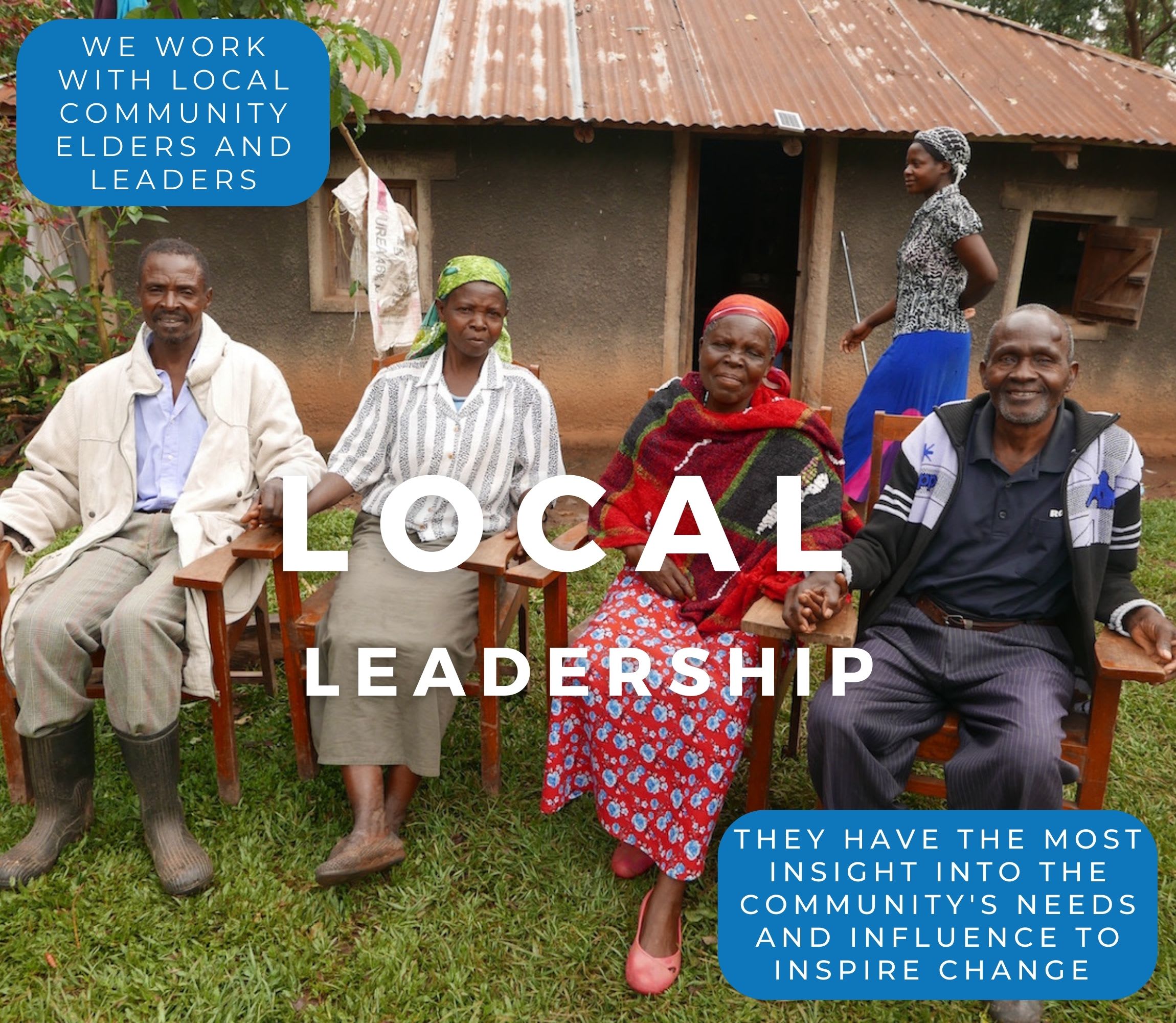
Encouraged and supported by our team's guidance, the community elects a water user committee representative of its diverse members. This committee assumes responsibility for maintaining the water point, organizing community efforts, and gathering fees to ensure its upkeep.