 Protected Spring
 Rehabilitation Project











Shanzu Spring is the only water source for the 140 community members in the Vachisichi Community, except for the little rainwater they can collect, when it's not the dry season.
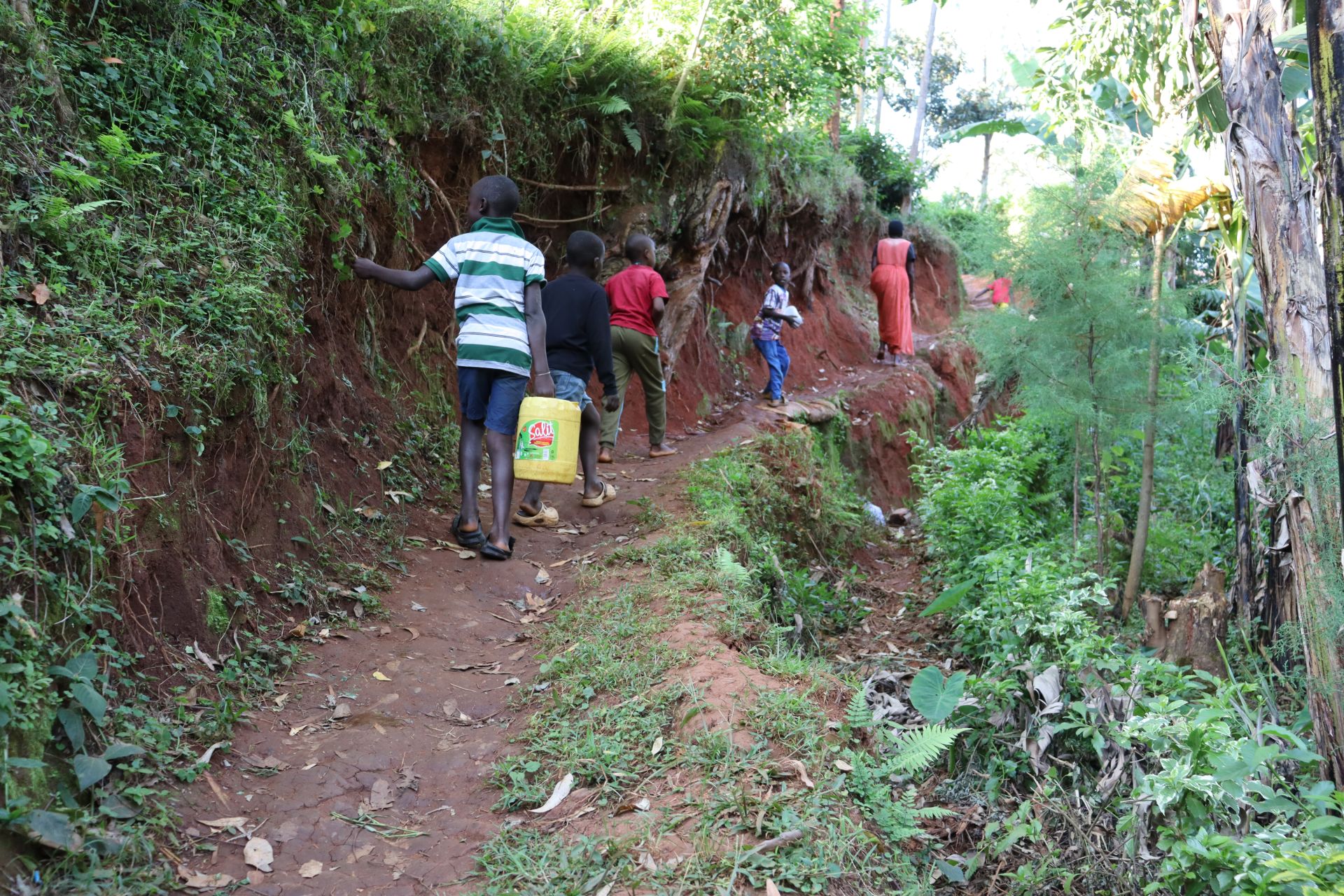
The trip to the spring can take nearly an hour, especially during the dry season when queues get long. The path is slippery and has no clear access route, making it easy to fall and get injured, and the risk only worsens during the rainy season.
The spring area is dirty, surrounded by rotten leaves and stagnant water, creating an unpleasant smell and raising serious contamination concerns. Community members have no reliable way to treat the water, leaving them vulnerable to waterborne diseases that are costly to treat.
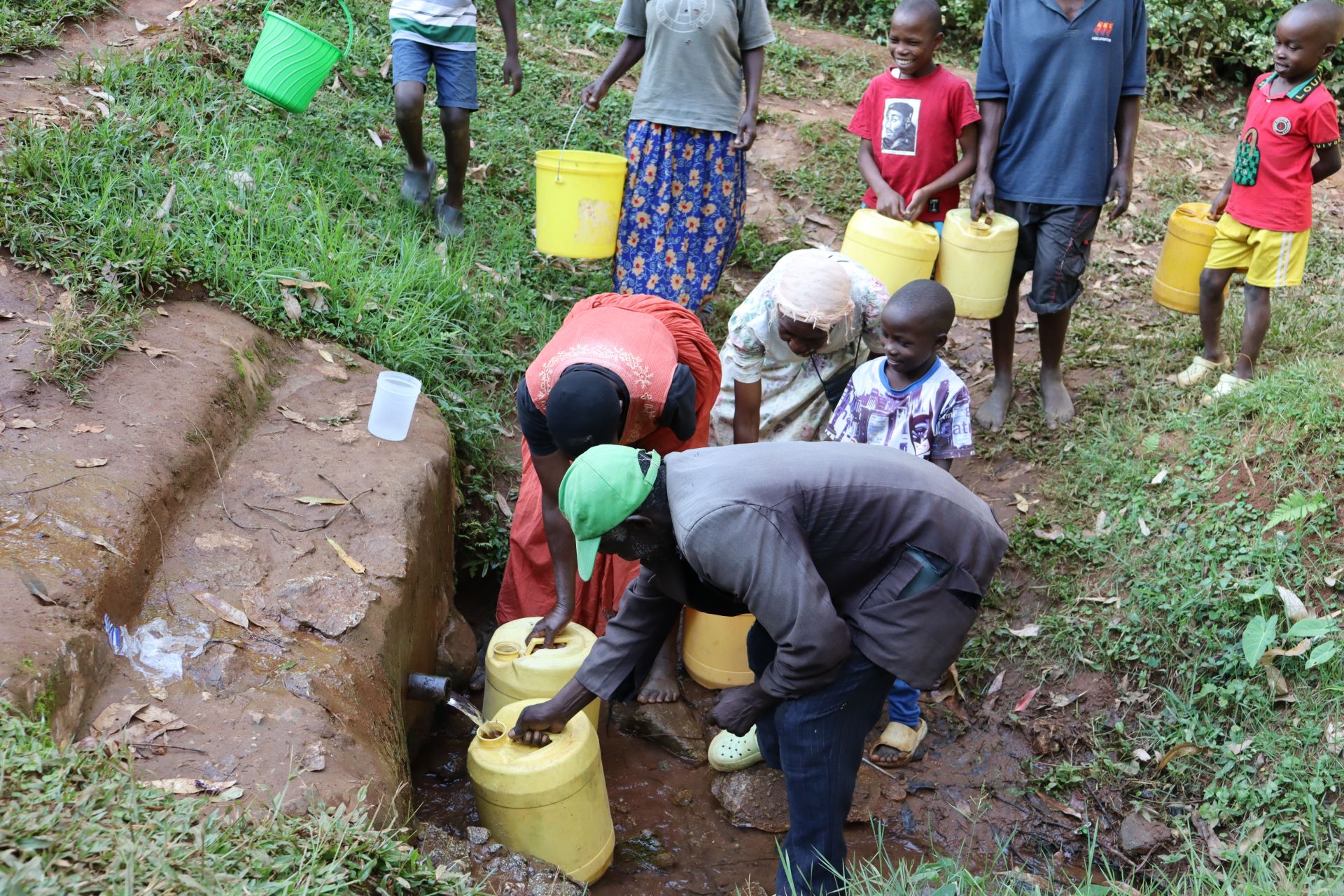
The time spent collecting water and the money spent on treating illnesses put a heavy burden on families. The community has tried to maintain their water point on their own, but without the right skills, repairs don't last.
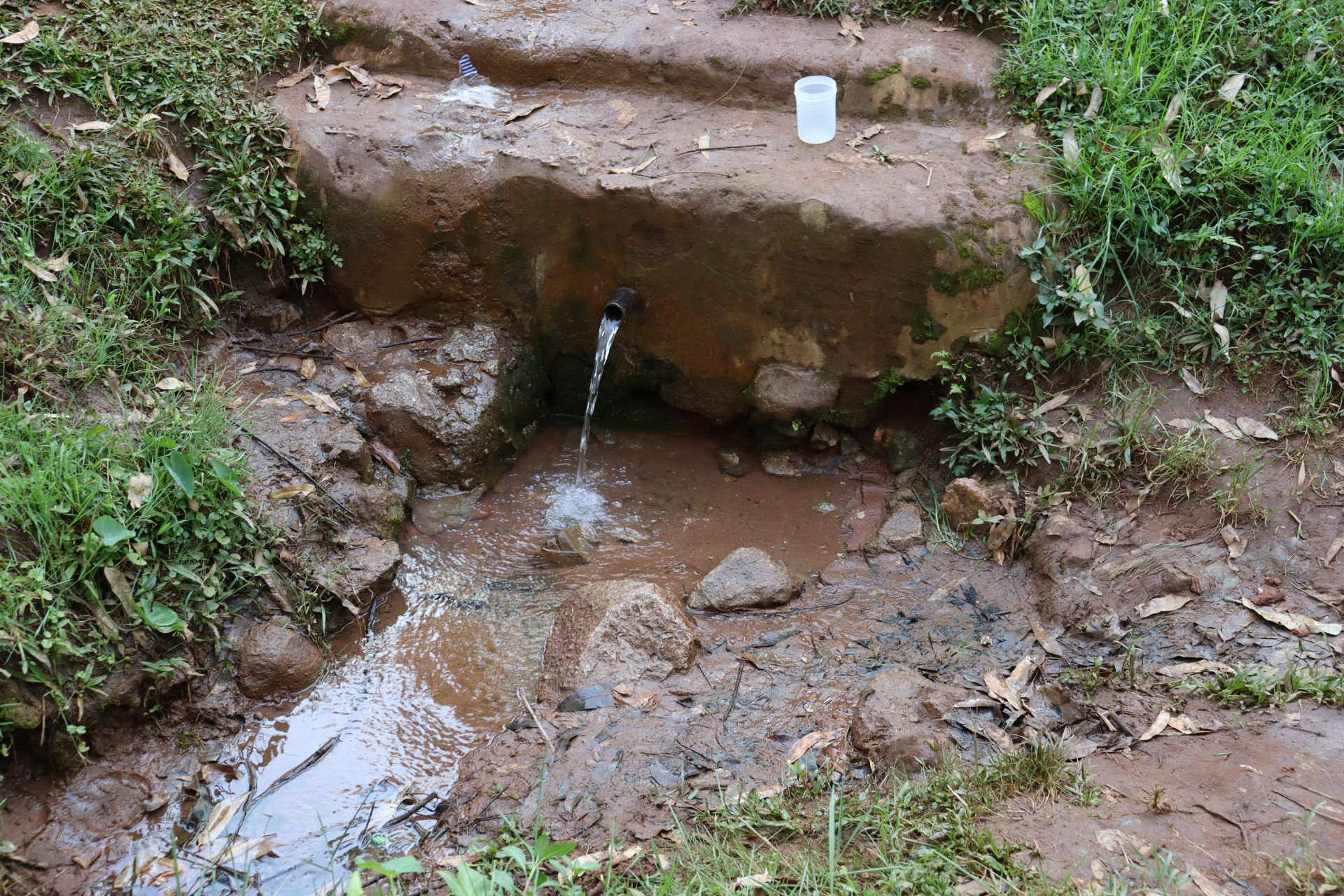
The spring needs protection.
Sixty-one-year-old Hellen Khasoha, a farmer, is very clear on the importance of having access to clean, reliable water for her daily life.
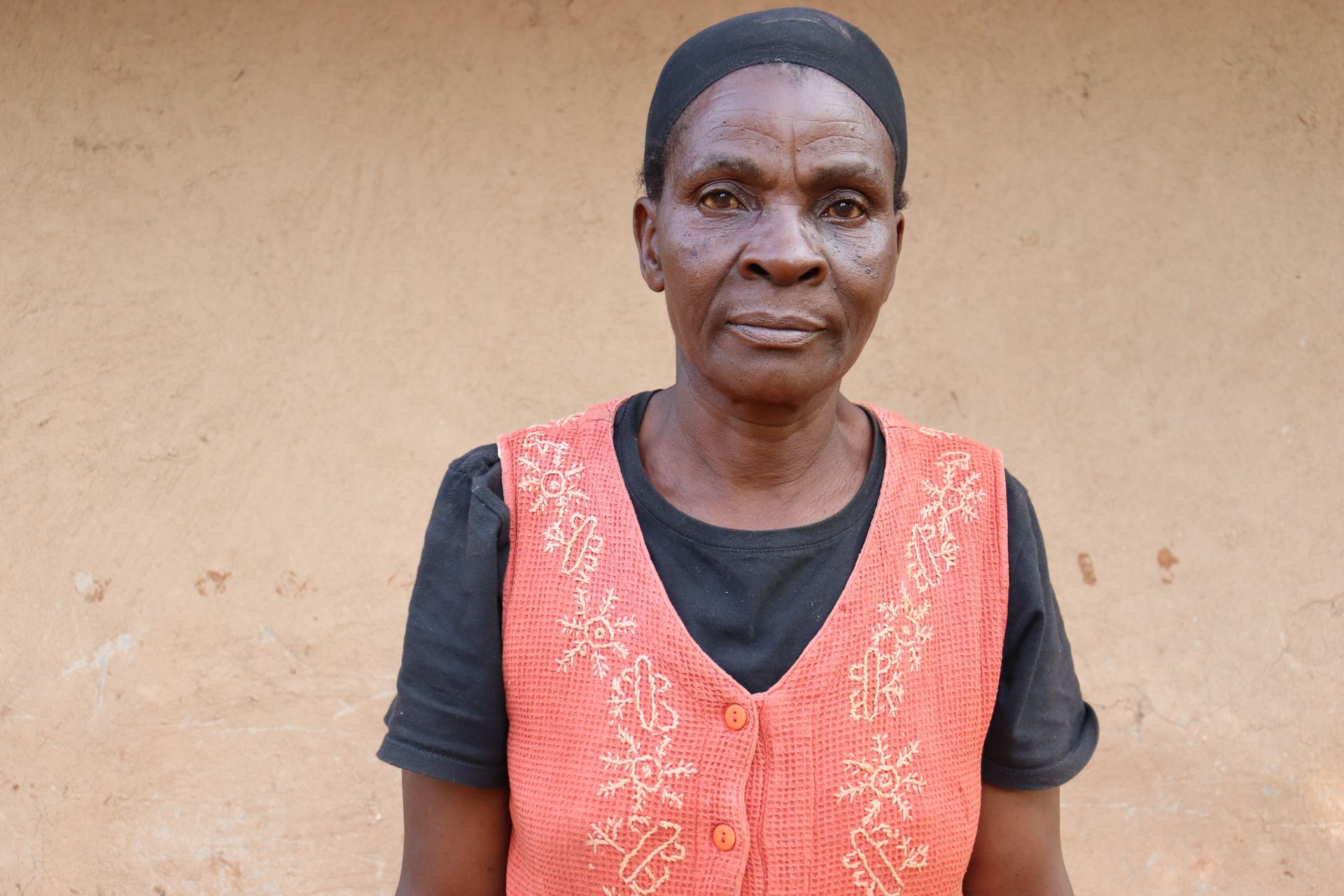
Ms. Hellen Khasoha.
"Water is everything to me, because in everyday life, water is required for drinking, cooking, washing clothes, and keeping livestock alive; failure to do so means every activity will stop running, and without water, life becomes non-existent," Hellen said.
We asked Hellen if she has struggled with water-related illnesses and what impact they have had on her.
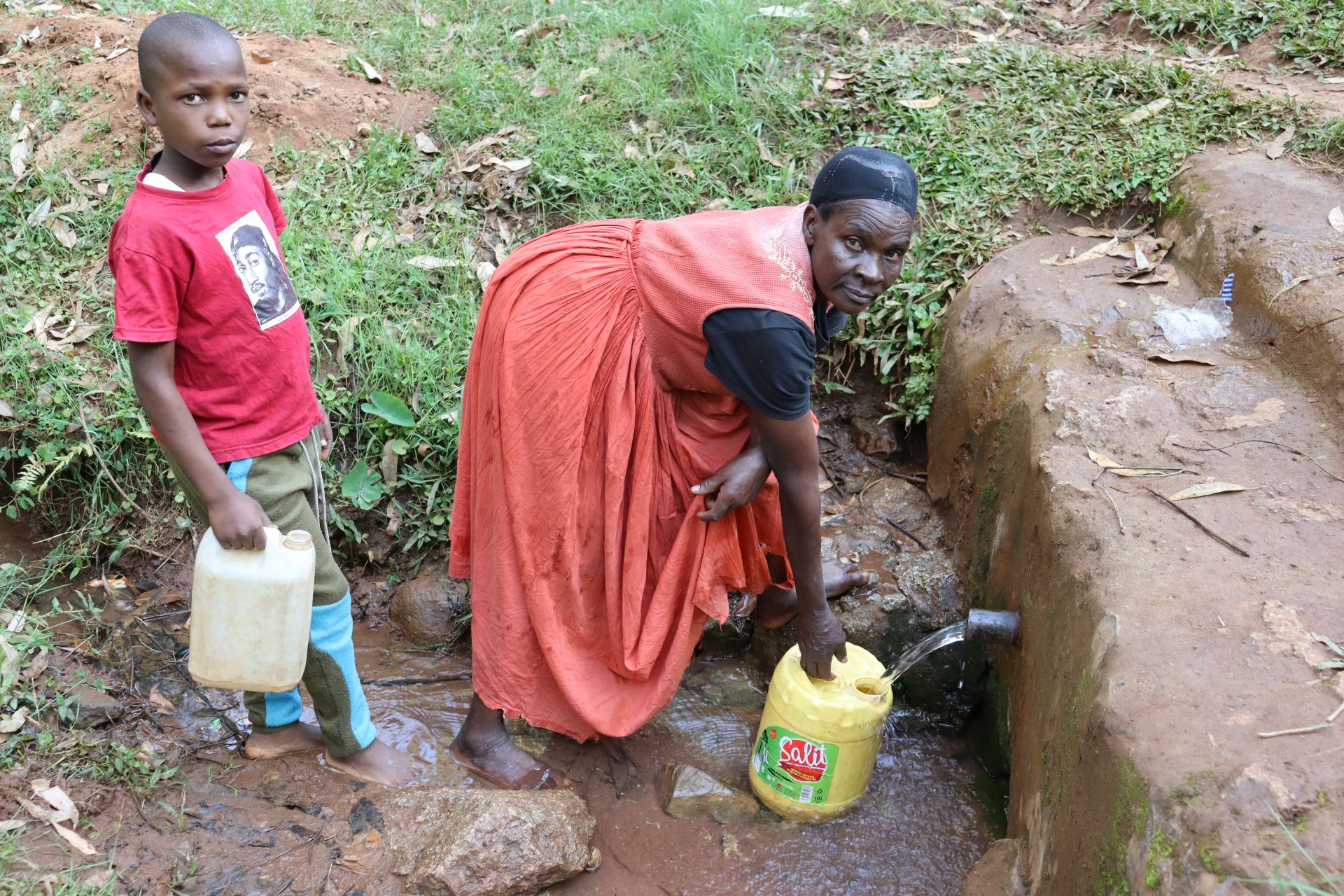
Hellen collecting water.
She said, "When I am sick, I can't do my daily activities as usual, and at the end of the day, nothing comes in as an income, and being a breadwinner in my family makes life quite difficult."
Hellen recalled a recent time when she was ill. "It is not good at all because some water-related ailments can be fatal, and failure to get proper medical attention can cause long-term complications, which could have otherwise been avoided earlier. It was quite stressful and disturbing because my body was aching, and at the same time, I was shivering, and having no money for proper medical attention.
Hellen continued, "I had no option but to send my granddaughter to the shop to buy me a painkiller to ease the pain and fever. The drugs are quite expensive and strong, such that when on them, I cannot do heavy work. I have used 4,000 Ksh ($30 USD), which is quite a lot of money and could have been channeled for other uses."
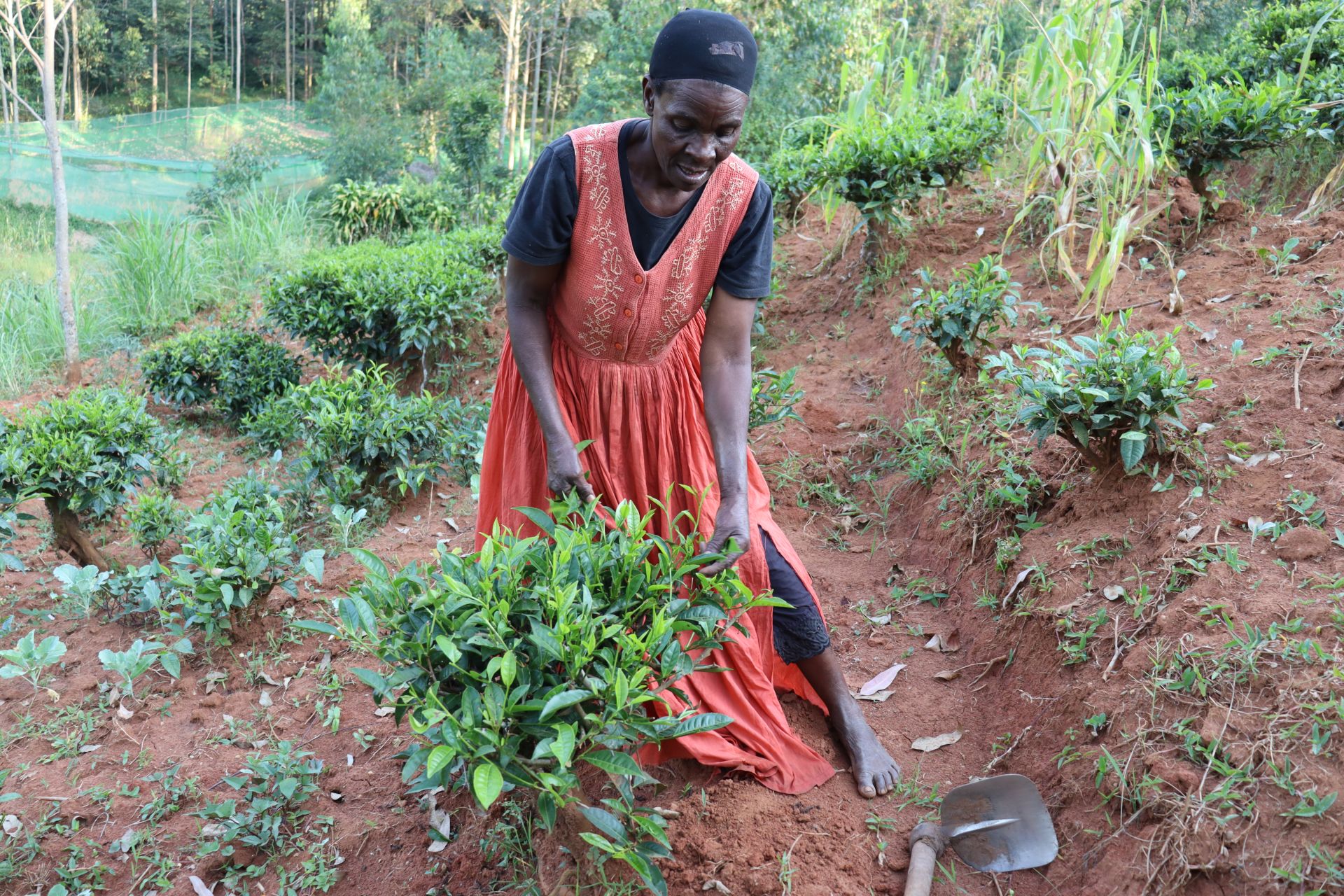
Hellen's resources are limited. Any waste has the potential of causing a long-term impact that puts her further behind.
We asked her what she would do if she had access to clean water. She said, "I would use my time to take care of the farm and balance every farming activity I have been engaging in, right from fish , vegetable, sweet potato, and tea farming, which have been my constant source of income."
Access to a clean, reliable water source would be a turning point — reducing disease, building confidence, and giving Hellen and her community a chance to thrive.
Steps Toward a Solution
Our technical experts worked with the local community to identify the most effective solution to their water crisis. They decided to safeguard the existing flowing spring.
Spring Protection
Springs are natural water sources that originate from deep underground. As water travels through various layers of the earth, it undergoes a natural filtration process, making it cleaner and safer to drink. To protect these spring sources from contamination, we construct a waterproof cement structure around layers of clay, stone, and soil. This design channels the spring water through a discharge pipe, facilitating easier, faster, and cleaner water collection.
Chlorine Dispenser
As an extra measure towards water quality safety, uniquely engineered chlorine dispensers are installed at all of our spring protection projects so community members can treat their water with pre-measured doses of chlorine. The chlorine treats any possible contamination and stays active for two to three days, ensuring water stays safe to use even when stored at home. Chlorine delivery and maintenance of the dispensers are part of our ongoing community support.
Community Education & Ownership
Hygiene and sanitation training are integral to our water projects. Training is tailored to each community's specific needs and includes key topics such as proper water handling, improved hygiene practices, disease transmission prevention, and care of the new water point. Safe water and improved hygiene habits foster a healthier future for everyone in the community.
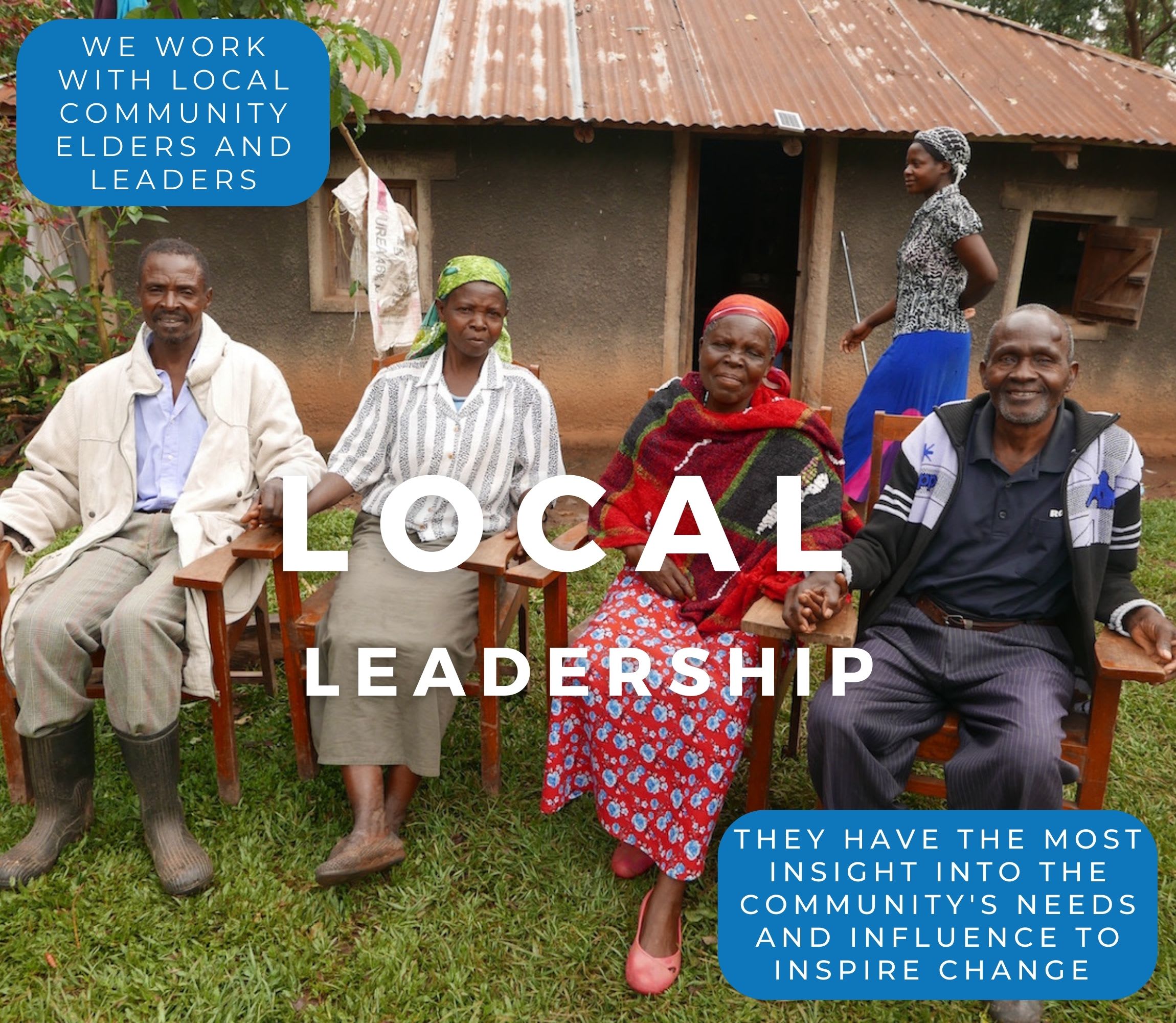
Encouraged and supported by our team's guidance, the community elects a water user committee representative of its diverse members. This committee assumes responsibility for maintaining the water point, organizing community efforts, and gathering fees to ensure its upkeep.