 Protected Spring
 Rehabilitation Project









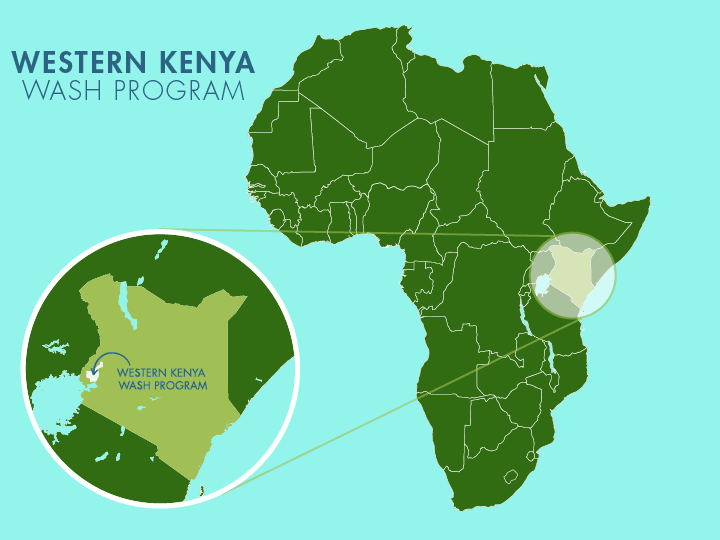
In Lurambi, roughly 300 people — spread across 42 households, plus the vendors and shoppers who pass through the local market — have gone ten years without a safe, reliable source of water. The community sits on hilly, uneven ground, and its main water point is an unprotected spring at the bottom of a hill. A blocked drainage channel causes water to pool at the collection point, and the outlet itself has been tampered with by users trying to manage the flow, leaving proper maintenance and protection long overdue.
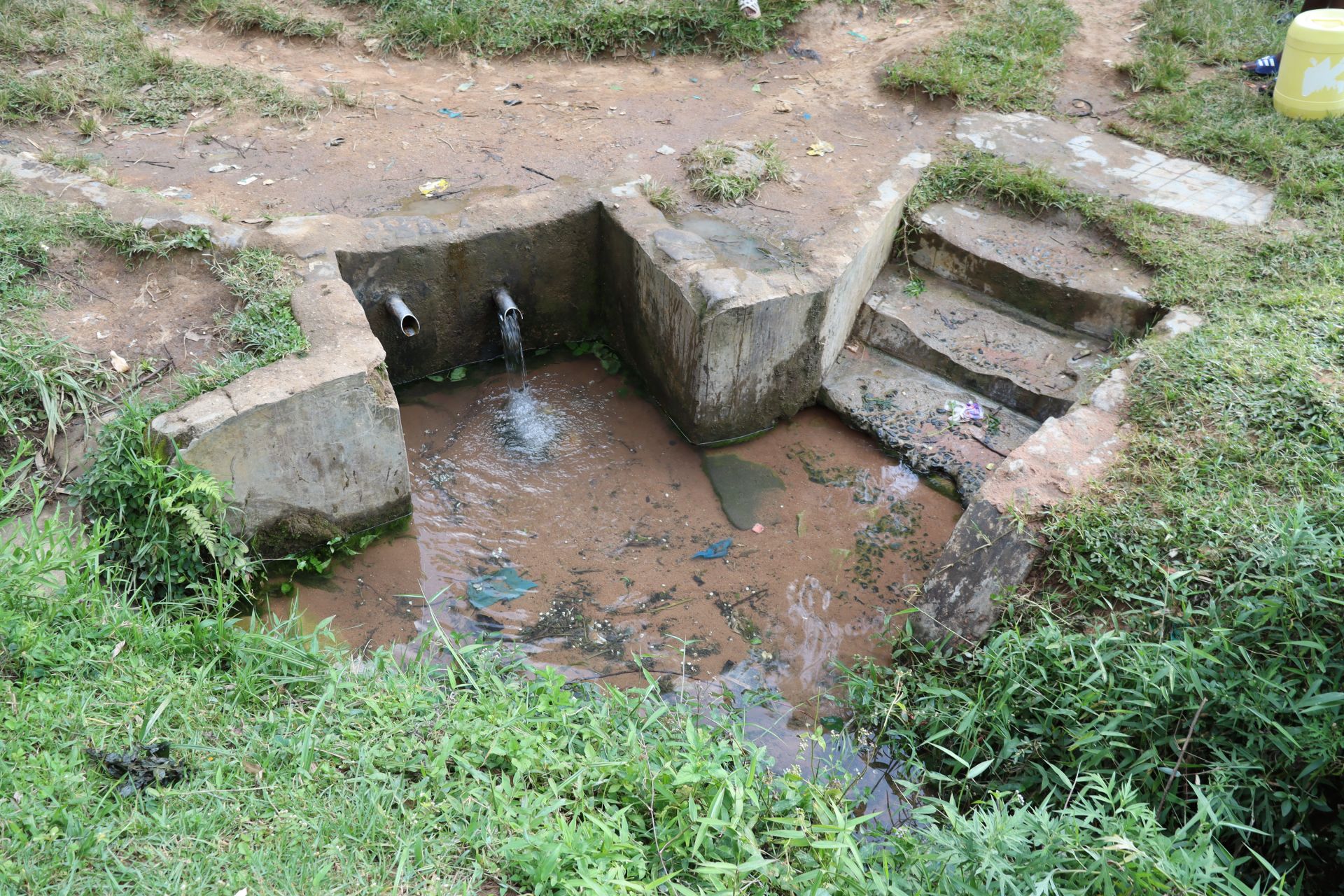
The spring in need of repair.
Only about half of Lurambi's residents can reach a water source within a 30-minute round trip. For the rest, the walk is longer, and the terrain makes it dangerous in its own right: the path down to the spring is steep and becomes slippery in the rain, putting children and the elderly at greatest risk of a fall. Contamination from surface runoff is a constant threat during the rainy season, and the community has already seen the consequences — cases of diarrhea, typhoid, and other waterborne illnesses traced back to water drawn from the spring. Over the years, residents have tried to manage the problem themselves, pooling small amounts of money for repairs and meeting to talk through possible solutions, but without the financial or technical resources to fix it for good.
Twelve-year-old Mary is one of the children who makes that walk. Water-related illness, long queues, and difficult terrain are among the challenges she names, and she's candid about why the current source worries her: "I am worried about safety at the current water source because the spring is not fully protected and there is a risk of contamination from surrounding surface runoff, especially during rainfall. The area is also steep and slippery, which increases the risk of accidents while fetching water, particularly for children and elderly people."
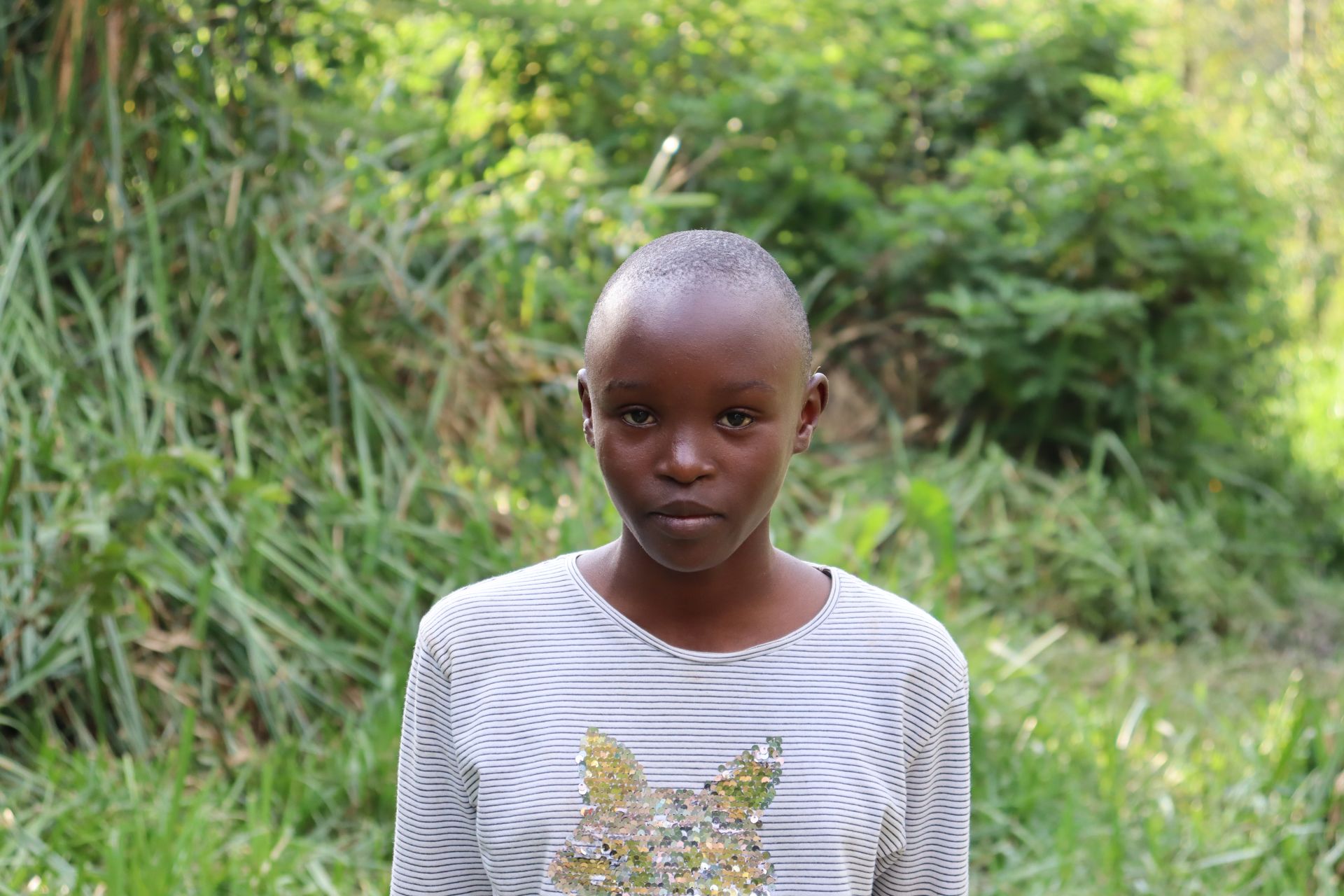
Mary.
Fetching water takes up too much of Mary's day. "Fetching water takes [a] long [time] because the water point is overcrowded, especially during peak hours when many community members come at the same time. This leads to long queues and waiting time before each person can collect water," she said.
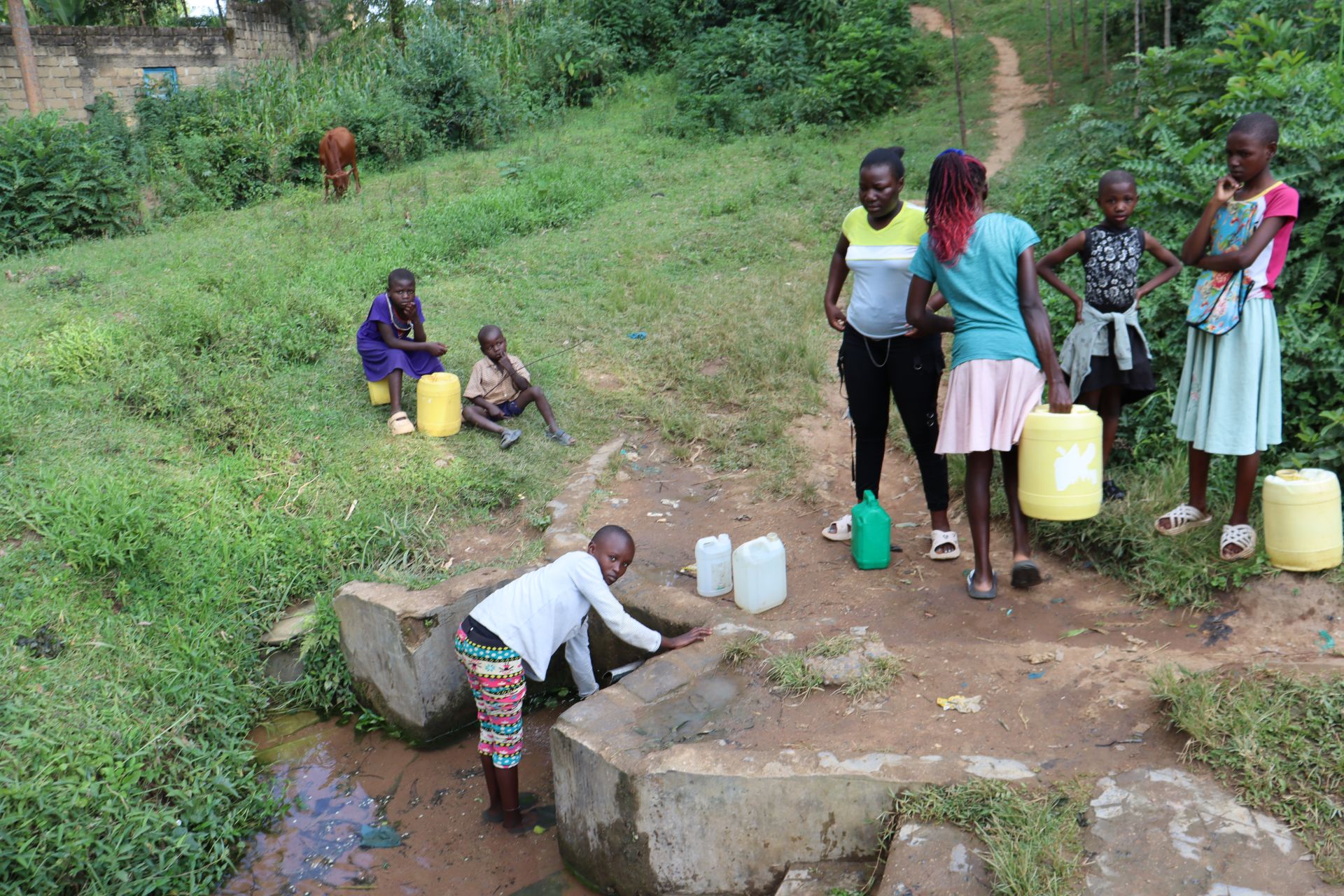
The cost isn't only time. Mary has gotten sick from the water before: "There was a time when I drank water that was not clean, and after that I started having stomach pain, diarrhea, and felt very weak. I was unable to go to school and had to rest at home for several days while receiving treatment. It was a very uncomfortable experience and affected my normal daily activities." Her parents took her to a nearby health facility for treatment and medicine, and made sure she rested and drank plenty of safe fluids until she recovered.
School suffers too, both from the illness itself and from the time water collection takes out of her day. "I have to miss school when I am sick. When I experience water-related illnesses, I am unable to attend classes because of stomach pain, weakness, and the need to rest and receive treatment. This leads to missed lessons and falling behind in schoolwork," Mary said. "Fetching water impacts my time at school and can affect my exam scores. Sometimes I spend a lot of time collecting water, which makes me late for school or causes me to miss lessons. This affects my ability to concentrate and keep up with schoolwork, which can lead to lower performance in exams."
Asked how it feels to be sent to fetch water, she doesn't hesitate: "I feel tired and sometimes stressed when I am sent to fetch water, especially when the queue is long or when the water point is crowded. It can also make me feel worried because it takes time away from schoolwork and other important activities." Given the time back, she knows exactly what she'd do with it: "I would use that time to focus on my studies, do homework, and participate in school activities. I would also have more time to rest and help my family with other important tasks."
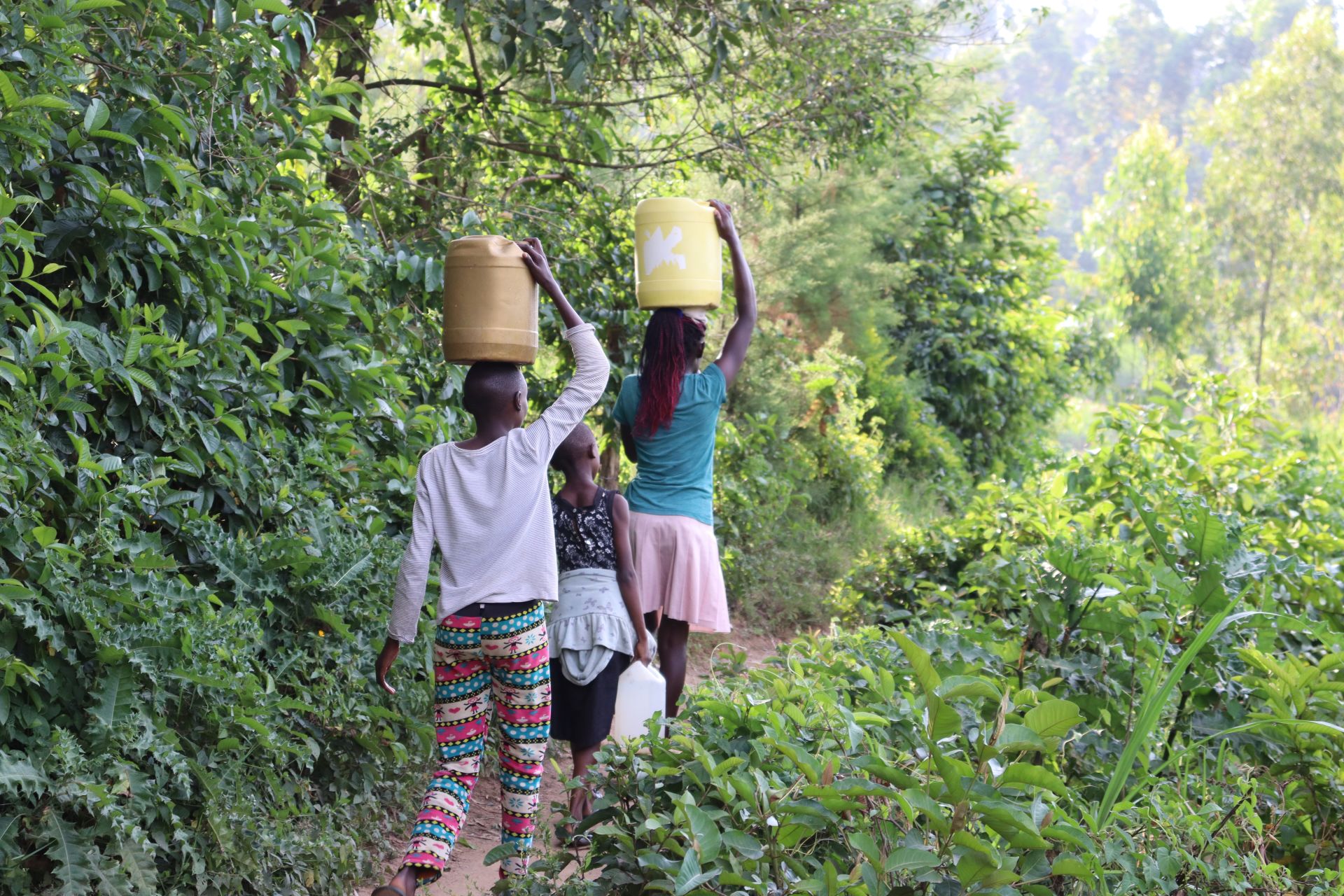
Mary's hopes extend beyond her next school day. "My plan for the future is to continue studying hard and complete my education so that I can achieve my career goals. I also want to improve my life and support my family. I hope that in the future I can have a better job and live a more stable and successful life."
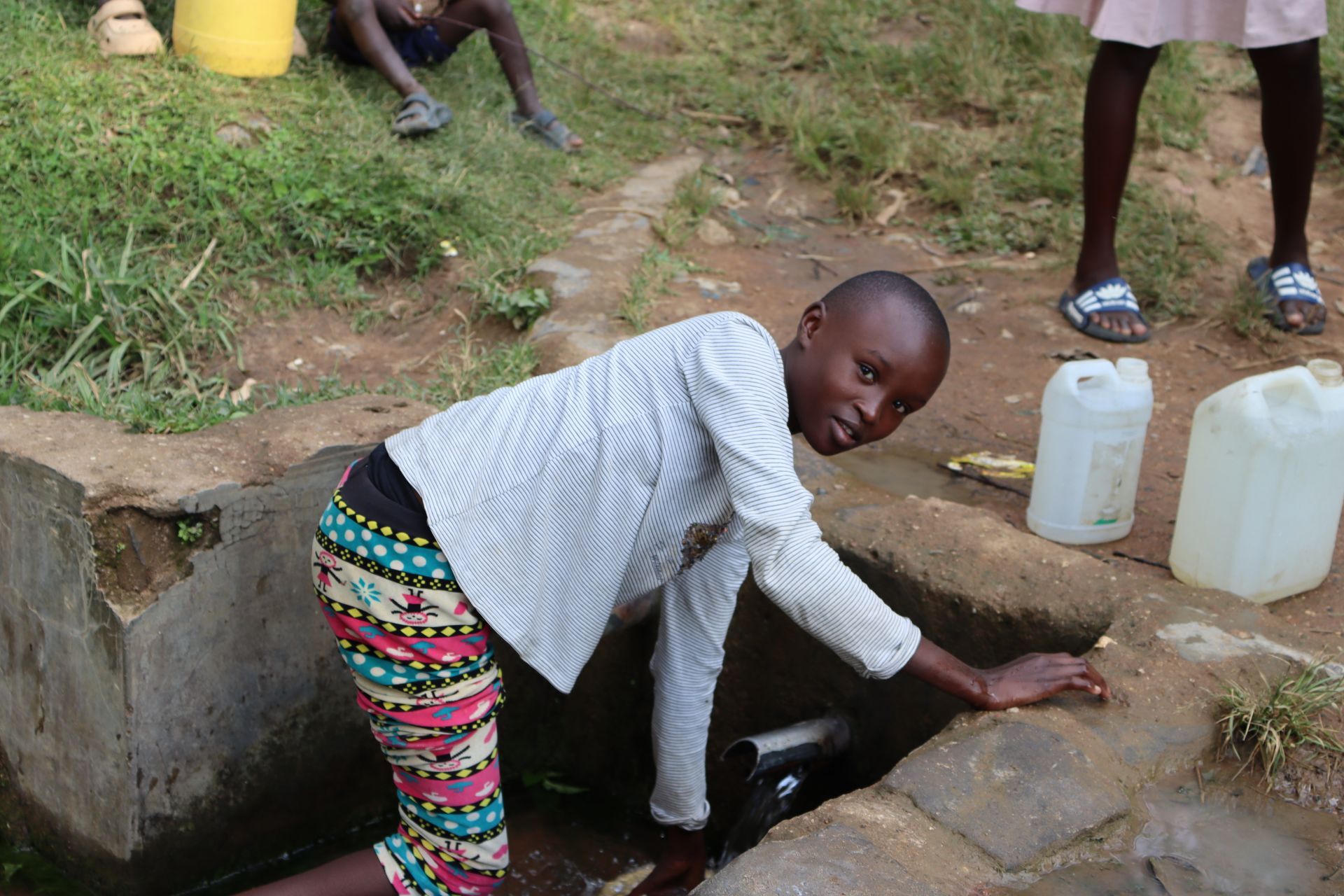
Mary already knows what it would mean for her and the rest of Lurambi: "A new water point will make us safer by providing a more reliable and protected source of clean water, reducing the risk of contamination that can cause waterborne diseases. It will also include safer access features, such as improved paths or stairs, which will reduce the chances of accidents like slipping or falling, especially for children and elderly people."
Steps Toward a Solution
Our technical experts worked with the local community to identify the most effective solution to their water crisis. They decided to safeguard the existing flowing spring.
Spring Protection
Springs are natural water sources that originate from deep underground. As water travels through various layers of the earth, it undergoes a natural filtration process, making it cleaner and safer to drink. To protect these spring sources from contamination, we construct a waterproof cement structure around layers of clay, stone, and soil. This design channels the spring water through a discharge pipe, facilitating easier, faster, and cleaner water collection.
Chlorine Dispenser
As an extra measure towards water quality safety, uniquely engineered chlorine dispensers are installed at all of our spring protection projects so community members can treat their water with pre-measured doses of chlorine. The chlorine treats any possible contamination and stays active for two to three days, ensuring water stays safe to use even when stored at home. Chlorine delivery and maintenance of the dispensers are part of our ongoing community support.
Community Education & Ownership
Hygiene and sanitation training are integral to our water projects. Training is tailored to each community's specific needs and includes key topics such as proper water handling, improved hygiene practices, disease transmission prevention, and care of the new water point. Safe water and improved hygiene habits foster a healthier future for everyone in the community.
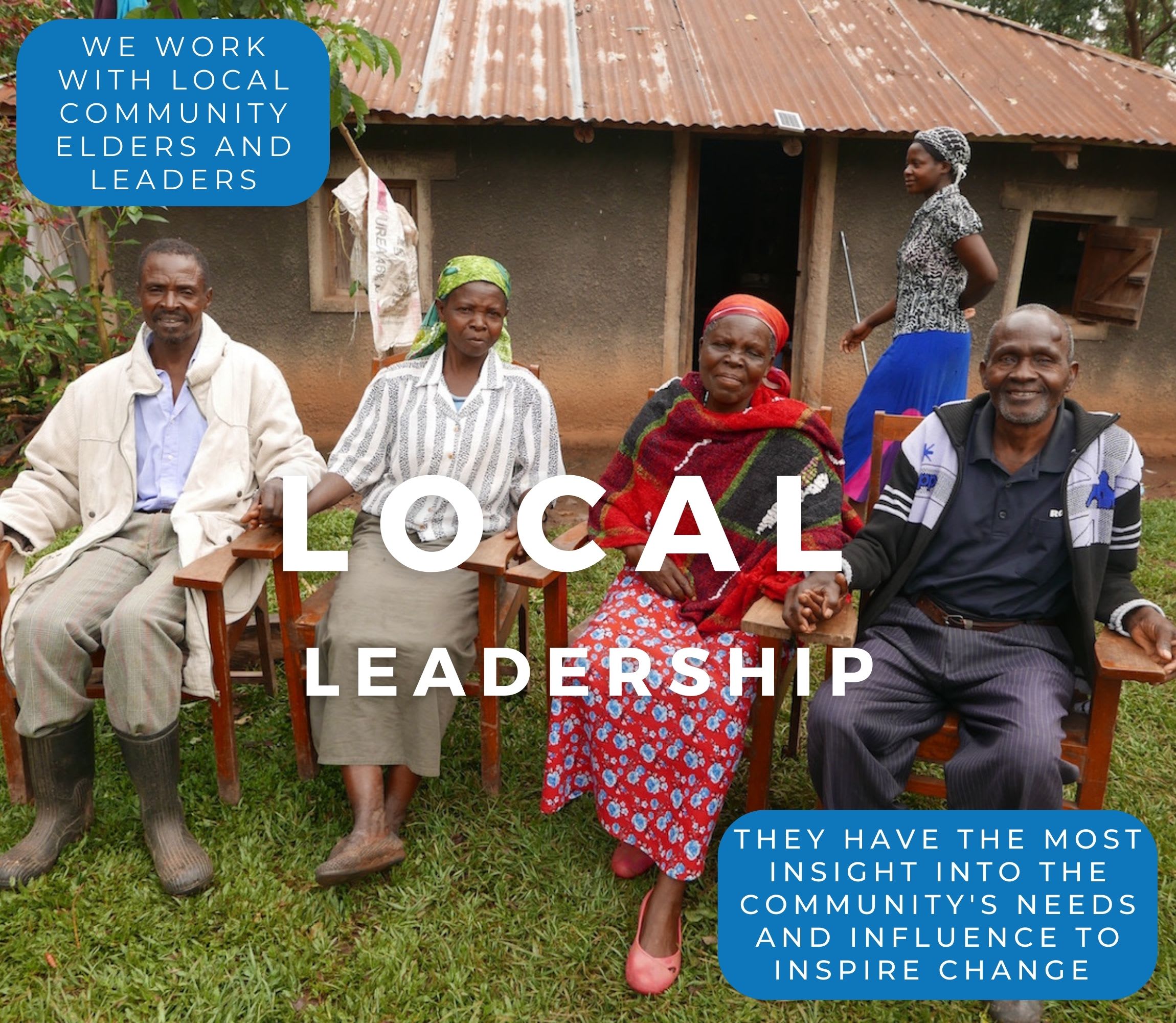
Encouraged and supported by our team's guidance, the community elects a water user committee representative of its diverse members. This committee assumes responsibility for maintaining the water point, organizing community efforts, and gathering fees to ensure its upkeep.