 Protected Spring

 Rehabilitation Project









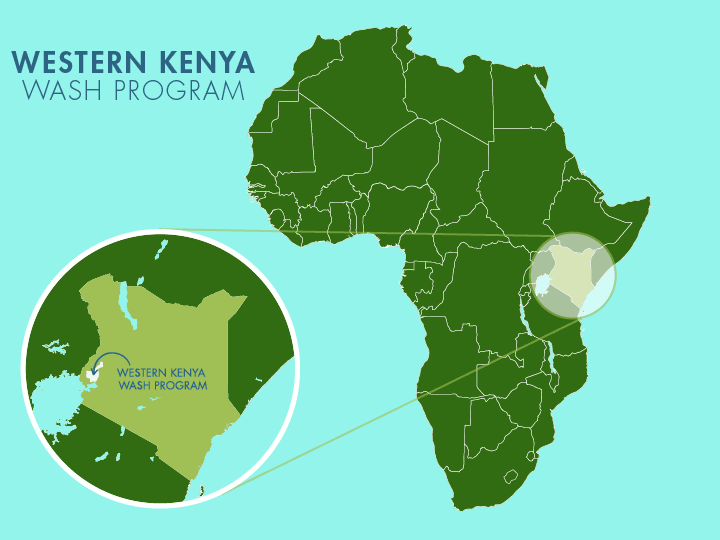
Beatrice is 10 years old and lives in Shikutse Community, where about 175 people rely on Lunyeri Spring. Like many children here, she spends part of her day fetching water.
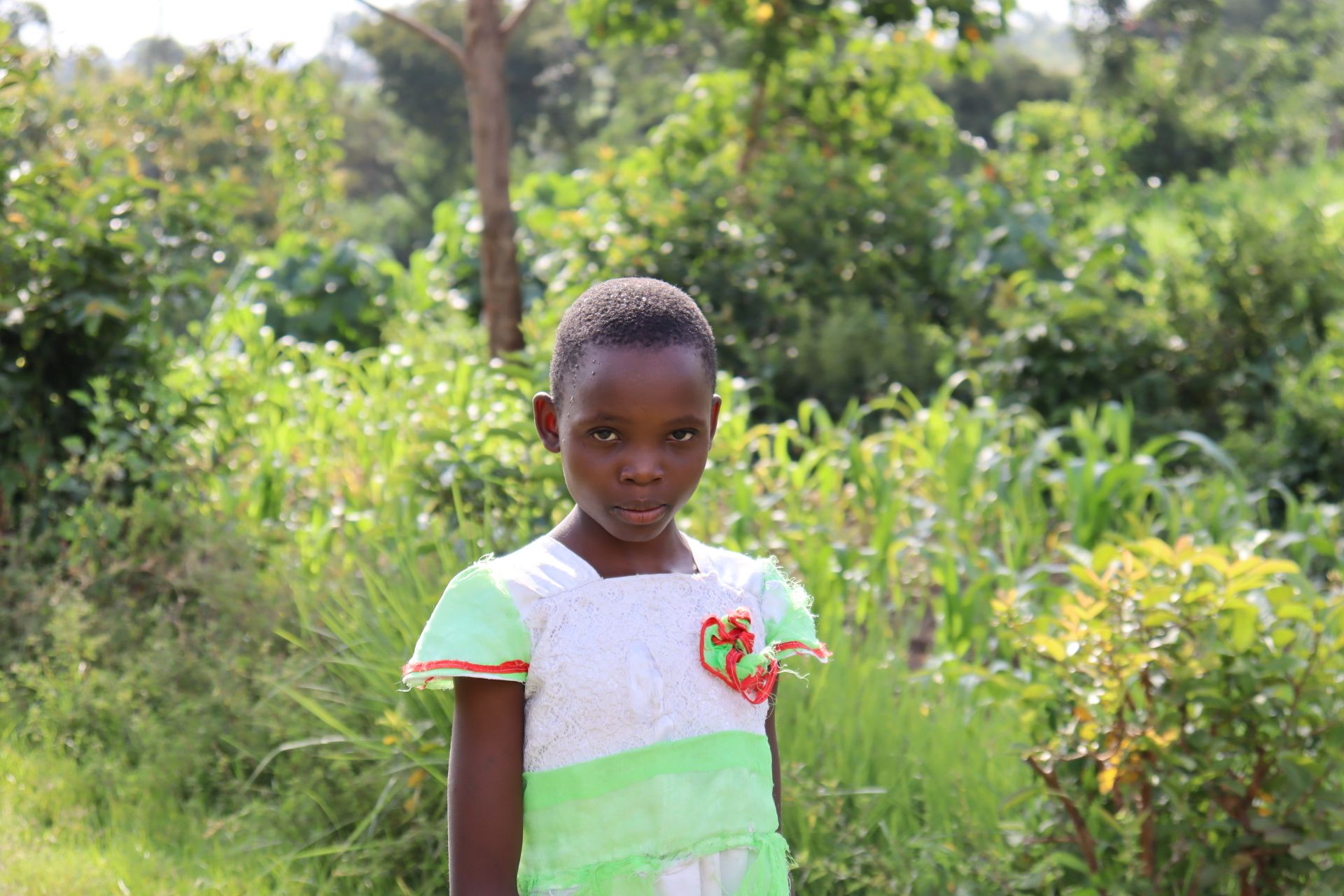
Beatrice.
“Fetching water takes so long because there are too many people at the water source, and the diverted water flows slowly. So I have to wait in a long line before I can fill my jerrycan and carry it home.”
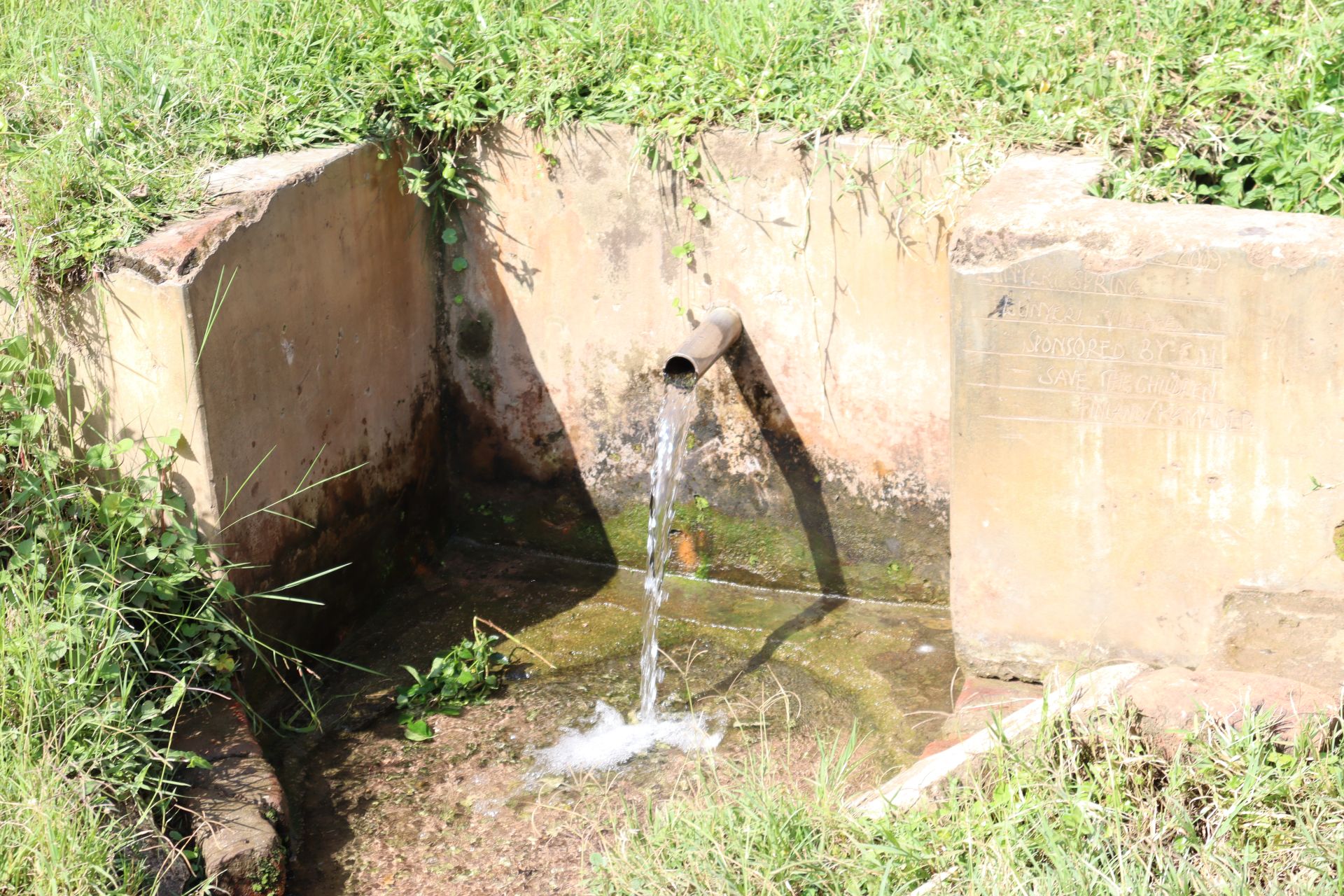
The spring in need of repair.
Lunyeri Spring sits on flat ground between maize and sugarcane fields, and it has never been protected. Over time, water has been diverted away from the drawing point, so the flow has slowed to a trickle. On a normal day, the wait is short. In the dry season, when other sources dry up, and everyone crowds in, it can stretch to half an hour.
The community has tried to fix the spring themselves, but without the technical know-how, their repairs didn’t hold, and the spring got worse. It has now been two years since Shikutse had a safe, reliable source of water.
“Since the water point broke down, accessing water has become more difficult and time-consuming. This has increased waiting times, disrupted daily routines, and made water collection more burdensome for households,” Beatrice said.
The only other option is a hand-dug well on private land. The owner sometimes lets neighbors draw water and sometimes doesn’t. The opening is dangerous for young children, who could fall in. With no drainage around it, surface runoff seeps in and contaminates the water. Families have reported stomach aches and diarrhea, which they suspect come from contaminated water.
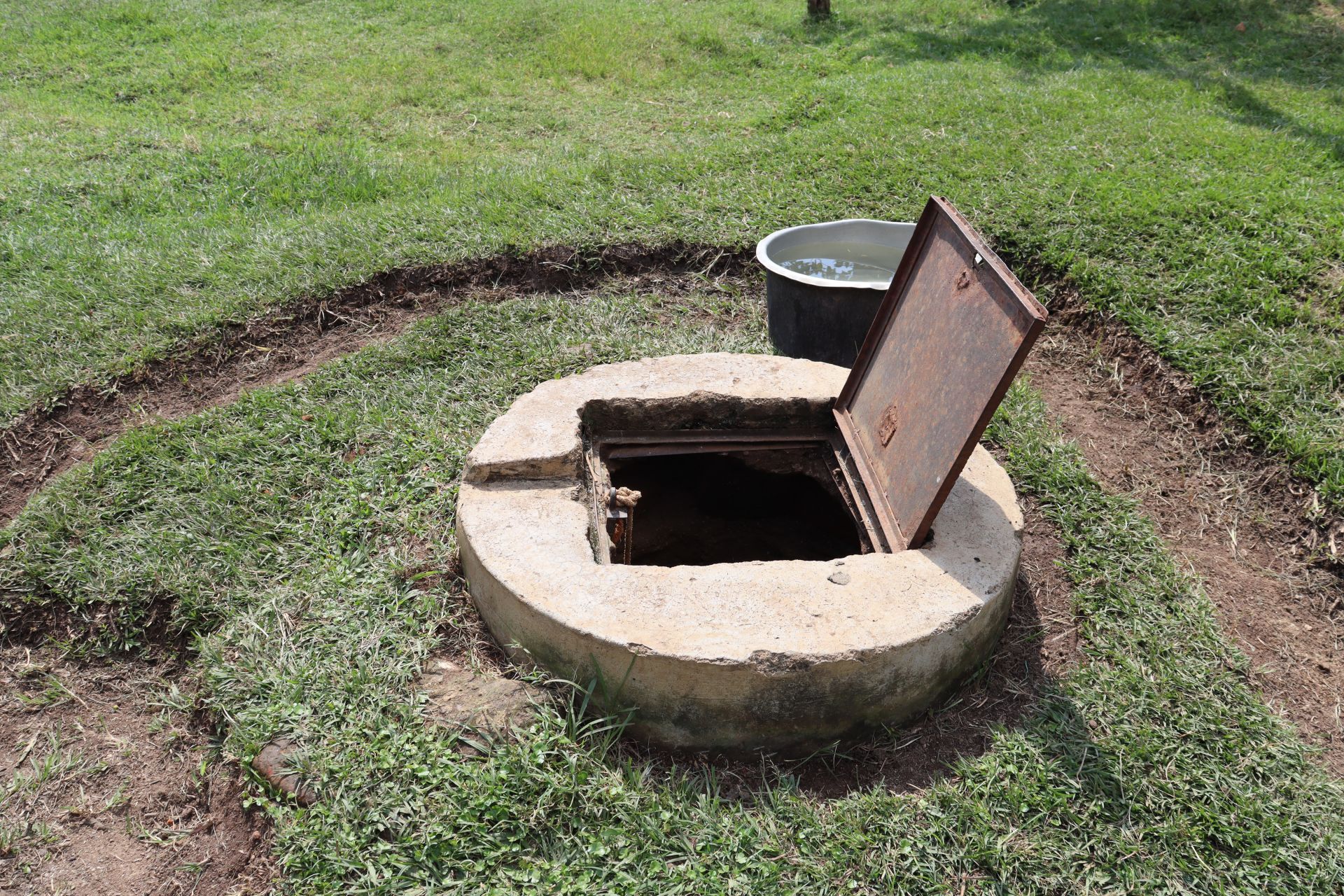
The dangerous open well that Beatrice uses as an alternative source.
For Beatrice, the hardest part is the time it costs her.
“Fetching water can affect my time for school because it takes time away from studying and doing homework. This may sometimes affect my performance, especially when I am tired or miss study time.”
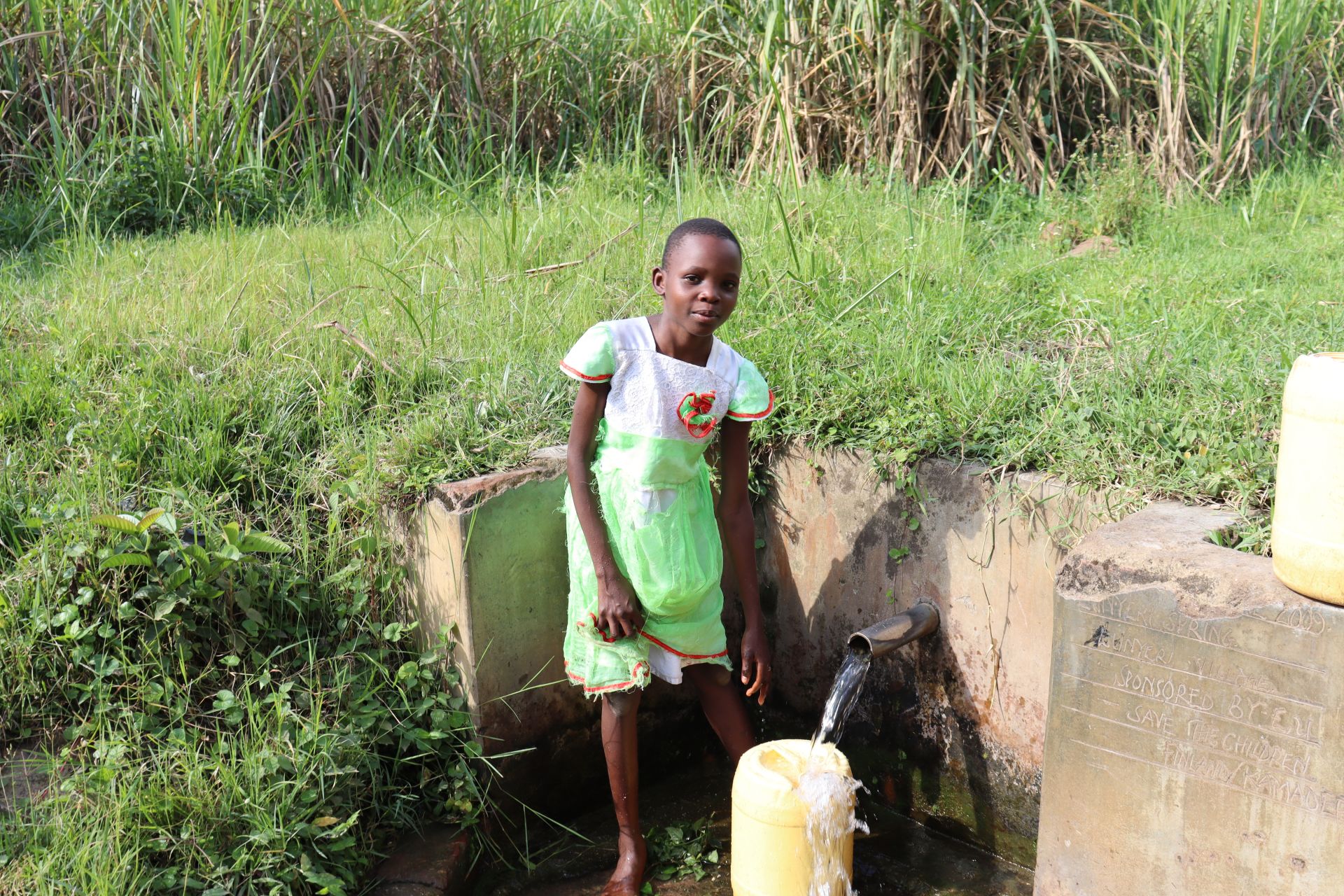
Beatrice.
She takes the chore seriously, but it wears on her. “When I am asked to fetch water, I feel it is part of my duty at home, but it can be frustrating when there are many people, and I have to wait for a long time. At times it becomes tiring, especially when I have other tasks to do.”
She knows what she would do with that time back. “If I did not have to spend so much time getting water, I would use that time to study, complete school assignments, and have time to play with my friends.”
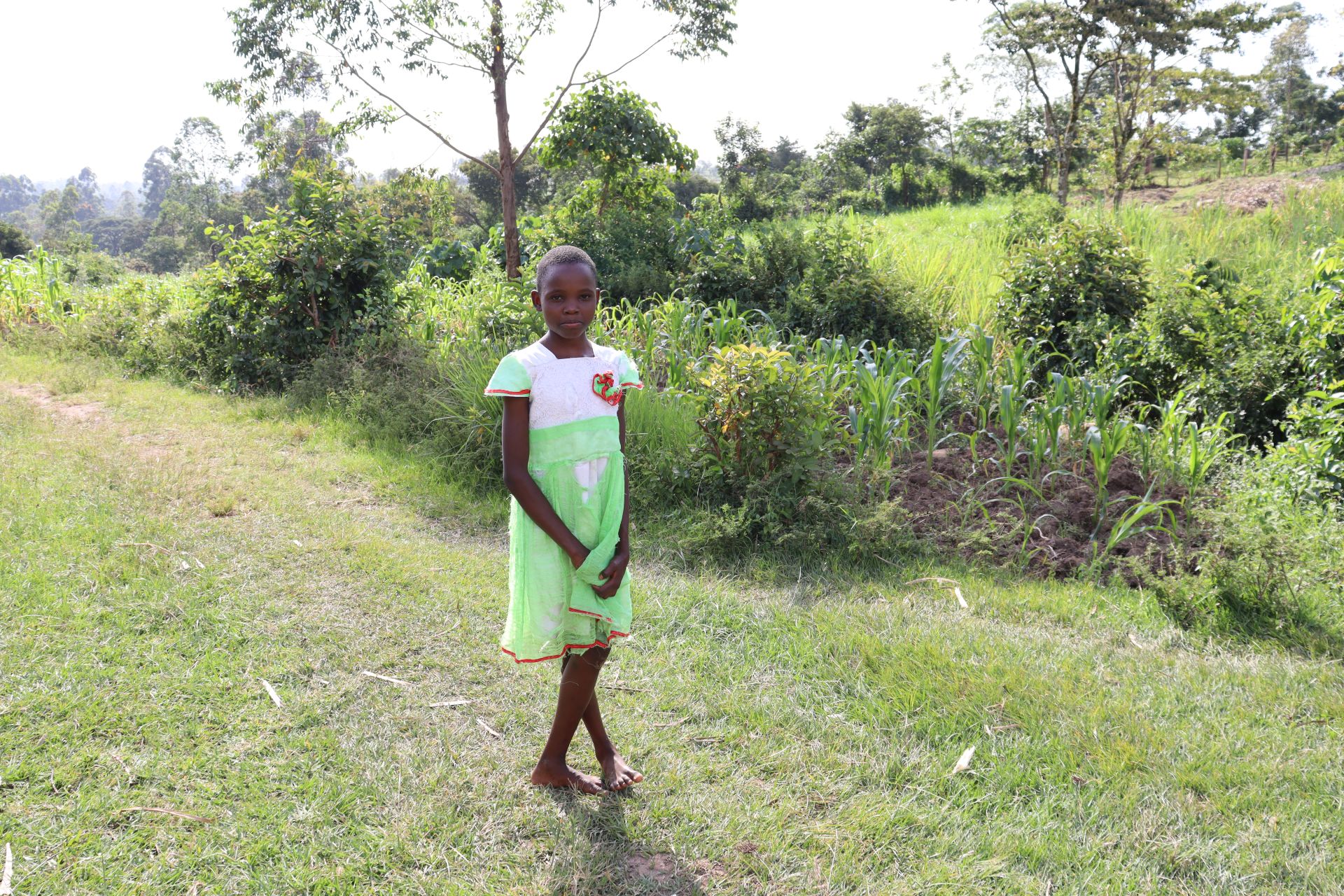
Beatrice has big plans. “My plan for the future is to continue with my education, work hard in school, and complete my studies. I hope to get a good job in the future so that I can support myself and my family and improve my living conditions.”
Steps Toward a Solution
Our technical experts worked with the local community to identify the most effective solution to their water crisis. They decided to safeguard the existing flowing spring.
Spring Protection
Springs are natural water sources that originate from deep underground. As water travels through various layers of the earth, it undergoes a natural filtration process, making it cleaner and safer to drink. To protect these spring sources from contamination, we construct a waterproof cement structure around layers of clay, stone, and soil. This design channels the spring water through a discharge pipe, facilitating easier, faster, and cleaner water collection.
Chlorine Dispenser
As an extra measure towards water quality safety, uniquely engineered chlorine dispensers are installed at all of our spring protection projects so community members can treat their water with pre-measured doses of chlorine. The chlorine treats any possible contamination and stays active for two to three days, ensuring water stays safe to use even when stored at home. Chlorine delivery and maintenance of the dispensers are part of our ongoing community support.
Community Education & Ownership
Hygiene and sanitation training are integral to our water projects. Training is tailored to each community's specific needs and includes key topics such as proper water handling, improved hygiene practices, disease transmission prevention, and care of the new water point. Safe water and improved hygiene habits foster a healthier future for everyone in the community.
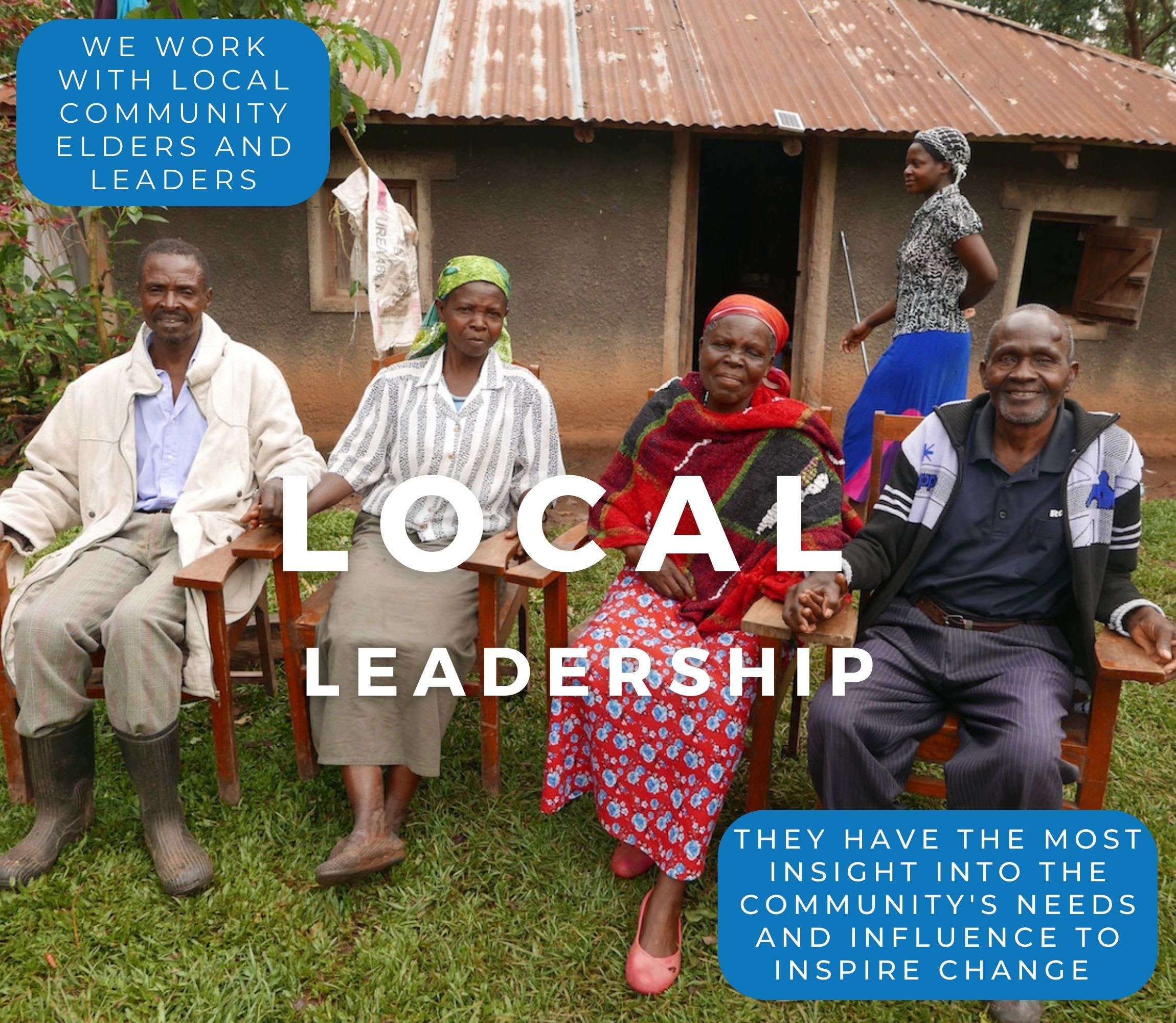
Encouraged and supported by our team's guidance, the community elects a water user committee representative of its diverse members. This committee assumes responsibility for maintaining the water point, organizing community efforts, and gathering fees to ensure its upkeep.