 Protected Spring

 Rehabilitation Project

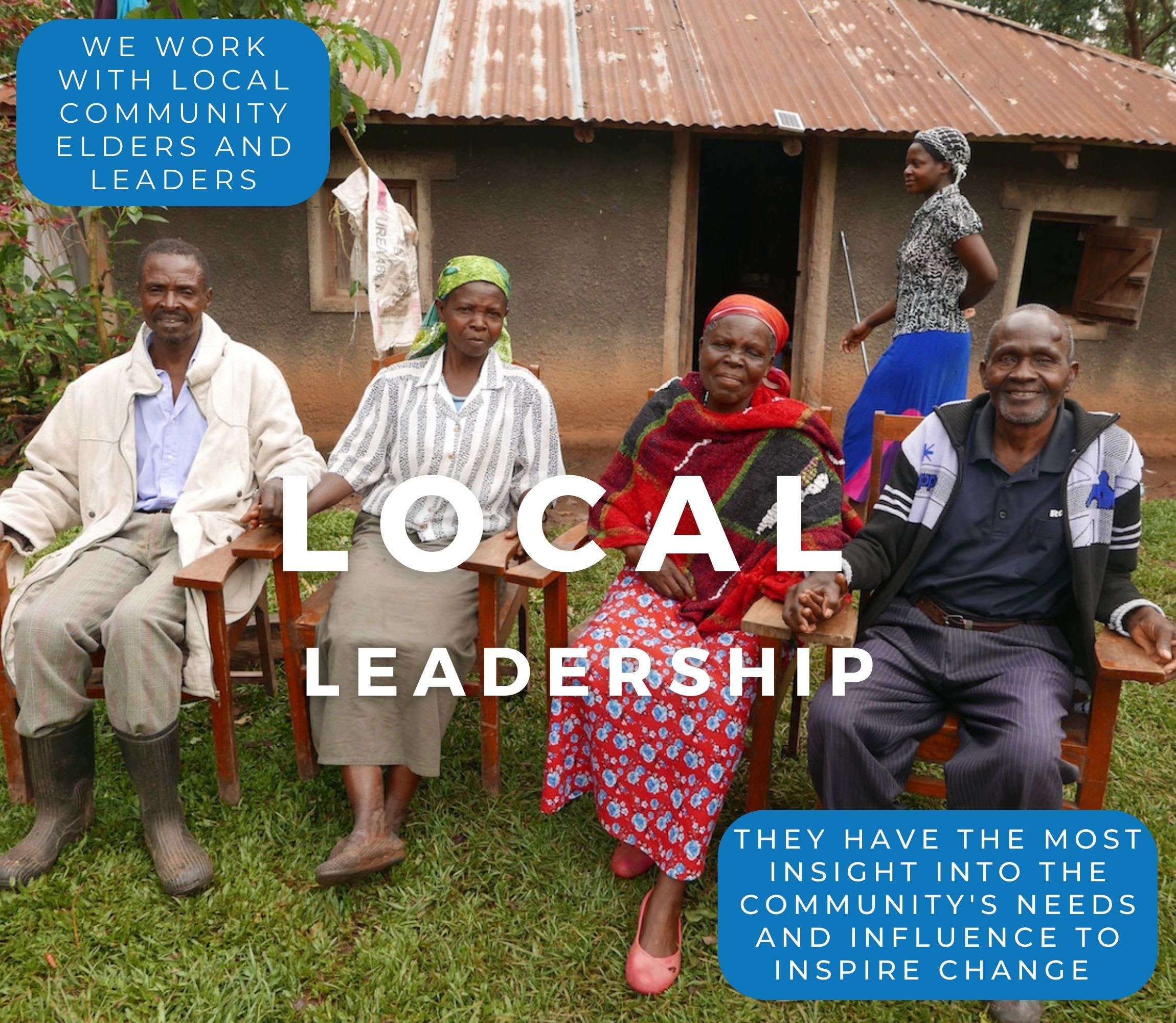









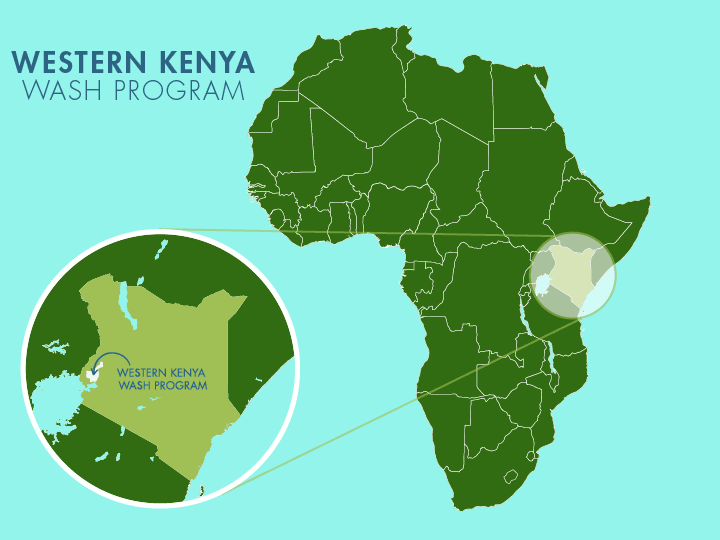
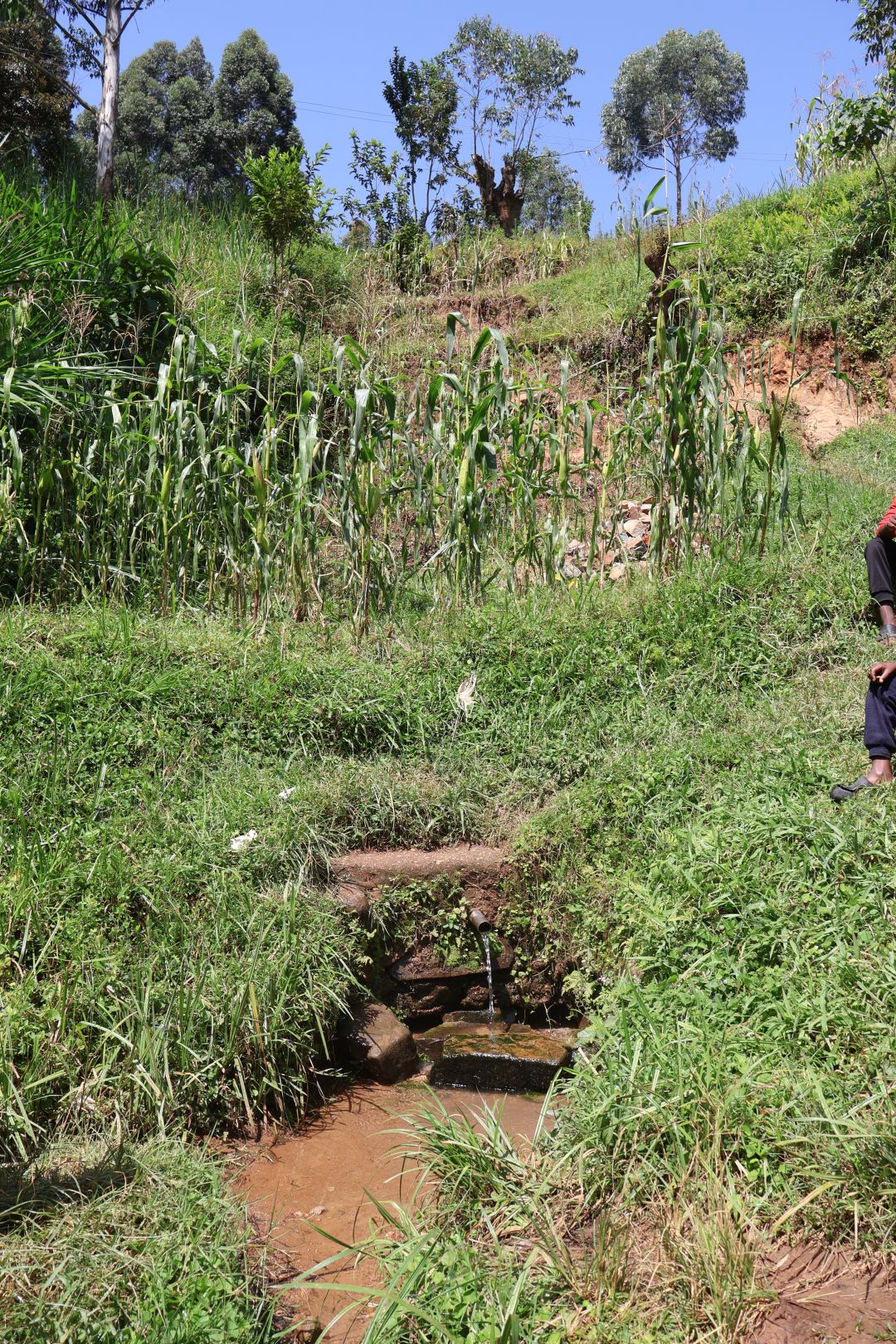
The 280 community members of the Sigong'o Community rely on Mulwanda Spring as their only water source, but it’s in rough shape. The spring was partially protected back in 1963 by community members who pooled together to improve it, but over the decades, the structure has broken down and is no longer doing its job properly. Today, the spring sits exposed, leaving it open to contamination, especially when it rains, when runoff carries dirt and debris straight into the water.
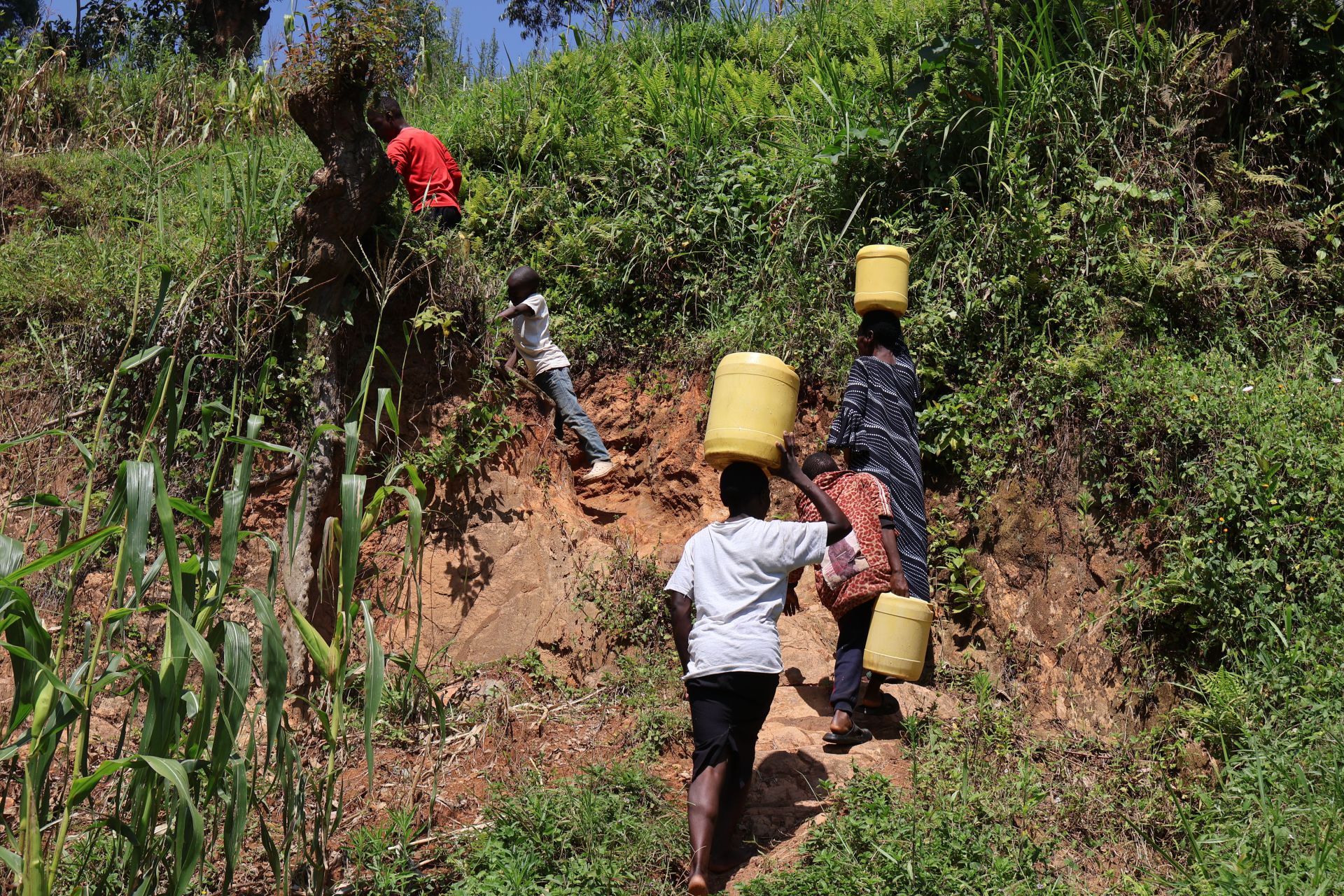
Getting to the spring is a real challenge on its own. The path is steep, uneven, and slippery, with loose soil and rocks that make every trip risky. For children, the elderly, and anyone with mobility difficulties, it’s genuinely dangerous. A typical round trip takes about 30 minutes, and that’s before accounting for the long wait once you get there; the average queue time alone is 25 minutes.
The health consequences are serious and well-known to the people living here. When the water is contaminated, community members report stomach aches, diarrhea, and typhoid; illnesses that hit hardest during the rainy season when the spring is most vulnerable.
Margaret Siahi, a 61-year-old farmer in the community, must make up to five trips a day to get the water her family needs to survive. The task leaves her with little time for the other critical things in her life.
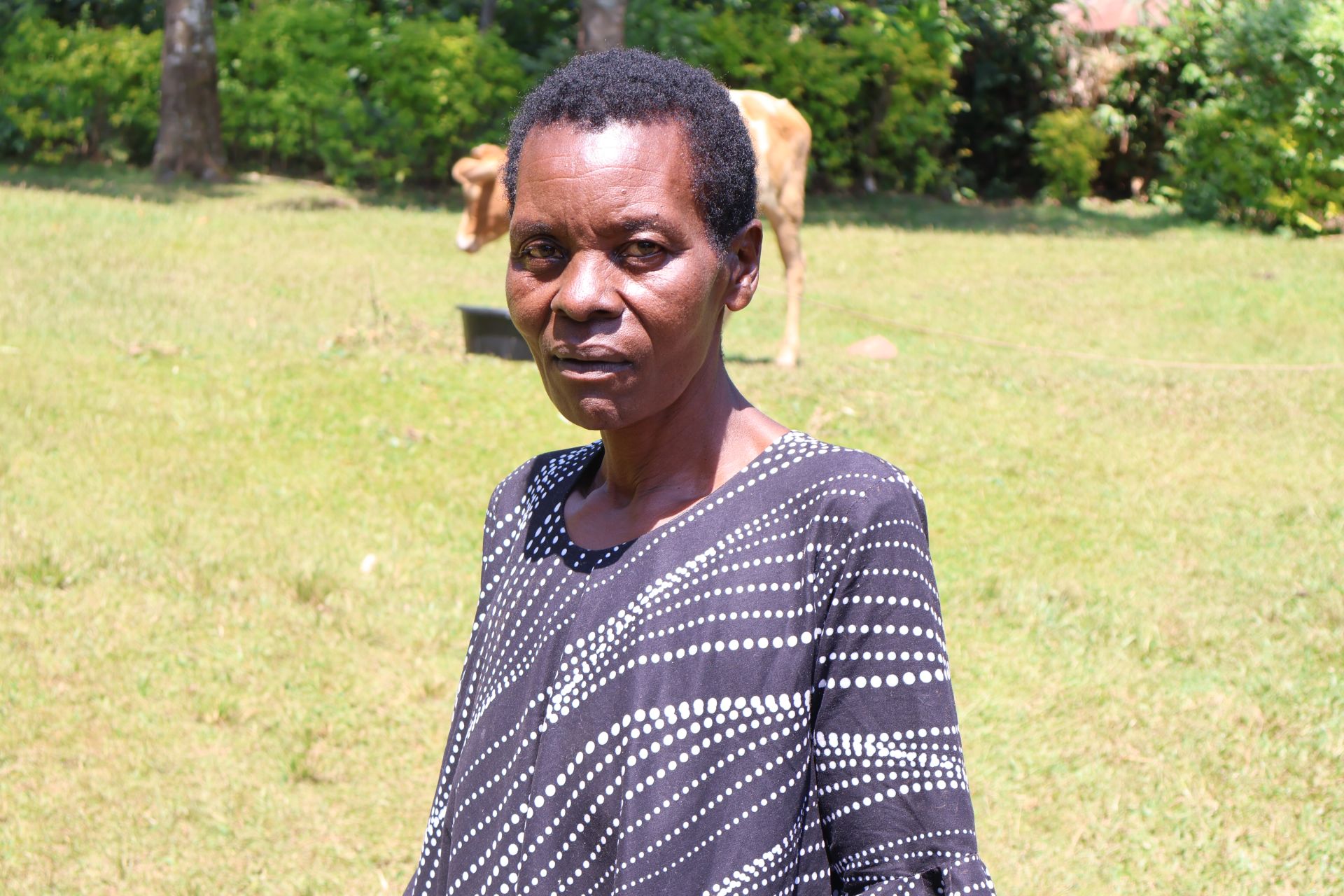
"Since the water point broke down, life has become harder for us. We spend more time and energy fetching water, and even the water is not always safe. People fall sick more often, especially when it rains, hence affecting our daily routines. It has also brought a lot of worry, because we depend on this water every day," Ms. Siahi said.
She recalled, "Not long ago, during the last rainy season, I fell sick with severe stomach pain and weakness after drinking water from the spring. It was exhausting and worrying, especially because I still had to take care of my family. Moments like this make me anxious, knowing that the water we rely on can easily make me, my children, and even grandchildren unwell."
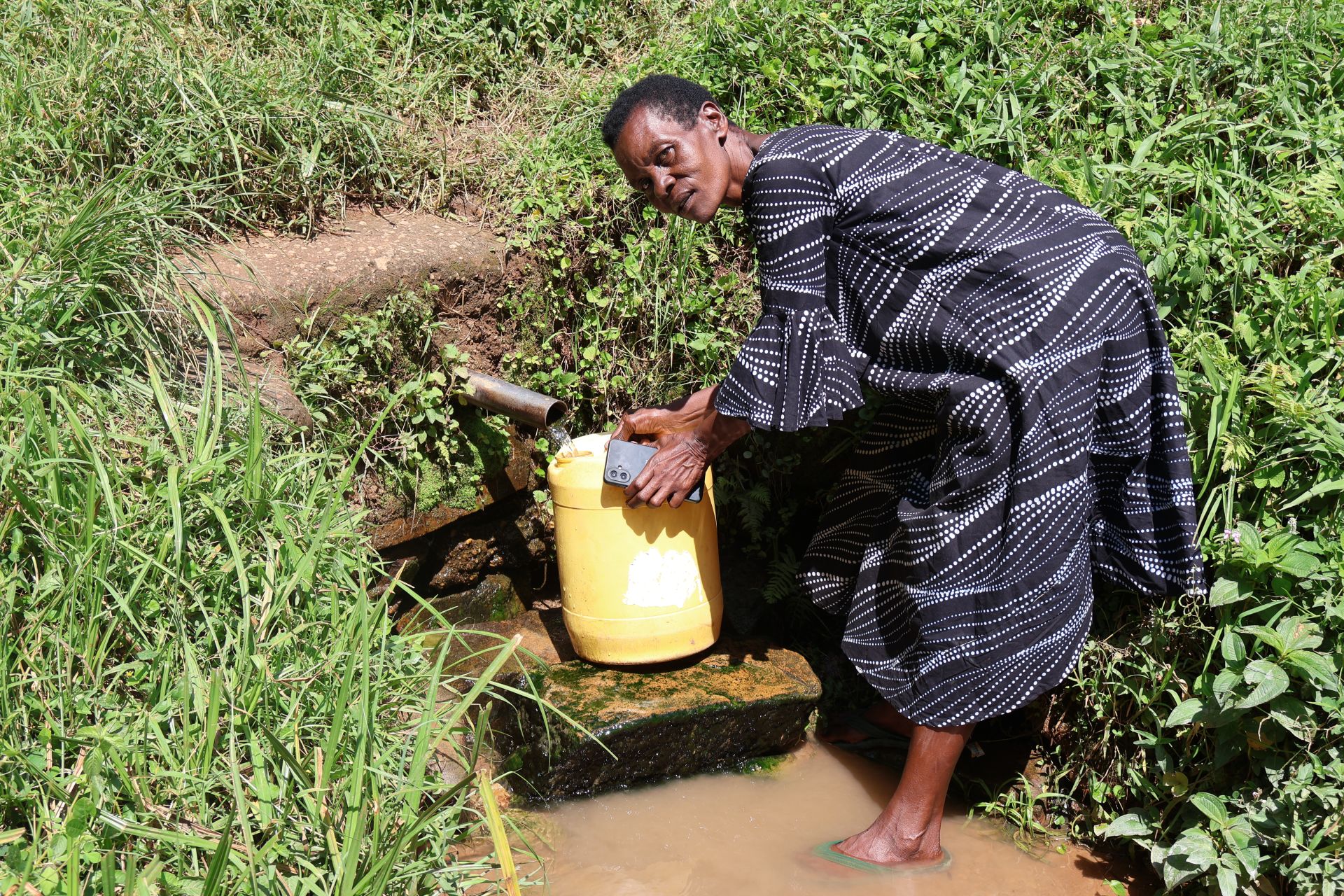
"When I or someone in my family gets sick, we often start with simple home remedies, but if it gets worse, we go to the clinic or buy medicine from a chemist. It’s not easy, because the cost adds up, especially when it happens often and it takes money we would have used for other important needs at home," she continued.
The health impacts are serious and consume people's energy and resources, but there are other concerns as well. Access to and from the spring is dangerous, and the time required to collect water is frustrating.
"Sometimes, my family members and I have had to wait up to one hour to collect water. This usually happens during dry periods or when many people are lined up at the same time. The difficult terrain also slows things down, as people have to move carefully when accessing the spring," Ms. Siahi said.
The approach to the spring is treacherous, especially for those who are young or old or who have mobility challenges.
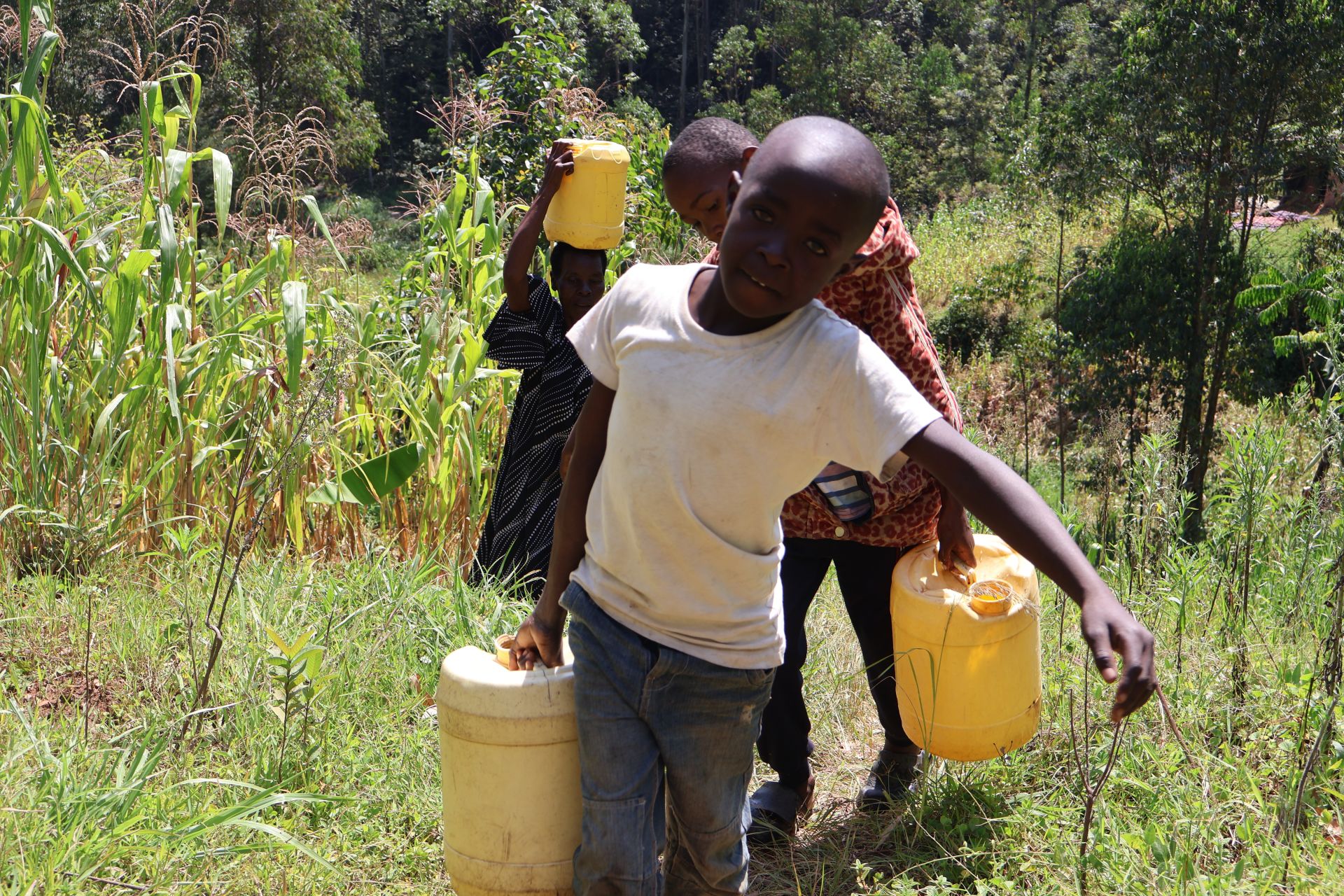
"I am concerned about safety because the path to the spring is steep, slippery, and uneven, especially when it rains. It is easy to slip or fall while fetching water," she continued.
Mulwanda Spring will be designed with inclusive features to improve accessibility for people living with disabilities despite the steep terrain. The access route will combine well-constructed stairs with non-slip surfaces.
With a protected spring that provides safe-to-consume water and an easier-to-access water point, community members will have more time and energy for their daily lives.
"If I didn’t have to spend so much time fetching water, I would rest more and take better care of my grandchildren. I would also have more time to tend to small chores at home and maybe do some light farming. It would ease my burden and allow me to live more comfortably at my age," Ms. Siahi concluded.
Steps Toward a Solution
Our technical experts worked with the local community to identify the most effective solution to their water crisis. They decided to safeguard the existing flowing spring.
Spring Protection
Springs are natural water sources that originate from deep underground. As water travels through various layers of the earth, it undergoes a natural filtration process, making it cleaner and safer to drink. To protect these spring sources from contamination, we construct a waterproof cement structure around layers of clay, stone, and soil. This design channels the spring water through a discharge pipe, facilitating easier, faster, and cleaner water collection.
Chlorine Dispenser
As an extra measure towards water quality safety, uniquely engineered chlorine dispensers are installed at all of our spring protection projects so community members can treat their water with pre-measured doses of chlorine. The chlorine treats any possible contamination and stays active for two to three days, ensuring water stays safe to use even when stored at home. Chlorine delivery and maintenance of the dispensers are part of our ongoing community support.
Community Education & Ownership
Hygiene and sanitation training are integral to our water projects. Training is tailored to each community's specific needs and includes key topics such as proper water handling, improved hygiene practices, disease transmission prevention, and care of the new water point. Safe water and improved hygiene habits foster a healthier future for everyone in the community.
Encouraged and supported by our team's guidance, the community elects a water user committee representative of its diverse members. This committee assumes responsibility for maintaining the water point, organizing community efforts, and gathering fees to ensure its upkeep.