 Protected Spring

 Rehabilitation Project











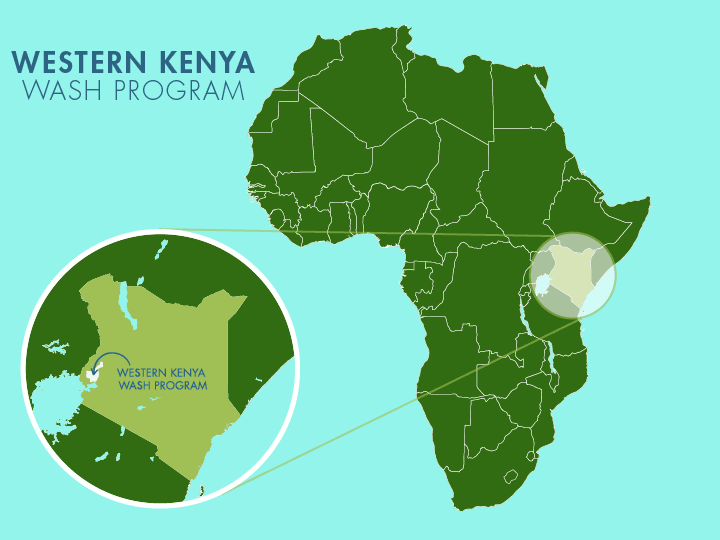
Emulundu sits on a steep slope in Kenya’s Kakamega County. Its 180 residents get their water from one protected spring at the bottom of the hill. They aren’t the only ones who rely on it. About 300 more people from Emulundu Primary School use the same spring.
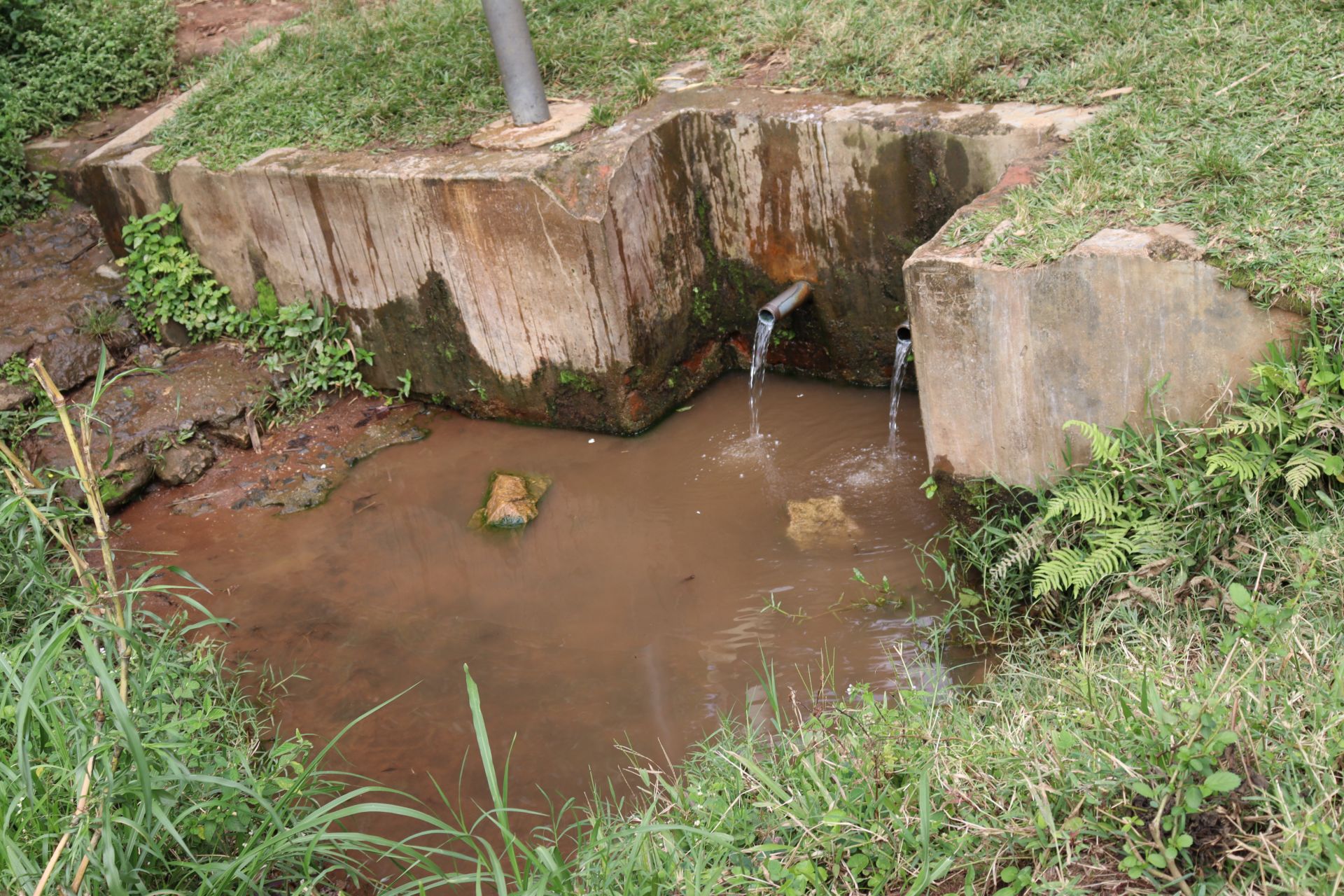
The spring in a state of disrepair.
Judith Andeso, a 50-year-old farmer, makes that trip more often than most.
“At times, we fetch water like for seven rounds because of the animals we are keeping. During the dry season, they take a lot of water, and cleaning their pens also requires more water”
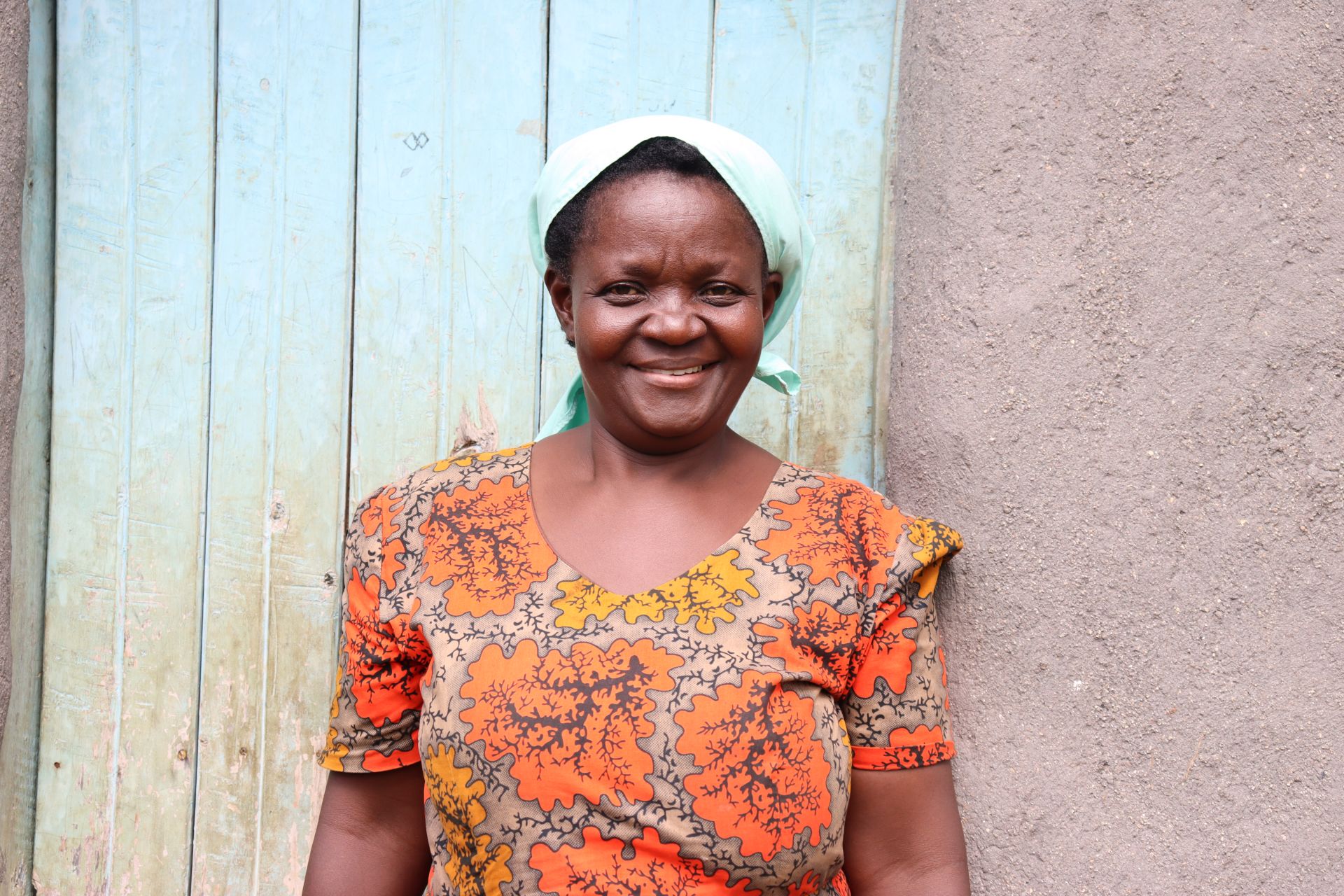
Judith Andeso.
The spring itself has plenty of water, and it comes out fresh, clear, and cool. The trouble is getting to it and keeping it clean. The people who first built the spring installed a steep staircase that has since deteriorated and become dangerous, especially for young children, especially in the rainy season. Users have changed the route to make it safer, but women and girls still hold onto nearby shrubs or the damaged stairs to get down to the water.
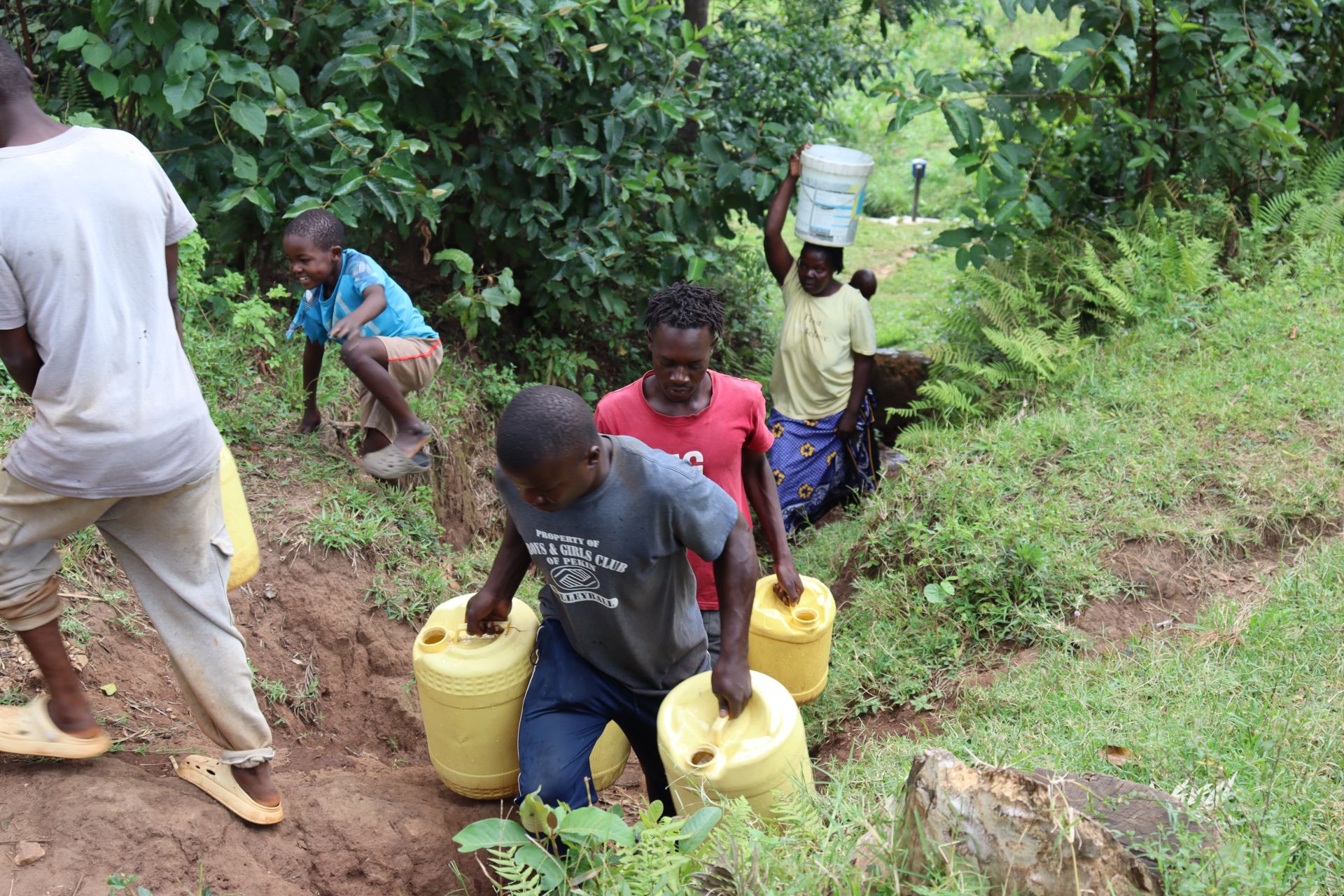
Community members haul their heavy jerrycans uphill from the spring.
Rain brings another problem. The spring has no cut-off drainage, so unsafe runoff flows straight into it. Standing water fills the drawing point, and cracks at the bottom of the headwall let some of the water escape.
“The environment is untidy because of the surface runoff water. The dirt, animals, and human activities are among the pollutants of this spring, and that is why I am always concerned.”
On a normal day, Judith waits about 15 minutes at the spring. Weekends and evenings are busier.
“15-20 mins because some days, like Saturdays and evenings, people are found at home. Pupils are not in school; some people are away from work, and others are even [on] the school grounds playing soccer. All these people need water either in the morning or evening. Generally, thorough cleanliness takes place during weekends. These activities increase water need, thus causing many people to be found at the spring.”
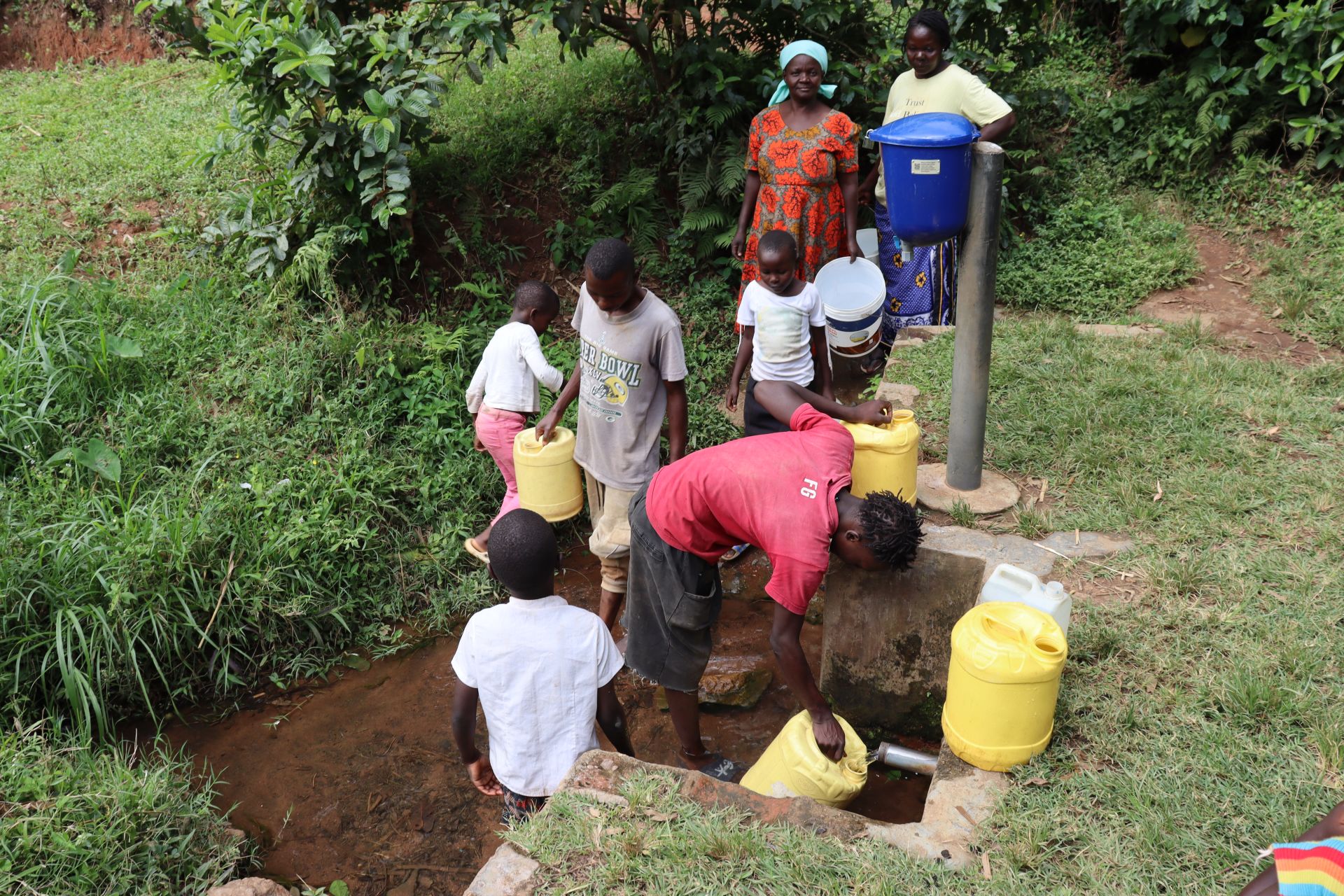
People wait their turn to collect at the spring.
Every minute at the spring is a minute away from work that Judith is proud of.
“Being a housewife or not having an official job does not mean I am jobless. Beginning my day with house chores, getting [the] animals fed, and going to the farm is so much work that needs dedication. So the time that I am not fetching water, I am either in my farm planting vegetables, weeding, or looking for animal feed. Quality time spent here gives me income.”
For Judith, water is what keeps everything else running.
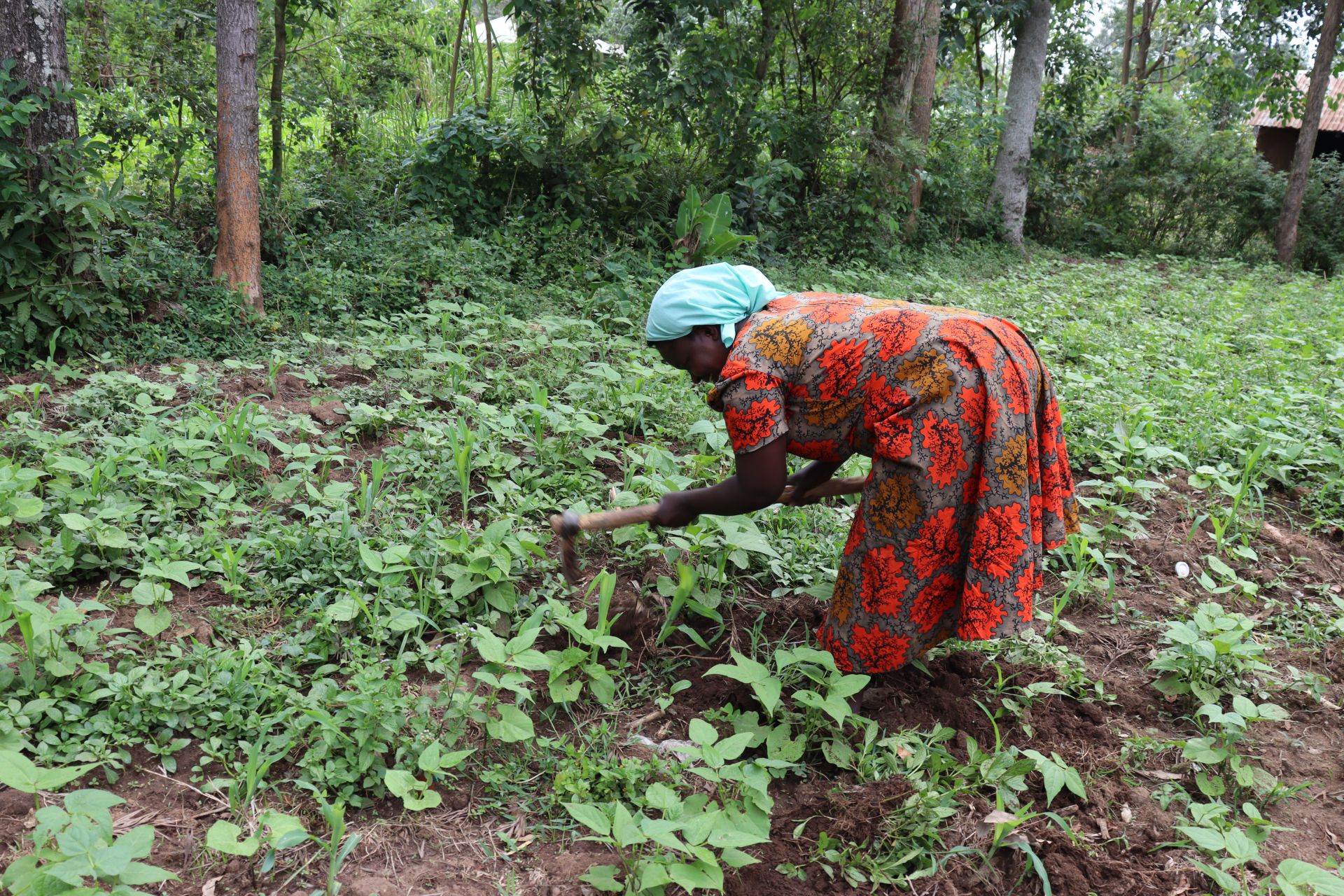
Judith working her farm.
“It keeps us moving, every day activity relies on water. Just as the engine pumps fuel, water is as essential as the fuel. For us to be able to effectively function, water can never [be] missing in the equation.”
Emulundu is already doing its part. When the community mobilizer blows a whistle, members walk toward the sound, split into groups, and take turns cleaning the spring on different weeks. The community is also planning a fish pond project and wants its user committee to meet more often to discuss maintaining drainage, keeping the spring clean, and managing the project.
The planned work will replace the broken staircase with a safe, properly built one. The project also includes seed planting and menstrual hygiene management. For Judith, that means time and health she can put back into her farm and family.
“The much time that is spent at the spring will be converted to productivity. This will happen because the new water point will cause my family [to] be in good health, thus able to work and produce results.”
Steps Toward a Solution
Our technical experts worked with the local community to identify the most effective solution to their water crisis. They decided to safeguard the existing flowing spring.
Spring Protection
Springs are natural water sources that originate from deep underground. As water travels through various layers of the earth, it undergoes a natural filtration process, making it cleaner and safer to drink. To protect these spring sources from contamination, we construct a waterproof cement structure around layers of clay, stone, and soil. This design channels the spring water through a discharge pipe, facilitating easier, faster, and cleaner water collection.
Chlorine Dispenser
As an extra measure towards water quality safety, uniquely engineered chlorine dispensers are installed at all of our spring protection projects so community members can treat their water with pre-measured doses of chlorine. The chlorine treats any possible contamination and stays active for two to three days, ensuring water stays safe to use even when stored at home. Chlorine delivery and maintenance of the dispensers are part of our ongoing community support.
Community Education & Ownership
Hygiene and sanitation training are integral to our water projects. Training is tailored to each community's specific needs and includes key topics such as proper water handling, improved hygiene practices, disease transmission prevention, and care of the new water point. Safe water and improved hygiene habits foster a healthier future for everyone in the community.
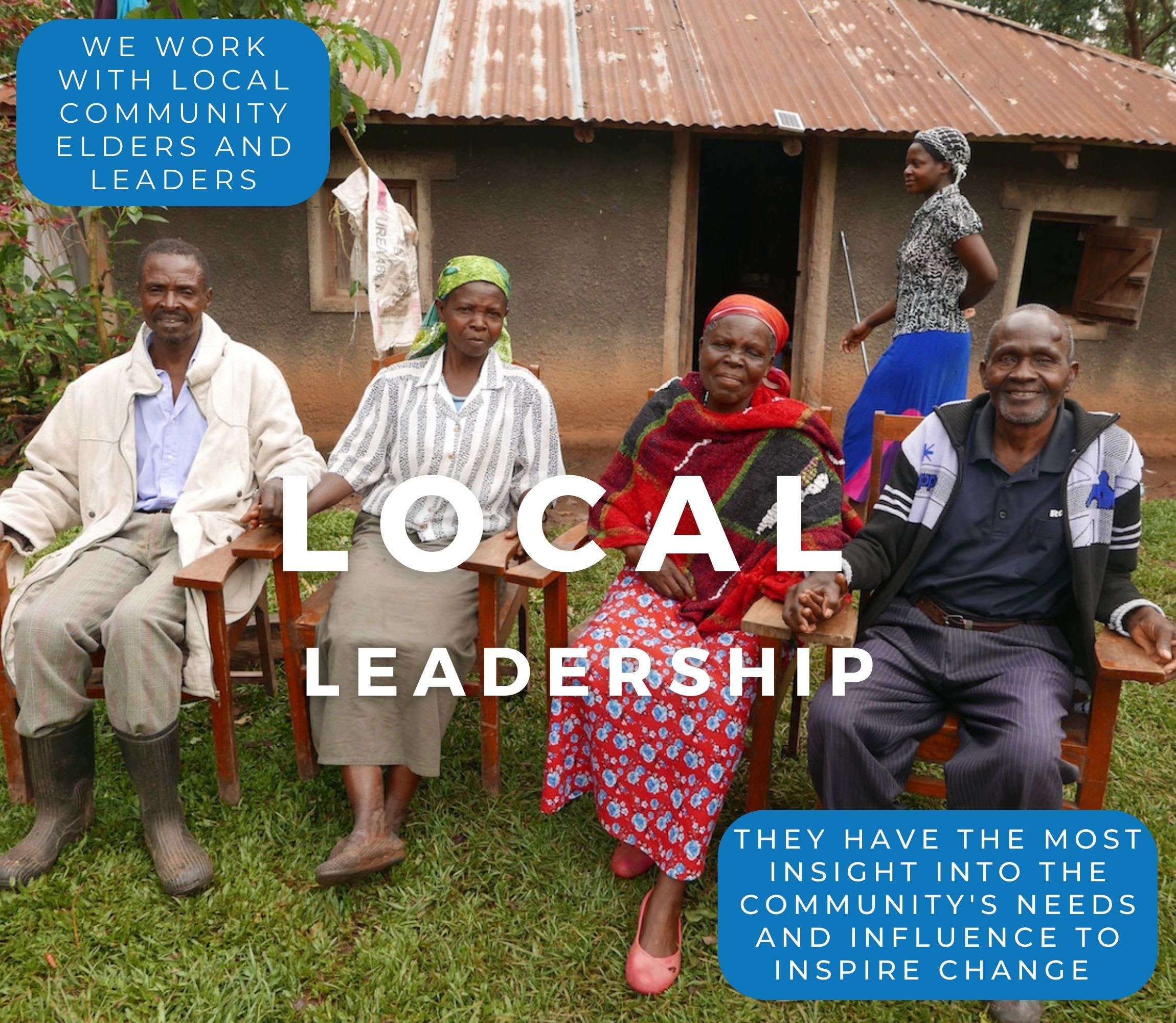
Encouraged and supported by our team's guidance, the community elects a water user committee representative of its diverse members. This committee assumes responsibility for maintaining the water point, organizing community efforts, and gathering fees to ensure its upkeep.