 Protected Spring

 Rehabilitation Project









The 280 people who live in the Emulundu Community have three water sources, but none of them is truly safe to drink. Their main source is the unprotected Eshironyanga Spring, where the water is visibly dirty and foul-smelling. Another option is a nearby well, but access is rationed by the owner, and the water quality is questionable, especially when it rains, turning the water murky and strange-tasting. Families also collect rainwater from iron-sheet roofs during the limited rainy season. Every option carries risk.
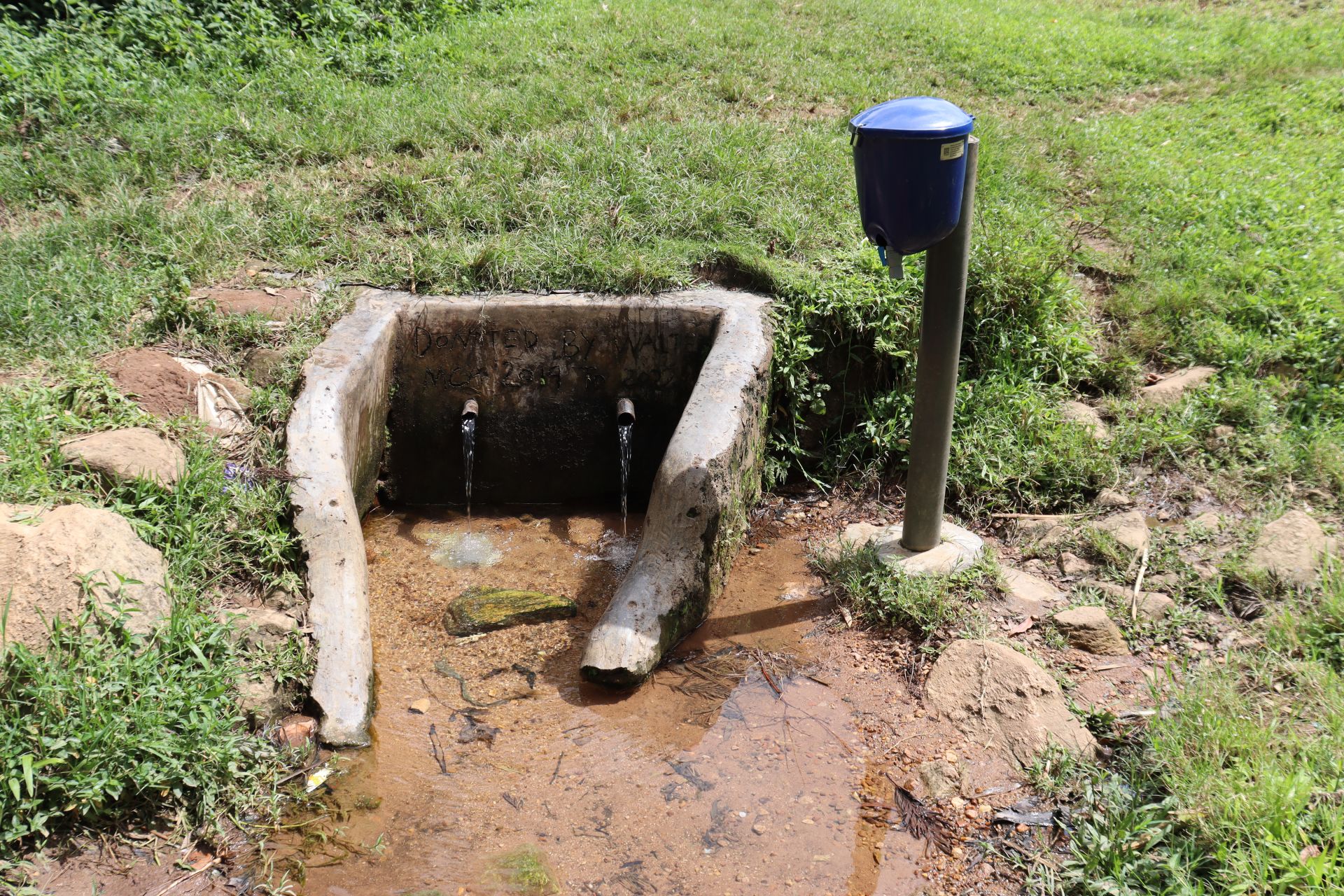
The health toll is real. Contaminated water has made water-related health issues common. But that is not the only issue people face. When water levels drop, crowding at the sources means people spend even more time waiting - time that could go toward work, school, or caring for their families.

This community has already tried to fix the problem on its own. They installed a chlorine dispenser and worked with local leaders to partially protect the spring, but without proper construction, it still lacks the drainage, stairs, and fencing needed to keep it clean and safe. Their effort shows how much they value clean water. What they need now is a properly built solution that finally meets the standard their community deserves.
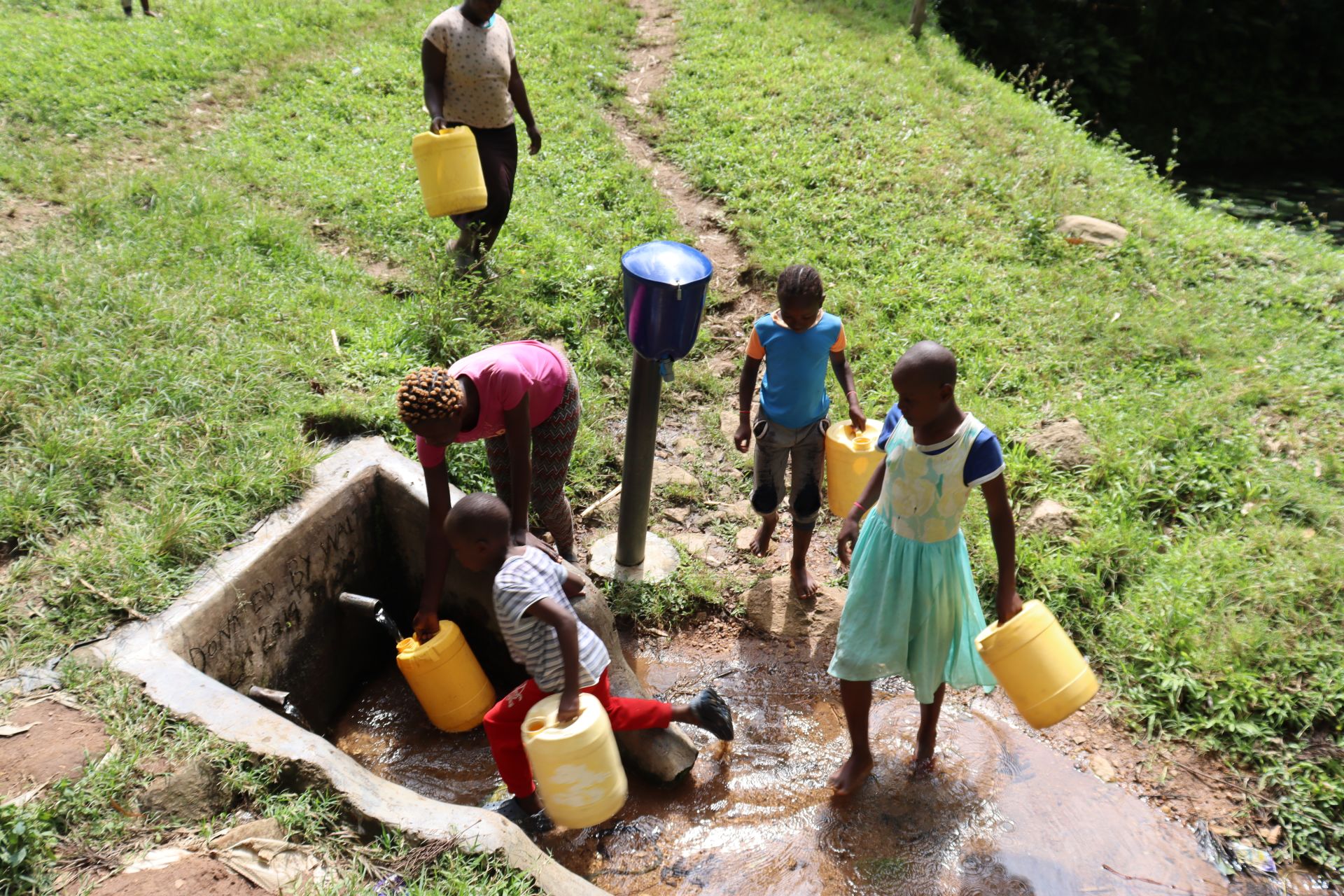
10-year-old Blantaena has no choice but to use the contaminated water, which comes at a high cost.
"I do get sick more often due to the fact that our water is not safe. Every time it rains, water from the spring changes color, and all the solid waste materials are deposited at the spring, making it look like a dumping site," she said.
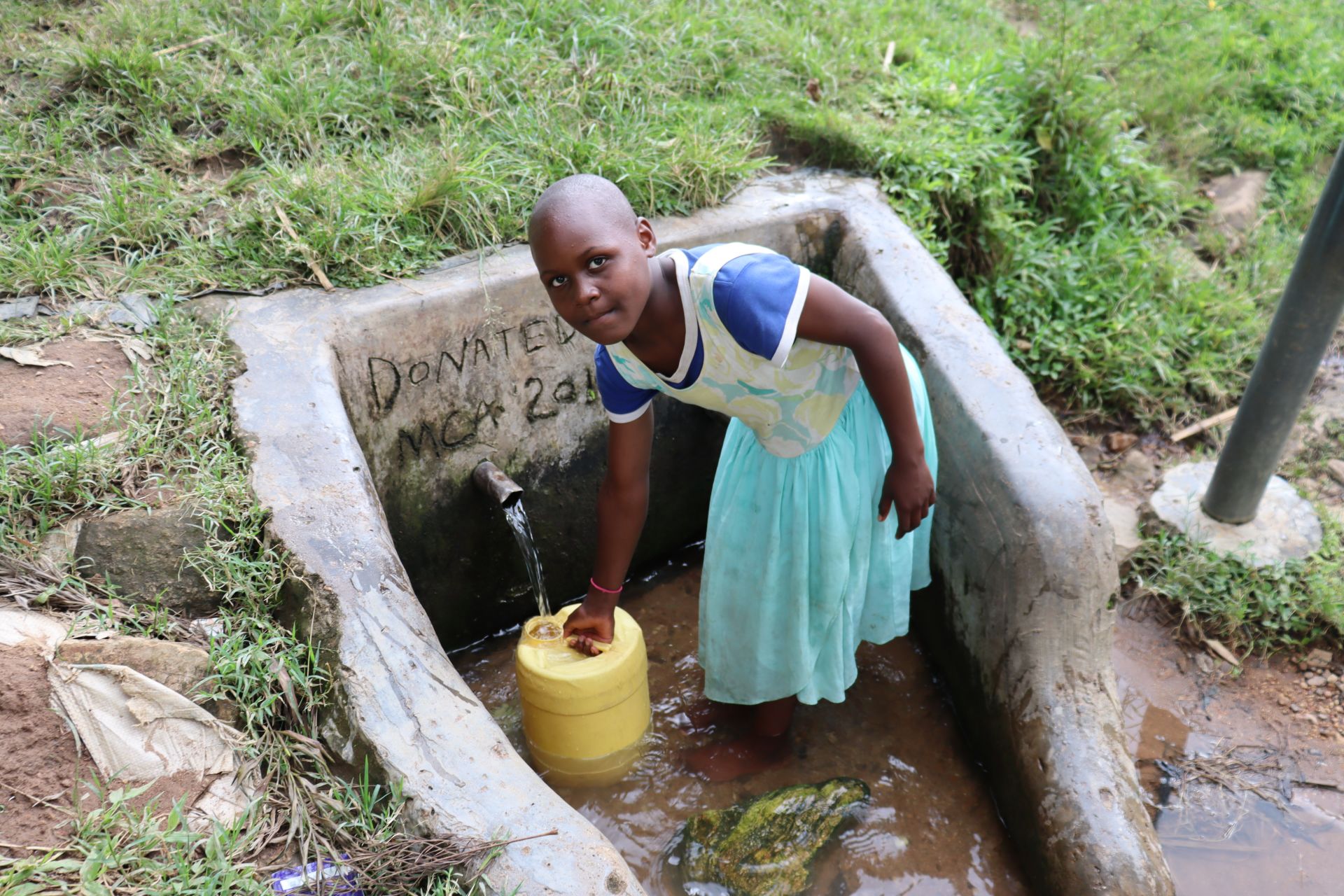
Blantaena at the spring collecting water.
"I regularly miss school when I get sick, because my body is painful and I can not spend much time sitting on a chair or even standing for long. [I] always feel like just sleeping and relaxing to allow for recovery from the disease. Drinking unsafe water is very dangerous because it makes a person lose concentration and feel pain all over their whole body. For my case, when I was sick, I could not wake up early or even eat food well, because I was seriously vomiting and having stomachache," Blantaena continued.
If a child is sick with a waterborne illness, they’re at home — not learning. Sick children fall behind. Falling behind leads to dropping out. Dropping out limits their future. Clean water is one of the first steps to breaking that cycle.
Blantaena has her own dream for the future, and a clean water source in her community would make it much more attainable.
"My future plans are to be a doctor to treat people, and have enough money to start my own life, where I can travel to various places in our country to see how people live their lives," she dreams.
Steps Toward a Solution
Our technical experts worked with the local community to identify the most effective solution to their water crisis. They decided to safeguard the existing flowing spring.
Spring Protection
Springs are natural water sources that originate from deep underground. As water travels through various layers of the earth, it undergoes a natural filtration process, making it cleaner and safer to drink. To protect these spring sources from contamination, we construct a waterproof cement structure around layers of clay, stone, and soil. This design channels the spring water through a discharge pipe, facilitating easier, faster, and cleaner water collection.
Chlorine Dispenser
As an extra measure towards water quality safety, uniquely engineered chlorine dispensers are installed at all of our spring protection projects so community members can treat their water with pre-measured doses of chlorine. The chlorine treats any possible contamination and stays active for two to three days, ensuring water stays safe to use even when stored at home. Chlorine delivery and maintenance of the dispensers are part of our ongoing community support.
Community Education & Ownership
Hygiene and sanitation training are integral to our water projects. Training is tailored to each community's specific needs and includes key topics such as proper water handling, improved hygiene practices, disease transmission prevention, and care of the new water point. Safe water and improved hygiene habits foster a healthier future for everyone in the community.
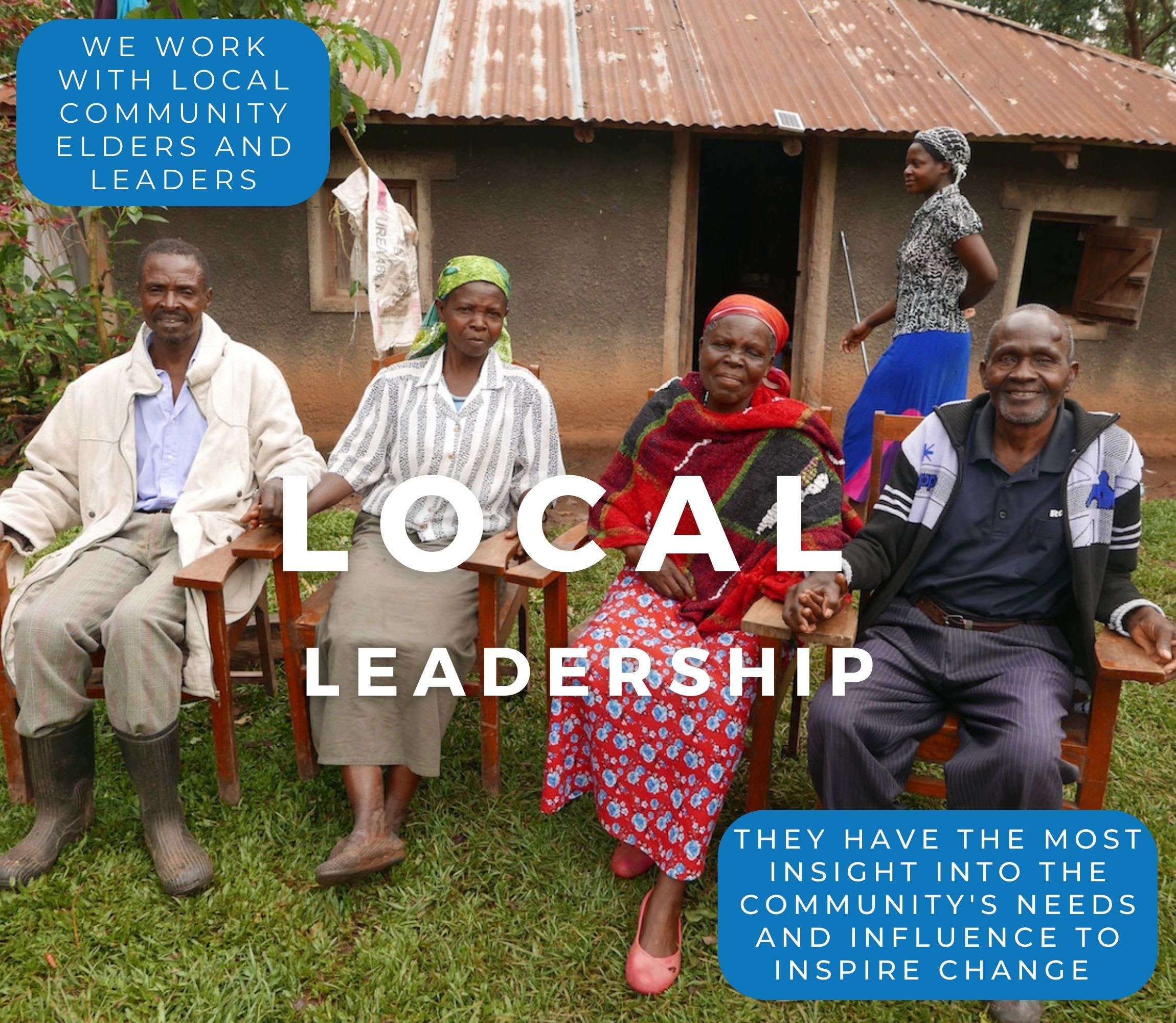
Encouraged and supported by our team's guidance, the community elects a water user committee representative of its diverse members. This committee assumes responsibility for maintaining the water point, organizing community efforts, and gathering fees to ensure its upkeep.