 Protected Spring

 Rehabilitation Project











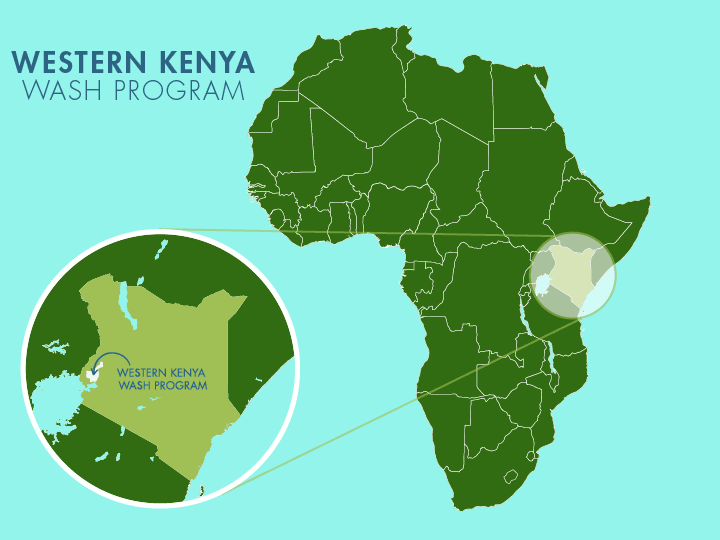
Salome Mukoshi is a 52-year-old farmer in the Eshiandukusi Community, where 210 people depend on Mukavana spring for their water. Salome’s livelihood depends on her land, and her family’s health depends on that spring.
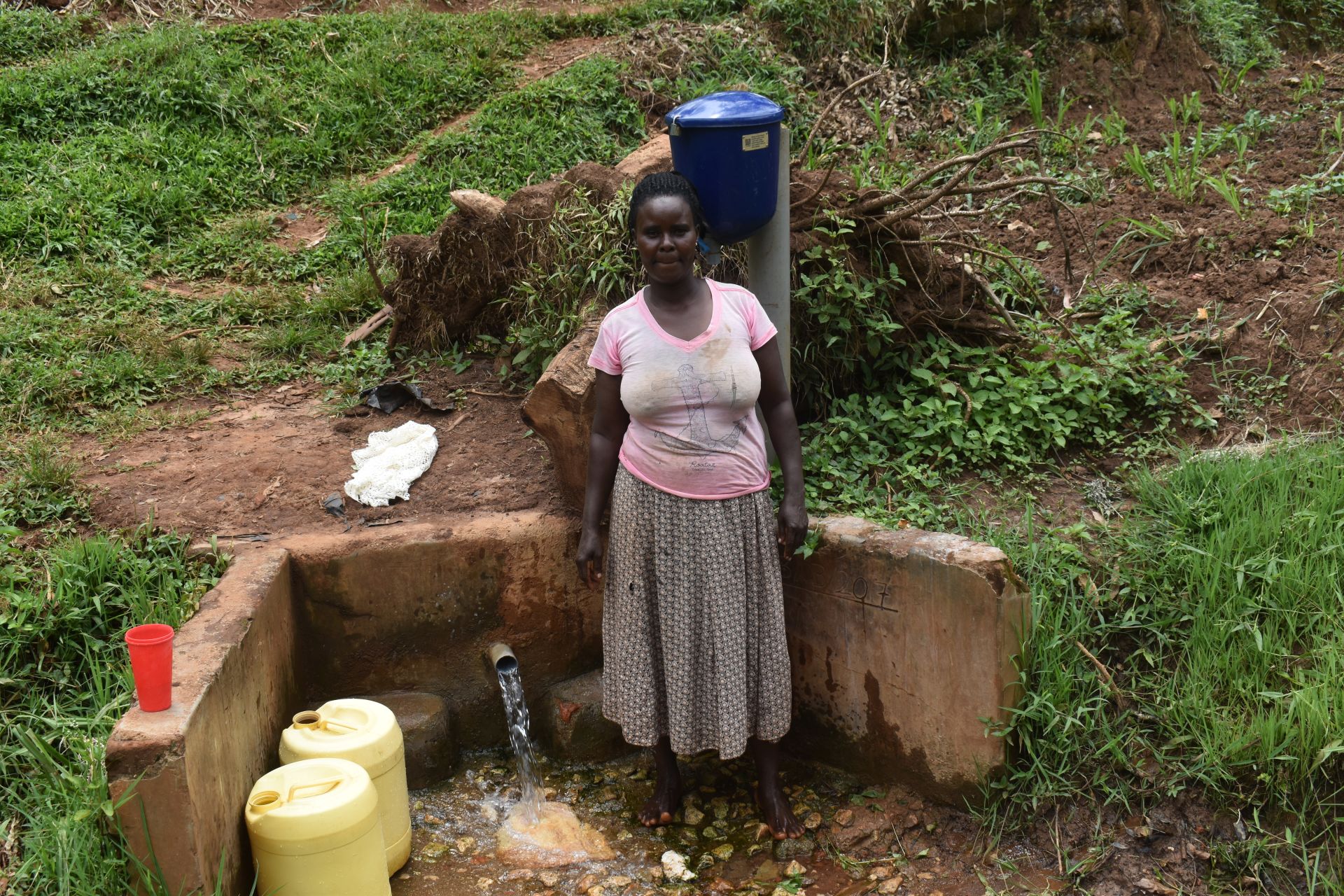
Salome in the broken-down spring.
Salome and her neighbors have worked hard to keep the spring going. Whenever it breaks down, they repair it themselves. They also let people from neighboring communities, who walk long distances for water, collect first. But the spring has deteriorated beyond what they can fix on their own.
“We have tried as a community to carry out repairs on the spring. However, the spring is no longer safe because its structure is exposed and deteriorated. This puts the lives of users at risk and has also compromised the quality of water fetched. We therefore need support to construct it to make it safe for the community to use.”
The floor at the collection point is worn away, and water pools around it. The spring sits on sloping ground, and in the rainy season, the path becomes steep and slippery. The discharge pipe is set slightly lower than a standard container, so filling a jerrycan takes longer than it should.
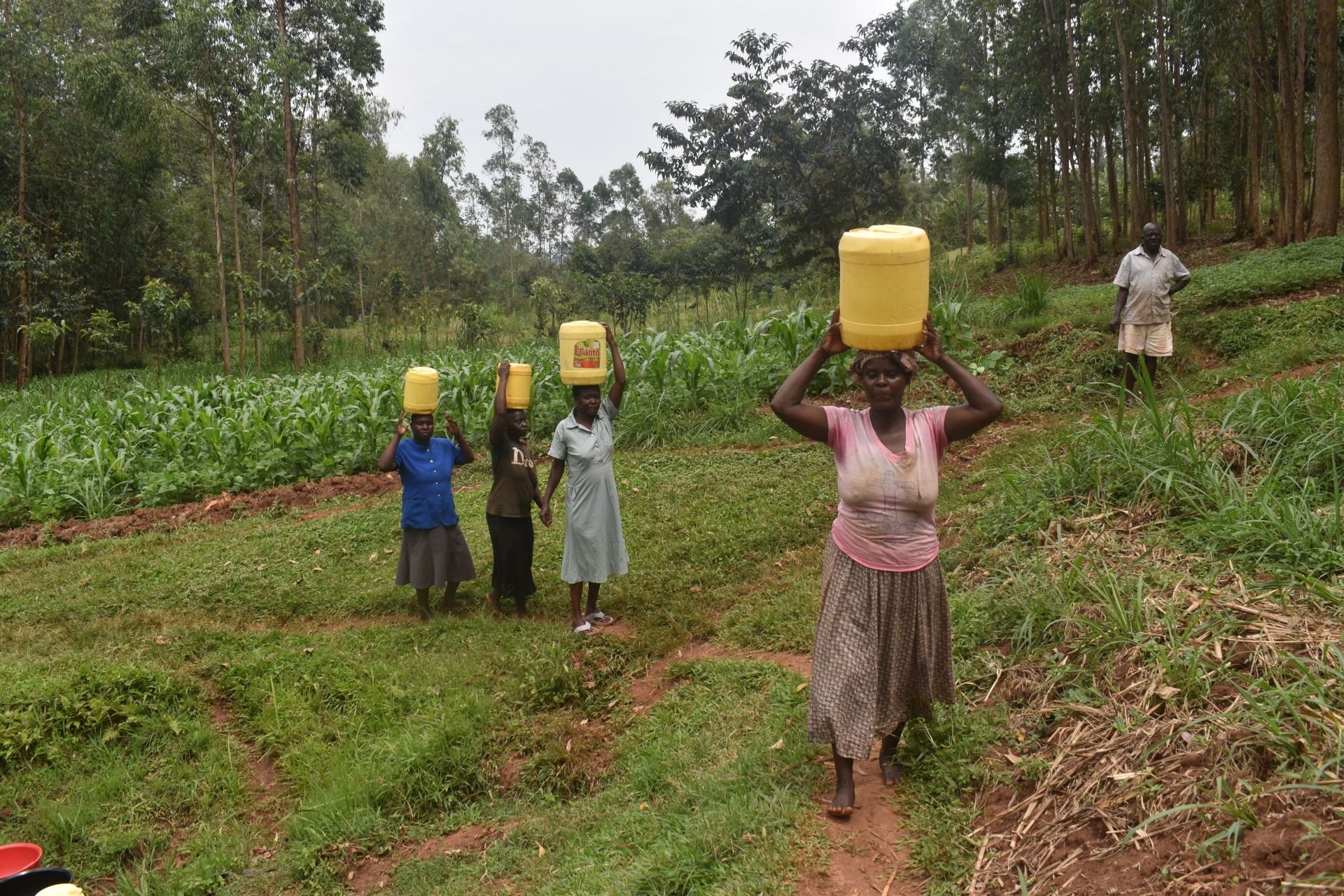
Salome hauls her full jerrycan home.
The water usually looks clean, but heavy rains wash surface runoff into the spring, and the water turns cloudy and tastes and smells bad. Typhoid and diarrhea are common in the community, especially among children, and Salome has watched her own children get sick.
“It was very frustrating to see my children suffer from water-related illnesses. This often forced me into unplanned debts to seek medical treatment, as medication is very expensive.”
“Sometimes, I didn’t have enough money to take my children for treatment, which puts their lives at risk. I hope that access to safe water would help reduce these illnesses and protect the health of my children.”
When Salome gets sick herself, her farm suffers too.
“As a full-time farmer, my livelihood depends entirely on my a bility to work, when i contract waterborne illnesses, I am unable to carry out my daily farming activities, resulting in missed farming activities such as land preparation, planting, weeding and harvesting. This can reduce farmer productivity, leading to loss of food and our income from the sale of surplus.”
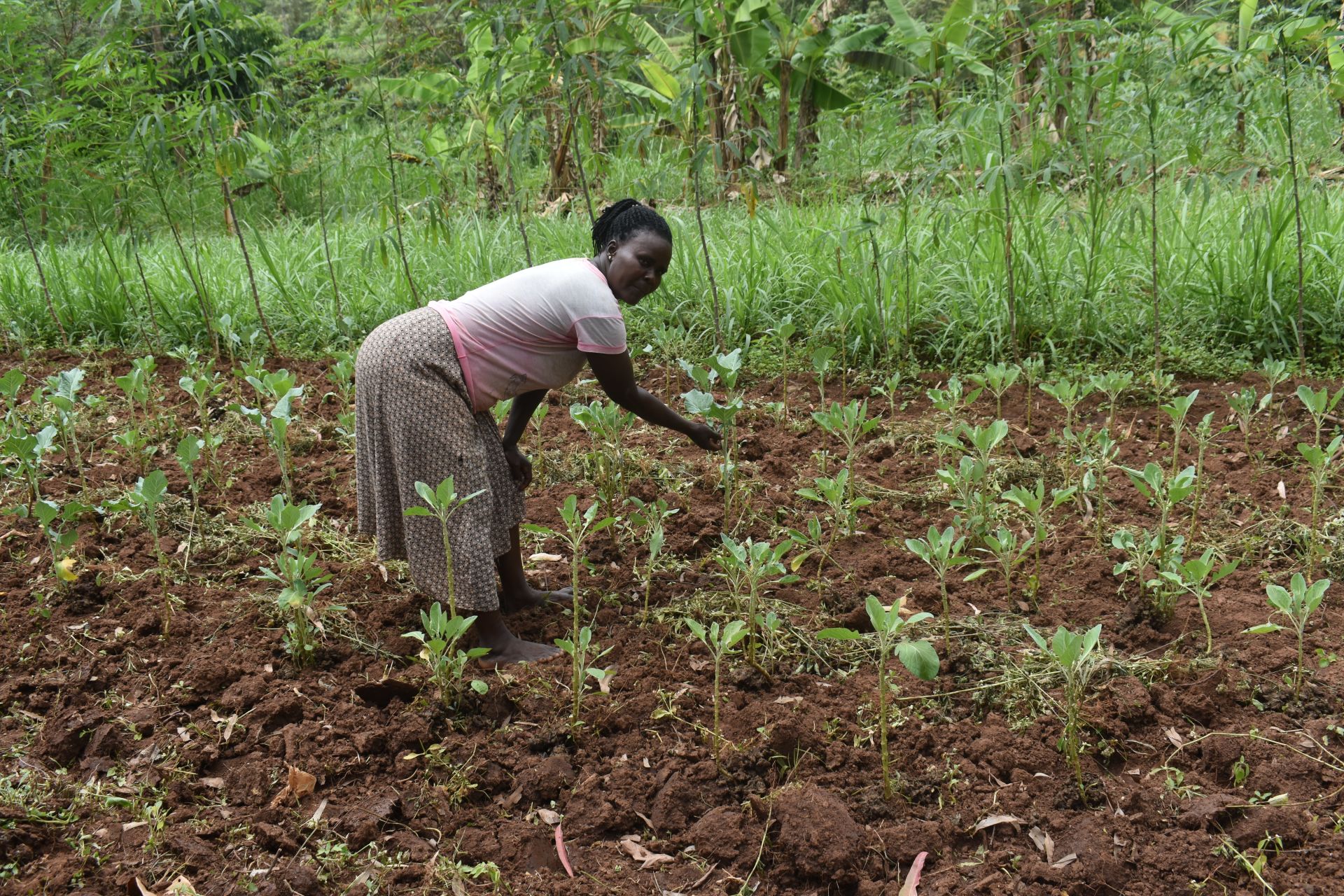
Salome tends her fields.
Long lines take up more of her family’s time. Salome’s household fetches water about six times a day, and more often on hot days when their animals drink more. In dry spells, the spring’s flow drops, and the crowds grow.
“During the dry season, overcrowding at the water source becomes a major challenge. My daughter sometimes has to wait in [a] long queue for up to two hours to fetch water, resulting in a significant loss of time that could otherwise be spent on school work or other productive activities.”
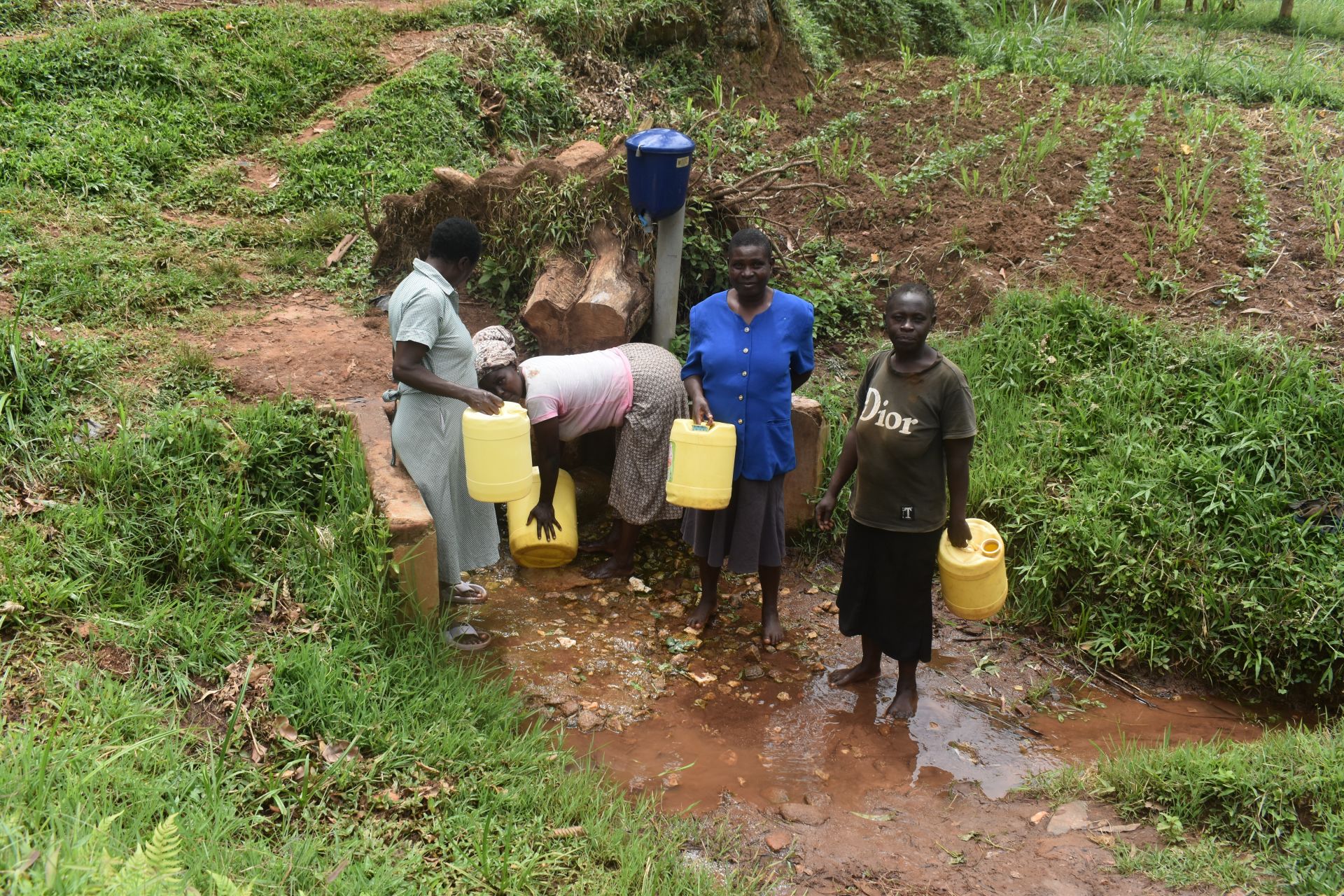
Community members crowd the spring to collect water.
The community has already invested in sanitation, and most households have built facilities with whatever resources they have. A protected spring will build on that work. It will provide Salome and her neighbors with safe, clean water year-round, and controlling surface runoff will help protect families from waterborne illness.
Salome knows where her time would go:
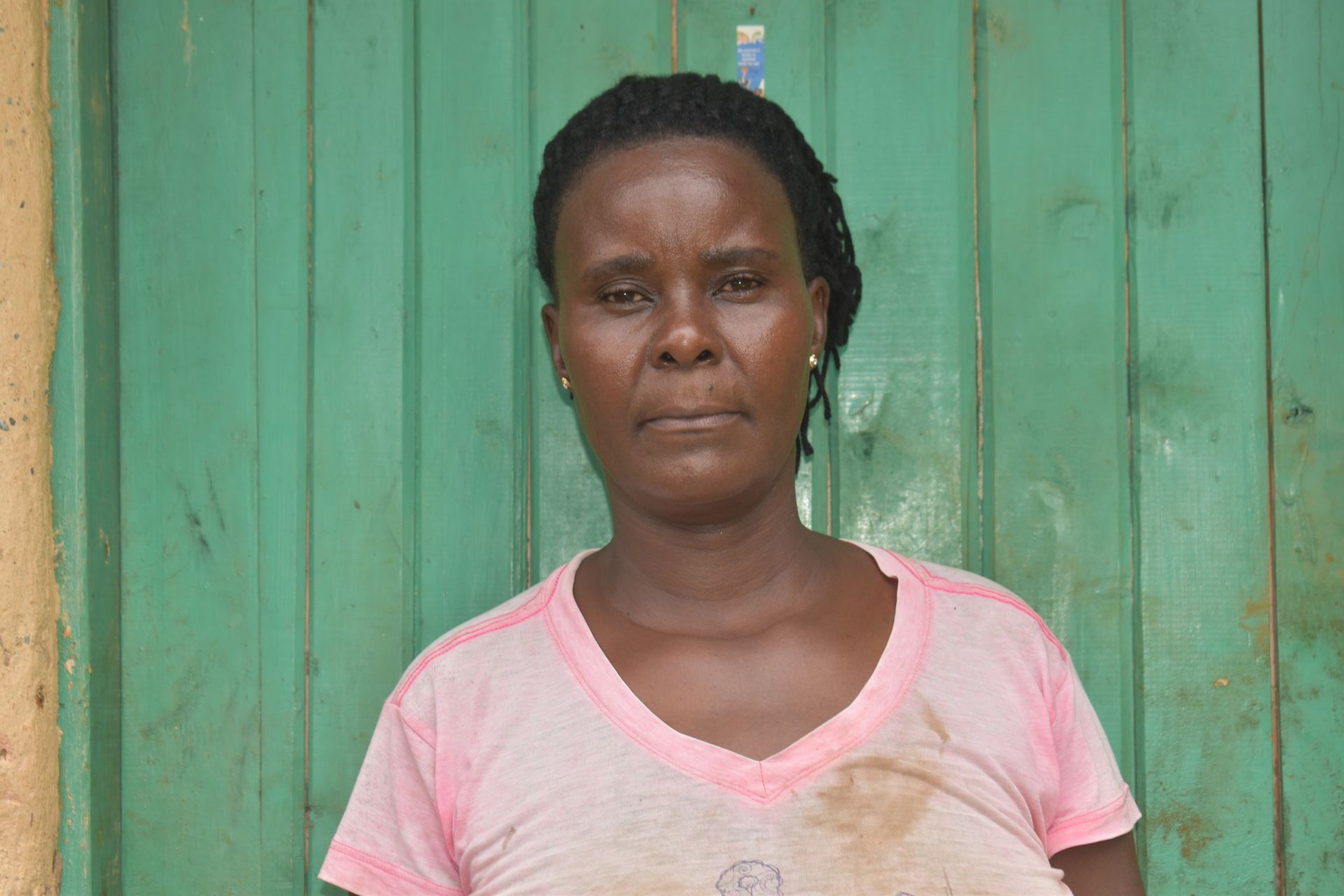
“If I didn’t spend a significant portion of my day fetching water. I would use that time productively on my farm, including preparing land, planting, weeding, and tending to my crops.”
Steps Toward a Solution
Our technical experts worked with the local community to identify the most effective solution to their water crisis. They decided to safeguard the existing flowing spring.
Spring Protection
Springs are natural water sources that originate from deep underground. As water travels through various layers of the earth, it undergoes a natural filtration process, making it cleaner and safer to drink. To protect these spring sources from contamination, we construct a waterproof cement structure around layers of clay, stone, and soil. This design channels the spring water through a discharge pipe, facilitating easier, faster, and cleaner water collection.
Chlorine Dispenser
As an extra measure towards water quality safety, uniquely engineered chlorine dispensers are installed at all of our spring protection projects so community members can treat their water with pre-measured doses of chlorine. The chlorine treats any possible contamination and stays active for two to three days, ensuring water stays safe to use even when stored at home. Chlorine delivery and maintenance of the dispensers are part of our ongoing community support.
Community Education & Ownership
Hygiene and sanitation training are integral to our water projects. Training is tailored to each community's specific needs and includes key topics such as proper water handling, improved hygiene practices, disease transmission prevention, and care of the new water point. Safe water and improved hygiene habits foster a healthier future for everyone in the community.
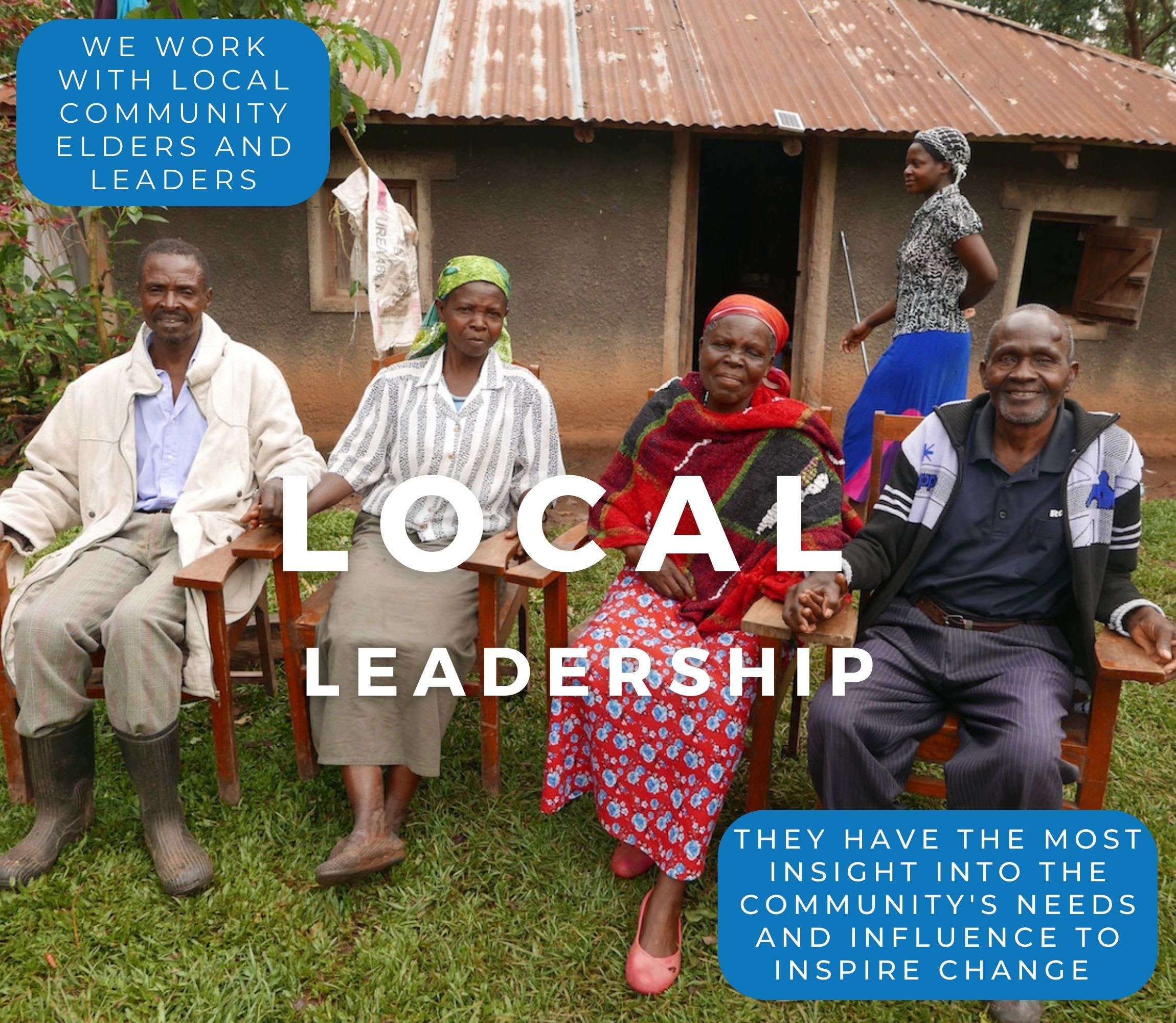
Encouraged and supported by our team's guidance, the community elects a water user committee representative of its diverse members. This committee assumes responsibility for maintaining the water point, organizing community efforts, and gathering fees to ensure its upkeep.