
From Muddy Waters to a Brighter Future!

April, 2026

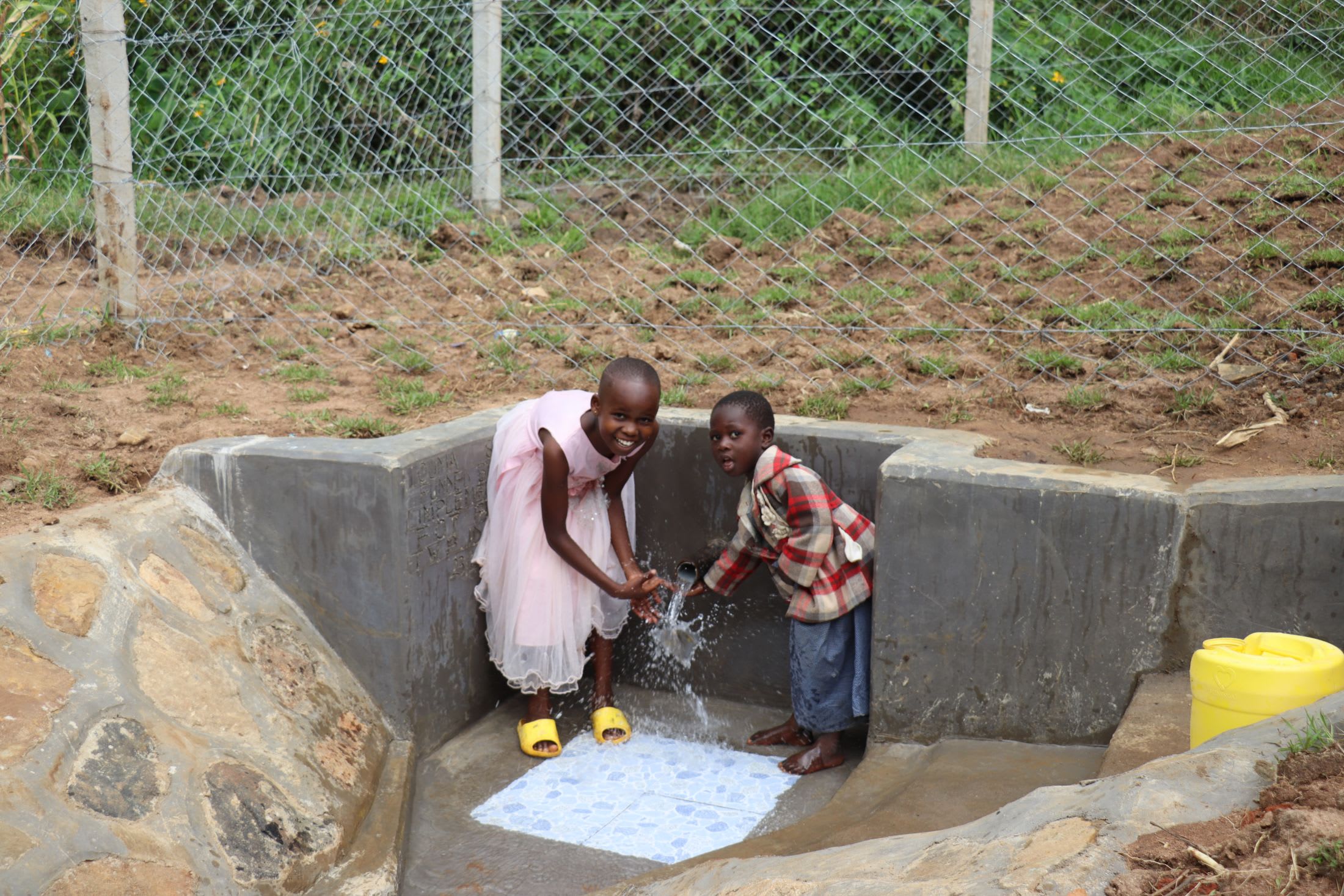
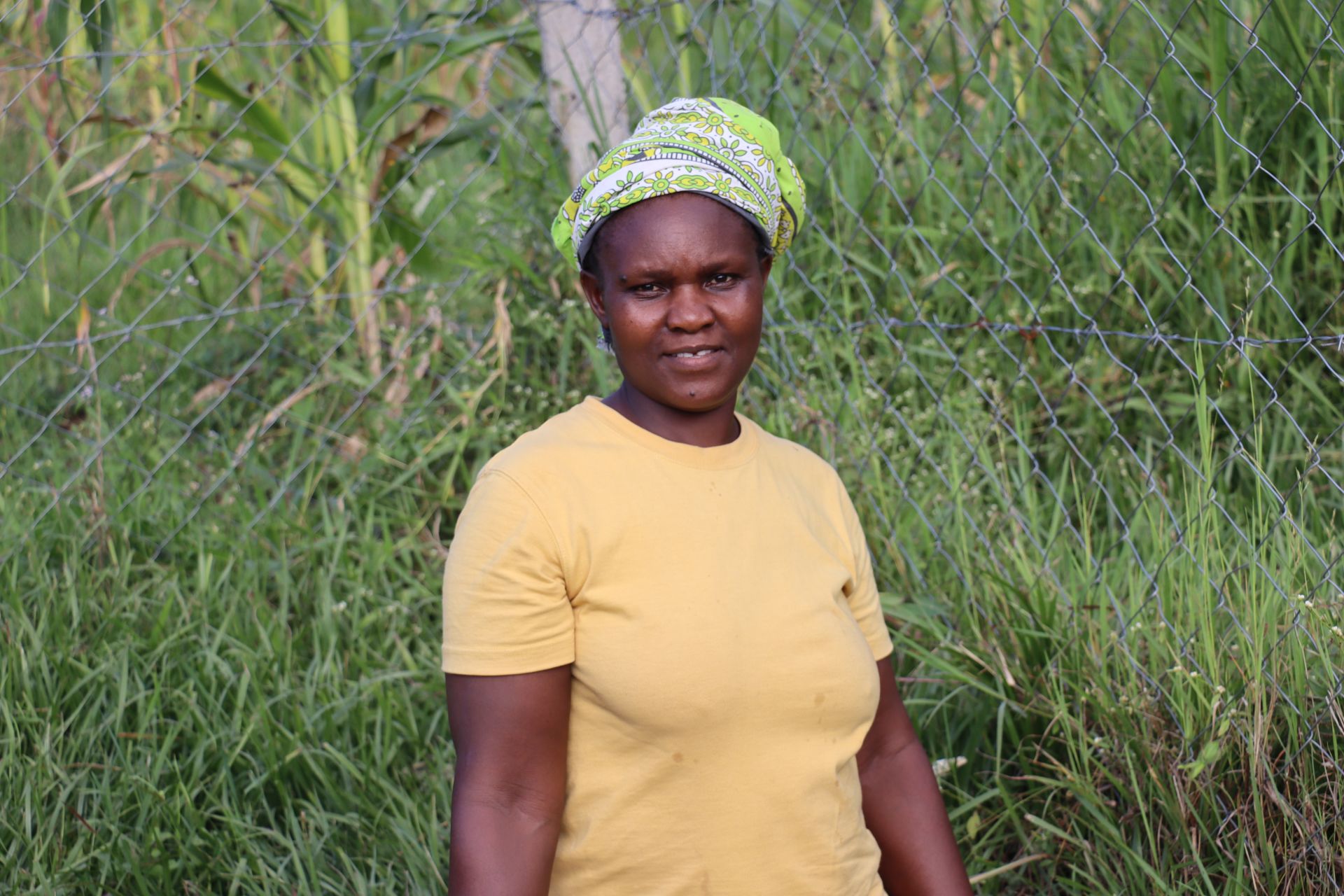
Last year, your gift unlocked the potential for a brighter future for Mary Vugutsa. Since then, she and the Khwihondwe Community of 700 residents and teachers have had clean, reliable water. Your contribution has made a significant impact. Thank you for making a difference!

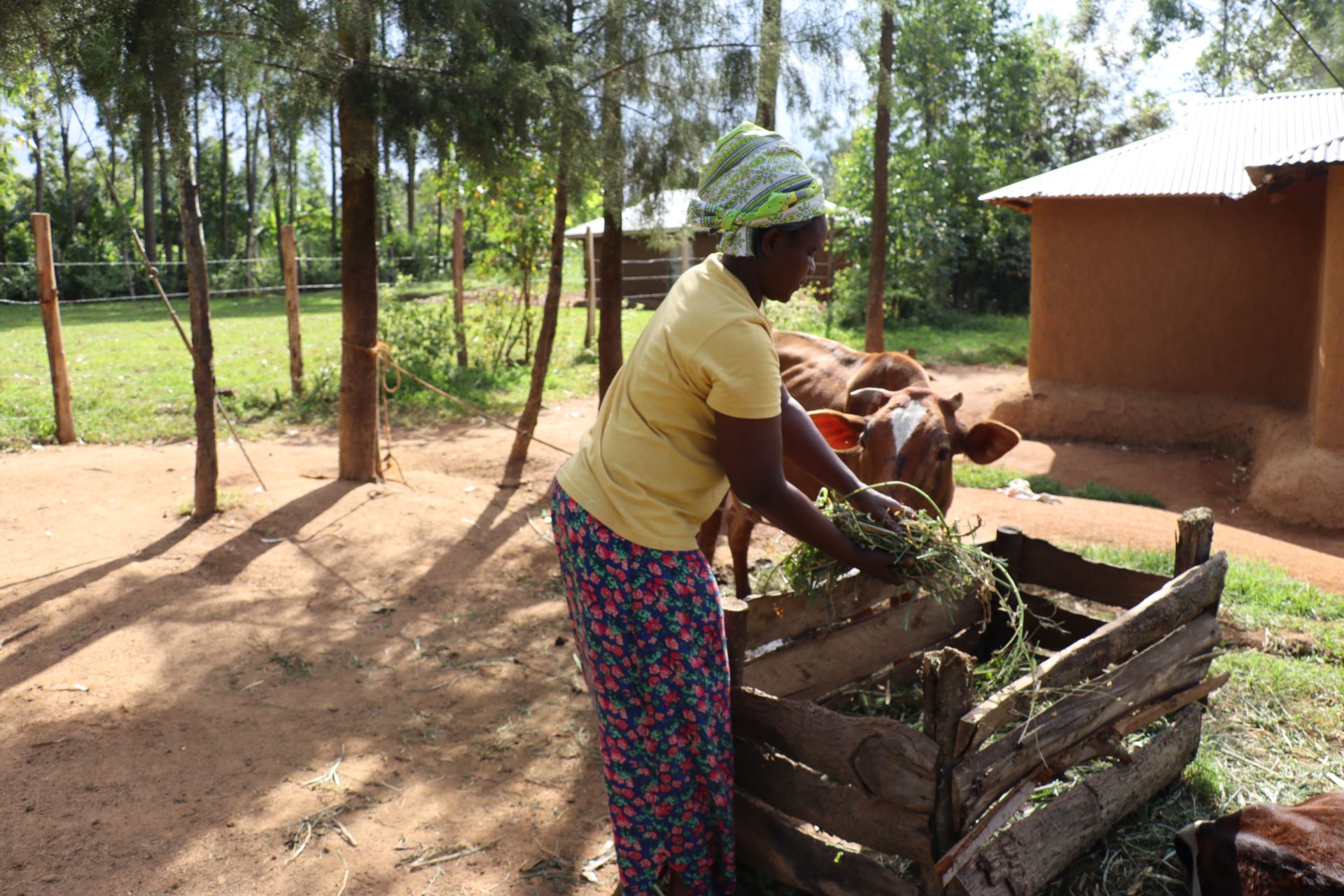
"Now the entire trip takes less than a minute, and the water flows quickly and cleanly, allowing me to fill my containers without delay. This has made my daily routine much easier and has freed up time for other important activities, like planting crops and selling groceries at our center here in Kamashia!" said Mary.

Before the Spring Protection

Like many in Western Kenya, 50-year-old Mary Vugutsa is responsible for collecting water to meet daily water needs. Before last year’s water intervention, this task stole her time and negatively affected her.

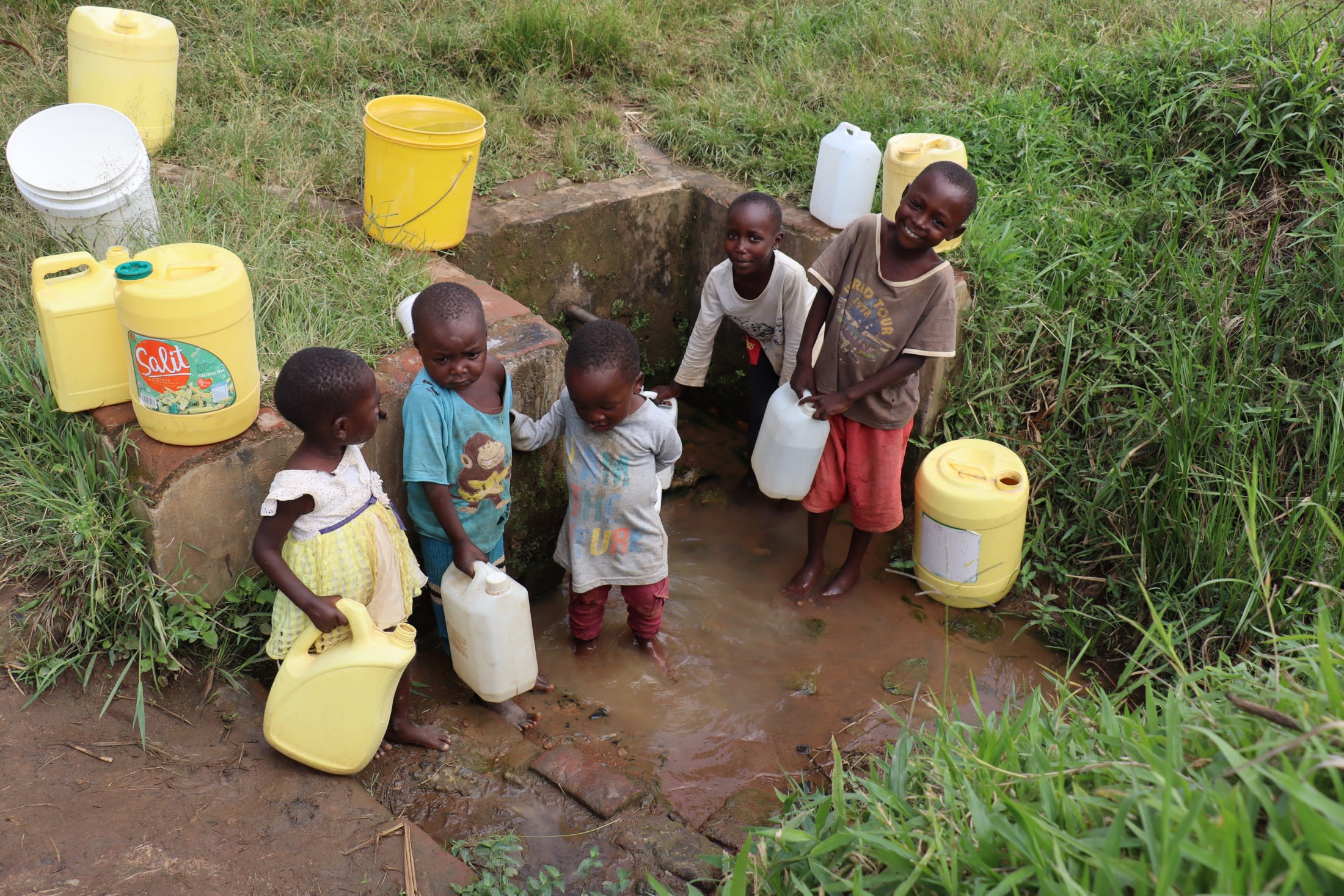
Community children crowd the spring before it was protected.

Drinking the water caused severe consequences. Many in the community suffered from waterborne diseases that created health problems, affecting their daily lives. Limited accessibility also meant people wasted time collecting sufficient water to meet their needs. The difficult journey to collect water sapped their physical and emotional energy, creating roadblocks. For Mary, in particular, the spring stole her peace and often, her family's health.

"Life was tough in the community before the project was finished. Imagine standing in dirty water, mosquitoes buzzing, and small insects biting or stinging just to collect water. We used to wait in line for ages, only to get water from a low-yielding spring that took a long time to fill a container, which made us waste hours waiting in line. The area around the spring was muddy during the rainy seasons, and it was not safe to say nobody liked the way it was," Mary recalled.

Since the Spring Protection

Your generous gift last year was much more than a simple donation; it was a powerful statement about your commitment to this community and Mary’s future. By supporting the water solution, you made clean water an everyday reality, fostering hope for a brighter future.

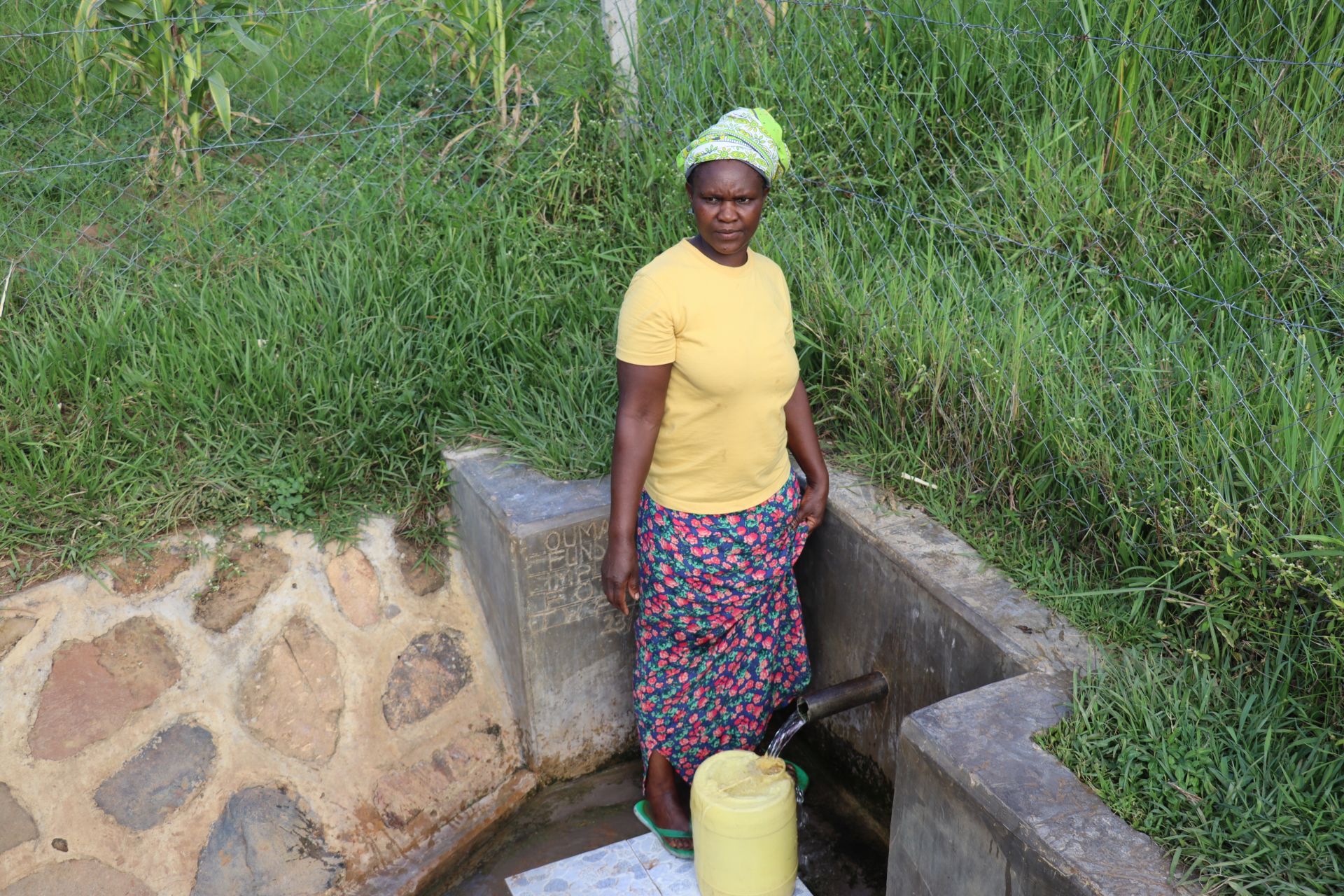
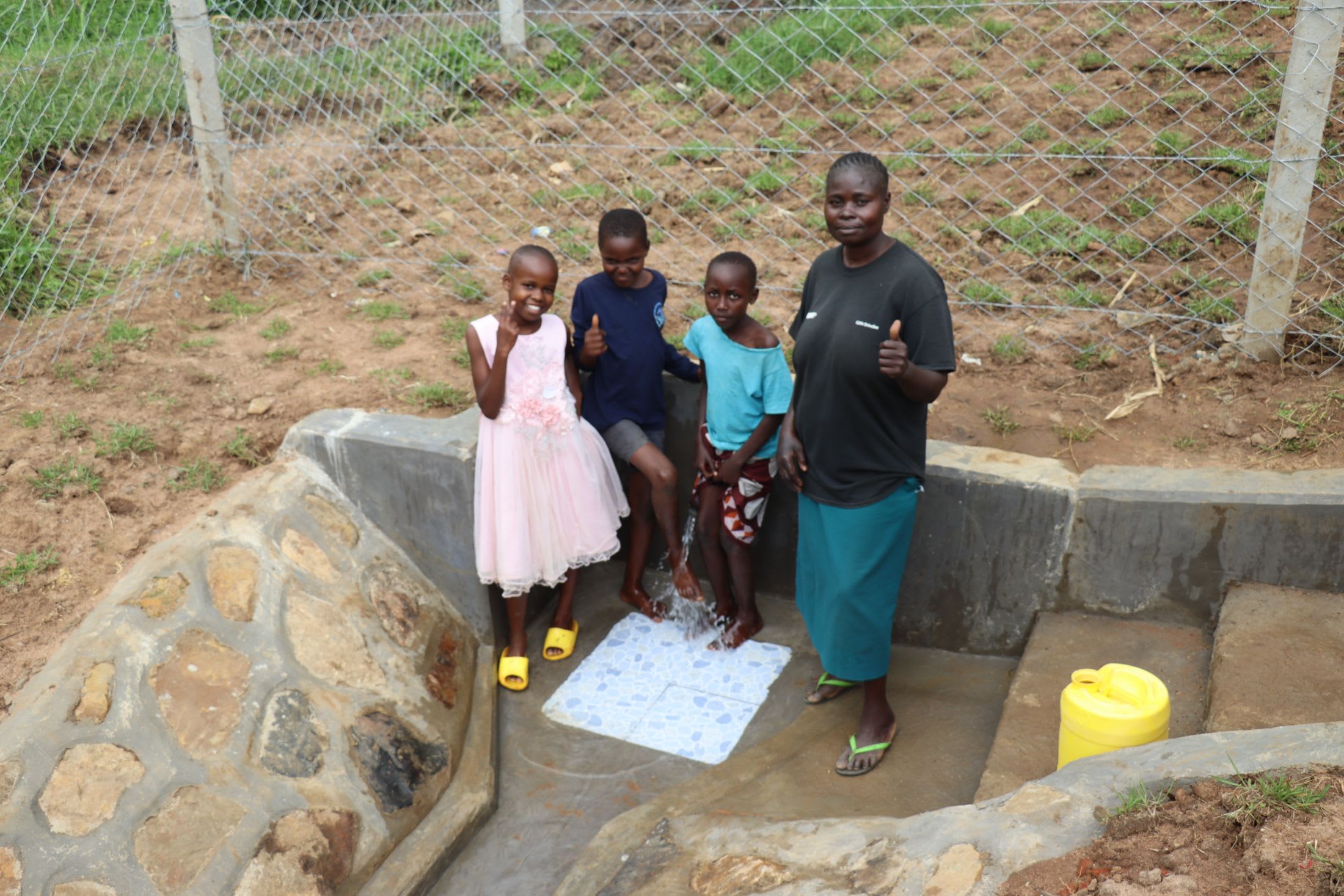
Mary easily fills her jerrycan.

Reliable and clean water lays the groundwork for improved health, education, and economic possibilities, allowing people to thrive. We frequently hear from those we interview that "water is life!"

Mary's life has gotten much more peaceful!

She shared, "I feel good fetching water. It has become so much easier and safer. I no longer have to stand in stagnant water or worry about insects causing skin irritation. The improved drainage keeps the area clean and dry, and the spring gives a better yield, so the queues are much shorter than before. Now I can collect water [in] less than a minute, and also the water is clean, and I feel confident using it for my family as [it has] really improved our daily lives."

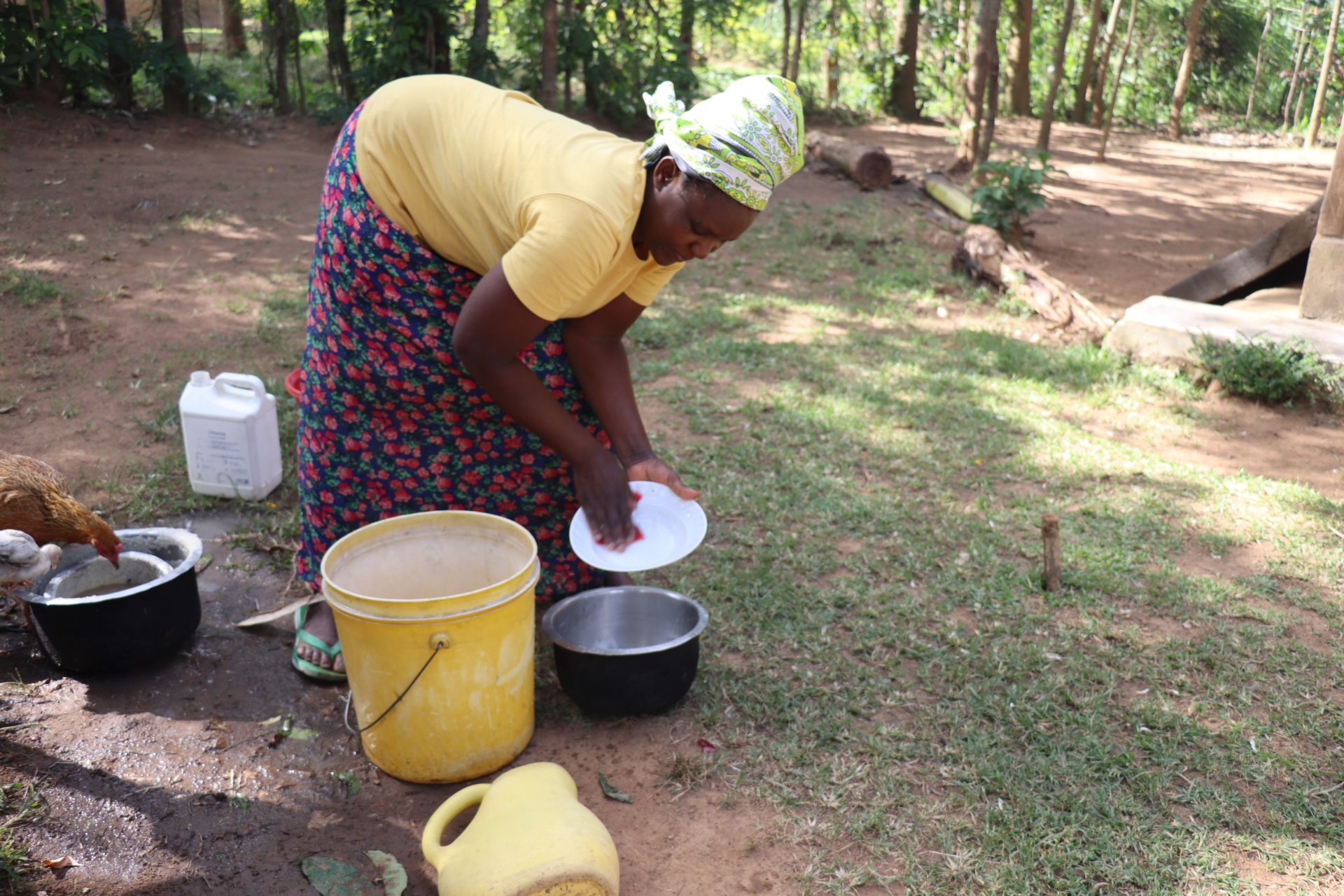
Mary washes dishes confidently with clean water.

Mary glowed as she continued, "Living with clean water is awesome because it gives you a feeling of safety and good health in your daily routine. When families have access to clean water, they can safely drink, cook, and wash, which helps my children grow up healthy and keeps adults in good shape and productive. It's a time-saver not having to hunt for clean water or purify it, so people can concentrate on learning, working, and taking care of their homes. Clean water plays a big part in keeping our surroundings and neighborhoods tidy, which helps everyone stay healthier and feel better overall. Having clean water really makes life easier, more respectable, and opens up a lot of chances."

The Future is Looking Bright!

A year ago, you made a difference for Mary and the rest of her community. This is just the first chapter of their story as access to clean water continues to improve their lives!

At The Water Project, we value sustainability and want to ensure that people continue to thrive. We commit to monitoring this project to ensure the water is always flowing and safe to consume. We inspect the system hardware, track water availability, conduct sanitary inspections, and collect water quality samples to identify risks. We work with our team on the ground to resolve them.

You gave Mary a crucial tool for achieving her dreams: access to clean water. Together, we can excitedly expect that with this precious resource, her enthusiasm and courage will help Mary fulfill her dreams.

"With clean and consistent water from the spring my household chores have become easier and take less time which made me be able to start a small garden at home, something I couldn’t have been able to before, now the garden provides grocery products like vegetables, maize, cassava and sweet potatoes for my family and even a little extra that I can sell and also I have cows and pigs that I rear," Mary said.

Mary shared her vision for the future, "I want to cultivate crops like maize, cassava, sweet potatoes, and a variety of vegetables, do mixed farming by also rear animals such as cows and pigs large scale by having more cows and pigs."

Mary tends her farm.


Navigating through intense dry spells, performing preventative maintenance, conducting quality repairs when needed and continuing to assist community leaders to manage water points are all normal parts of keeping projects sustainable. The Water Promise community supports ongoing sustainability programs that help Khwihondwe Community maintain access to safe, reliable water.

We’d love for you to join this world-changing group committed to sustainability.

The most impactful way to continue your support of Khwihondwe Community – and hundreds of other places just like this – is by joining our community of monthly givers.

Your monthly giving will help provide clean water, every month... keeping The Water Promise.

Project Status


Project Type:  Protected Spring

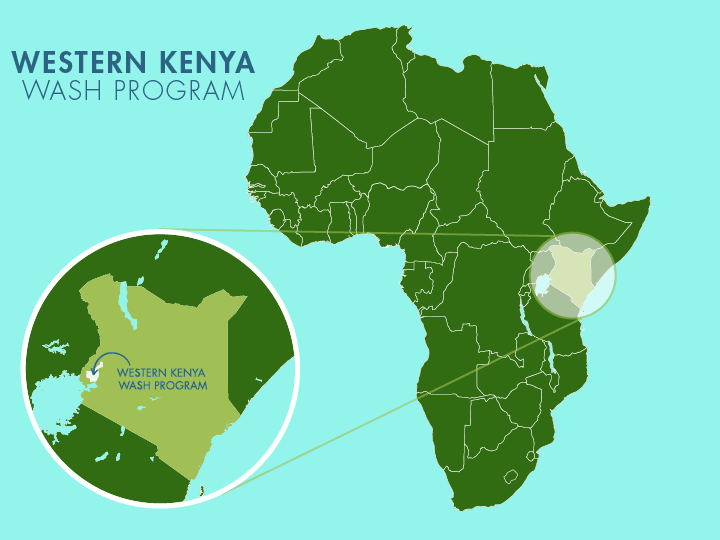
Regional Program: Western Kenya WaSH Program

Impact: 700 Served

Project Phase:  In Service - Jan 2025

Functionality Status:  Functional

Last Checkup: 02/06/2026

Project Features


Click icons to learn about each feature.


The primary water source for the 700 people of Khwihondwe Community is an unprotected spring in disrepair and challenging to collect water from because of its poor condition.

Field Officer Jacqueline Kangu described the unprotected spring's current condition. "The spring is broken down, [with] dirty water, especially during [the] rainy season. [The] surface runoff contaminates the water source. [There is] exposed sharp concrete and stones at the drawing point and at the stairway, which is very risky, [and there is] standing water at the drawing point."

"During [the] rainy season, I don't like drinking this water because it's usually dirty," said 8-year-old Faith A., shown below in white collecting water from the damaged spring.

The energy people use to get to the dilapidated spring and wait in long lines for their turn to collect water leaves them with little time or energy to do the other essential things in their lives, decreasing productivity and progress.

Sadly, the water people work so hard to collect is unsafe to drink, resulting in diarrhea, stomachache, and frequent cases of typhoid. Illnesses drain community members' vital resources they need daily, decreasing the possibility of improving their futures.

Consolata Ouma.

"The current infections of diseases have continued to make [me] poor since [I] spend a lot of resources on medication [for] my family. [I] am not able to make any savings," said 70-year-old farmer Consolata Ouma.

The protection of the spring will enable people like Consolata and Faith to collect sufficient clean water to meet their daily needs and regain their health and resources to improve their lives.

The Proposed Solution, Determined Together...

At The Water Project, everyone has a part in conversations and solutions. We operate in transparency, believing it benefits everyone. We expect reliability from one another as well as our water solutions. Everyone involved makes this possible through hard work and dedication.

In a joint discovery process, community members determine their most advantageous water solution alongside our technical experts. Read more specifics about this solution on the What We're Building tab of this project page. Then, community members lend their support by collecting needed construction materials (sometimes for months ahead of time!), providing labor alongside our artisans, sheltering and feeding the builders, and supplying additional resources.

Water Access for Everyone

This water project is one piece in a large puzzle. In Kenya, Sierra Leone, and Uganda, we're working toward complete coverage of reliable, maintained water sources that guarantee public access now and in the future within a 30-minute round trip for each community, household, school, and health center. One day, we hope to report that this has been achieved!

Training on Health, Hygiene & More

With the community's input, we've identified topics where training will increase positive health outcomes at personal, household, and community levels. We'll coordinate with them to find the best training date. Some examples of what we train communities on are:

  • Improved hygiene, health, and sanitation habits
  • Safe water handling, storage & treatment
  • Disease prevention and proper handwashing
  • Income-generation
  • Community leadership, governance, & election of a water committee
  • Operation and maintenance of the water point

Chlorine Dispensers

Installing chlorine dispensers is an important piece of our spring protection projects. Protecting a spring provides community members with an improved water source, but it doesn't prevent contamination once the water is collected and stored. For example, if the water is clean and the container is dirty, the water will become contaminated.

We ensure that each chlorine dispenser is filled with diluted chlorine on a consistent schedule so that people can add pre-measured drops to each container of water they collect. That way, community members can feel even more confident in the quality of their water.
Project Updates


January, 2025: Khwihondwe Community Spring Protection Complete!

Your contribution has made access to clean water for the Khwihondwe Community possible!

We transformed their spring into a flowing source of naturally filtered water. A chlorine dispenser was installed to provide added protection and we trained the community on improved sanitation and hygiene practices. Together, these components will unlock the opportunity for community members to thrive!

"I have children and grandchildren, and I am glad that the water project has provided us with clean and safe water where we can use chlorine to make sure we drink treated water to prevent us [from] getting waterborne diseases like typhoid. This will reduce the chances of me and my family getting ill and my grandchildren missing school where their performance will really improve," shared 70-year-old Consepta Echesa.

Ms. Echesa.

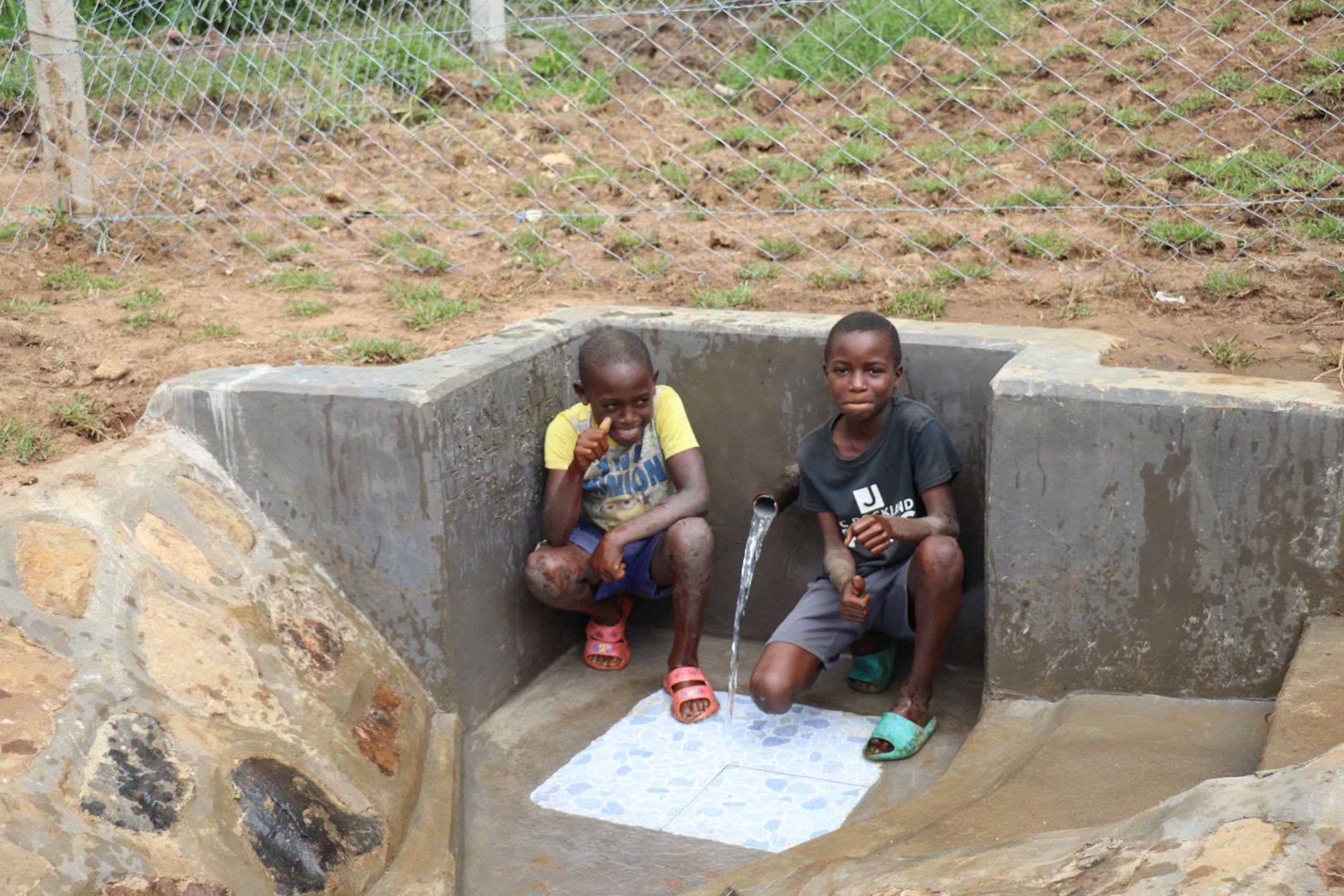
Children were just as excited as adults about clean water access!

Muhammed.

"I am very happy that now I will not go to school late or miss because we have clean and safe water, which will reduce the chances of contracting waterborne diseases, and this will, in turn, improve my learning by studying more and improving on my grades," said 10-year-old Muhammed.

Preparing for Spring Protection

Community members worked together to source all locally available construction materials for the spring. These included bricks, sand, stones, and fencing poles. Because people have to carry most items by hand, the material-collection process can take anywhere from a few weeks to months.

Community members help collect project materials.

When the community was ready, we delivered the remaining construction materials, including cement, plastic tarps, and hardware. Then, our construction artisan and field officers deployed to the spring to begin work.

Protecting the Protecting the Spring: A Step-by-Step Process

First, we excavated the spring area. This includes digging a drainage channel below the spring and several runoff diversion channels above and around the spring to help divert surface contaminants away.

To ensure community members could still access water throughout the construction process, we also dug temporary channels around the construction site to allow water to continue to flow. Excavation created space for setting the spring's foundation.

Laying the foundation.

After establishing the base, made of thick plastic, wire, concrete and waterproof cement, we started brickwork to build the spring walls and stairs. Once the walls were tall enough, we began one of the most crucial steps: setting the discharge pipe. The discharge pipe needs to be positioned low enough so the water level never rises above the spring's eye, yet high enough to allow room for the average collection container (20-liters) to sit beneath the pipe without making contact, to prevent cross-contamination.

If we place the pipe too high, back pressure could force water to emerge elsewhere. Too low, and community members would not be able to access the water easily.

In coordination with the walls and stairs, we cemented stones on both sides of the spring's drainage channel. These stones discourage people and animals from standing in that area, which could cause soil erosion and a clogged drainage area.

We then cemented and plastered the spring walls. These finishing layers reinforce the brickwork and prevent water in the reservoir from seeping through. In turn, enough pressure builds to push water out through the discharge pipe.

As the walls cured, we finished the stairs and installed tiles beneath the discharge pipe. The tiles protect the concrete from the falling water's erosive force.

We redirected the temporary diversion channels back into the reservoir box and closed all other exits to force water through only the discharge pipe. We filled the reservoir area with the large, clean stones arranging them in layers like a well-fitting puzzle. We covered the rocks with thick plastic and piled enough dirt on top to compensate for future settling.

Community members transplanted grass to help prevent erosion and the collection area was fenced. The fence prevents people or animals from walking in the area above the spring, as compaction of this area can potentially compromise water quality.

The construction process took about two weeks of work and patience. As soon as the spring was ready, people got the okay from their local field officers to fetch water.

We officially gave ownership of the waterpoint to the Khwihondwe Community.

Happiness and thanksgiving flowed in all directions!

Training on Health, Hygiene, and More

Together with the community, we found their preferred date for training. When the day arrived, facilitators Mercy Odongo, Joy Ongeri, and Jacqueline Kangu deployed to the site to lead the event. 26 people attended the training, including 17 women and 9 men.

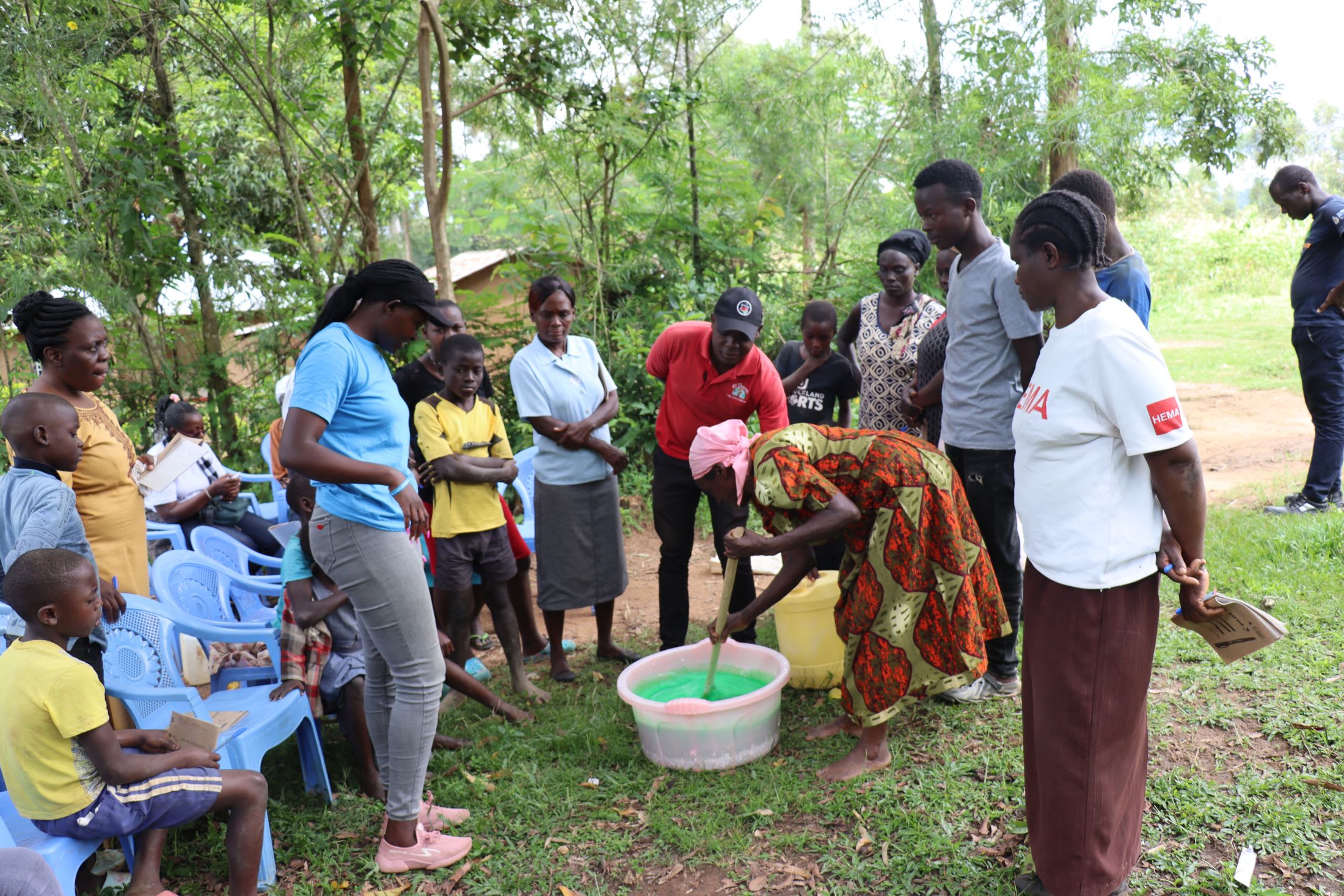
We discussed personal, oral, and environmental hygiene, emphasizing proper water handling, soap-making, and the ten steps of handwashing. We also highlighted the importance of primary health care and covered the operation and maintenance of the water point, as well as leadership and governance. By the end of the training, each participant had a clear understanding of their role in maintaining clean water and promoting good health within their community.

We held an election for the newly formed water user committee who will oversee the maintenance of the spring. We brainstormed income-generating activities and encouraged them to start a group savings account for future minor repairs to the spring.

Dental hygiene session.

Field Officer Joy Ongeri shared the highlights of the hygiene training sessions: "The participants were mesmerized that they only needed a small quantity of toothpaste and not a lot. The participants were very active in the discussions. They were attentive, and after the topic was done, the facilitator probed each one of them on what they had learned, and without fail, each gave a point on personal hygiene."

Learning to make soap.

"Soap making and oral hygiene were the most interesting topics for me where I was able to know how to make soap, which I thought was very hard to make. Now I will be able to make [it] for my household, and [I] was able to learn that we brush our tongues to prevent our mouths from having [a] bad smell," shared 42-year-old farmer Roselyne Ouma.

Ms. Ouma.

"I was able to learn how to wash my hands with the ten steps and also how to handle water whereby water hygiene starts with me where we should be careful while fetching water to prevent the water collected from the spring from being contaminated," she continued.

Thank you for making all of this possible!


October, 2024: Khwihondwe Community Spring Protection Underway!

The lack of adequate water in Khwihondwe Community costs people time, energy, and health every single day. Clean water scarcity contributes to community instability and diminishes individuals’ personal progress.

But thanks to your recent generosity, things will soon improve here. We are now working to install a reliable water point and improve hygiene standards. We look forward to sharing inspiring news in the near future!


Project Photos


Contributors

1 individual donor(s)