 Protected Spring
 Rehabilitation Project











For thirteen-year-old Sammy, water is tangled up with almost everything else in his life — his health, his schoolwork, his sense of safety, even his future plans.
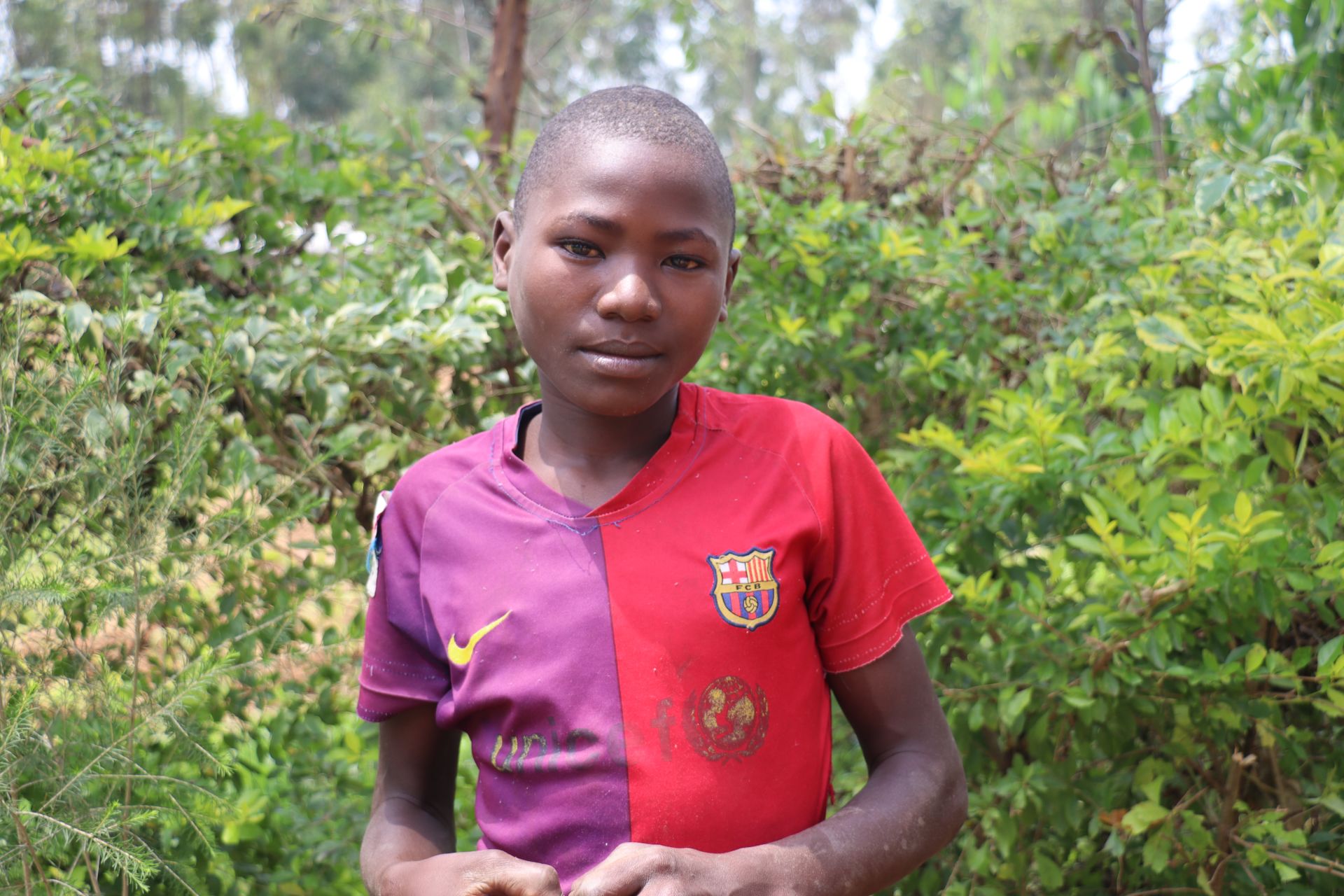
Sammy.
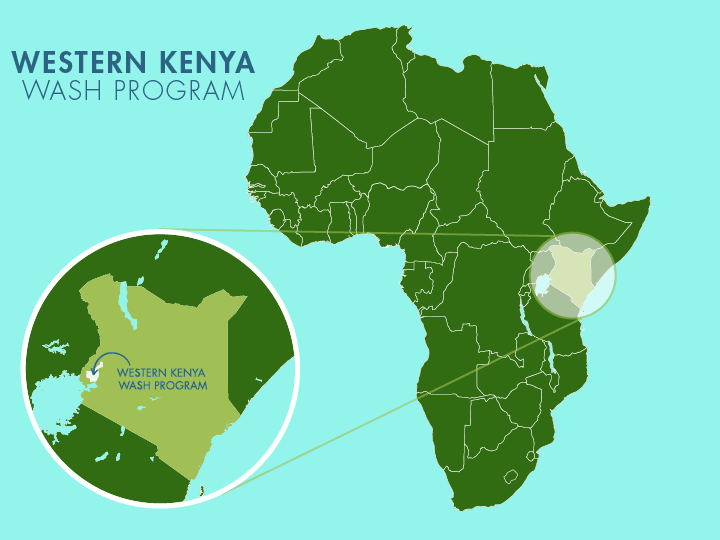
The Jimmy Omenda spring in Ematsanza community, was partially protected years ago, but it has since broken down and stands open to contamination. For Sammy and the other children who rely on it, the consequences show up again and again.
Drinking from an unprotected spring has made Sammy sick more times than he can count.
Sammy gets sick often from the water he drinks. "I get sick every other time because of drinking dirty water," Sammy said.
One bout stands out to him clearly. "I felt sick and was taken to hospital where the doctors said it was typhoid which was caused by dirty water," Sammy said. When he was ill, there wasn't much his family could do beyond seeking care. "They took me in the hospital for treatment," Sammy said.
That sickness, and the hours lost fetching water, follow Sammy straight into the classroom.
The illness follows him into the classroom. "Yes, I cannot concentrate in class while I'm feeling unwell," Sammy said. It isn't only sickness that costs him time — fetching water itself eats into his day, made worse by how many people depend on the same spring. "Because the spring users are usually many," Sammy said. He estimates he spends about an hour each day just collecting water, time that adds up against his schoolwork. "Yes,sometimes I don't finish my school work and also lack time to study," Sammy said.
Asked what he'd do with that time if he didn't have to spend it hauling water, his answer was simple. "I would do my homework and finish in time and help my parents in homestead activities," Sammy said.
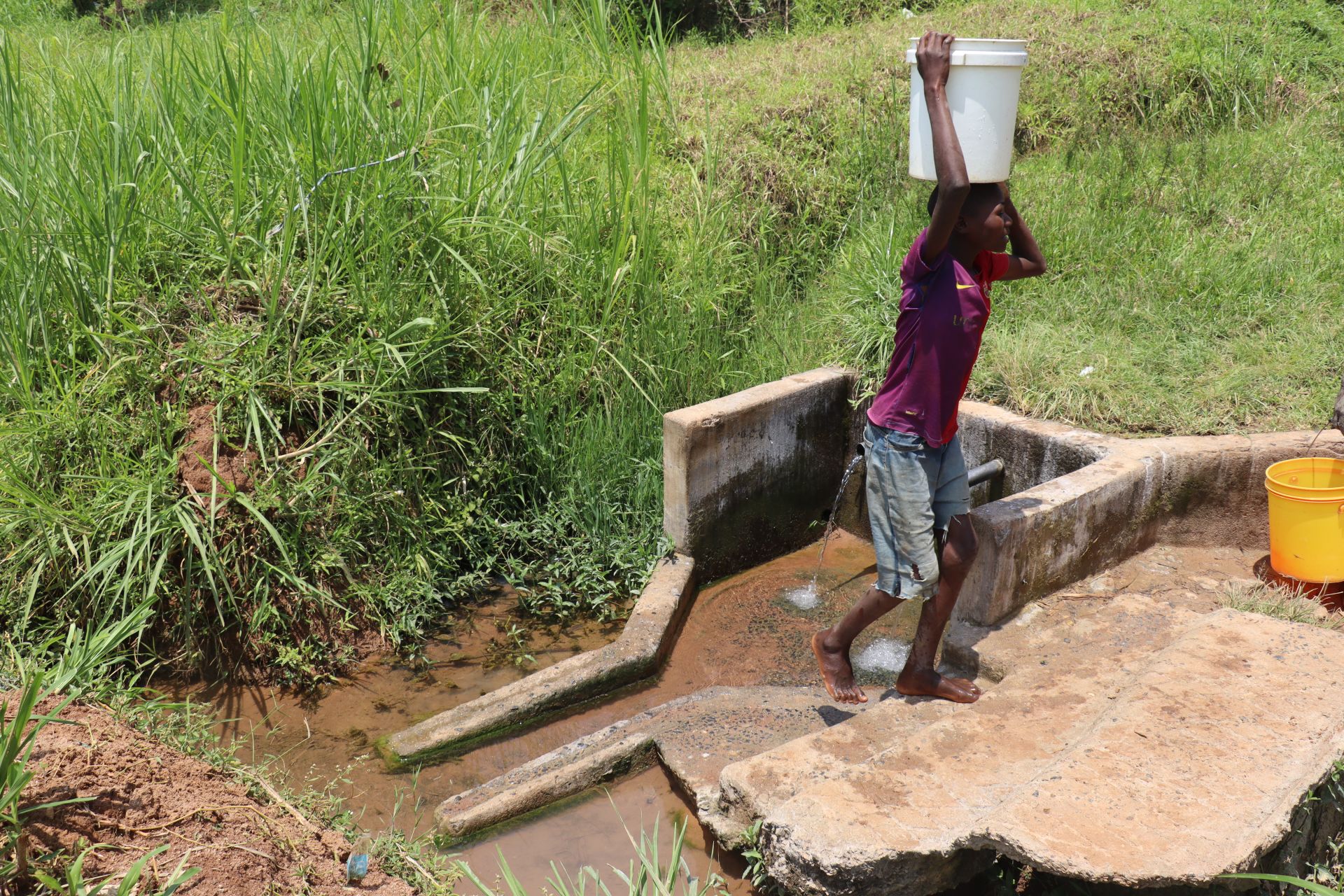
Beyond the illness and lost time, the water point itself is a place where Sammy doesn't feel safe.
Sammy also feels unsafe at the water point itself. "The water point is risky and the water is dirty," Sammy said. He has experienced being mistreated by others while waiting his turn. "Yes,they pushed me behind," Sammy said. And he described this happening especially at the hands of older people in line. "Yes,especially with those who are elder to me," Sammy said.
Since the spring broke down, Sammy has felt the decline in his daily life.
For Sammy, the decline of the water point has meant a decline in daily life. "Life has been bad since water accessibility has been too difficult," Sammy said. He carries that weight with him even in small daily moments. "I feel so bad because the water point is in bad state," Sammy said.
Even so, Sammy holds onto hope for what a safe water source could mean for his future.
"Because I will be able to access water easily," Sammy said, describing how a new water point would change things for him. And when asked about his future, his answer reflected a determination that a reliable water source could help protect. "To work hard in school and help my parents," Sammy said.
A rehabilitated water point at Ematsanza community would mean Sammy — and children like him — could spend less time sick, less time waiting, and less time afraid, and more time simply being a kid with room to study, help his family, and work toward the future he's already thinking about.
Steps Toward a Solution
Our technical experts worked with the local community to identify the most effective solution to their water crisis. They decided to safeguard the existing flowing spring.
Spring Protection
Springs are natural water sources that originate from deep underground. As water travels through various layers of the earth, it undergoes a natural filtration process, making it cleaner and safer to drink. To protect these spring sources from contamination, we construct a waterproof cement structure around layers of clay, stone, and soil. This design channels the spring water through a discharge pipe, facilitating easier, faster, and cleaner water collection.
Chlorine Dispenser
As an extra measure towards water quality safety, uniquely engineered chlorine dispensers are installed at all of our spring protection projects so community members can treat their water with pre-measured doses of chlorine. The chlorine treats any possible contamination and stays active for two to three days, ensuring water stays safe to use even when stored at home. Chlorine delivery and maintenance of the dispensers are part of our ongoing community support.
Community Education & Ownership
Hygiene and sanitation training are integral to our water projects. Training is tailored to each community's specific needs and includes key topics such as proper water handling, improved hygiene practices, disease transmission prevention, and care of the new water point. Safe water and improved hygiene habits foster a healthier future for everyone in the community.
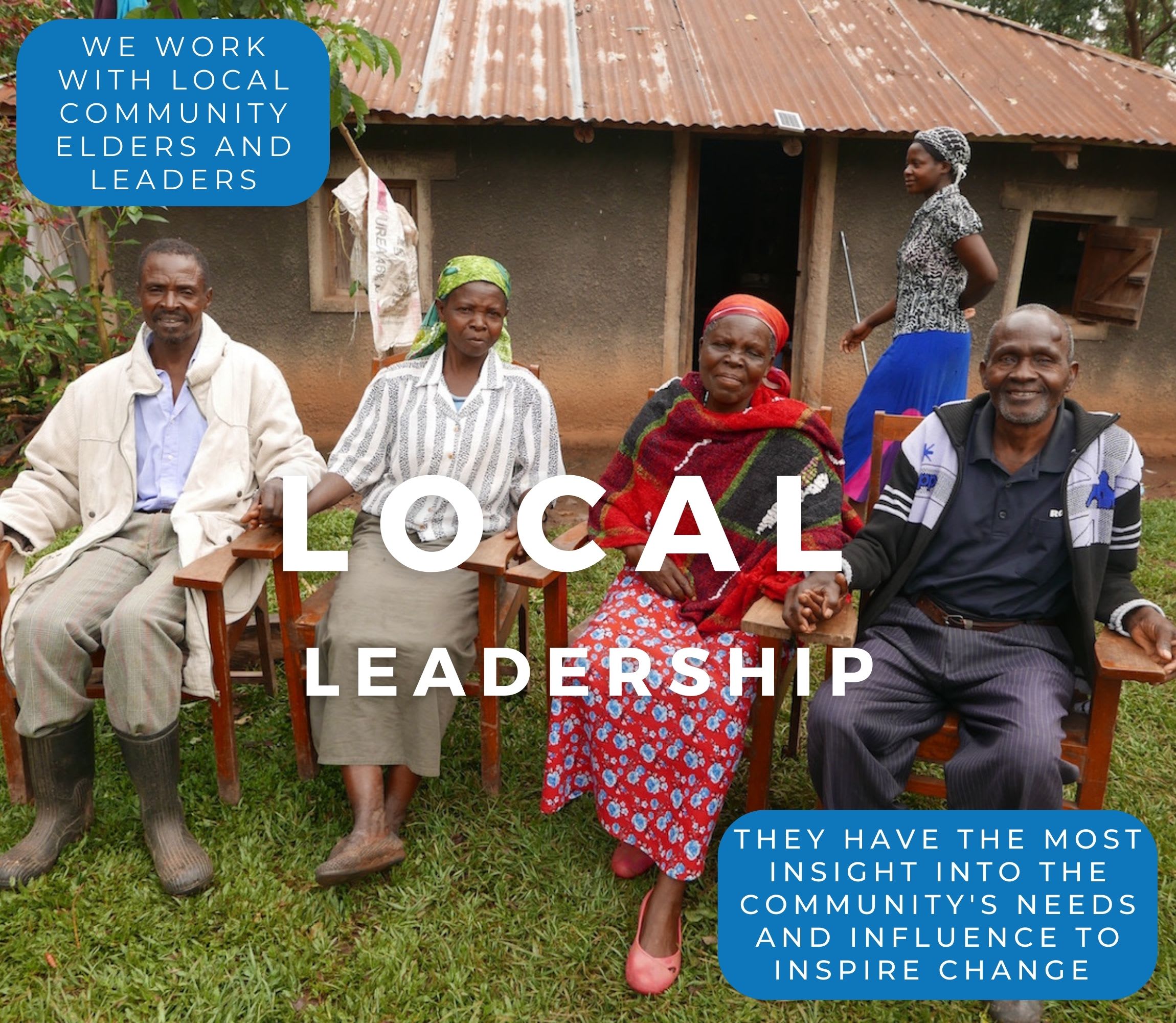
Encouraged and supported by our team's guidance, the community elects a water user committee representative of its diverse members. This committee assumes responsibility for maintaining the water point, organizing community efforts, and gathering fees to ensure its upkeep.