 Protected Spring
 Rehabilitation Project








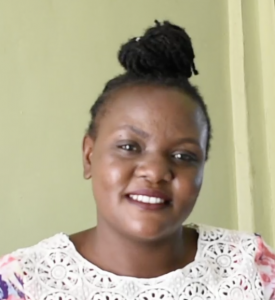

Margret Ongoma shares an unprotected spring with the seventy other people in the Mahola Community. In it's current state, the spring is a bigger risk than blessing, water-related illness run rampant in the community. Margaret knows firsthand what it costs a family when the water that sustains them is also what makes them sick.

"A few months ago, my youngest child developed severe diarrhea and stomach pains after drinking water from this spring during the rainy season. We had to take the child to the nearby health facility for treatment, which was costly and meant missing work and school. The experience was stressful for the whole family. Since then, we try to boil our drinking water whenever possible, but we cannot always afford the fuel. We believe protecting this spring would help prevent such illnesses and improve the health of our families," said Margret.
When illness strikes, treatment isn't simple or cheap.
"When a family member gets sick from suspected water-related illnesses, we usually take them to the nearest health facility, where they receive treatment and medicines such as oral rehydration solution and other prescribed medication. The cost of treatment, transport, and medicine takes up a significant portion of our household income, making it difficult to meet other basic needs. Having a protected source of clean water would help reduce these expenses by preventing frequent illnesses," Margret lamented.

The unprotected spring.
The toll goes beyond medical bills — it reaches into the family's ability to work and provide.
"When someone in my family becomes sick from unsafe water, they miss school or work until they recover. As a parent, I also have to stay home or accompany them to the health facility, which means losing time that could be spent earning an income or doing household chores. We also spend money on transport and treatment, putting additional strain on our family's finances. Access to a protected water source would help reduce these illnesses and improve our family's well-being," she shared.
For Margret, the hardest part is knowing there's no real alternative.
"It is very worrying and painful to know that the water we depend on for life can also make us and our children sick. We have no reliable alternative source, so we continue using it despite the risks. We hope this water point can be protected so that our families have access to clean, safe drinking water and can live healthier lives."
Beyond the health risks, there is the daily grind of simply getting water at all. Margret spends 45 minutes waiting in line on a normal day, and the wait can stretch much longer.

Children wait their turn to collect water.
Margaret said, "There have been times when I have waited for more than an hour to collect water, particularly during the dry season when the water level is low and many households rely on the same spring. The slow flow and large number of users create long queues, causing delays that interfere with farming, household chores, and other income-generating activities."
The trips themselves are frequent and time-consuming.
"On average, we fetch water three to four times a day, depending on the size of the family and our daily needs. Most of the responsibility falls on women and older children, who make several trips to ensure there is enough water for drinking, cooking, washing, and other household activities."
If that time were returned to her, Margret already knows how she would use it.

"If I didn't have to spend so much time fetching water, I would use that time to work on my farm and engage in other income-generating activities to support my family. I would also have more time to care for my children, complete household chores, and participate in community activities. Having a protected and reliable water source would greatly improve our daily lives," she dreamed.
Safety, too, weighs on her mind every time she approaches the spring.
"I am concerned because the spring is unprotected and the area around it is often muddy and slippery, making it easy to fall while collecting water. The source is also exposed to contamination from surface runoff, animals, and debris, especially during the rainy season. As a mother, I worry that my family could become sick from drinking unsafe water, and I believe protecting this water point would make it much safer for everyone in the community," said Margret.

Hauling water up the slippery hill to get home.
Margret has a clear picture of what a protected water point would mean for her family.
"A new protected water point will provide my family with clean and safe drinking water, reducing the risk of waterborne diseases. It will also make water collection safer by providing a clean, stable collection area instead of the current muddy and slippery conditions. We will spend less time seeking medical treatment, save money on healthcare, and have greater confidence that the water we drink is safe for our children." Said Margret.
And for Margret, the meaning of water goes far beyond any single task.
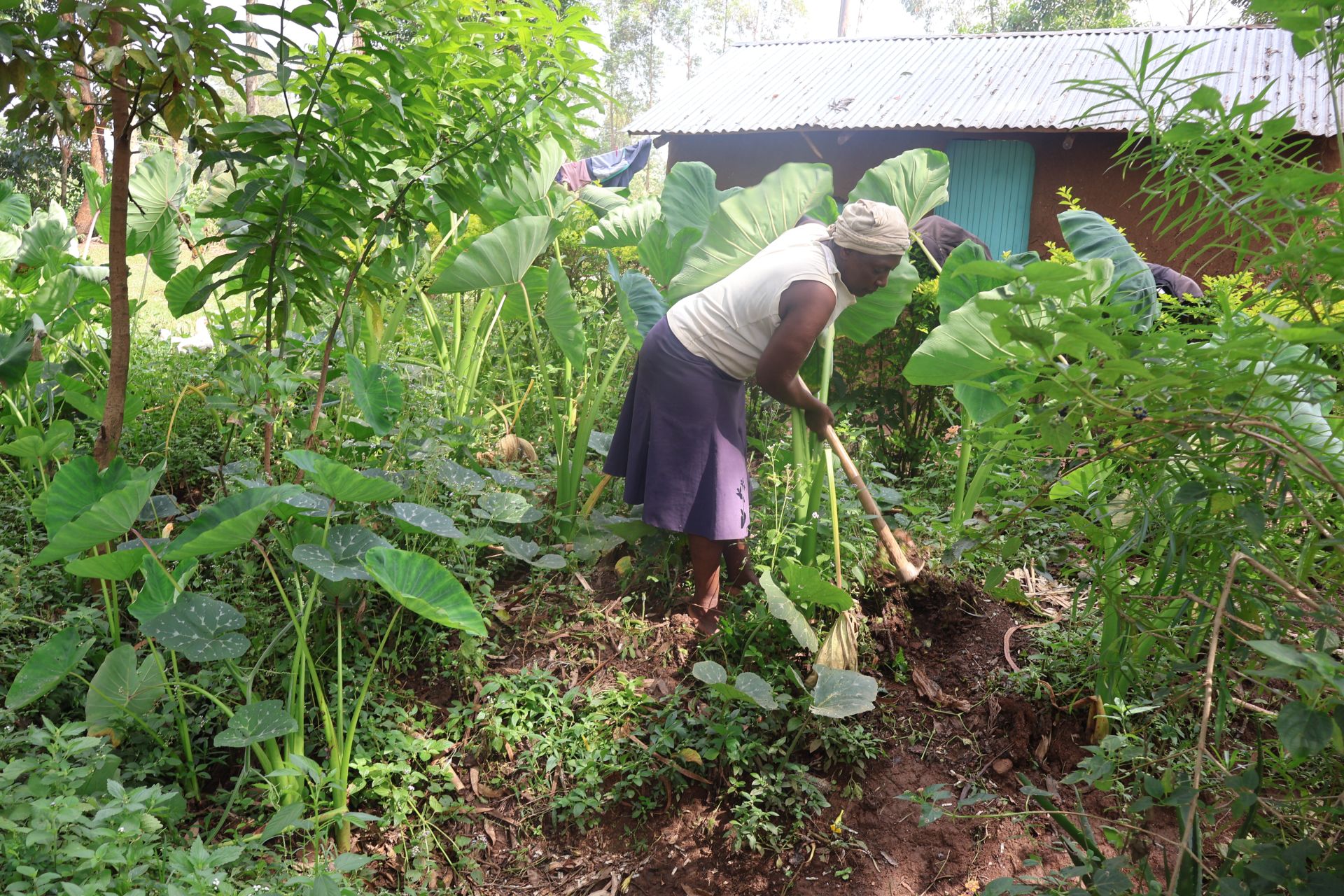
Margaret tending her garden.
"Water is essential to my family's daily life. We need it for drinking, cooking, bathing, washing, farming, and keeping our home clean. Without safe water, our health, livelihoods, and children's education are affected because illness becomes more common. Having access to clean and protected water gives us a healthier, more productive, and more dignified life," she concluded.
Steps Toward a Solution
Our technical experts worked with the local community to identify the most effective solution to their water crisis. They decided to safeguard the existing flowing spring.
Spring Protection
Springs are natural water sources that originate from deep underground. As water travels through various layers of the earth, it undergoes a natural filtration process, making it cleaner and safer to drink. To protect these spring sources from contamination, we construct a waterproof cement structure around layers of clay, stone, and soil. This design channels the spring water through a discharge pipe, facilitating easier, faster, and cleaner water collection.
Chlorine Dispenser
As an extra measure towards water quality safety, uniquely engineered chlorine dispensers are installed at all of our spring protection projects so community members can treat their water with pre-measured doses of chlorine. The chlorine treats any possible contamination and stays active for two to three days, ensuring water stays safe to use even when stored at home. Chlorine delivery and maintenance of the dispensers are part of our ongoing community support.
Community Education & Ownership
Hygiene and sanitation training are integral to our water projects. Training is tailored to each community's specific needs and includes key topics such as proper water handling, improved hygiene practices, disease transmission prevention, and care of the new water point. Safe water and improved hygiene habits foster a healthier future for everyone in the community.
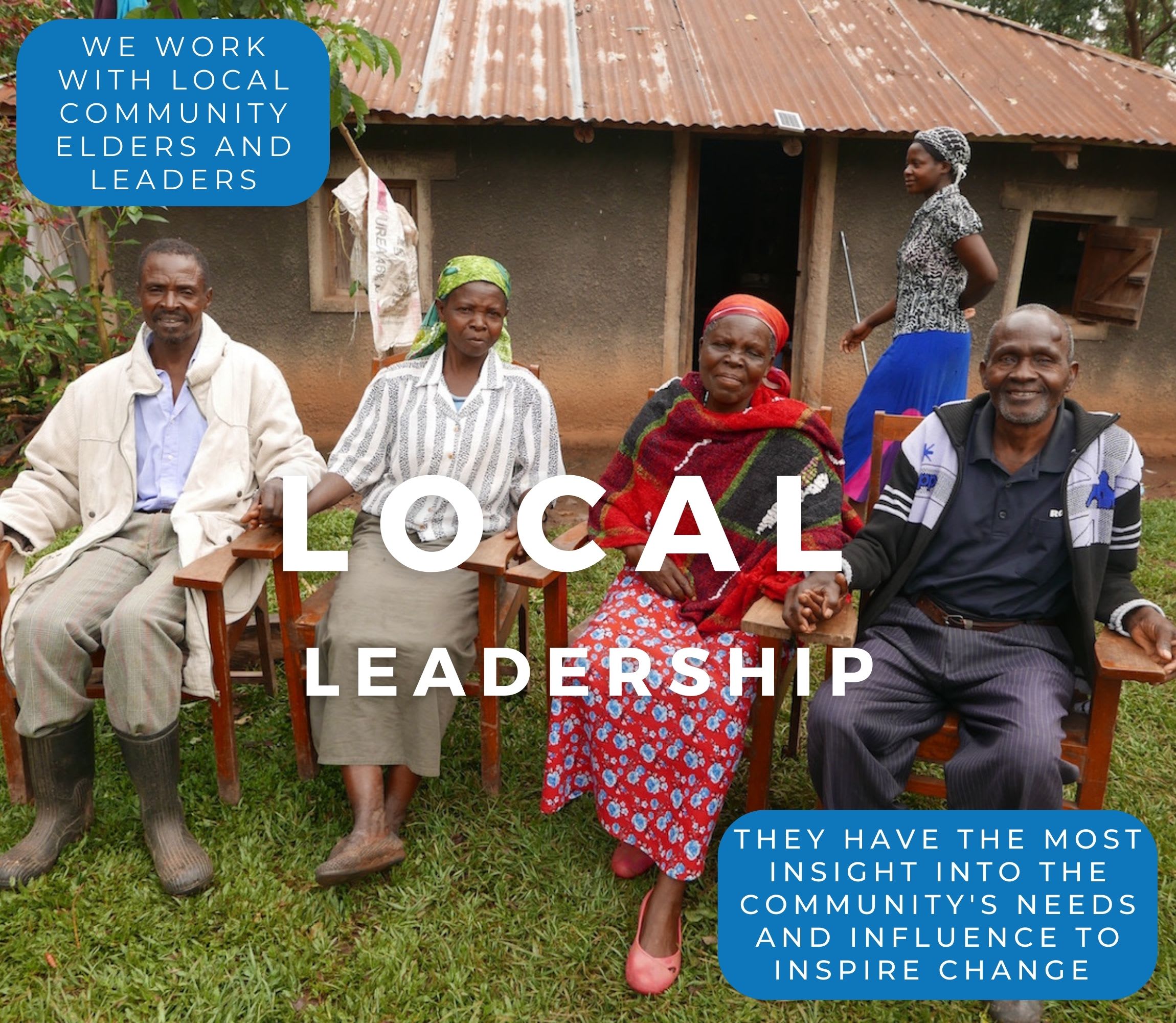
Encouraged and supported by our team's guidance, the community elects a water user committee representative of its diverse members. This committee assumes responsibility for maintaining the water point, organizing community efforts, and gathering fees to ensure its upkeep.