 Protected Spring
 Rehabilitation Project











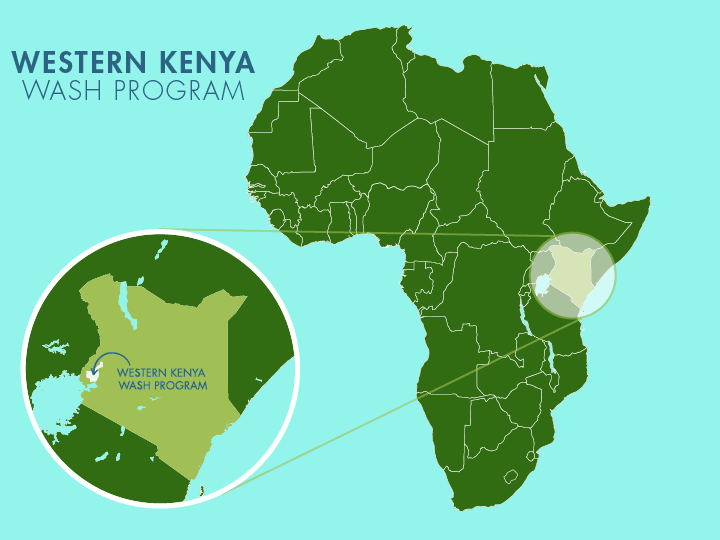
The William Spring is meant to provide water for the 210 people who live in the Mulambo Community, but its current condition makes it nearly impossible. The area around the spring is in poor condition with crumbling cement, no access stairs, and a muddy entrance to the two discharge pipes; neither provides a steady stream of water year-round.
Field Officers discovered the spring while mapping water sources in the local area. Our values aim to provide water to 100% of people in our coverage area. It was immediately apparent that the spring needed attention to make it functional and safe for the community so they can have access to safe water.
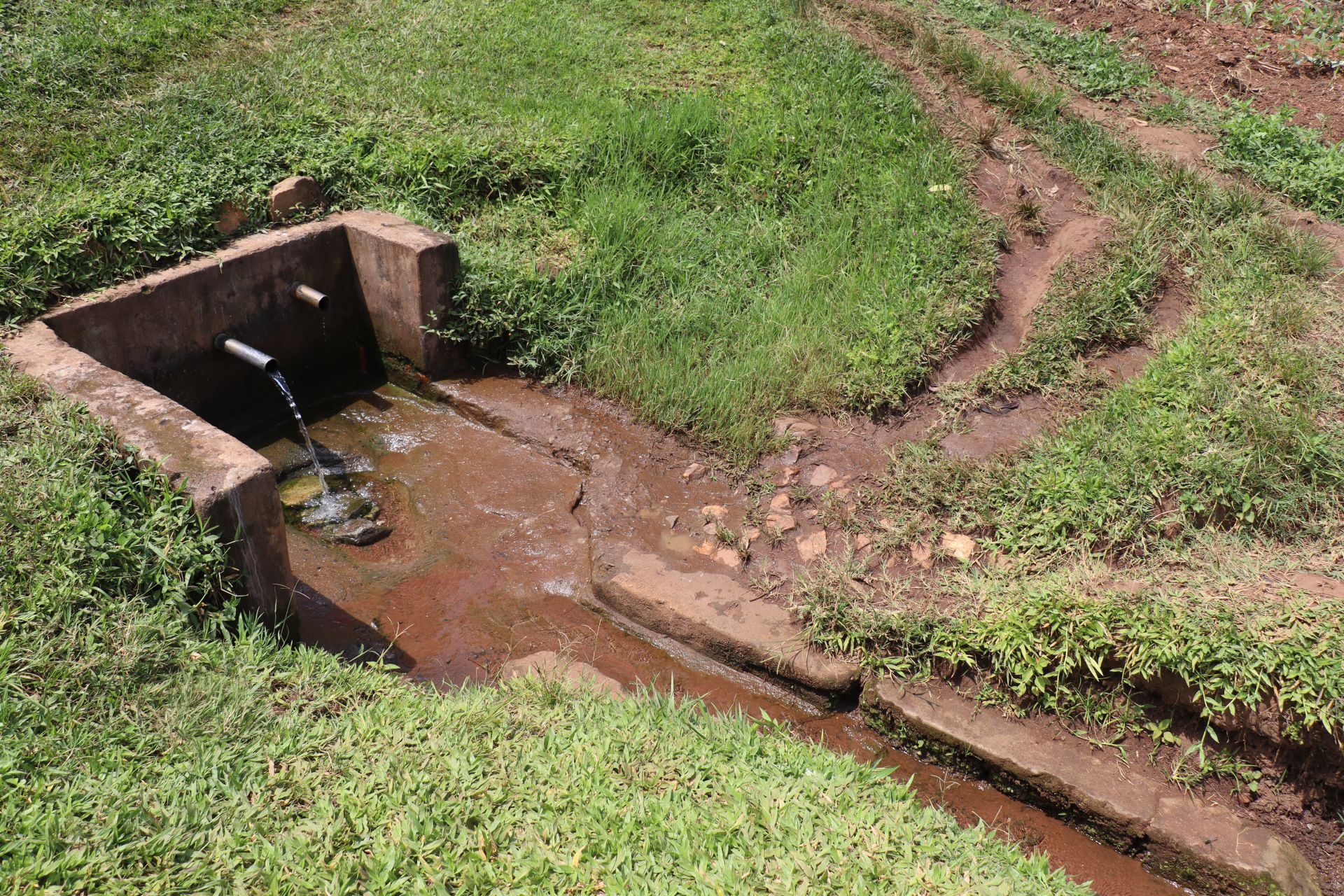
The spring that needs protection.
"Water users have worked together to cope with the water shortage by sharing available water, organizing community clean-up activities around the source, and carrying out minor maintenance when possible. Some households have relied on rainwater harvesting during the rainy season, while others fetch water from distant sources or buy water when the spring cannot meet demand. Community members have also raised their concerns with local leaders and requested support to improve the water source," shared Field Officer Adelaide Nasimiyu.
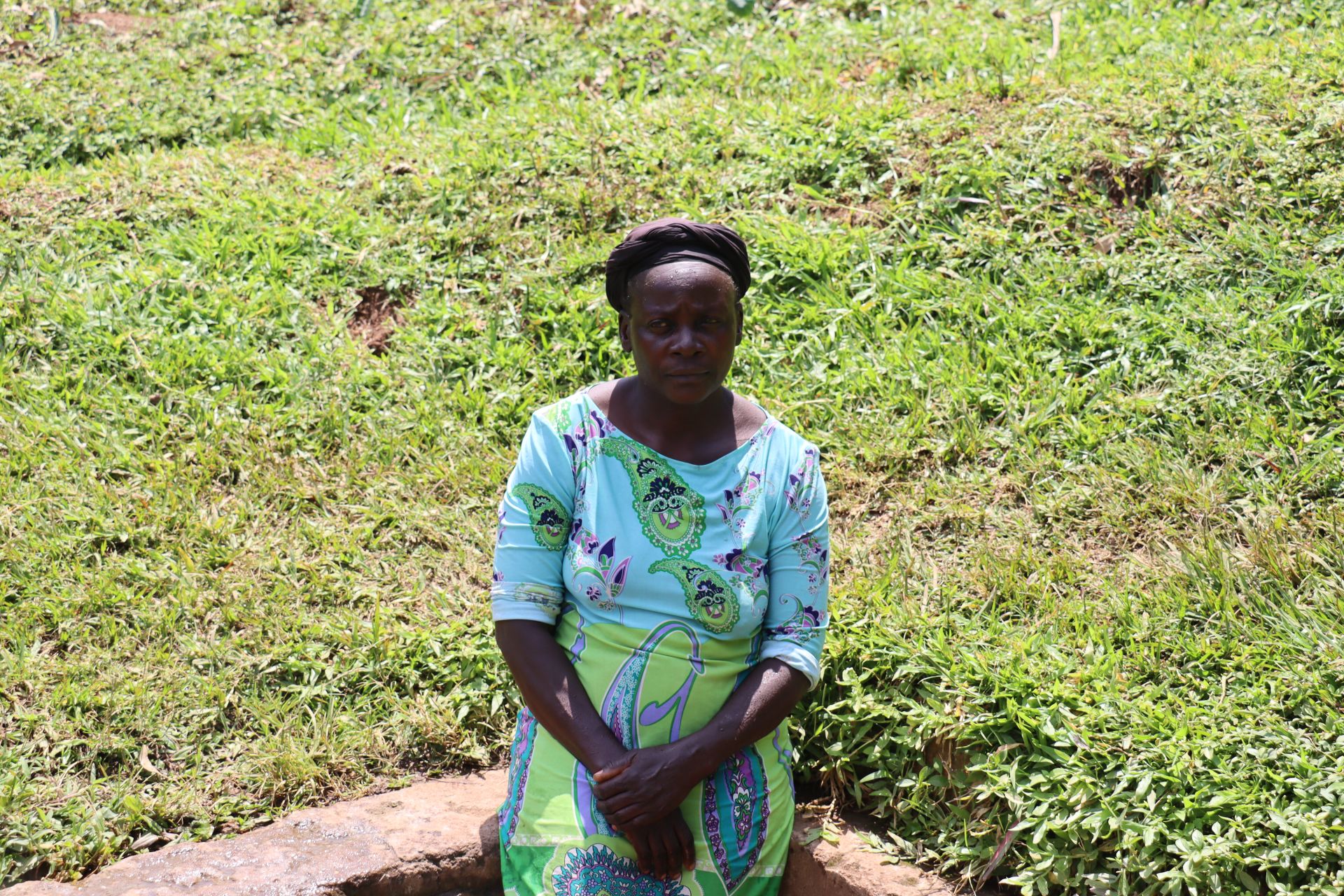
Rose Namasti.
Rose Namasti, a 50-year-old mother and farmer in the community, is familiar with the constant struggle to collect enough water from the dysfunctional spring to meet her daily needs. She wastes hours of her time and energy each day collecting just enough water for her and her family to survive.
"If I didn't have to spend so much time fetching water, I would use that time to tend my farm, run a small business, and care for my family. I would also have more time to participate in community activities and rest. My children would be able to focus more on their studies and complete their homework without the burden of spending hours collecting water," said Rose.
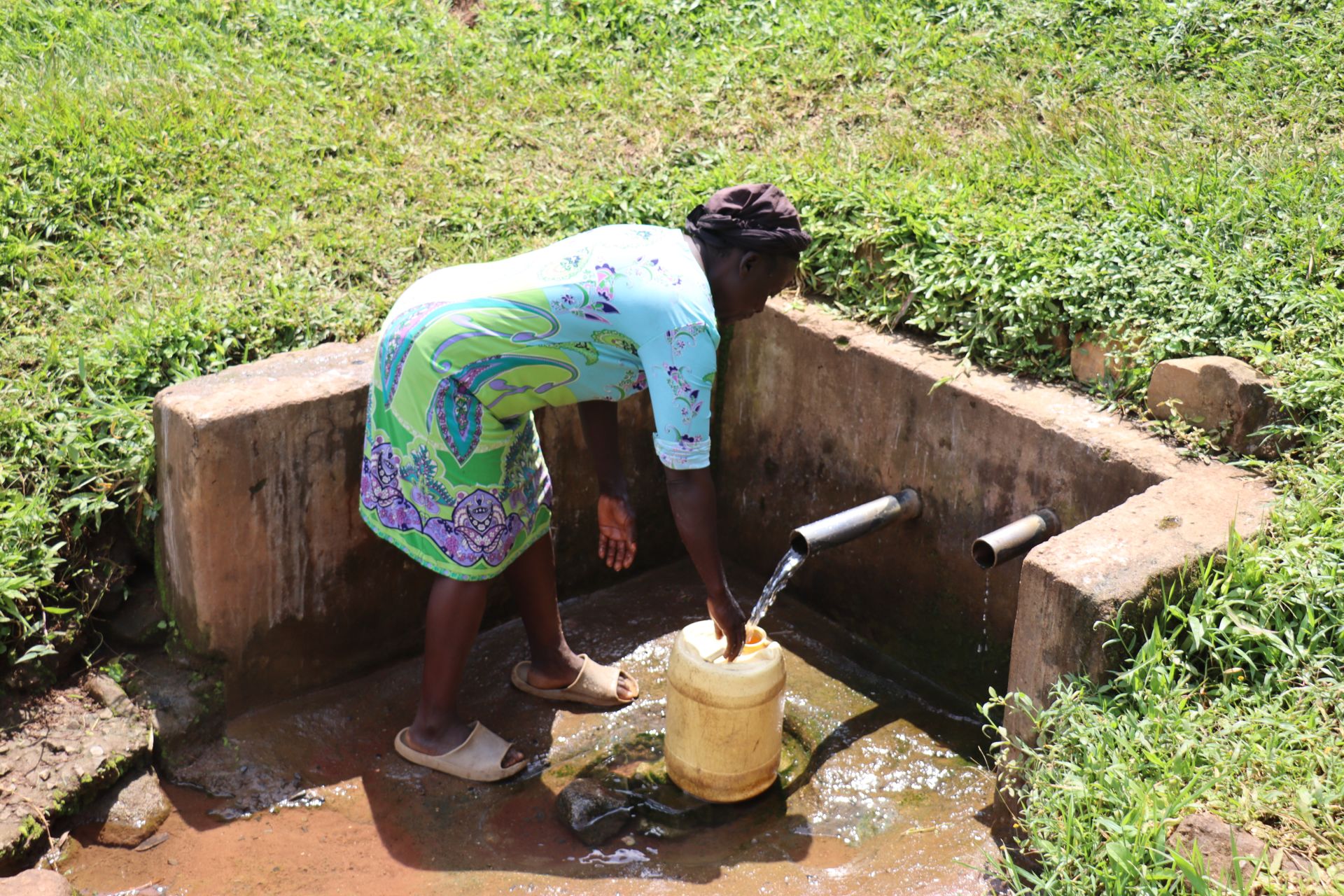
Rose collecting water from the spring.
"To me, water means health, dignity, and survival. Every day, my family depends on it for drinking, preparing meals, washing, and keeping our home clean. When we have enough safe water, we stay healthier, my children can attend school regularly, and I have more time to work and care for my family. Without clean water, life becomes much more difficult, and every day is a struggle," Rose lamented.
"On most days, we fetch water about 3 to 5 times, depending on our household needs. We need water for drinking, cooking, washing, bathing, and cleaning. During the dry season, we sometimes make even more trips because we cannot collect enough water at once.
Not only does Rose waste time making multiple trips a day to collect enough water, but she also wastes valuable hours waiting in line, especially during the dry season, when the water slows to a trickle.
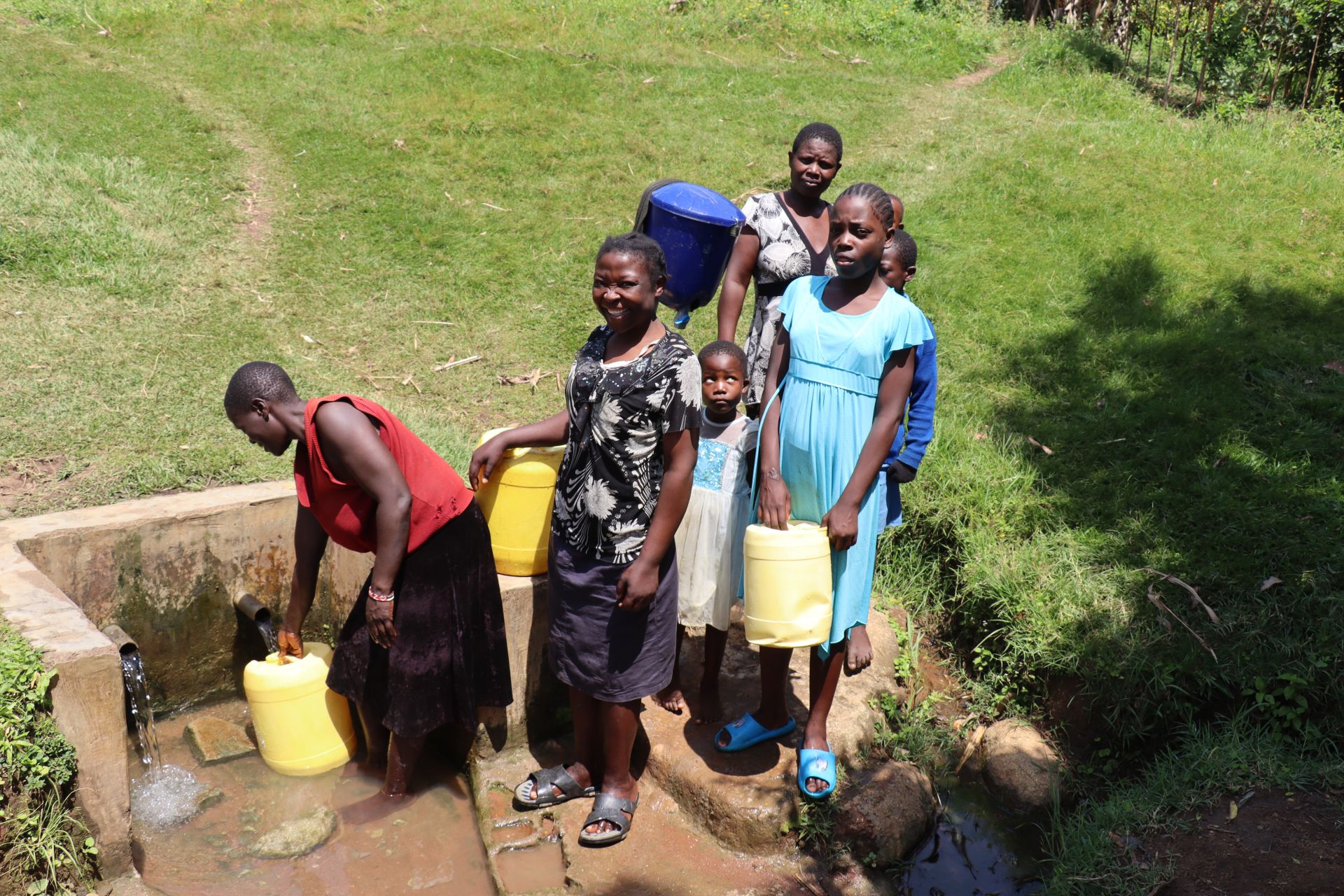
Community members wait to collect water.
"The longest I have waited for water was almost 2 to 3 hours. This happened during a prolonged dry spell when the spring produced very little water. Many people from neighboring villages also came to collect water, making the queues very long. We had no choice but to wait because there was no other reliable source nearby, and by the time we got home, it was already late in the day.
Rose and her family need the spring protected so that water can flow efficiently and the water's safety can be assured, allowing her time to attend to the other important things.
Steps Toward a Solution
Our technical experts worked with the local community to identify the most effective solution to their water crisis. They decided to safeguard the existing flowing spring.
Spring Protection
Springs are natural water sources that originate from deep underground. As water travels through various layers of the earth, it undergoes a natural filtration process, making it cleaner and safer to drink. To protect these spring sources from contamination, we construct a waterproof cement structure around layers of clay, stone, and soil. This design channels the spring water through a discharge pipe, facilitating easier, faster, and cleaner water collection.
Chlorine Dispenser
As an extra measure towards water quality safety, uniquely engineered chlorine dispensers are installed at all of our spring protection projects so community members can treat their water with pre-measured doses of chlorine. The chlorine treats any possible contamination and stays active for two to three days, ensuring water stays safe to use even when stored at home. Chlorine delivery and maintenance of the dispensers are part of our ongoing community support.
Community Education & Ownership
Hygiene and sanitation training are integral to our water projects. Training is tailored to each community's specific needs and includes key topics such as proper water handling, improved hygiene practices, disease transmission prevention, and care of the new water point. Safe water and improved hygiene habits foster a healthier future for everyone in the community.
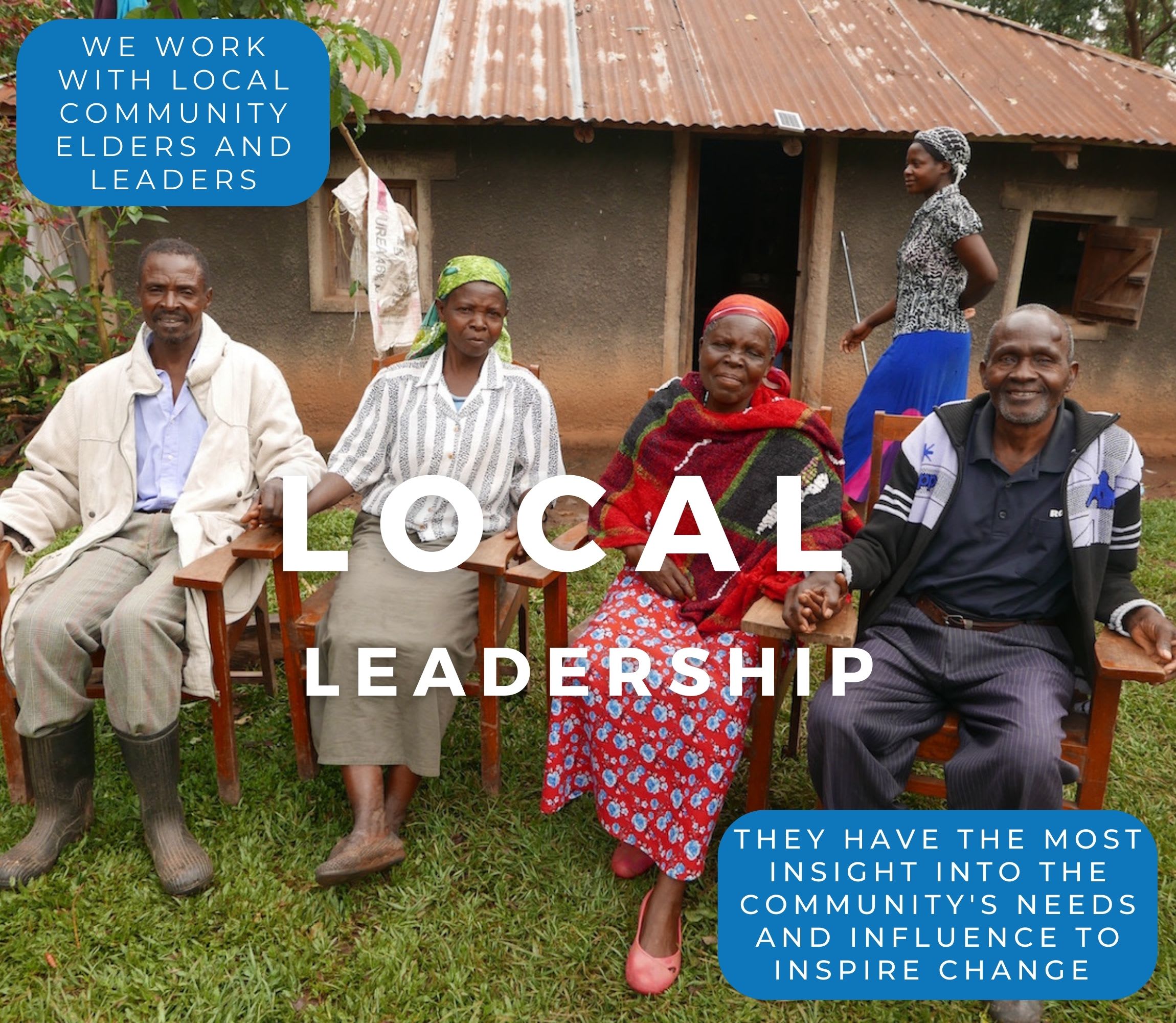
Encouraged and supported by our team's guidance, the community elects a water user committee representative of its diverse members. This committee assumes responsibility for maintaining the water point, organizing community efforts, and gathering fees to ensure its upkeep.