 Protected Spring
 Rehabilitation Project











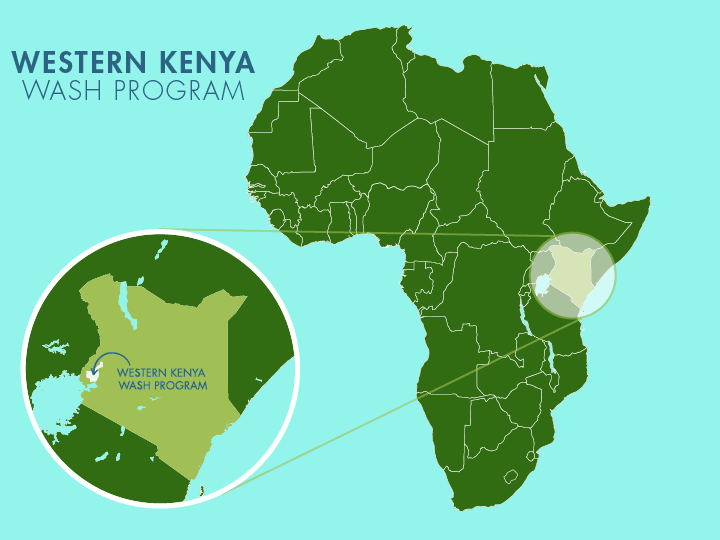
The Makokha Spring, a new water project proposed for the Emakombe Community, will serve 280 community members across 40 households once complete. For 69-year-old Mwanaidi Wambani, a small-scale farmer in Emakombe, the water crisis is a daily reality that touches nearly every part of her life.
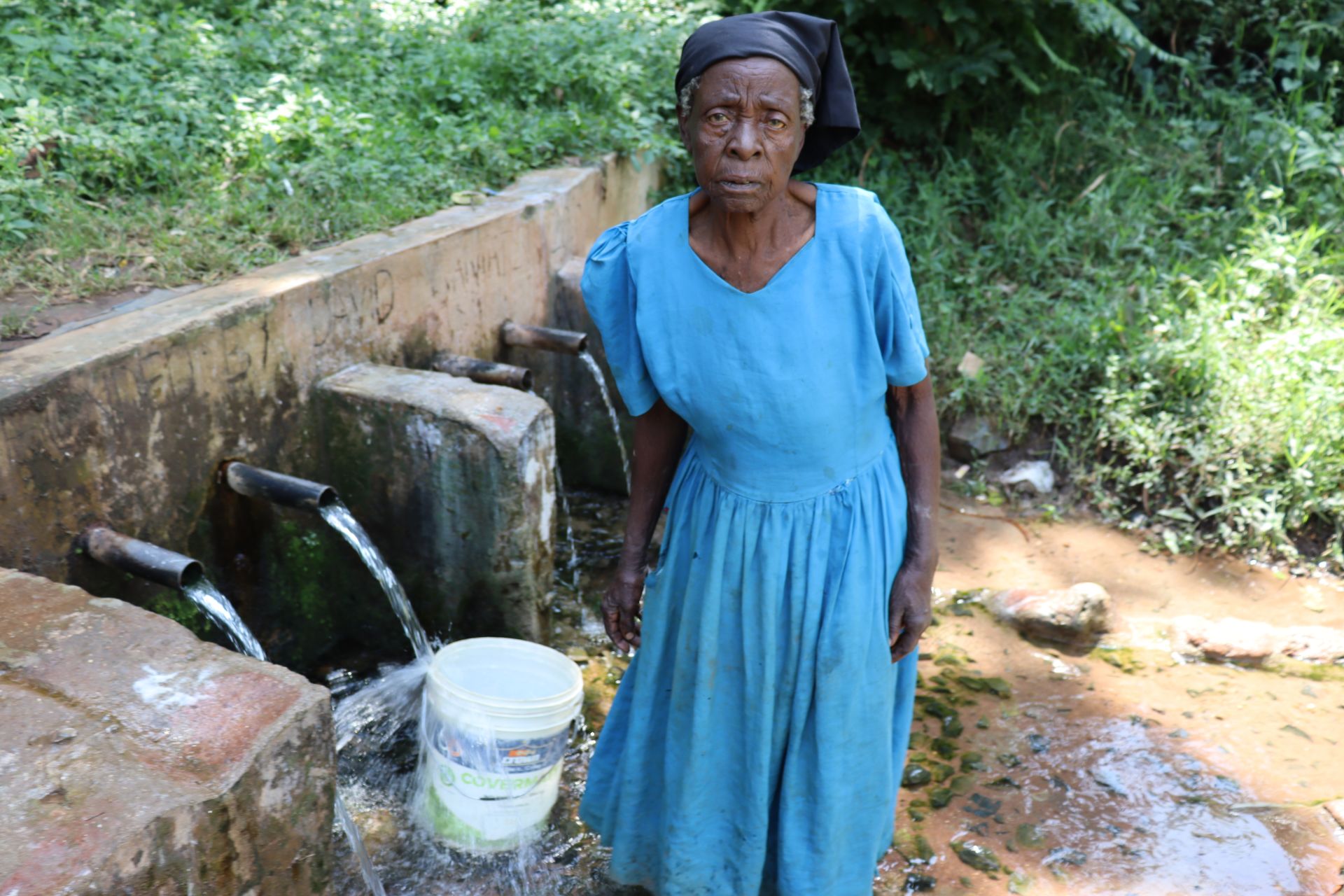
Mwanaidi Wambani.
The water, though it flows naturally from the earth, gives those who drink it deep regrets and no other options.
Mwanaidi has felt the physical toll of unsafe water firsthand. "I experienced diarrhea and stomachache and was unable to eat anything," she recalled. The cost of treating these illnesses has drained her finances: "I have spent a lot of cash on treatment in [the] hospital and buying drugs until I cannot even save any cash."
" I don't like drinking water that harms me and my family's health since it does not give me peace at all."
Our team in the field, who visited the spring, described it as less than inviting. "The water point is broken with sharp concrete at the drawing point, water spilling out from the backfilled area, and contaminated water all around."

Mwanaidi carefully navigates the slippery rocks with her heavy bucket.
Mwanaidi is also concerned about the physical dangers of the site: "I am concerned about safety at the waterpoint because someone can easily hurt their feet, leg, or even back."
Beyond her own health, Mwanaidi worries about her grandchildren, who face harassment at the water point during the dry season when queues grow longest — sometimes stretching to 90 minutes as neighboring springs and wells dry up.
Despite the hardship, the Emakombe community hasn't given up. "We have done repairs several times, but the water point keeps on breaking down again and again," Mwanaidi said, describing years of mobilizing their own limited resources to patch a spring that was never properly protected in the first place.
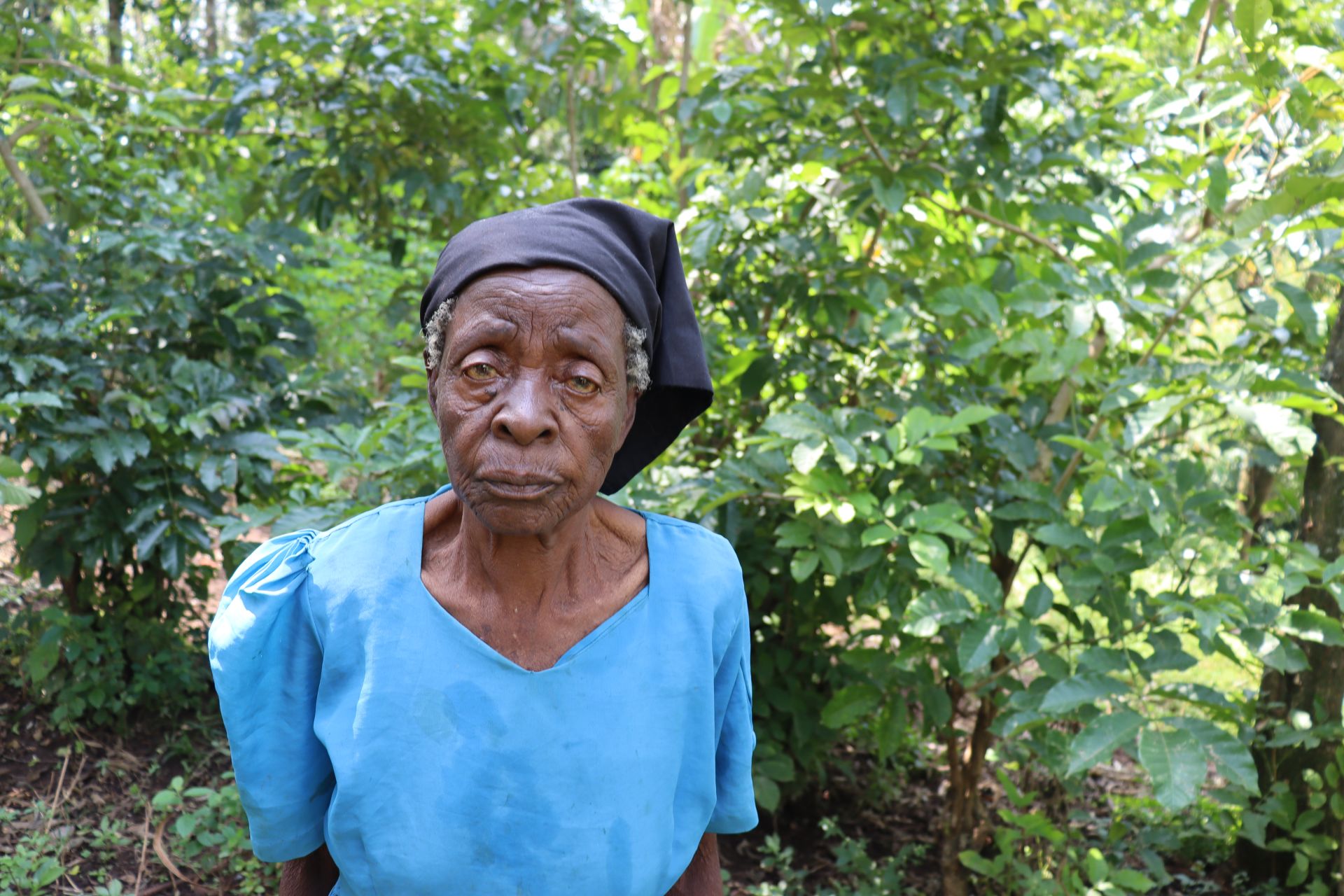
What keeps her hopeful is a simple, deeply felt truth. "It's very true that water is life, because water is everything; without it, you cannot even cook or eat food. Access to clean water makes us enjoy life." If she didn't have to spend her days managing the water crisis, Mwanaidi says she knows exactly what she'd do instead: "I would dig in my shamba and plant vegetables to eat and also sell" — a small but telling glimpse of the future a protected spring could open up for her family.
Steps Toward a Solution
Our technical experts worked with the local community to identify the most effective solution to their water crisis. They decided to safeguard the existing flowing spring.
Spring Protection
Springs are natural water sources that originate from deep underground. As water travels through various layers of the earth, it undergoes a natural filtration process, making it cleaner and safer to drink. To protect these spring sources from contamination, we construct a waterproof cement structure around layers of clay, stone, and soil. This design channels the spring water through a discharge pipe, facilitating easier, faster, and cleaner water collection.
Chlorine Dispenser
As an extra measure towards water quality safety, uniquely engineered chlorine dispensers are installed at all of our spring protection projects so community members can treat their water with pre-measured doses of chlorine. The chlorine treats any possible contamination and stays active for two to three days, ensuring water stays safe to use even when stored at home. Chlorine delivery and maintenance of the dispensers are part of our ongoing community support.
Community Education & Ownership
Hygiene and sanitation training are integral to our water projects. Training is tailored to each community's specific needs and includes key topics such as proper water handling, improved hygiene practices, disease transmission prevention, and care of the new water point. Safe water and improved hygiene habits foster a healthier future for everyone in the community.
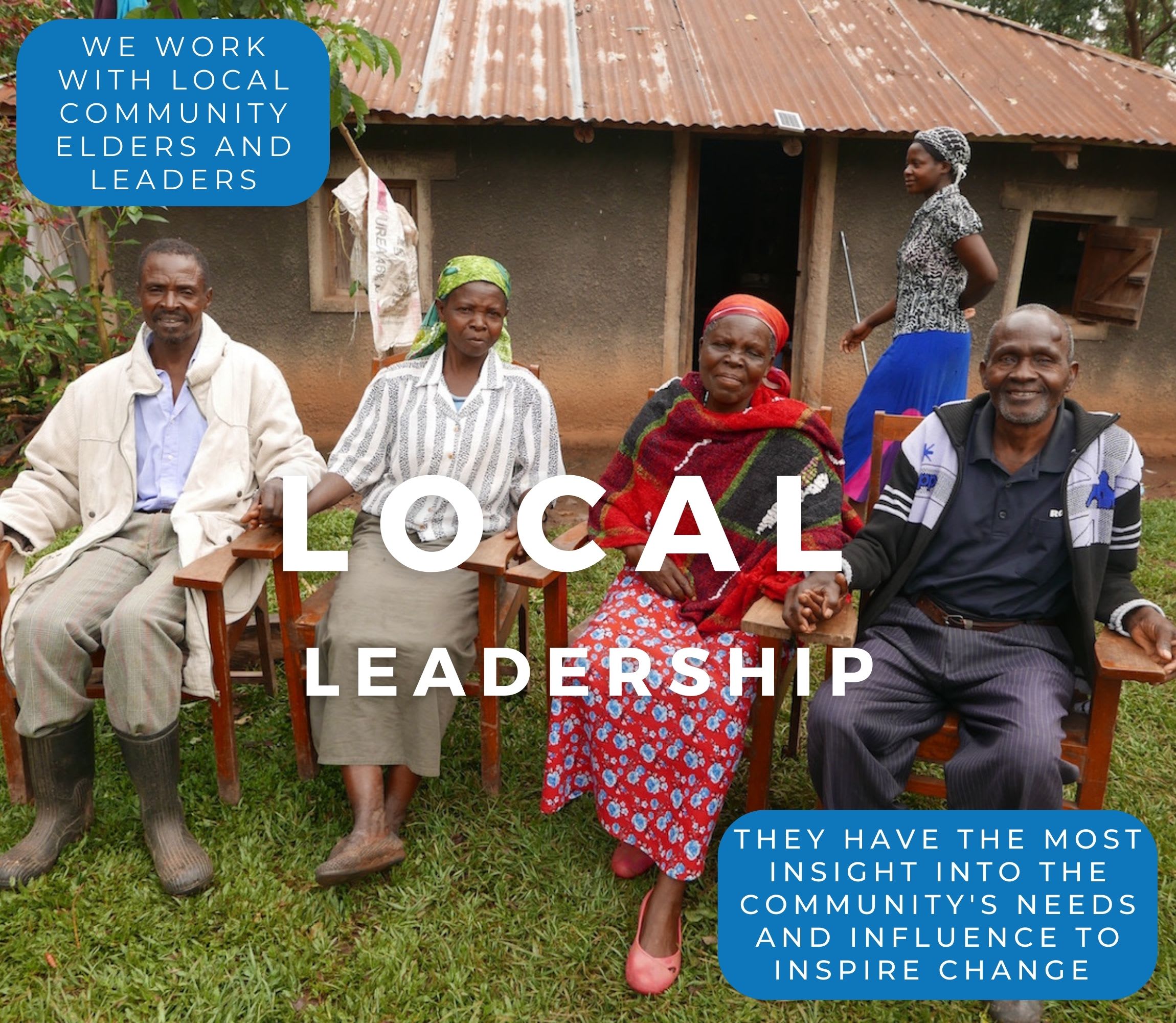
Encouraged and supported by our team's guidance, the community elects a water user committee representative of its diverse members. This committee assumes responsibility for maintaining the water point, organizing community efforts, and gathering fees to ensure its upkeep.