 Borehole Well and Hand Pump

 Rehabilitation Project

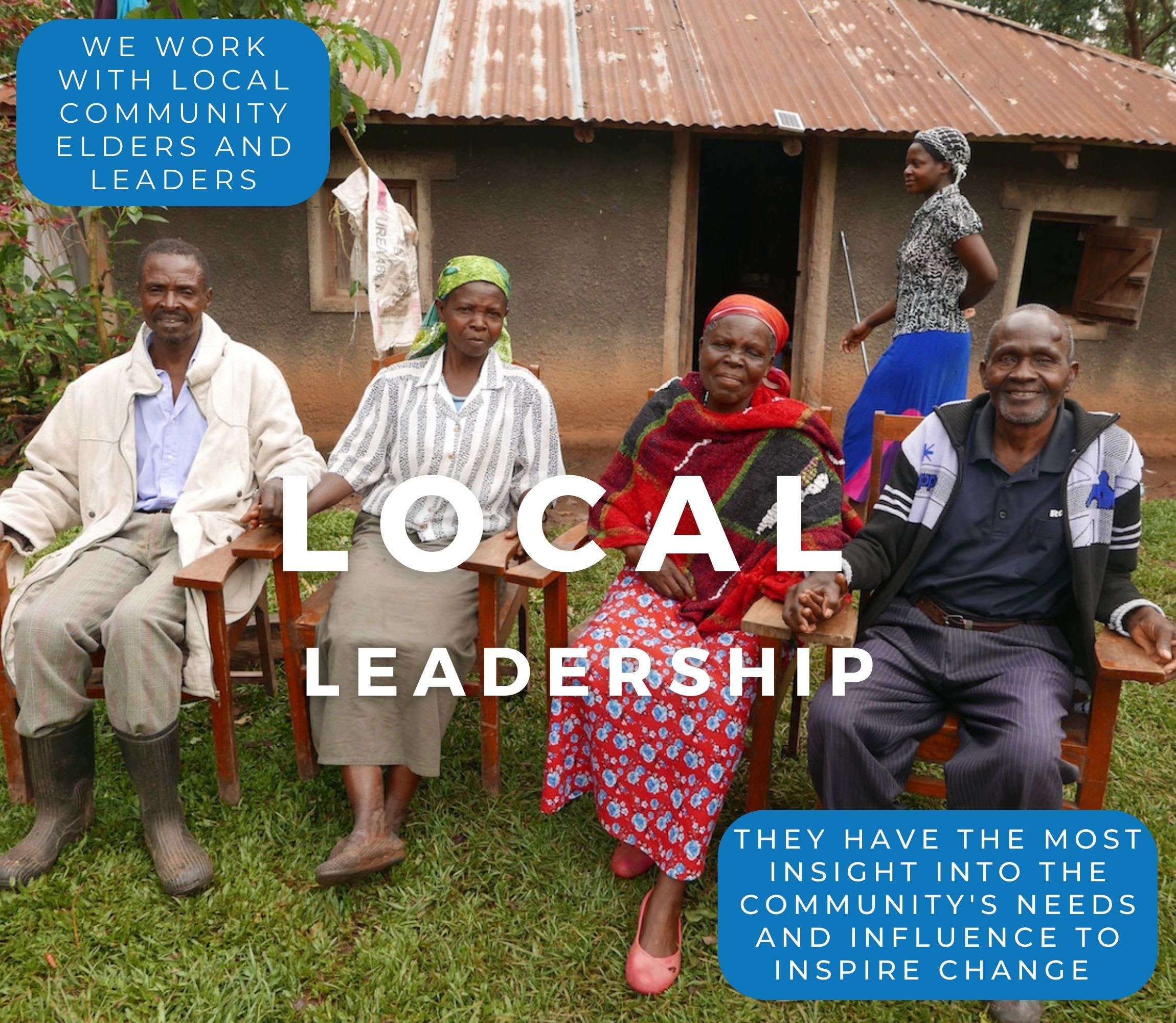








The 320 students and staff at Daries Salaam COG Primary School face each day without sufficient, easily accessible water to meet their needs. They currently have two main water sources: a protected dug well on the outskirts of the school grounds, which often goes dry for several months each year, and a local stream, which also dries up during the dry season. Neither source is ideal.
"The primary water source is seasonal and breaks down frequently. The alternative water source is located far from the school, [and] is swamp water. The pupils walk long distances for water," said Field Officer Mohammed Turay.
Collecting water from either source is time-consuming, stealing time from students and teachers and distracting them from learning.
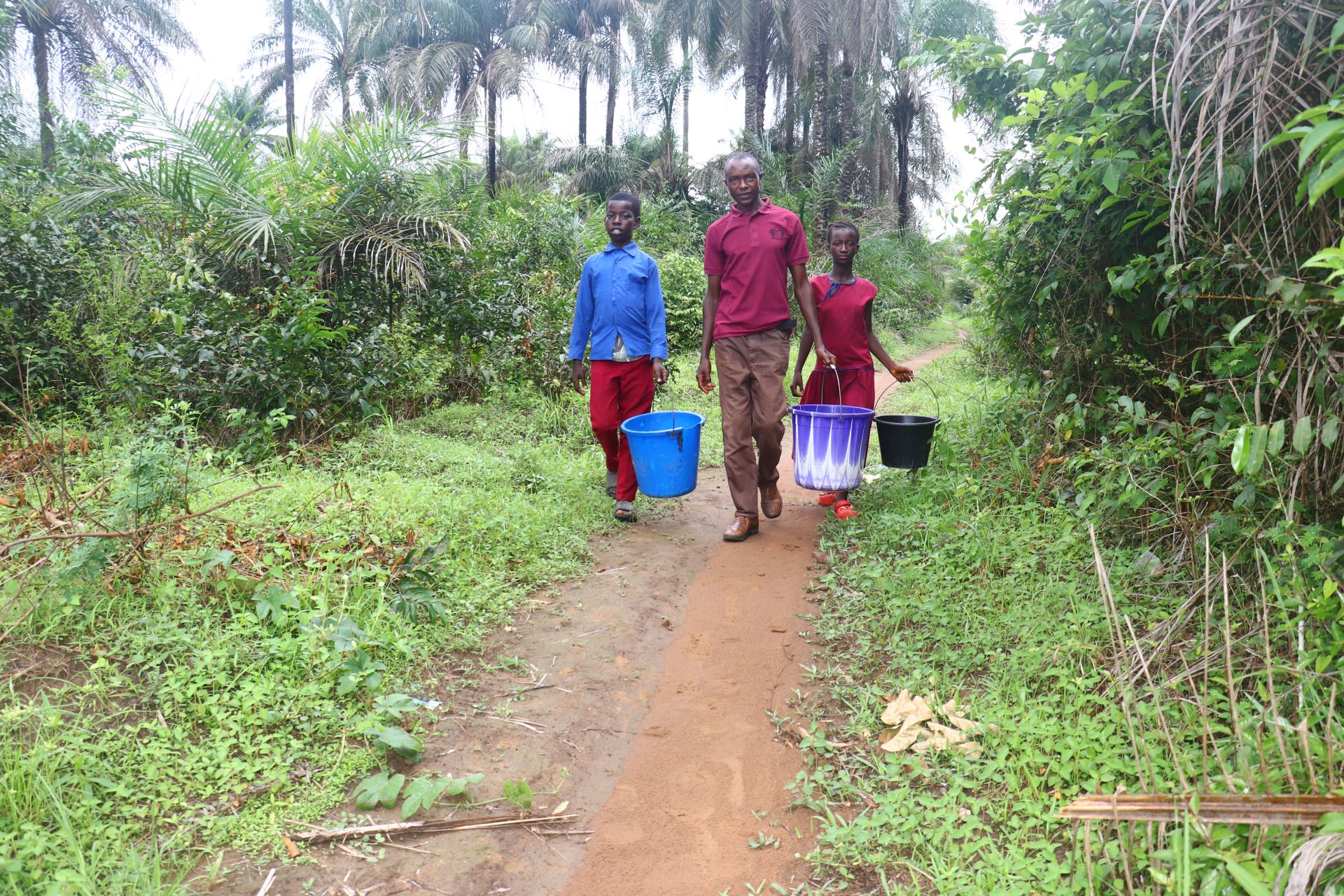
Mr. Kanu with students walking to collect water.
Teacher Joseph Kanu, 52, said, "The lack of water at the school is causing a burden on me as a teacher. The water well breaks down frequently, and it goes dry in the dry season from December to May. This causes the pupils to walk long distances to access the swamp water, which is located far from the school."
Students must make choices which are often difficult. If they need water, they must skip time learning.
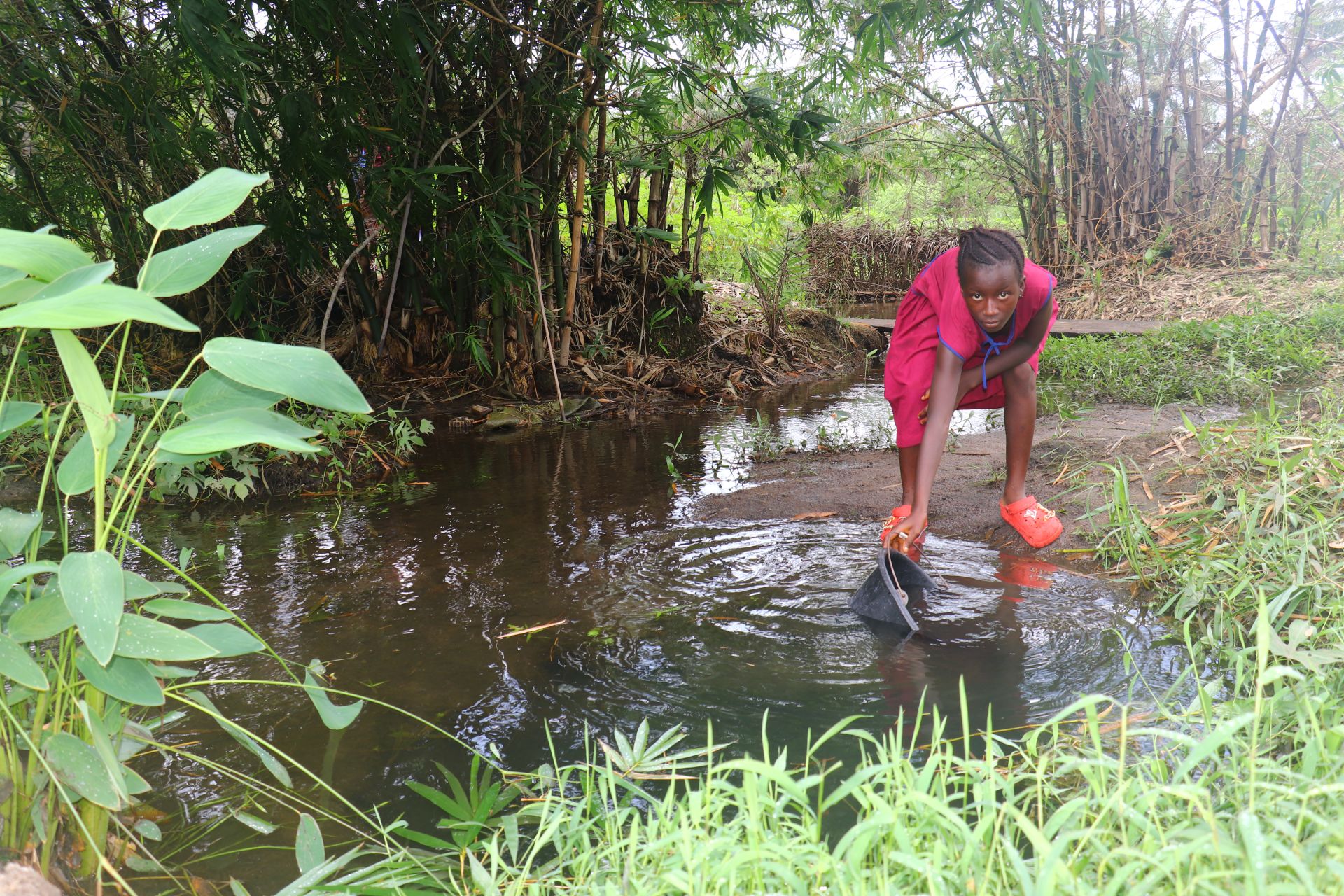
The swamp water source.
"The pupils skip devotion and are unable to complete lessons. And this might cause them not to perform well in school. Hygiene and sanitation are very difficult to maintain, especially for girls," he said.
"At school, each class has a drinking rubber bucket. In the morning, the pupils fetch water, and when that water finishes, they [must] fetch water again," Mr. Kanu reported. It is a never-ending cycle, leaving them further behind each day.
Mr. Kanu envisions what it would be like if the students had ready access to water instead.
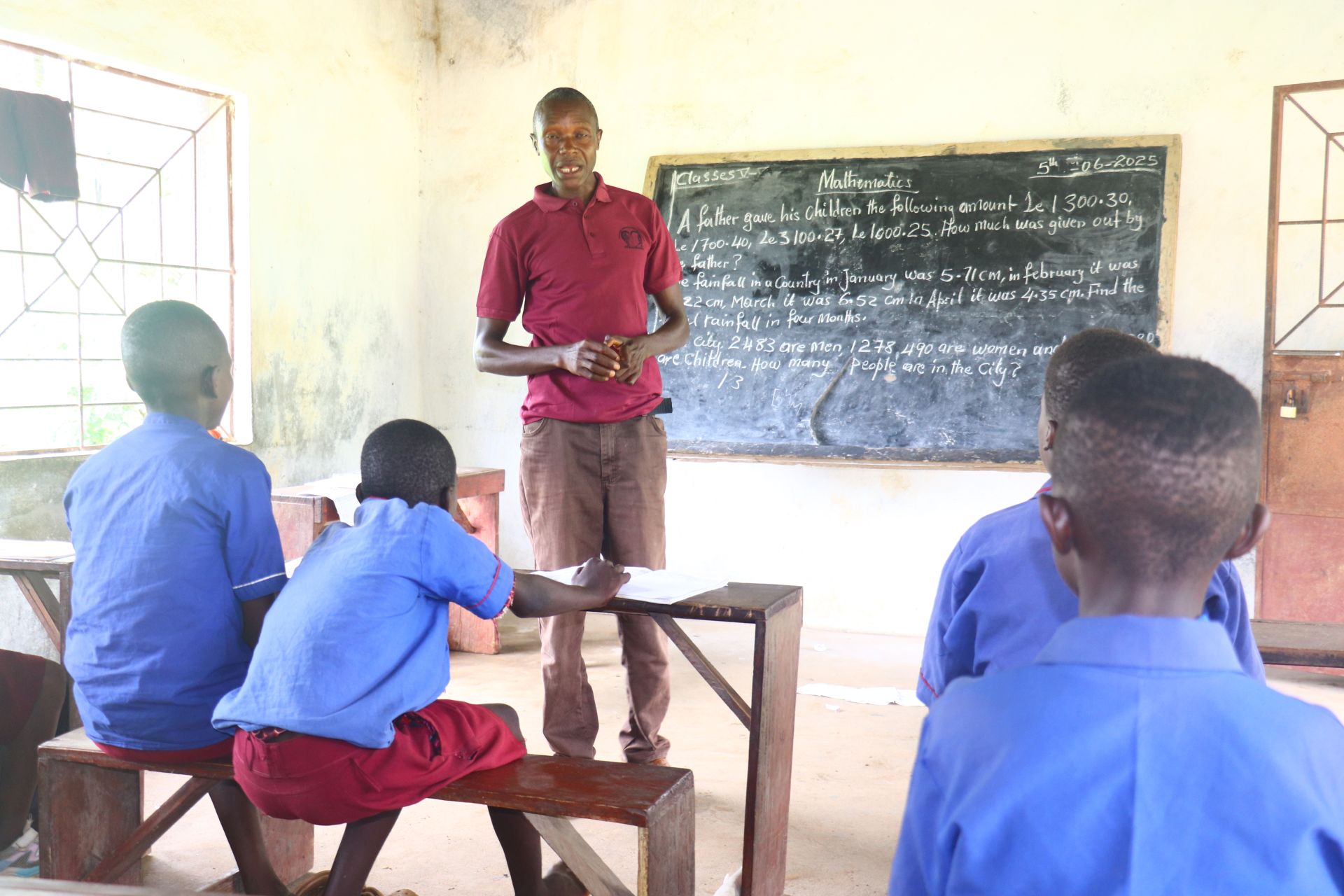
Mr. Kanu in his classroom.
"Access to safe water at school will change the academic performance of the pupils. They will not spend much time accessing water, and they [will] have time for school or lessons. My pupils [would] have time to complete the lessons and have enough time to study."
Who knows what having access to water on the school campus will truly mean for students and staff, but we do know that it will give teachers a chance to complete the syllabus and for students to complete their schoolwork, working towards a brighter future.
Steps Toward a Solution
Schools without reliable, on-premises water access often rely on students to fetch and carry water, leading to rationing and uncertainty about water quality. The water is typically poured into a communal storage tank and used by the entire school. With children carrying water from all different sources, it is also impossible for teachers and staff to know exactly where the water comes from and how safe it is to drink.
A new water point will be located on-premises at the school to ensure accessibility, reliability, and safety for students, teachers, and staff while meeting our school coverage goals. Having water available at the school allows children to drink, wash hands, and use sanitation facilities without leaving school grounds, preventing disruptions to lessons and reducing safety risks. A dedicated source increases water availability, reduces reliance on stored water, minimizes rationing, and ensures confidence in the safety of the water. This means staff and students are healthier, and their lessons aren’t disrupted, contributing to a better education!
Our technical experts worked with the school leadership and local community to identify the most effective solution to their water crisis. They decided to drill a borehole well, construct a platform for the well, and attach a hand pump.
Well
Abundant water often lies just beneath our feet. Aquifers—natural underground rivers—flow through layers of sediment and rock, offering a constant supply of safe water. A borehole well is drilled deep into the earth to access this naturally filtered and protected water. We penetrate meters, sometimes even hundreds of meters, of soil, silt, rock, and more to reach the water underground. Once found, we construct a platform for the well and attach a hand pump. The community gains a safe, enclosed water source capable of providing approximately five gallons of water per minute. Learn more here!
School Education & Ownership
Hygiene and sanitation training are integral to our water projects. Training is tailored to each school's specific needs and includes key topics such as proper water handling, improved hygiene practices, disease transmission prevention, and care of the new water point.
To ensure a lasting impact, we support forming a student health club composed of elected student representatives and a teacher. These clubs promote hygiene practices schoolwide and keep handwashing stations well-stocked. This student-led model encourages a sense of ownership and responsibility.
Safe water and improved hygiene habits foster a healthier future for everyone in the school and the surrounding community.