 Borehole Well and Hand Pump

 Rehabilitation Project

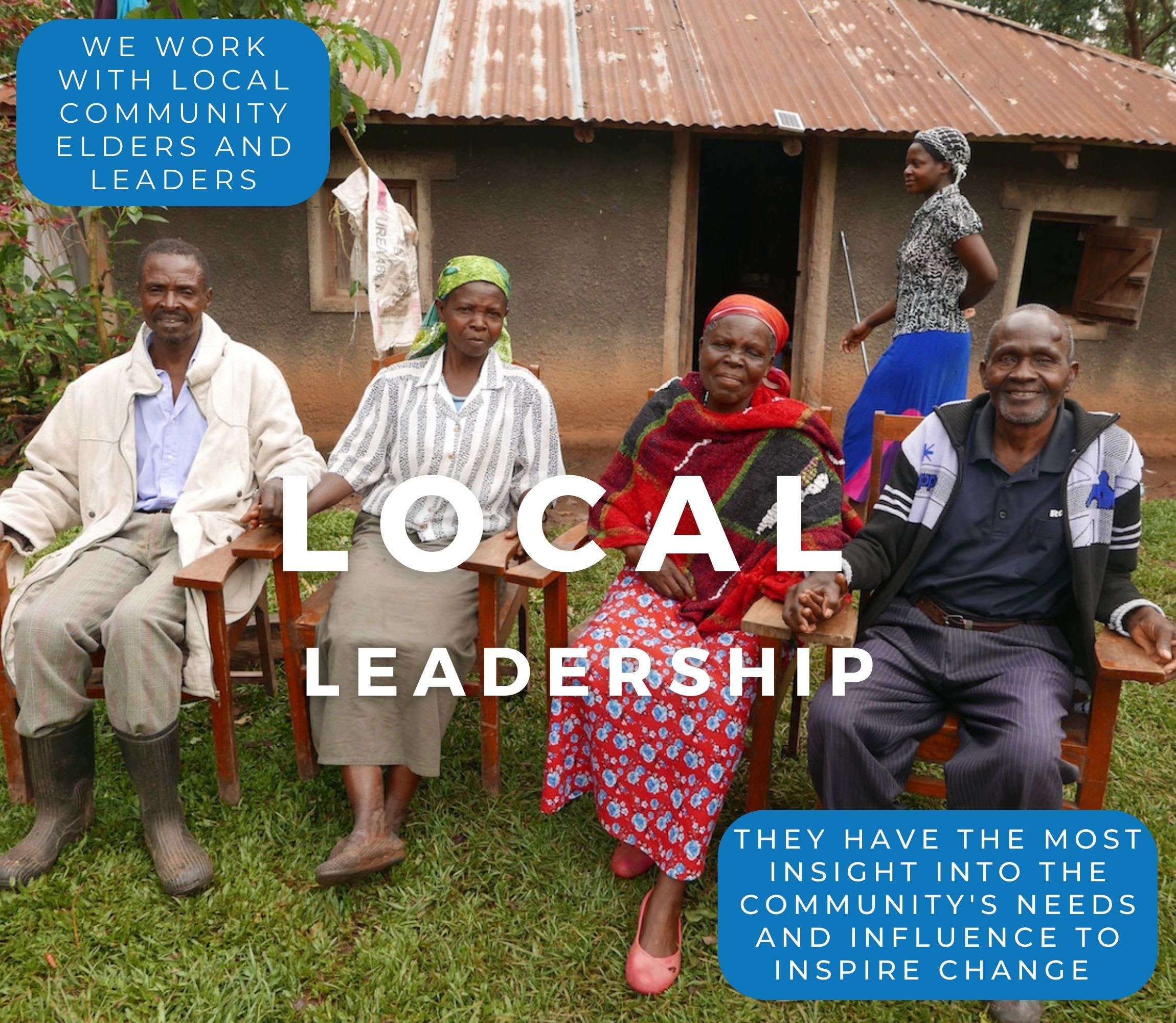








Rolal, with a population of 100, is a growing community working to build a better future for its residents. Like many rural communities, it has big potential; people want to move in, start businesses, and put down roots. But one major problem is holding everything back: access to clean, reliable water. Right now, the community depends on two water sources that are neither safe nor dependable, and this affects nearly every part of daily life.
The main water source is an unprotected dug well that sits in the open under a mango tree, with no fence or gate to keep animals out. People draw water from it using a rope and rubber bucket, a method that’s not only physically exhausting, especially for children, but also dangerous. The rope breaks often, sending the bucket into the well and cutting off access until it’s retrieved. Worse still, the water itself is unreliable. It runs low or dries up during dry seasons, and when levels drop, the color and taste of the water change; a sign that something is wrong.
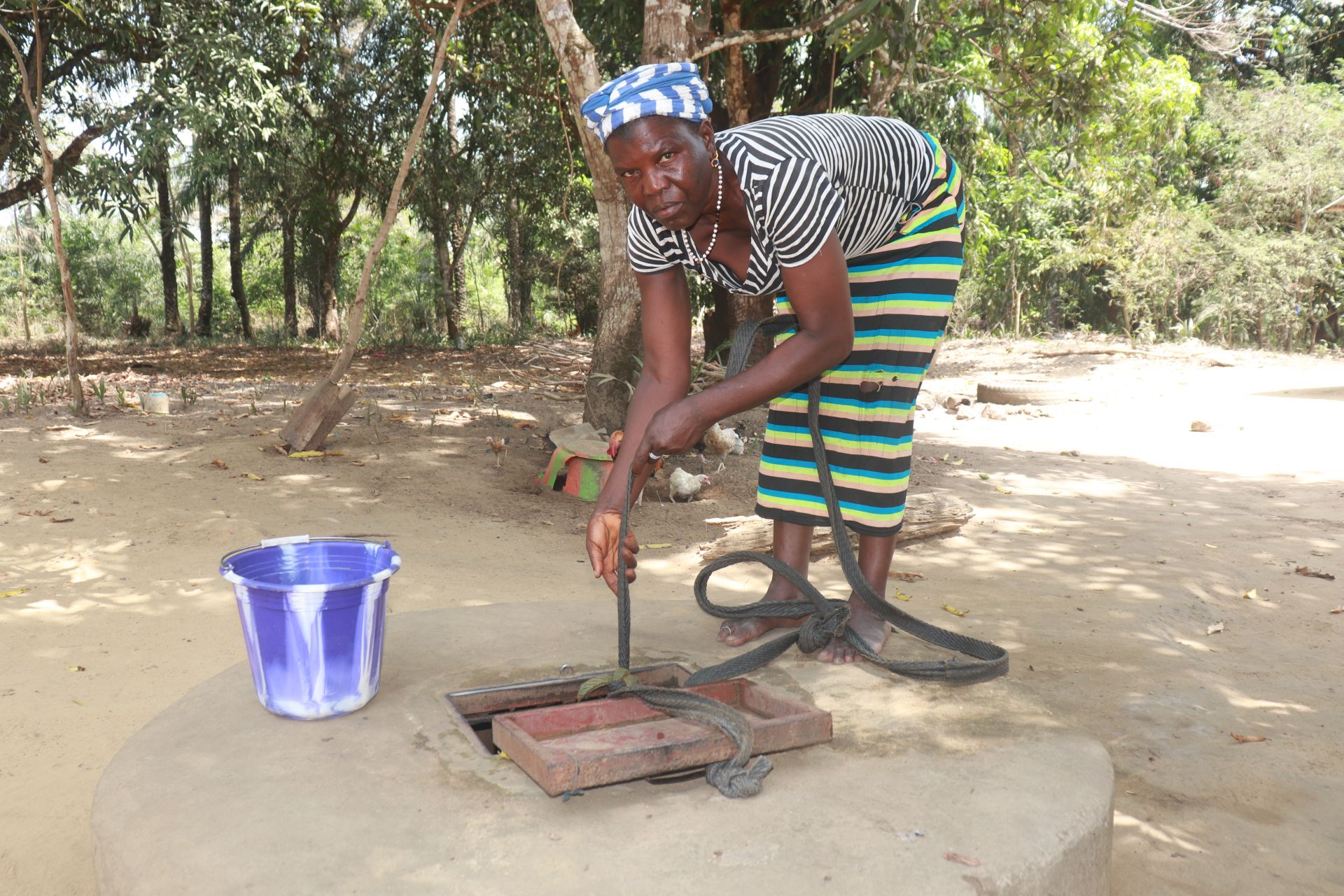
Isatu collects water from the dug well.
"Water is very important to me. I cannot do or live without water," expressed 52-year-old farmer Isatu Sesay. "I use water to bathe, brush my teeth, drink, cook, clean the latrine, etc. This alone shows that water is needed for my day-to-day activities at home."
Isatu most often relies on the unprotected dug well for water, but she does not enjoy retrieving water from it. "I am concerned about safety because it is too risky to fetch water from our present water source. The well is an open well, and the slightest mistake a person makes [means they can] fall inside the well, " she said.
But that is not the only concern with the well. It is labor-intensive and time-consuming to pull up water one bucket at a time. Even more so when the dry season comes, and the well is low.

Traveling to fetch water.
When the well dries up entirely, community members turn to a swamp as their backup water source. Getting there means a long walk and crossing a busy highway where vehicles travel at high speed, putting lives at risk every trip.
"The crossing of the road to fetch water from [the] swamp is dangerous. The drivers pass at a very high speed. One must watch and wait carefully before crossing the highway," said Isatu.
The swamp water is surrounded by farmland and thick brush, making it easy to contaminate. At times, the water smells like mud and turns dark, making it unusable for drinking or even bathing. People who have used this water report skin rashes, stomach pain, frequent diarrhea, and vomiting, a direct result of drinking from an unsafe source.
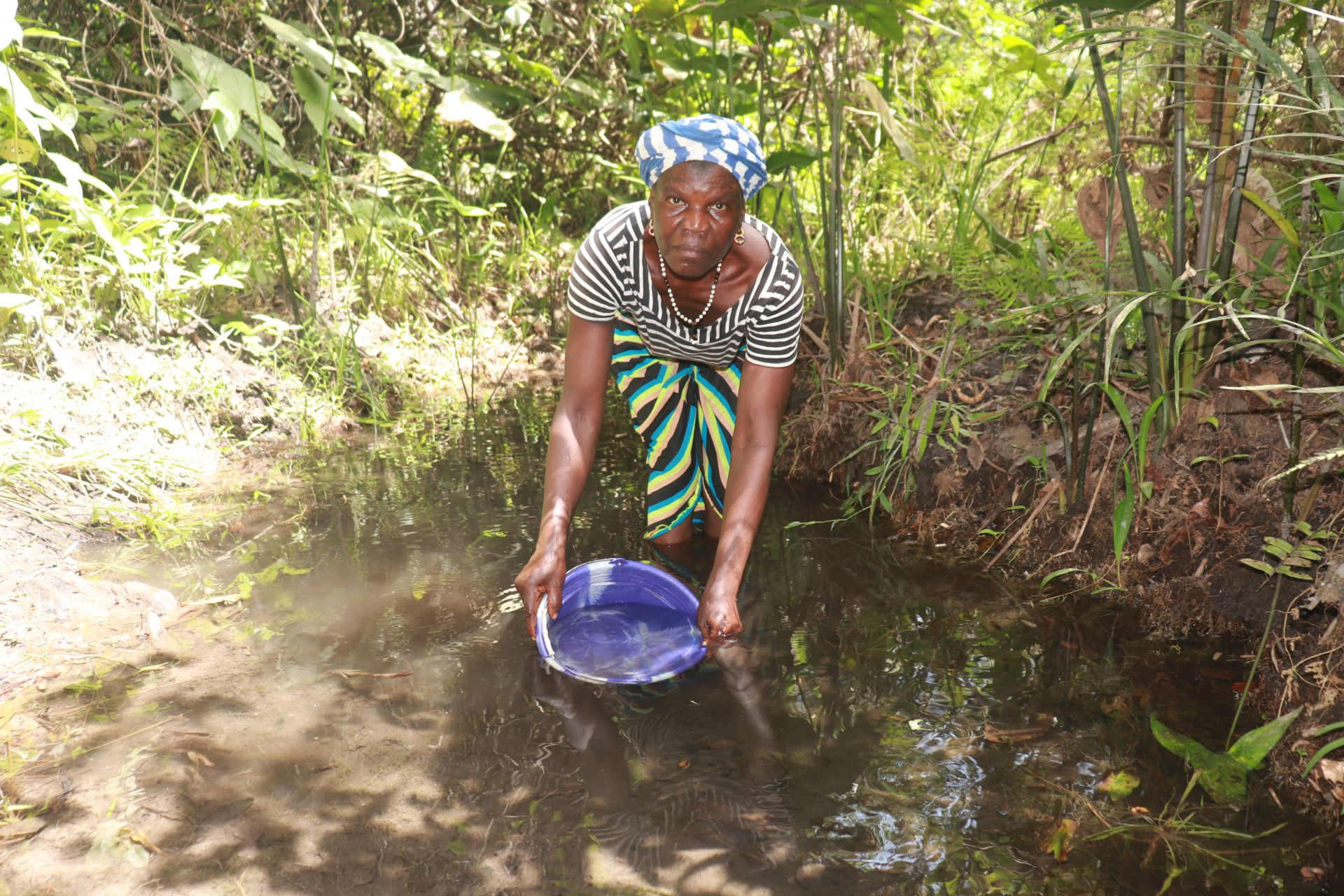
Isatu collects water from the swamp.
Only about half the community can reach any water source within 30 minutes, leaving the rest with even longer journeys. Despite reaching out to humanitarian organizations for help, the community has yet to receive support.
A new borehole would change everything - giving families safe drinking water, reducing waterborne illness, eliminating the dangerous walk to the swamp, and opening the door to the kind of growth the community is ready for.
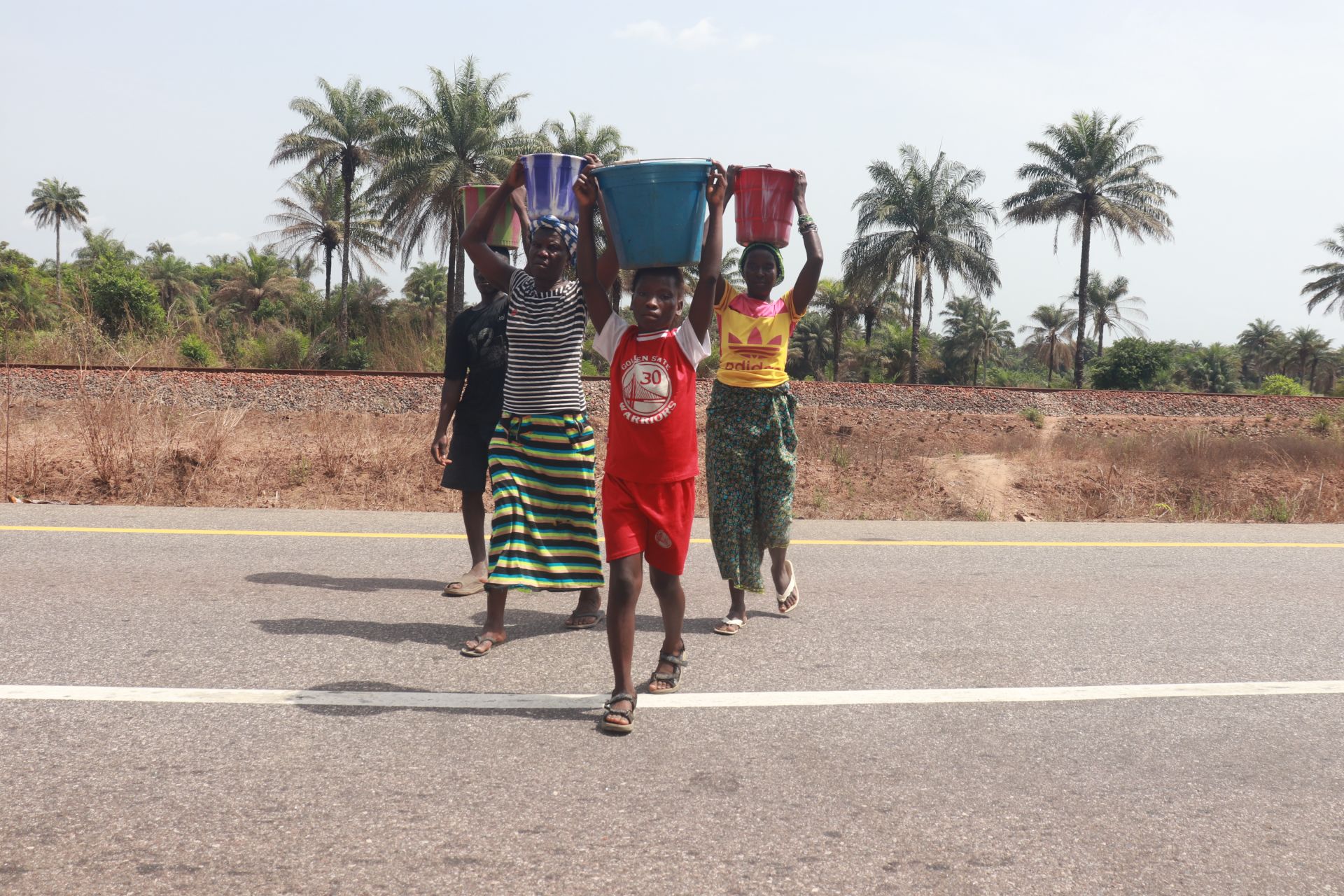
Making the journey home.
Isatu has no trouble envisioning what she would do with the extra time she will regain by having a nearby, reliable water source.
"The new water point will prevent me from fetching water from our present water points. It will even make things easier for me because the well will be located within the community. I will be able to fetch water at the times I need it due to the distance. The good thing is that the well will reduce the constraints for me since it will have a handpump. This will make life easier for me when I want to use water at home," Isatu shared excitedly.
"I will use that time to focus on my farming. This is because I will be able to do all necessary things at home on time and then go to the farm. The less time I spend fetching water, the more time I will be able to plant crops and to monitor their growth," she celebrated.
Steps Toward a Solution
Our technical experts worked with the local community to identify the most effective solution to their water crisis. They decided to drill a borehole well, construct a platform for the well, and attach a hand pump.
Well
Abundant water often lies just beneath our feet. Aquifers—natural underground rivers—flow through layers of sediment and rock, offering a constant supply of safe water. A borehole well is drilled deep into the earth to access this naturally filtered and protected water. We penetrate meters, sometimes even hundreds of meters, of soil, silt, rock, and more to reach the water underground. Once found, we construct a platform for the well and attach a hand pump. The community gains a safe, enclosed water source capable of providing approximately five gallons of water per minute. Learn more here!
Community Education & Ownership
Hygiene and sanitation training are integral to our water projects. Training is tailored to each community's specific needs and includes key topics such as proper water handling, improved hygiene practices, disease transmission prevention, and care of the new water point. Safe water and improved hygiene habits foster a healthier future for everyone in the community.
Encouraged and supported by our team's guidance, the community elects a water user committee representative of its diverse members. This committee assumes responsibility for maintaining the water point, organizing community efforts, and gathering fees to ensure its upkeep.