 Borehole Well and Hand Pump

 Rehabilitation Project

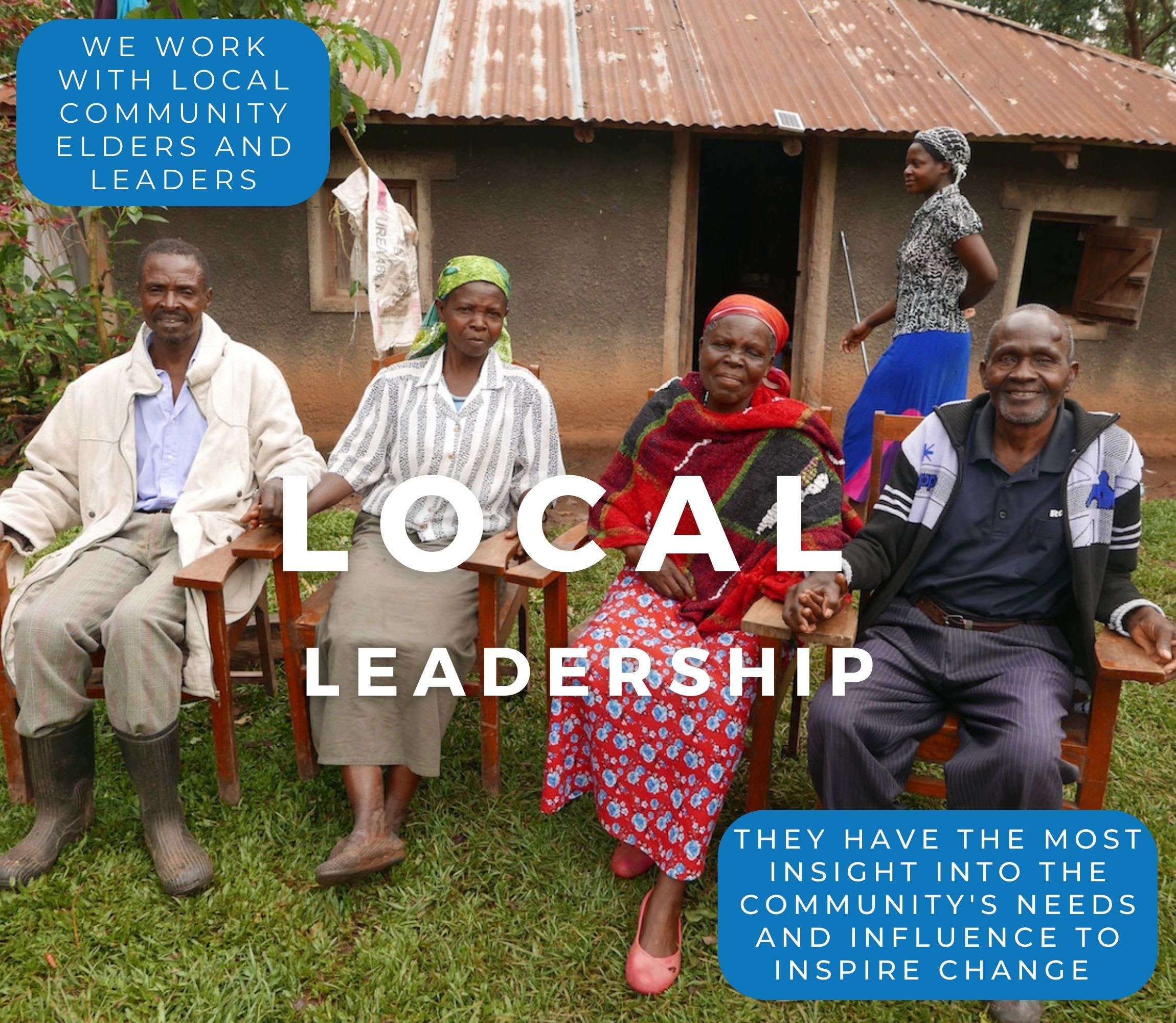






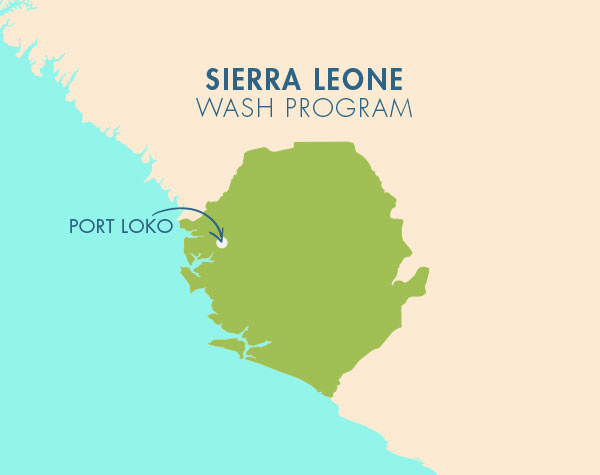
There are 372 people in the Makoya Community without a reliable water source. Currently, they collect water from an unprotected swamp well, a 15-minute walk away, leaving all community members vulnerable to water insecurity.
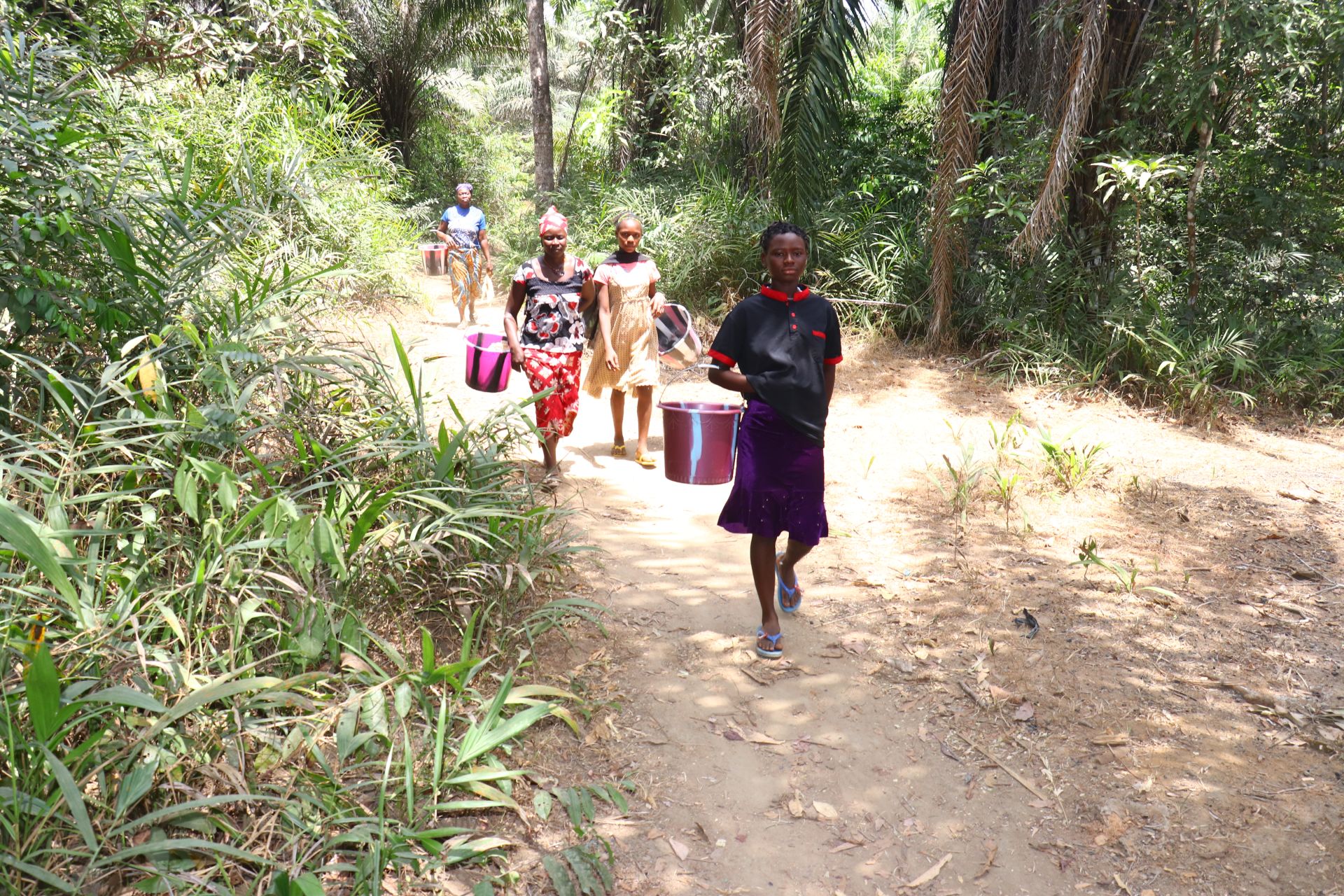
"The community members are fetching water from the swamp well, and it is located far away from the village. The community members are walking a long distance to access water. Also, they are using a gallon [bucket] and rope to fetch water from the open well, and this makes them tired or hurts their hands," reports Field Officer Alie Kamara. "This well was dug near [a] swampy area, and it has no well slab. It is surrounded by trees, and it is not kept clean."
Rugiatu is 16. She spends nearly 4 hours a day fetching water. Too much of her day is consumed by the responsibility.
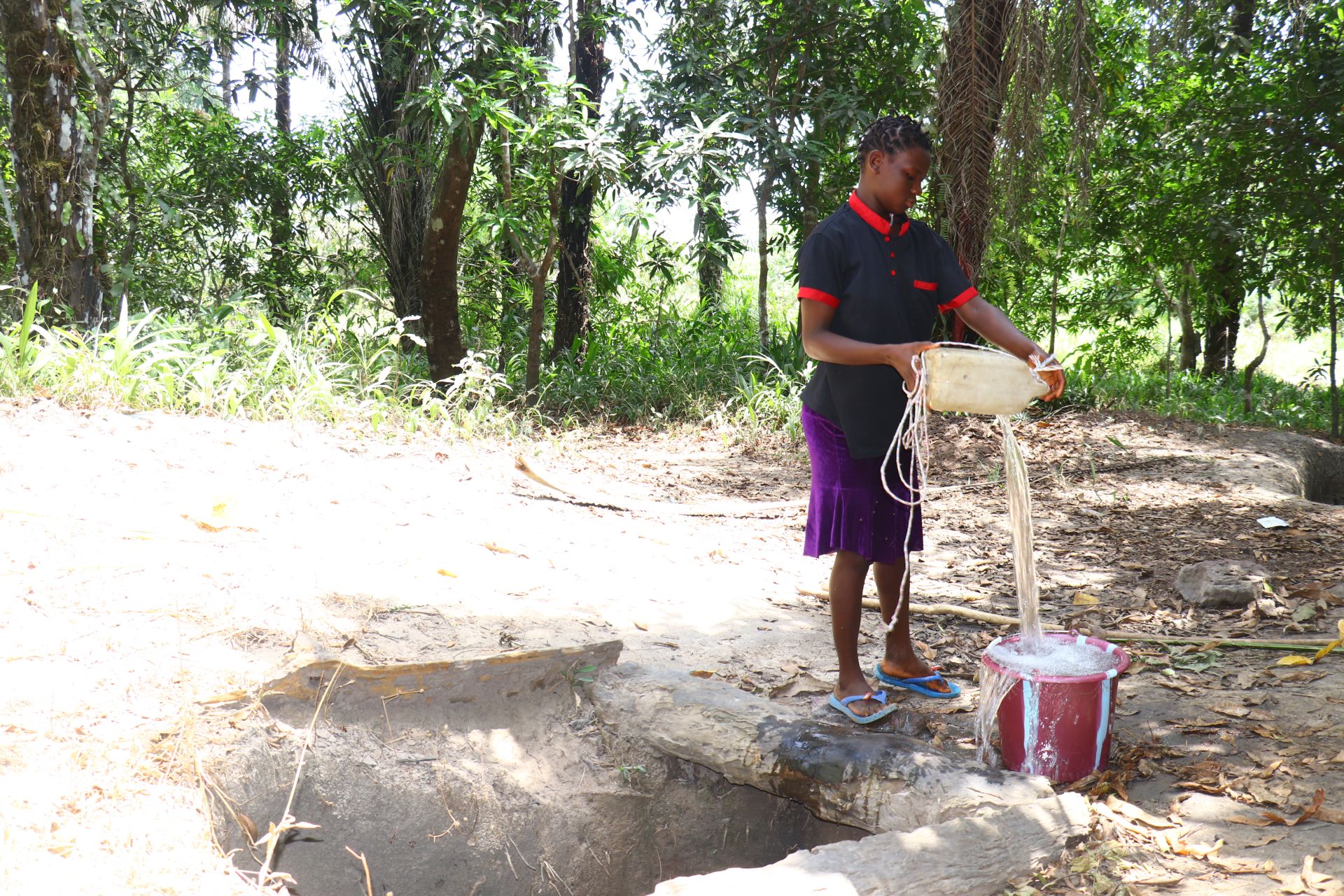
"The community does not have [a] water well. I only collect water from the swamp well. It is located far away from the community, and I always walk long distances to access the water. I use a rope and [a] rubber gallon [bucket] to fetch water from the water well. This takes me la] long time fetching water," she said.
"The school I am attending is very far, and the burden of fetching water at home is on me. Before going to school, I must fetch water, wash my body, and then get ready for school. I cannot go to school on time and [some] days I do not go to school. All this affects me greatly in my education. I do not get complete lessons, and it is hard for me to study. This affects my grades at school," Rugiatu said.
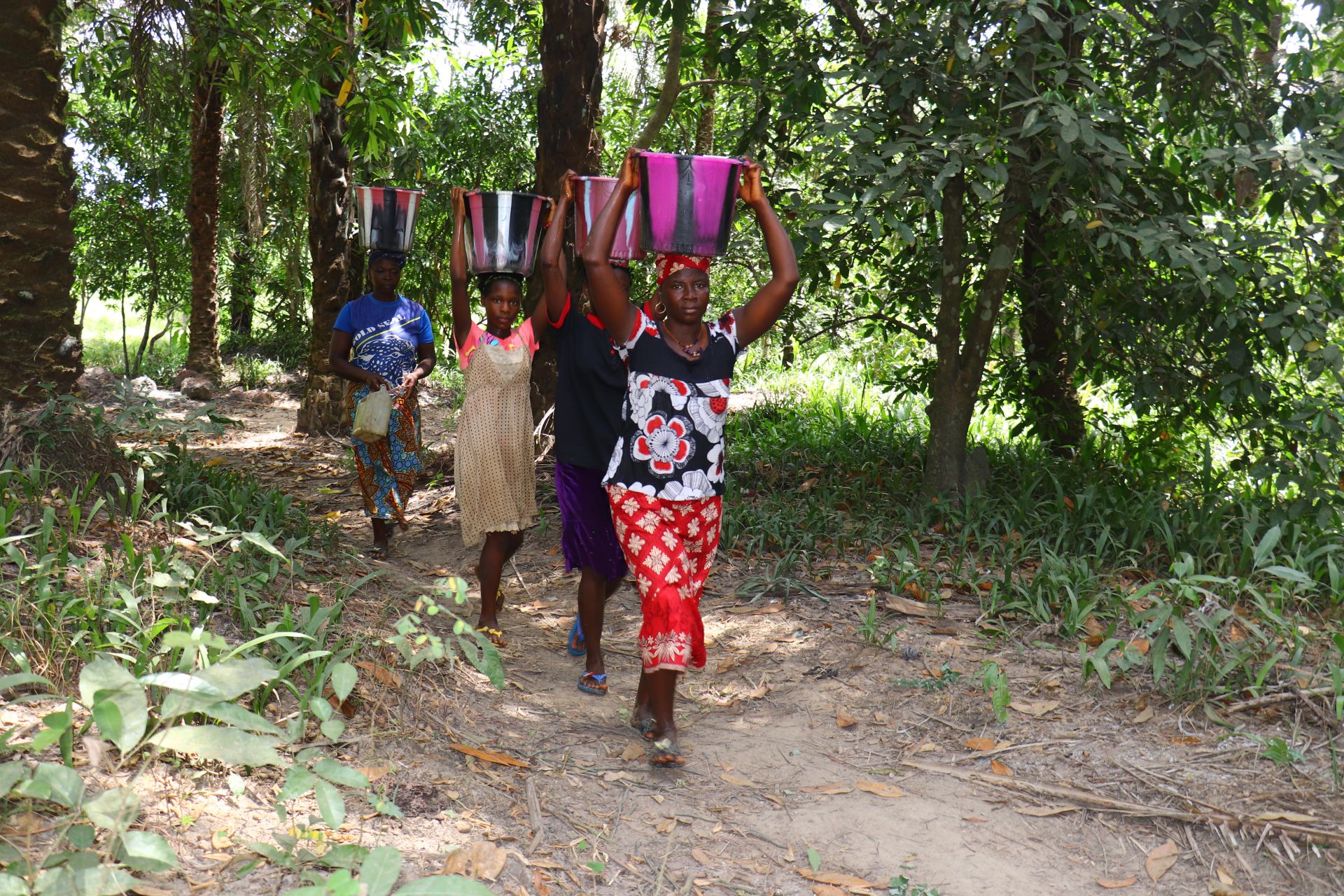
But sadly, at certain times of the year, even more of Rugiatu's time is spent collecting water.
"The swamp well gets low water during the dry season, and people use enough water in the community; this causes water to [become] low [in] the well. And I feel so discouraged about this condition," she continued.
"I feel bad when my parents send me to fetch water," she declared. "I would be grateful if this project provides [a] water well in my community. This will play a significant role in my education, and this will help me to achieve the plan of becoming a lawyer. I will tell the truth and judge people justly," Rugiatu said.
Steps Toward a Solution
Our technical experts worked with the local community to identify the most effective solution to their water crisis. They decided to drill a borehole well, construct a platform for the well, and attach a hand pump.
Well
Abundant water often lies just beneath our feet. Aquifers—natural underground rivers—flow through layers of sediment and rock, offering a constant supply of safe water. A borehole well is drilled deep into the earth to access this naturally filtered and protected water. We penetrate meters, sometimes even hundreds of meters, of soil, silt, rock, and more to reach the water underground. Once found, we construct a platform for the well and attach a hand pump. The community gains a safe, enclosed water source capable of providing approximately five gallons of water per minute. Learn more here!
Community Education & Ownership
Hygiene and sanitation training are integral to our water projects. Training is tailored to each community's specific needs and includes key topics such as proper water handling, improved hygiene practices, disease transmission prevention, and care of the new water point. Safe water and improved hygiene habits foster a healthier future for everyone in the community.
Encouraged and supported by our team's guidance, the community elects a water user committee representative of its diverse members. This committee assumes responsibility for maintaining the water point, organizing community efforts, and gathering fees to ensure its upkeep.