 Borehole Well and Hand Pump
 Rehabilitation Project








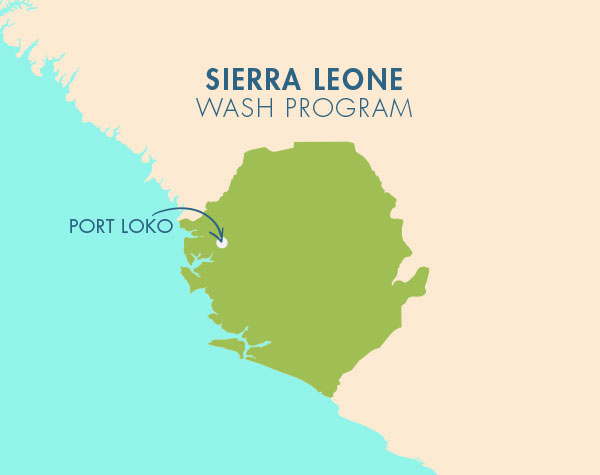
The Bundulai Community's 124 residents have long struggled with water scarcity, especially during the dry season. Though a hand-dug well was converted into a borehole in 2024, the new water point still runs low or completely dry for months at a time. Although the newly rehabilitated borehole provides clean, chlorinated water when it is flowing, its seasonality continues to drive residents back to unsafe alternatives. Because of this, community members—especially women and children—walk long distances to the nearest alternative source: a swamp scoop hole along the Port Loko Road.

The distances are long and the paths bushy. Community members cross the busy road, navigate slippery footpaths, and walk through thick vegetation, all while carrying heavy containers of water. Snakes, traffic, and physical exhaustion are daily risks.
In this reality, children bear a heavy burden—physically, emotionally, and academically. One of those children is 15-year-old Yabom, whose story is the daily struggle of many young people in Bundulai.
Every morning, long before she can think about school, Yabom must first think about water.
The community borehole often runs dry, especially in the dry season, forcing her to walk to the swamp. “The water well in the community gets dry, and this leads me to fetch water from the swamp. It has a footpath, and it is difficult to walk on, and [so]I must take time to walk on the road. It is a far walking distance to reach the water source.”
Once she arrives, the water is murky and disturbed from others who have fetched before her. “Sometimes when I reach the water well, I must wait for the water to [get] clean before I fetch water. Sometimes I will not be able to carry the rubber bucket on my head, so I must wait for someone to assist me, and this will cause me to delay at the water source,” said Yabom.
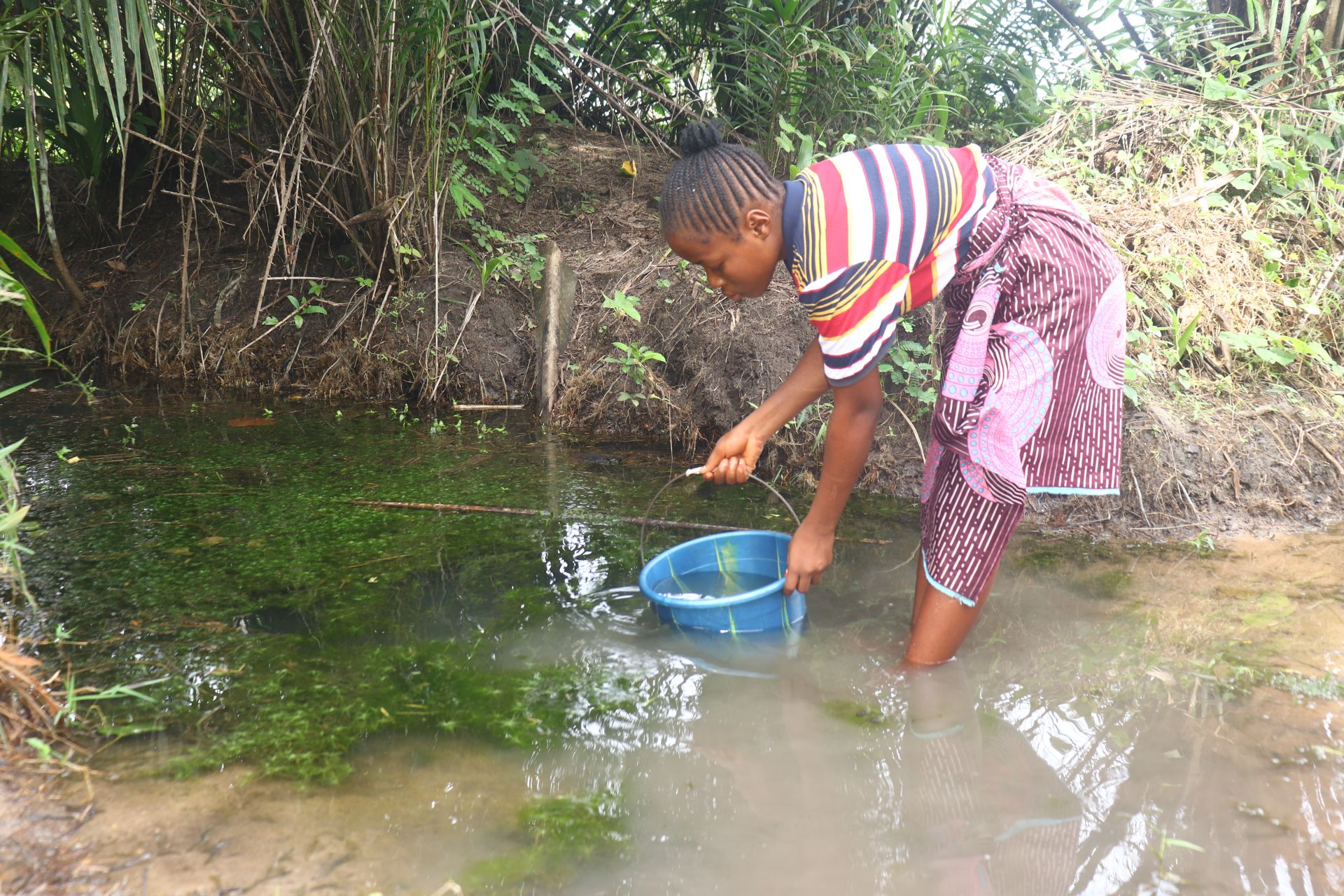
What should be a simple household task becomes a four-hour ordeal each day. She explains, “All this causes me to spend hours before completely fetching water at home. I will be very happy if they construct [a] water well in the community.”
For a student like Yabom, time is everything. She attends DEC Primary School Bundulai, but water collection often conflicts with her education.
“I find it difficult to manage time so that I will complete the work I have to [get] done per day. I must go to school from Monday to Friday. Sometimes the pressure [of] fetching water at home causes me to be late for school or even causes me not to go to school a day, especially when my parents have a lot to do at the farm.”
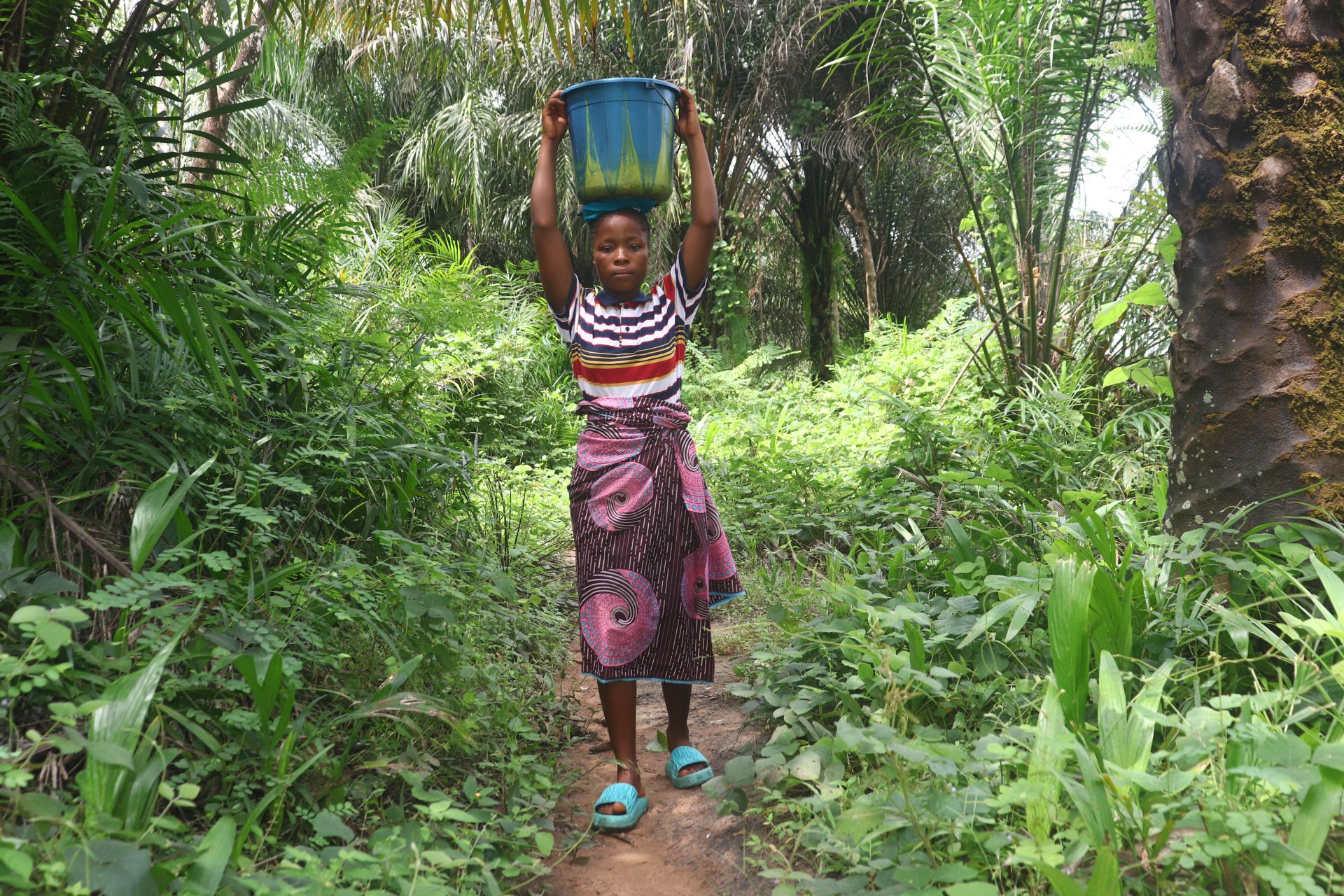
Yabom carries a heavy bucket of water home.
Water steals her childhood. “Fetching water impacts time at school. Spending more than four hours each day will not allow me to study or even go to school on time. Sometimes I will not go to school for a day due to work.”
Despite these challenges, she dreams big. “I want to become a nurse so that I can educate my people and serve the community. I will be happy if we have [a] well in the community so that I will be able to achieve my dream of becoming a nurse.”
Yet each day, that dream competes with the immediate burden of survival.
When asked how she feels about being sent to fetch water, her answer is honest and raw: “Sometimes when my parents send me to fetch water, I feel bad. The distance to the water well is very far, and I must walk long distances for water. The road is bushy, and I am afraid of snakes.”
In Bundulai, water is not just a physical burden—it is an emotional and psychological one, especially for children who fear for their safety with every trip.
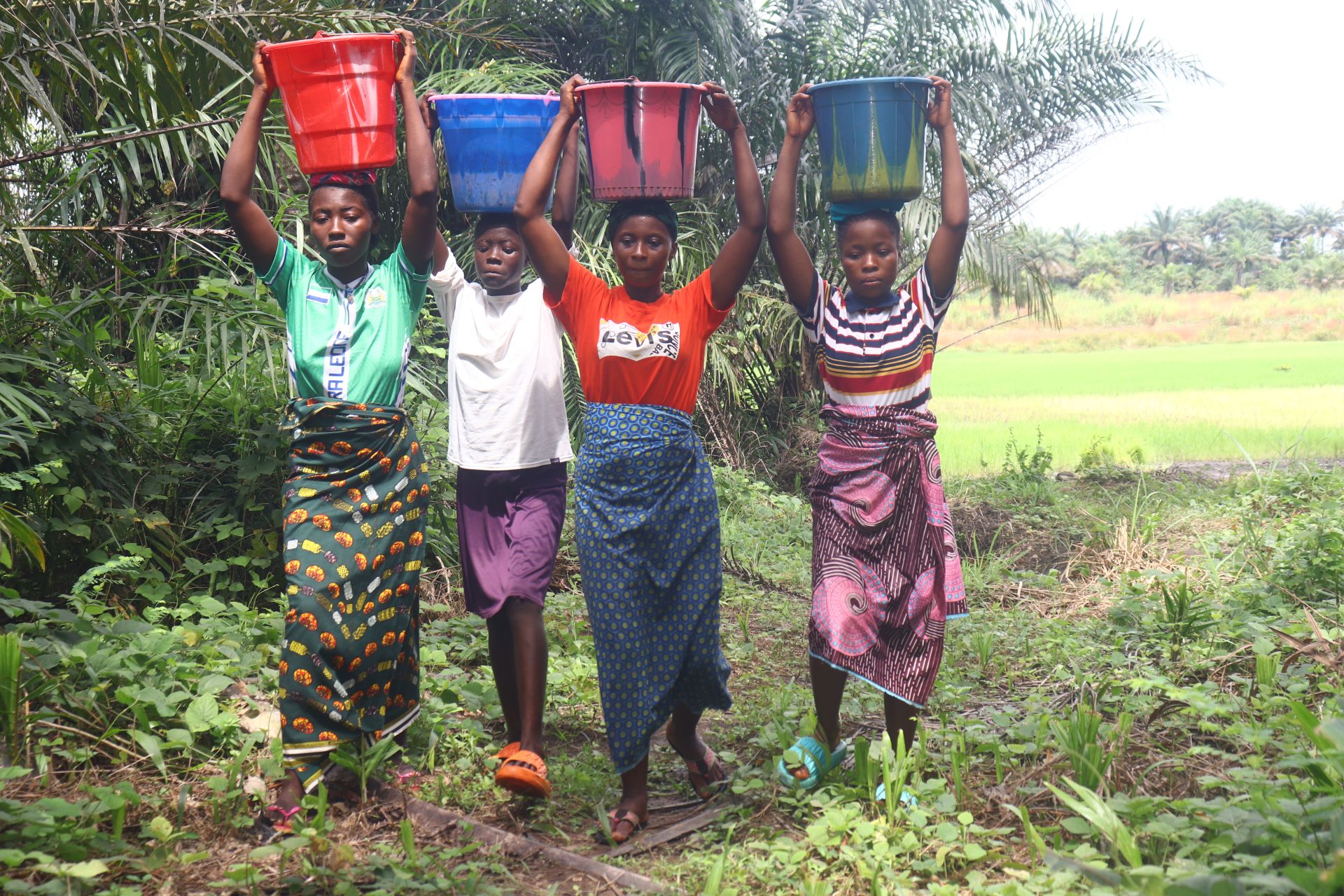
While children endure the long walks and risks, adults struggle too. The scarcity affects farming schedules, worship at the mosque, household chores, and overall community productivity. With only 25% of residents able to access water within a 30-minute round-trip, the burden is considerable.
The swamp water is visibly unsafe—green algae, sludge, leaves, tadpoles, frogs, and worms fill the open scoop hole. During the rains, wastewater and trash wash into the source. It is not fit for human consumption, yet during the driest months, it is the only available option.
A new borehole here would not only bring clean water—it would bring back time, safety, opportunity, and hope.
For Yabom, the impact would be life-changing: the chance to attend school consistently, study for her exams, and pursue her dream of becoming a nurse.
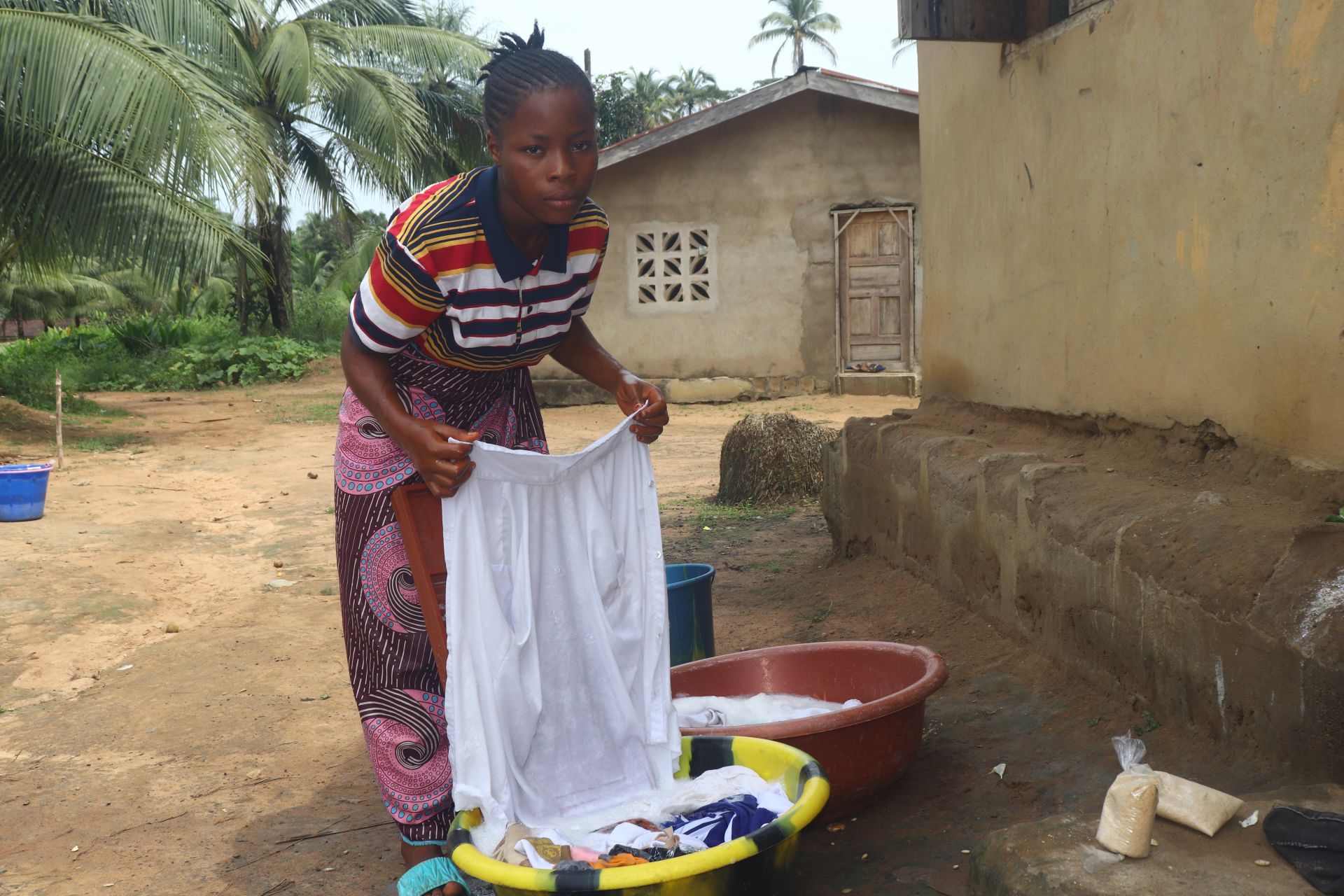
Yabom does laundry.
Bundulai’s story is a powerful reminder that water scarcity is more than an inconvenience—it shapes childhoods, limits futures, and affects every corner of community life. Through Yabom’s voice, we hear the truth of what it means to grow up without reliable access to safe water. Her determination to continue dreaming, even while facing long, risky walks each day, shows both the urgency of the crisis and the resilience of the community.
Steps Toward a Solution
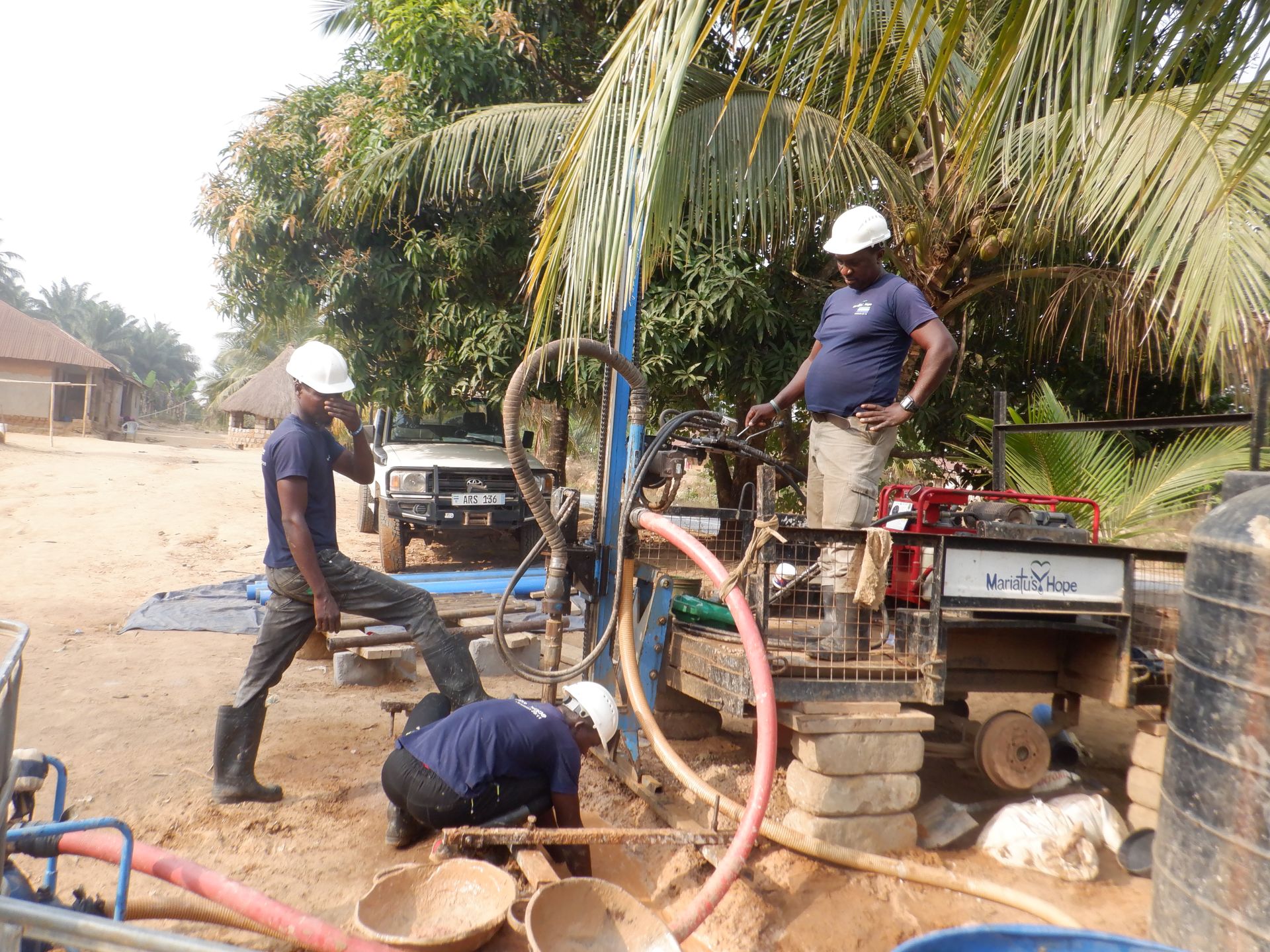
Returning to a community where we previously implemented a water project is not just a matter of maintenance; it stays true to our commitment to sustainability. Our technical experts collaborated with the local community to identify their current needs and subsequently decided to drill a new borehole after conducting hydrosurveys to determine the optimal location, which will yield a lasting project.
Reinvestment
While the original project provided critical access to safe water, factors such as changing environmental conditions, population growth, and infrastructure wear have put that access at risk. Reinvesting in this community by rehabilitating their well ensures that progress is not lost and that the community continues to thrive with reliable, clean water. We are committed to supporting lasting, reliable solutions that honor the trust placed in us by the people who depend on this essential resource every day.
Rehabilitating a Well
Abundant water often lies just beneath our feet. Aquifers—natural underground rivers—flow through layers of sediment and rock, offering a constant supply of safe water.
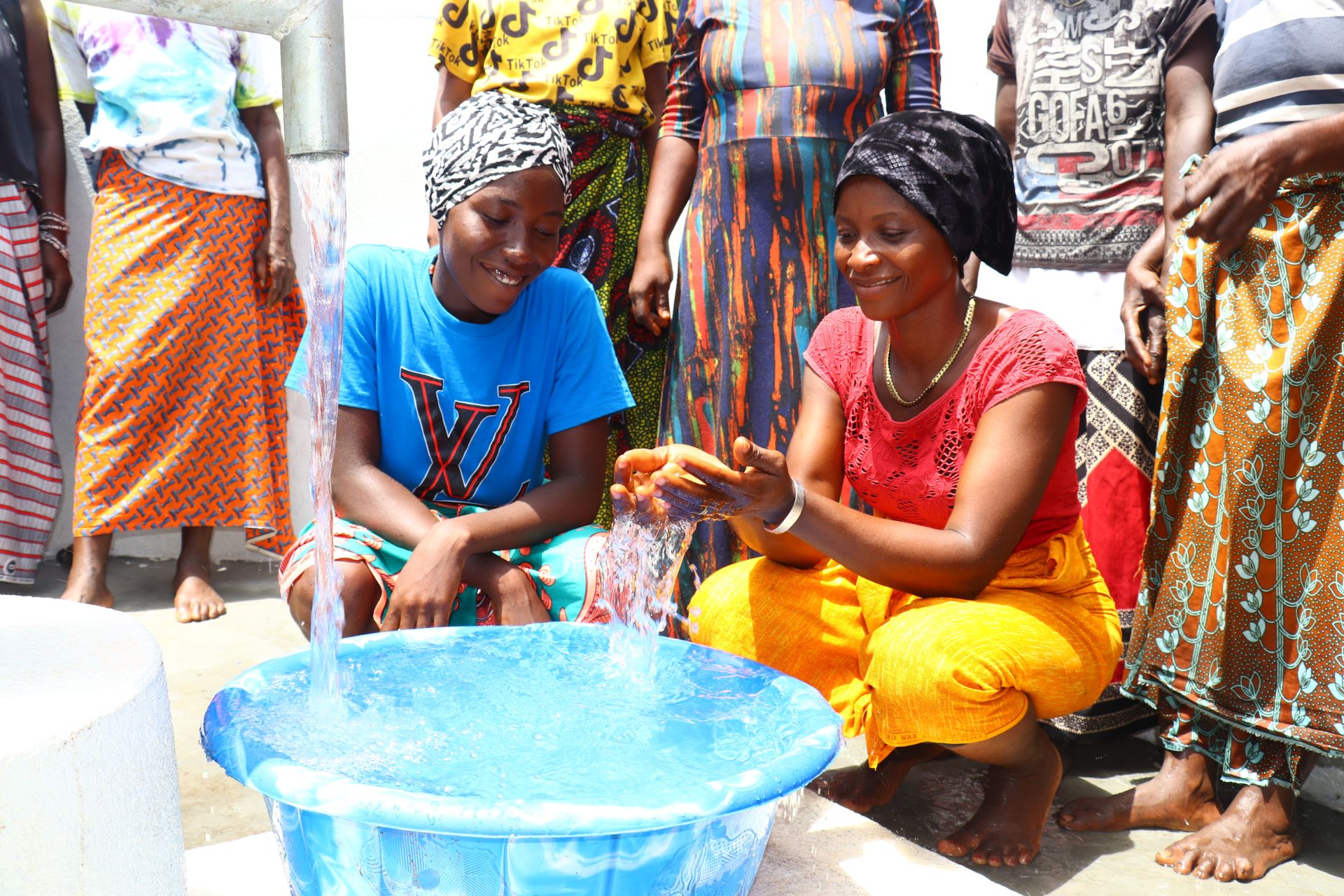
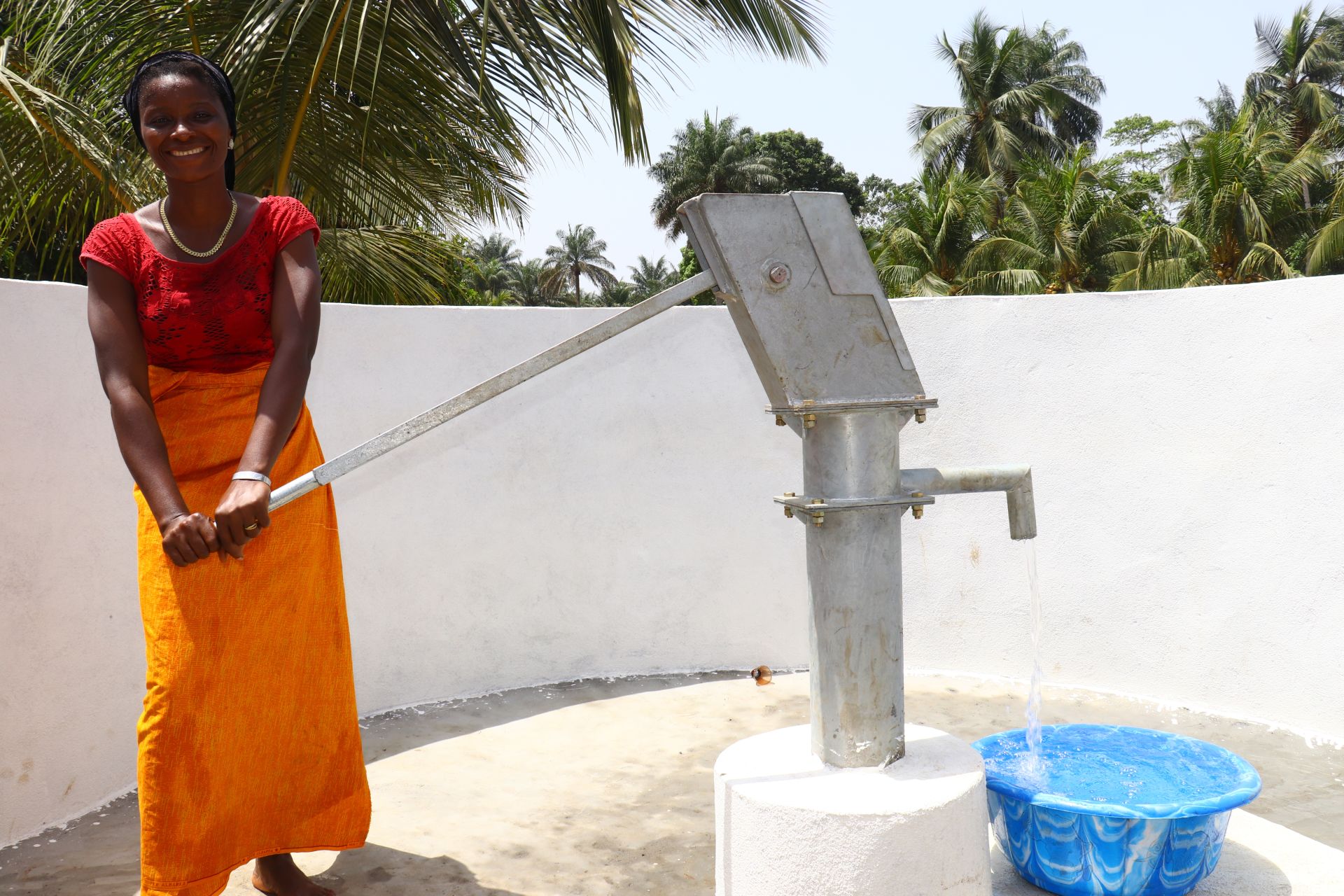
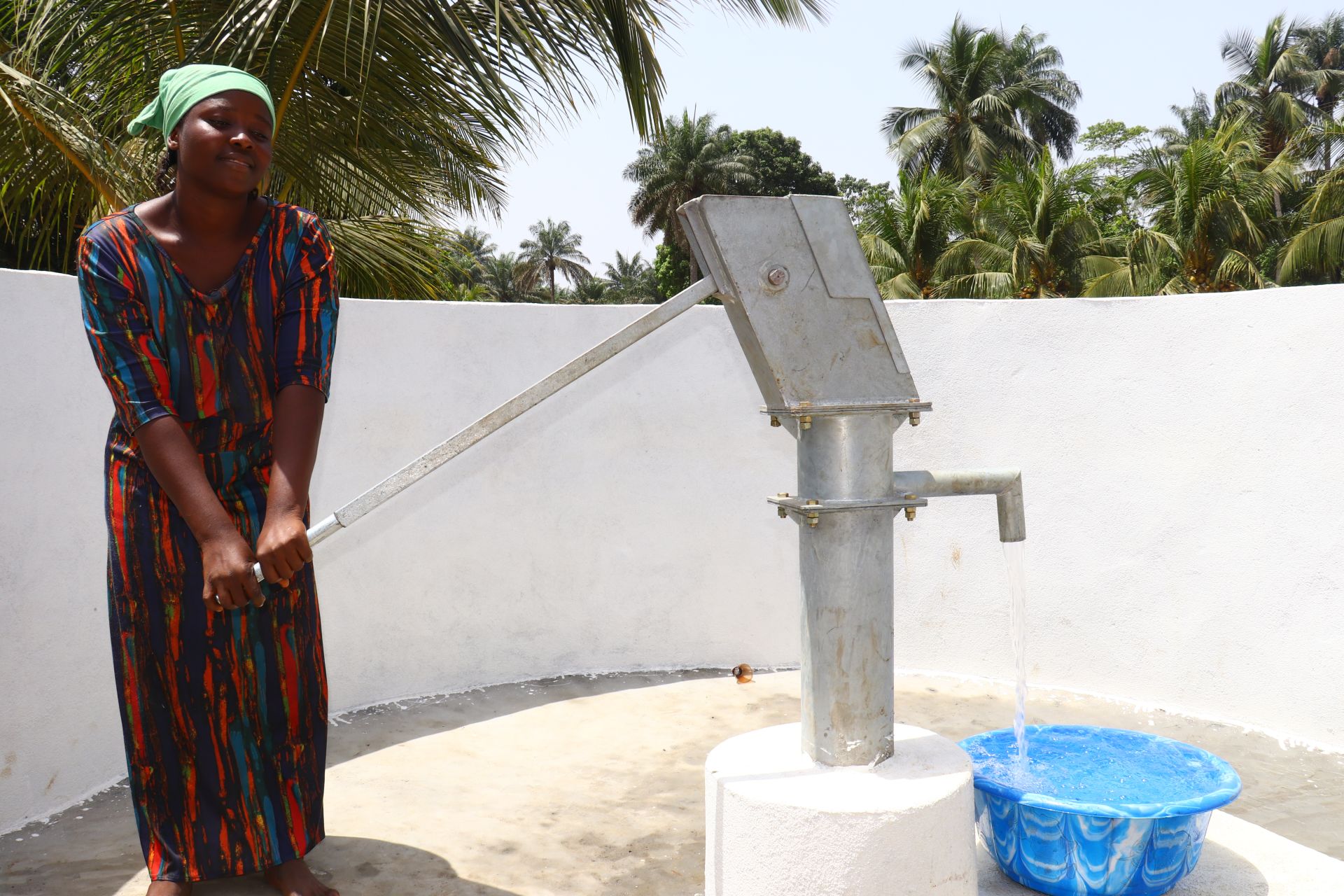
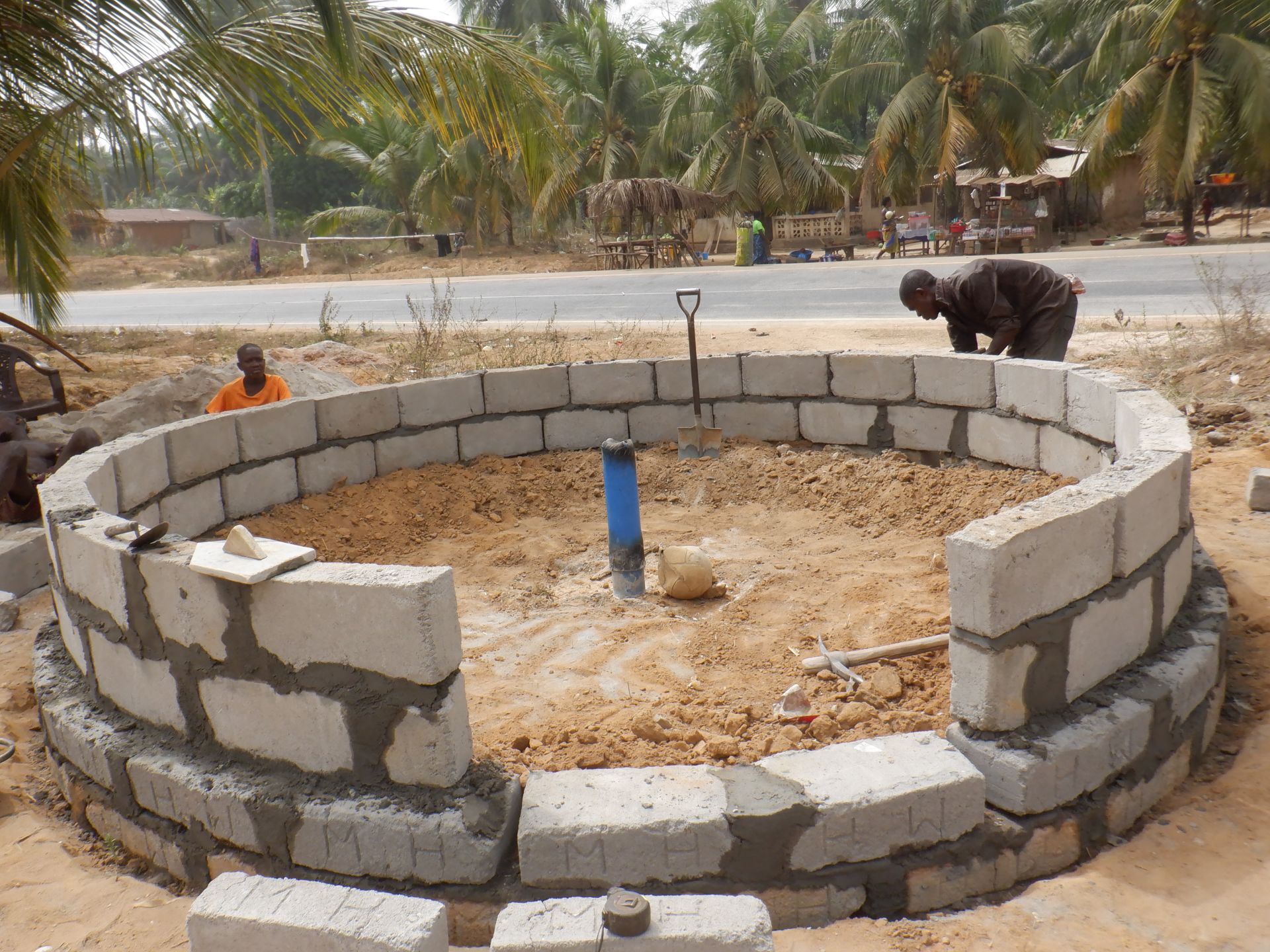
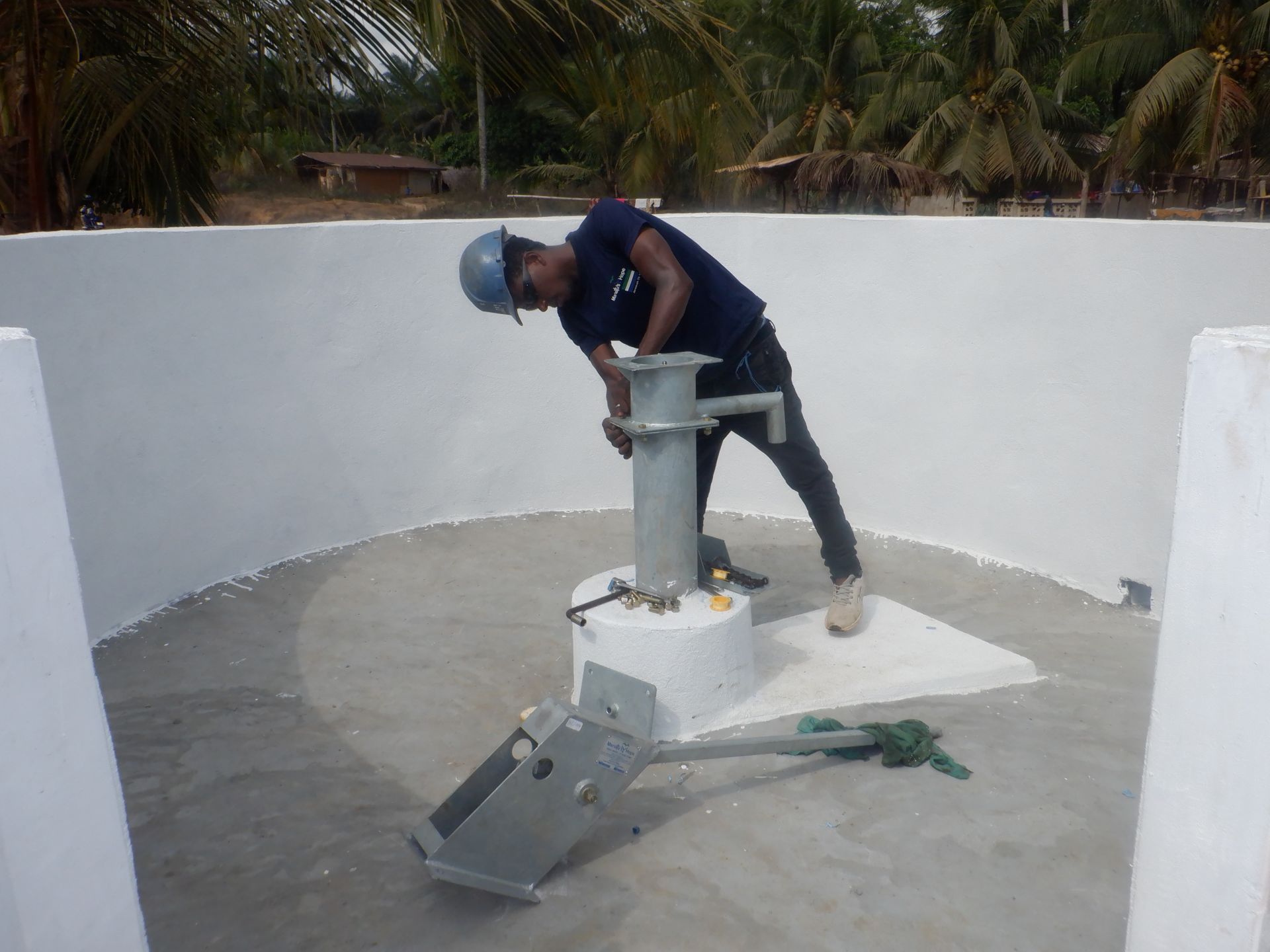
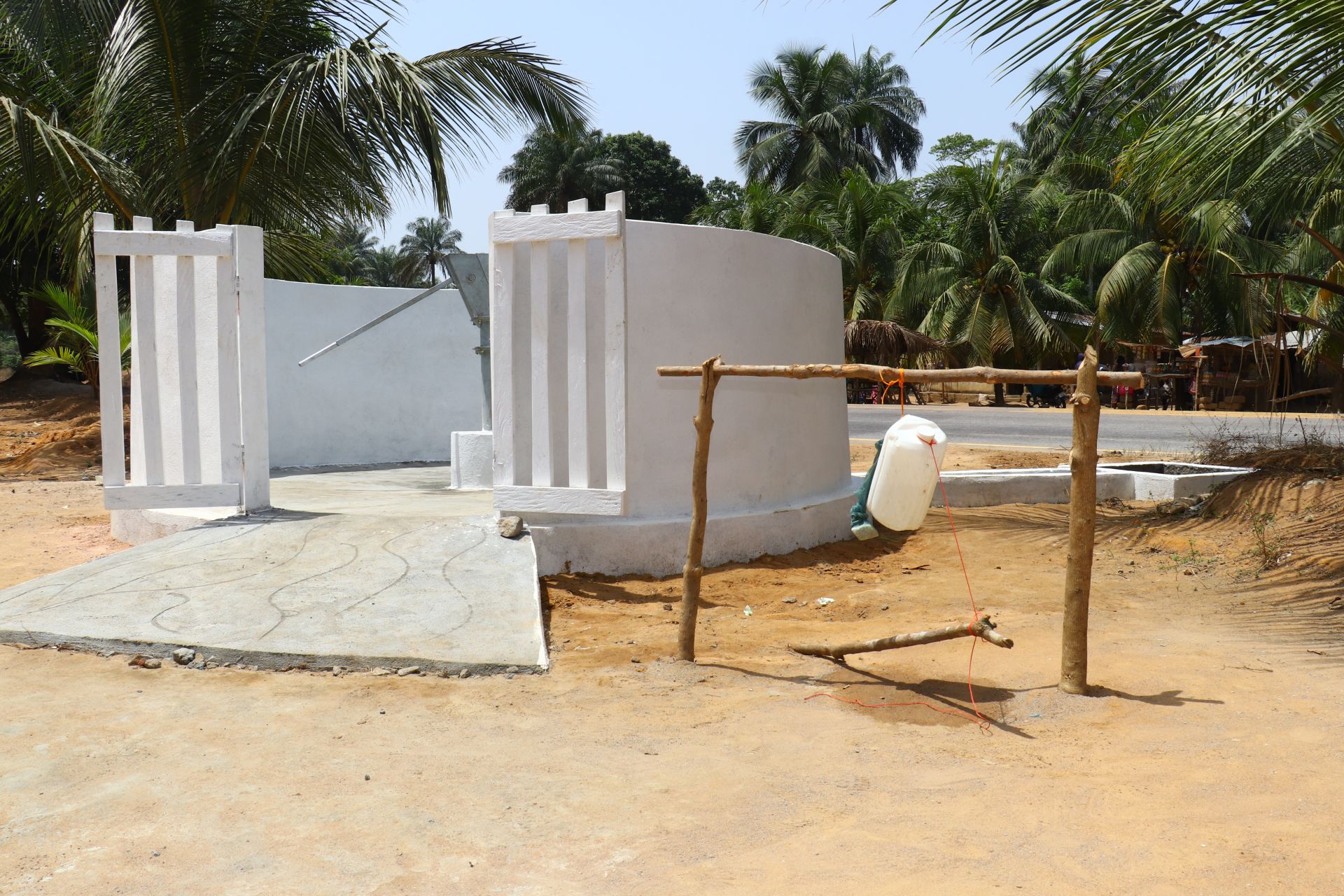
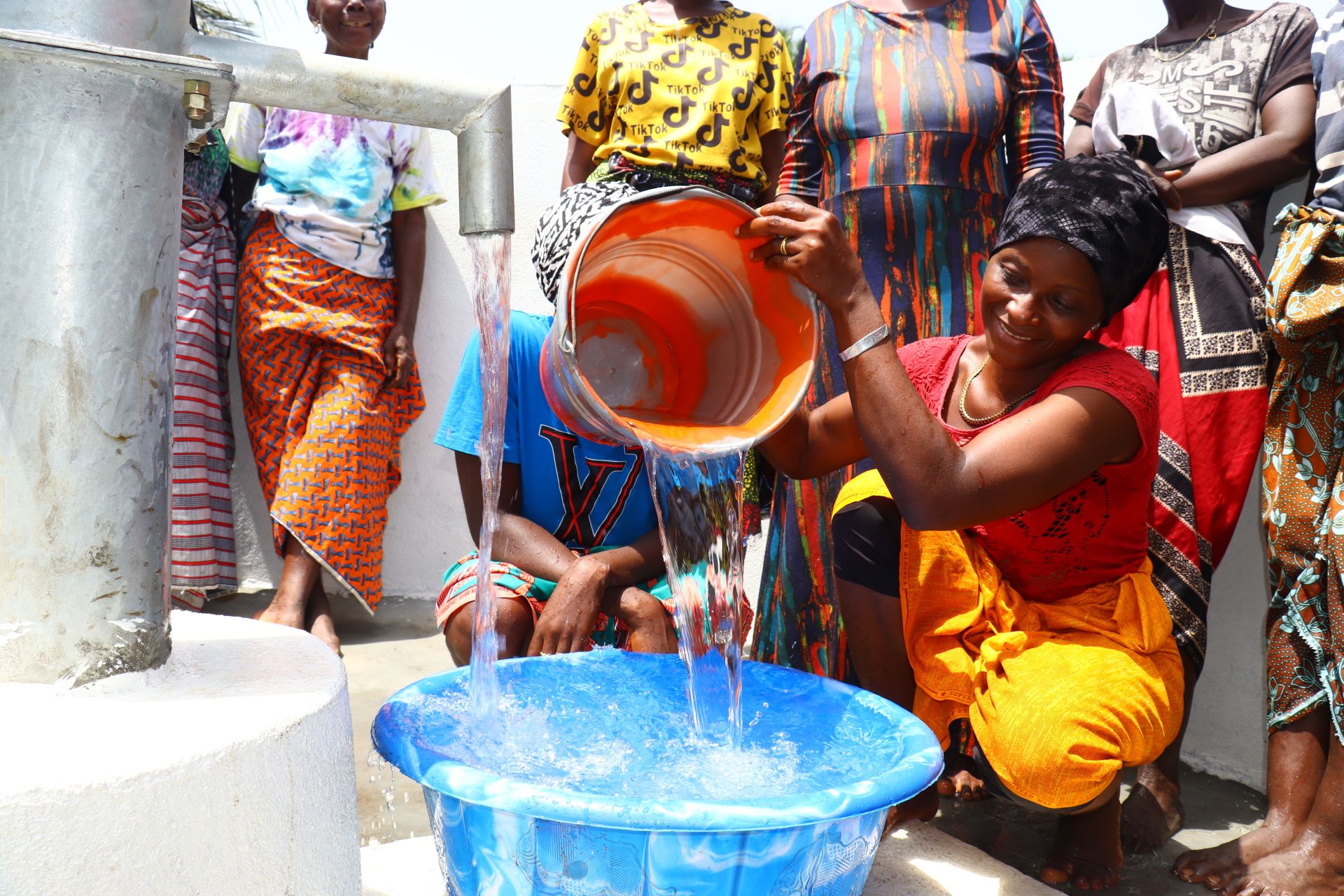
The well marked for this overhaul is dry for several months a year and needs major work to supply adequate, clean water to the community year-round. A hand auger will be lowered inside the well, powered by a drill team. The team will work to drill several meters deeper to hit a sufficient water column to ensure the well supplies water throughout all seasons. As the team drills, the casing will be installed, transforming the bottom of this well into a borehole. PVC piping will connect this lower system directly to the pump, a component we know will also improve water quality. Finally, we will reconstruct the platform for the well and attach the hand pump.
Once this plan is implemented, the community will once again have access to safe drinking water in quality and quantity.
Community Education & Ownership
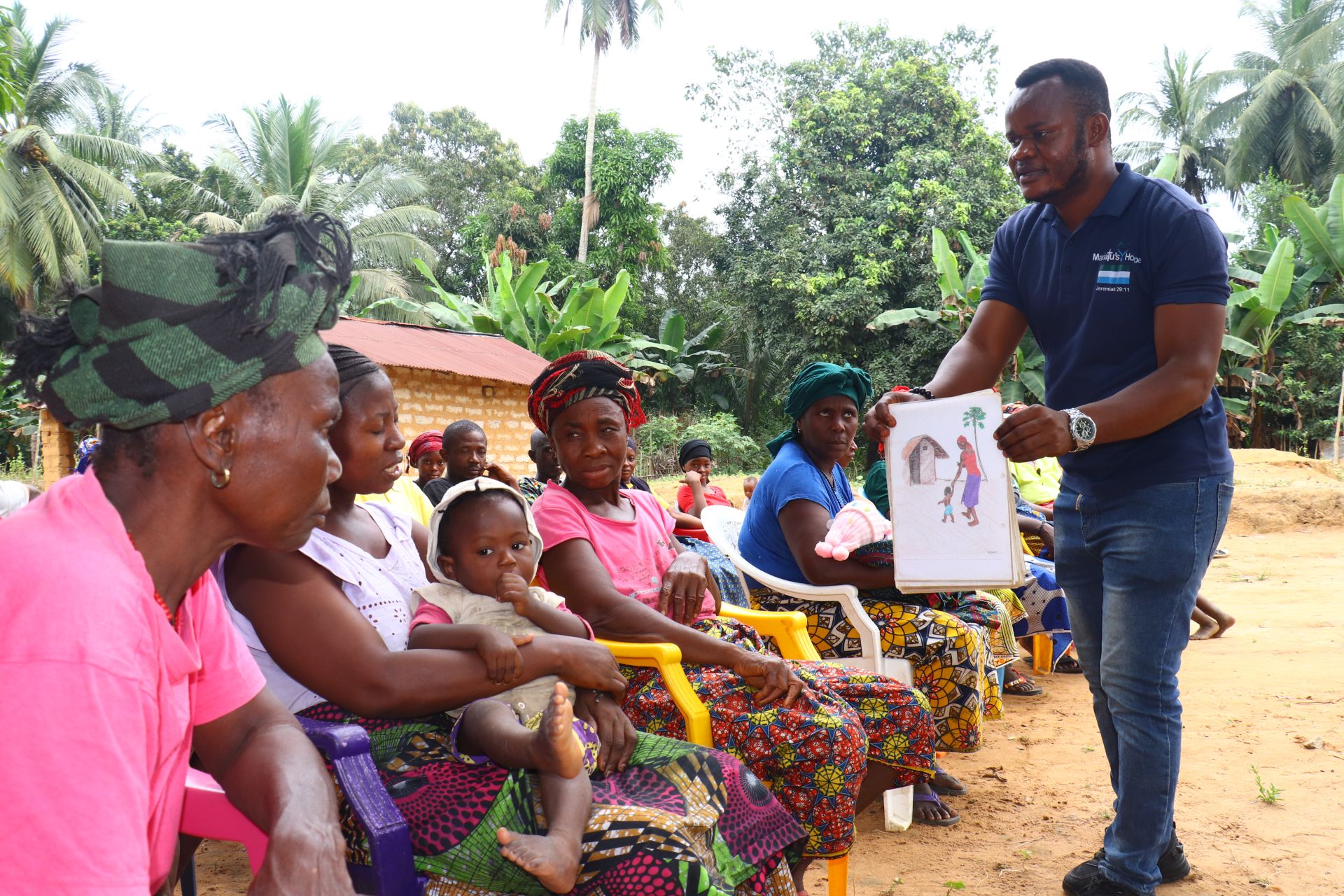
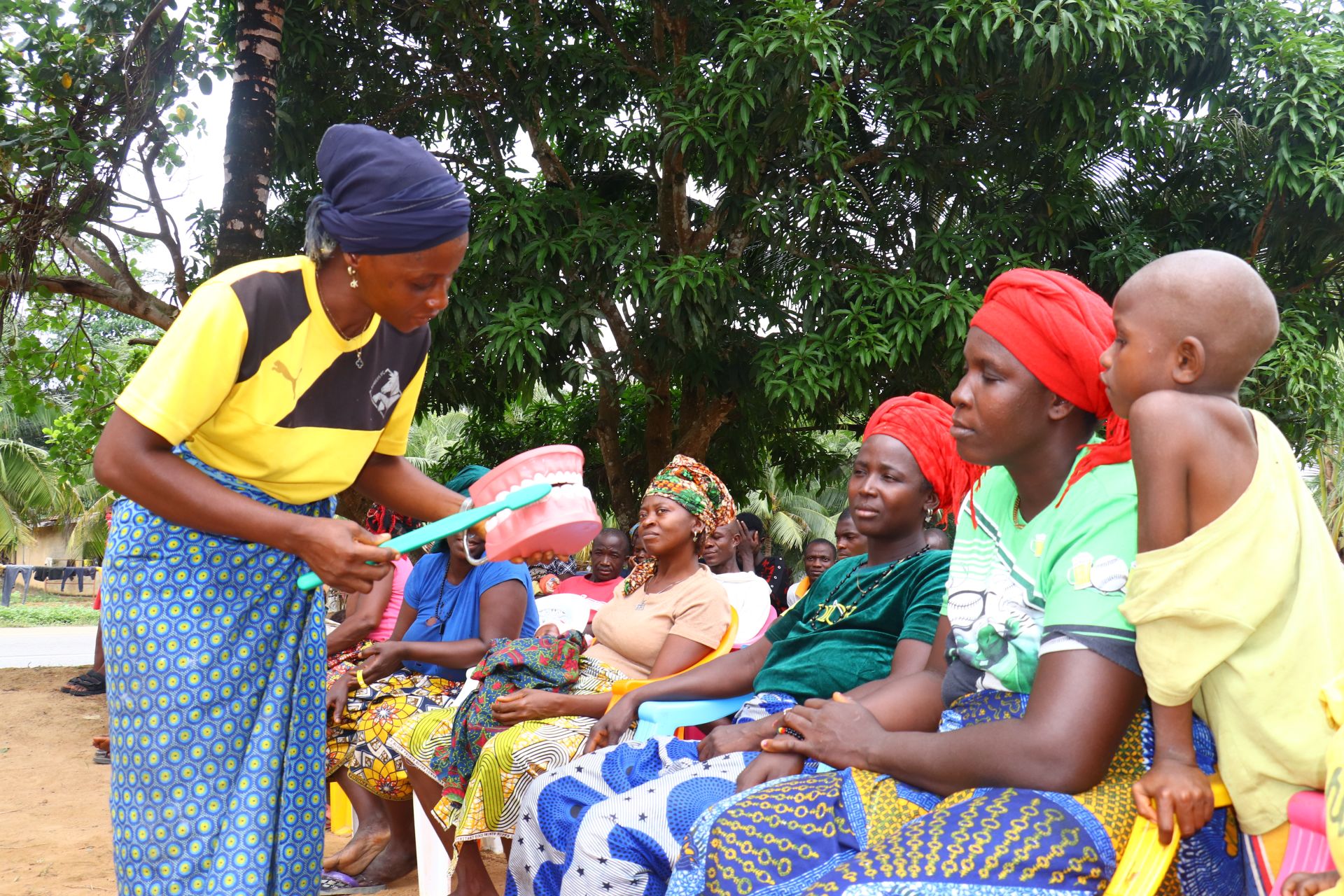
Hygiene and sanitation training are integral to our water projects. Safe water and improved hygiene habits foster a healthier future for everyone in the community. Since it has been several years since this community last engaged with training, we will hold a refresher training tailored to the community's specific needs.