 Borehole Well and Hand Pump










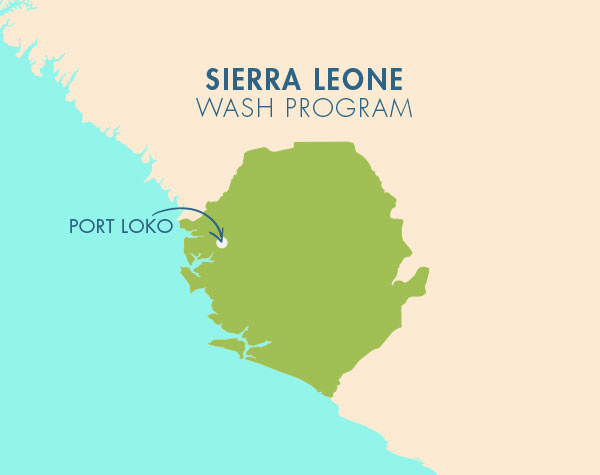
500 students and staff at Pepel Ahmadiyya Jr. Secondary School lack reliable water on campus. Their protected dug well sits broken and unused, leaving everyone dependent on a community well that was never meant to serve a school this size.
Getting water means crossing a busy road - a dangerous trip that pulls students out of class and puts them at risk. But with nothing else available, they have no choice.
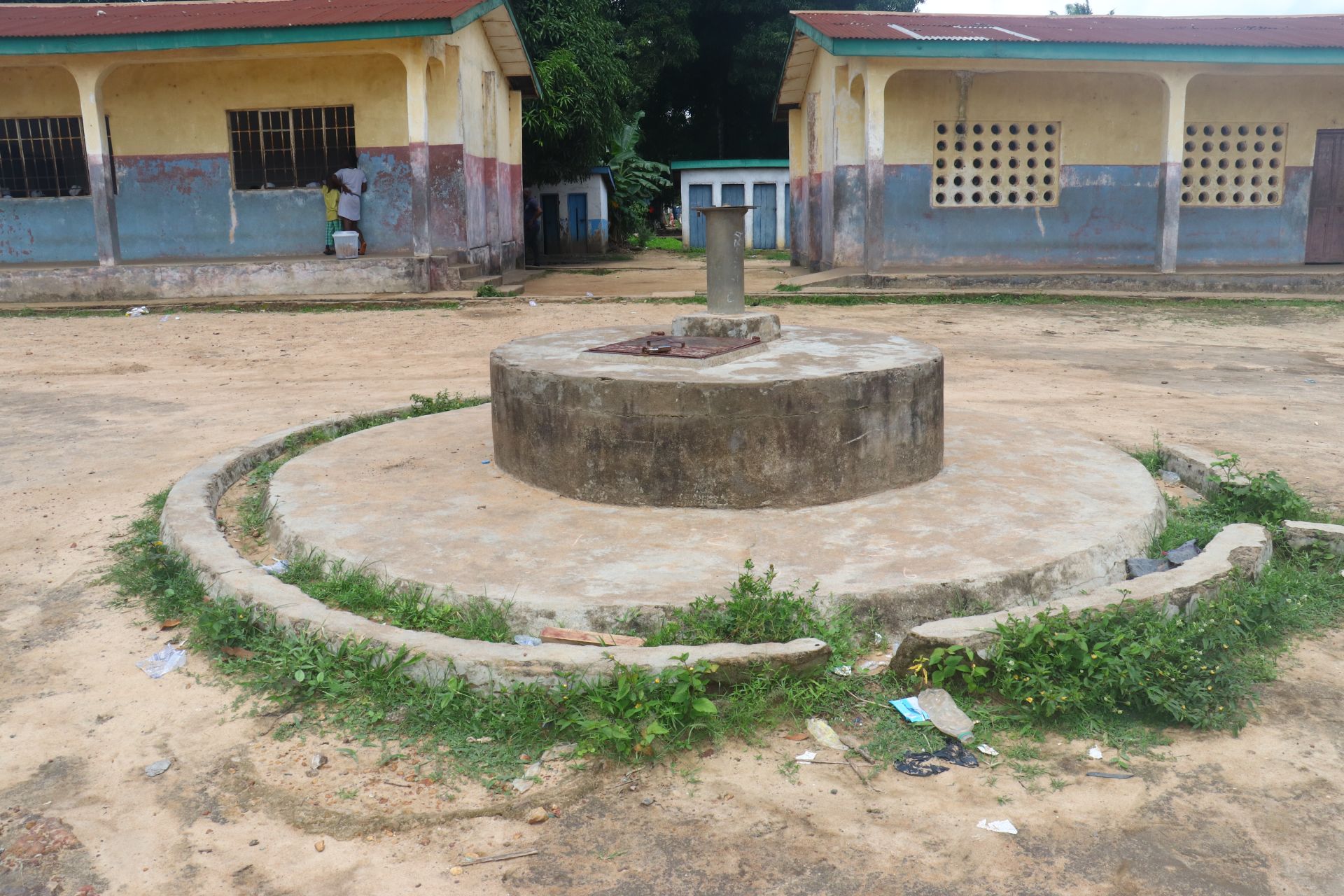
The well that needs rehabilitation.
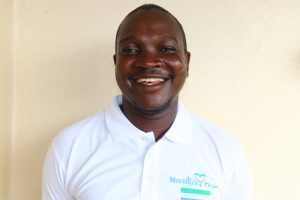
Field Officer Alimamy Kanu shared his perspective, "The school water source is presently broken and non-functional, and as a result of that, the school pupils cross the busy road to fetch water from the alternate source. The source is across from the road, and there are vehicles that are using that road at high speed, and as a result, the pupils are open to road accidents."
The lack of accessible water has multiple ramifications. Drinking, cooking, cleaning, and daily hygiene and sanitation are all essential, but without easily accessible water, everyone suffers.
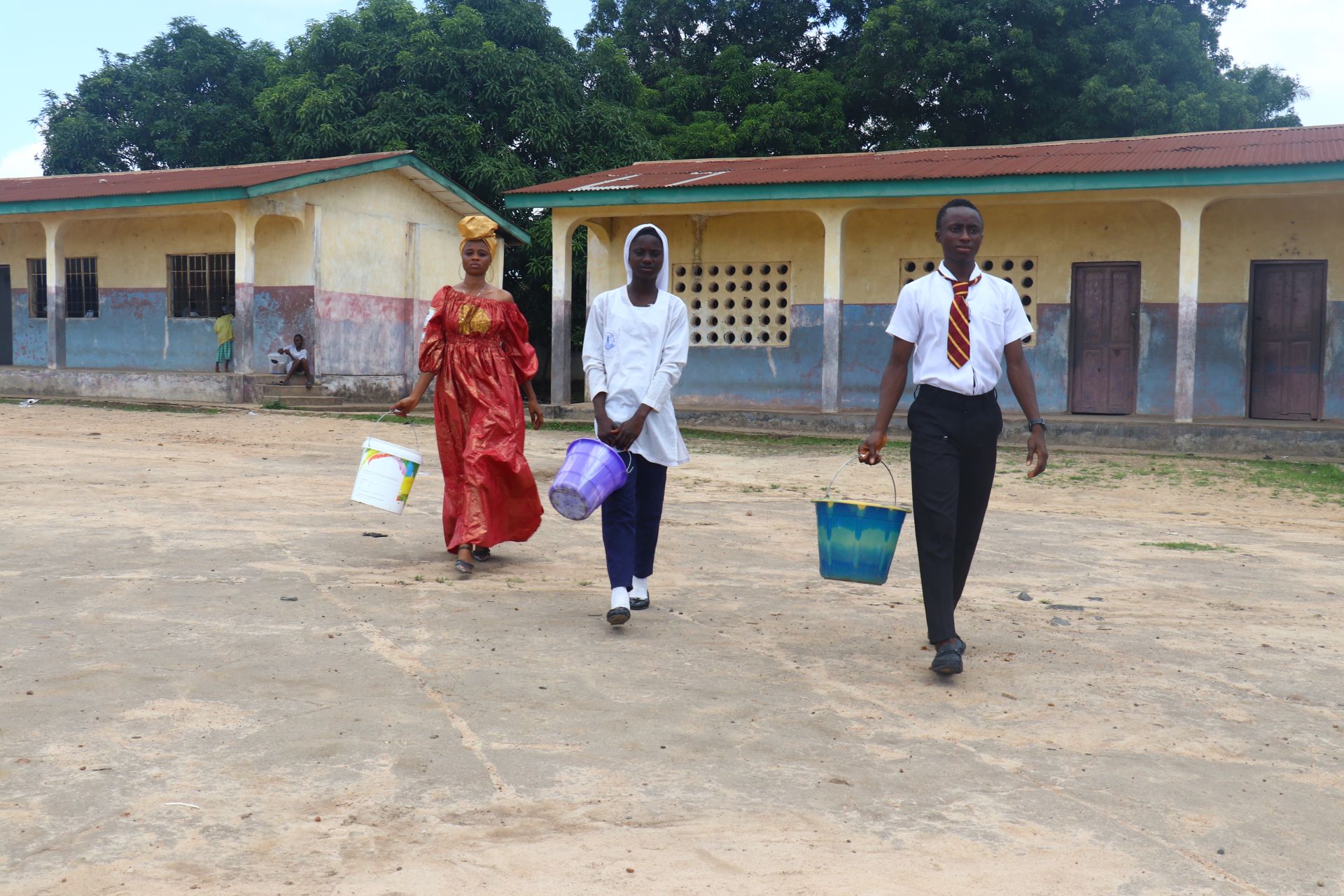
"The lack of water within the school premises will negatively affect the learning of the school pupils. For instance, if there is a shortage of water in the school, the pupils have to [leave] the school premises to fetch water. This will make the pupils miss lessons and affect their exam grades at the end of the academic year. The teachers are unable to teach the pupils when trying to ration water among them, and as a result, they have limited time to teach. The lack of water within the school also leads to poor hygiene practices," he continued.
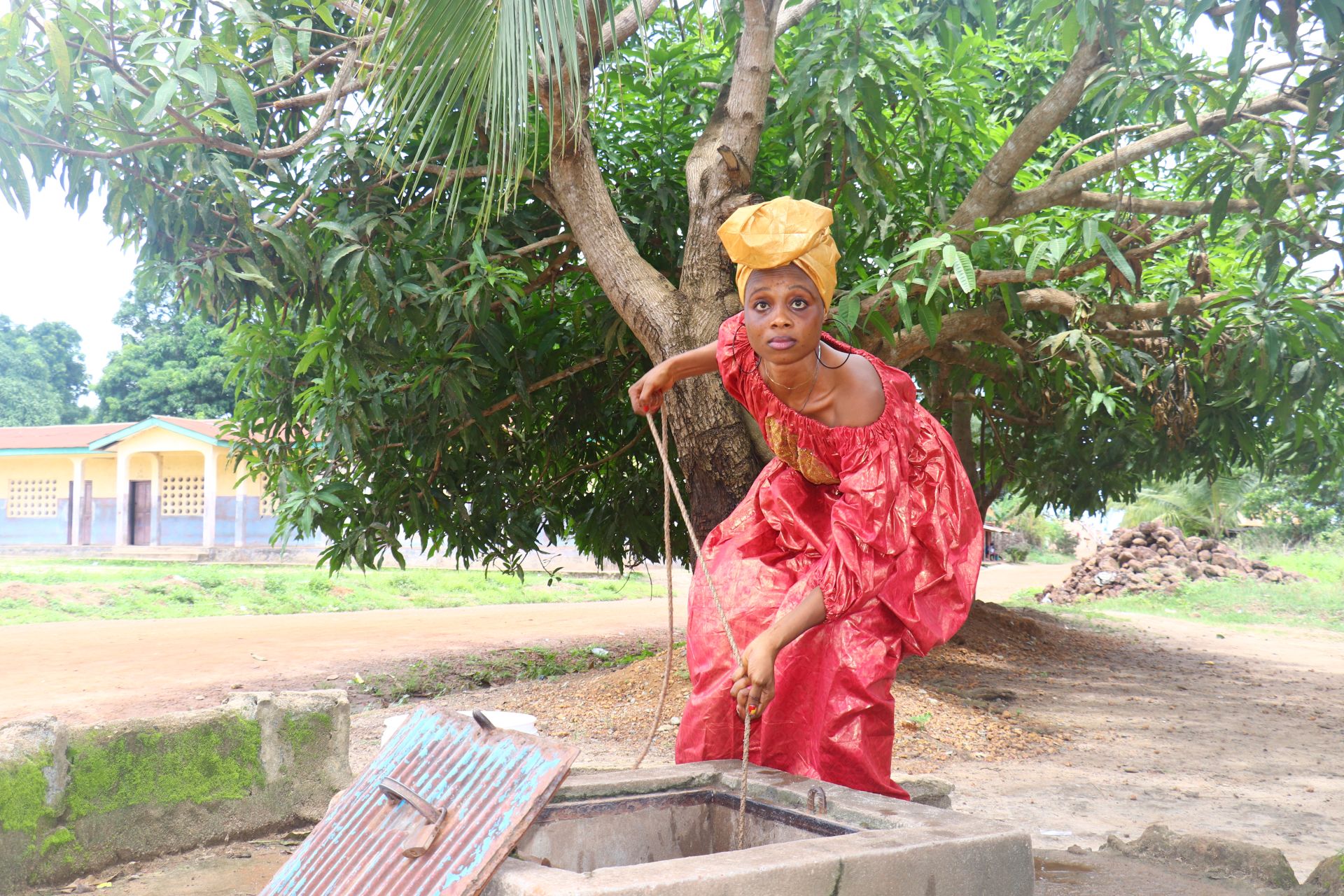
Ms. Conteh collecting water from the community well.
Thirty-three-year-old teacher Marian Conteh is familiar with the daily struggle for water and its impact on her and her students.
"For so many years, the school has tried to fix the broken water point. They were unable to fix it due to a lack of finances within the school administration and support from outside," she said. "Life has changed since the only water well in the school broke. As a teacher, I need water when I want to use the restroom, but I always find it difficult due to the lack of water within the school grounds. Most times, I go to nearby houses to ask for water, and that takes too much time and affects the pupils’ lessons. The lack of water in school stops us from practicing good hygiene and also [we're] unable to control children when they need it."
She wisely said, "Water plays a key role in the running of the school."
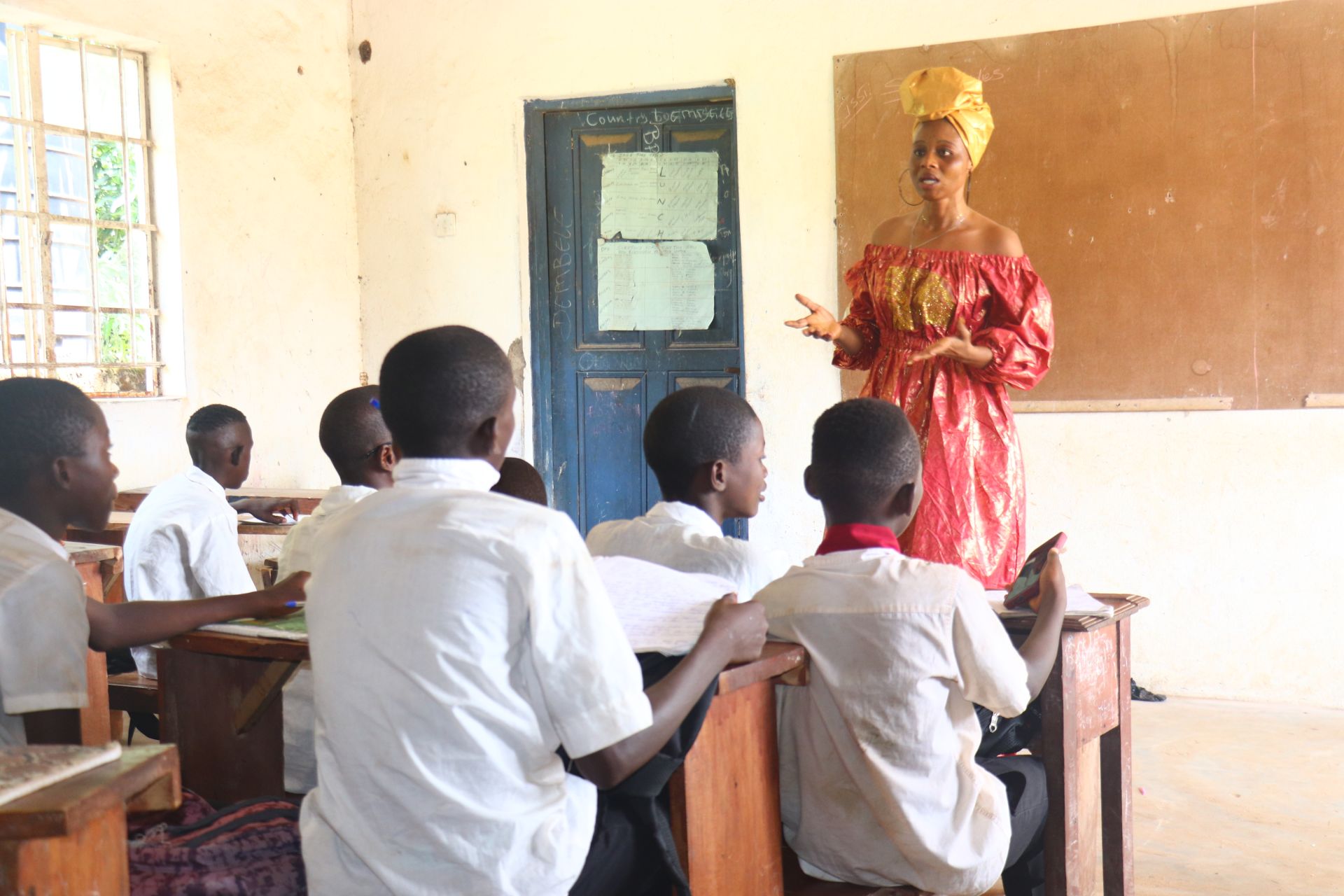
"The daily life of the students is affected due to the lack of water within the school premises. For instance, the students need enough water to drink during school sessions, and if it is not available, that [causes] them to go out of the school compound to get water. The majority of the students miss important lessons as a result, and they are affected at the end of the academic year. Students are also [exposed] to road accidents due to the lack of water in school. This is because they always have to cross the main road to get water," she shared.
A reliable well that can provide sufficient water to meet all of the school's needs within the school compound would make all the difference.
"With the availability of water within the school premises, the academic performance of the students will change. They will have more time to focus on their lessons without going off the school premises to fetch water. The teachers will always have ample time to teach the pupils, and that will improve their exam grades at the end of the academic year," Ms. Conteh dreamed.
Steps Toward a Solution
Our technical experts worked with the local community to identify the most effective solution to their water crisis. They decided to rehabilitate an unsafe, insufficient well to convert it to a borehole well.
Rehabilitating a Well
Abundant water often lies just beneath our feet. Aquifers—natural underground rivers—flow through layers of sediment and rock, offering a constant supply of safe water.
The well marked for this overhaul is dry for several months a year and needs major work to supply adequate, clean water to the community year-round. A hand auger will be lowered inside the well, powered by a drill team. The team will work to drill several meters deeper to hit a sufficient water column to ensure the well supplies water throughout all seasons. As the team drills, the casing will be installed, transforming the bottom of this well into a borehole. PVC piping will connect this lower system directly to the pump, a component we know will also improve water quality. Finally, we will reconstruct the platform for the well and attach the hand pump.
Once this plan is implemented, everyone within the community will have access to safe drinking water in quality and quantity, even through the dry months.
Community Education & Ownership
Hygiene and sanitation training are integral to our water projects. Training is tailored to each community's specific needs and includes key topics such as proper water handling, improved hygiene practices, disease transmission prevention, and care of the new water point. Safe water and improved hygiene habits foster a healthier future for everyone in the community.
Encouraged and supported by our team's guidance, the community elects a water user committee representative of its diverse members. This committee assumes responsibility for maintaining the water point, organizing community efforts, and gathering fees to ensure its upkeep.