Behind Every Sand Dam, There is a Story
There are moments in life when you realize that your journey is much bigger than yourself.
For me, that realization didn’t come in a classroom or during a major career achievement. It came through loss, uncertainty, resilience, and eventually, through the stories of communities whose daily lives revolve around something many of us take for granted: water.
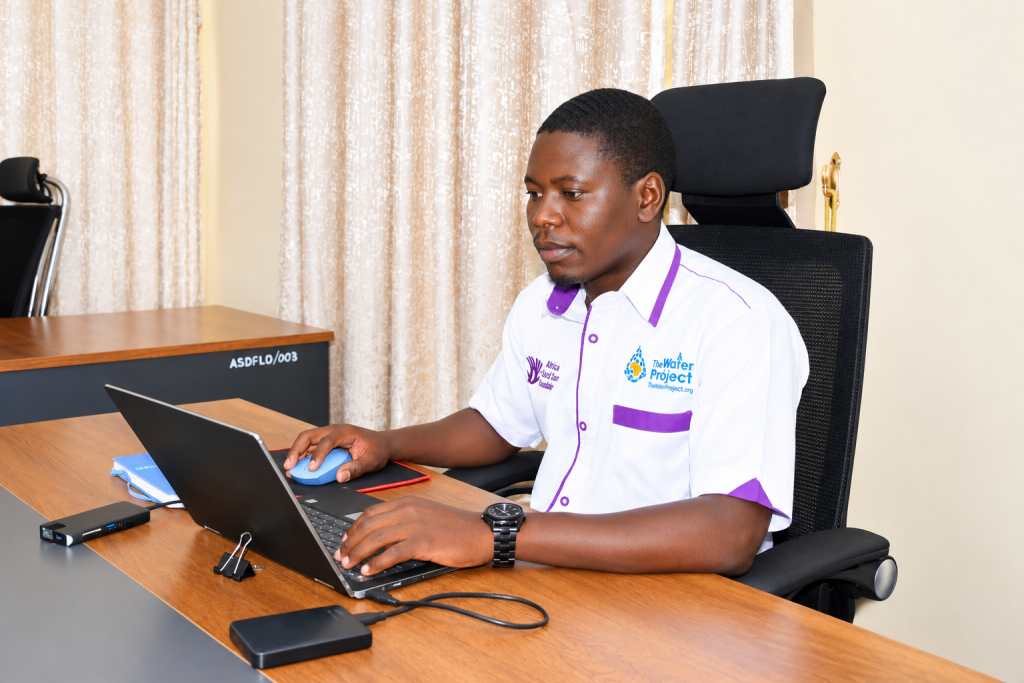
My name is Jefferson Mutie, and I’m a Communication Officer with The Water Project, based in Machakos, Kenya. For the past four years, I’ve had the privilege of documenting stories of resilience, transformation, and hope among communities in Kenya’s Southeast, one of the country’s most water-stressed regions.
But my journey here hasn’t been easy.
A Dream Born Through Education and Loss
I studied Journalism and Mass Communication at Mount Kenya University, where I graduated with Distinction. Journalism gave me more than professional skills. It taught me to listen, observe, ask questions, document realities, and most importantly, give a voice to people whose stories might otherwise go unheard.
But during my final exams, life dealt me a devastating blow: I lost my dear mother. She was my last remaining parent, since I had already lost my father. When I should have been celebrating the end of my studies and looking forward to a new chapter, I was facing the painful reality of becoming an orphan. Losing both parents changed me.
It taught me that life can take away the people you love most, but it can’t take away the lessons, values, courage, and love they leave behind. I had to keep moving.
Searching for a Place in the World
After university, I searched desperately for work. Like many young graduates, I sent out applications, waited for responses, and wondered when an opportunity would finally come. Then a door opened.
I became a correspondent for Codka Bariqa Africa in Kenya, a role that let me put my journalism skills into practice. It was a valuable chapter in my career and helped me understand the power of storytelling beyond the classroom.
Then came COVID-19. Like millions of people around the world, I lived through the uncertainty the pandemic brought. But even during those difficult times, another opportunity eventually came my way.
I joined the team I work with today.
I couldn’t have known then that this work would completely change the way I understood journalism, communication, development, and even humanity itself.
From Telling Stories to Witnessing Transformation
For four years, I’ve traveled into communities in Machakos, Kitui, and Makueni counties, where water isn’t simply a utility. It’s a daily struggle.
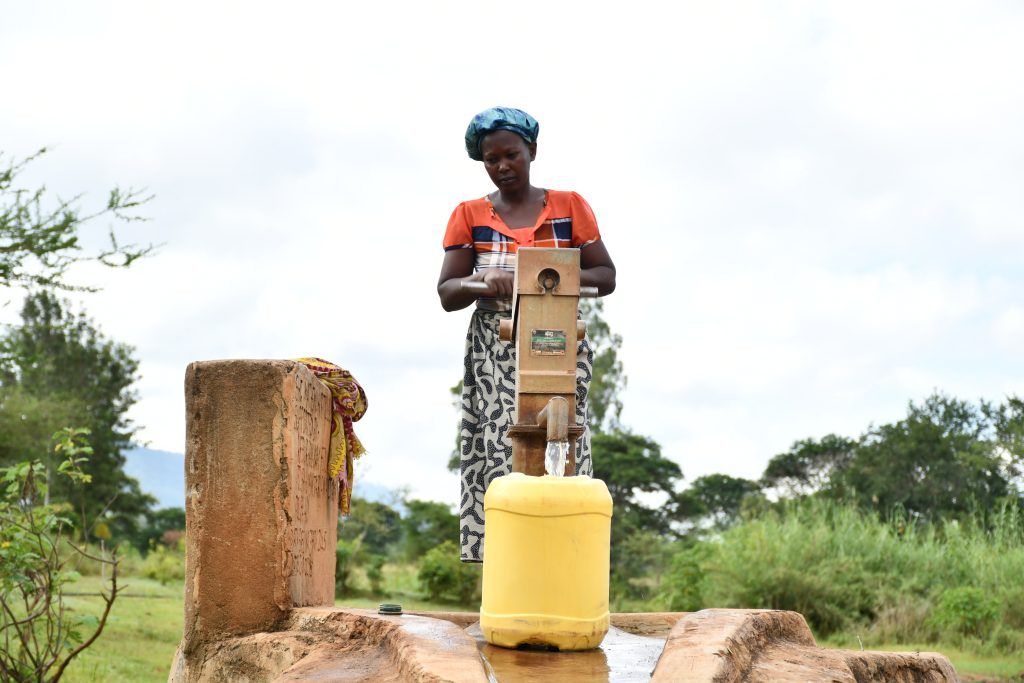
I have met mothers who wake up before sunrise to search for water.
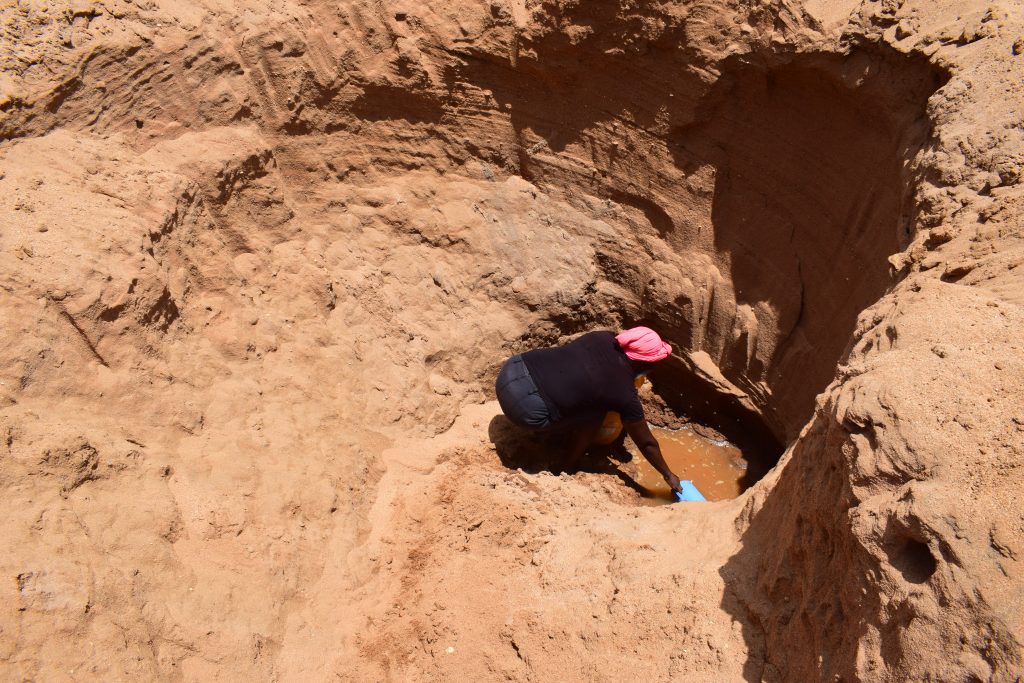
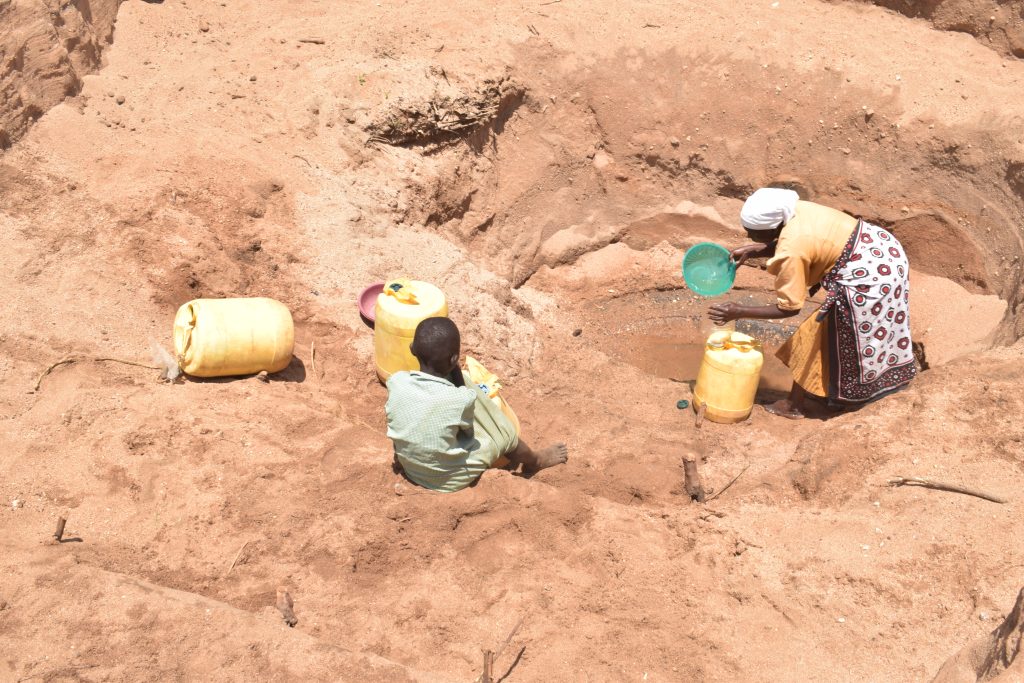
I have seen children walk long distances for water when they could be spending that time in school. And I have walked with community members all the way to their water sources to see what fetching water really means.
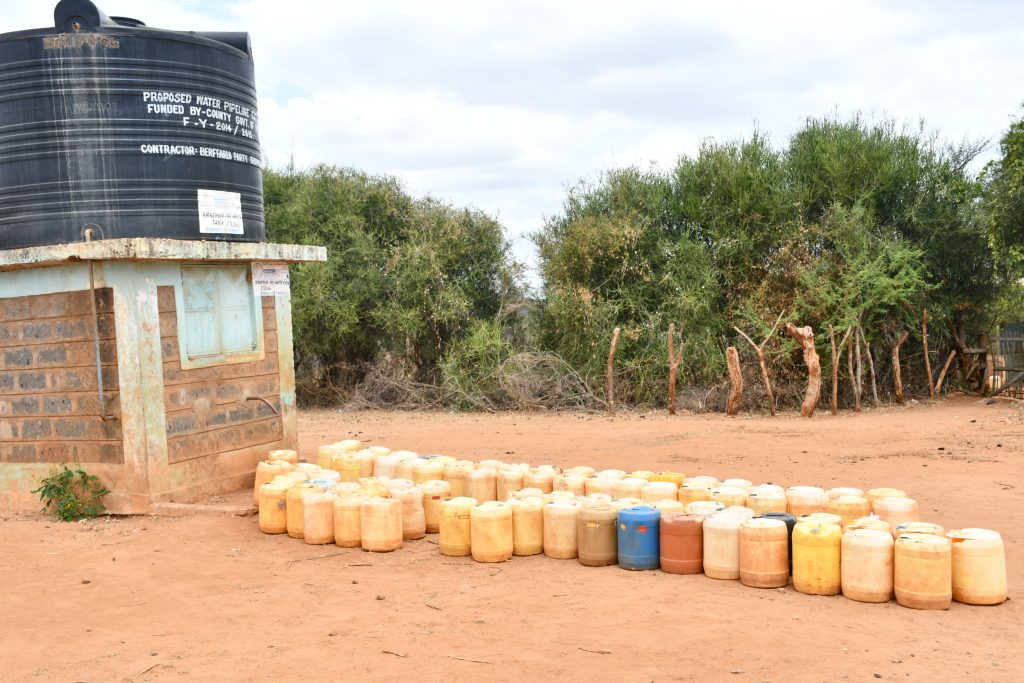
I have seen families depend on unsafe sources during long dry seasons.
I have seen people scoop water from sandy riverbeds, hoping there will be enough beneath the sand to take home.
And I have listened to stories of communities forced to make impossible choices because water is scarce.
These experiences have changed me.
As a Communication Officer, my job is to document these realities through photographs, videos, interviews, reports, and stories. I’ve gathered stories about water scarcity and community resilience, including Initial Reports for The Water Project that document what communities face before and during water projects.
But somewhere along the way, I stopped seeing these assignments as just work. They became personal.
The Magic of a Simple Concrete Wall
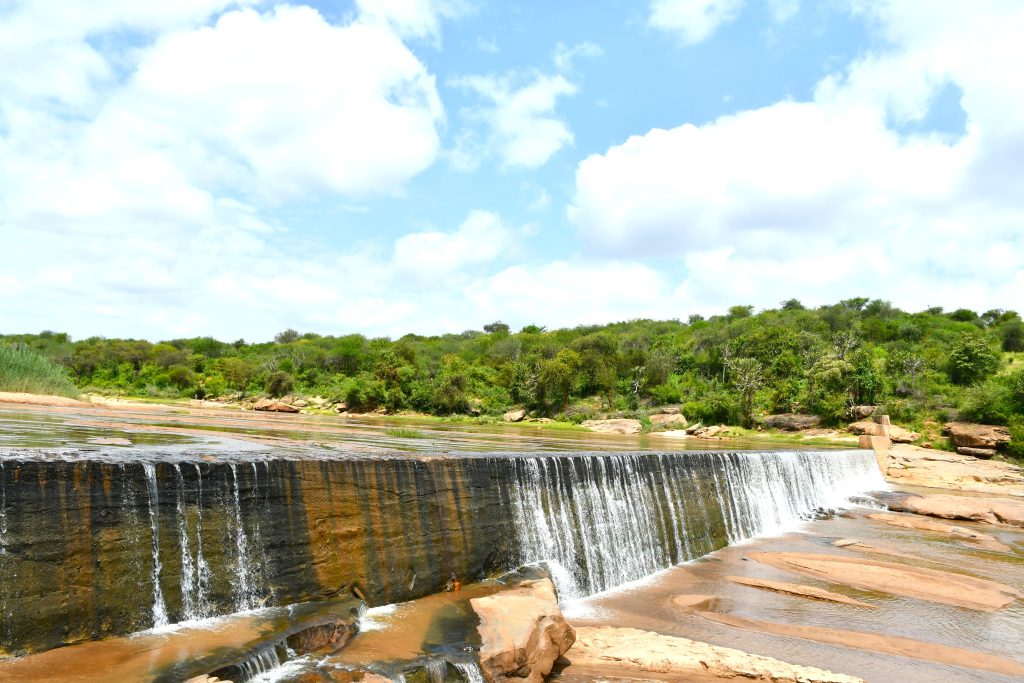
One of the most profound things I’ve witnessed is the transformation that can begin with something that looks so simple: a concrete wall built across a dry riverbed.
To someone passing by, it may look like nothing more than a sand dam.
But to a mother, it can mean water closer to home.
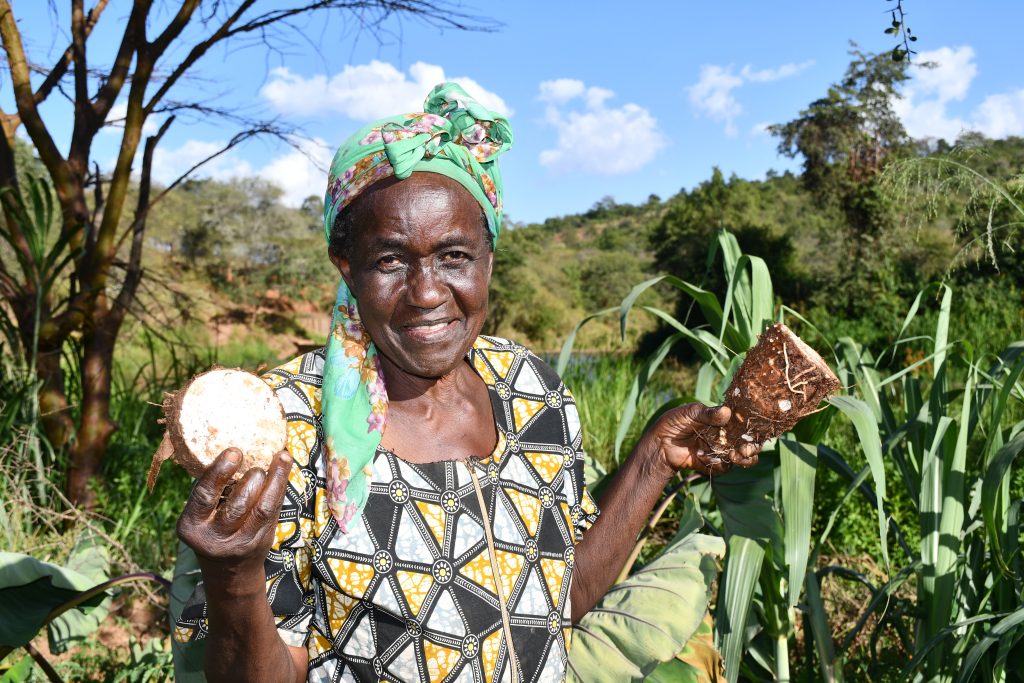
To a farmer, it can mean a vegetable garden.
To a child, it can mean more time in school.
To a family, it can mean better hygiene and dignity.
To a community, it can mean an opportunity to earn an income.This has made me more and more aware of the responsibility that comes with development communication.
And to future generations, it can mean hope.
I have watched communities turn water harvested through sand dams into vegetable farms, tree nurseries, livestock enterprises, and other income-generating activities.
I have watched people who once spent hours searching for water start investing that time in farming, education, businesses, and their families.
That’s when I began to understand that water development isn’t only about water. It’s about unlocking human potential.
The Stories I Record
As a communicator, sometimes I hold a camera and record a person’s story.
Sometimes I sit with a community member and write down their words.
Sometimes I photograph a newly completed water project.
Sometimes I prepare a report that will be read thousands of kilometers away by a donor or by The Water Project team.
But behind every photograph, there is a human being.
Behind every statistic, there is a family.
Behind every project report, there is a community with hopes and dreams.
And behind every sand dam, there is a story.
This has made me more and more aware of the responsibility that comes with development communication.
I don’t simply want to capture beautiful photographs. I want to capture the truth.
I want to document the struggle before a project, the change after it, and the voices of the people whose lives are changing.
I want someone sitting in an office, perhaps thousands of kilometers away, to look at a photograph or read a story and understand that the numbers in a report represent real people. People with dreams, people with families, people with dignity, people who deserve a chance.
Serving Humanity Is Serving God
My experiences have strengthened a belief that has become central to my life: I believe serving humanity is serving God.
Every time I document a success story, I’m reminded that my work can contribute to something much bigger than my own career.
Every photograph I take, every interview I conduct, every video I record, and every story I write has the potential to help someone understand why investing in water matters.
Sometimes I think about that simple concrete wall built across a dry riverbed.
Years from now, I may not remember every detail of the project.
But that wall will still be there.
A mother may still draw water from the shallow well.
A farmer may still irrigate a vegetable garden.
A child who once walked several kilometers for water may grow up to become a teacher, nurse, engineer, journalist, or leader.
And perhaps their children will benefit, too.
That’s the part that melts my heart.
My journey has taught me that journalism and communication aren’t only about writing stories or taking photographs.
They can be instruments for change.
They can connect communities with people willing to support them.
They can make invisible struggles visible.
They can preserve memories.
They can influence action.
And they can remind the world that development is ultimately about people.
Today, when I stand beside a completed sand dam and look at the water held beneath the sand, I see more than a structure.
I see a story.
I see resilience.
I see generations.
I see the possibility of a better future.
And I’m grateful that, through my camera, my pen, and my voice, I’ve been allowed to tell that story.
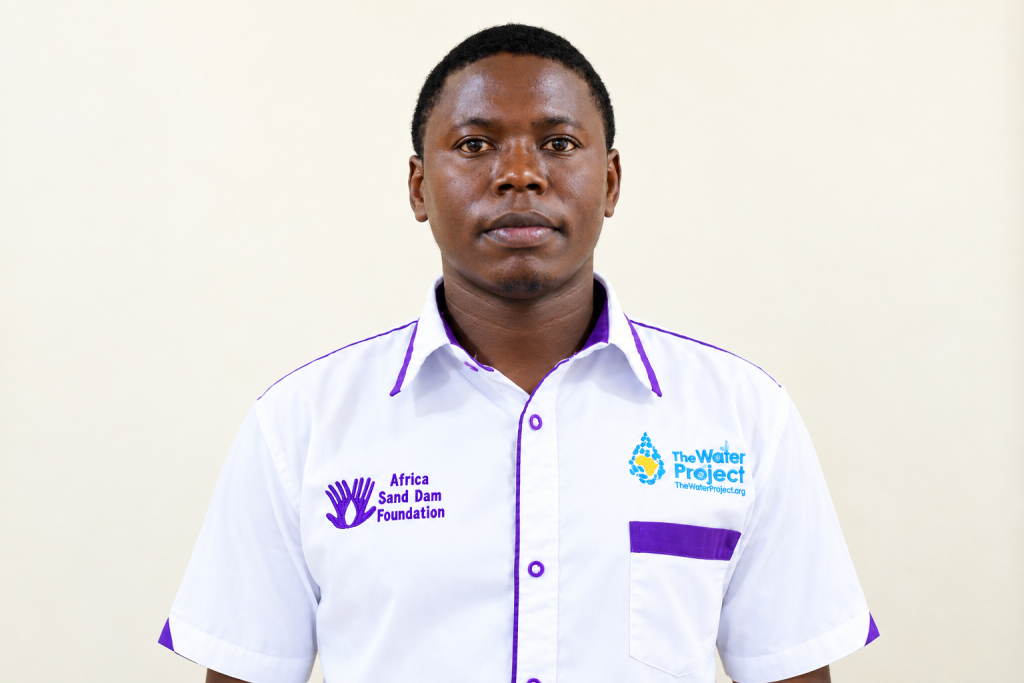
Written by: Jefferson Mutie
Communications Officer
The Water Project
Learn more about sand dams here: https://thewaterproject.org/sand-dams
Home More Like ThisTweet