
Rose Enjoys Good Health, Peace of Mind and Hope for the Future!

April, 2026

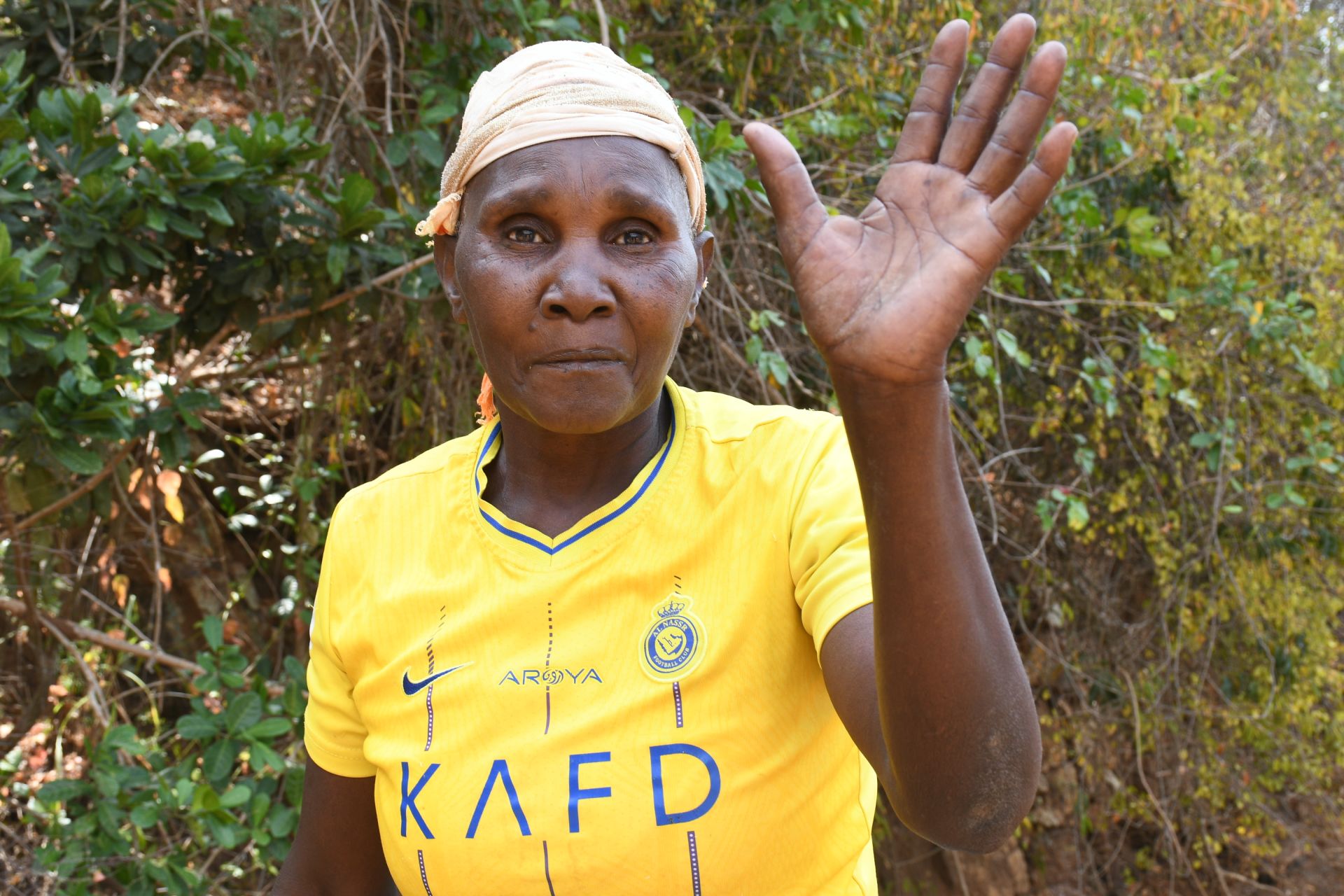
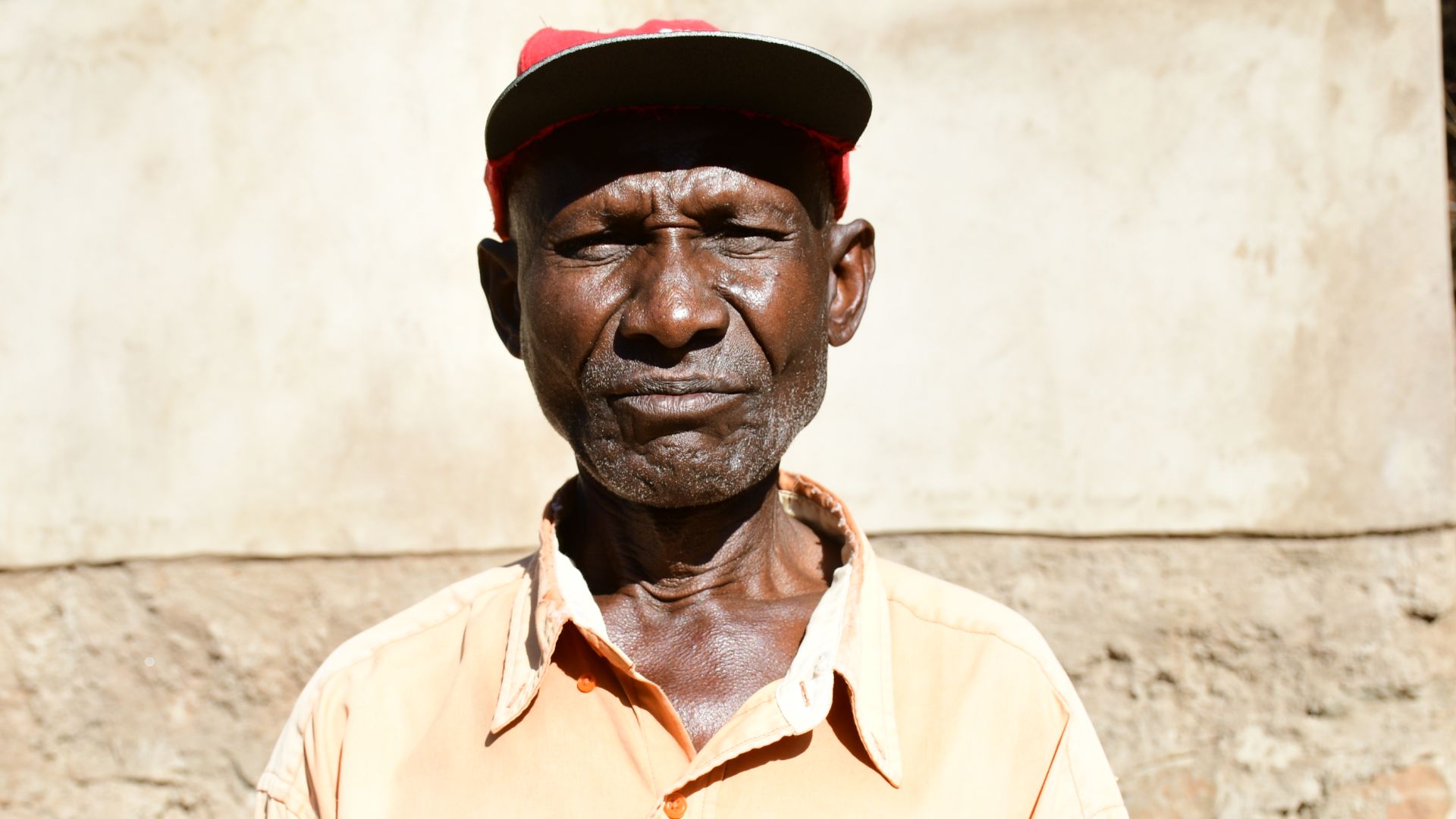
Last year, your gift unlocked the potential for a brighter future for Rose Nzoka. Since then, she and the Kamunyu Community of 300 residents have had clean, reliable water. Your contribution has made a significant impact. Thank you for making a difference!

"I like that the water point is very close to my home now. It only takes a few minutes to fetch water, and the water is clean and safe," said Rose.

Before the Sand Dam Installation

Like many in Kenya, 73-year-old Rose Nzoka is responsible for collecting water to meet daily water needs. Before last year’s water intervention, this task stole her time and negatively affected her.

Community members collected water from scoop holes before the sand dam installation.

Drinking the water caused severe consequences. Many in the community suffered from waterborne diseases that created health problems, affecting their daily lives. Limited accessibility also meant people wasted time collecting sufficient water to meet their needs. The difficult journey to collect water sapped their physical and emotional energy, creating roadblocks. For Rose, in particular, it lessened her opportunity to stay healthy and make daily progress.

"Before we implemented this project, water was our biggest struggle. During the long droughts, the scoop hole and the dug well would dry up or have very little water. This led to long queues at the water points, while others had to wake up very early in the morning. We had to walk many kilometers just to find some. The water was open and easily contaminated by human and livestock activities, and many of us fell sick with stomach problems and other infections. Treatment was expensive, especially for farmers like us with very small incomes. Life was very hard," Rose said.

Since the Sand Dam Installation

Your generous gift last year was much more than a simple donation; it was a powerful statement about your commitment to this community and Rose’s future. By supporting the water solution, you made clean water an everyday reality, fostering hope for a brighter future.

Reliable and clean water lays the groundwork for improved health, education, and economic possibilities, allowing people to thrive. We frequently hear from those we interview that "water is life!"
Insert quote

The Future is Looking Bright!

A year ago, you made a difference for Rose and the rest of her community. This is just the first chapter of their story as access to clean water continues to improve their lives!

At The Water Project, we value sustainability and want to ensure that people continue to thrive. We commit to monitoring this project to ensure the water is always flowing and safe to consume. We inspect the system hardware, track water availability, conduct sanitary inspections, and collect water quality samples to identify risks. We work with our team on the ground to resolve them.

You gave her a crucial tool for achieving her dreams: access to clean water. Together, we can excitedly expect that with this precious resource, her enthusiasm and courage will continue to help her make progress in her health and well-being.

"The best thing is good health. Clean water has taken away the fear of sickness. It has also brought comfort and dignity to our homes. I can wash, cook, clean, and water my plants without struggling. It has made life peaceful," Rose declared.

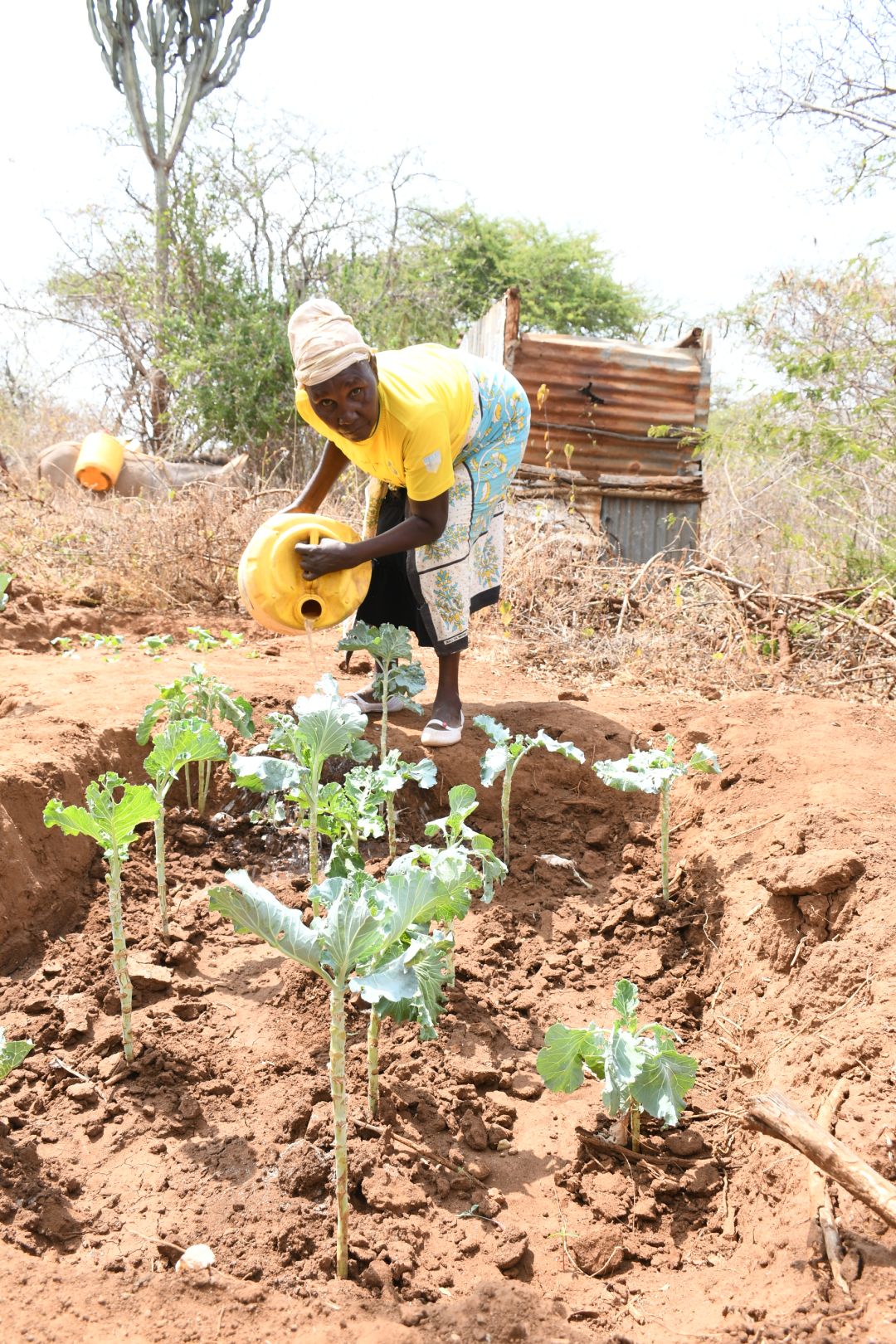
"I have accomplished a lot. I have been able to grow trees and vegetables at home because I can now water them easily. As a group, we are still making soap for our own use and for sale. We are also planning to start making bricks to sell to the community now that we have enough water for mixing soil. These projects were impossible before. Water has opened many opportunities," she explained.

"My dream is to continue farming, planting more trees, and supporting my group as we start our brick-making business. I want to be strong and able to provide for myself in my old age. Having water close by makes all these dreams much easier. I can work without feeling tired from long walks, and I have time and strength for my projects," Rose declared.


Navigating through intense dry spells, performing preventative maintenance, conducting quality repairs when needed and continuing to assist community leaders to manage water points are all normal parts of keeping projects sustainable. The Water Promise community supports ongoing sustainability programs that help Kamunyu Community A maintain access to safe, reliable water.

We’d love for you to join this world-changing group committed to sustainability.

The most impactful way to continue your support of Kamunyu Community A – and hundreds of other places just like this – is by joining our community of monthly givers.

Your monthly giving will help provide clean water, every month... keeping The Water Promise.

Project Status


Project Type:  Sand Dam

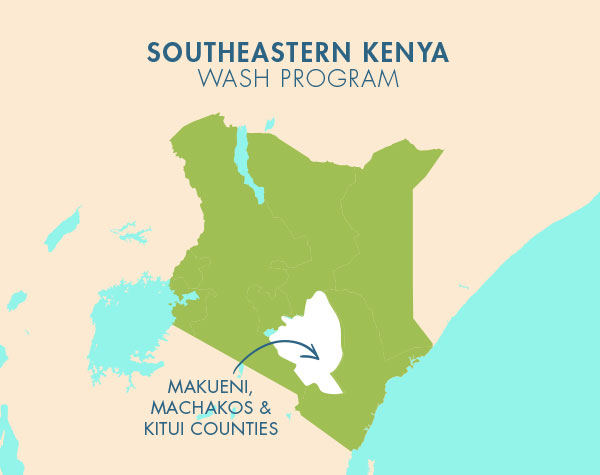
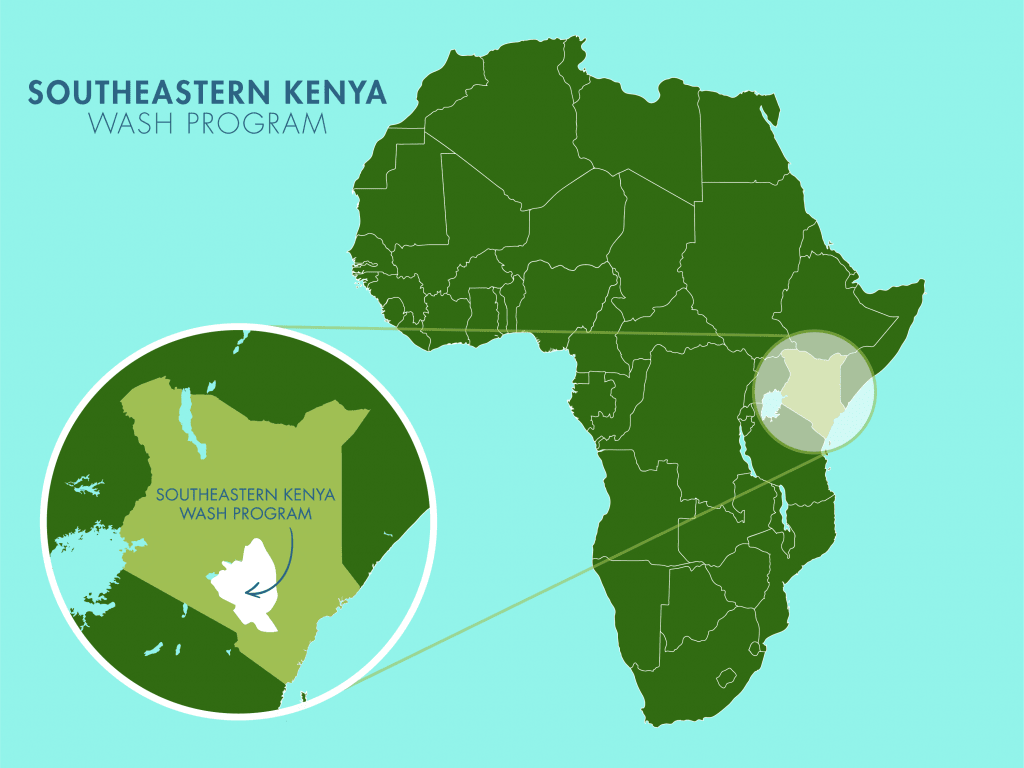
Regional Program: Southeastern Kenya WaSH Program

Impact: 300 Served

Project Phase:  In Service - Apr 2025

Functionality Status:  Functional

Last Checkup: 02/16/2026

Project Features


Click icons to learn about each feature.


The 8,600-person community of Kamunyu desperately needs clean, accessible water. To collect water from dirty scoop holes, their current water source, community members must make a two-hour round trip at least once daily. This is exhausting and time-consuming, and drinking the collected water puts everyone's health at risk.

"The strain of dealing with inadequate water supplies can lower the overall quality of life. Poor water access can also contribute to a general sense of insecurity and stress within the community," Field Officer Alex Koech said.

"The difficulty of accessing water from distant or challenging locations often means that individuals, particularly women and children, spend a disproportionate amount of time and energy fetching water. This labor could otherwise be directed towards education, economic activities, or rest, impacting overall community productivity and personal well-being," Alex continued.

Community members collect water from the faraway scoop hole.

"Getting to know the community's daily way of life and how it is affected by water scarcity was touching for me. The fact that community members spend most of their day fetching water is very sad because they get little time to work on improving things at home through farming or looking for jobs in urban centers," concluded Alex.

The extraordinary amount of labor required to collect water is not the worst complaint. Sadly, after all that effort, community members pay a higher price when they contract water-related illnesses that cause them to suffer needlessly.

"The cost of treating waterborne diseases, whether through medical expenses or lost productivity due to illness, places a significant economic burden on individuals and the community. Families need to spend a substantial portion of their income on healthcare, which could otherwise be used for other essential needs," said Alex.

Sixty-three-year-old farmer Rose Mwamuli is acutely familiar with the struggle. "I often get stomach aches, and when I go to the dispensary, the doctor diagnoses amoeba or typhoid. I have to purchase medicines, which are very costly because I earn very little from farming."

Rose (2nd in line) waits to collect water from the scoop hole.

"I have to stay home and get someone to fetch water for me, like my grandchildren or a good-hearted neighbor. I have to skip activities on my farm and home when I am sick."

Even when Rose is not ill, she still worries that the time and effort required for collecting water will be too much.

"Because the water source is far away, getting there and coming back home takes a lot of time. Sometimes, I get late, which makes me worried. Many people depend on this water point, and we often experience a lot of drought in this region. Without water, we cannot do anything because we need water for cooking, drinking, farming, and even for our animals; therefore, without water, life can be very difficult," Rose said.

Solving the water crisis in this community will require a multifaceted system that will work together to create a sustainable water source that will serve this community for years to come. Our proposed waterpoint can only serve 300 people daily, so we are working to identify other water solutions. Our goal is to ensure everyone in the community has access to safe and reliable drinking water.

Steps Toward a Solution

Our technical experts worked with the local community to identify the most effective solution to their water crisis. Together, they decided to construct a sand dam and dug well.

Sand Dam
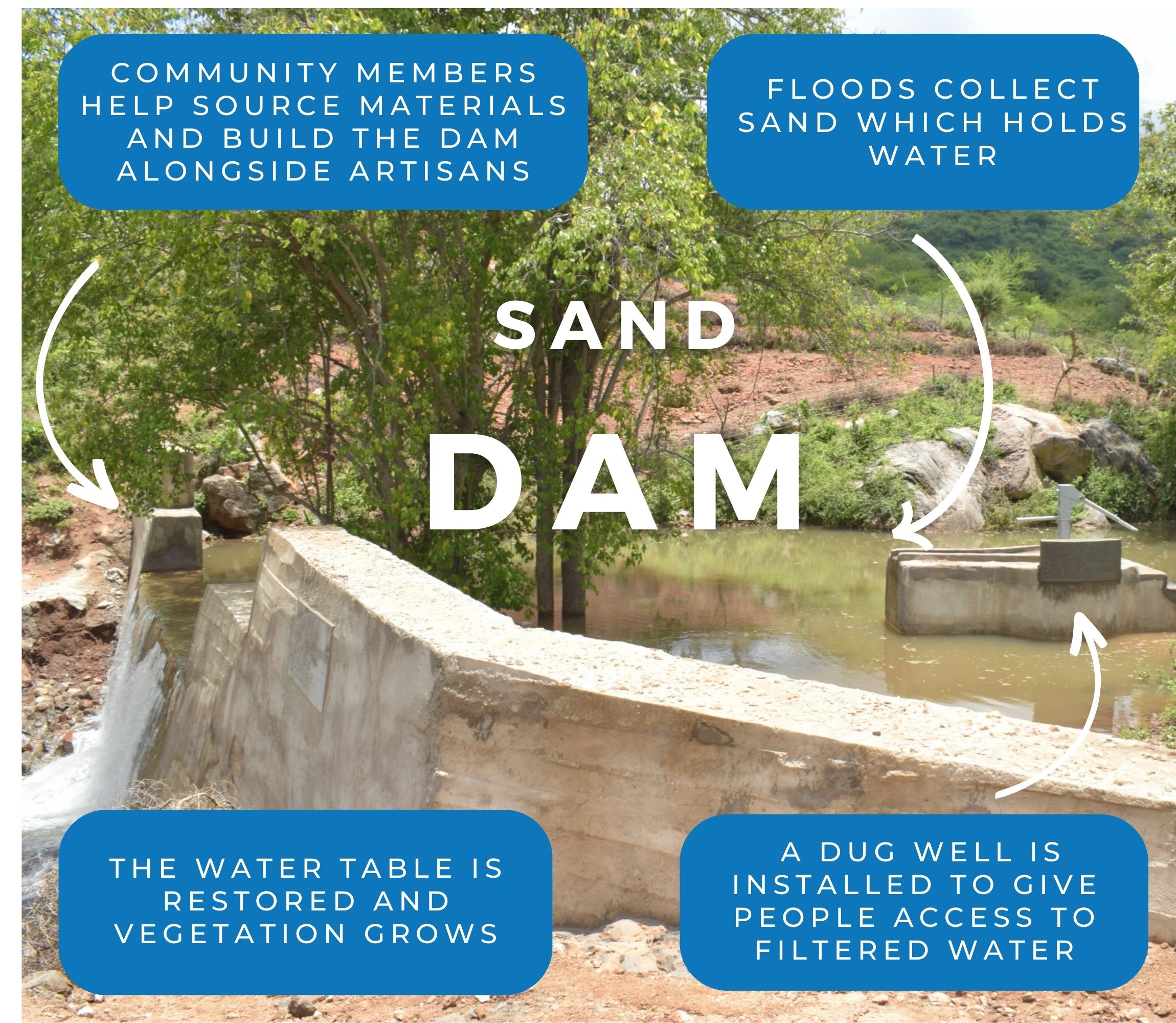
Sand dams are sought-after, climate-smart, and lasting water solutions, providing hope and resilience to communities in arid Southeastern Kenya. Think of them like giant sandboxes constructed in seasonal rivers that would typically quickly dry up after the rainy season. Instead of holding water like traditional dams, they collect sand and silt.

When infrequent rains come, these dams catch a percentage of the river's flow, letting most of the water continue downstream to other communities. But here's the magic: the sand they collect acts like a natural filter, holding onto water long after the river's gone dry. Then, wells are constructed nearby, creating a reliable water source even during the driest times.

And the benefits don't stop there! In communities impacted by climate change, sand dams replenish groundwater and prevent soil erosion. Even during severe droughts, the consistent water supply from these sand dams allows farmers to thrive, giving way for enough food not only for their families but also to sell in local markets.

The most remarkable aspect of sand dams is how they involve the local community every step of the way, giving them a sense of ownership and pride in solving their water shortage and managing their water resources.

This sand dam will be connected to a dug well to make the water more accessible.

Community Education & Ownership
Hygiene and sanitation training are integral to our water projects. Training is tailored to each community's specific needs and includes key topics such as proper water handling, improved hygiene practices, disease transmission prevention, and care of the new water point. Safe water and improved hygiene habits foster a healthier future for everyone in the community. Encouraged and supported by the guidance of our team, a water user committee representative of the community's diverse members assumes responsibility for maintaining the water point, often gathering fees to ensure its upkeep.
Project Updates


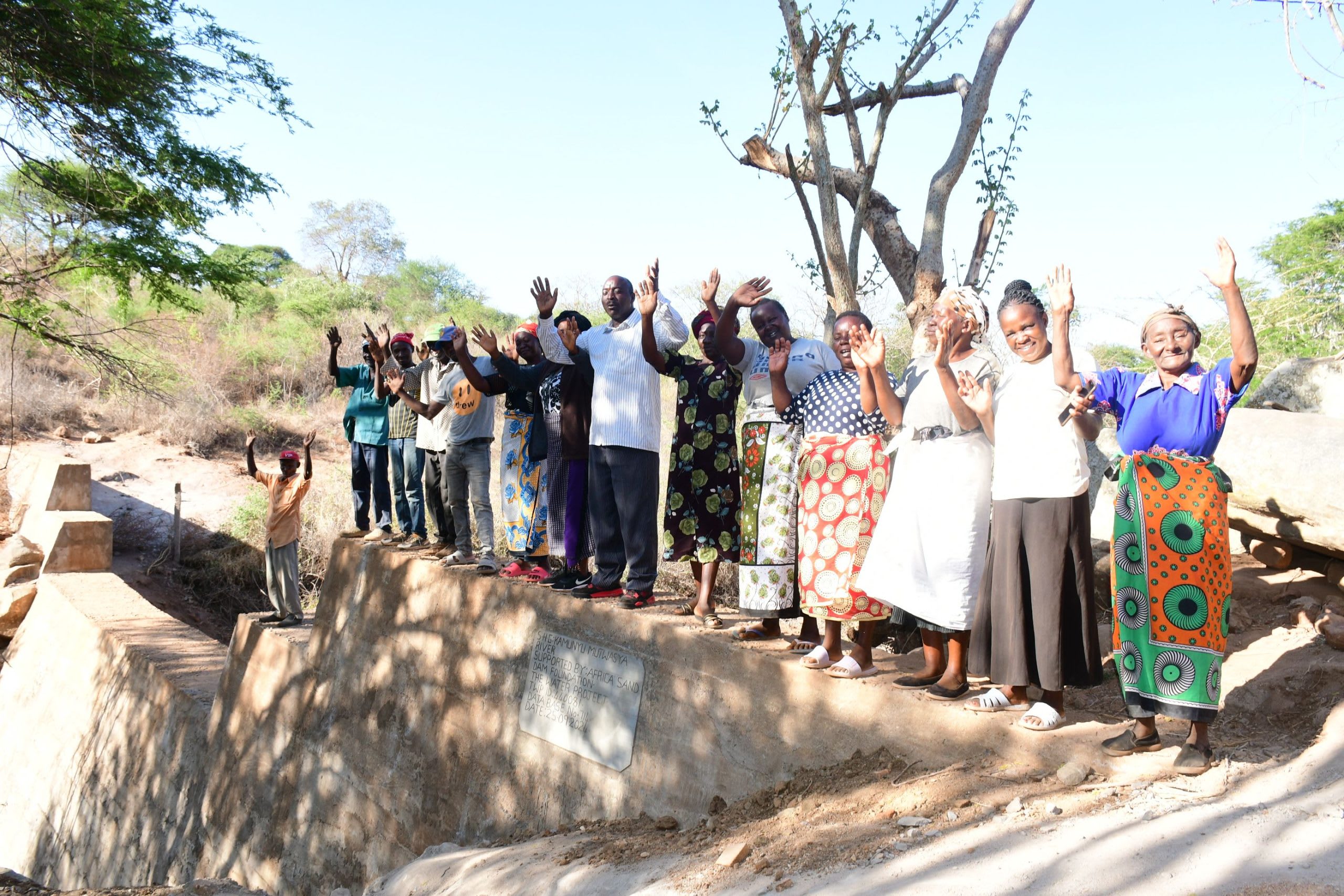
April, 2025: Kamunyu Community Sand Dam Complete!

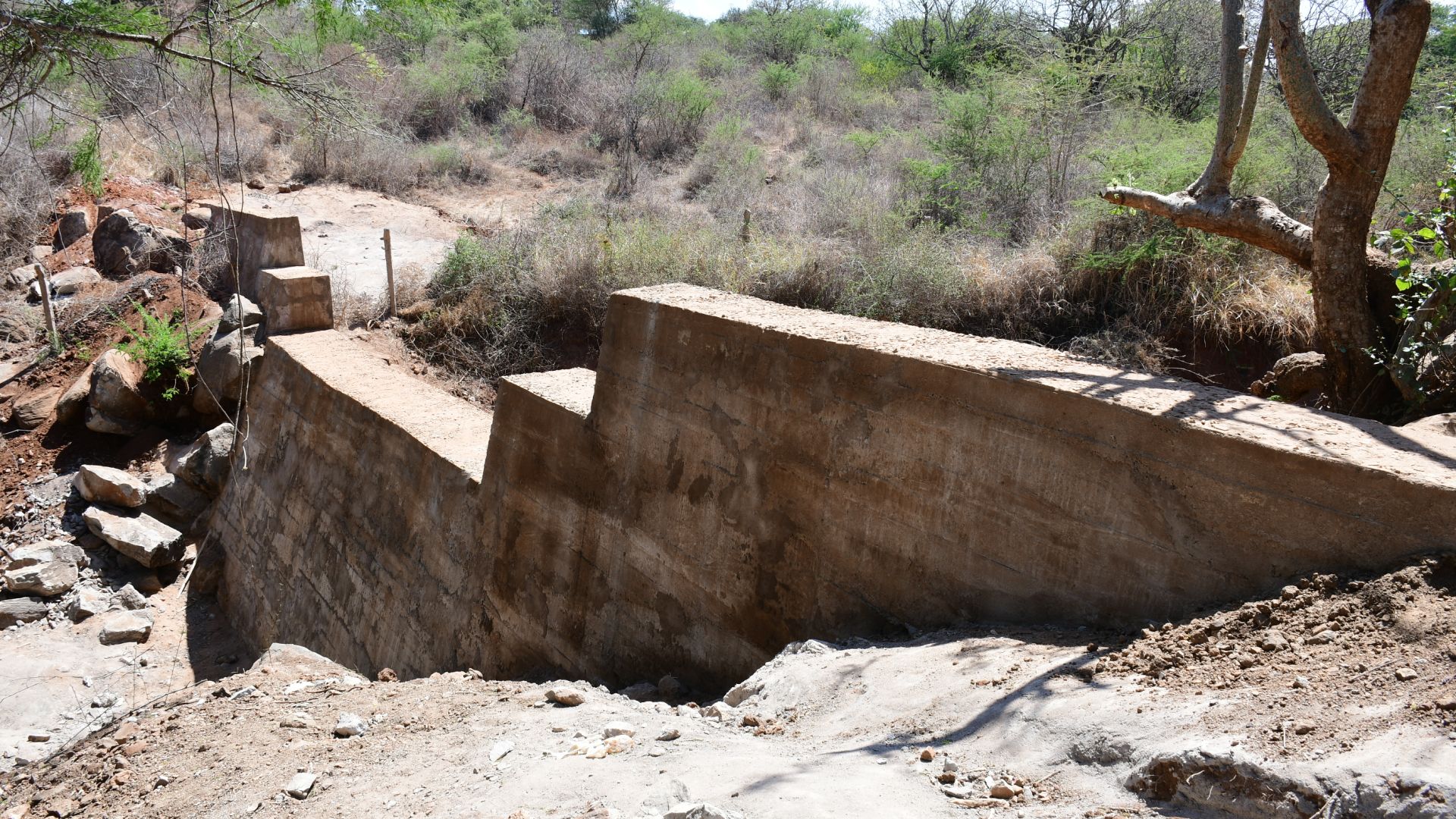
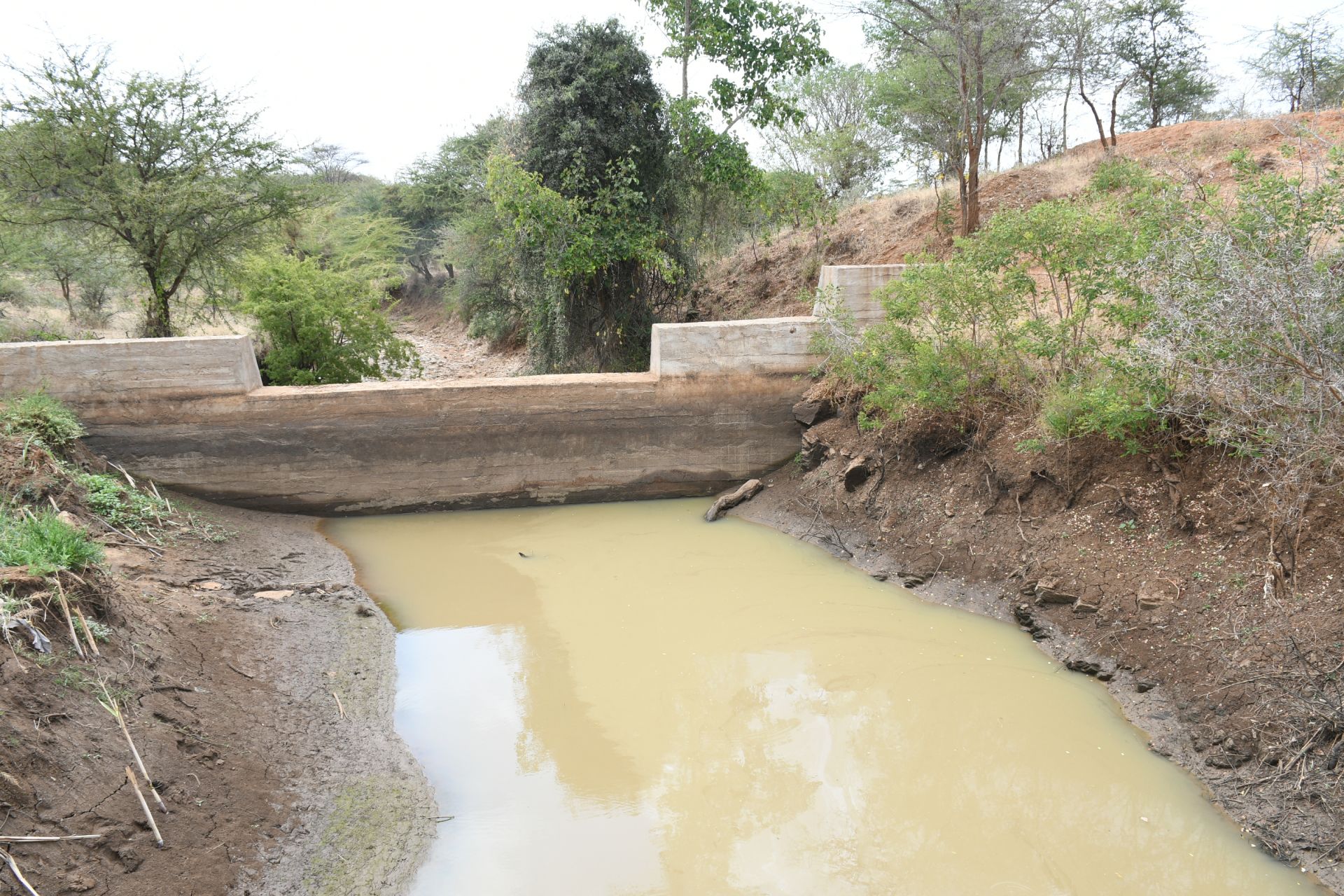
Kamunyu Community, Kenya now has access to a new water source thanks to your donation! We constructed a sand dam on the riverbed, which will raise the water table and naturally filter water over time. We also built a new protected dug well with a hand pump adjacent to the sand dam, providing the community with a safer method to draw the drinking water supplied by the dam.

"I am glad that this waterpoint will now avail water close to us, we will no longer have to walk several kilometers to draw water. I will be able to get more time and energy to dwell on activities such as farming. It feels good to know that I will have enough clean water throughout the drought period, which does not expose me to infections such as typhoid and amoeba. We will also be using the water to irrigate vegetables that we can sell and earn an income," said 70-year-old farmer Paul Nzambi.

"My children will be able to focus on their studies now that they will be no longer spending most of their time fetching water. They will be drinking clean water, which does not expose them to infections; thus, they will be able to attend school every day."

Sand Dam Construction

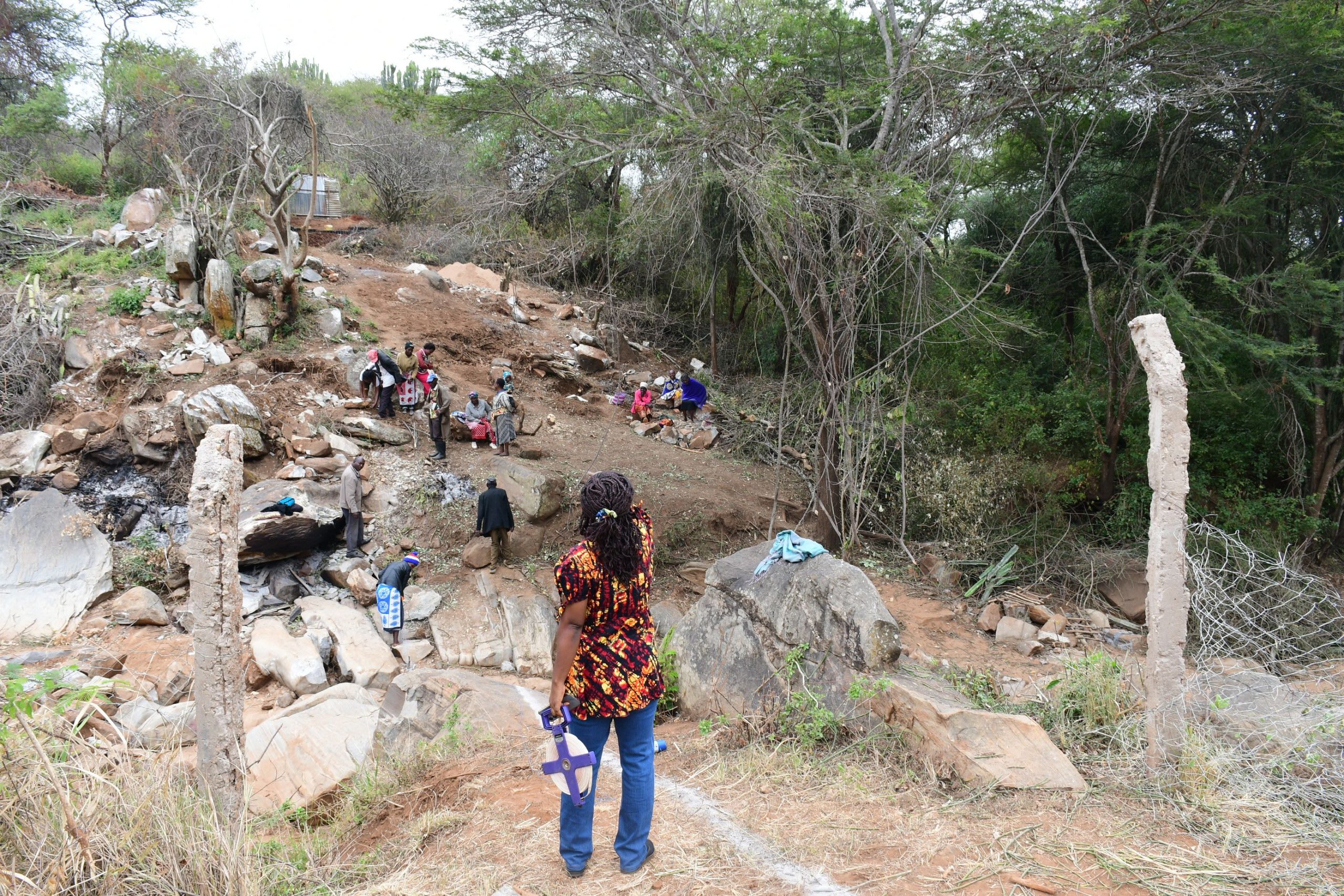
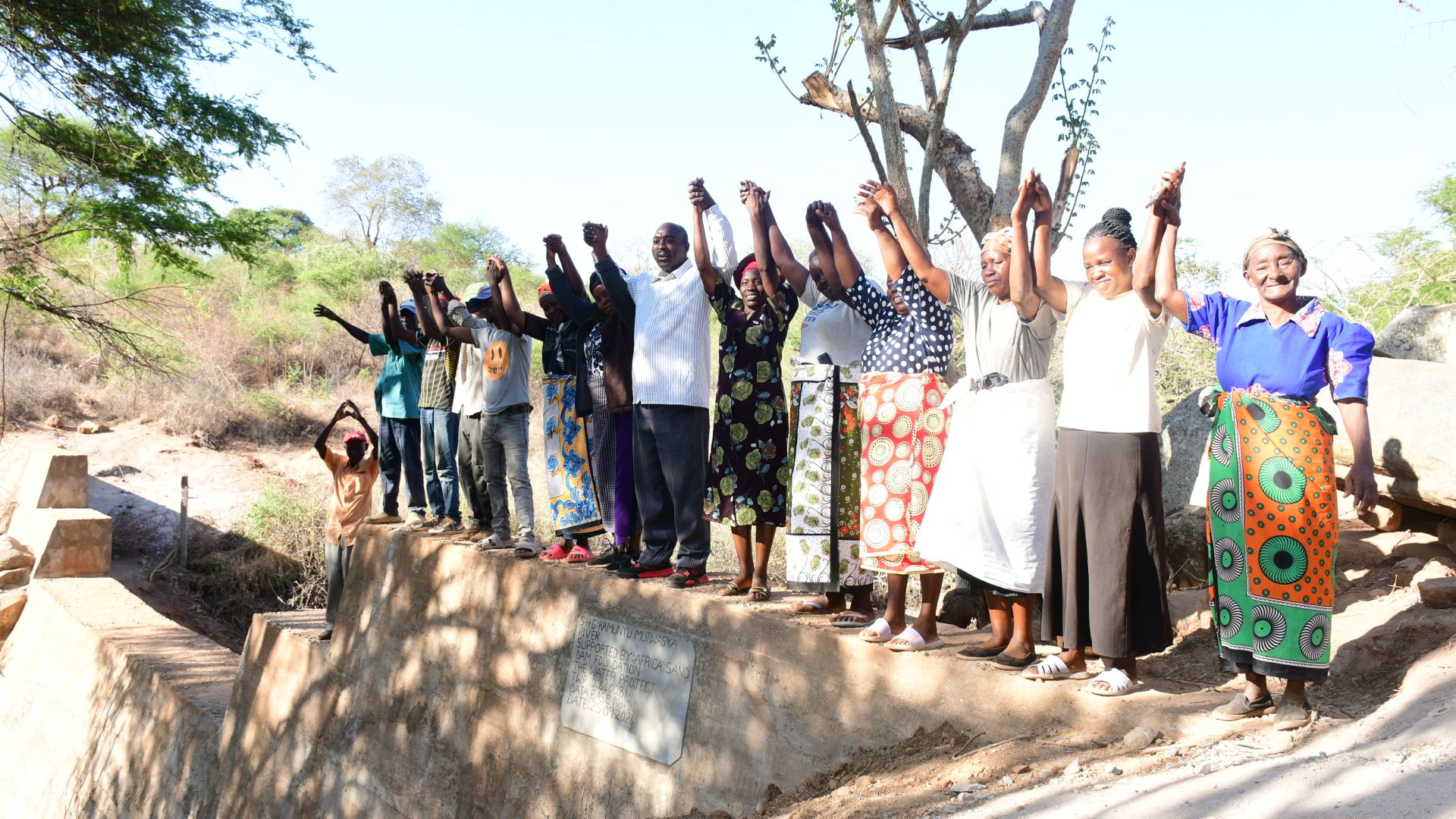
The members of the Kamunyu Mutwasya River Self-Help Group collected all of the local materials, like rocks and sand, required to complete the dam. The collection of raw materials takes longer than the actual construction, lasting up to four months for a large sand dam. The group also dedicated their time to support our artisans with a tremendous amount of physical labor throughout the project.

"The community was very happy about the project and exhibited a lot of dedication to ensure it was completed within schedule. They mobilized sand, stones, and ballast during preparation and came in large numbers during the construction of the project to provide their hard labor," shared Field Officer Alex Koech.

"I am hopeful about this group because they showed a lot of unity during the construction of the project. They are hardworking and support one another during times of need. They were very happy about the construction of the project because it will help them access water easily," Alex continued.

First, our team drew up siting and technical designs and presented them to the Water Resources Management Authority. We then sent a survey to the National Environment Management Authority for approval before beginning construction.

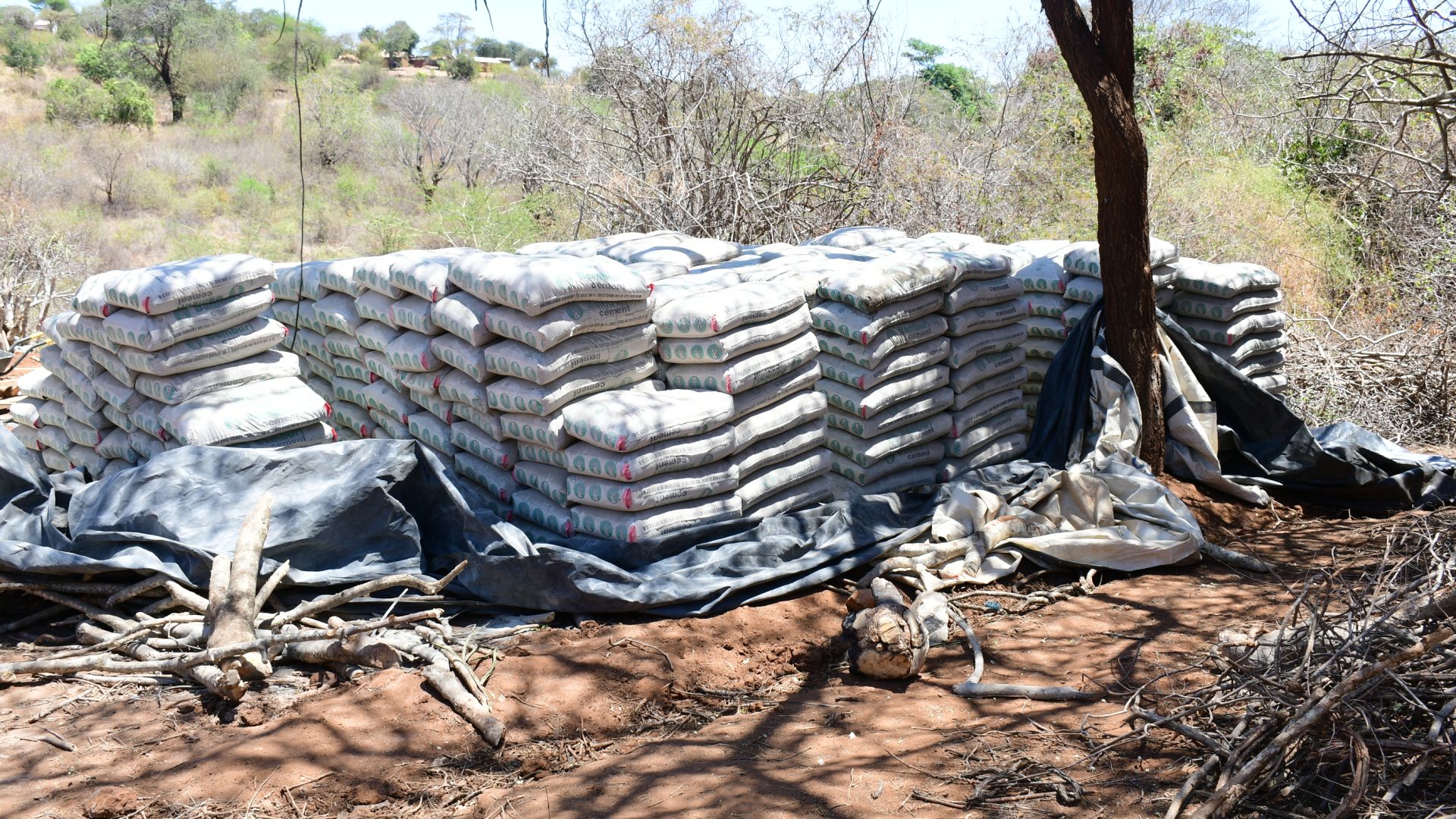
Cement collected for the construction of the sand dam.

Once the plans were approved, we established a firm base for the sand dam wall. Usually, this requires the community to dig all the way down to the bedrock beneath the river channel. In the absence of good bedrock, we excavate to a depth at which the ground is compact enough to stop seepage.

Next, we heaped mortar (a mixture of sand, cement, and water) into the foundation, followed by rocks. We then used barbed wire and rebar to reinforce the mixture.

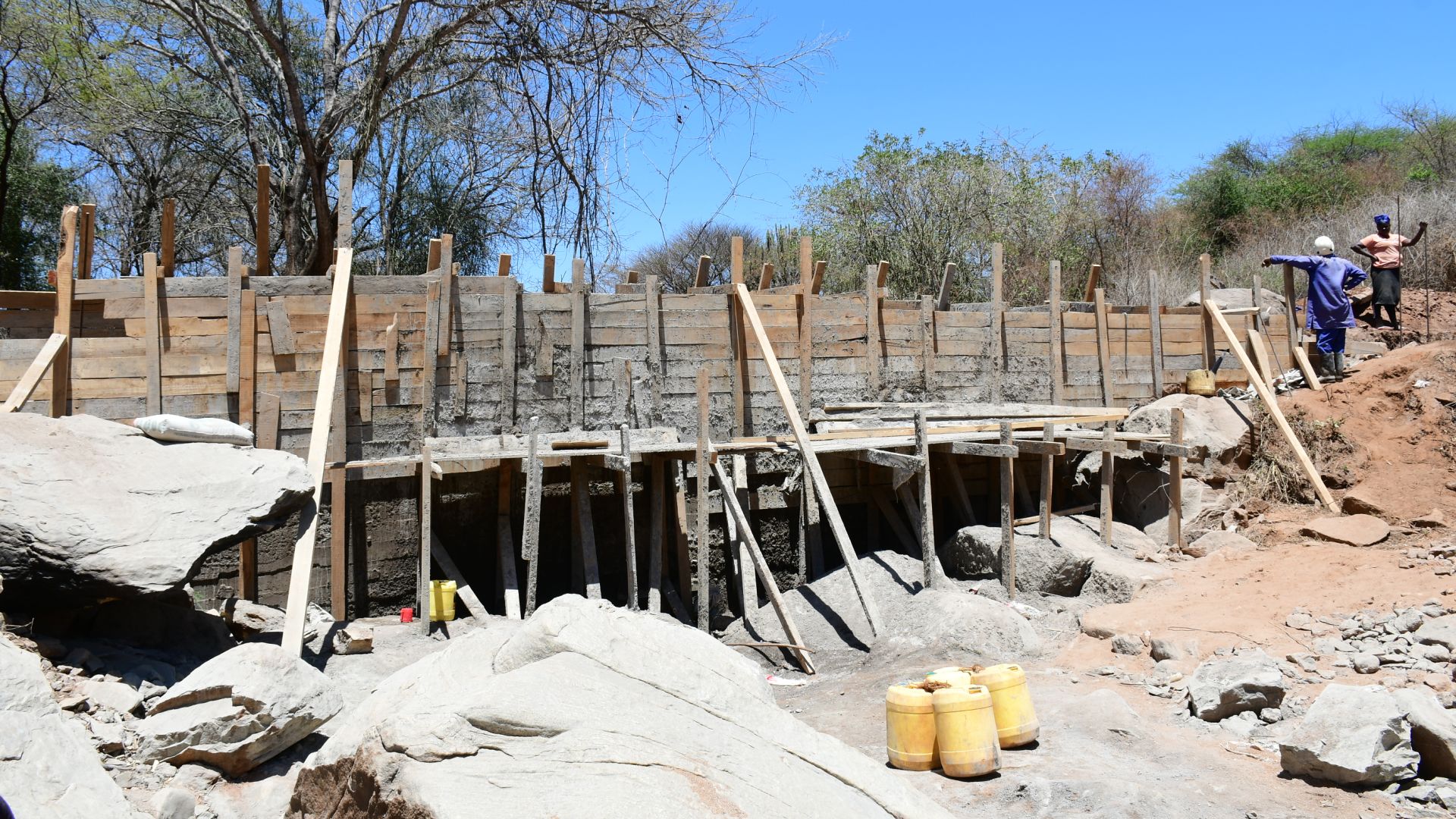
The timber skeleton constructed to hold the cement in place.

Once the foundation was complete, we built a timber skeleton to hold the structure above ground level. We repeated the process until reaching a sufficient height, width, and length.

Finally, we dismantled the vertical timber beams and left the dam to cure. This dam measures 32 meters long and 3 meters high and took 496 bags of cement.

When the rains come, sand and silt will be carried down the dry riverbed and build up behind the dam wall. This reservoir of sand acts as a giant natural filter, and allows rainwater to seep into the ground and raise the water table. With this water, the surrounding landscape will become lush and fertile, and the well will provide drinking water to the community. It could take up to three years of rain for this sand dam to reach maximum capacity because in this region, sometimes it only rains once a year!

Community Education

Our trainer worked with the field staff and community members to determine which topics the community could improve upon.

We trained the group on various skills, including bookkeeping, financial management, project management, group dynamics, and governance. We conducted hygiene and sanitation training to teach skills like soap and detergent-making and improve habits, such as handwashing.

We covered health problems in the community, good and bad hygiene habits, and the prevention of disease. Finally, we covered natural resource management as well as the operation and maintenance of the sand dam.

"The interest on the training content that was shown by the members was commendable, an indication that they were ready for transformation. The group is composed of very active members willing to adopt new behaviors," shared Mr. Koech.

Patrick.

"We have learned that it’s good to use latrines at all times rather than doing open defecation, for it’s the easiest way of preventing waterborne diseases that are orally transmitted through drinking contaminated water. Water treatment methods were well taught, and we noticed that it’s a practice that most of us have neglected," said 51-year-old farmer and chairperson of the Water User Committee Patrick Nzuki.

Thank you for making all of this possible!


February, 2025: Exciting Progress in Kamunyu Community, Thanks to You!

We’re thrilled to share that, thanks to your generous support, significant change is coming for Rose and the entire Kamunyu Community. Construction has begun on the sand dam project, bringing them one step closer to having clean, reliable water.

But that's not all—during construction, we’re also providing vital health training. These sessions equip the community with essential hygiene practices, ensuring that the benefits of clean water extend to lasting health improvements.

We’re so grateful for your role in making this possible. Stay tuned for more updates—soon, we’ll be celebrating the arrival of safe water in Kamunyu Community!


Project Photos


Contributors

10 individual donor(s)