
Improvements at Stanley Godia Secondary School

August, 2026

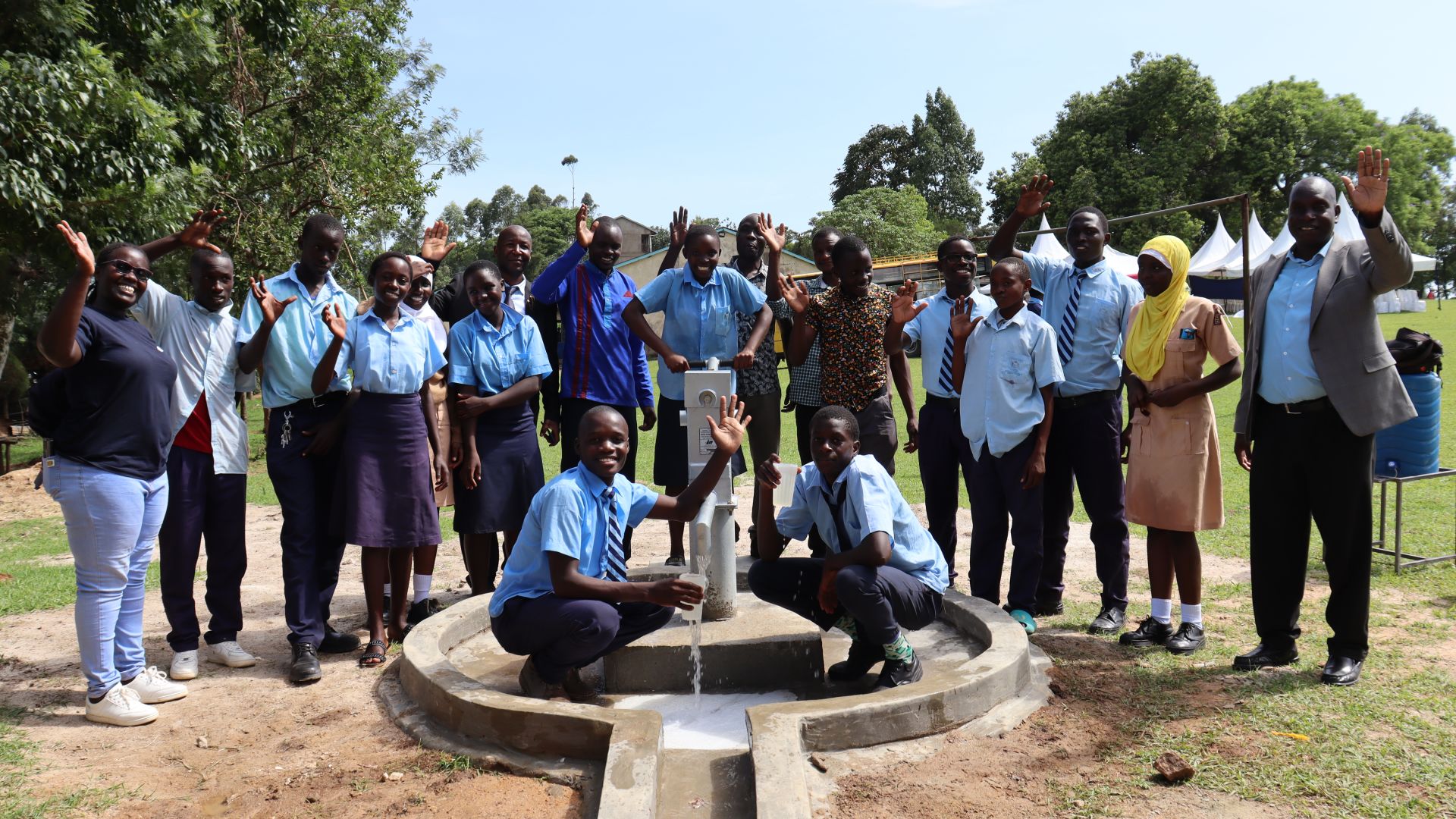
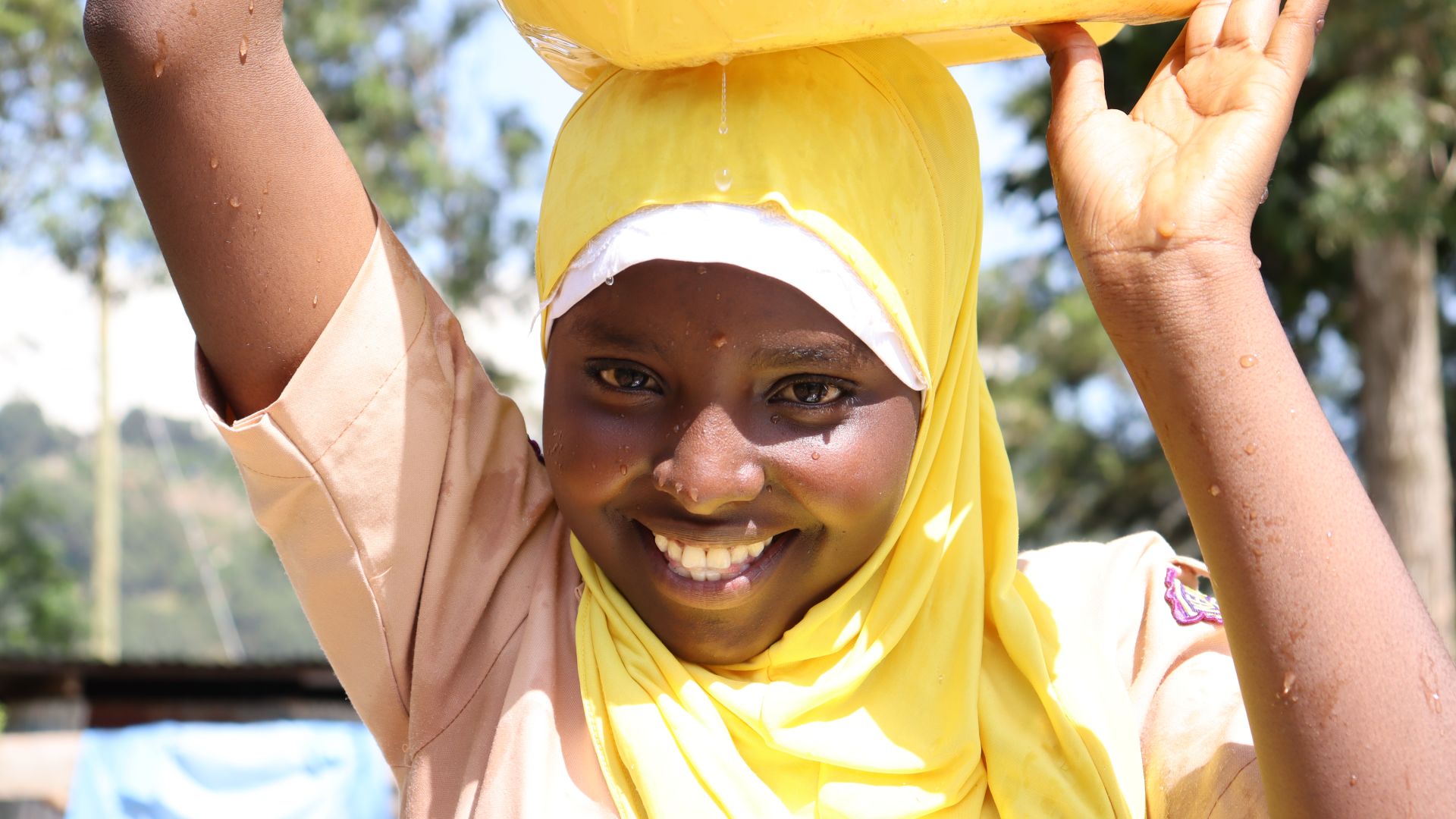
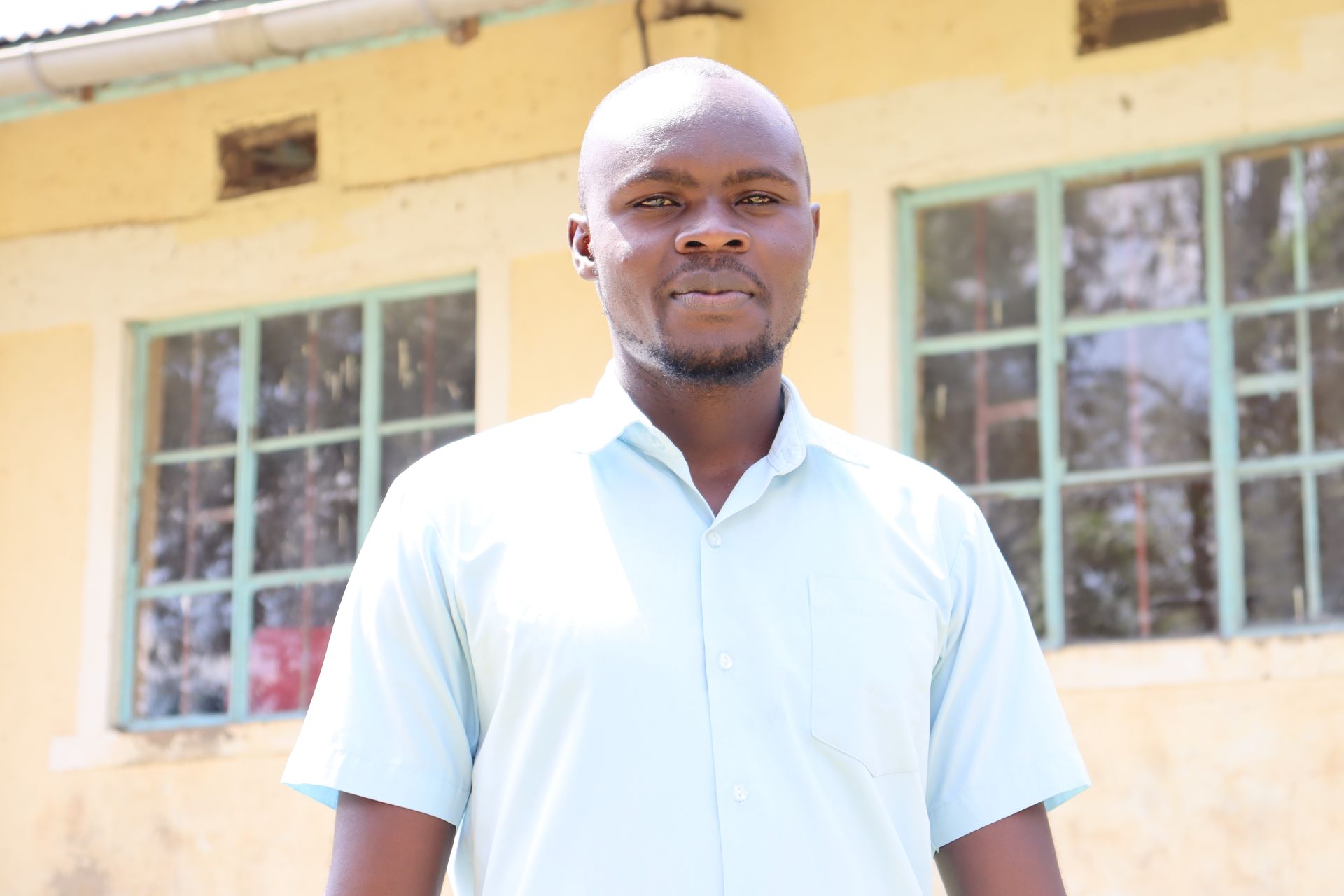
Last year, your gift unlocked the potential for a brighter future for Mr. Gangu and his students. Since then, he and the 845 students and teachers at Stanley Godia Secondary School have had access to clean, reliable water. Your contribution has made a significant impact. Thank you for making a difference!

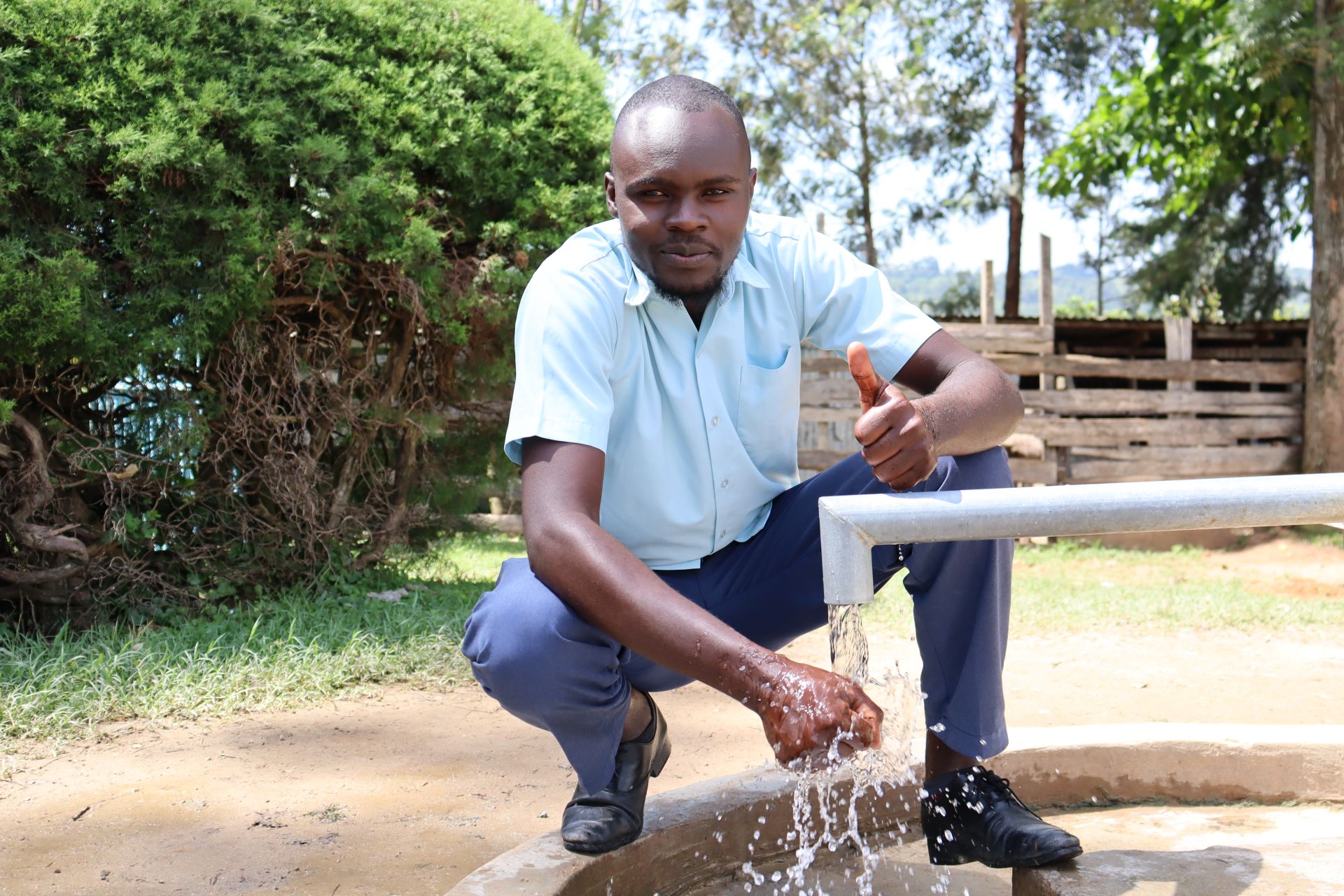
"I like that water is now easily accessible, clean, and reliable within the school compound. Fetching water no longer takes much time or energy, allowing students and teachers to focus more on learning and teaching activities," celebrated Mr. Gangu.

Before the Well Installation

Like many teachers in Western Kenya, 34-year-old Kevin Gangu was responsible for supervising and helping his students collect water to meet their daily water needs. Before last year’s water intervention, this task stole their time and negatively affected them.

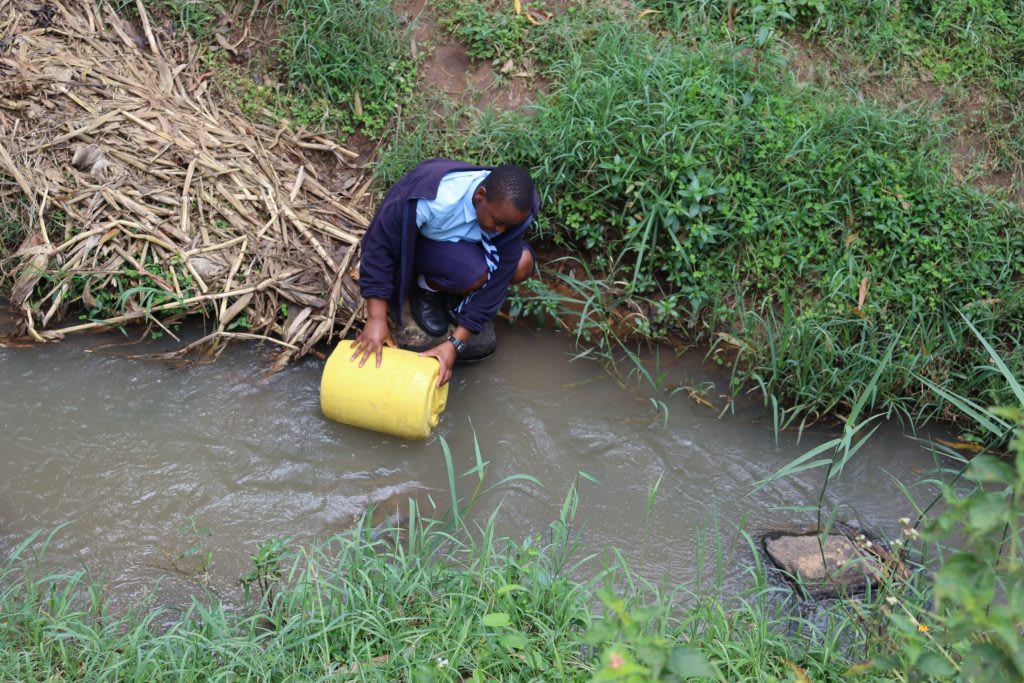
Students collected water from the local stream.

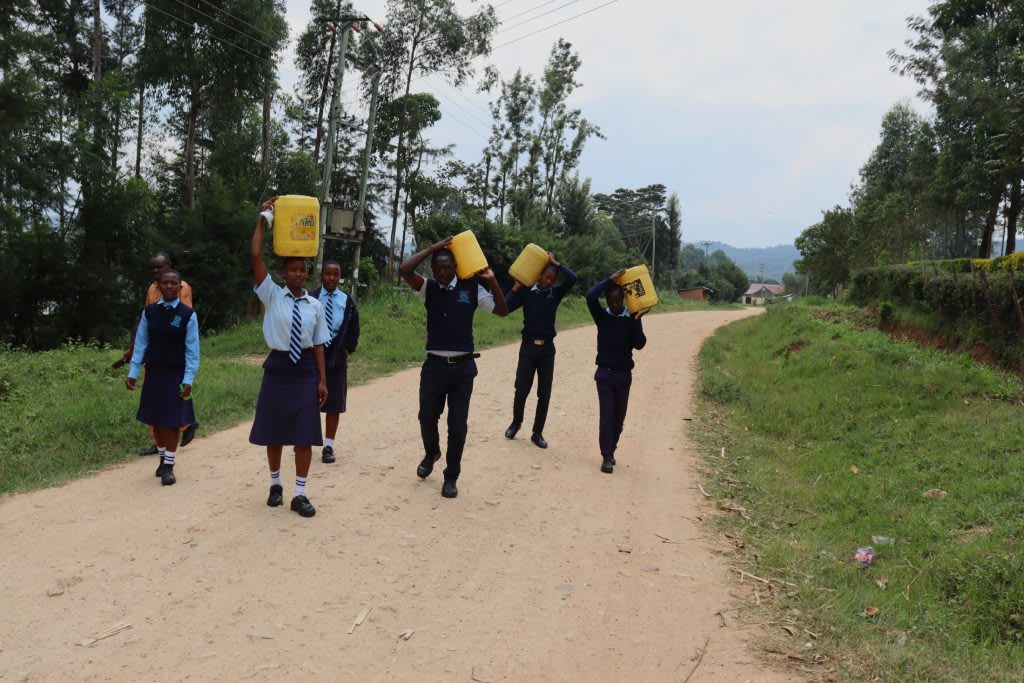
Drinking water from the previous water source caused severe consequences. Many in the school suffered from waterborne diseases that created health problems, affecting their daily lives. Limited accessibility also meant people wasted time collecting sufficient water to meet their needs. The difficult journey to collect water sapped their physical and emotional energy. For Mr. Gangu and his students, it meant learning time was limited.

"Before this project was completed, getting water was very difficult and exhausting. During dry seasons, the school’s water sources would dry up, forcing students and teachers to walk long distances in search of water. The process consumed a lot of time and energy, affecting lesson attendance and concentration in class," recalled Mr. Gangu.

Students walked to collect water last year.

"Last year, we experienced severe water shortage, especially during the dry season when the available water sources dried up. Students used to go to fetch water [from] the stream and [the] protected spring. The water we collected was often contaminated, leading to cases of waterborne diseases such as typhoid and diarrhea," he continued.

Since the Well Installation

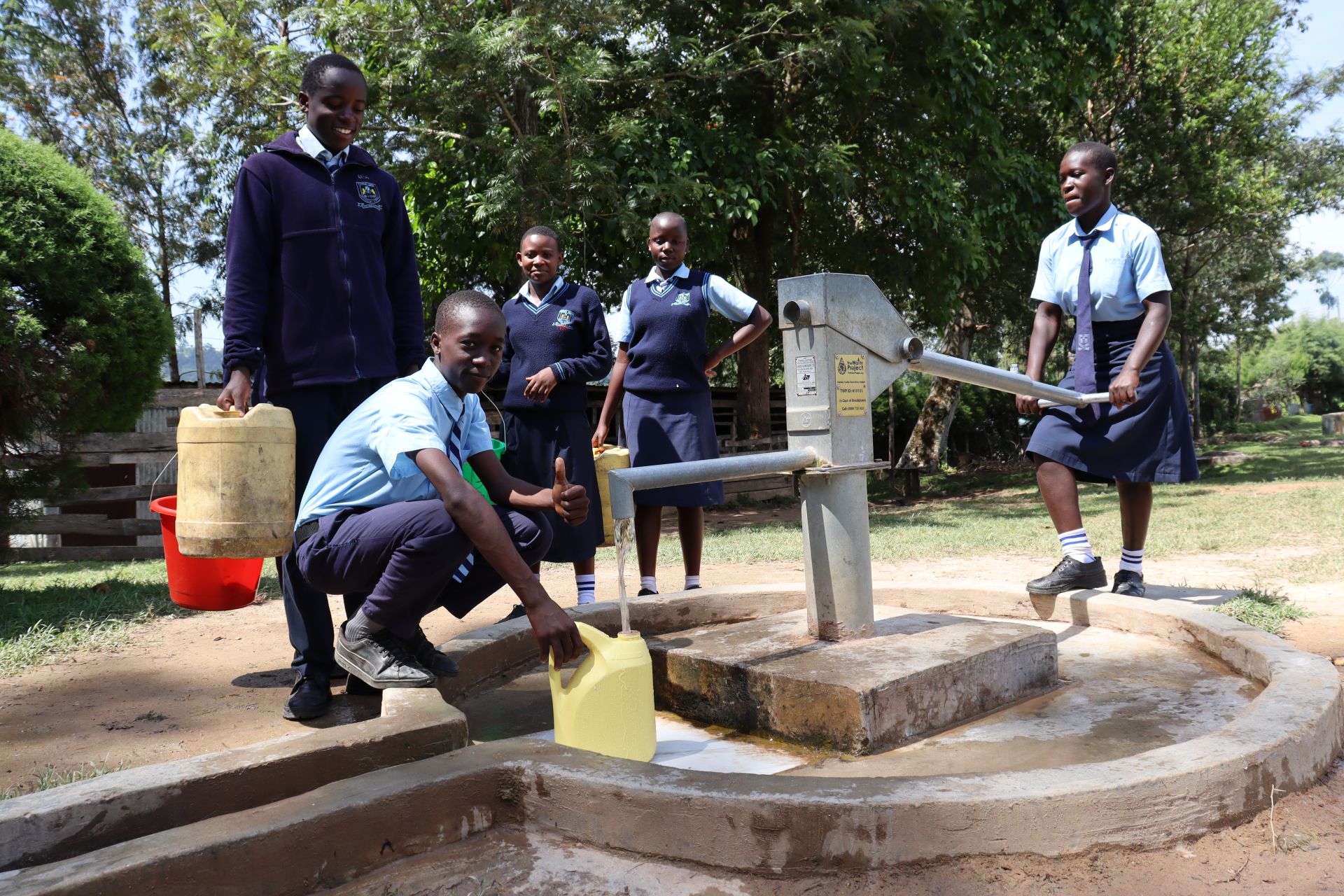
Your generous gift last year was more than a simple donation; it was a powerful statement of your commitment to this school community and its future. By supporting the water solution, you made clean water an everyday reality, fostering hope for a brighter future.


Reliable, clean water lays the groundwork for improved health, education, and economic opportunities, allowing people to thrive. We frequently hear from those we interview that "water is life!"

"Since the project was implemented, my health has improved because cases of water-related illnesses have reduced significantly. I now have more energy and can concentrate better on teaching and other daily activities. Student absenteeism has also reduced greatly, since learners are healthier. This has contributed to improved concentration in class and better academic performance overall," said Mr. Gangu.

The Future is Looking Bright!

A year ago, you made a difference for Mr. Gangu and his school. This is just the first chapter of their story as access to clean water continues to improve their lives!

At The Water Project, we value sustainability and want to ensure that people continue to thrive. We commit to monitoring this project to ensure the water is always flowing and safe to consume. We inspect system hardware, monitor water availability, conduct sanitary inspections, and collect water-quality samples to identify risks. We work with our on-the-ground team to resolve them.

You gave everyone at Stanley Godia Secondary School a crucial tool for achieving their dreams: access to clean water. Together, we can be confident that, with this precious resource, their enthusiasm and courage will help them fulfill their dreams.

"I am most proud of the improved health, reduced absenteeism, and better academic performance among students," said Mr. Gangu.

"The school has made several developments in the past year, made possible by reliable access to clean water. The school has improved hygiene facilities, established small gardening activities, and strengthened sanitation and health clubs that promote proper hygiene practices within the school," he concluded.


Navigating through intense dry spells, performing preventative maintenance, conducting quality repairs when needed and continuing to assist community leaders to manage water points are all normal parts of keeping projects sustainable. The Water Promise community supports ongoing sustainability programs that help Stanley Godia Secondary School maintain access to safe, reliable water.

We’d love for you to join this world-changing group committed to sustainability.

The most impactful way to continue your support of Stanley Godia Secondary School – and hundreds of other places just like this – is by joining our community of monthly givers.

Your monthly giving will help provide clean water, every month... keeping The Water Promise.

Project Status


Project Type:  Borehole Well and Hand Pump

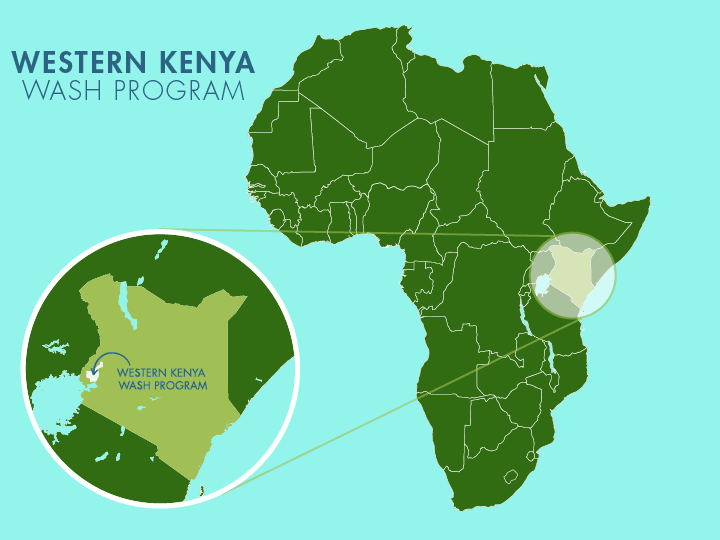
Regional Program: Western Kenya WaSH Program

Impact: 845 Served

Project Phase:  In Service - Jul 2025

Functionality Status:  Functional

Last Checkup: 07/05/2026

Project Features


Click icons to learn about each feature.


At Stanley Godia Secondary School, 801 students and 44 staff spend so much time searching for water that little time is spent in the classroom. Although they have a few different water sources, none of them are reliable or convenient, so they struggle to meet their most basic needs.

Students waiting for their chance to collect water.

Field Officer Jonathan Mutai described the students' experience when their rain tank and nearby wells, which are highly seasonal, run dry.

"It is very hectic and tiresome to negotiate bad terrain while carrying containers loaded with water enough to meet their daily water demand. The challenge of unreliable water in school has made some of the learners hate coming to school, hence killing their future dreams and expectations of their parents to change their homes and society at large. The water itself is very dirty and it is unsafe for human consumption. Besides that, accessing [this] water source is very risky because it is far away from school, its environs are very bushy, and possibly [a] habitat of wild animals that may harm students while going or fetching water," Field Officer Jonathan Mutai said.

The surface water students are forced to consume when the other sources are dry.

15-year-old Tumaini painted a picture of the harrowing water collection experience at Stanley Godia Secondary School.

Tumaini.

"Most of the water sources in our school rely on rain, so any time there is no rain, we have to source water outside the school premises, and this is very hectic. I personally hate it most because by the time [of] arriving at [the] school, you are totally exhausted; hence, you cannot engage in any other constructive activities after going outside the school premises," said Tumaini.

Bringing water back to school.

"There has been what is called survival [of] the fittest; since there are limited access points in school compared to [the] school population, students have been scrambling for water. So, if you are not fit, you will have to be in line for a longer time," she continued.

Not only is getting an education challenging due to water scarcity, but the water they find is often unsafe to consume.

Tumaini shared a time when a water-related illness affected her.

Tumaini collecting contaminated water.

"Last term, before school breaks for recess in the month of April, I was diagnosed [with] severe typhoid after taking water from the water tank which had contaminated water. The waterpoint had been preserved for emergency cases of unpredictable water shortage; hence it had not been in use for quite some time. I had [a] severe headache to [the] extent I couldn't see properly. It made me so weak that I lost [my] appetite of eating my favorite food," continued Tumaini.

Water scarcity and water-related illnesses lay the groundwork for future potential to be unmet and dreams to go unfulfilled.

Class.

"During dry spells, we usually lack water within the school compound because our water sources are seasonal. The challenge usually forces us to go for water from other water sources outside the school premises. Those other sources are far hence eating on our time for studies, and that may translate to poor performance because of spending much time sourcing water at [the] expense of learning," Tumaini continued.

Installing a well at The Stanley Godia Secondary School will begin to alleviate the water crisis. Access to clean, convenient water will give students like Tumaini a chance to focus on their education without having to search for water or worry about the safety of the water they find.

Tumaini in class.

"After completing schooling, I would like to be a mechanical engineer. I am intending to do something known to have been made from my country," Tumaini concluded.

Steps Toward a Solution

Our technical experts worked with the local community to identify the most effective solution to their water crisis. They decided to drill a borehole well, construct a platform for the well, and attach a hand pump.

Well
Abundant water often lies just beneath our feet. Aquifers—natural underground rivers—flow through layers of sediment and rock, offering a constant supply of safe water. A borehole well is drilled deep into the earth to access this naturally filtered and protected water. We penetrate meters, sometimes even hundreds of meters, of soil, silt, rock, and more to reach the water underground. Once found, we construct a platform for the well and attach a hand pump. The community gains a safe, enclosed water source capable of providing approximately five gallons of water per minute. Learn more here!

Handwashing Stations
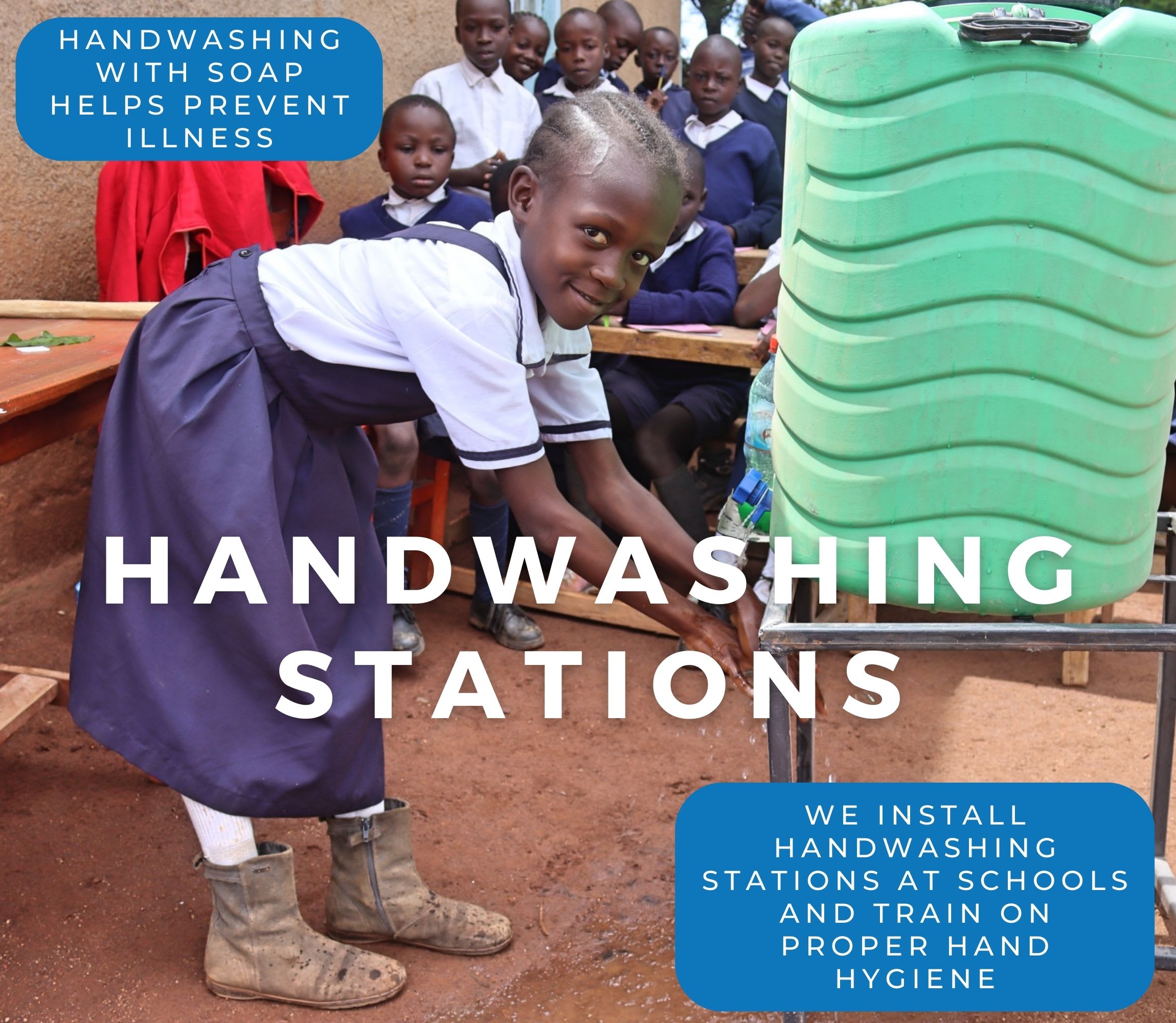
Alongside each water source, we install two gravity-fed handwashing stations, enabling everyone at the school to wash their hands. Handwashing is crucial for preventing water-related illnesses within the school and community. Student “health clubs” maintain the stations, fill them with water, and supply them with soap, which we often teach them how to make.

Latrines
We will construct two Ventilated Improved Pit (VIP) latrine blocks designed to prevent fecal disease transmission. Each latrine features a cement floor, making it easy to use and clean regularly. Three stalls will serve the girls, and three will serve the boys.

School Education & Ownership
Hygiene and sanitation training are integral to our water projects. Training is tailored to each school's specific needs and includes key topics such as proper water handling, improved hygiene practices, disease transmission prevention, and care of the new water point.

To ensure a lasting impact, we support forming a student health club composed of elected student representatives and a teacher. These clubs promote hygiene practices schoolwide and keep handwashing stations well-stocked. This student-led model encourages a sense of ownership and responsibility.

Safe water and improved hygiene habits foster a healthier future for everyone in the school and the surrounding community.

Project Updates


July, 2025: Stanley Godia Secondary School Well Complete!

Your contribution has given access to clean water for the Stanley Godia Secondary School in Kenya, thanks to the completion of their borehole well! Clean flowing water is already making a difference in the lives of the students and staff. This will provide them with a reliable water source for their daily needs.

We installed new latrines and handwashing stations, then trained students and staff on improved sanitation and hygiene practices. Together, these components will unlock the opportunity for these students to thrive!

"The new waterpoint at the school will significantly enhance access to clean, safe, and reliable water. With this borehole, I will no longer need to trek to streams or springs during the dry season to collect water for use at school. This improvement will ensure that I will be drinking water with confidence, as previous sources were vulnerable to contamination. I will be able to focus on my studies, since I won't be worried about dehydration due to rationing or lack of water," said 17-year-old Bruno.

Teachers were just as excited as the students about the new well on campus!

"Imagine a classroom filled with eager students, focused and ready to learn. No longer will waterborne illnesses like typhoid and diarrhoea hold them back from attending classes. With their health secured, these students can fully engage in their studies, unlocking their potential and striving for academic success. This newfound stability is not just a dream; it's a reality that empowers every student to chase their ambitions and achieve the grades they’ve always desired!" said teacher Kelvin Ambani, who oversees the school's sanitation and hygiene club.

Teacher Ambani.

How We Got the Water Flowing

The first step was to conduct a hydrogeological survey to determine the best site for the school's well. Once we found the perfect spot, the team obtained approval from the government to begin drilling.

Groundbreaking.

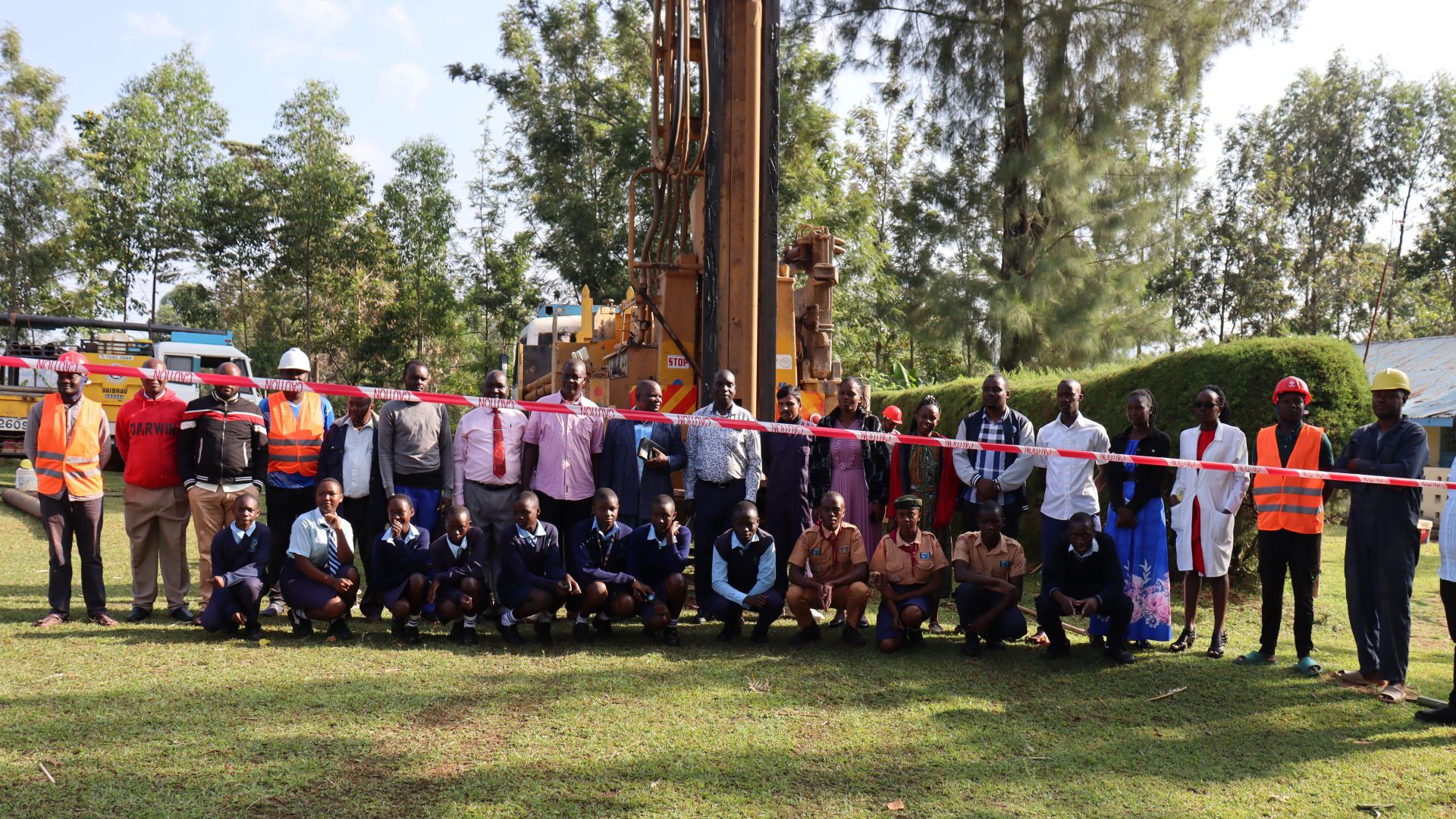
Parents, staff, and students all contributed to this well’s success, right from the start. To prepare for the well, the school collected fine sand and water for cement-making. When everything was ready, our drill team and staff arrived at the school to begin work.

Drilling begins.

Drilling started with excitement in the air. We continued drilling to reach a final depth of 100 meters with a final static water level of 82 meters.

The drilling process can take up to three consecutive days to complete due to this region’s hard bedrock, so the team set up a camp where they could rest and refuel. The school’s kitchen staff and parents helped provide meals for the team, while the school provided a safe place for the artisans’ accommodations and materials.

Once we reached the optimum depth, the team inserted permanent casing, then bailed out the dirty water at the bottom of the well. The workers installed pipes, flushed them, tested the well’s yield, and chlorinated the water.

Building the well pad.

We constructed a cement well pad to seal it off from any ground-level contaminants. Tiles were installed beneath the spout to protect the cement from the erosive force of the water. We included a short drainage channel and a soak pit to prevent standing water.

When the well pad was cured, we installed a new stainless steel hand pump and sampled the water for a quality test. The results showed this water was safe for drinking!

We officially gave ownership of the new borehole to the school’s students and teachers.

The handing-over ceremony was attended by the school board chair, the chaplain, teachers, students, and several parents. It was an excellent chance to acknowledge the school administration and students and remind them of our continued support.

"We extend our gratitude to the Almighty for the borehole, and we are profoundly thankful to The Water Project for their commendable initiative. The longstanding issue of water scarcity has been effectively resolved, which brings us great joy. We express our thanks for the six-door ventilated pit latrines, which have arrived at a crucial moment, preventing potential school closure due to previously inadequate sanitation and hygiene facilities. We pray that blessings be bestowed upon all those who contributed to this achievement," stated Mr. Obwogi, the school board chair.

"Joy radiated from the students' faces. The moment they received permission to access the waterpoint, they sprinted toward it, all determined to pump water simultaneously. They embraced the experience wholeheartedly, relishing the opportunity to wash their hands and drink from the water for the first time," shared Field Officer Rachael Obura.

Happiness, thanksgiving, and appreciation were the order of the day, flowing in all directions.

VIP Latrines


This project funded the installation of six new ventilated improved pit (VIP) latrines. These new latrines have cement floors designed to be easy to use and clean. They have locking doors for safety and privacy, as well as vents to keep air flowing out through the roof. With a well right on school property, there should be enough water to keep them clean.

Handwashing Stations


We set up two handwashing stations outside the latrines. Student Health Club members will teach other students how to wash their hands at the stations properly, fill the stations with water, and ensure that there is always soap available.

School Education

We scheduled hygiene and sanitation training with the school’s staff. When the training day arrived, facilitators Rachael, Samuel, and Rose deployed to the site to lead the event. 23 students and teachers attended the training.


We emphasized personal, menstrual, oral, and environmental hygiene. Proper water handling, soap-making, the ten steps of handwashing, and the importance of primary health care were discussed. We covered disease prevention, teen pregnancy, and child rights. Waterpoint, latrine, and handwashing station operation and maintenance, as well as leadership and governance were discussed. By the end of the training, each pupil understood their role in sustaining clean water and good health within their school community.

Students learn how to make soap.

The students elected peers to lead their newly formed student health club. The student health club members will encourage good health and hygiene practices amongst their peers, teachers, and the larger community.

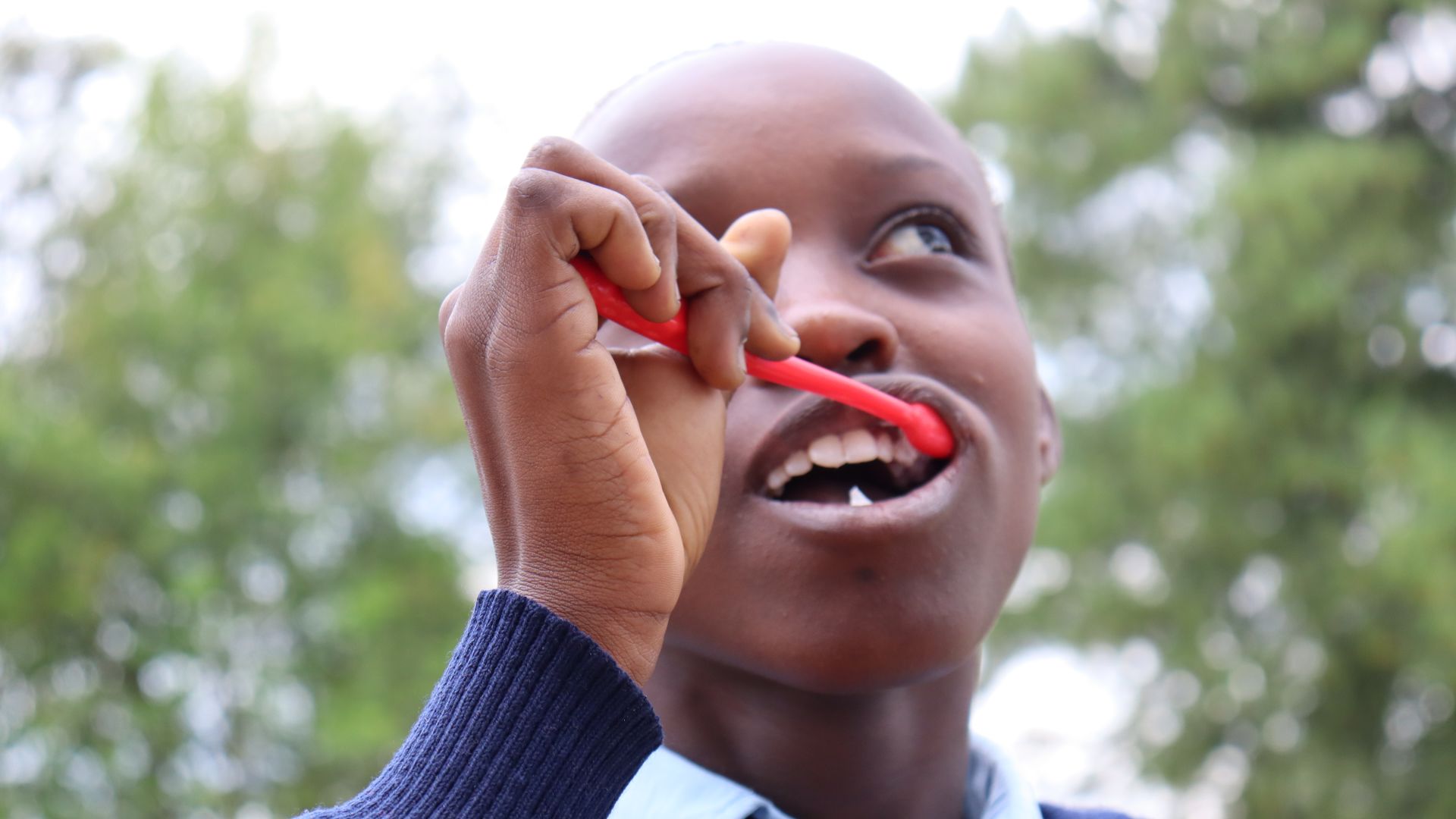
"Oral hygiene sparked significant discussion among the participants. They were asked to demonstrate how they brushed their teeth. One participant used a large amount of toothpaste on the brush, while another used only a small amount. This difference in approach led to a heated debate among the group. Some participants argued that using a lot of toothpaste was necessary for achieving sparkling clean teeth, while others disagreed. The facilitator clarified that it is sufficient to use at least a pea-sized amount of toothpaste and[a] toothbrush gently to avoid harming the gums," shared Rachael, quoted earlier.

"The participants showcased their eagerness and readiness to learn by asking and answering questions throughout the training. When called upon for demonstration, they didn't shy away; they volunteered," she continued.

Handwashing session.

"Handwashing was a very interesting topic. I realized that while we all wash our hands, many of us do not do it correctly. During COVID-19, people focused more on hand hygiene, but now it seems that many have returned to their old habits and no longer wash their hands as frequently. Though it may seem like a simple way to maintain hygiene, neglecting proper handwashing can be hazardous to both individuals and those around them. I learned that it is important to observe proper handwashing practices in various situations, such as after visiting the toilet, before and after eating, after changing a baby's diaper, and when handling food, to name just a few. These practices seem common, yet I realized that many of us do not consistently follow them," shared 16-year-old Linah.

Linah.

"I now understand the importance of maintaining proper hygiene and sanitation at both the individual level and within the community as a whole. Certain diseases can affect everyone simply because someone did not observe proper hygiene practices."

Thank you for making all of this possible!


June, 2025: Exciting Progress at Stanley Godia Secondary School!

We’re thrilled to share that, thanks to your generous support, significant change is coming for Tumaini and the entire Stanley Godia Secondary School. Construction has begun on the well project, bringing them one step closer to having clean, reliable water.

But that's not all—during construction, we’re also providing vital health training. These sessions equip the school community with essential hygiene practices, ensuring that the benefits of clean water extend to lasting health improvements.

We’re so grateful for your role in making this possible. Stay tuned for more updates—soon, we’ll be celebrating the arrival of safe water at Stanley Godia Secondary School!


Project Photos


Contributors