 Borehole Well and Hand Pump
 Rehabilitation Project









The large population at Makunga Primary School - 1,149 students and staff - struggles each day to have the necessary water to meet their daily needs.

We built a rain tank at the school in 2019. It provides water for part of the year, but with such a large school population and more common extended dry periods, it runs dry regularly. When it does, they are left without the water they need for drinking, cooking, cleaning, and daily hygiene.
Field Officer Adelaide Nasimuyu shared what she found when she visited: "The water stored in the school's rainwater harvesting tank is treated every school term, making it clean, safe for drinking, and free from any unusual color, smell, or taste. However, when the tank runs dry, students rely on water brought from home or collected from a nearby spring. The quality of these alternative sources cannot always be guaranteed, and there are concerns that they may be unsafe for drinking, especially during the rainy season."

Students wait in line to collect water from the rain tank.
"Students report that they are more likely to experience health problems when they are sent to collect water from a nearby spring or asked to bring water from home, where the quality of the water cannot always be guaranteed. The most commonly reported illnesses include diarrhea, typhoid, stomach upsets, and occasional vomiting after drinking untreated or contaminated water. Some students also report missing classes due to illness or spending time fetching water instead of learning. These challenges affect their health, school attendance, concentration, and academic performance," Adelaide said.
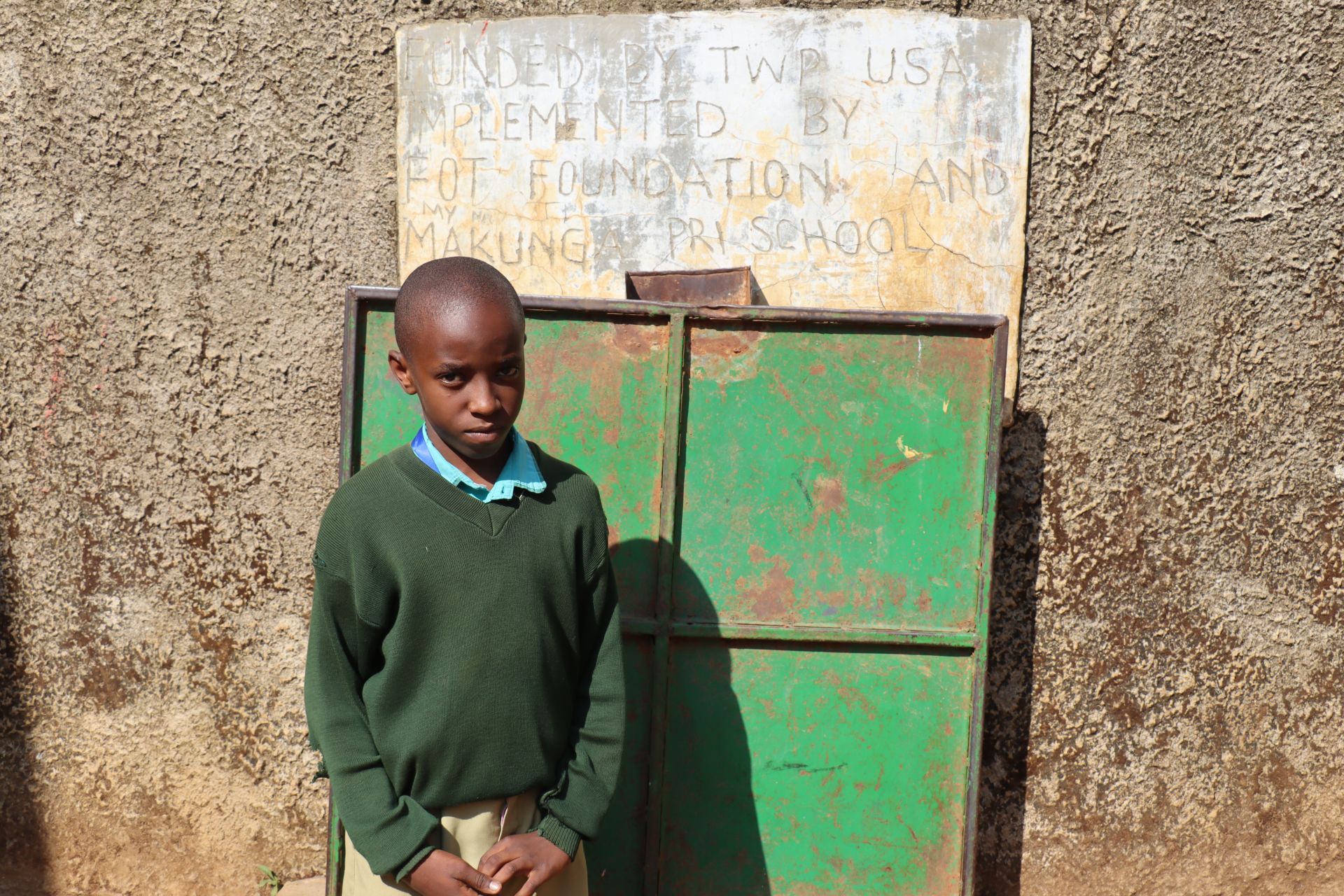
Reno.
11-year-old Reno, a student at the school, shared his experience.
"There isn't enough water because there are many students, and the school's rainwater harvesting tank cannot provide enough water for everyone, especially during the dry season. When the tank is empty, we have to fetch water from a nearby spring," said Reno.
"It takes a long time because we have to walk to the nearby spring when the school tank is empty. There are usually many people waiting to fetch water, so we have to queue before it is our turn. By the time we return to school, we have missed part of our lessons," Reno continued.
The task of collecting water is exhausting and steals Reno's focus and energy, but it also steals his peace of mind.

Reno and his classmates walk to collect water.
"This makes me feel sad and worried because I miss lessons, get tired from carrying water, and sometimes worry about getting sick from drinking unsafe water," he said.
"I rarely get sick, but during the dry season, when we have to use water from the nearby spring, I sometimes get stomach aches or diarrhea," Reno shared.
"When I became sick, my parents took me to the nearest health facility, where I was given medicine and advised to drink plenty of safe, clean water. I stayed at home to rest for a few days until I recovered before returning to school," Renol recalled. When this happens, I miss school and cannot concentrate well when I return to class," said Reno.
"When I become sick because of unsafe water, I have to miss school until I recover. Missing classes makes it difficult to keep up with lessons and assignments, and I often need extra help from my teachers and classmates to catch up," he said.
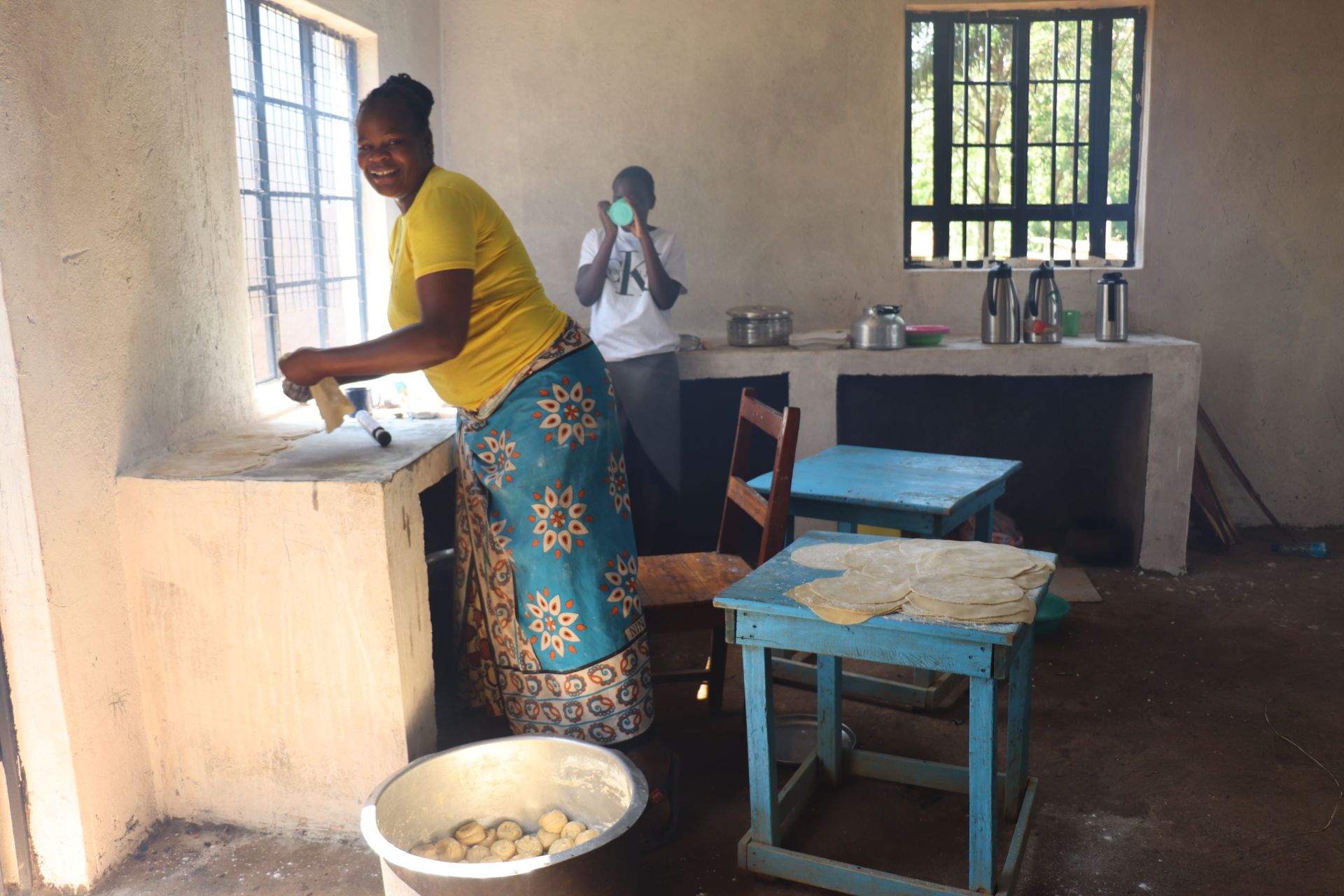
The school kitchen.
We hope to end this dilemma for students at Makunga. By installing a well, sufficient clean water will be available year-round, allowing students to return to their classrooms without fear.
Steps Toward a Solution
Returning to a community where we previously implemented a water project is not just a matter of maintenance; it stays true to our commitment to sustainability. Our technical experts worked with the local community to identify their current needs and decided to drill a well.
Reinvestment
While the original project provided critical access to safe water, things like changing environmental conditions, population growth, and infrastructure wear have put that access at risk. Reinvesting now ensures that progress is not lost and that the school continues to thrive with reliable, clean water. We are committed to supporting lasting, reliable solutions that honor the trust placed in us by the people who depend on this essential resource every day.
Once this plan is implemented, the school will once again have access to safe drinking water in quality and quantity.
School Education & Ownership
Hygiene and sanitation training are integral to our water projects. Since this school has previously received hygiene training, we will conduct a refresher tailored to this school's specific needs and the new students in attendance.
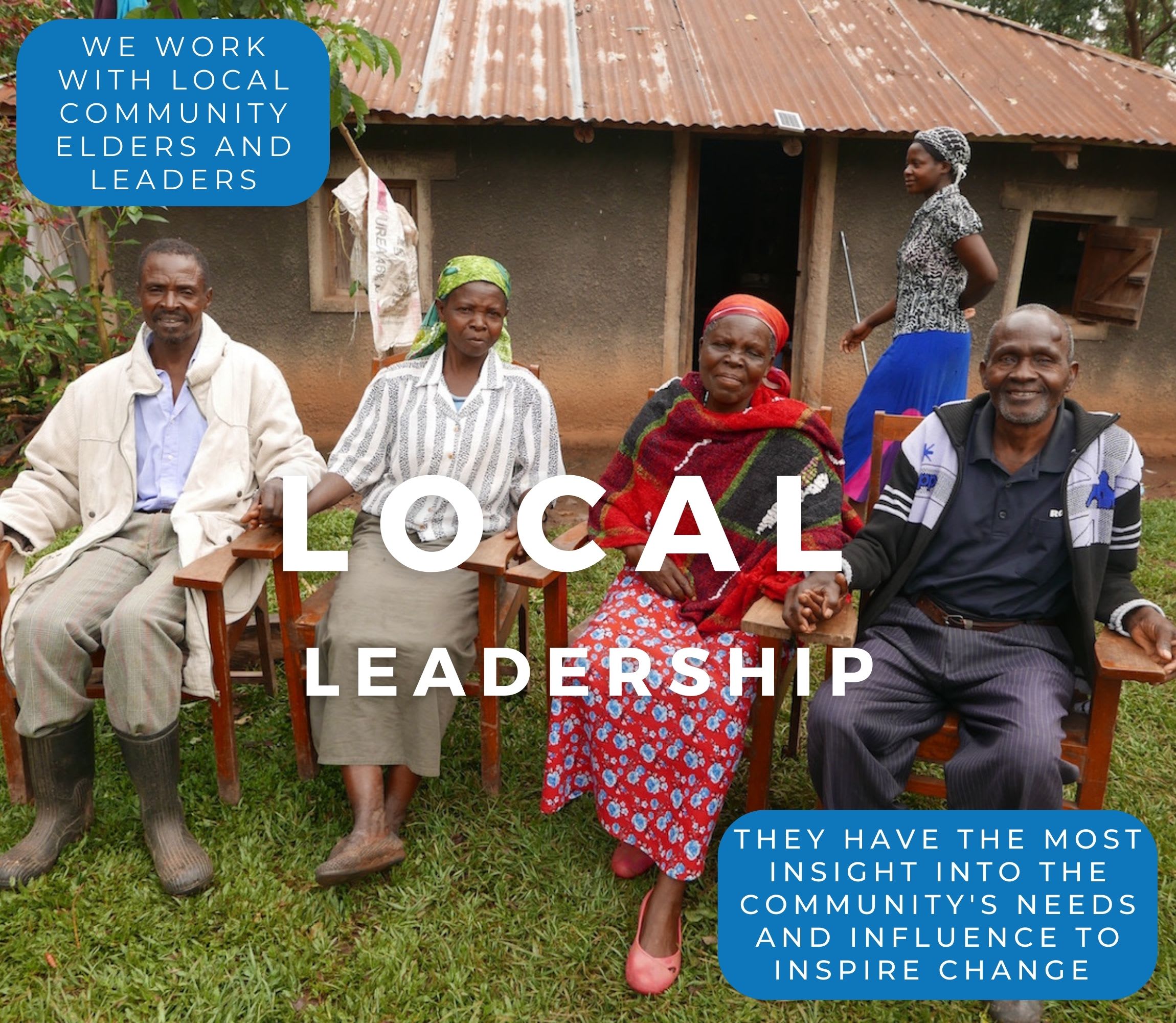
We will check on the previously established student health club, composed of elected student representatives and a teacher. These clubs promote hygiene practices schoolwide and keep handwashing stations well-stocked. This student-led model encourages a sense of ownership and responsibility.
Safe water and improved hygiene habits foster a healthier future for everyone in the school and the surrounding community.