 Rainwater Catchment
 Rehabilitation Project










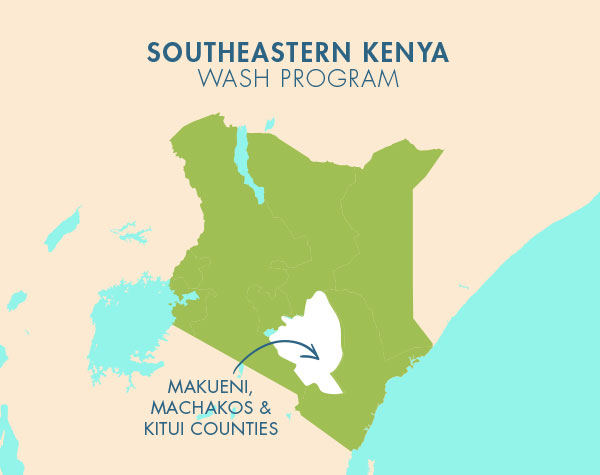
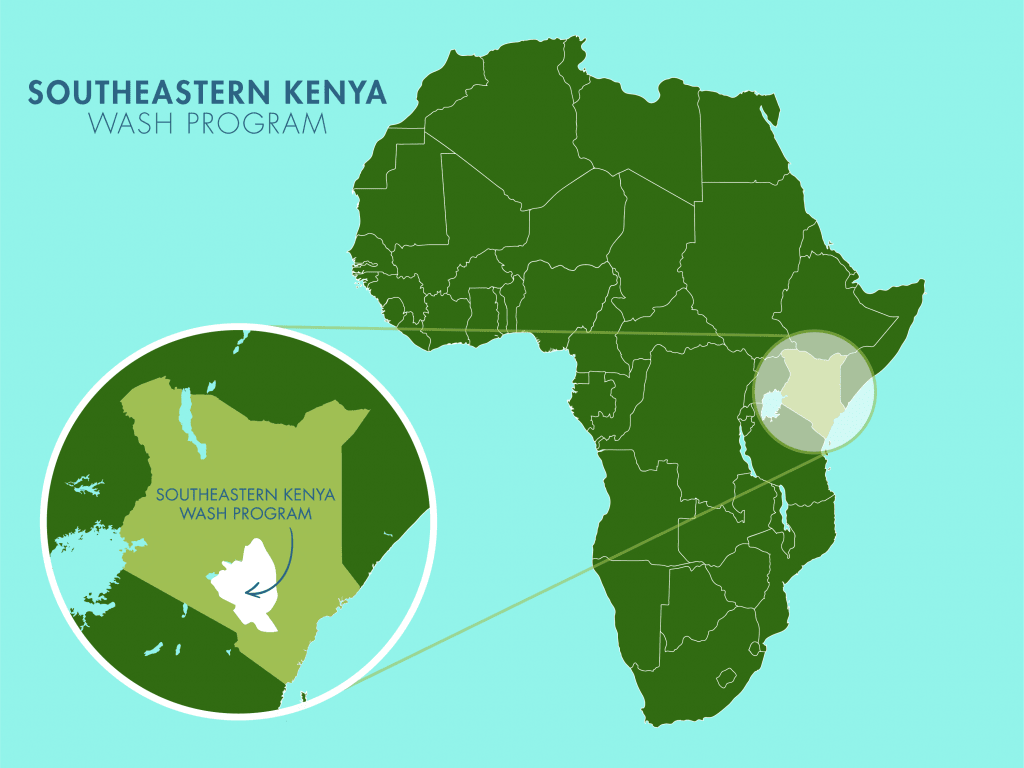
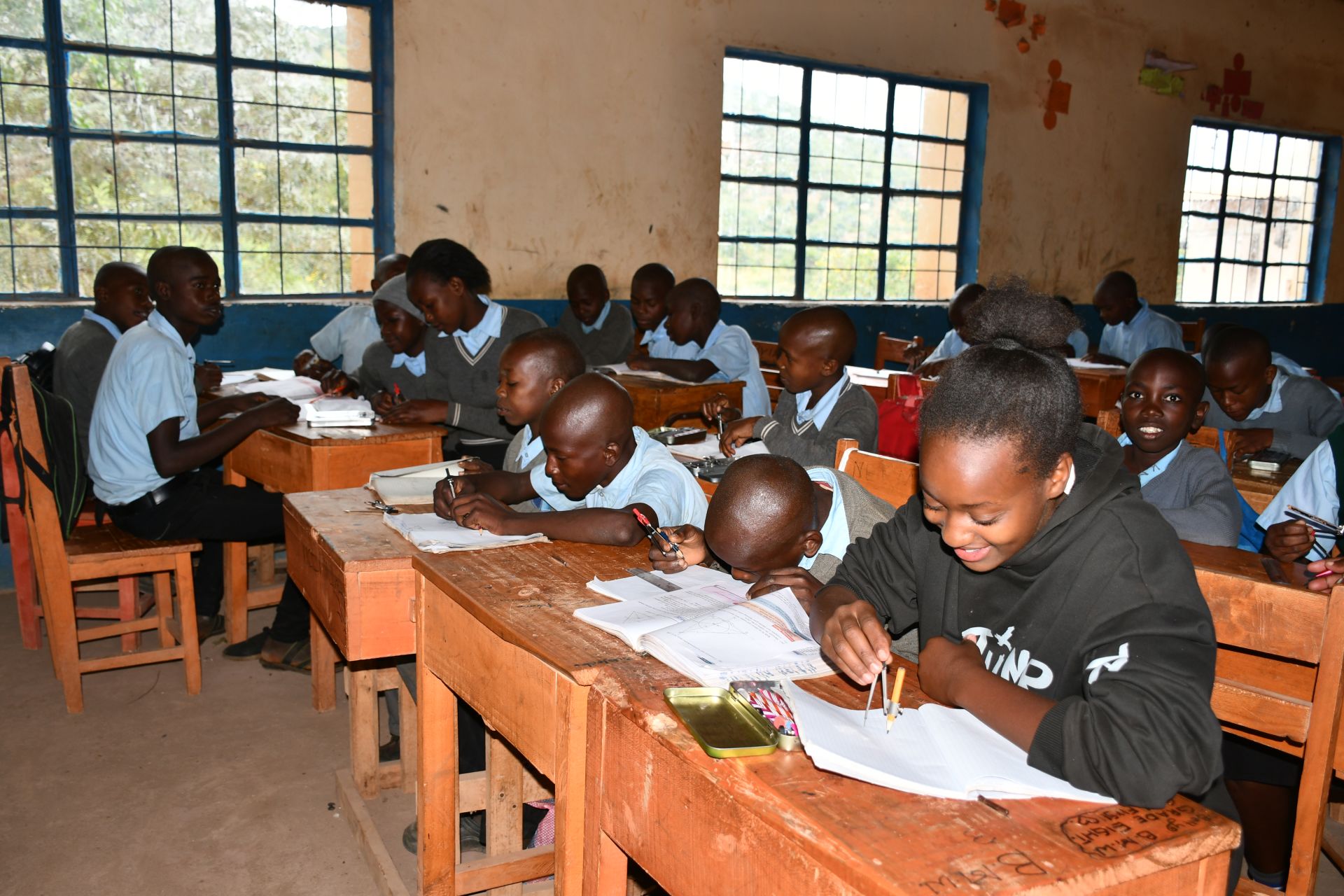
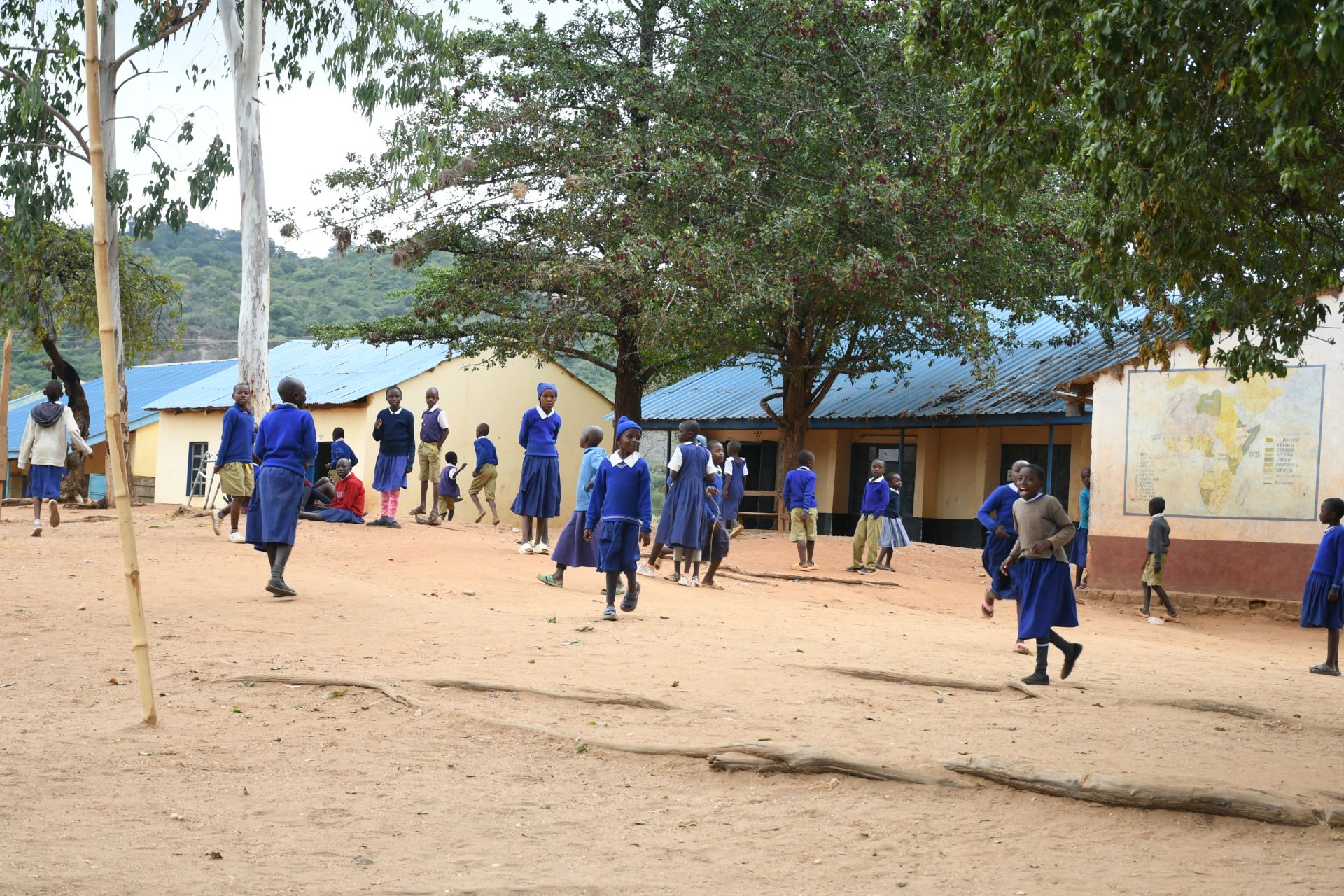
In the Mwingi Community, the Itheng'eli Primary School has 326 students and 18 staff members who face each day without enough water to meet their needs. It is a persistent problem that distracts students and teachers alike.
There are two main water sources for the school: small rain tanks that run dry quickly, and surface water collected by students from unknown sources or a scoop hole in the local riverbed. All are insufficient to meet the school's demands.
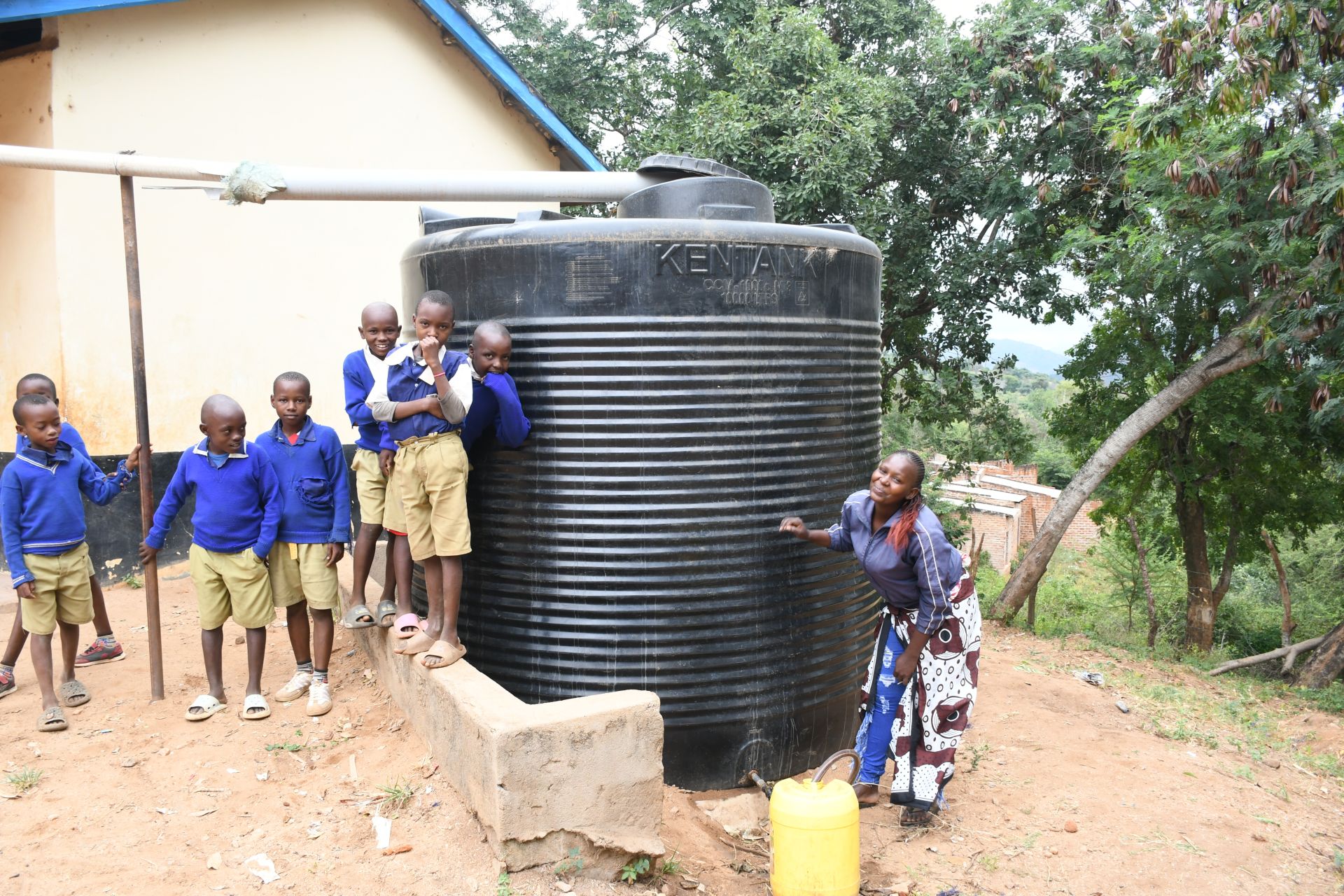
The small rain tank.
Fourteen-year-old Betty is familiar with the challenges posed by the current water crisis.
"There isn't enough water because, after the rains, it takes only a few days, and the tanks become empty very quickly," she said about the rain tanks at the school that are far too small to meet demand.
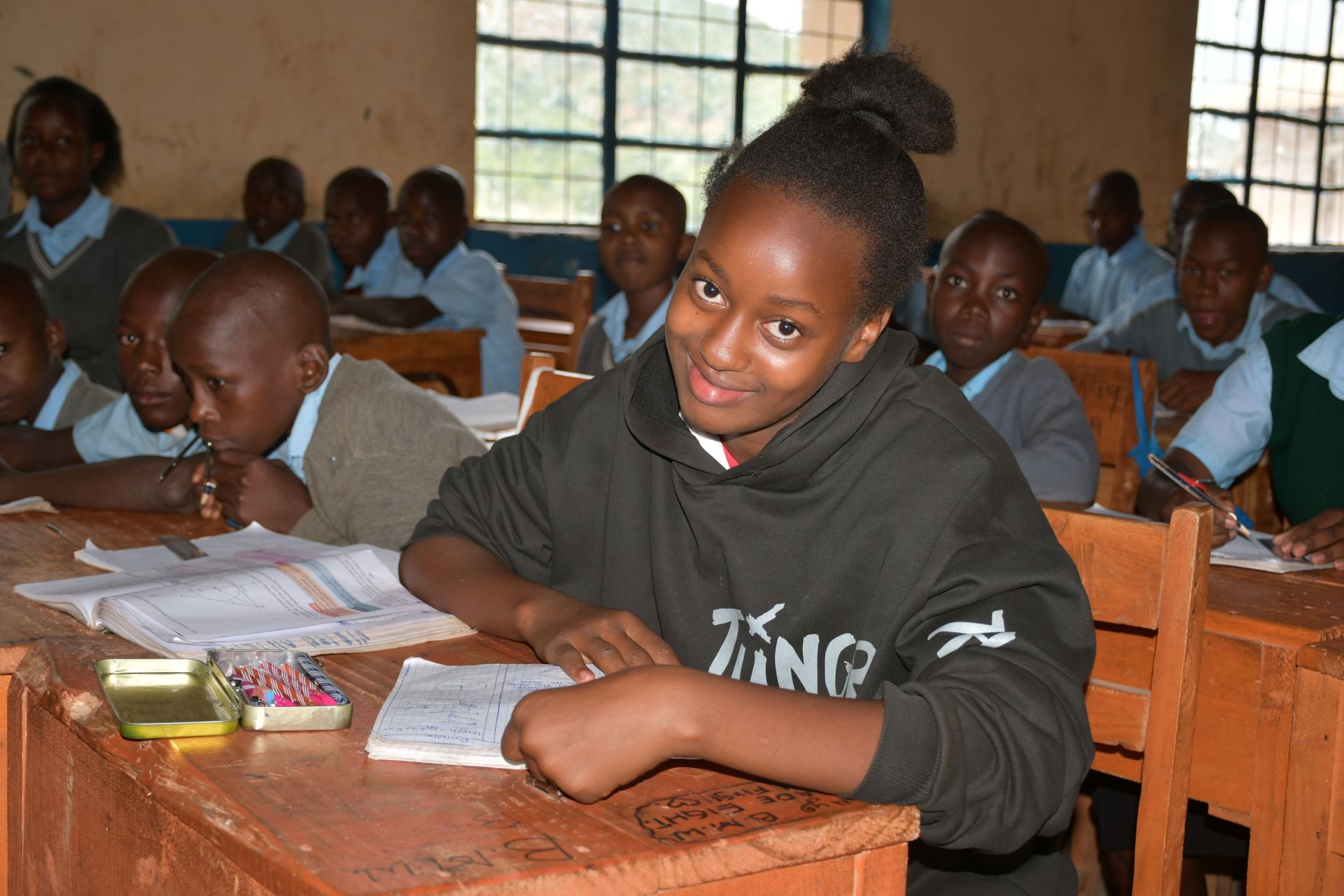
Betty.
"Sometimes we have to bring water from home or go without it at school. It makes me feel sad and worried because I get thirsty, I cannot wash my hands, and the toilets become dirty. It is hard to concentrate in class when there is no water," she lamented.
Going without water throughout the day is demoralizing for Betty. The only thing that feels worse to her is leaving the classroom to collect water during the school day.
"When I am sent to fetch water, I feel tired and worried because it takes a long time and I miss lessons. Carrying heavy containers is difficult, and sometimes I arrive back at school exhausted," she said. "This makes it difficult to pay attention in class and complete my schoolwork. Sometimes I miss lessons or have less time to study, which affects my exam performance."
When students must leave class to find water, it is an exhausting and dangerous task.
"The scoop holes are located in a dry riverbed with uneven, sandy, and rocky terrain, making access difficult, especially for children, older people, and those carrying heavy containers. In the dry season, users must walk across loose sand and sometimes dig deeper to reach water. These conditions make collecting water physically demanding, time-consuming, and unsafe, especially for children who are most often sent to fetch water," shared Field Officer Jefferson Mutie.
"The scoop hole area is generally not kept clean. Since it is an open water source located in a dry riverbed, the surrounding area often has mud, animal footprints, and loose sand. Because the source is unprotected and shared with livestock and wildlife, there is a high risk of contamination, making the water unsafe for drinking without proper treatment. Users are concerned about the water quality, but many have no alternative source during periods of water scarcity," Jefferson continued.

The alternative water source - a contaminated community scoop hole.
But finding and hauling water are not the only issues students face when collecting it.
"School children frequently report health problems associated with drinking untreated water from scoop holes, including stomach aches, diarrhea, and typhoid, [which are] the common diseases. The poor quality of the water, coupled with contamination from livestock and surface runoff, increases the risk of disease. These illnesses often lead to absenteeism, reduced concentration in class, and lower academic performance," Jefferson lamented.
The costs of water insecurity are high emotionally, physically, and academically.

Betty understands that without water, she is unlikely to fulfill her dream of becoming a doctor someday. But she also understands that access to sufficient, clean water has the potential to change everything.
"If there were enough water at school, I would have more time and energy to learn and do better in my exams," Betty declared.
Steps Toward a Solution
Schools without reliable, on-premises water access often rely on students to fetch and carry water, leading to rationing and uncertainty about water quality. The water is typically poured into a communal storage tank and used by the entire school. With children carrying water from all different sources, it is also impossible for teachers and staff to know exactly where the water comes from and how safe it is to drink.
A new water point will be located on-premises at the school to ensure accessibility, reliability, and safety for students, teachers, and staff while meeting our school coverage goals. Having water available at the school allows children to drink, wash hands, and use sanitation facilities without leaving school grounds, preventing disruptions to lessons and reducing safety risks. A dedicated source increases water availability, reduces reliance on stored water, minimizes rationing, and ensures confidence in the safety of the water. This means staff and students are healthier, and their lessons aren’t disrupted, contributing to a better education!
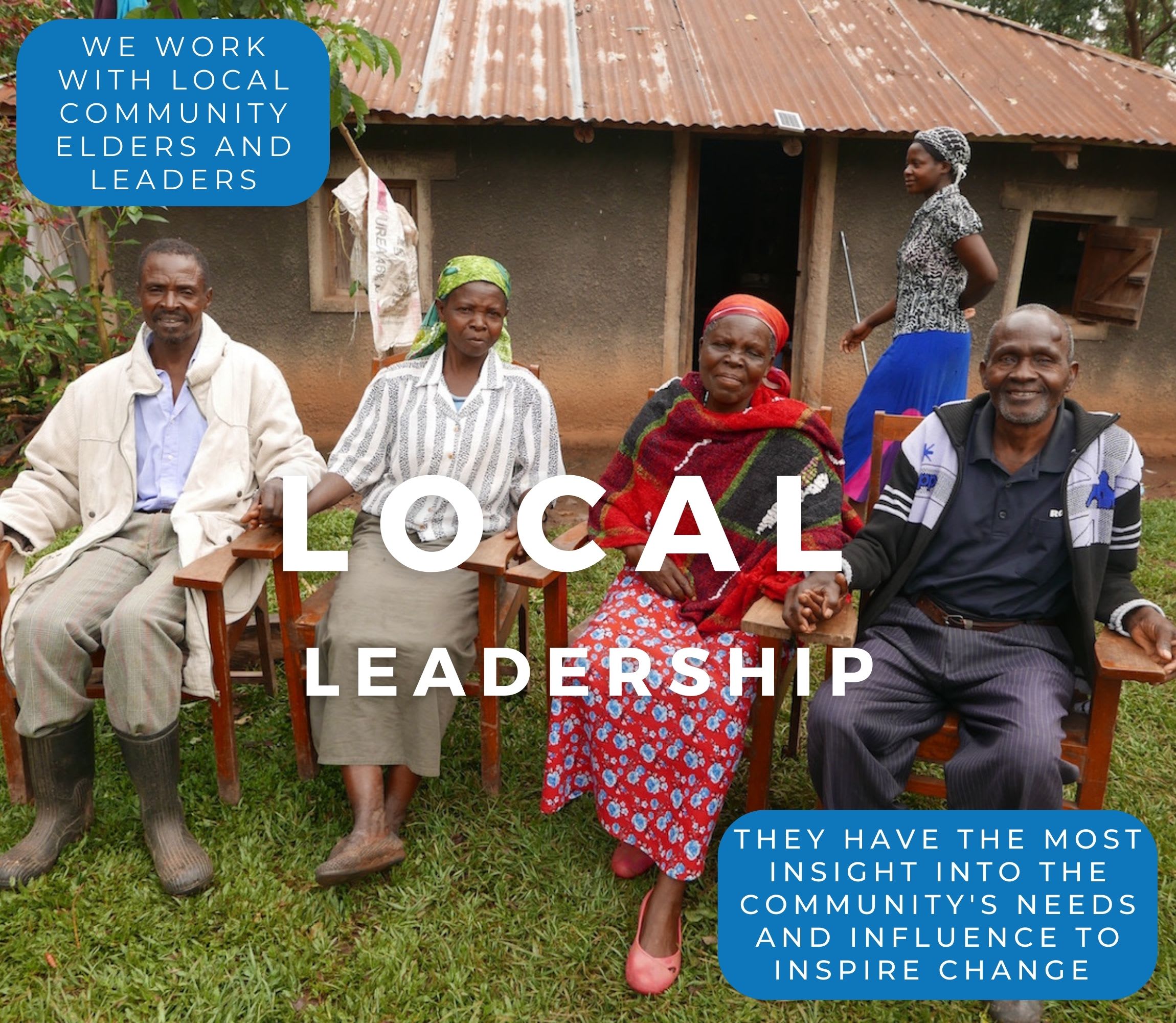
Our technical experts worked with the school leadership and the local community to identify the most effective solution to their water crisis. Together, they decided to construct a rainwater harvesting system.
Rainwater Harvesting System
A rainwater collection system consists of gutters that channel rainwater effectively into large holding tanks. Attached to buildings with clean, suitable roofing, these systems are sized according to the population and rainfall patterns. Water can be stored for months, allowing for easy treatment and access. Learn more
Handwashing Stations
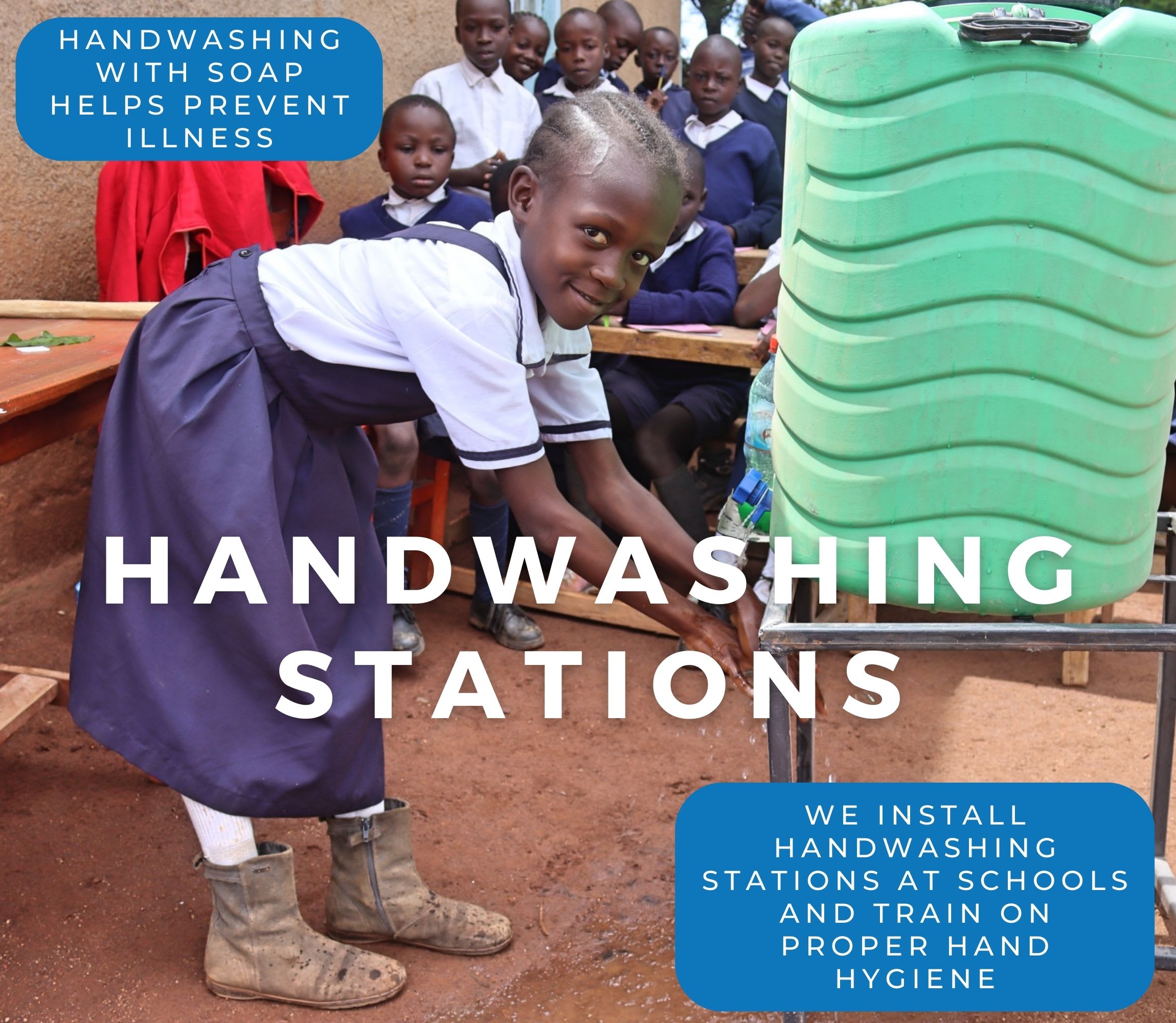
Alongside each water source, we install two gravity-fed handwashing stations, enabling everyone at the school to wash their hands. Handwashing is crucial for preventing water-related illnesses within the school and community. Student “health clubs” maintain the stations, fill them with water, and supply them with soap, which we often teach them how to make.
School Education & Ownership
Hygiene and sanitation training are integral to our water projects. Training is tailored to each school's specific needs and includes key topics such as proper water handling, improved hygiene practices, disease transmission prevention, and care of the new water point.
To ensure a lasting impact, we support forming a student health club composed of elected student representatives and a teacher. These clubs promote hygiene practices schoolwide and keep handwashing stations well-stocked. This student-led model encourages a sense of ownership and responsibility.
Safe water and improved hygiene habits foster a healthier future for the entire school.