Project Status


Project Type:  Sand Dam

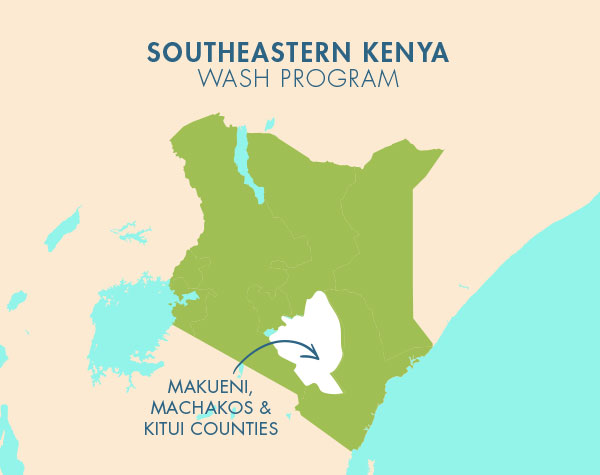
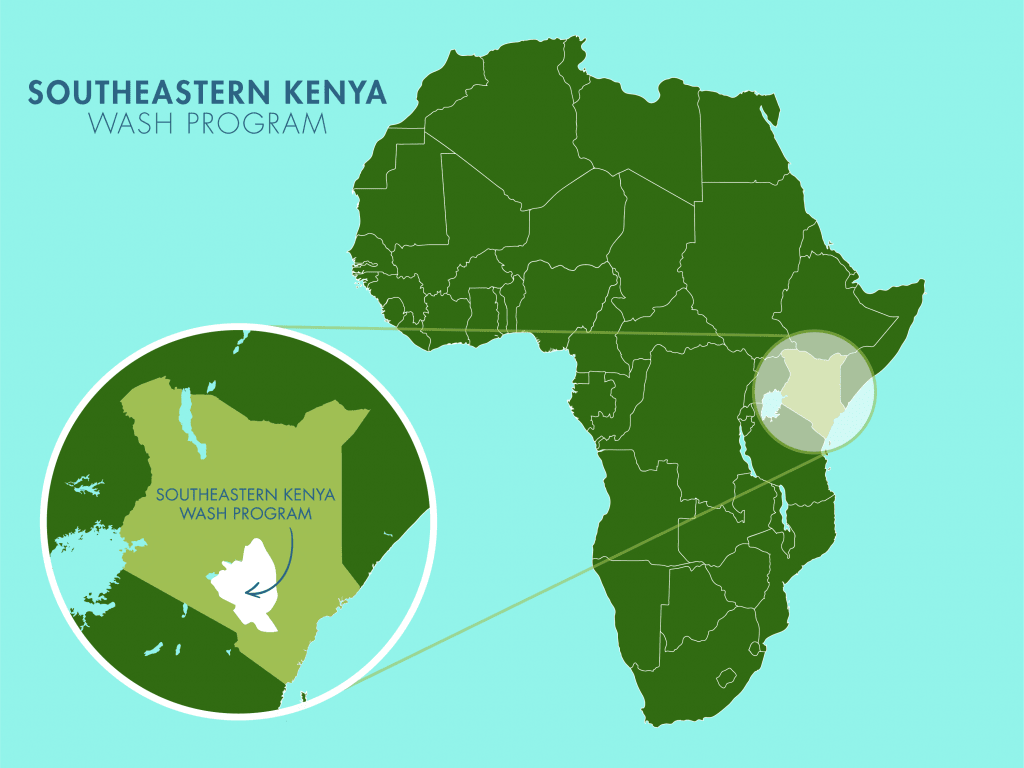
Regional Program: Southeastern Kenya WaSH Program

Impact: 300 Served

Project Phase:  In Service - Nov 2026

Functionality Status:  Functional

Project Features


Click icons to learn about each feature.


The Kasevi Kyamboo Community is home to over 1,200 residents who face daily hardship in their search for water. The community currently depends on a distant, open surface water source that is unsafe, seasonal, and contaminated.

Fetching water often takes between two to four hours per trip, with residents, mostly women and children, walking long distances through rocky, steep terrain under the scorching sun. This exhausting task leaves little time for farming, studying, or other productive activities.

The contaminated earth dam water source.

The available water is visibly polluted, with a greenish color, foul smell, and salty taste. During dry seasons, the source often dries up completely, forcing families to seek water in neighboring villages, which increases strain and conflict over the scarce resource.

"Most community members often complain of various gastrointestinal issues such as stomachaches, nausea, vomiting, and diarrhea after drinking the available water at the earth dam," Field Officer Alex Koech shared.

Thirty-eight-year-old Faith Kioko shared about dirty water's impacts on her family: "I’m deeply concerned about the safety of our current water source because the earth dam we rely on is open and unprotected. It gets contaminated easily by animal waste, dust, and other pollutants. Just recently, my daughter contracted typhoid after drinking water from the dam, and it was a painful and expensive experience for us. The thought that something as basic as drinking water could make our children seriously ill is very worrying."

"The biggest issue is that our earth dam dries up quickly, especially during the long drought periods. The area receives little rainfall, and when the dam finally fills, it's still unsafe because it’s contaminated and not enough to meet everyone’s needs. Also, the journey to the dam is tiring due to the hilly terrain, so we can’t make many trips in a day. This makes water very scarce in our homes," Faith said.

"My daughter got sick recently and complained of a stomachache. As usual, I knew it could be typhoid or amoeba because we drink water from the earth dam, which is often contaminated. I had to sell one of my chickens so that I could get money to cover the medical costs. Cases of water-related infections are usually heartbreaking and expensive for us because we reap very little from our farms," she continued.

"I could not focus on my daily activities like fetching water or conducting household duties, and my daughter could not go to school as well because she was sick," Faith said.

"I think it is unfortunate for us to live in a manner where getting enough clean water is a struggle and impossible. However, we have to bear with the situation because we have no better options," Faith lamented.

Faith makes the long trip with water home.

We plan to install a sand dam and an accompanying protected dug well so life for Faith and her family can transform. With a safe, reliable, and nearby source of clean water, their health will improve, they will have time for education and farming, and their resources can be allocated to building a better future.

"To me, water truly is life. It means health, cleanliness, and the ability to take care of my family. Without clean water, we get sick, and it becomes hard to manage our homes or farms. Water is important for everything—from cooking and drinking to growing food and keeping our children clean and safe. If we had enough clean water, our lives would be healthier, easier, and more hopeful," Faith concluded.

Solving the water crisis in this community will require a multifaceted system that will work together to create a sustainable water source that will serve this community for years to come.

Steps Toward a Solution

Our technical experts worked with the local community to identify the most effective solution to their water crisis. Together, they decided to construct a sand dam and a protected dug well.

Sand Dam
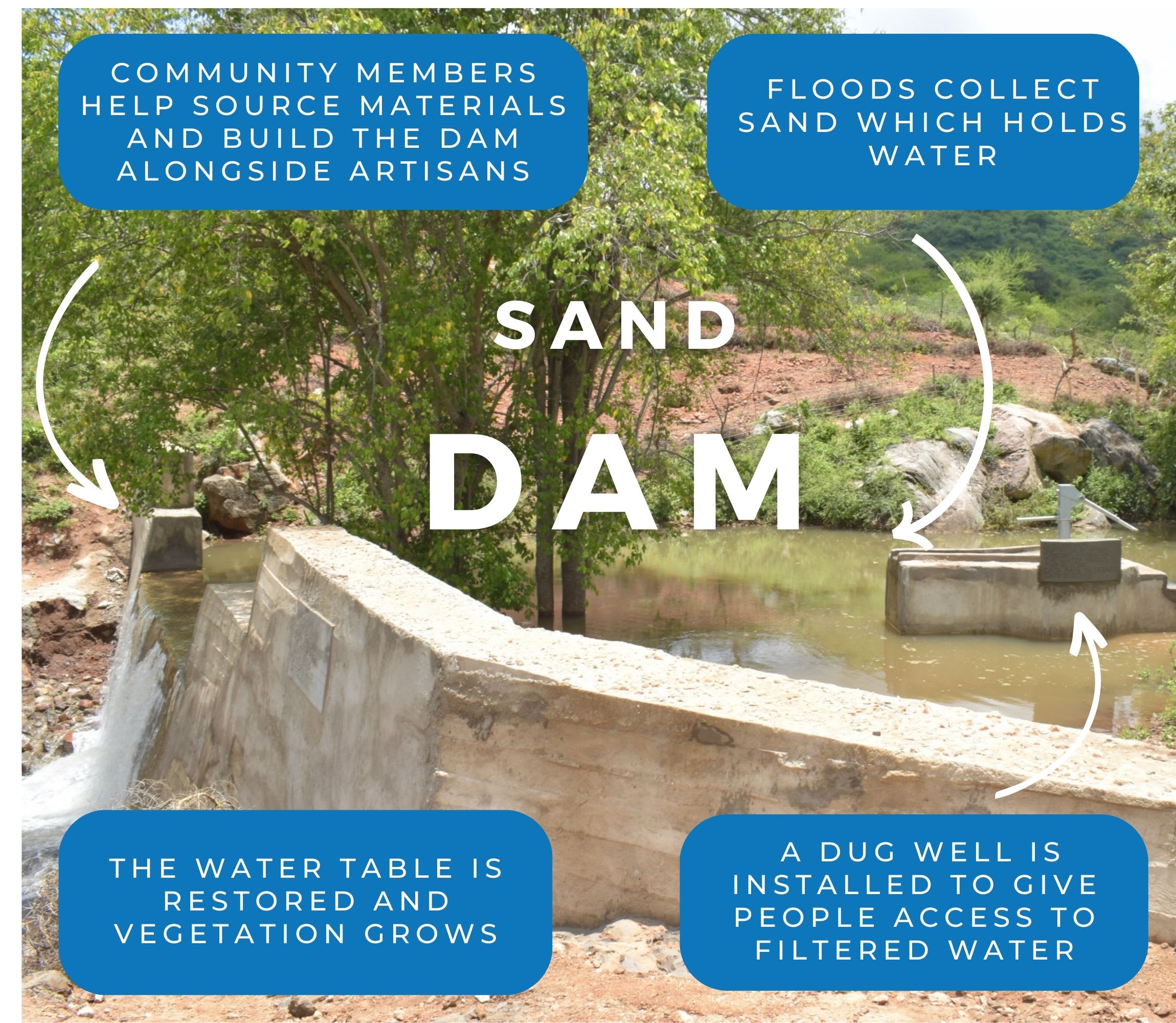
Sand dams are sought-after, climate-smart, and lasting water solutions providing hope and resilience to communities in arid Southeastern Kenya. Think of them like giant sandboxes constructed in seasonal rivers that would typically quickly dry up after the rainy season. Instead of holding water like traditional dams, they collect sand and silt.

When infrequent rains do come, these dams catch a percentage of the river's flow, letting most of the water continue downstream to other communities. But here's the magic: the sand they collect acts like a natural filter, holding onto water long after the river's gone dry. Then, wells are constructed nearby, creating a reliable water source even during the driest times.

And the benefits don't stop there! In communities impacted by climate change, sand dams replenish groundwater and prevent soil erosion. Even during severe droughts, the consistent water supply from these sand dams allows farmers to thrive, giving way for enough food not only for their families but also to sell in local markets.

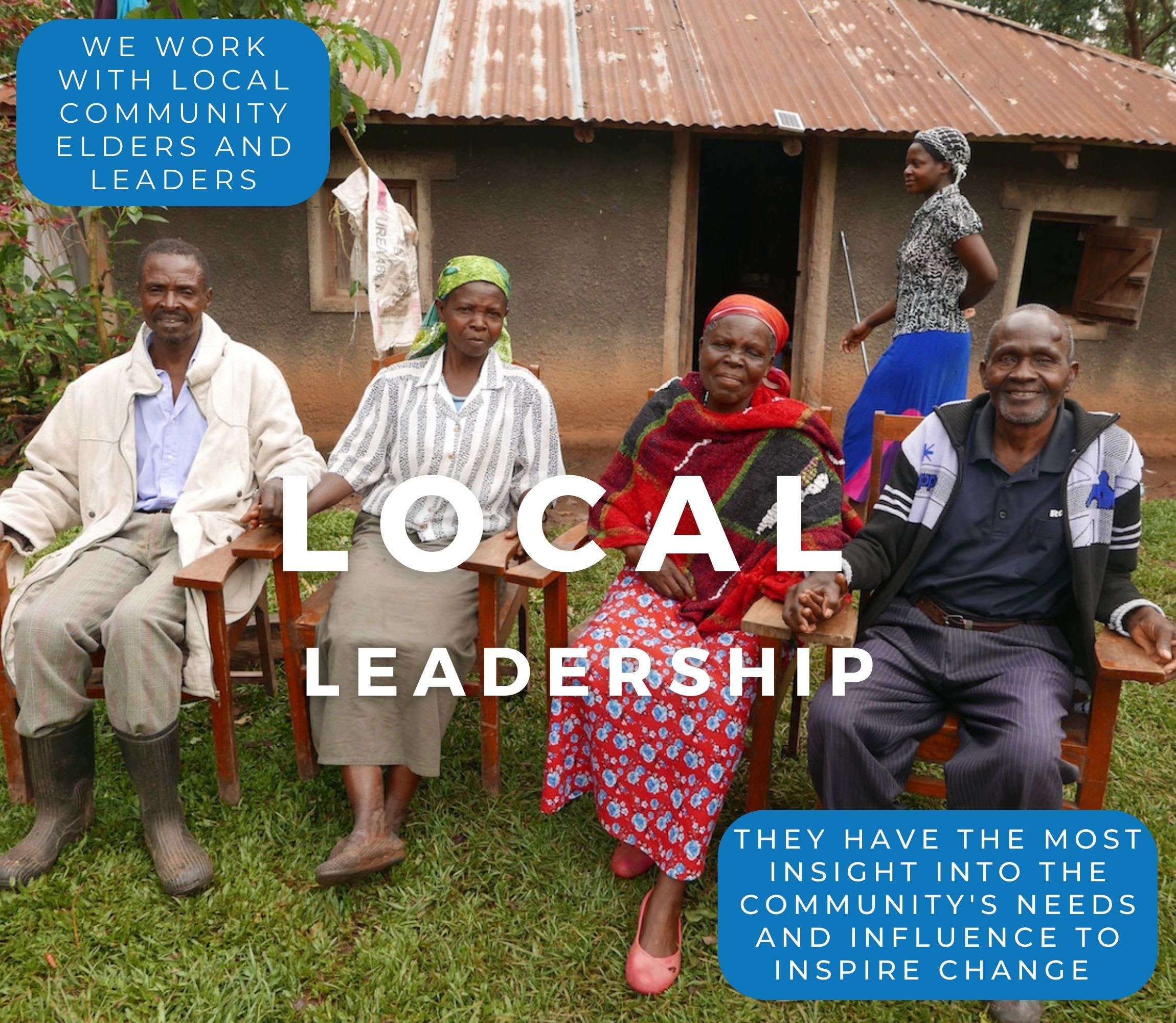
The most remarkable aspect of sand dams is how they involve the local community every step of the way, giving them a sense of ownership and pride in solving their own water shortage and managing their own water resources.

This sand dam will be connected to a protected dug well to make the water more accessible.

Community Education & Ownership
Hygiene and sanitation training are integral to our water projects. Training is tailored to each community's specific needs and includes key topics such as proper water handling, improved hygiene practices, disease transmission prevention, and care of the new water point. Safe water and improved hygiene habits foster a healthier future for everyone in the community.

Encouraged and supported by our team's guidance, the community elects a water user committee representative of its diverse members. This committee assumes responsibility for maintaining the water point, organizing community efforts, and gathering fees to ensure its upkeep.
Project Updates


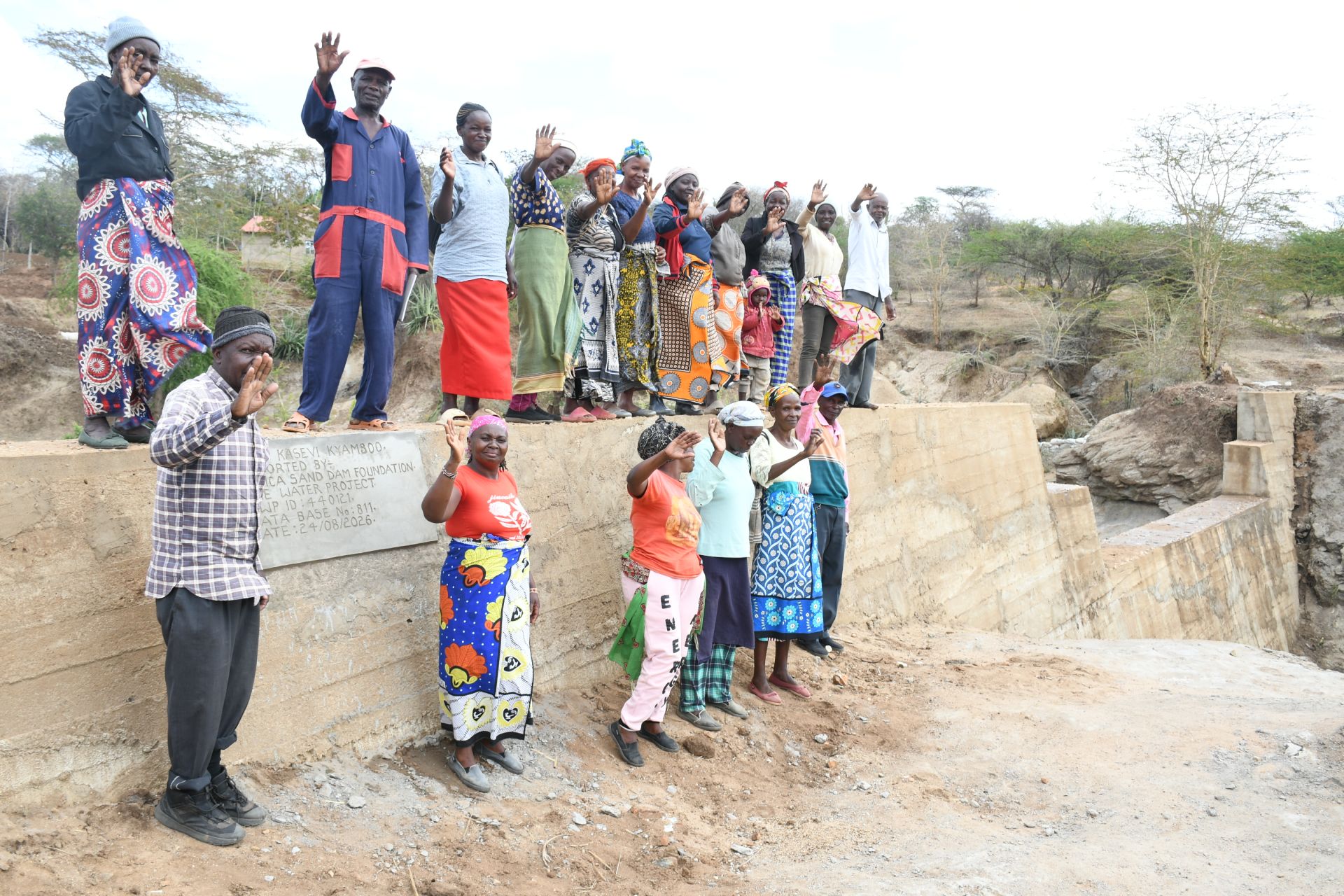
November, 2026: Kasevi Kyamboo Community Sand Dam Complete!

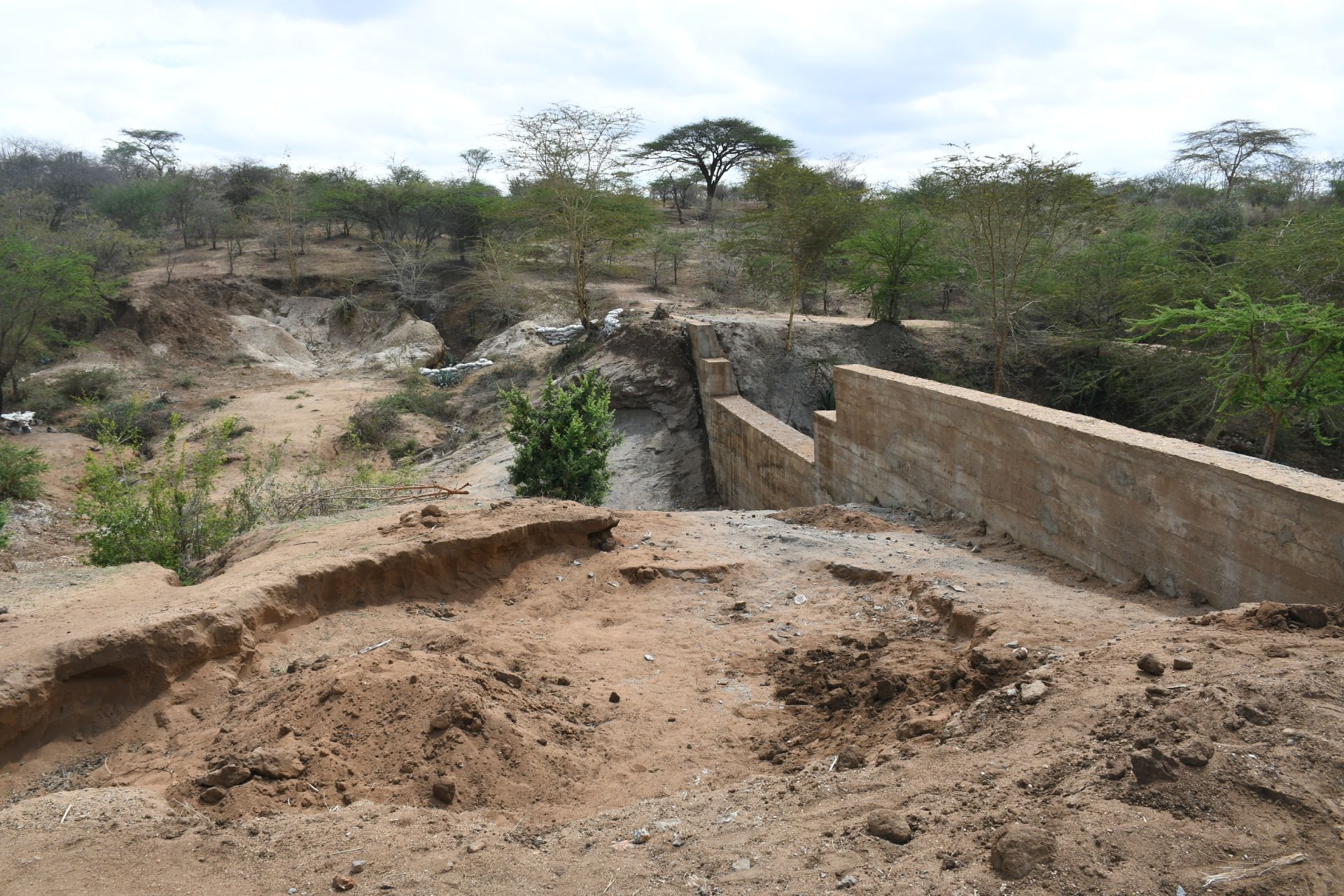
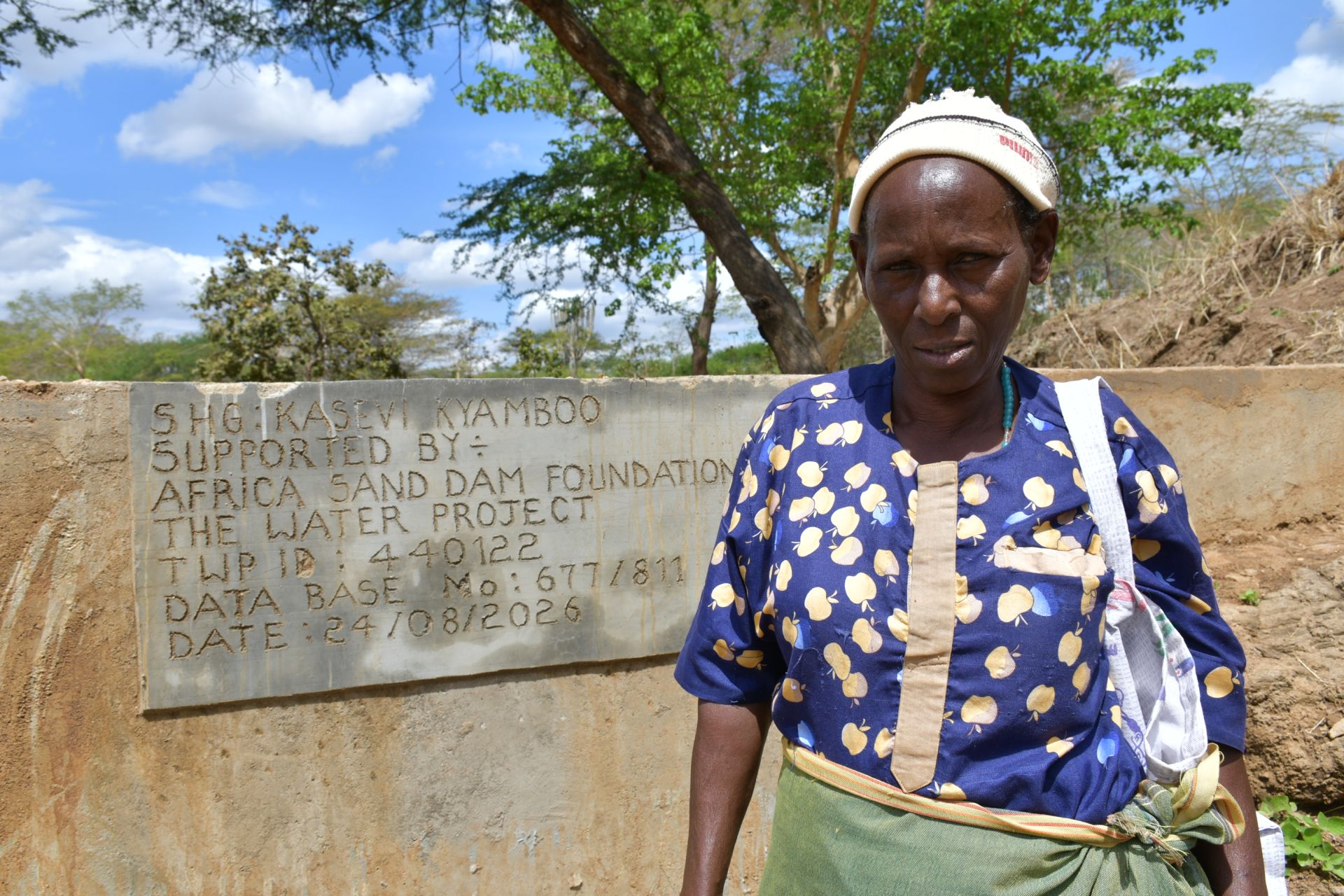
Kasevi Kyamboo Community, Kenya now has access to a new water source thanks to your donation! We constructed a sand dam on the riverbed, which will raise the water table and allow the water to naturally filter over time. We will also build a new protected dug well with a hand pump adjacent to the sand dam, providing the community with a safer method to draw the drinking water supplied by the dam.

"Having water nearby will give me more time and energy to focus on other important activities instead of spending several hours looking for water. I will have more time to care for my family, work on my farm and maintain my kitchen garden. For children in the community, I hope the reduced burden of fetching water will give them more time to study, rest, and attend school regularly. When children are not tired from long water-fetching journeys, they can concentrate better on their studies and have more opportunity to work toward the future they dream of," said 63-year-old farmer Alice Musili.

Ms. Musili.

She continued: "I hope this water point will solve the problem of walking for long hours to fetch water. At my age, walking through the hilly terrain under the hot sun to the earth dam is not easy. Having the water point close to my home will make fetching water much easier and less tiring. I will also have access to safer water for drinking and cooking, which I hope will reduce the risk of illnesses caused by contaminated water."

Sand Dam Construction

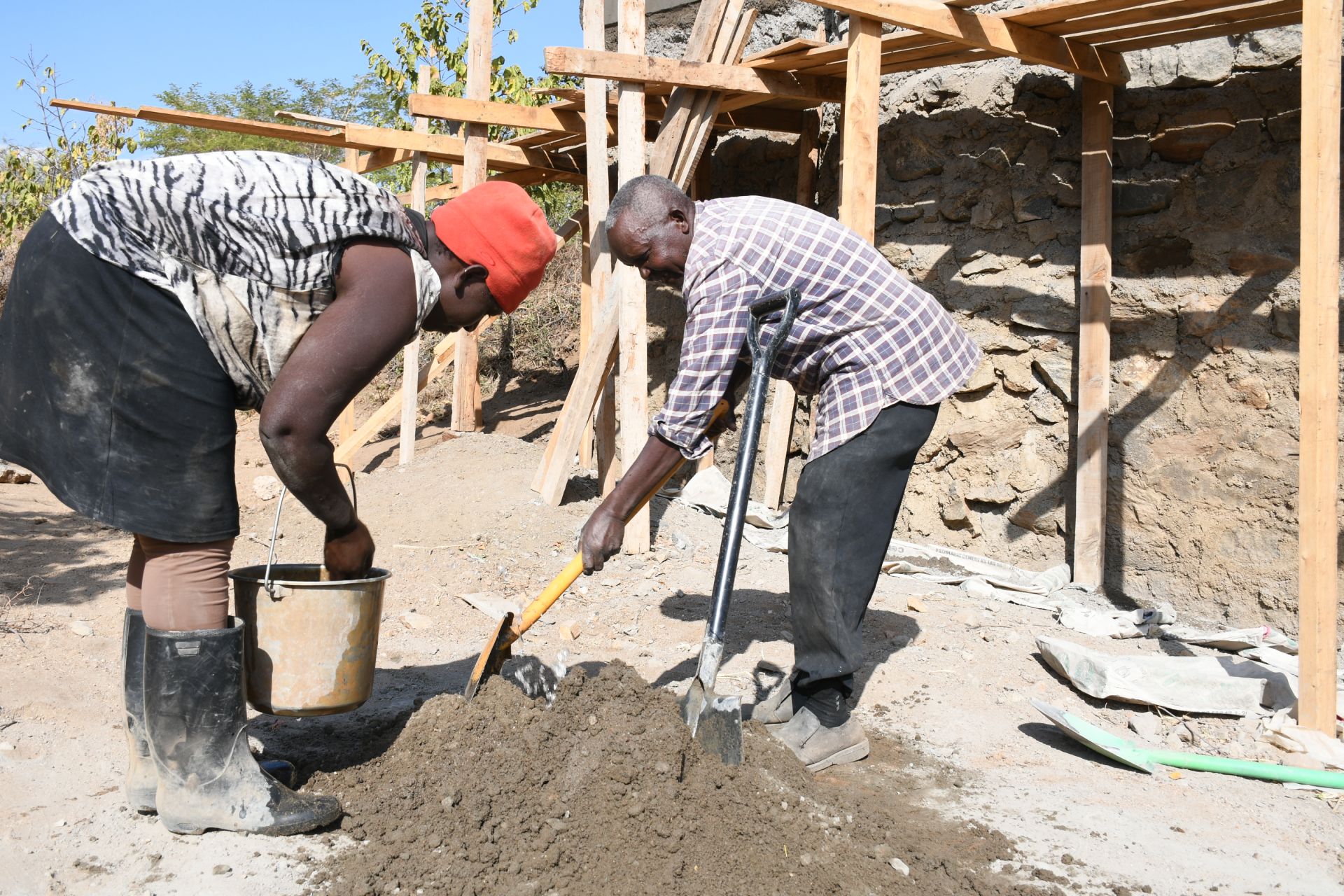
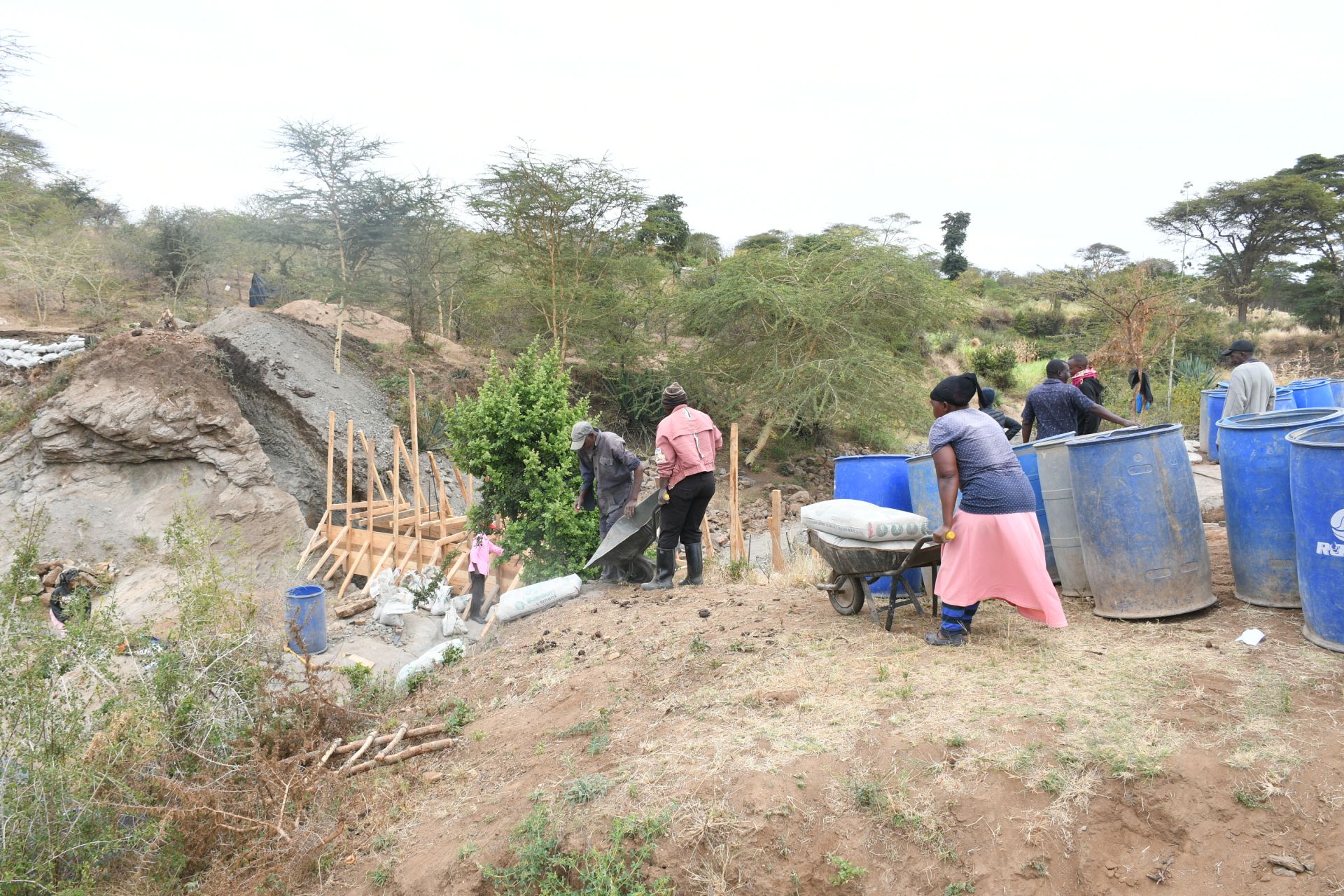
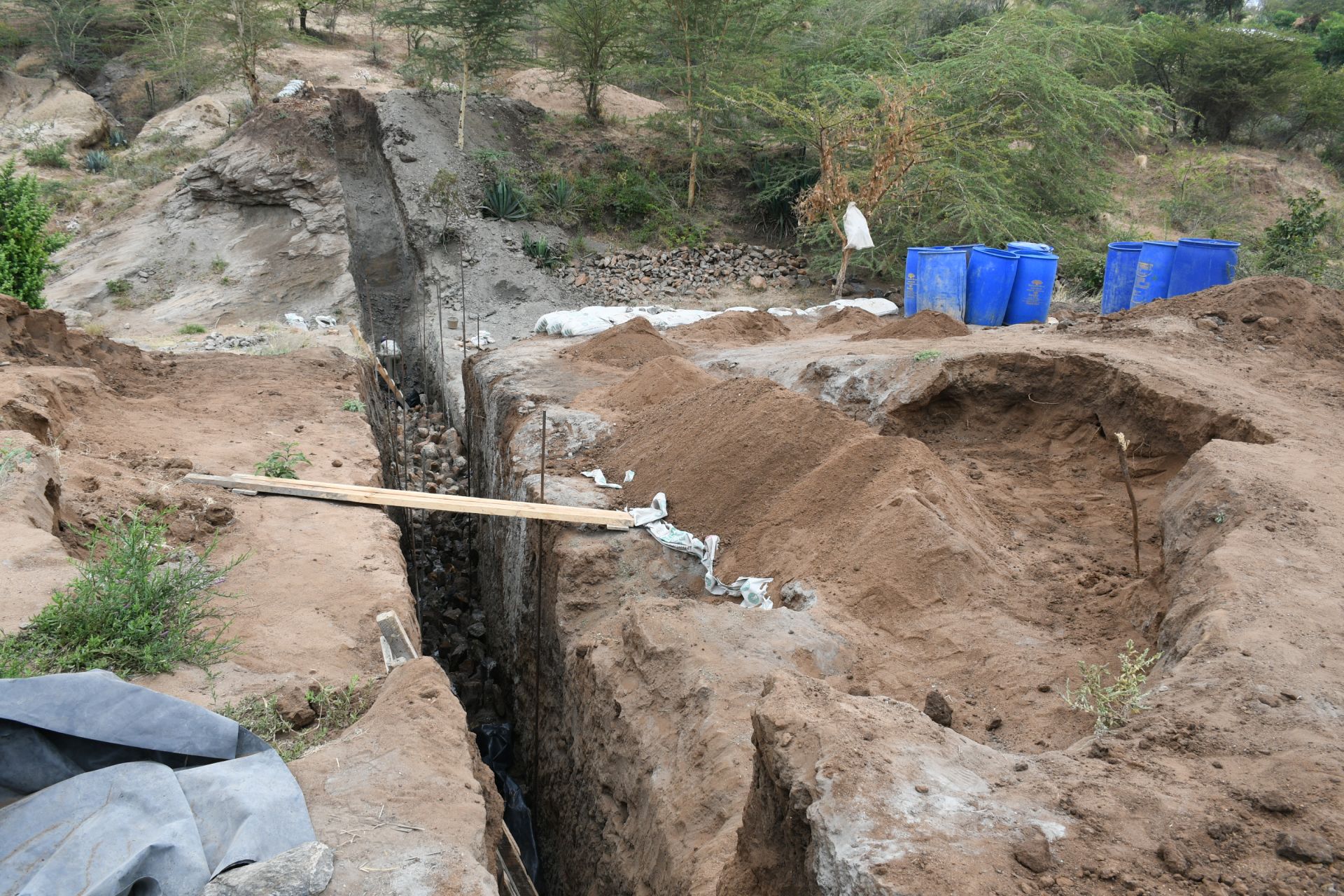
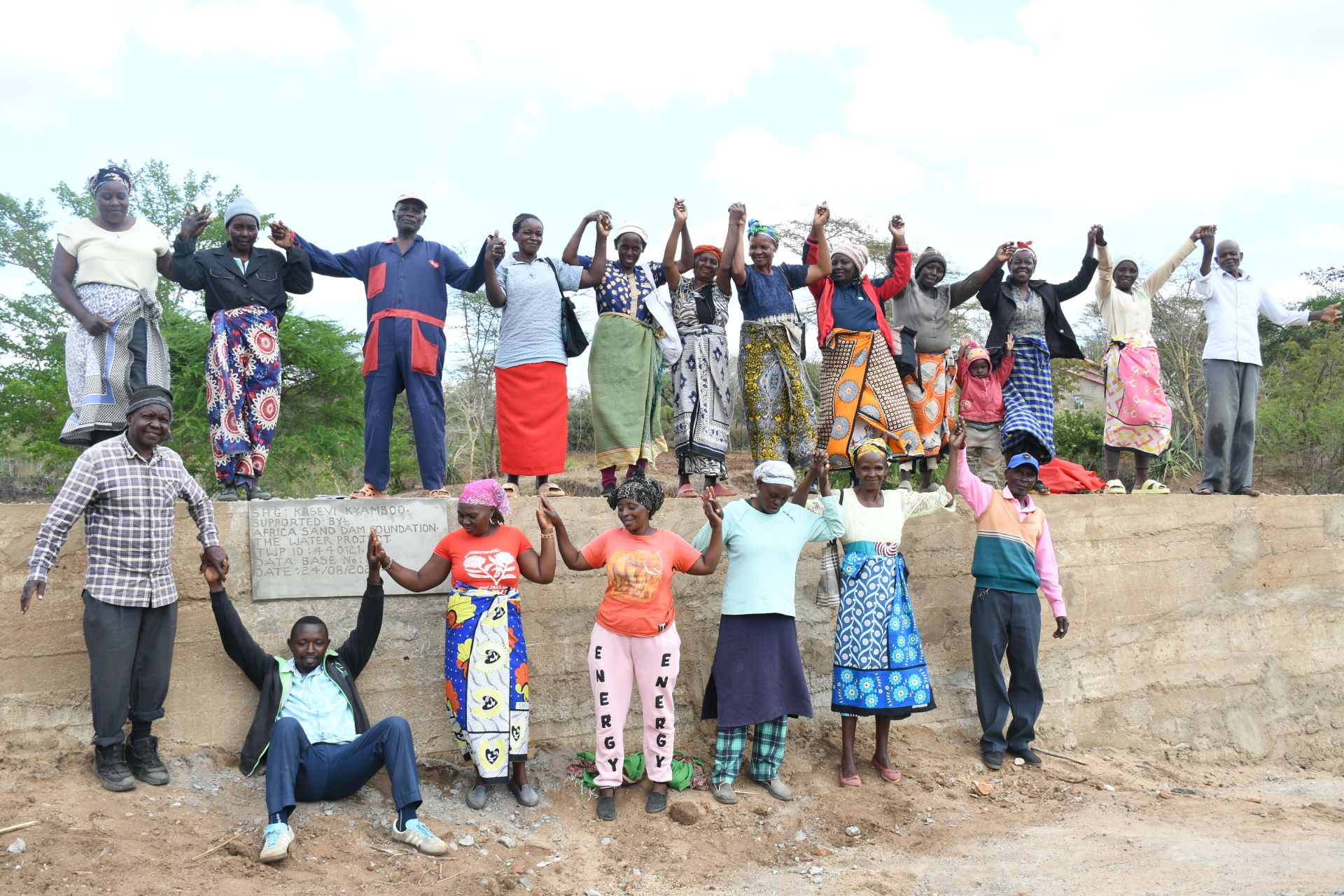
The members of the Kasevi Kyamboo Self-Help Group collected all the local materials, such as rocks and sand, required to complete the dam. The collection of raw materials takes longer than the actual construction, lasting up to four months for a large sand dam. The group also dedicated a tremendous amount of time to supporting our artisans through physical labor throughout the project.

First, our team developed the siting and technical designs, which were then presented to the Water Resources Management Authority. We then sent a survey to the National Environment Management Authority for approval before beginning construction.

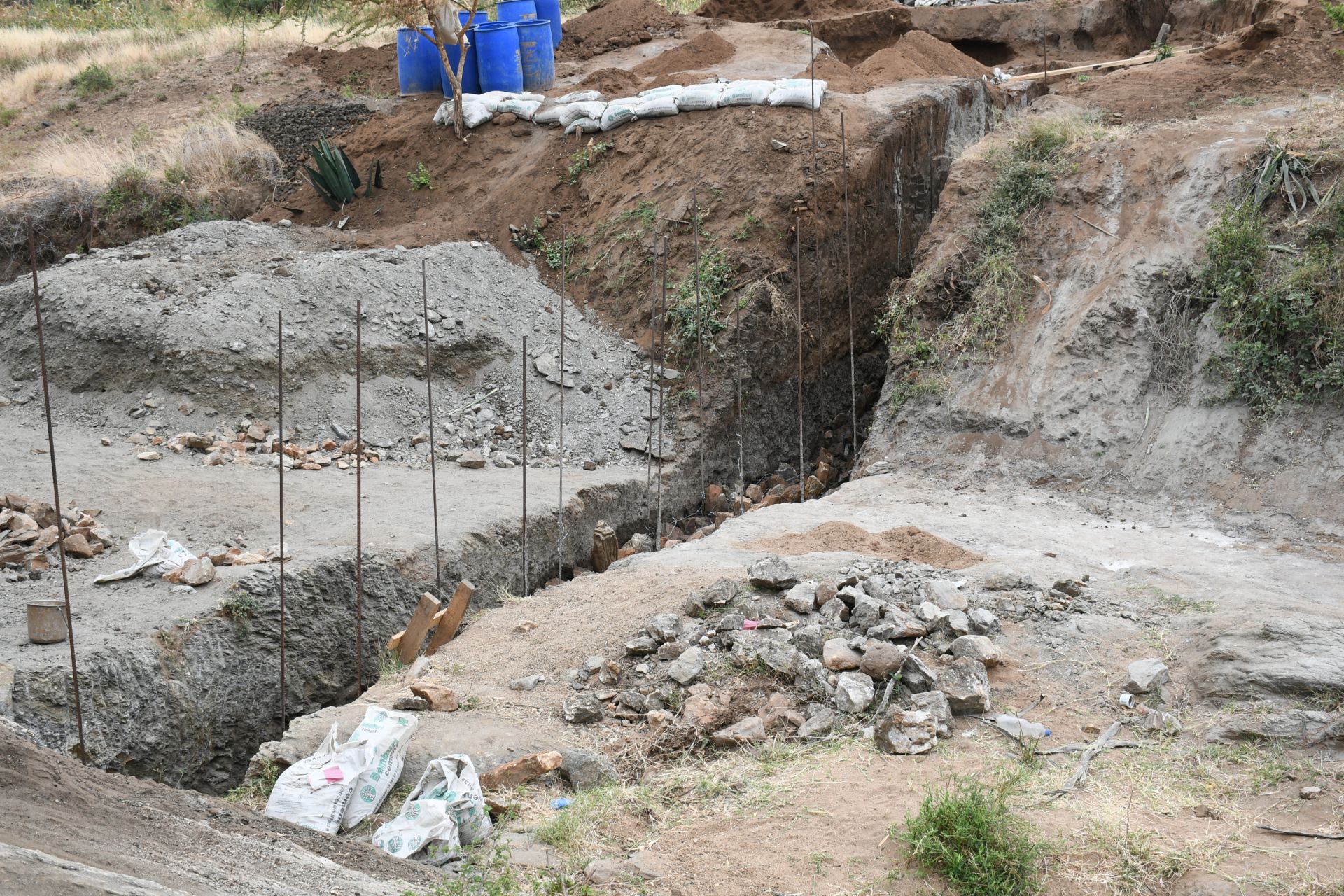
Once the plans were approved, we established a firm base for the sand dam wall. Usually, this requires the community to dig all the way down to the bedrock beneath the river channel. In the absence of good bedrock, we excavate to a depth at which the ground is compact enough to stop seepage.

Next, we heaped mortar (a mixture of sand, cement, and water) into the foundation, followed by the addition of rocks. We then used barbed wire and rebar to reinforce the mixture.

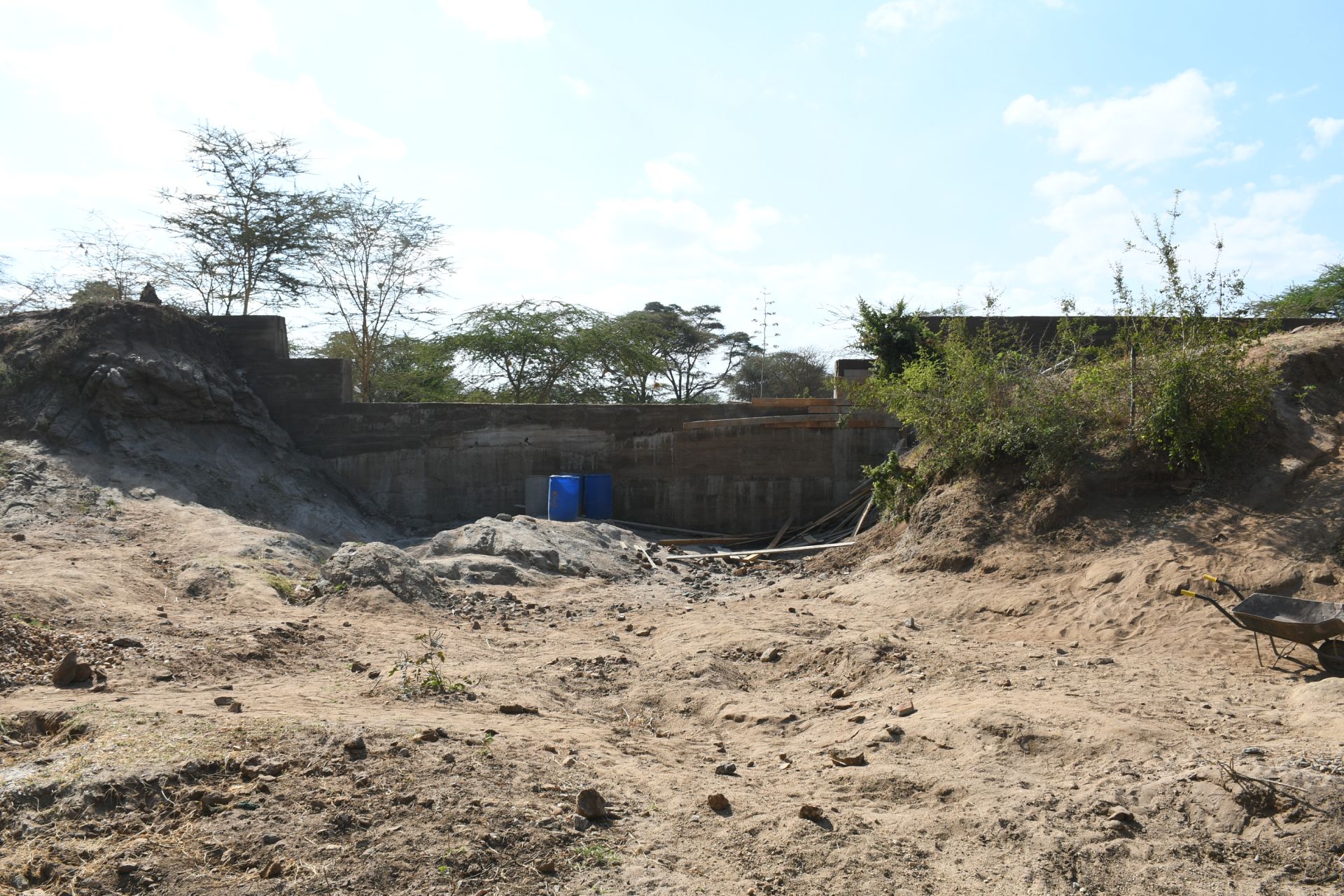
Once the foundation was complete, we built a timber skeleton to hold the structure above ground level. We repeated the process until reaching a sufficient height, width, and length.

Finally, we dismantled the vertical timber beams and left the dam to cure. This dam measures 32 meters long and 3 meters high and took 1,025 bags of cement.

When the rains come, sand and silt will be carried down the dry riverbed and build up behind the dam wall. This reservoir of sand acts as a giant natural filter, allowing rainwater to seep into the ground and raise the water table. With this water, the surrounding landscape will become lush and fertile, and the well will provide the community with drinking water. It could take up to three years of rain for this sand dam to reach its maximum capacity, because in this region, it sometimes only rains once a year!

"This community exhibited impressive hard work, unity, resilience, and ownership of the project," said Field Officer Alex Koech.

Community Education

Our trainer collaborated with the field staff and community members to identify areas where the community could improve.

As we’ve worked with this Self-Help Group in the past, we asked them about the subjects on which they needed refresher training.

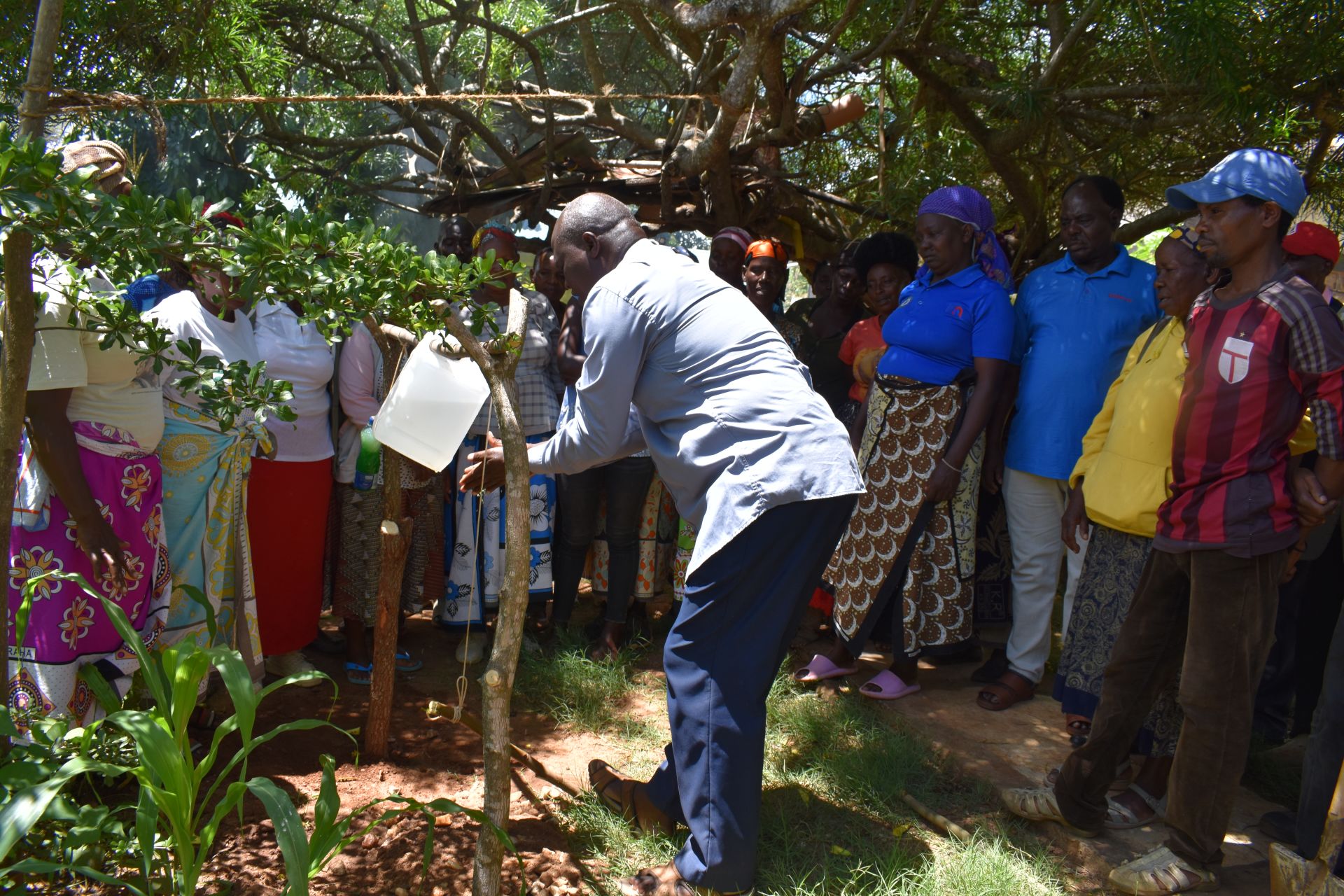
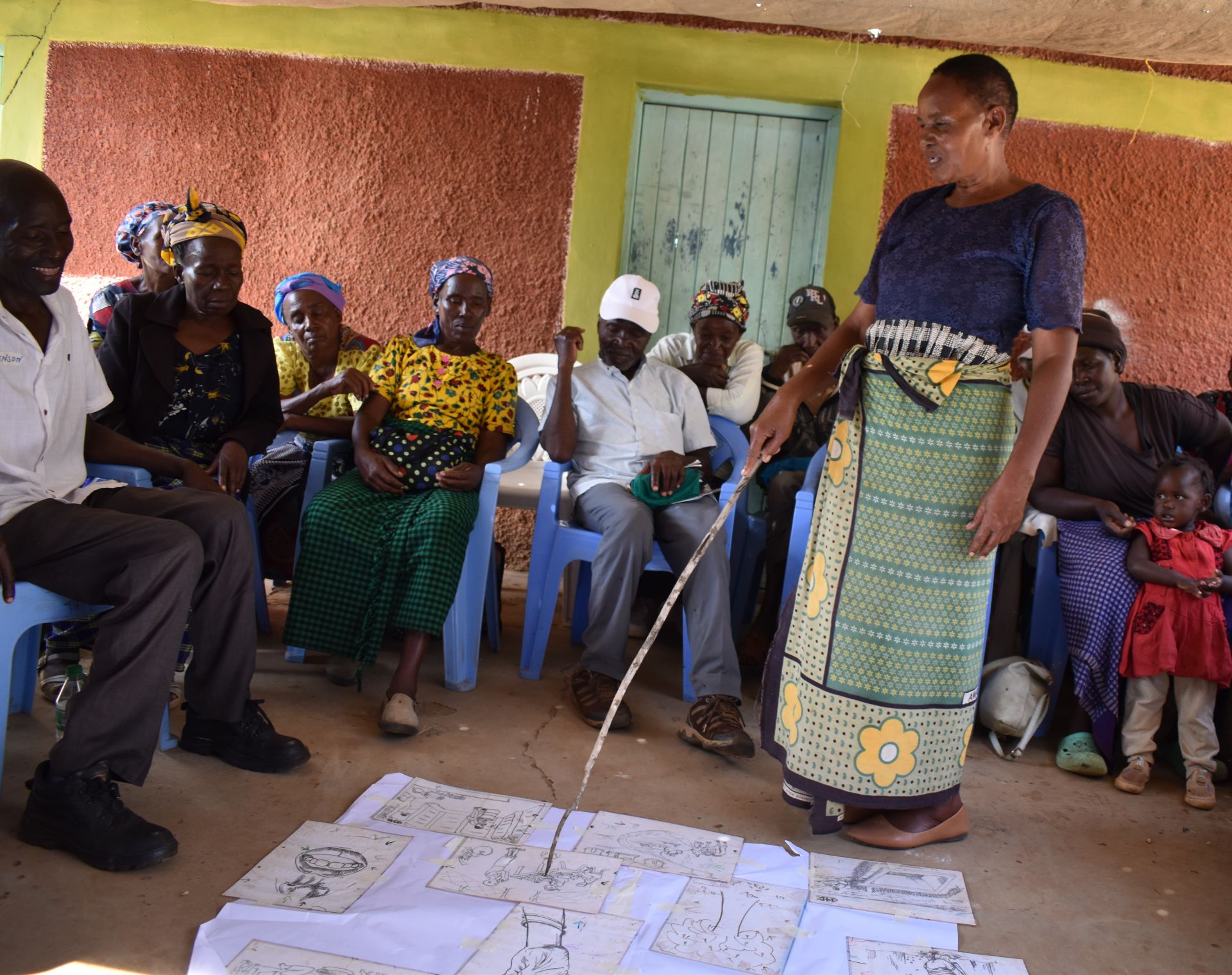
"Members were taught the tippy tap construction as well as the materials required. During the activity, one member, the group coordinator, told the members that they should remember that using leaves to clean oneself after visiting the latrine is not allowed since the feces may enter under the nails and cause diseases," shared trainer Veronica Matolo.

"Members participated actively. They asked as many questions as possible and participated in every activity in the training; they understood every tool with ease. They also showed interest in learning new things," she continued.

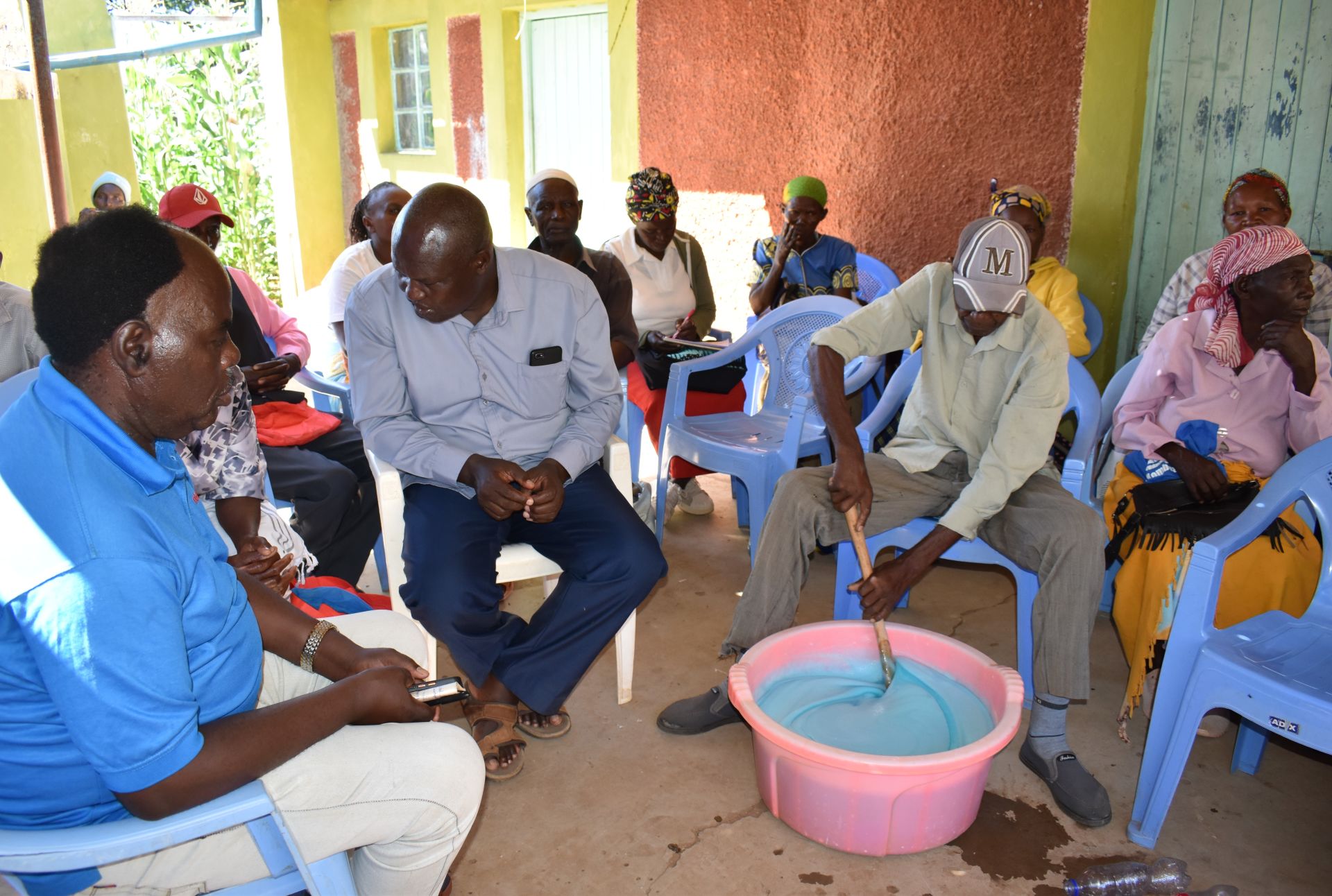
We trained the group on various skills, including bookkeeping, financial management, project management, group dynamics, and governance. We conducted hygiene and sanitation training to teach skills such as soap and detergent making and to improve habits, including handwashing.

We covered health problems in the community, including good and bad hygiene habits, as well as the prevention of disease. Finally, we covered both natural resource management and the operation and maintenance of the sand dam.

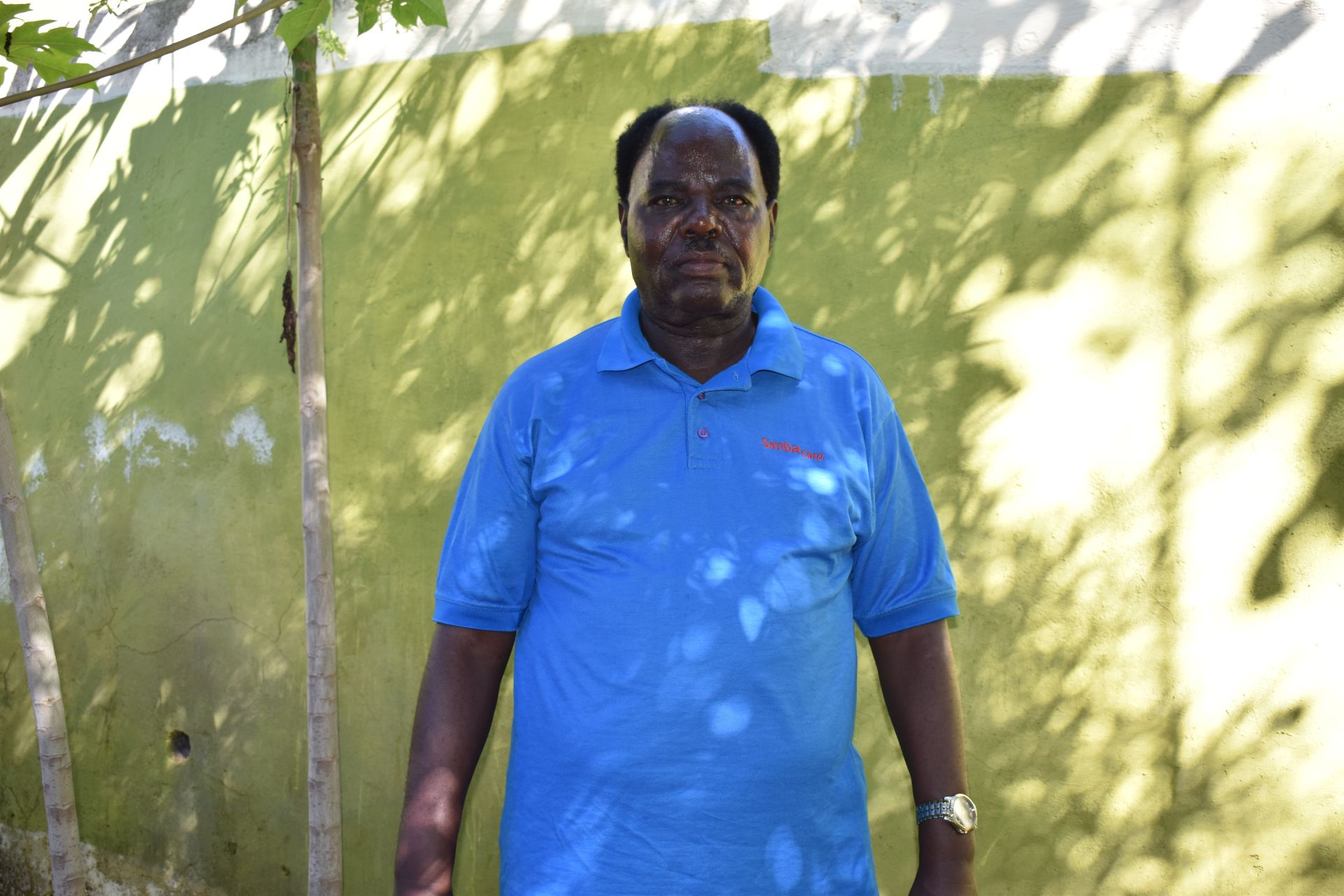
"For me, the most interesting topic was making soap and kerol disinfectant. I found it practical because we learned something that can directly improve hygiene in our homes while also creating an opportunity to earn an income. I learned that we can make these products using the right materials and procedures and use them for handwashing, cleaning, and sanitation. I also liked learning about simple sanitation facilities such as tippy taps, utensil racks, animal shades and rubbish pits because they are easy to establish and can make a big difference in preventing diseases," 63-year-old Jones Linda said about the training.

Mr. Linda.

Thank you for making all of this possible!


Update photo


September, 2026: Exciting Progress in the Kasevi Kyamboo Community!

We’re thrilled to share that, thanks to your generous support, significant change is coming for Faith Kioko and the entire Kasevi Kyamboo Community. Construction has begun on the sand dam project, bringing them one step closer to having clean, reliable water.

But that's not all—during construction, we’re also providing vital health training. These sessions equip the community with essential hygiene practices, ensuring that the benefits of clean water extend to lasting health improvements.

We’re so grateful for your role in making this possible. Stay tuned for more updates—soon, we’ll be celebrating the arrival of safe water in the Kasevi Kyamboo Community!


Loading photos...


Project Type

A sand dam is a reinforced concrete wall built across a seasonal riverbed. As the rains flow, sand builds up behind it and stores water beneath the surface, safe from evaporation, recharging the water table so nearby hand-dug wells stay full long after the river has dried. It is one of the most durable and cost-effective ways to hold water in dry regions, and with your partnership it keeps serving a community season after season.

Learn more about sand dams here!


Contributors

Project Sponsor - Lifeplus Foundation