 Sand Dam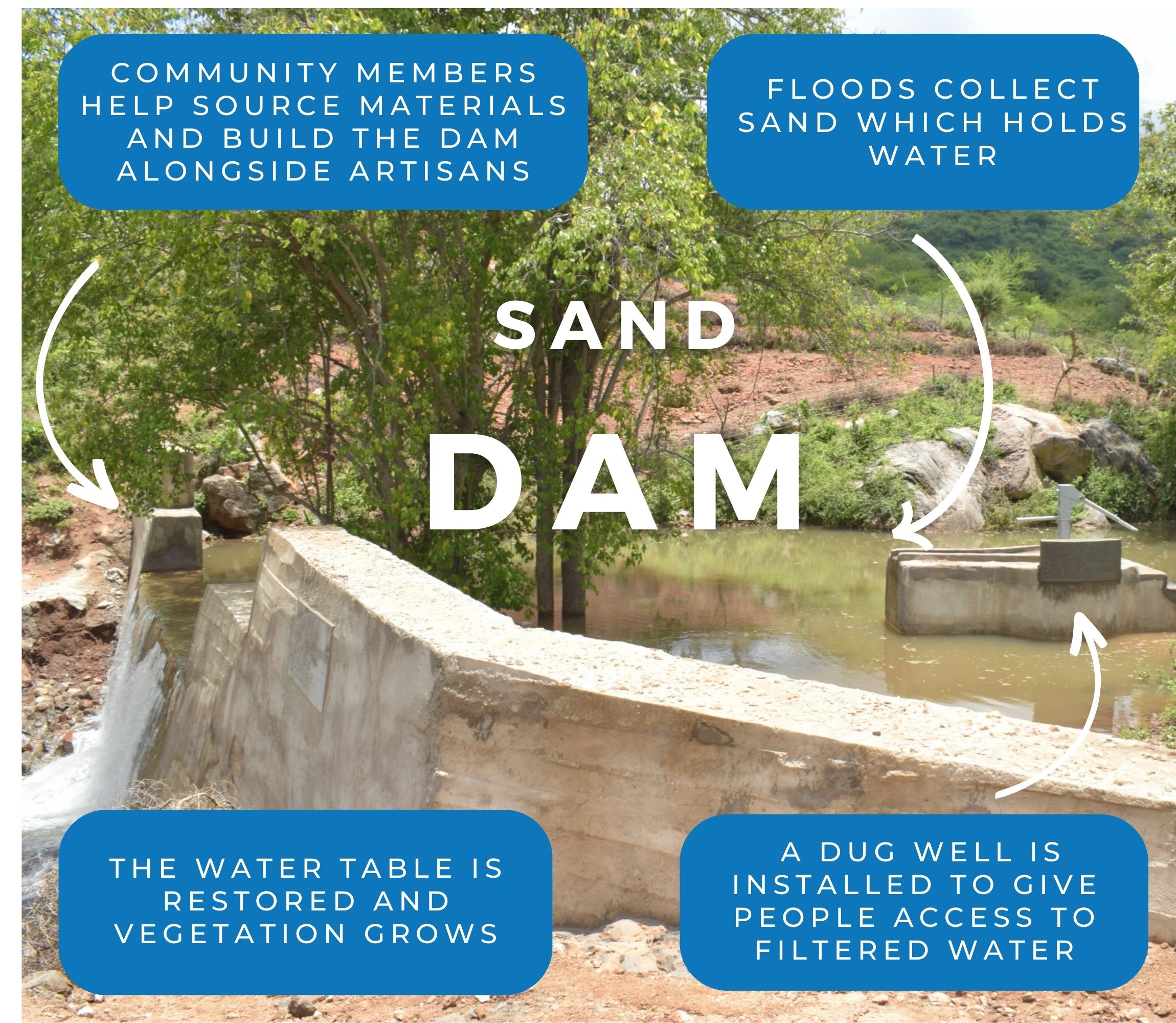
 Rehabilitation Project











Every day, the 1,300 residents of the Wengeni Community lose more than three hours just getting water. That is time that could be used farming, caring for livestock, earning income, or sending children to school.
That's three hours spent walking long distances and waiting in line at the municipal kiosk. When the municipal supply cuts out, families are left with no choice but to buy water from an unprotected dug well, paying more money for water that isn't even safe. Open to contamination, which puts entire households at risk of waterborne illness.
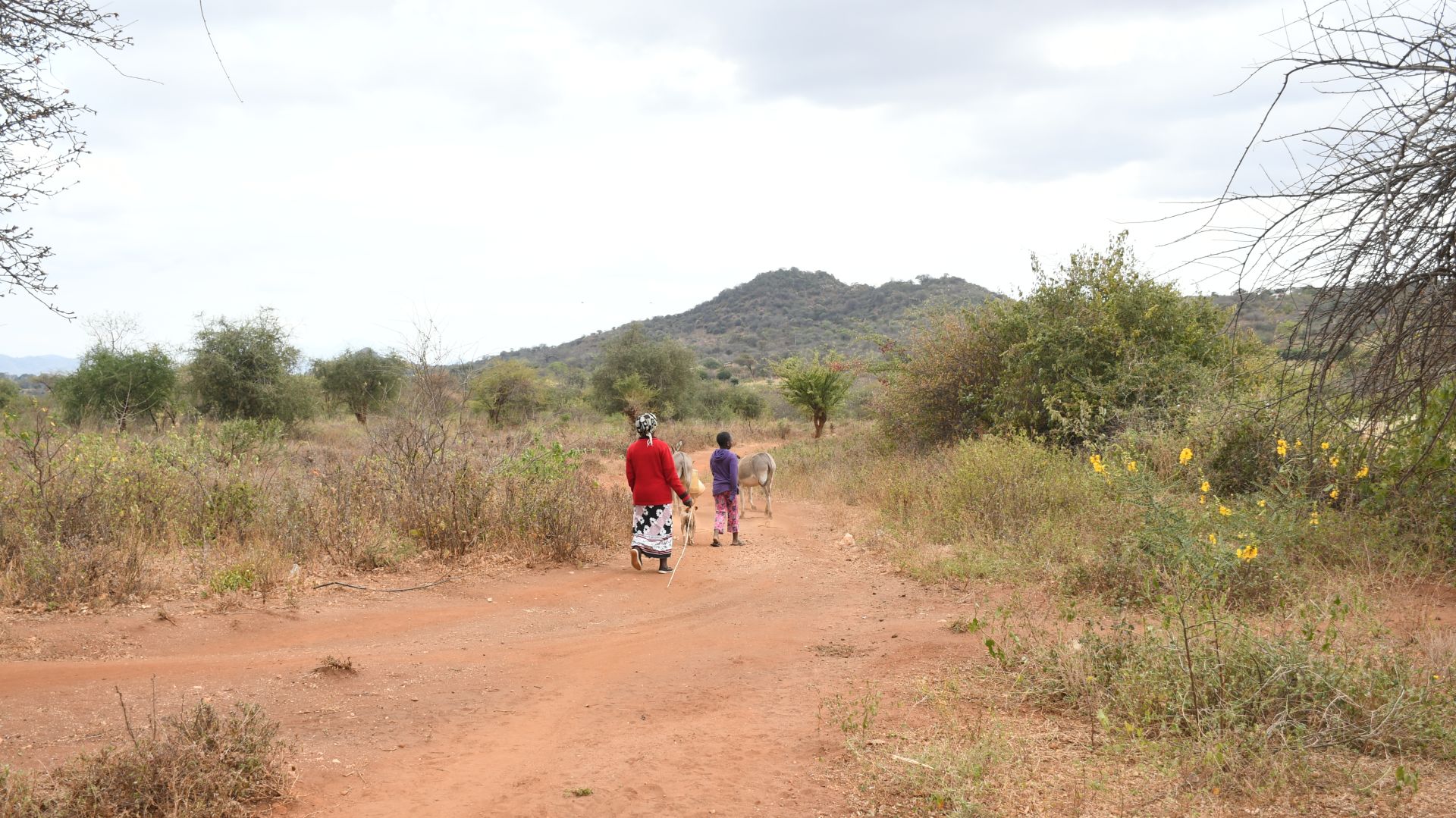
Without reliable water, everything becomes harder. Most families use what little they have for drinking and cooking, leaving almost nothing for other needs. Growing food becomes nearly impossible — kitchen gardens can't be maintained, crops suffer, and livestock productivity drops. This hits families' food supply and income at the same time.
On top of all this, the physical toll of water collection is real. Community members, often women and children, carry heavy containers over dry, rocky, uneven ground, leading to exhaustion and potential injuries.
Rose Musya, 63, is a farmer who is familiar with the exhaustion that comes with searching for water each day.
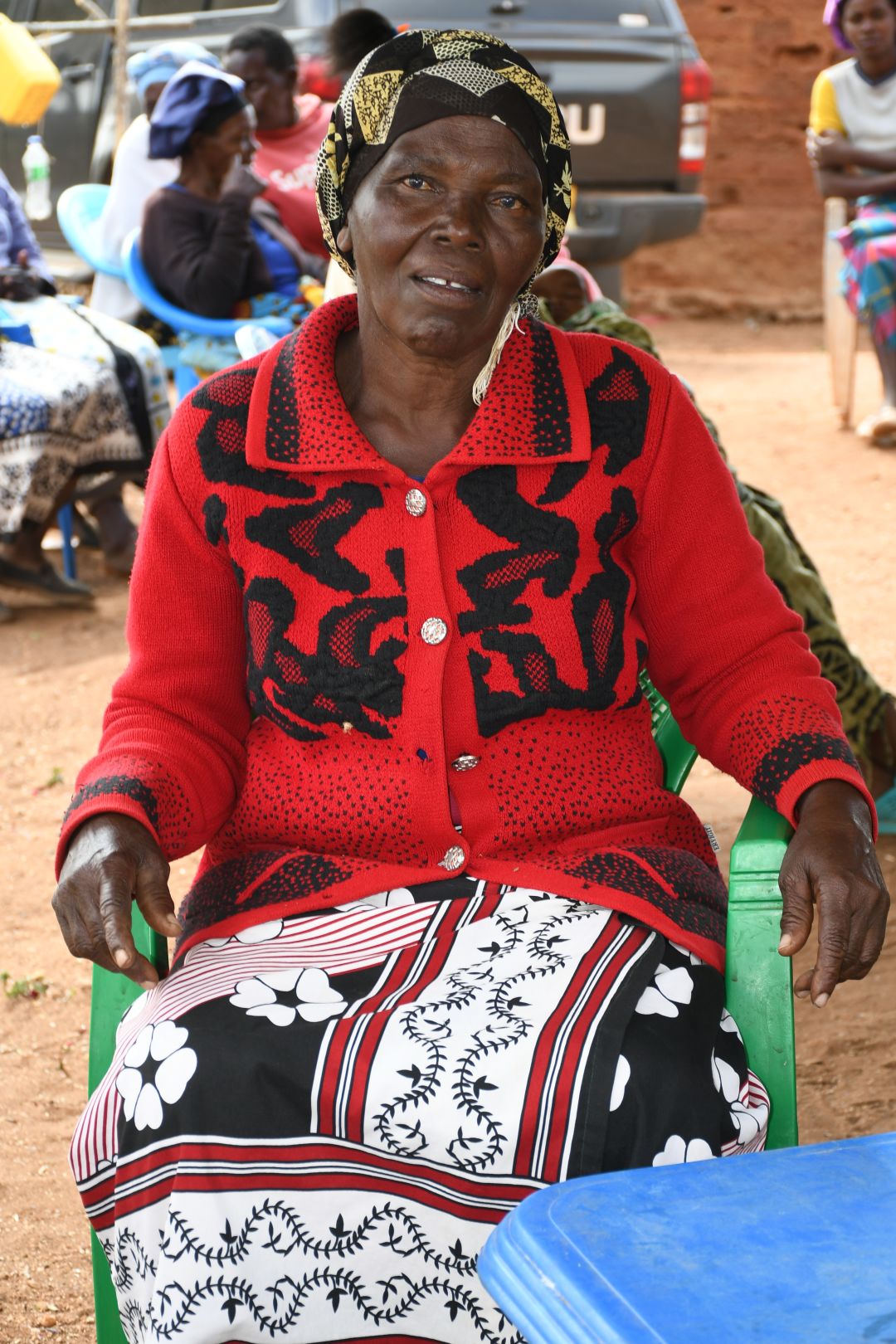
Rose Musya.
"The longest I have spent looking for water was almost an entire day. I first walked to the municipal water kiosk, only to find a long queue because many families depended on the same source," Rose said. "When it became clear that there would be no water, I had to walk to a privately owned dug well, where I still had to pay for water and wait for my turn. By the time I returned home, I was physically exhausted, and most of the day had already been spent searching for water instead of taking care of my family or my farm."
When Rose can't find water at the community kiosk and has to buy it, life becomes even more stressful.
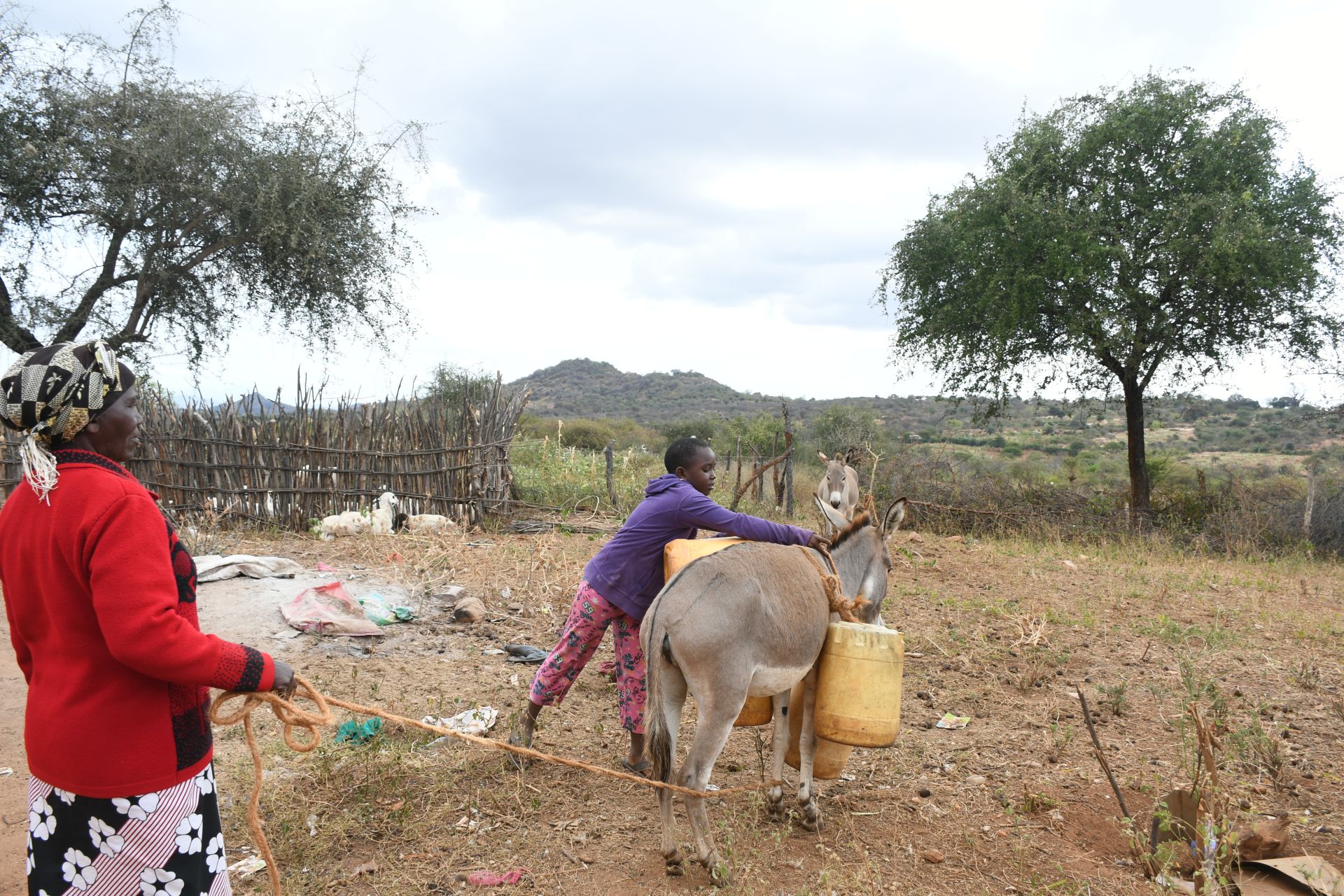
Rose uses a donkey for water transportation.
"Buying water is a heavy financial burden for my family because our main source of income is farming, which has been greatly affected by recurring drought. Every time I pay for water, I have less money available for food, farming inputs, school fees, healthcare, and other household needs. Even though the water is expensive, I still have to buy it because my family cannot survive without it. It is difficult knowing that such a large portion of our limited income goes towards meeting a basic necessity," Rose said.
But finding and paying for water is not Rose's only hurdle. The water she works so hard to collect puts her and her family's health at risk.
"I worry because neither of the available water sources is ideal. The municipal water is often saline, and many families, including mine at times, cannot consistently treat it before drinking because of the extra cost. When the municipal supply is unavailable, we rely on an open dug well that is easily contaminated by dust, debris, and other pollutants. Using unsafe water has contributed to illnesses such as stomach aches, vomiting, dysentery, and typhoid within our community. Every time I collect water, I worry whether it will keep my family healthy or make them sick," she lamented.
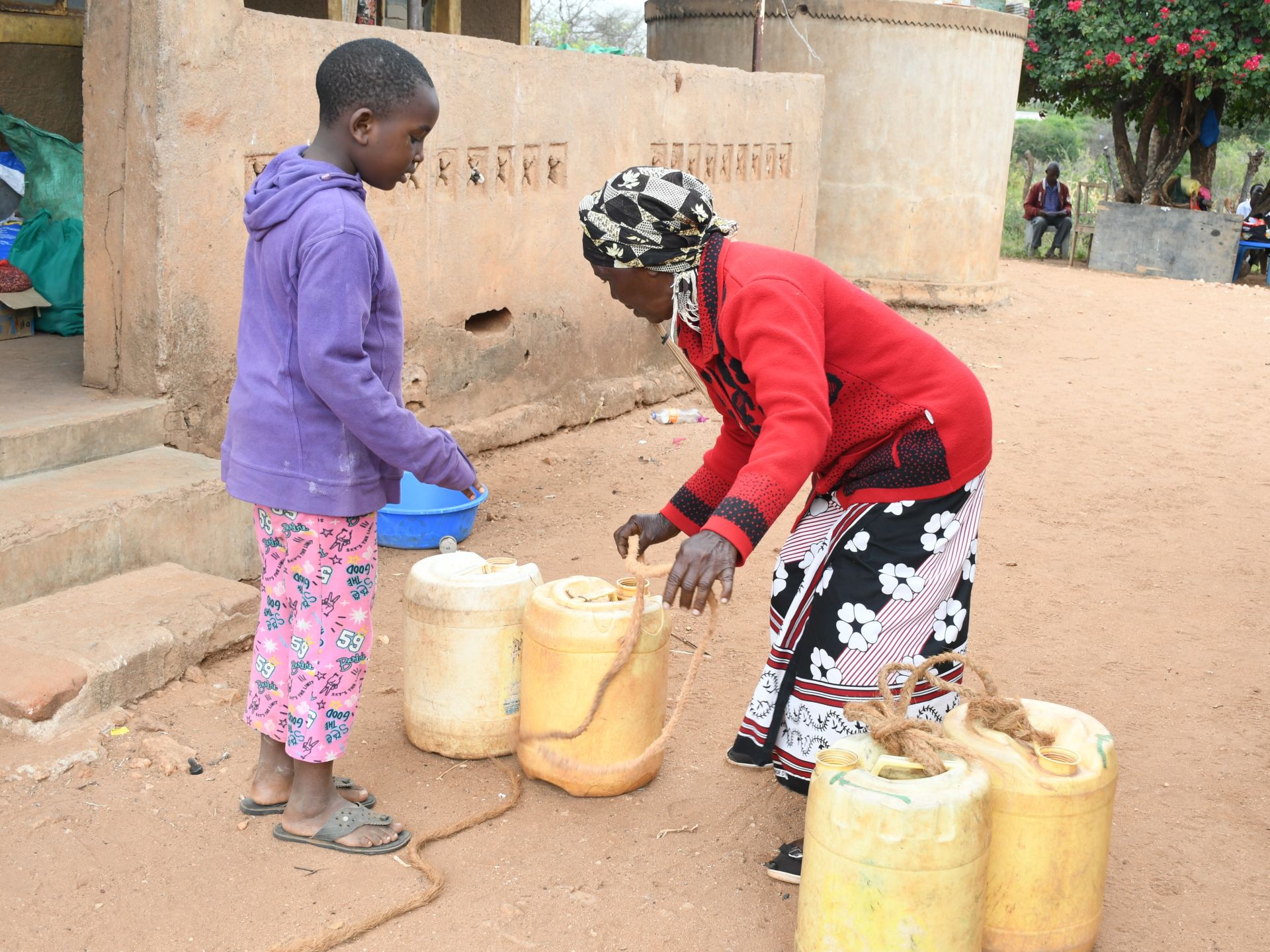
Rose prepares to take water home.
A reliable, accessible water source wouldn't just bring clean water to this community. It would give Rose her time back, protect her family's health, strengthen their food security, and remove the burden that weighs on every part of their daily lives.
Solving the water crisis in this community will require a multifaceted system that will work together to create a sustainable water source that will serve this community for years to come.
Steps Toward a Solution
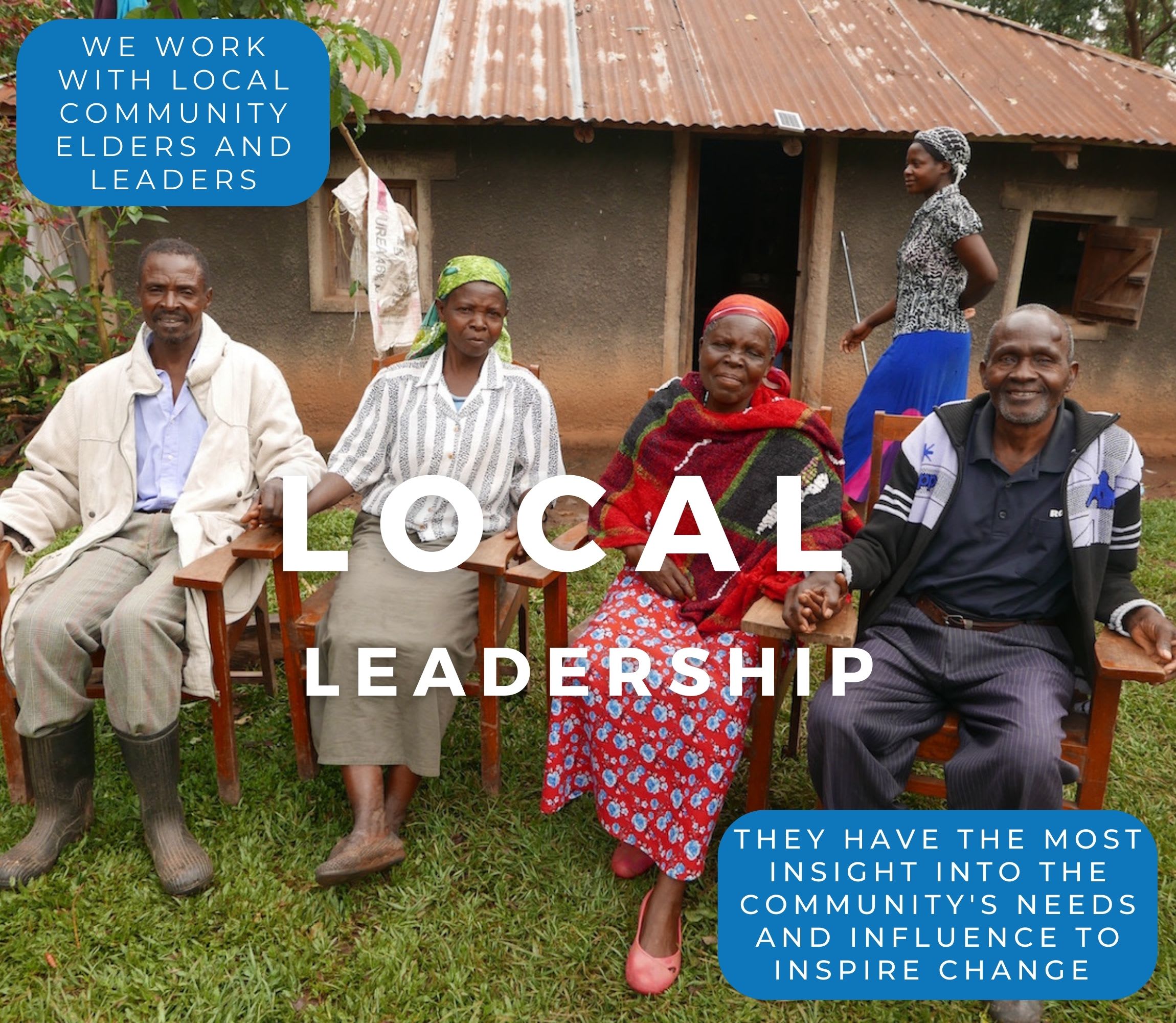
Our technical experts worked with the local community to identify the most effective solution to their water crisis. Together, they decided to construct a sand dam and a protected dug well.
Sand Dam
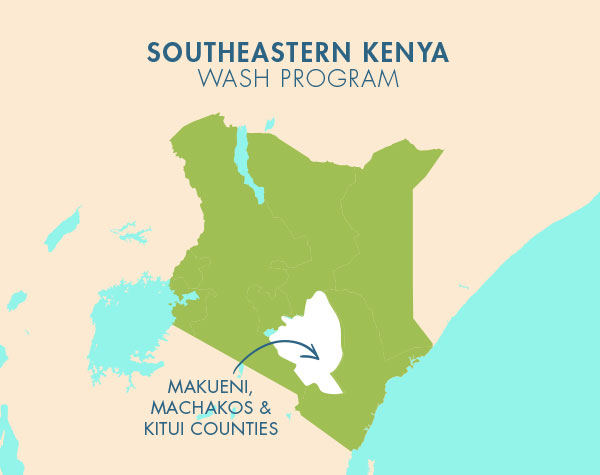
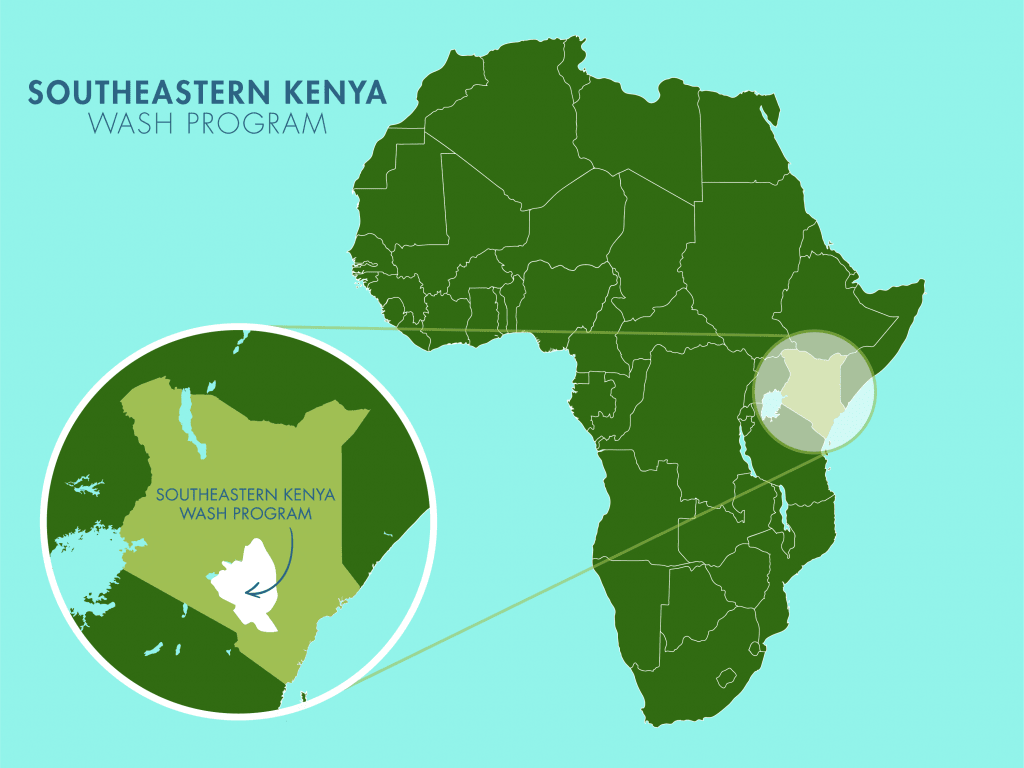
Sand dams are sought-after, climate-smart, and lasting water solutions providing hope and resilience to communities in arid Southeastern Kenya. Think of them like giant sandboxes constructed in seasonal rivers that would typically quickly dry up after the rainy season. Instead of holding water like traditional dams, they collect sand and silt.
When infrequent rains do come, these dams catch a percentage of the river's flow, letting most of the water continue downstream to other communities. But here's the magic: the sand they collect acts like a natural filter, holding onto water long after the river's gone dry. Then, wells are constructed nearby, creating a reliable water source even during the driest times.
And the benefits don't stop there! In communities impacted by climate change, sand dams replenish groundwater and prevent soil erosion. Even during severe droughts, the consistent water supply from these sand dams allows farmers to thrive, giving way for enough food not only for their families but also to sell in local markets.
The most remarkable aspect of sand dams is how they involve the local community every step of the way, giving them a sense of ownership and pride in solving their own water shortage and managing their own water resources.
This sand dam will be connected to a protected dug well to make the water more accessible.
Community Education & Ownership
Hygiene and sanitation training are integral to our water projects. Training is tailored to each community's specific needs and includes key topics such as proper water handling, improved hygiene practices, disease transmission prevention, and care of the new water point. Safe water and improved hygiene habits foster a healthier future for everyone in the community.
Encouraged and supported by our team's guidance, the community elects a water user committee representative of its diverse members. This committee assumes responsibility for maintaining the water point, organizing community efforts, and gathering fees to ensure its upkeep.