 Sand Dam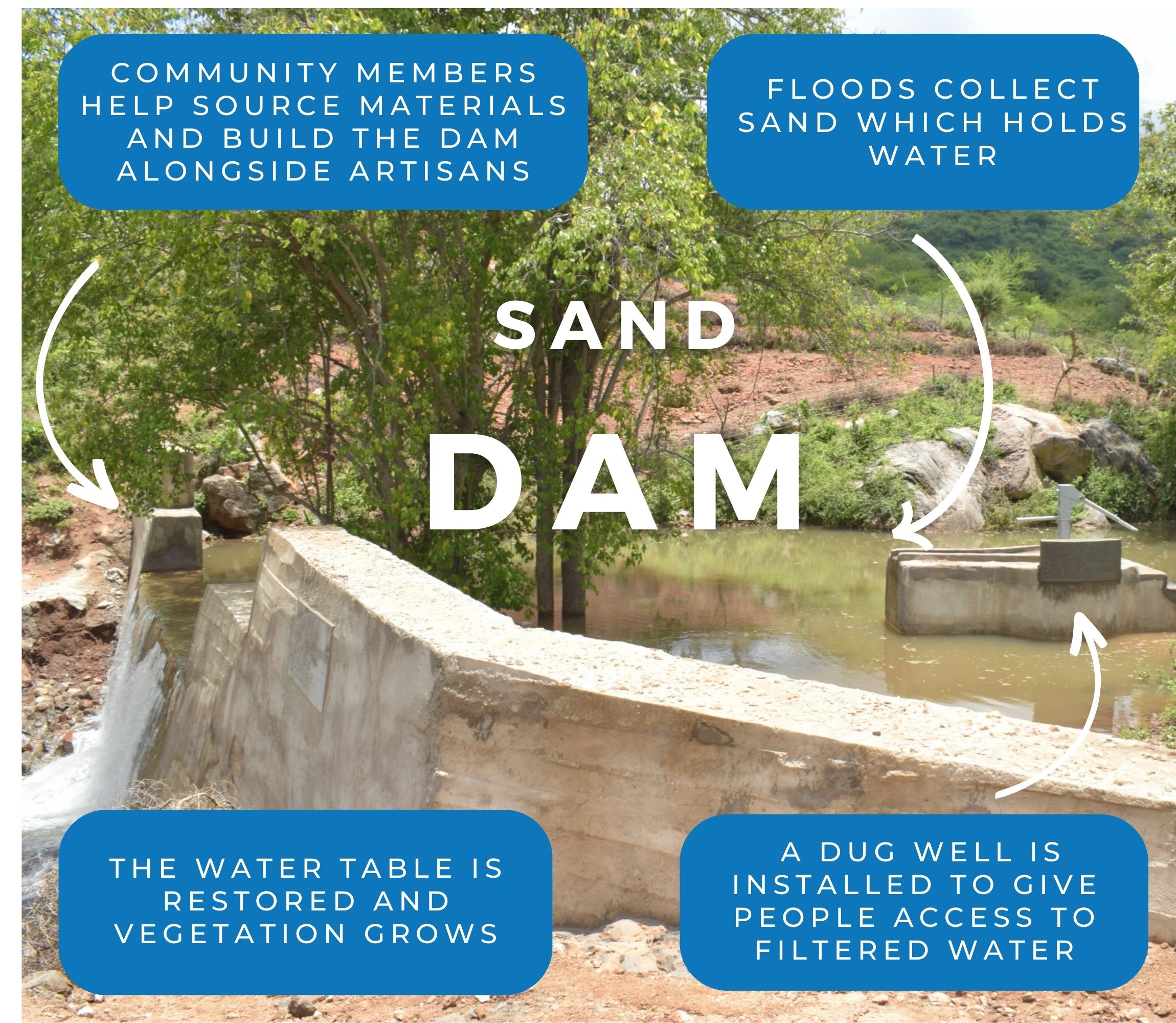
 Rehabilitation Project











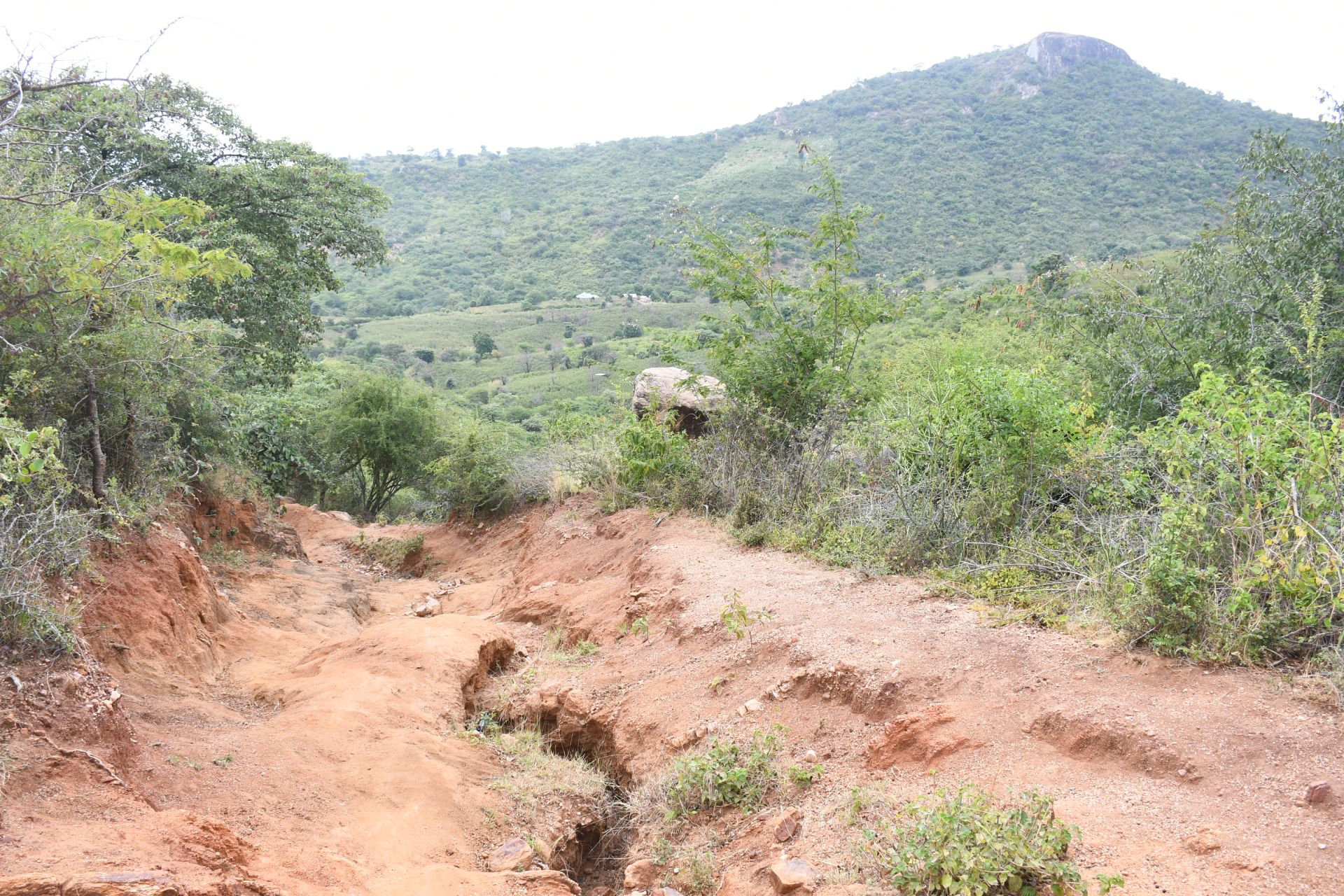
The 450 community members who call the Syokithusa Community home must walk several kilometers along steep, rocky, dusty roads to collect water essential for their survival. Each time they need water, it is a grueling three-hour trip, most often taken by women, children, and the elderly, leaving them physically exhausted. One trip a day is all most can manage, which means there is a persistent water crisis that forces daily rationing.
Field Officer Alex Koech described the hardship. "The long distances to the scoop holes and the slow recharge rate during dry periods result in lengthy queues, forcing households to spend several hours each day collecting water. This reduces the time available for farming, income-generating activities, childcare, education, and community development initiatives. Because water is scarce, households prioritize drinking and cooking, leaving insufficient water for hygiene, sanitation, livestock, and small-scale food production."
Their water sources - scoop holes dug in dry river beds produce water that is brown and unpleasant in taste and smell. But without an alternative, people must resort to consuming the water even though it puts their health at risk.
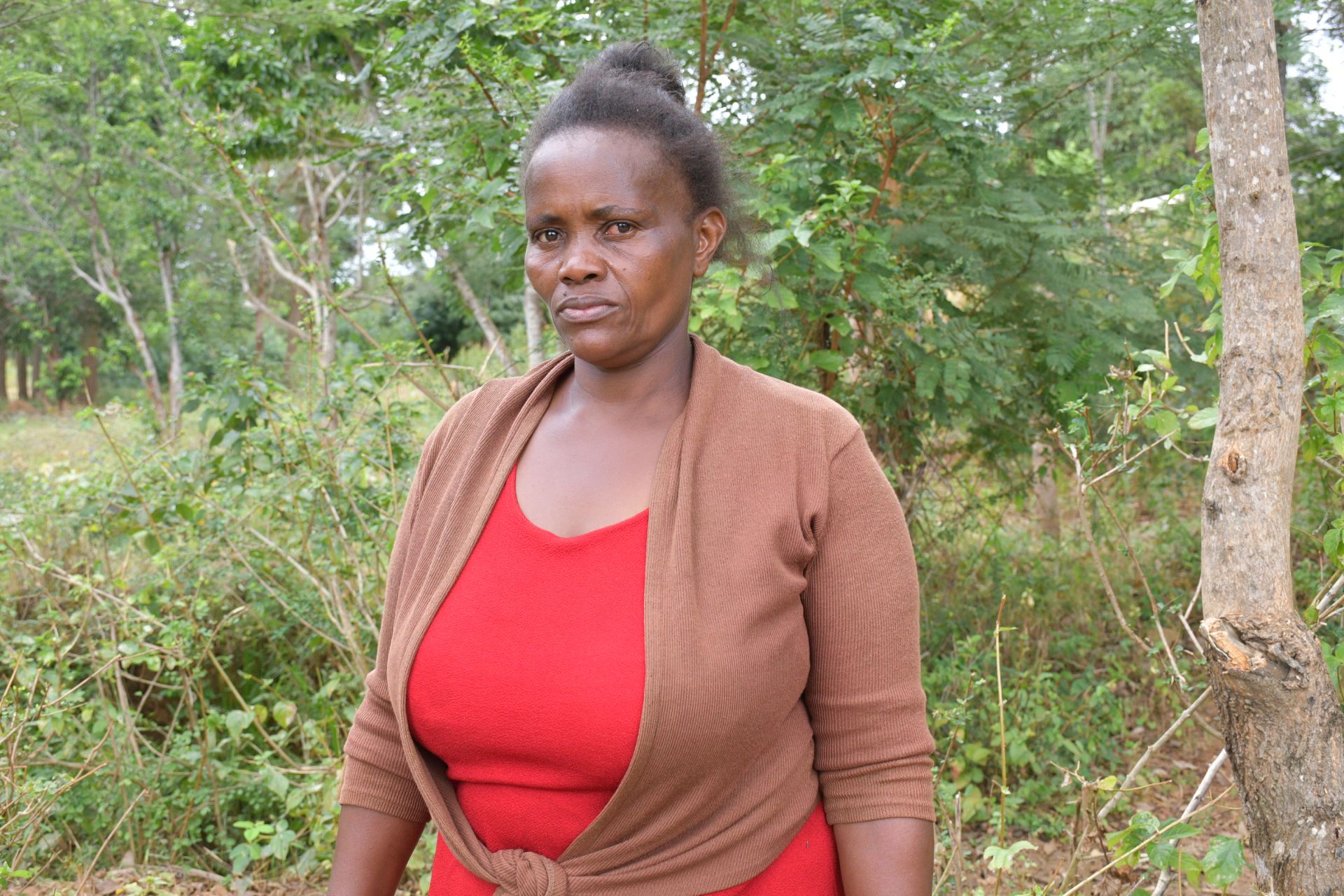
Ms. Catherine Waithera.
48-year-old Catherine Waithera is a mother and farmer who desperately needs water to carry out her daily tasks and care for her family.
"To me, water truly is life because everything in my home depends on it. We need it for drinking, cooking, washing, keeping our children healthy, watering our crops, and giving our livestock water. Without reliable water, our health suffers, our farms cannot produce enough food, and our opportunities to improve our lives become limited," Catherine said.
She lamented, "Our area experiences frequent and prolonged droughts, and the scoop holes depend entirely on seasonal rainfall. During the dry months, water recharge becomes very slow or stops altogether, causing the scoop holes to dry up and leaving many families competing for the little water that remains.

Catherine retrieves water from a scoop hole.
"At the height of the drought season, I spent up to three hours just fetching water. The scoop holes recharge very slowly, and sometimes they almost dry up completely. Many families depend on the same source, so long queues form early in the morning and continue throughout the day. We often wait patiently for water to seep back into the scoop hole before anyone can fill a jerrycan.
Catherine spends hours a day collecting water. It is time she needs to devote to other responsibilities, but without an alternative, she has no choice but to endure. Yet, she remains hopeful that if she can gain access to nearby, reliable water, the future can look different for her and her family.

"If water were available nearby, I would spend more time tending my farm, planting trees, and participating in our table banking group. I would also have more time to care for my family and engage in other income-generating activities that would help me pay school fees and improve our household's standard of living," she said.
"Having a dependable source of clean water would give my family hope, better health, and a chance to build a more secure future!" Catherine declared.
Solving the water crisis in this community will require a multifaceted system that will work together to create a sustainable water source that will serve this community for years to come.
Steps Toward a Solution
Our technical experts worked with the local community to identify the most effective solution to their water crisis. Together, they decided to construct a sand dam and a protected dug well.
Sand Dam
Sand dams are sought-after, climate-smart, and lasting water solutions providing hope and resilience to communities in arid Southeastern Kenya. Think of them like giant sandboxes constructed in seasonal rivers that would typically quickly dry up after the rainy season. Instead of holding water like traditional dams, they collect sand and silt.
When infrequent rains do come, these dams catch a percentage of the river's flow, letting most of the water continue downstream to other communities. But here's the magic: the sand they collect acts like a natural filter, holding onto water long after the river's gone dry. Then, wells are constructed nearby, creating a reliable water source even during the driest times.
And the benefits don't stop there! In communities impacted by climate change, sand dams replenish groundwater and prevent soil erosion. Even during severe droughts, the consistent water supply from these sand dams allows farmers to thrive, giving way for enough food not only for their families but also to sell in local markets.
The most remarkable aspect of sand dams is how they involve the local community every step of the way, giving them a sense of ownership and pride in solving their own water shortage and managing their own water resources.
This sand dam will be connected to a protected dug well to make the water more accessible.
Community Education & Ownership
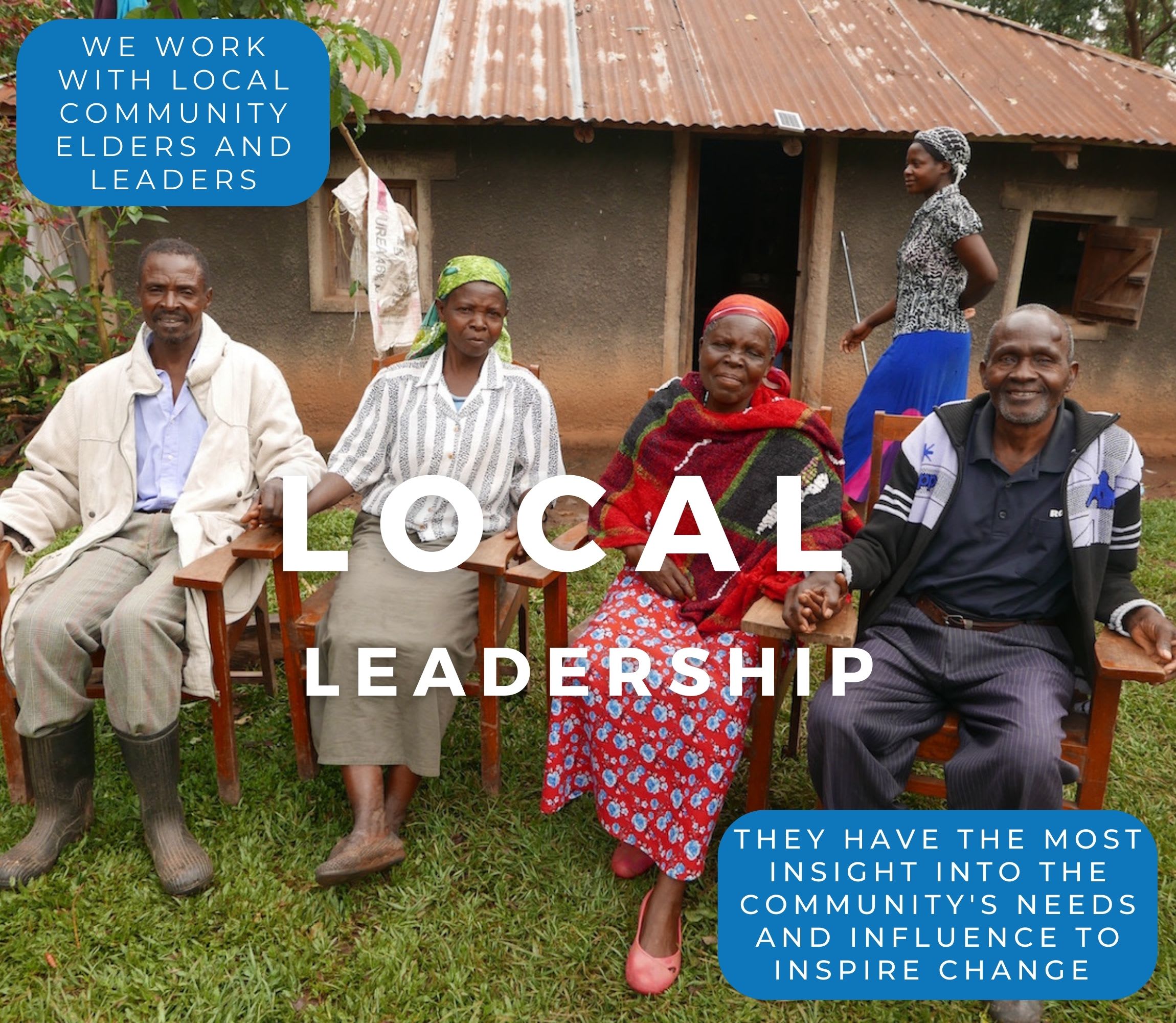
Hygiene and sanitation training are integral to our water projects. Training is tailored to each community's specific needs and includes key topics such as proper water handling, improved hygiene practices, disease transmission prevention, and care of the new water point. Safe water and improved hygiene habits foster a healthier future for everyone in the community.
Encouraged and supported by our team's guidance, the community elects a water user committee representative of its diverse members. This committee assumes responsibility for maintaining the water point, organizing community efforts, and gathering fees to ensure its upkeep.