 Sand Dam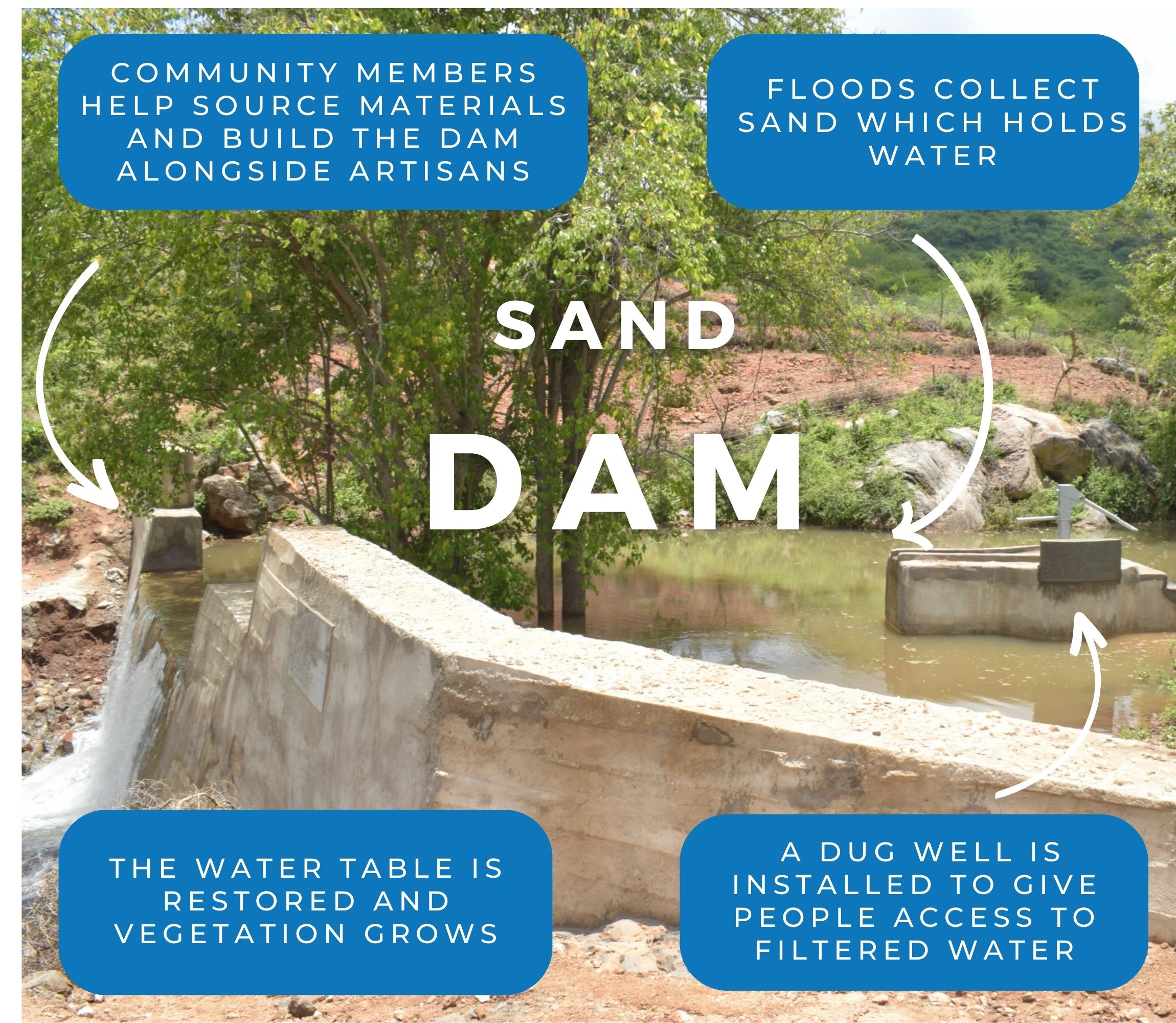
 Rehabilitation Project











The Kamakumbi Community lives in a rocky, dusty area where recurring drought has made water scarcity a constant struggle. Right now, the community survives largely on scoop holes dug into a nearby riverbed. The water is unprotected, easily contaminated by animal waste and debris, and during the dry season, it can take three hours round-trip to fetch, with waits stretching up to five hours when the scoop holes run low.

Community member collects water from a scoop hole.
Sixty-two-year-old farmer and community leader Daniel Mutio has felt the cost of this firsthand. "I remember a recent time when one of my family members developed severe diarrhea and stomach pains after we had been using water from a scoop hole during a prolonged dry spell," he said. "The water had a bad smell and was not clear, but we had no better alternative. We had to seek treatment at a health facility, and it was painful to watch someone become sick simply because of the water we depend on to survive."
That sickness comes with a cost that reaches far beyond the hospital visit. "When someone falls sick with illnesses such as typhoid, amoebiasis, diarrhea, or severe stomach upsets, we have to visit the local hospital for medical treatment and buy the prescribed medicines," Daniel explained. "These expenses take a considerable portion of our limited income because our livelihoods mainly depend on farming and livestock, both of which have been heavily affected by recurring drought."
The disruption doesn't end there. "Whenever someone in the family becomes sick, normal life is disrupted. Time that should be spent farming, herding livestock, or carrying out other productive activities is instead spent caring for the sick or traveling to the hospital or dispensary. This reduces our productivity and sometimes affects our income because important farm work is delayed. Children may also miss school while recovering, making it difficult for them to keep up with their lessons."
Daniel has watched the toll this takes on him personally, too. "It is very painful because water is supposed to keep people alive, not make them sick," he said. "Every time I collect water from a scoop hole, I worry about whether it is safe for my family to drink. The water often has a salty taste, a foul smell, and is visibly dirty, but when there is no other source available, we are forced to use it."
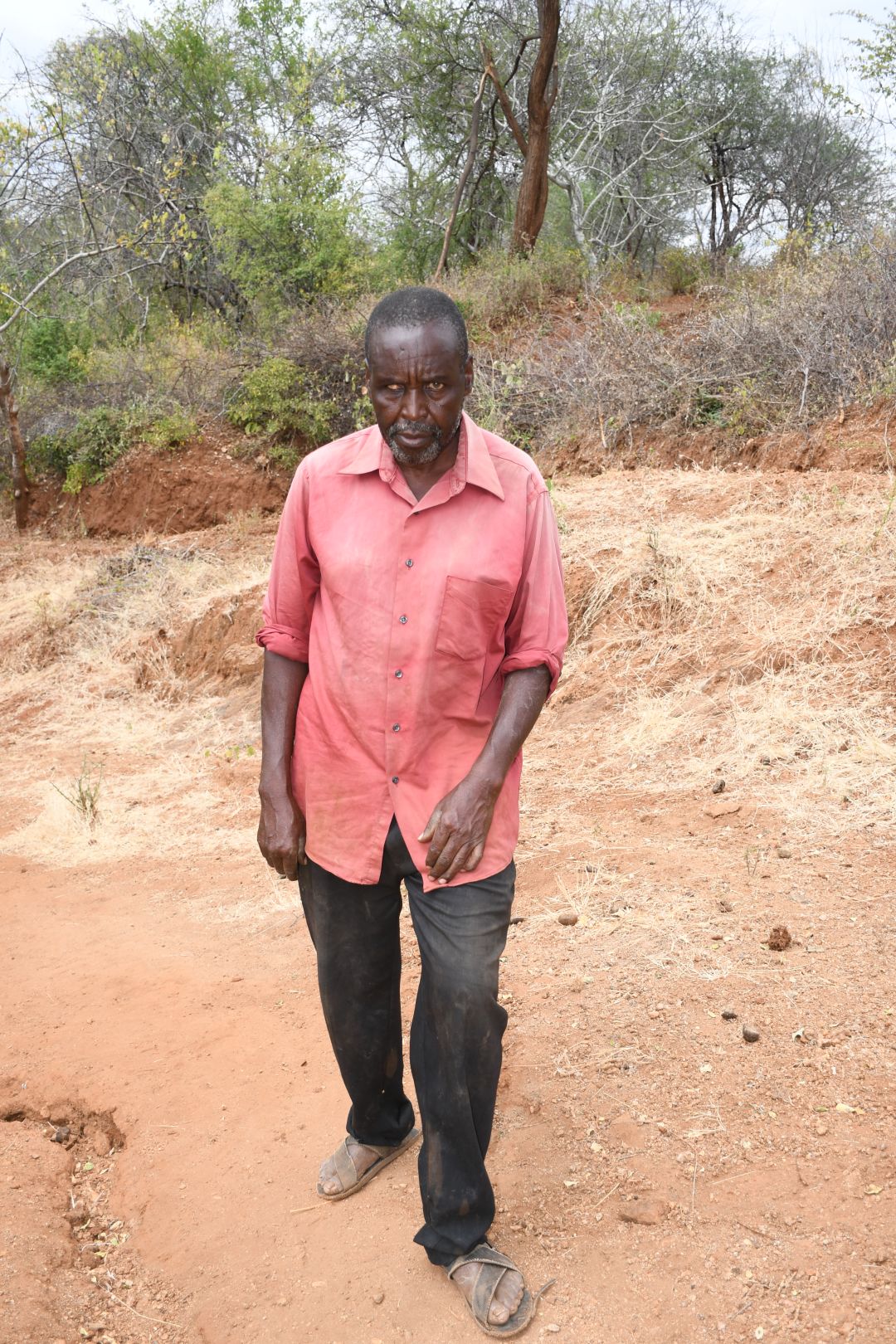
Daniel Mutio.
Not only is the water scarce and dangerous to drink, but the time spent collecting it is also monumental. He described the longest wait he's endured: "The longest I have spent was more than five hours. It takes me about three hours to walk to and from the scoop hole, and during the peak of the drought, I also had to wait because the water recharged very slowly. There were many other people waiting for the same water, and since the scoop hole had almost dried up, we could only collect small amounts at a time. It was a very long and exhausting day."
If that time were freed up, Daniel knows exactly how he'd use it. "If water were available closer to my home, I would spend much more time caring for my goats and cattle, improving my farm, and carrying out other household responsibilities," he said. "As the coordinator of our self-help group, I would also have more time to support community development activities and encourage members to strengthen their livelihoods. Reliable water would allow me to invest my energy in productive work instead of spending many hours every day searching for water."

A sand dam will address the root cause of Kamakumbi's problem: insufficient groundwater to last through the dry months. Capturing and holding rainwater in the riverbed's sand will recharge groundwater levels and expand the community's water storage, easing the pressure that currently pushes families back to contaminated scoop holes.
As Daniel put it, "To me, water truly is life because everything my family depends on begins with it. We need water to drink, prepare food, maintain hygiene, care for our livestock, and grow crops that sustain our livelihoods. Without reliable water, our health suffers, our animals become weaker, and our farming becomes less productive. I believe that access to safe water would not only protect our health but also allow us to work harder, improve our livelihoods, and build a better future for our families and the entire Kakongoro community."
Solving the water crisis in this community will require a multifaceted system that will work together to create a sustainable water source that will serve this community for years to come.
Steps Toward a Solution
Our technical experts worked with the local community to identify the most effective solution to their water crisis. Together, they decided to construct a sand dam and a protected dug well.
Sand Dam
Sand dams are sought-after, climate-smart, and lasting water solutions providing hope and resilience to communities in arid Southeastern Kenya. Think of them like giant sandboxes constructed in seasonal rivers that would typically quickly dry up after the rainy season. Instead of holding water like traditional dams, they collect sand and silt.
When infrequent rains do come, these dams catch a percentage of the river's flow, letting most of the water continue downstream to other communities. But here's the magic: the sand they collect acts like a natural filter, holding onto water long after the river's gone dry. Then, wells are constructed nearby, creating a reliable water source even during the driest times.
And the benefits don't stop there! In communities impacted by climate change, sand dams replenish groundwater and prevent soil erosion. Even during severe droughts, the consistent water supply from these sand dams allows farmers to thrive, giving way for enough food not only for their families but also to sell in local markets.
The most remarkable aspect of sand dams is how they involve the local community every step of the way, giving them a sense of ownership and pride in solving their own water shortage and managing their own water resources.
This sand dam will be connected to a protected dug well to make the water more accessible.
Community Education & Ownership
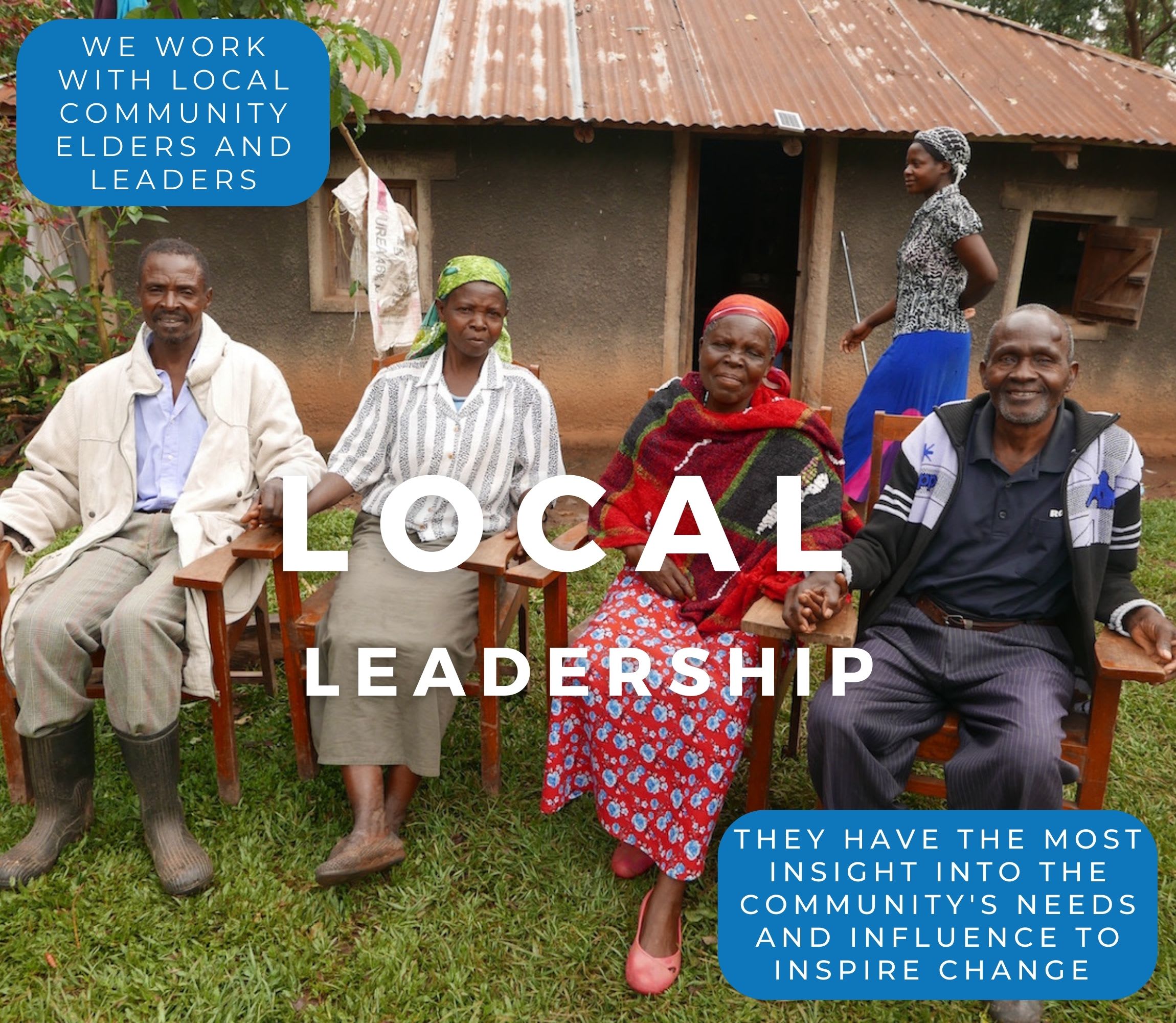
Hygiene and sanitation training are integral to our water projects. Training is tailored to each community's specific needs and includes key topics such as proper water handling, improved hygiene practices, disease transmission prevention, and care of the new water point. Safe water and improved hygiene habits foster a healthier future for everyone in the community.
Encouraged and supported by our team's guidance, the community elects a water user committee representative of its diverse members. This committee assumes responsibility for maintaining the water point, organizing community efforts, and gathering fees to ensure its upkeep.