 Sand Dam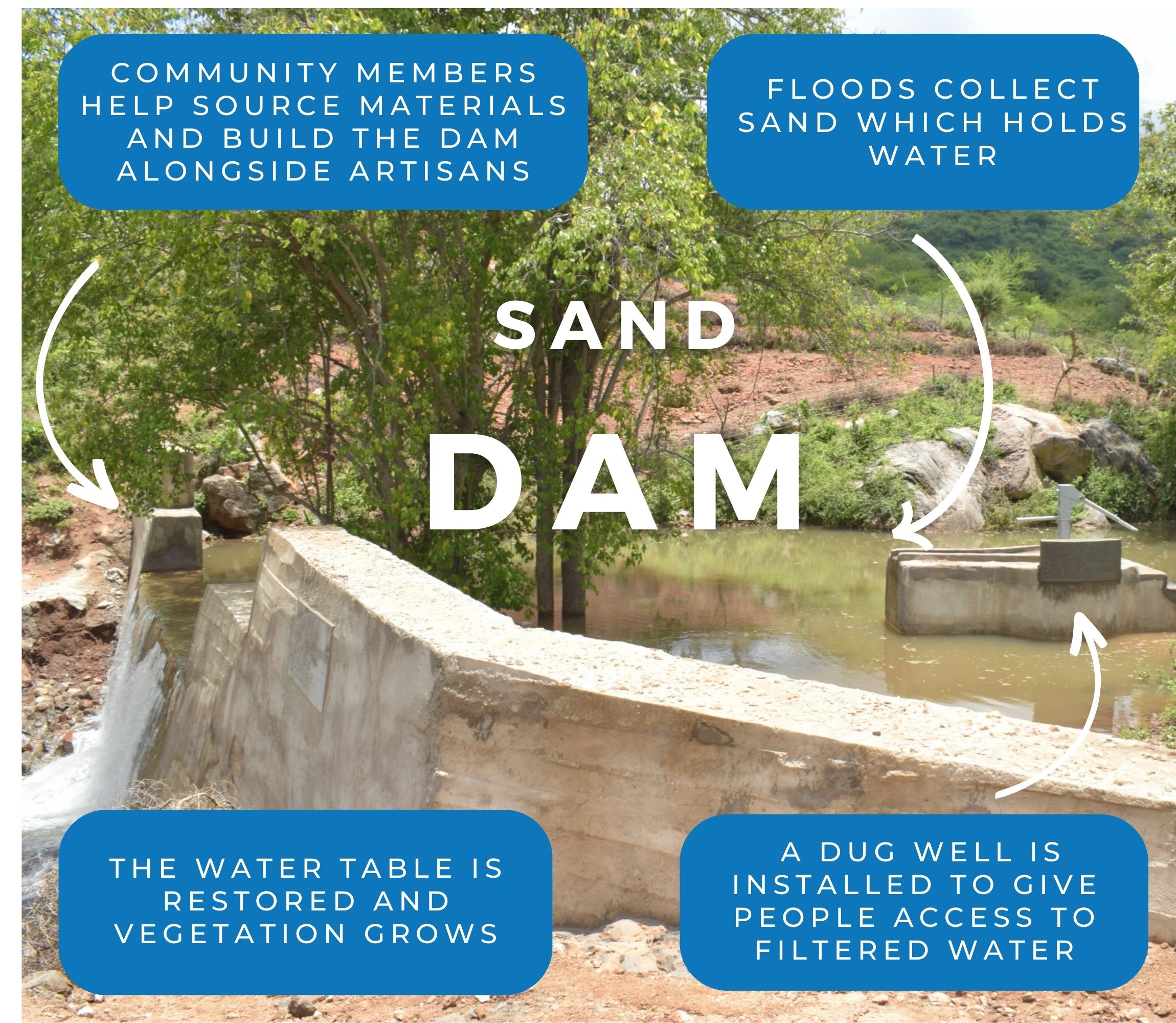
 Rehabilitation Project











Roughly 300 residents of Kivuli Community know the rhythm of drought well. Rain is scarce, and the sun is unrelenting most of the year, leaving the ground bare and the access roads dusty and rocky underfoot. Carrying water home is its own trial here — even ox-drawn carts struggle over the uneven terrain, often spilling their loads before reaching a family's doorstep.

The distant water kiosk that requires an ox cart to haul water from.
Felistus Mutua, 47, has farmed this land long enough to feel every one of these hardships firsthand. "We receive very little rainfall here and experience immense heat throughout the year because of the rampant drought in our area," she said. "The available water sources give in to the adverse conditions and reduce the water supply during the drought seasons. Some even dry up completely."

Felistus Mutua.
When the community's existing water sources run low, Felistus and her neighbors turn to a nearby borehole, but the wait can stretch on for hours. "I have had to wait at the borehole for almost 3 hours on several occasions, especially during the drought season," she said. "It takes that long because of the long queues and low water supply as the drought progresses."

Felistus is using an ox cart to haul water home.
The cost of that water adds another burden to households already stretched thin by poor harvests. "Paying for water is costly for me because we reap very little from our farms, and I have to support my children's education and take care of the household utilities," Felistus said. "This high cost also makes me ration water at home to cater mainly to activities like cooking and drinking, which negatively affects other important activities like cleaning."
Kivuli Community has not waited passively for help. Members already banded together to build their first sand dam and well, a project that captures and stores rainwater in the sand of a seasonal riverbed, filtering it naturally as it flows to the well. But one sand dam cannot meet the needs of every household in the group, and during the driest months, it is stretched well past its capacity, leaving many to fall back on saline borehole water or walk long distances to reach it.
A second sand dam would extend that relief closer to households currently left out. For Felistus, more reliable water closer to home would free up time and money for the things that matter to her family. "I would spend my time engaging in more productive activities like preparing my farm, resting, or engaging in table banking activities," she said. Freed from the cost of buying water elsewhere, she added, "I would spend my money purchasing seeds to plant on my farm, take care of the household budget, or even save it for table banking activities."
Above all, Felistus sees water as something that touches every part of life. "Living without water is a frustrating experience," she said. "I need water to drink, cook, improve hygiene, and eke out an income. To get a high yield from my livestock or farm, I need adequate water. What I earn as a farmer helps my children stay in school and take care of my personal needs. Having adequate clean water restores dignity, creates growth opportunities, boosts education, and catalyzes general development."
Solving the water crisis in this community will require a multifaceted system that will work together to create a sustainable water source that will serve this community for years to come.
Steps Toward a Solution
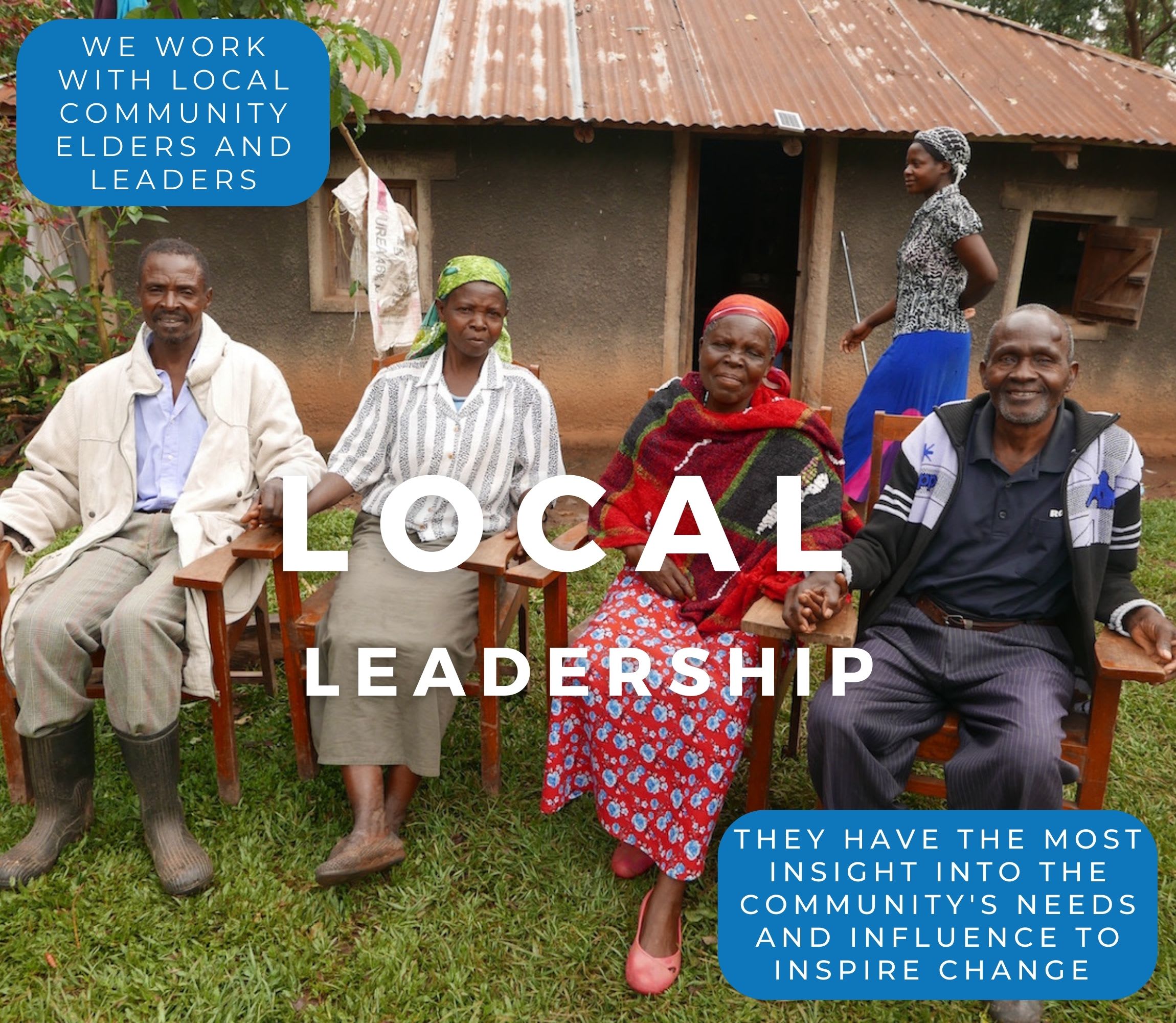
Our technical experts worked with the local community to identify the most effective solution to their water crisis. Together, they decided to construct a sand dam and a protected dug well.
Sand Dam
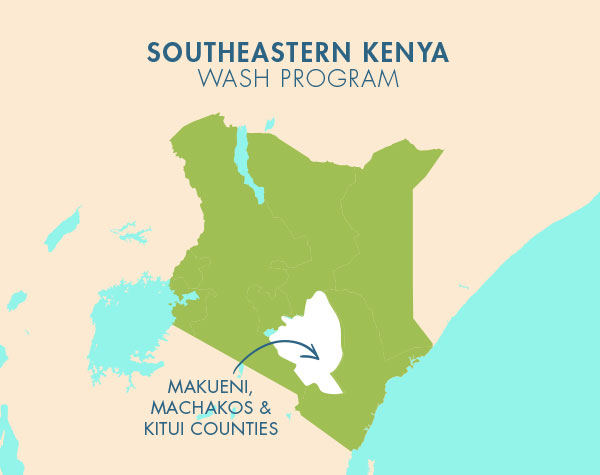
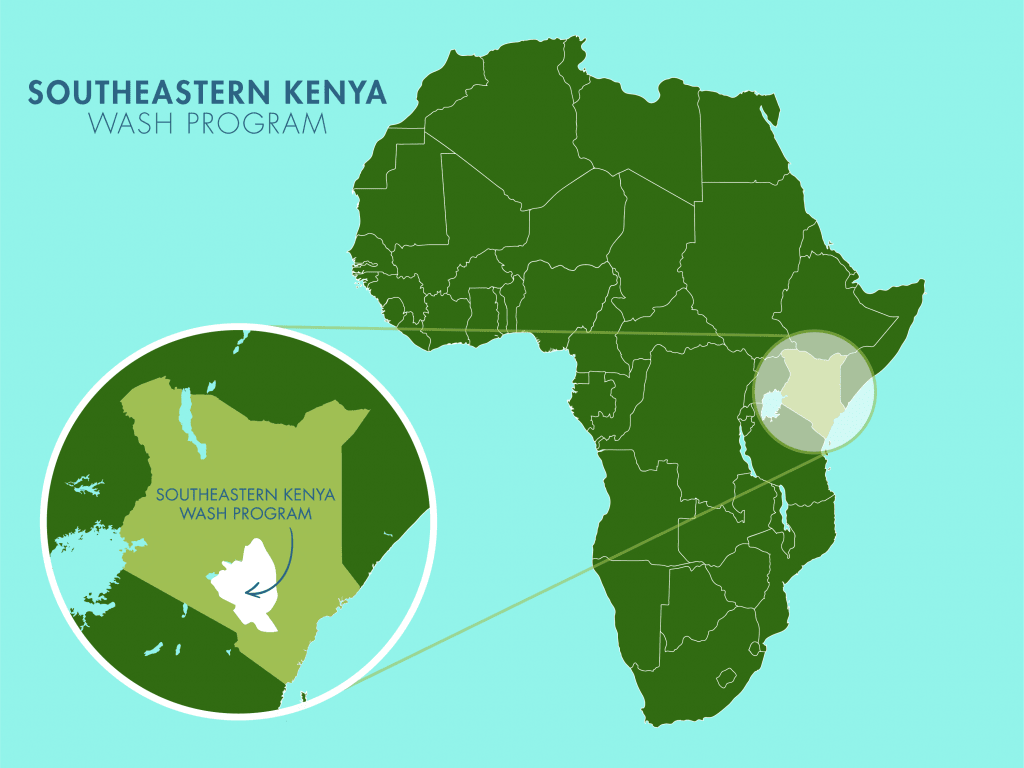
Sand dams are sought-after, climate-smart, and lasting water solutions providing hope and resilience to communities in arid Southeastern Kenya. Think of them like giant sandboxes constructed in seasonal rivers that would typically quickly dry up after the rainy season. Instead of holding water like traditional dams, they collect sand and silt.
When infrequent rains do come, these dams catch a percentage of the river's flow, letting most of the water continue downstream to other communities. But here's the magic: the sand they collect acts like a natural filter, holding onto water long after the river's gone dry. Then, wells are constructed nearby, creating a reliable water source even during the driest times.
And the benefits don't stop there! In communities impacted by climate change, sand dams replenish groundwater and prevent soil erosion. Even during severe droughts, the consistent water supply from these sand dams allows farmers to thrive, giving way for enough food not only for their families but also to sell in local markets.
The most remarkable aspect of sand dams is how they involve the local community every step of the way, giving them a sense of ownership and pride in solving their own water shortage and managing their own water resources.
This sand dam will be connected to a protected dug well to make the water more accessible.
Community Education & Ownership
Hygiene and sanitation training are integral to our water projects. Training is tailored to each community's specific needs and includes key topics such as proper water handling, improved hygiene practices, disease transmission prevention, and care of the new water point. Safe water and improved hygiene habits foster a healthier future for everyone in the community.
Encouraged and supported by our team's guidance, the community elects a water user committee representative of its diverse members. This committee assumes responsibility for maintaining the water point, organizing community efforts, and gathering fees to ensure its upkeep.