 Borehole Well and Hand Pump

 Rehabilitation Project








The only water source for the 217 students and teachers at Pure Life Academy is a protected dug well. The path there is steep, uneven, and dangerously slippery during the rainy season, putting children at risk of injury. The well is behind a fence, and access is sometimes restricted. It is disheartening, after such a long, tiring trip, not to be able to collect water.
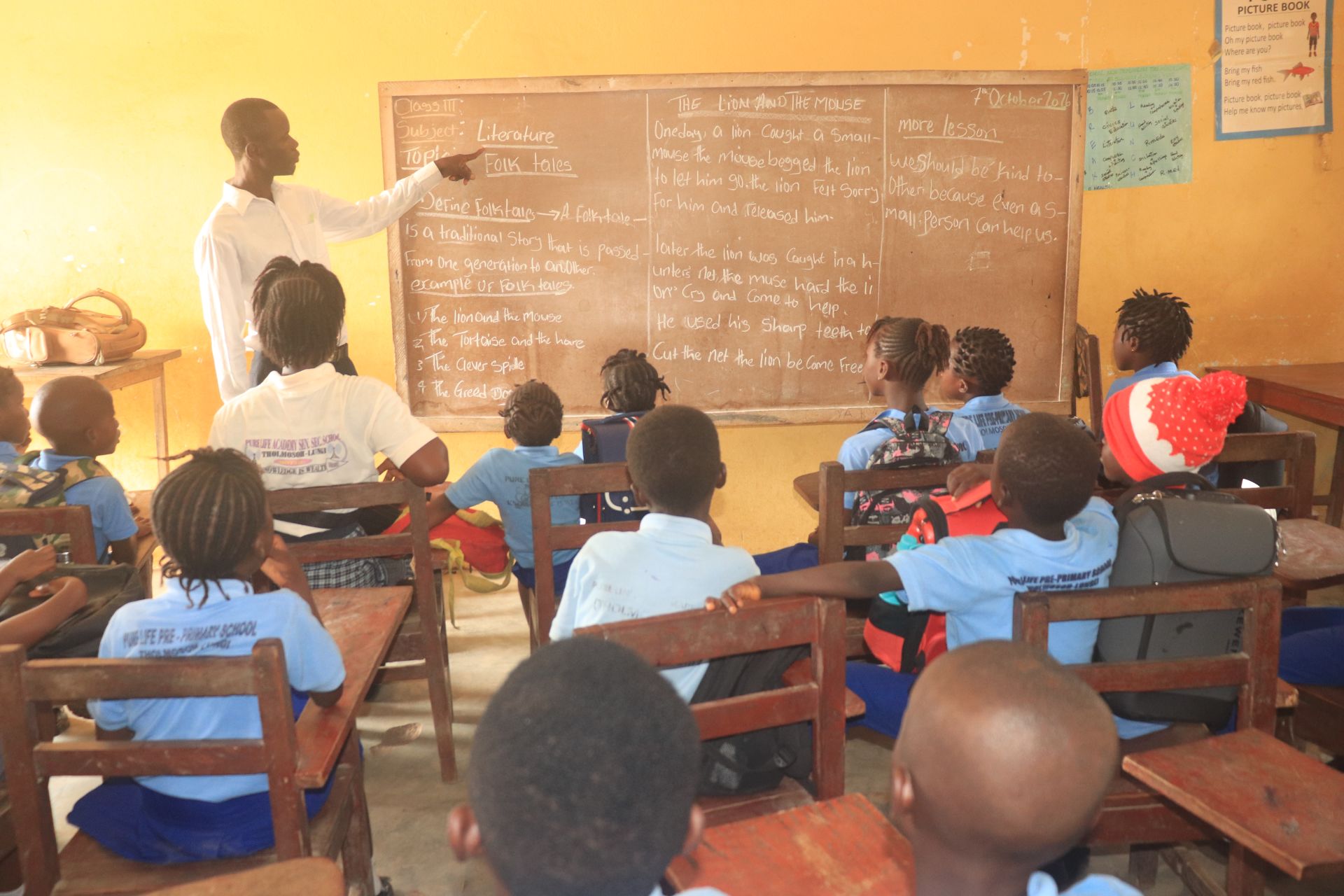
It's a 30-minute round trip just to get water. Depending on this one distant well takes time away from learning. Students come back tired, and the situation has even led to fights and arguments among children at the water source. Clean water shouldn’t be something kids have to compete for.
The school tried digging its own hand-dug well on the grounds, but it didn’t last.
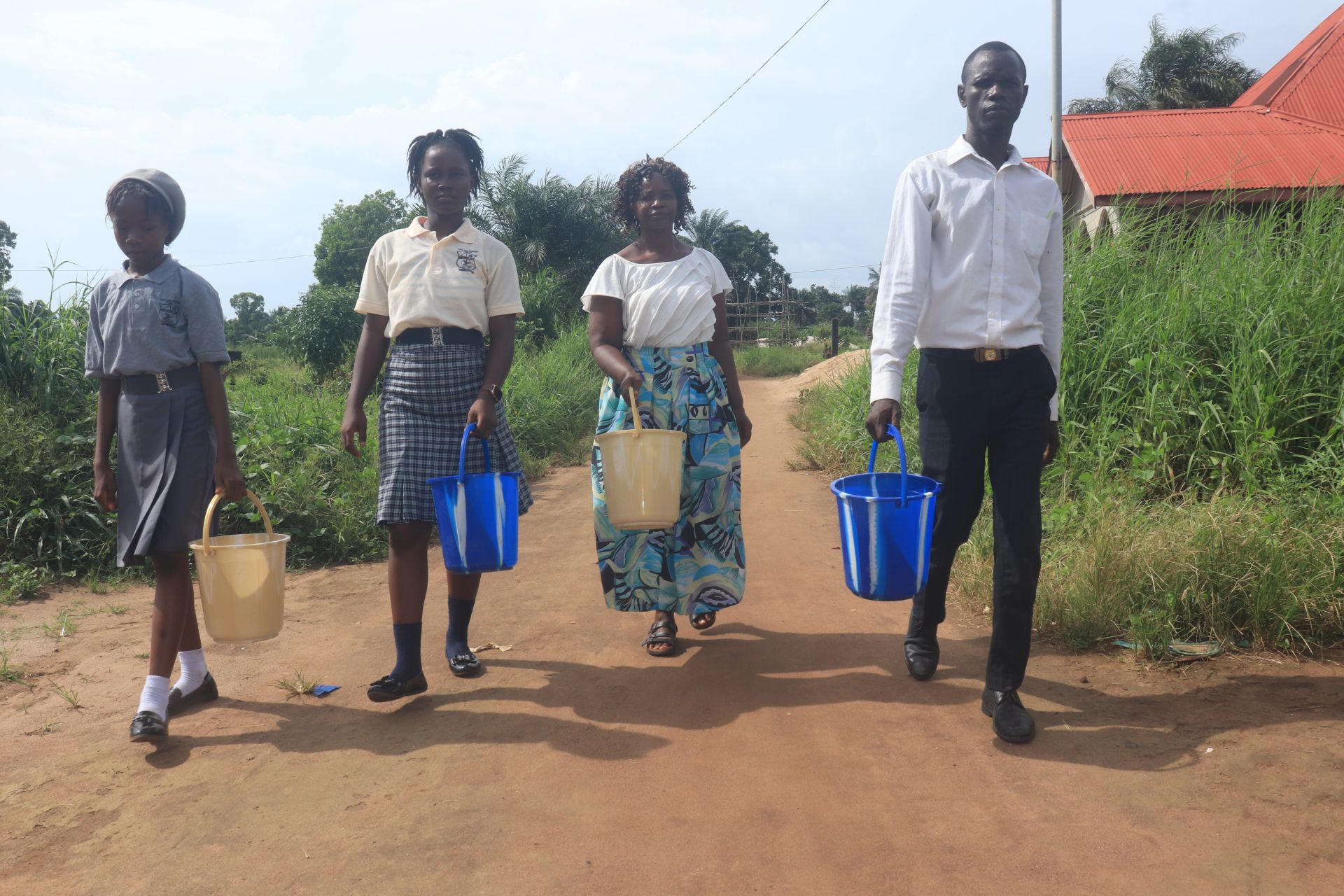
Walking to collect water.
16-year-old Daniella shared, "The distance to the water source makes fetching [water] take so long. The water source is far away from the school. The water source is out of the school premises, and it may take someone over an hour to get water. The source is inside a fence, and it is restricted. That will also make fetching water take so long."
"Every day I have to go out of the school premises to get water. That makes me miss lessons that are important to my schooling activities. It affected my examination grades during the year," said Daniella.
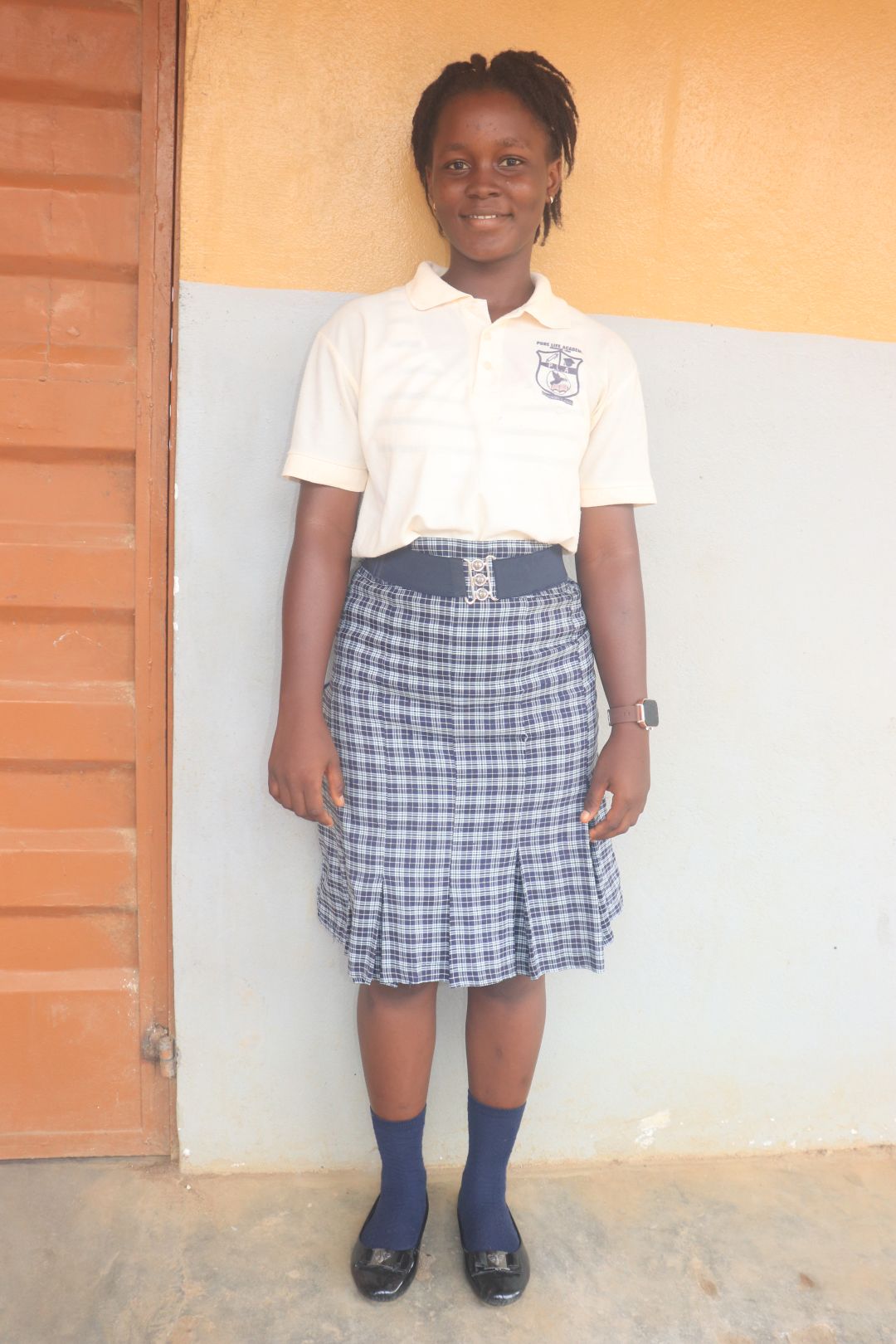
Daniella.
"I feel unhappy when I am sent to fetch water!" Daniella declared.
It is tiring and frustrating. She wants to create a brighter future, but until she has water security, that dream seems far away.
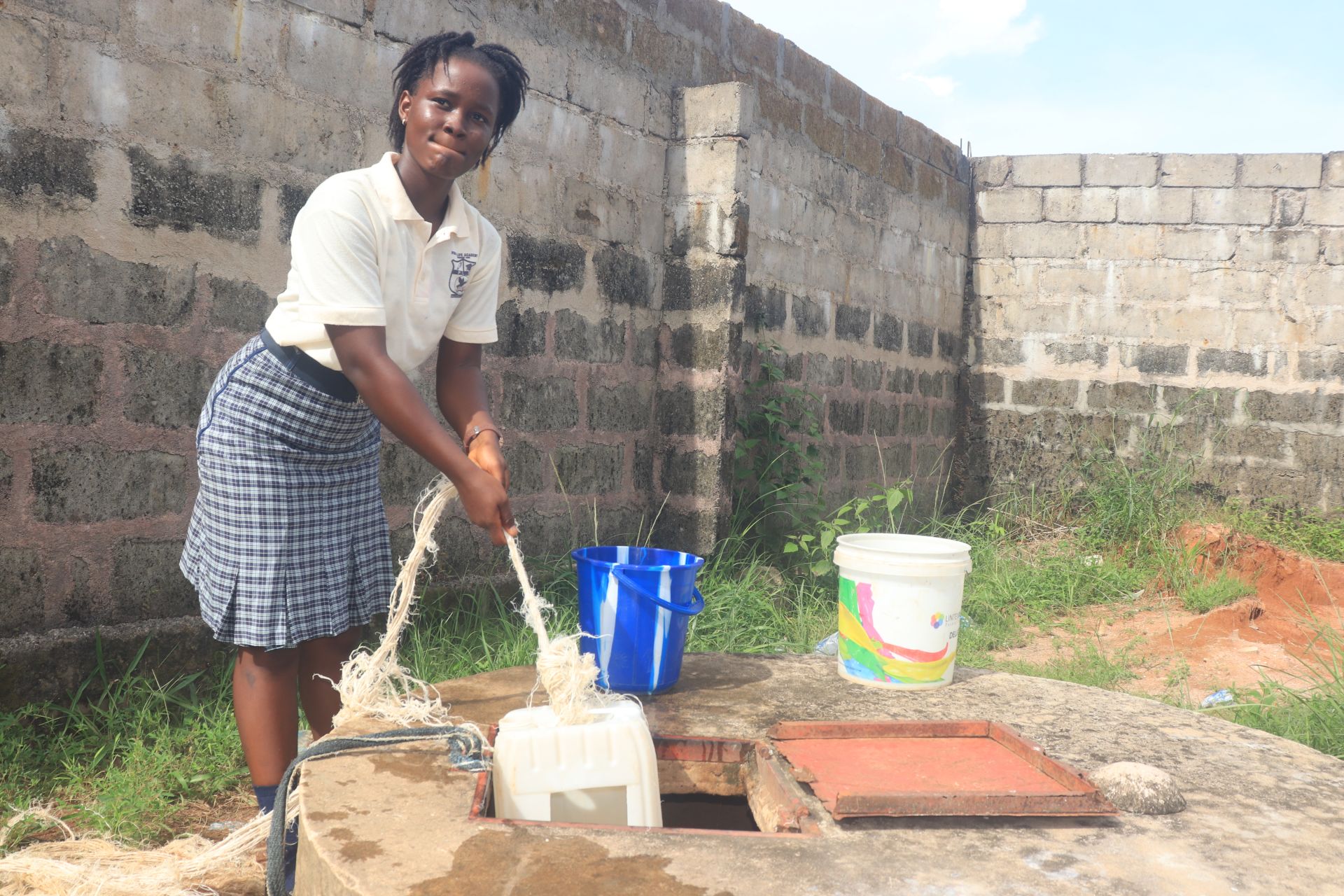
Daniella collecting water at the far away well.
When we asked Daniella what she would do if she did not have to waste so much of her time collecting water, she said: "During school hours, I will focus on my academic activities, like focusing on taking notes and actively participating in class sessions. When I return home, I will work on my assignments, and there will be enough time for me to study. I will also help my parents do household chores if I do not have to spend so much time getting water."
A new well on the school grounds would mean students can focus on their education instead of walking for water. It would also support the school’s future plans — they have land for farming and gardens, and hope to expand their buildings. Clean water on-site opens the door to all of it.
Steps Toward a Solution
Schools without reliable, on-premises water access often rely on students to fetch and carry water, leading to rationing and uncertainty about water quality. The water is typically poured into a communal storage tank and used by the entire school. With children carrying water from all different sources, it is also impossible for teachers and staff to know exactly where the water comes from and how safe it is to drink.
A new water point will be located on-premises at the school to ensure accessibility, reliability, and safety for students, teachers, and staff while meeting our school coverage goals. Having water available at the school allows children to drink, wash hands, and use sanitation facilities without leaving school grounds, preventing disruptions to lessons and reducing safety risks. A dedicated source increases water availability, reduces reliance on stored water, minimizes rationing, and ensures confidence in the safety of the water. This means staff and students are healthier, and their lessons aren’t disrupted, contributing to a better education!
Our technical experts worked with the school leadership and local community to identify the most effective solution to their water crisis. They decided to drill a borehole well, construct a platform for the well, and attach a hand pump.
Well
Abundant water often lies just beneath our feet. Aquifers—natural underground rivers—flow through layers of sediment and rock, offering a constant supply of safe water. A borehole well is drilled deep into the earth to access this naturally filtered and protected water. We penetrate meters, sometimes even hundreds of meters, of soil, silt, rock, and more to reach the water underground. Once found, we construct a platform for the well and attach a hand pump. The community gains a safe, enclosed water source capable of providing approximately five gallons of water per minute. Learn more here!
School Education & Ownership
Hygiene and sanitation training are integral to our water projects. Training is tailored to each school's specific needs and includes key topics such as proper water handling, improved hygiene practices, disease transmission prevention, and care of the new water point.
To ensure a lasting impact, we support forming a student health club composed of elected student representatives and a teacher. These clubs promote hygiene practices schoolwide and keep handwashing stations well-stocked. This student-led model encourages a sense of ownership and responsibility.
Safe water and improved hygiene habits foster a healthier future for everyone in the school and the surrounding community.