 Borehole Well and Hand Pump








Osman is one of the 196 students at the Malee Bundu Kankalay Islamic Primary School. At thirteen, he already knows the path he wants to take. "My plan for the future is to be a “Head Teacher.” I will be able to shape the system of education in our community if plans come into reality."
With such passion, Osman has a bright future. But without access to clean, reliable water, the road there gets harder every day.
"The habit of going out of class to get water while lessons are ongoing affects my time at school and also my exam scores. This makes me lack focus in class, as I need water at any time of day. My time at school is more affected when there is a scarcity of water within the community."
Without reliable water on campus, Osman is forced to travel into the community during school hours.
"The long distance to the water source is the reason fetching water takes so long. The road to the water source is over 500 meters (a third of a mile). As a result of this, one may spend so many minutes before going to the water source. Also, crossing the railway road is another problem that makes fetching water take so long. A water user must wait for the train before crossing, and that consumes [a] lot of time."
Time isn't the only sacrifice he makes. The water quality leaves much to be desired. "I am worried about the safety of the water source because it is in an open place where agricultural activities are undertaken. Such activities may contaminate the water through the application of fertilizer," Osman lamented.
With the well on the school campus being rehabilitated, Osman can stay in class, hydrated and ready to learn!
"If the water point is our school is rehabilitated, I will be safer because I will have enough water to practice good hygiene that will prevent me from catching certain illnesses. Moreover, the habit of going out of school to fetch water will stop as I will no longer need to go out of school to fetch water."
Steps Toward a Solution
Our technical experts worked with the local community to identify the most effective solution to their water crisis. They decided to rehabilitate an unsafe, insufficient well to convert it to a borehole well.
Rehabilitating a Well
Abundant water often lies just beneath our feet. Aquifers—natural underground rivers—flow through layers of sediment and rock, offering a constant supply of safe water.
The well marked for this overhaul is dry for several months a year and needs major work to supply adequate, clean water to the community year-round. A hand auger will be lowered inside the well, powered by a drill team. The team will work to drill several meters deeper to hit a sufficient water column to ensure the well supplies water throughout all seasons. As the team drills, the casing will be installed, transforming the bottom of this well into a borehole. PVC piping will connect this lower system directly to the pump, a component we know will also improve water quality. Finally, we will reconstruct the platform for the well and attach the hand pump.
Once this plan is implemented, everyone within the community will have access to safe drinking water in quality and quantity, even through the dry months.
Community Education & Ownership
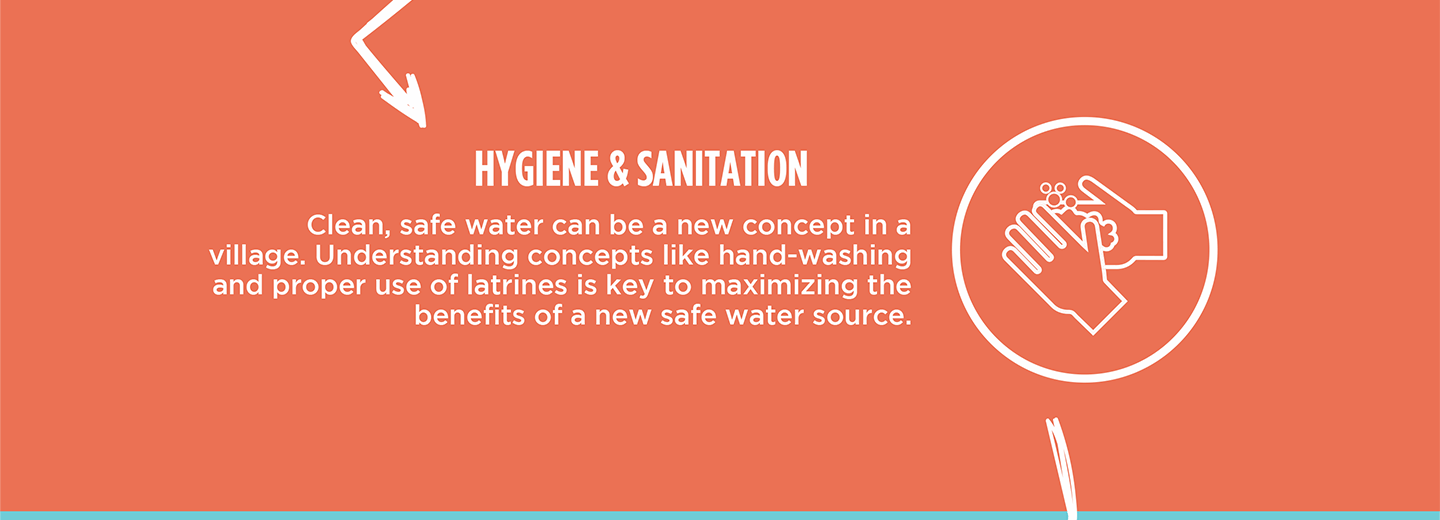
Hygiene and sanitation training are integral to our water projects. Training is tailored to each community's specific needs and includes key topics such as proper water handling, improved hygiene practices, disease transmission prevention, and care of the new water point. Safe water and improved hygiene habits foster a healthier future for everyone in the community.
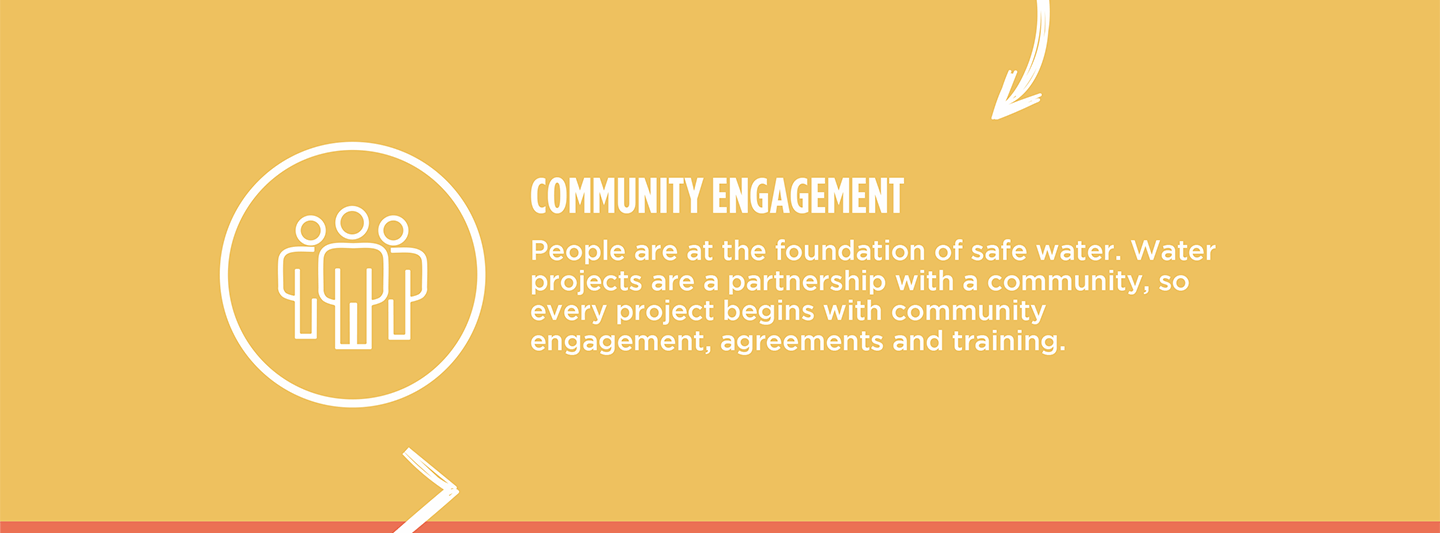
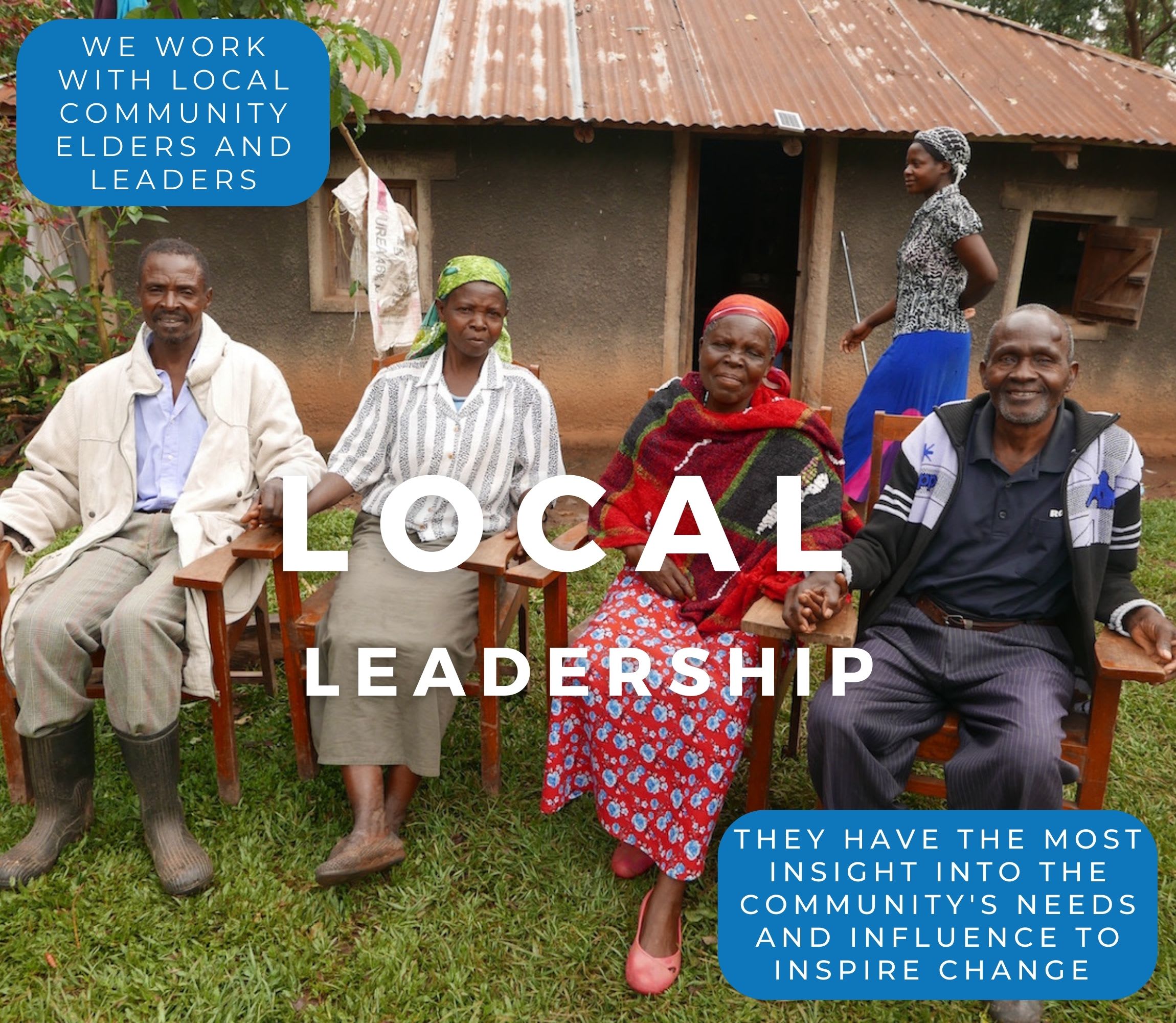
Encouraged and supported by our team's guidance, the community elects a water user committee representative of its diverse members. This committee assumes responsibility for maintaining the water point, organizing community efforts, and gathering fees to ensure its upkeep.