Project Status


Project Type:  Borehole Well and Hand Pump

Regional Program: Western Uganda WaSH Program

Impact: 300 Served

Project Phase:  In Service - Oct 2026

Functionality Status:  Functional

Project Features


Click icons to learn about each feature.


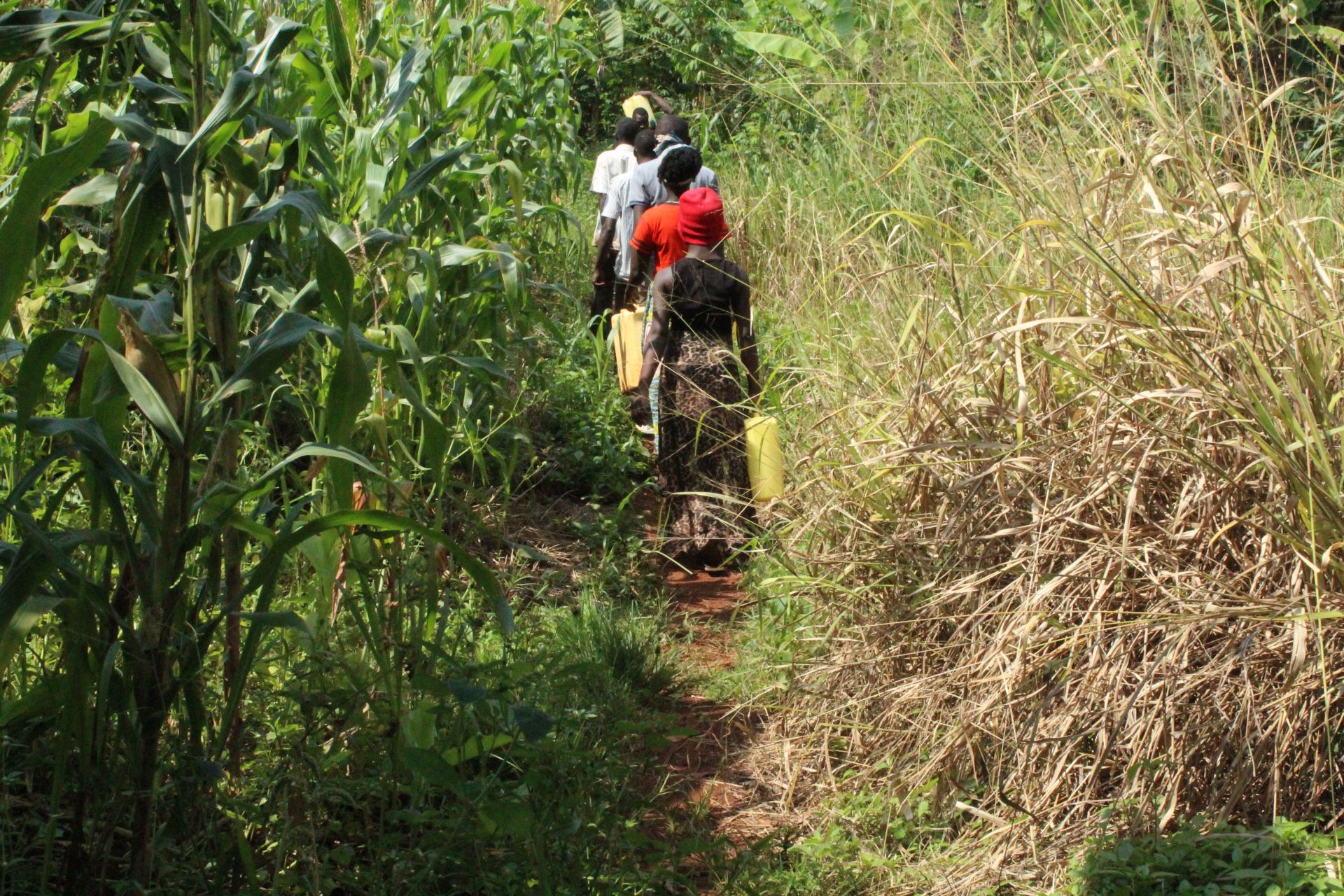
The 300 people who call Kikobwa Community home struggle to meet their daily water needs. It is not surprising, given that they have only two water sources - a community spring and the local swamp. They're both an hour away, and community members have to traverse treacherous terrain to collect water. The trip is fraught with risks and consumes people's time and energy, leaving very little for their daily lives.

Content Warning: Some of the information in this report may be upsetting for readers. There are references to sexual violence.
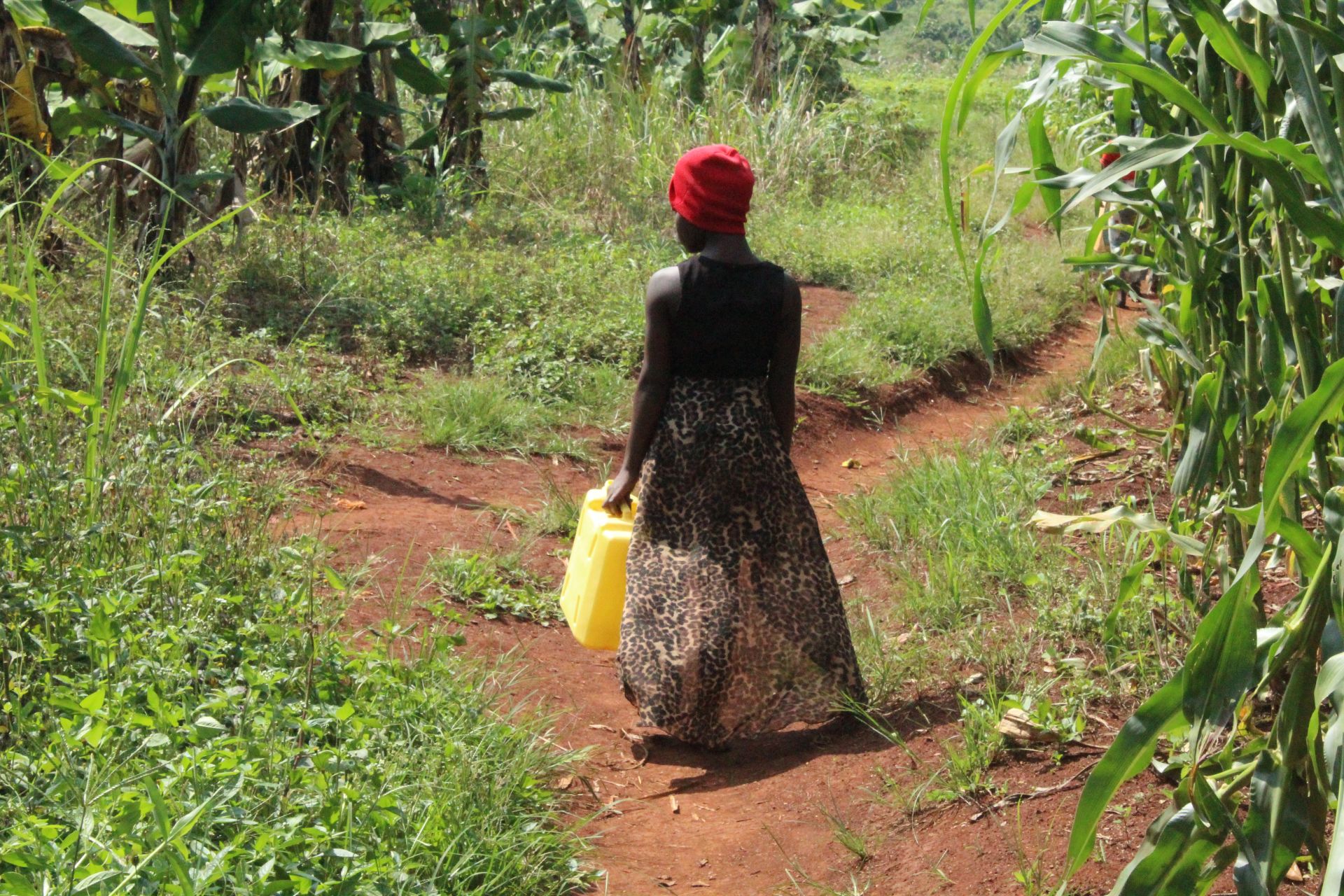
Patricia makes the journey to collect water.

For 14-year-old Patricia, the task of collecting water is a hardship that often feels overwhelmingly dangerous.

"The difficult terrain, featuring steep and slippery roads during the rainy season, makes accessing water challenging; sometimes we even go without bathing. The access road is overgrown with bushes, and sometimes, when I reach the water point, boys there threaten me with sexual assault. This frightens me and makes me feel bad whenever I am sent to fetch water," said Patricia.

"I feel scared and uncomfortable going to the waterpoint alone because it is not safe!" Patricia bravely shared.
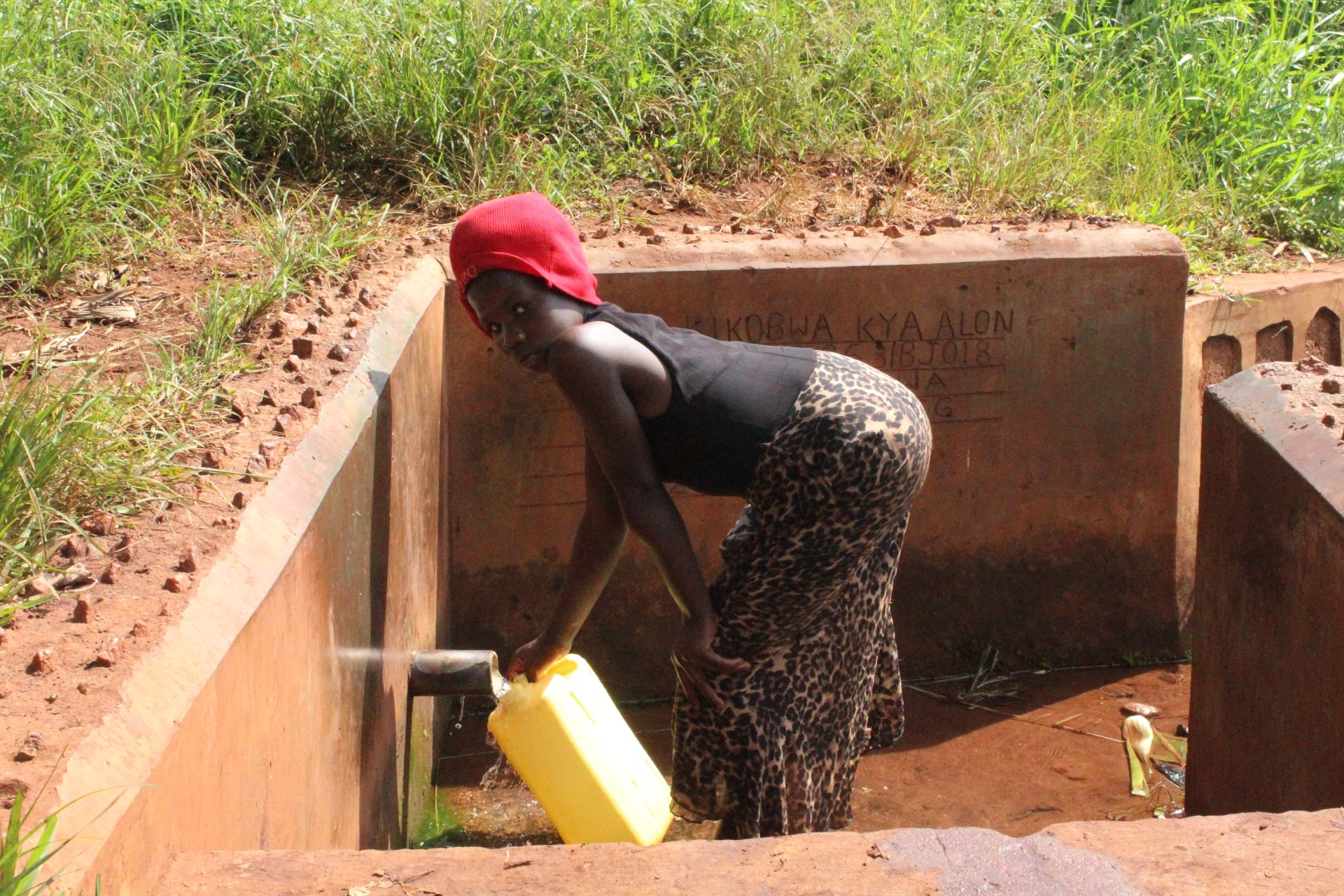
Patricia collects water from the spring.

Every time Patricia is sent to collect water, she fears for her safety. If water were closer to her home, the risks would greatly decrease, and she could focus on other critical aspects of her daily life rather than just surviving.

Even on days when Patricia is not threatened with violence, her day is consumed by collecting water.

"When I go to the waterpoint late in the evening, there are always many people, and I end up spending a lot of time there that I could have used for my schoolwork," Patricia lamented.
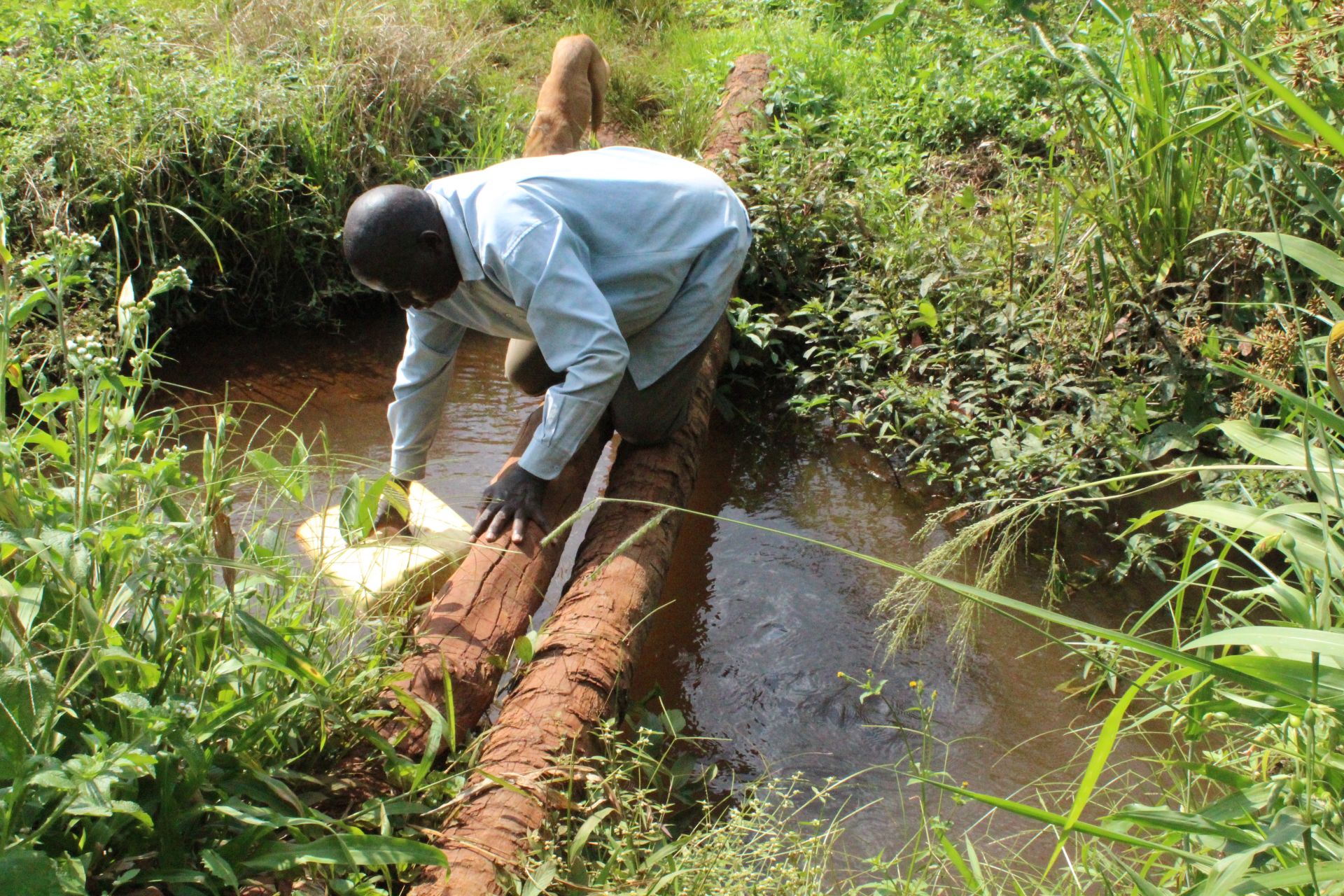
The alternative source - the swamp.

The lack of water security for Patricia is stealing her peace of mind and her future. This should not be!

Installing a water point near Patricia's home can literally change her life. When we asked Patricia how having a water point near her home would impact her, she said, "I will be able to access water safely at any time because it will be located in a secure area. I will feel safe, as I expect not to be threatened by boys anymore."

Patricia simply wants to feel safe and to collect water so she can get back to doing the things a young girl should do, like learning and participating in her family's daily life.
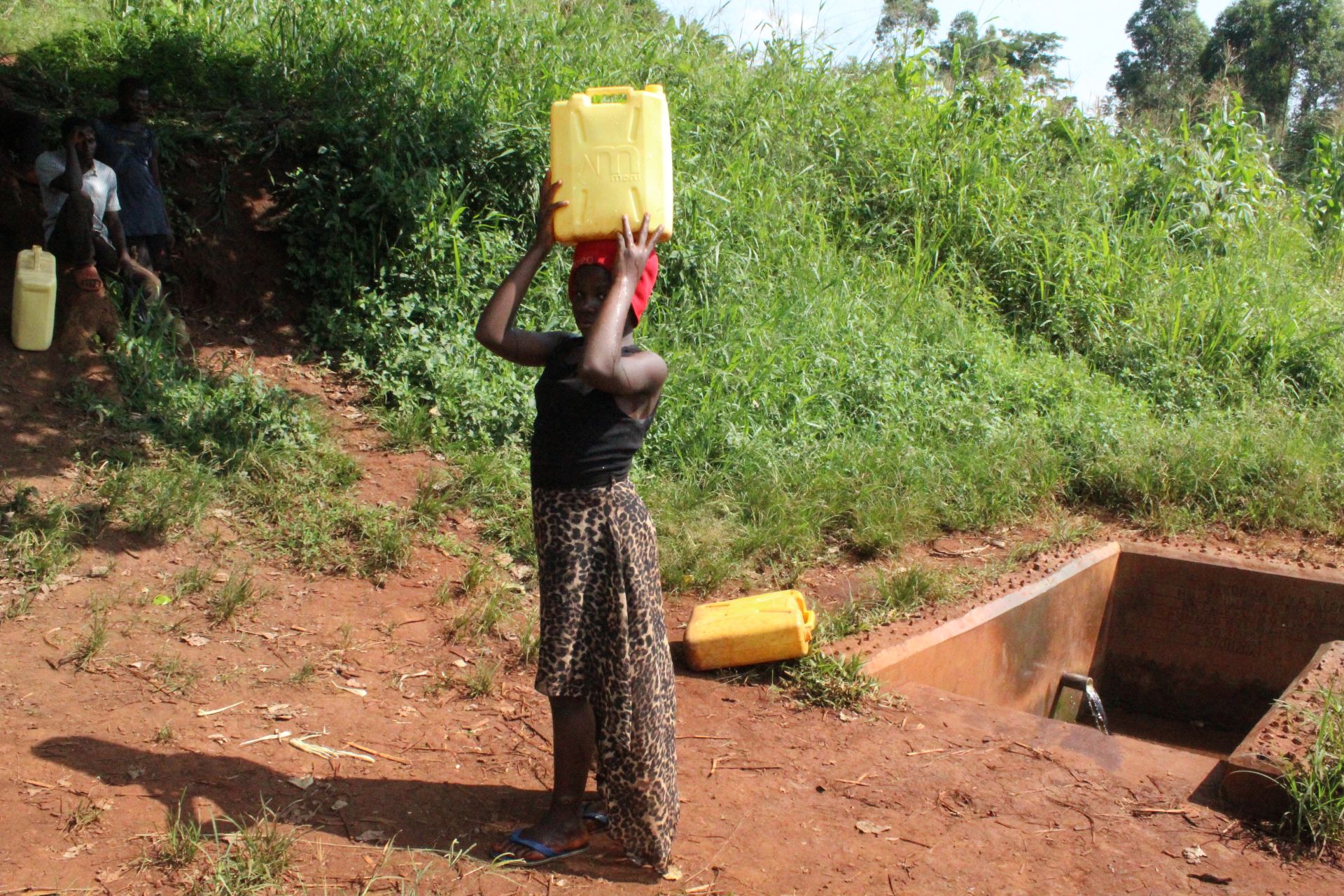
"I will use that time to focus on other household chores and schoolwork. Additionally, I will ensure I bring water on time so my mother can prepare meals promptly," Patricia said.

Having that security is the only way she can forge a path forward toward a brighter future.
Steps Toward a Solution

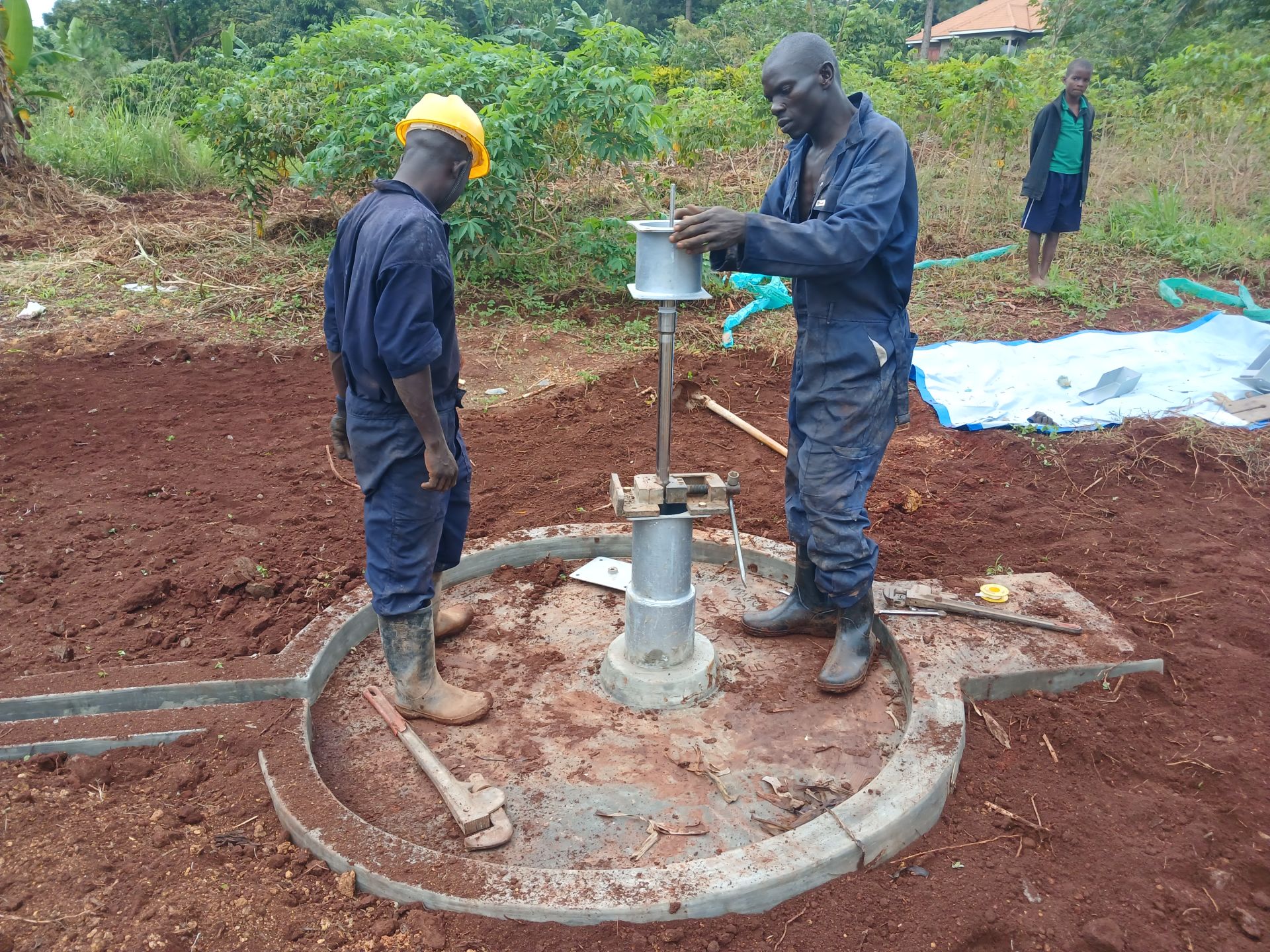
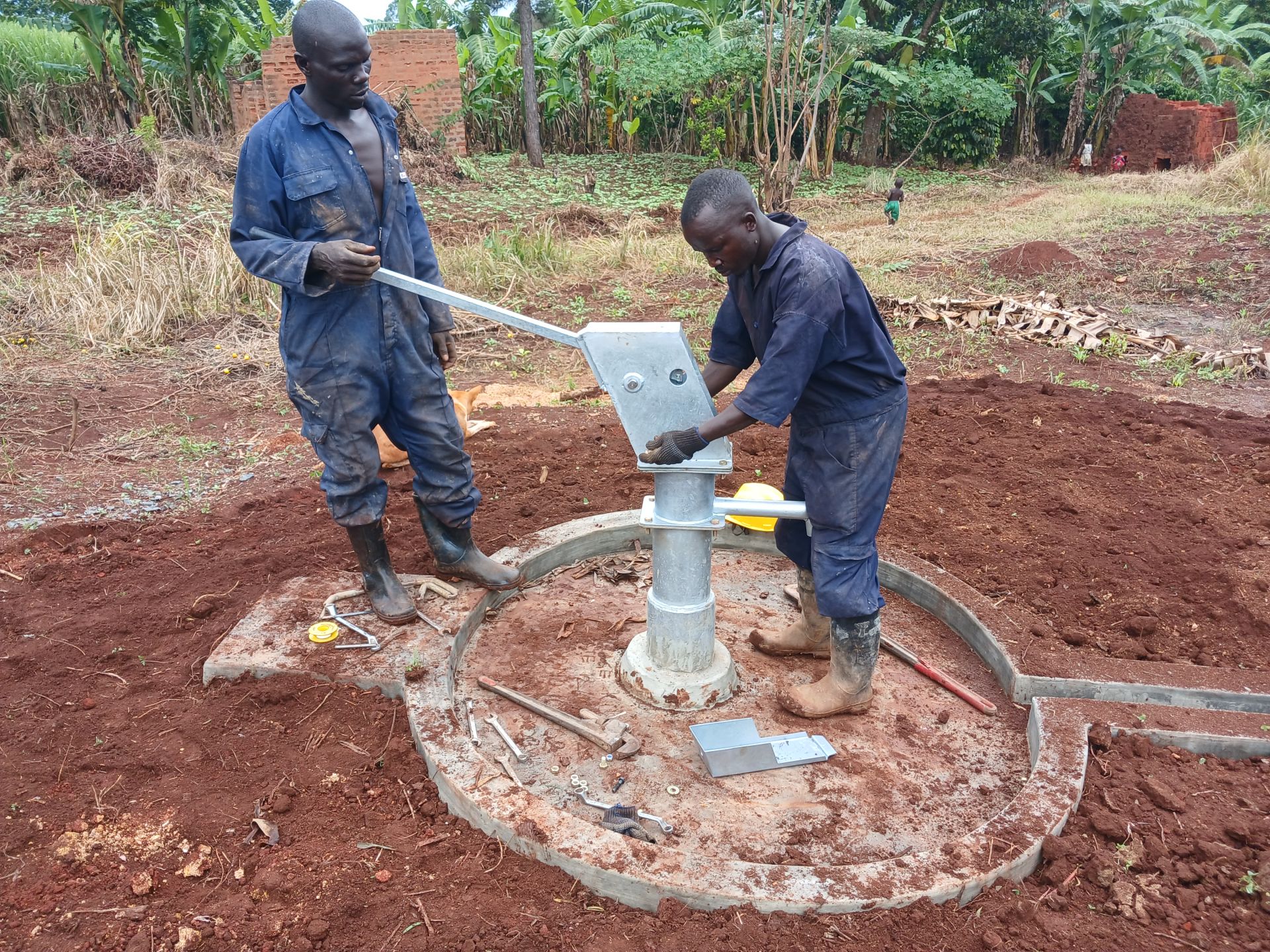
Our technical experts worked with the local community to identify the most effective solution to their water crisis. They decided to drill a borehole well, construct a platform for the well, and attach a hand pump.

Well
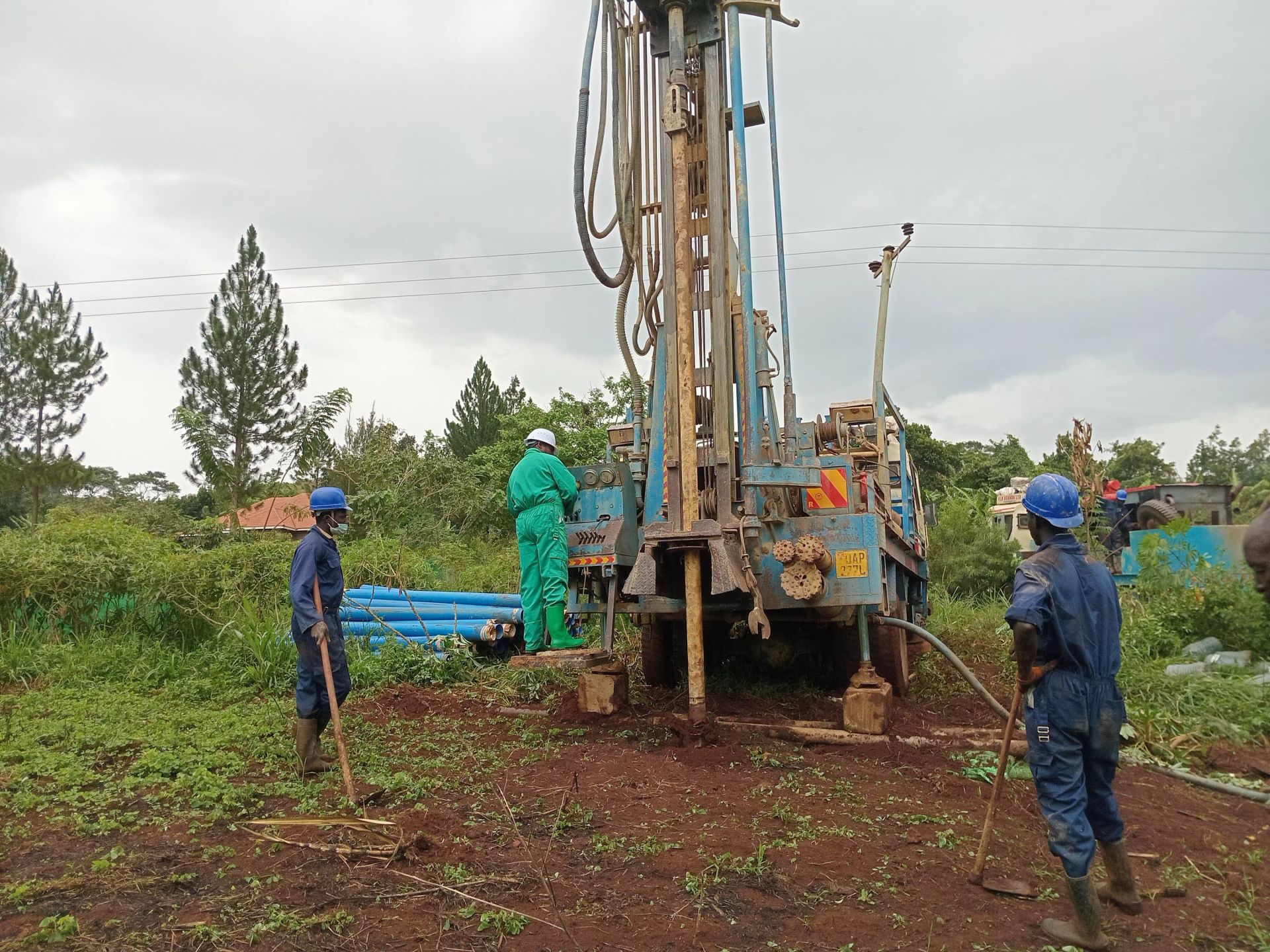
Abundant water often lies just beneath our feet. Aquifers—natural underground rivers—flow through layers of sediment and rock, offering a constant supply of safe water. A borehole well is drilled deep into the earth to access this naturally filtered and protected water. We penetrate meters, sometimes even hundreds of meters, of soil, silt, rock, and more to reach the water underground. Once found, we construct a platform for the well and attach a hand pump. The community gains a safe, enclosed water source capable of providing approximately five gallons of water per minute. Learn more here!

Community Education & Ownership
Hygiene and sanitation training are integral to our water projects. Training is tailored to each community's specific needs and includes key topics such as proper water handling, improved hygiene practices, disease transmission prevention, and care of the new water point. Safe water and improved hygiene habits foster a healthier future for everyone in the community.

A Community-Wide Approach
In Uganda, we use a Community-Led Total Sanitation (CLTS) approach, which involves several meetings where community members evaluate their own hygiene and sanitation practices to encourage lasting change. During these sessions, natural leaders emerge, motivating the community to recognize and change unhealthy behaviors that affect everyone.

Communities then commit to ending open defecation before we install the water project. Every household builds a latrine to prevent disease and improve hygiene and sanitation in anticipation of their new water source. To support this effort, a Community Development Officer (CDO) is assigned. The CDO encourages each household to set up handwashing stations, animal pens, garbage pits, and dish-drying racks. These additions are crucial in preventing the spread of common diseases.
Project Updates


October, 2026: Kikobwa Community Well Complete!

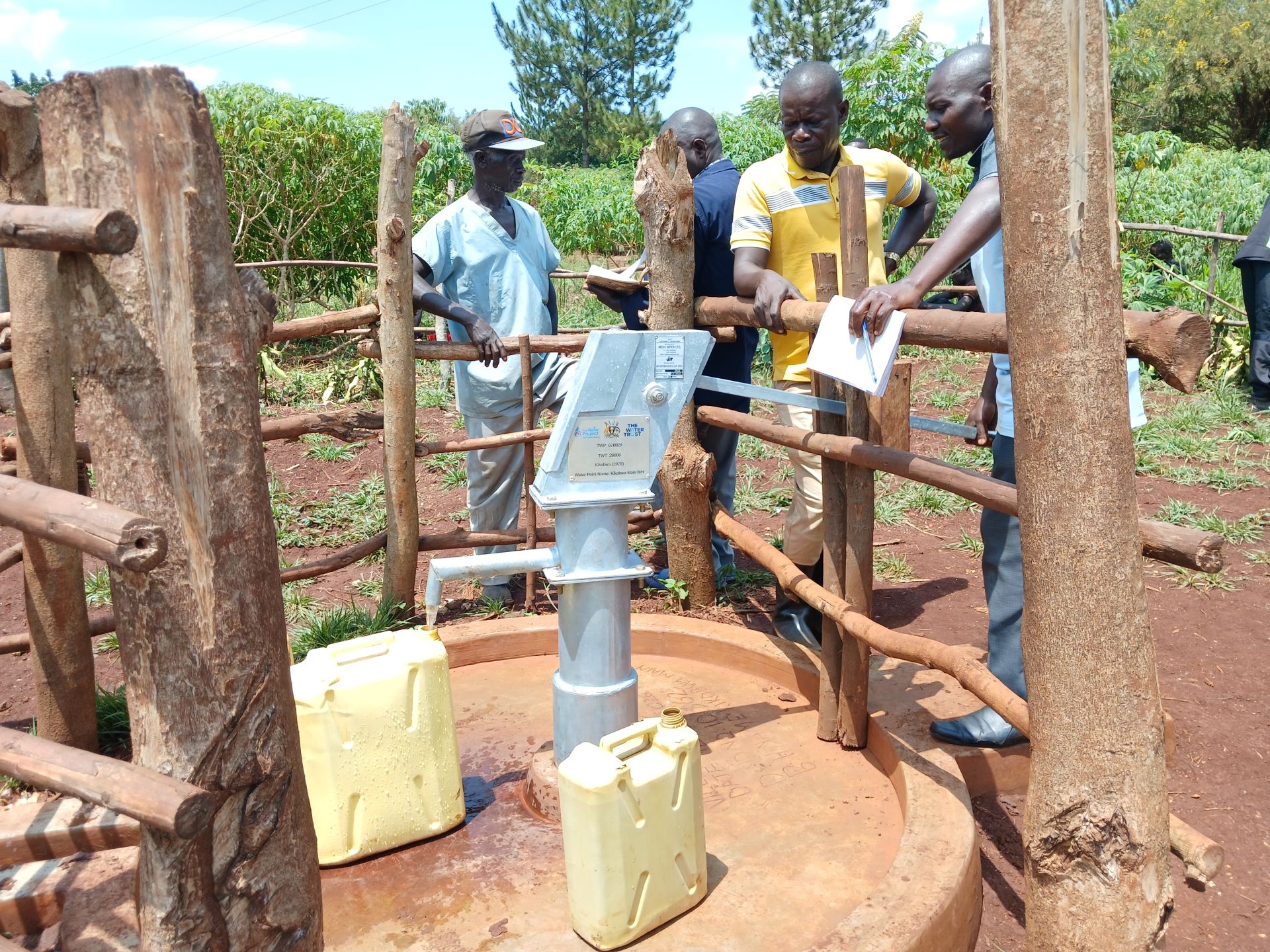
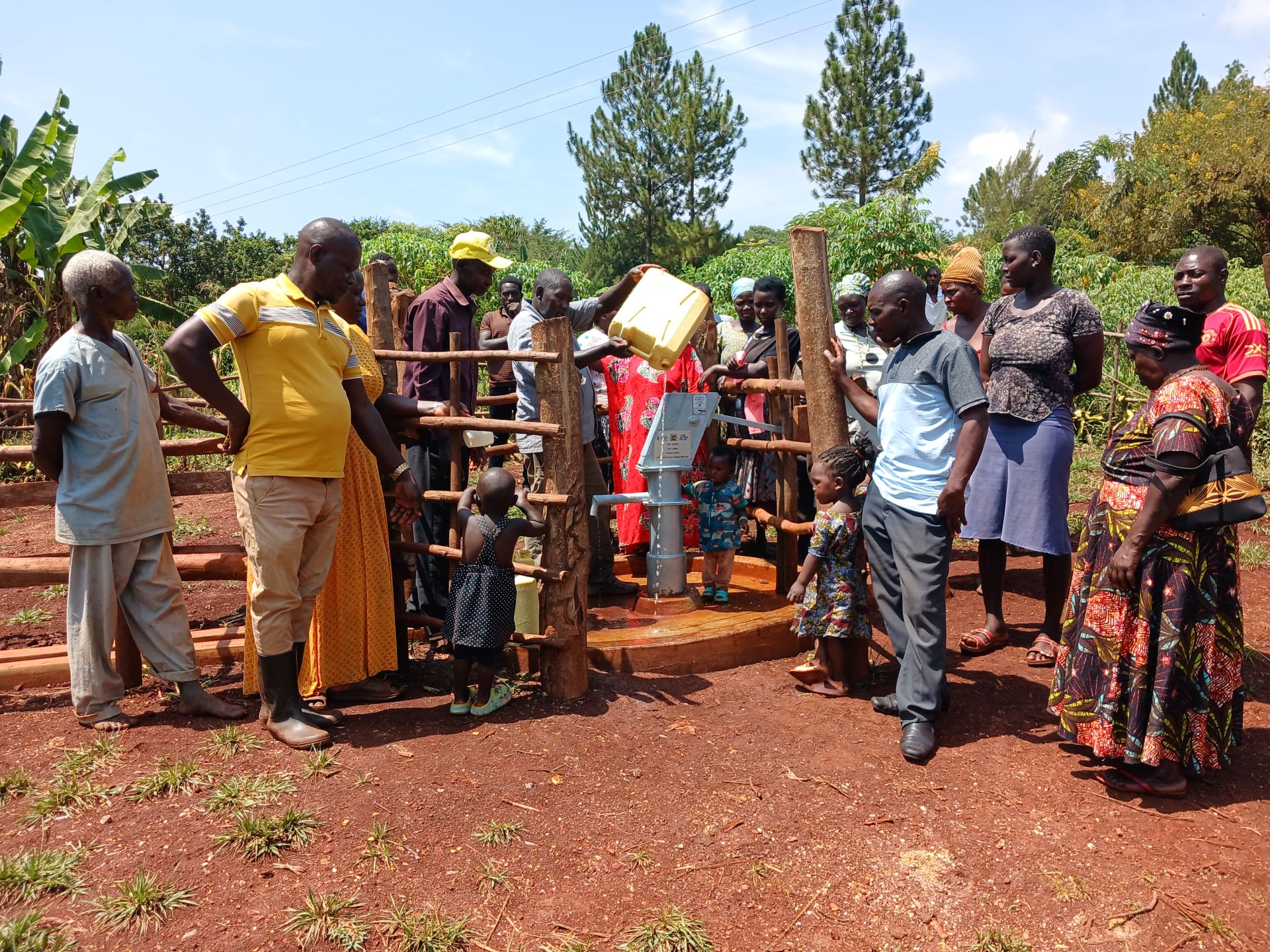
We are excited to share that your donation contributed to a safe, reliable well in Kikobwa Community, Uganda. The borehole well is now providing community members with safe water! Additionally, we hosted a training where community members worked together to make a development action plan. As a result, families are working to build new sanitation and hygiene facilities and habits that will enable a healthier life.

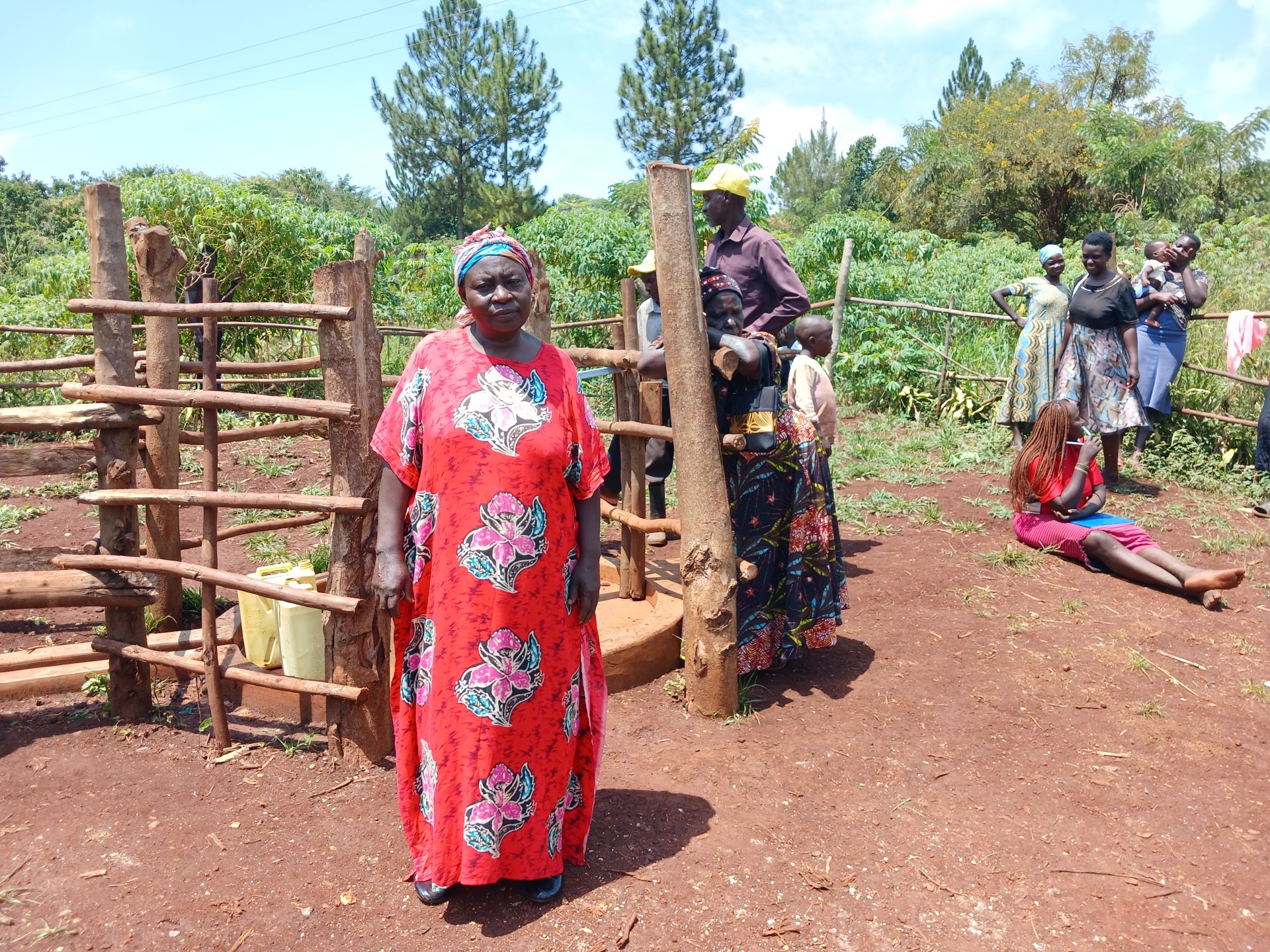
"Access to water helps improve the health of my children because if they drink clean and safe water, they will not suffer from waterborne diseases, and this will make them have quality time in schools," shared 56-year-old farmer Christine Mbabazi.

Ms. Christine Mbabazi.

"This new water source will help me get income for my household because I am practicing poultry farming, which requires a lot of drinking water for the birds and water for washing their drinkers. When I sell these birds, my household income will improve," she concluded.

Well Construction

We worked with the community to determine the best possible site to drill the new well. We confirmed the site's eligibility by conducting a hydrogeological survey, which proves that there is sufficient groundwater to support the well before drilling begins.

Several households volunteered to host our team of drilling technicians, giving them a place to sleep and food to eat throughout their work. Many community members came to the work site each day to watch the drilling and see the well come to life.

When it came time to build the cement well pad, community members collected fine sand and water to mix the cement. After the cement platform dried, we installed a stainless steel Consallen pump, which is now flowing with clean, safe water!

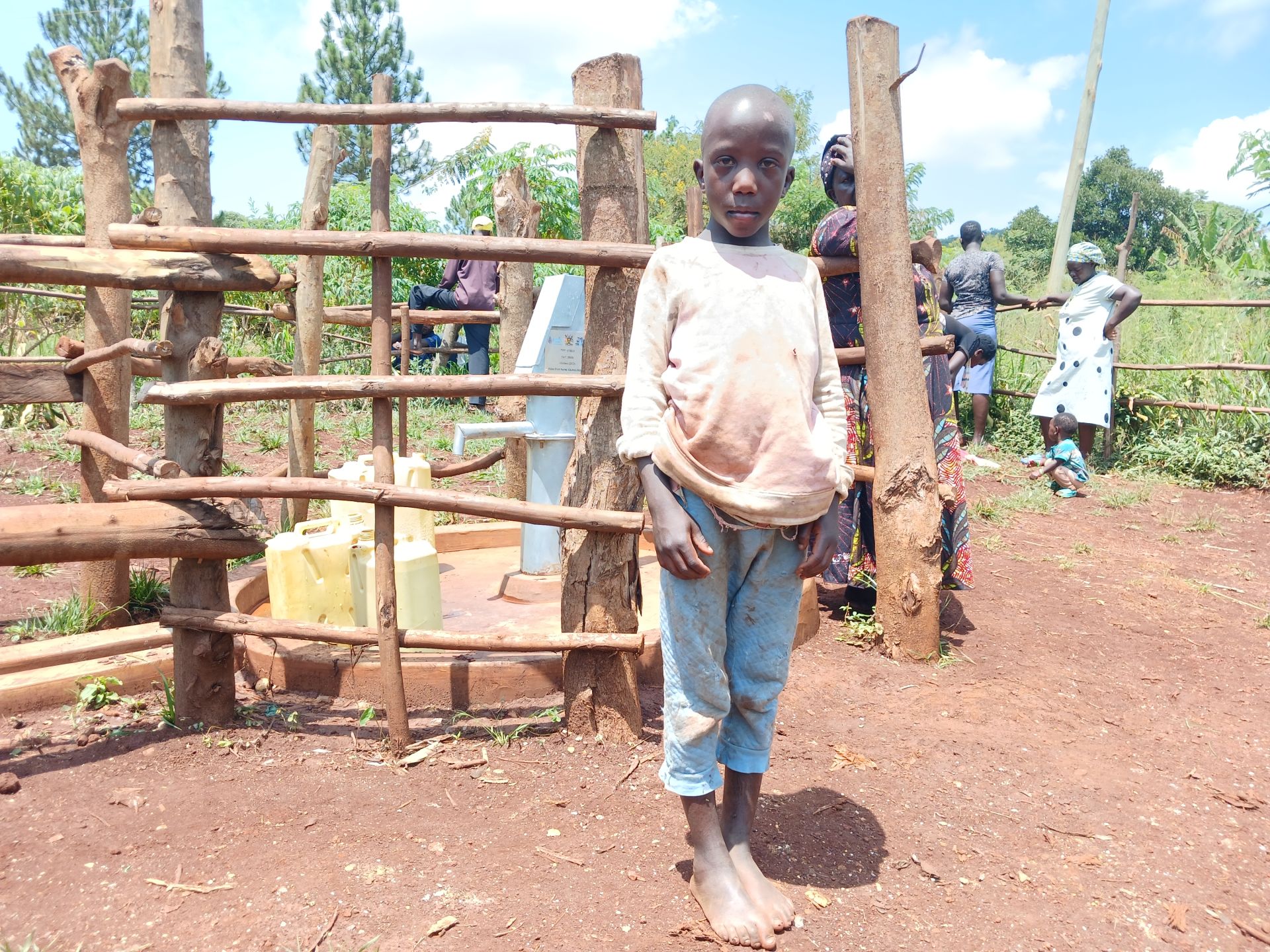
"Reliable water will impact my learning in school by improving my performance in school since I [will] no longer miss school because of failing to wash my school uniforms the previous evening, because there is always enough water for washing at home," celebrated 7-year-old Martin.

Martin at the well.

Community Education

The self-help group associated with the project was set up and began training in advance of selecting this project.

The first training session focused on financial planning. We mobilized the community through a series of meetings that sensitized them on the importance and purpose of saving. This included meetings dedicated to creating a community profile, where participants map the physical environment and stakeholders in their own community. We also ran a participatory vulnerability capacity assessment exercise. In this session, community members mapped out their shared risks and opportunities, including the water point breaking down.

Participants learning. A representative photo from a similar Self-Help Group training in Uganda.

We worked with the community to establish a Village Savings and Loan Association (VSLA) and a water user committee. The VSLA members will all contribute to two different savings accounts: one which can be used to give each other small loans throughout the year, and another that will fund maintenance and repairs at the new well. The group also agreed on a social fund that will provide grants to fellow group members and help them with weddings, funeral expenses or catastrophes such as fire damage. Our teams will provide follow-up training and continuous coaching to support the management of the VSLA.

Participant engagement is key. A representative photo from a similar Self-Help Group training in Uganda.

We conducted training on hygiene and sanitation at the personal, household, community, and environmental levels. In collaboration with the community facilitator and local leaders, we trained households on critical hygiene and sanitation facilities. These include latrines, dish racks, refuse pits, handwashing facilities, and bathing shelters. Our teams monitor these facilities’ construction while helping the community learn how to best use and care for them.

Finally, we led an additional training for local artisans to teach them how to fabricate and sell locally used and accepted sanitation products that allow for more hygienic and accessible latrines.

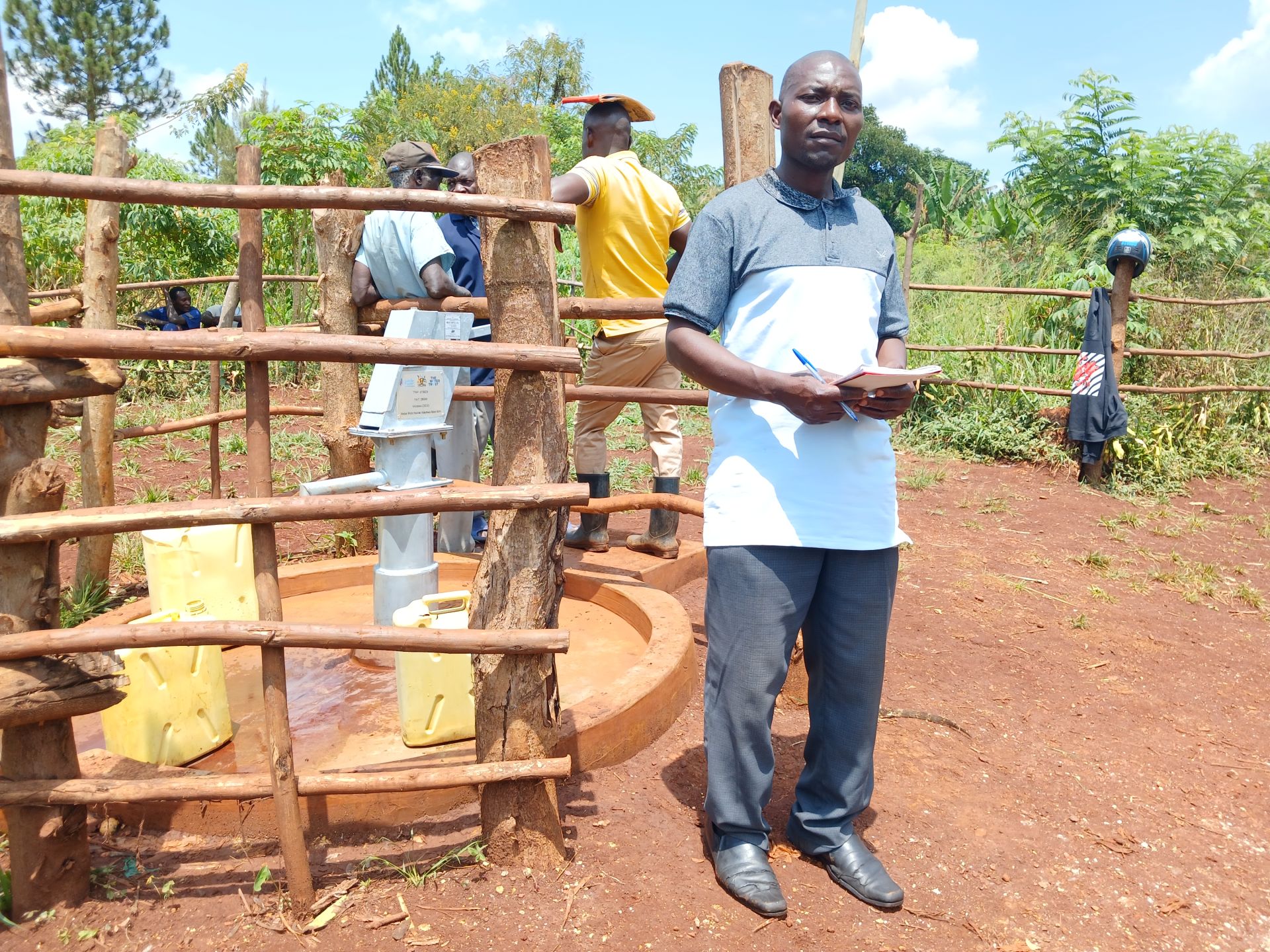
40-year-old Alfred Abitekanisa is a builder and the Vice Chairman of the new water user committee. He shared what impacted him from the training, "The most interesting topic we covered in the hygiene training was keeping our hands clean by washing with soap to avoid contaminating what we are eating with our dirty hands."

Mr. Abitekanisa.

We will continue to support the community in their sanitation and hygiene progress through monitoring visits. In addition, we will offer follow-up assistance and refresher training to ensure community members follow through in building their new facilities and developing new habits.

Thank you for making all of this possible!


Update photo


September, 2026: Exciting Progress in Kikobwa Community!

We’re thrilled to share that, thanks to your generous support, significant change is coming for Patricia and the entire Kikobwa Community. Construction has begun on the well project, bringing them one step closer to having clean, reliable water.

But that's not all—during construction, we’re also providing vital health training. These sessions equip the community with essential hygiene practices, ensuring that the benefits of clean water extend to lasting health improvements.

We’re so grateful for your role in making this possible. Stay tuned for more updates—soon, we’ll be celebrating the arrival of safe water in the Kikobwa Community!


Loading photos...


Project Type

A borehole well reaches clean water stored deep underground. We drill down through soil and rock to groundwater that natural layers have already filtered, then build a platform and fit a handpump so families can draw water up close to home. It is a safe, protected source that replaces long walks to open water, and with your partnership it is cared for long after it is installed.

Learn more about how we install a well here!


Contributors

Project Sponsor - Smuckers