 Borehole Well and Hand Pump
 Rehabilitation Project








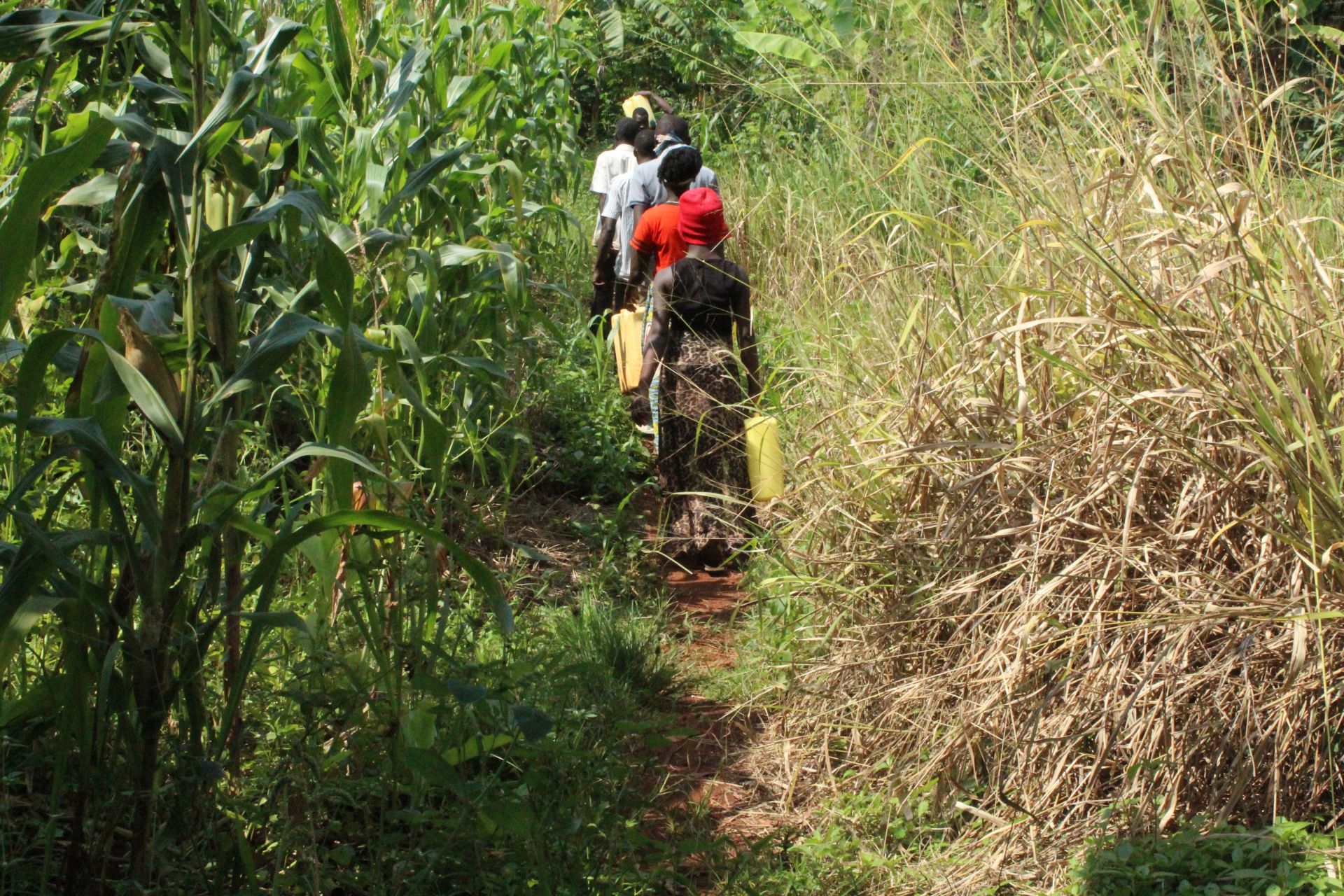
The 300 people who call Kikobwa Community home struggle to meet their daily water needs. It is not surprising, given that they have only two water sources - a community spring and the local swamp. They're both an hour away, and community members have to traverse treacherous terrain to collect water. The trip is fraught with risks and consumes people's time and energy, leaving very little for their daily lives.
Content Warning: Some of the information in this report may be upsetting for readers. There are references to sexual violence.
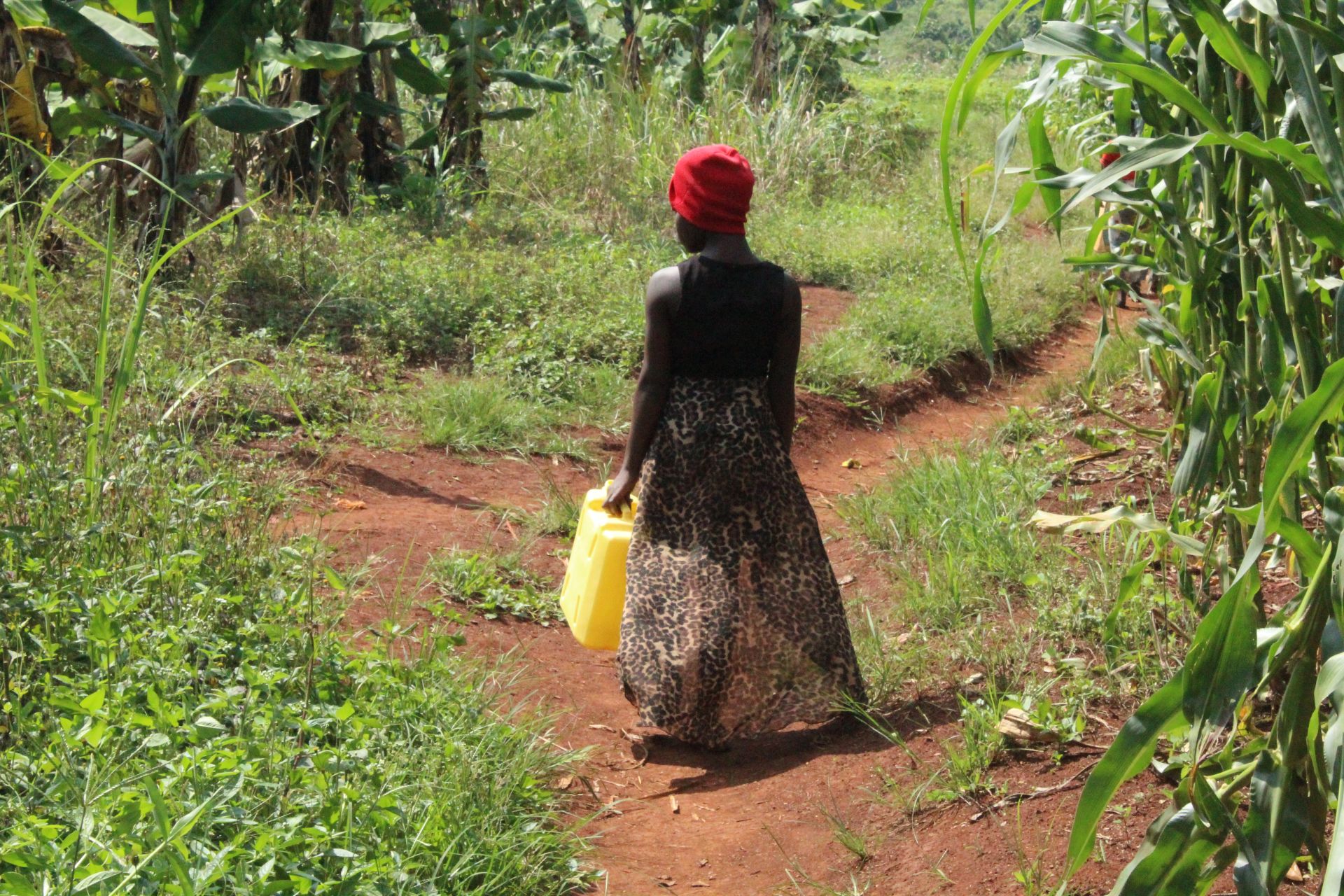
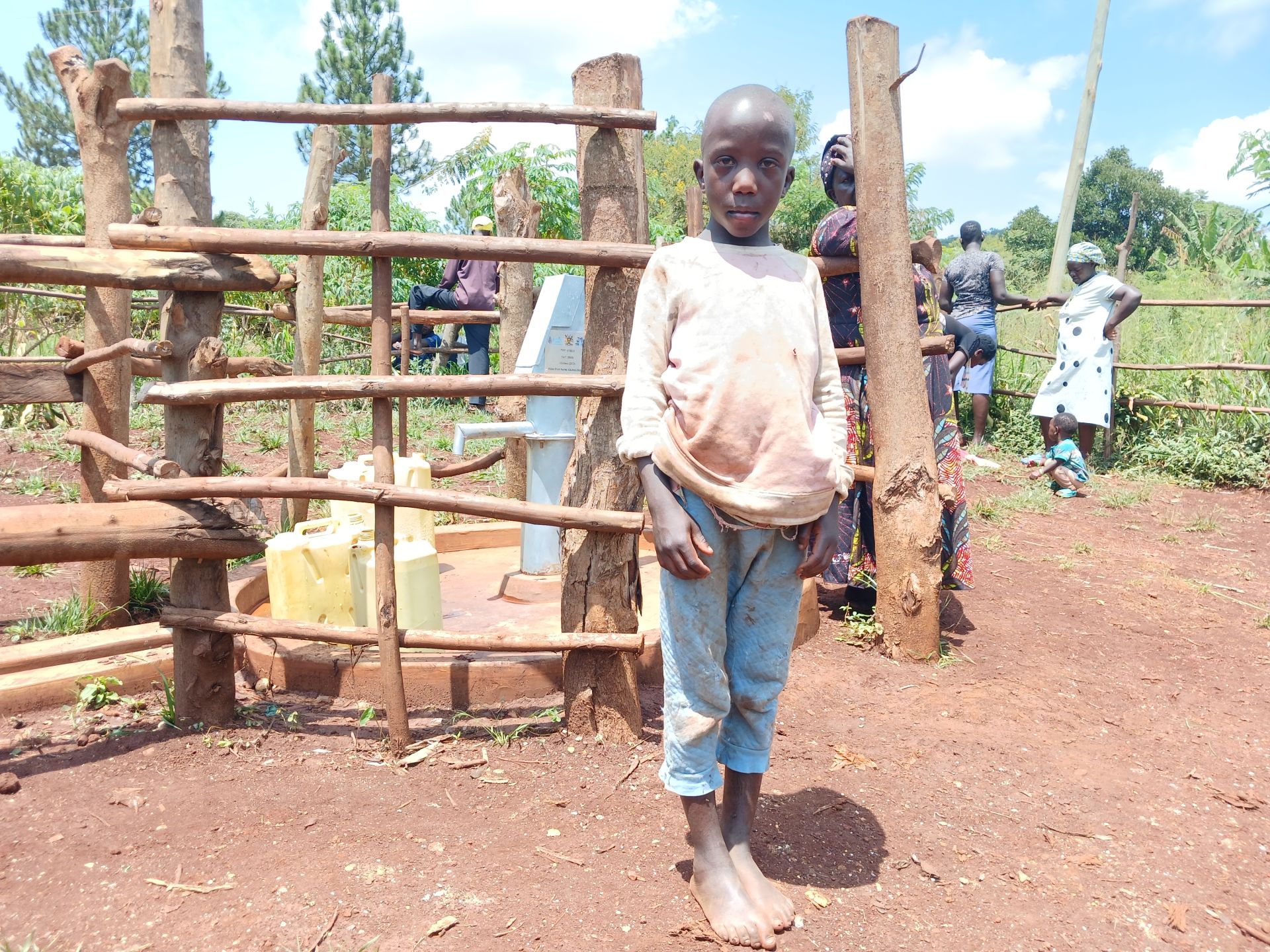
Patricia makes the journey to collect water.
For 14-year-old Patricia, the task of collecting water is a hardship that often feels overwhelmingly dangerous.
"The difficult terrain, featuring steep and slippery roads during the rainy season, makes accessing water challenging; sometimes we even go without bathing. The access road is overgrown with bushes, and sometimes, when I reach the water point, boys there threaten me with sexual assault. This frightens me and makes me feel bad whenever I am sent to fetch water," said Patricia.
"I feel scared and uncomfortable going to the waterpoint alone because it is not safe!" Patricia bravely shared.
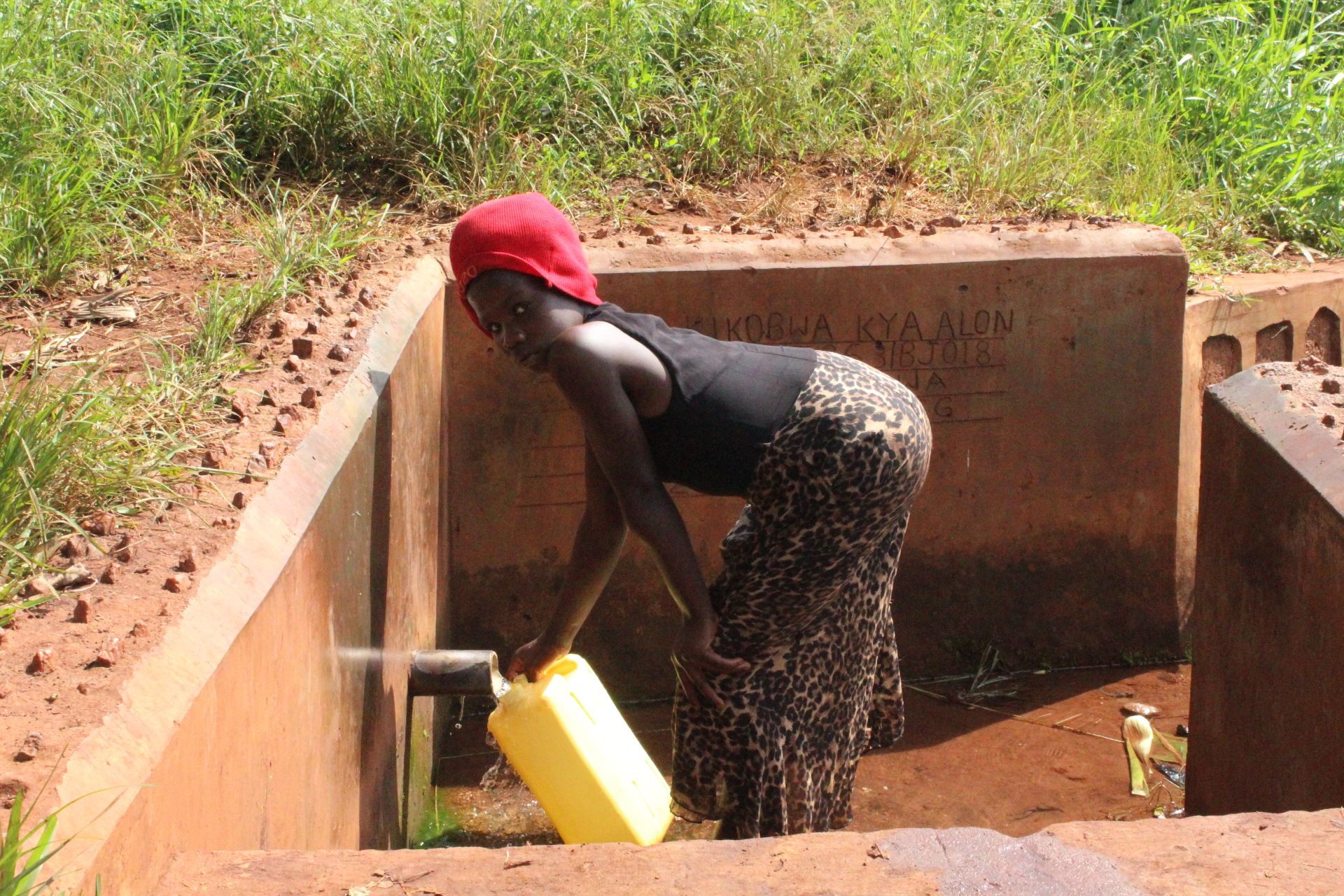
Patricia collects water from the spring.
Every time Patricia is sent to collect water, she fears for her safety. If water were closer to her home, the risks would greatly decrease, and she could focus on other critical aspects of her daily life rather than just surviving.
Even on days when Patricia is not threatened with violence, her day is consumed by collecting water.
"When I go to the waterpoint late in the evening, there are always many people, and I end up spending a lot of time there that I could have used for my schoolwork," Patricia lamented.
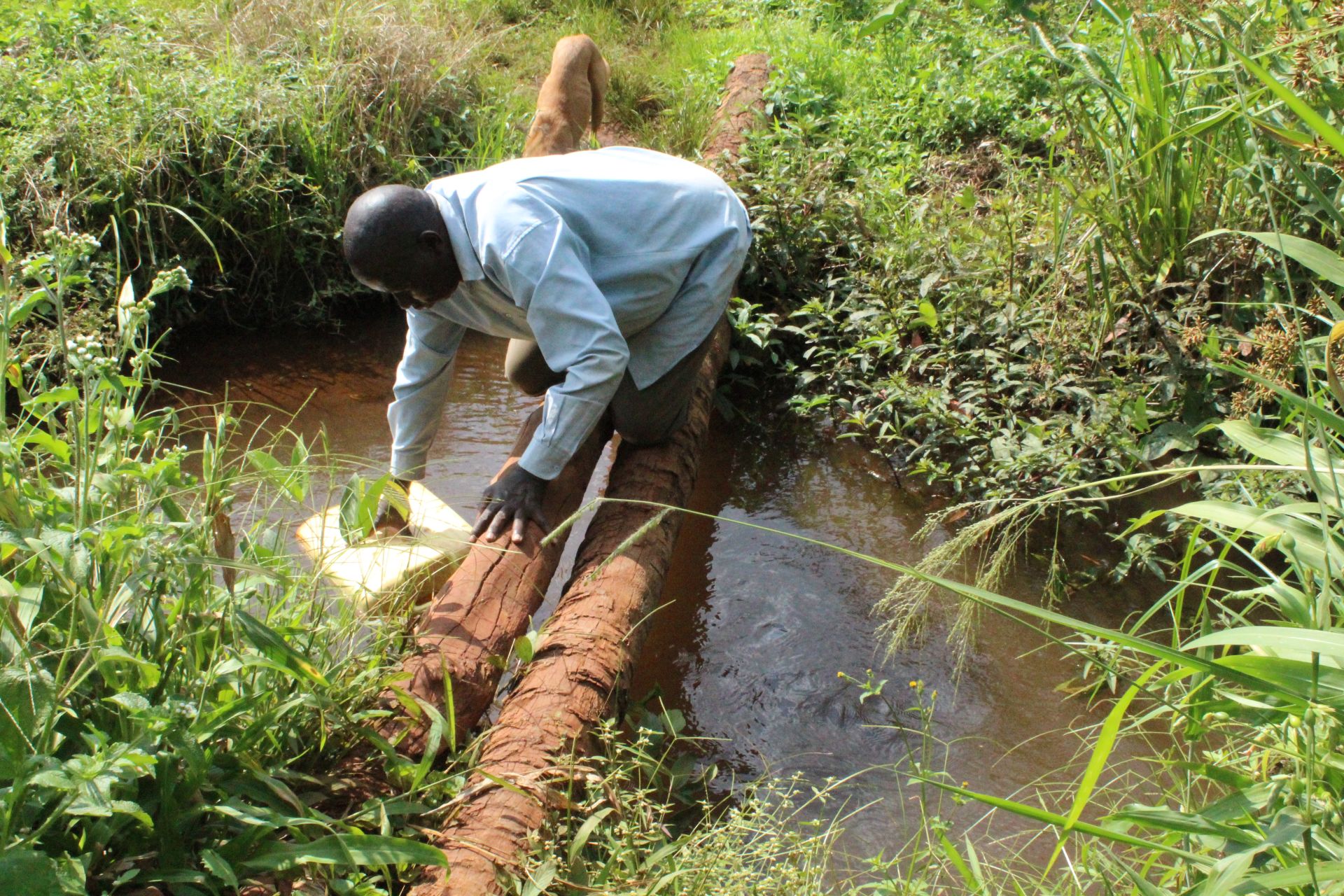
The alternative source - the swamp.
The lack of water security for Patricia is stealing her peace of mind and her future. This should not be!
Installing a water point near Patricia's home can literally change her life. When we asked Patricia how having a water point near her home would impact her, she said, "I will be able to access water safely at any time because it will be located in a secure area. I will feel safe, as I expect not to be threatened by boys anymore."
Patricia simply wants to feel safe and to collect water so she can get back to doing the things a young girl should do, like learning and participating in her family's daily life.
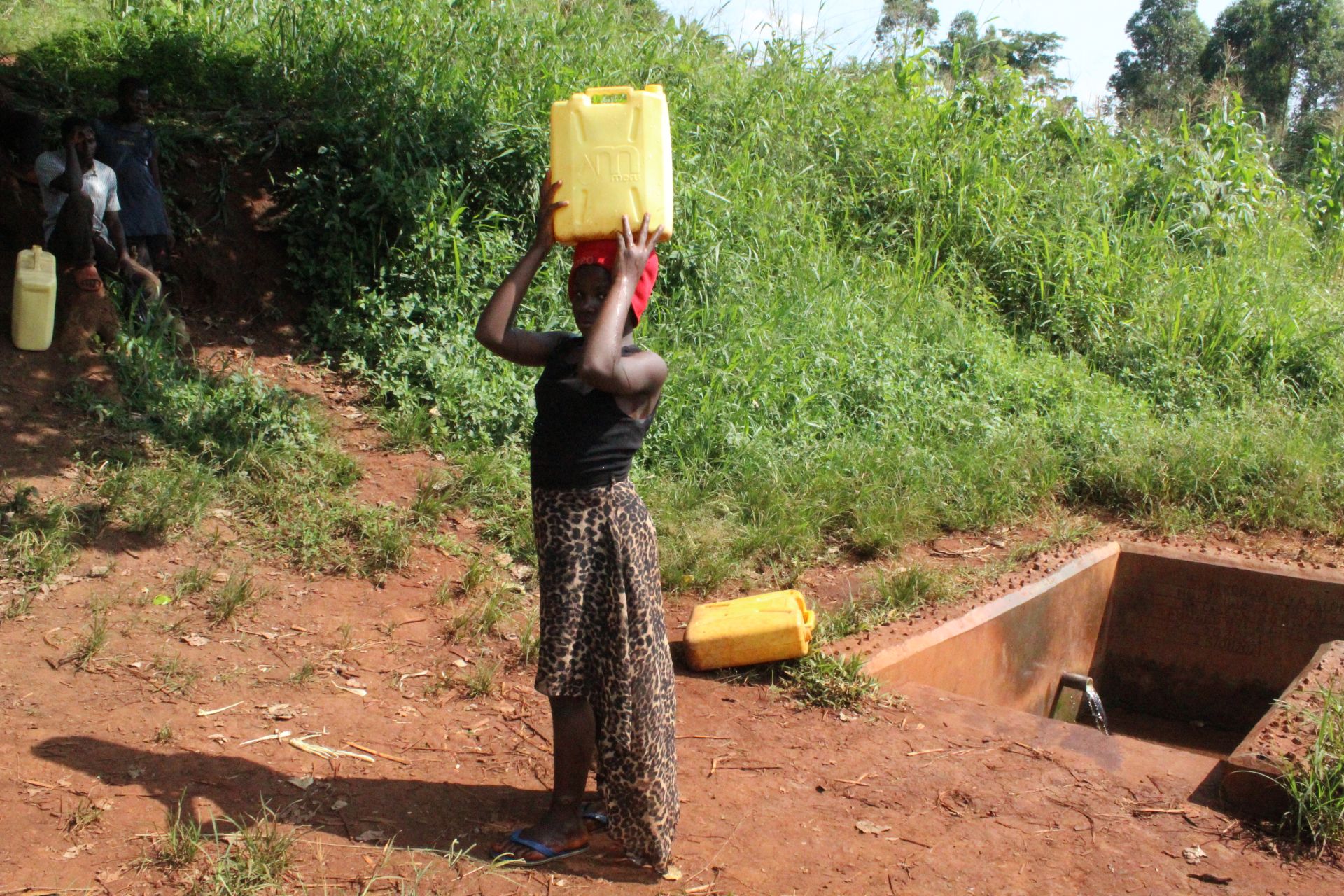
"I will use that time to focus on other household chores and schoolwork. Additionally, I will ensure I bring water on time so my mother can prepare meals promptly," Patricia said.
Having that security is the only way she can forge a path forward toward a brighter future.
Steps Toward a Solution
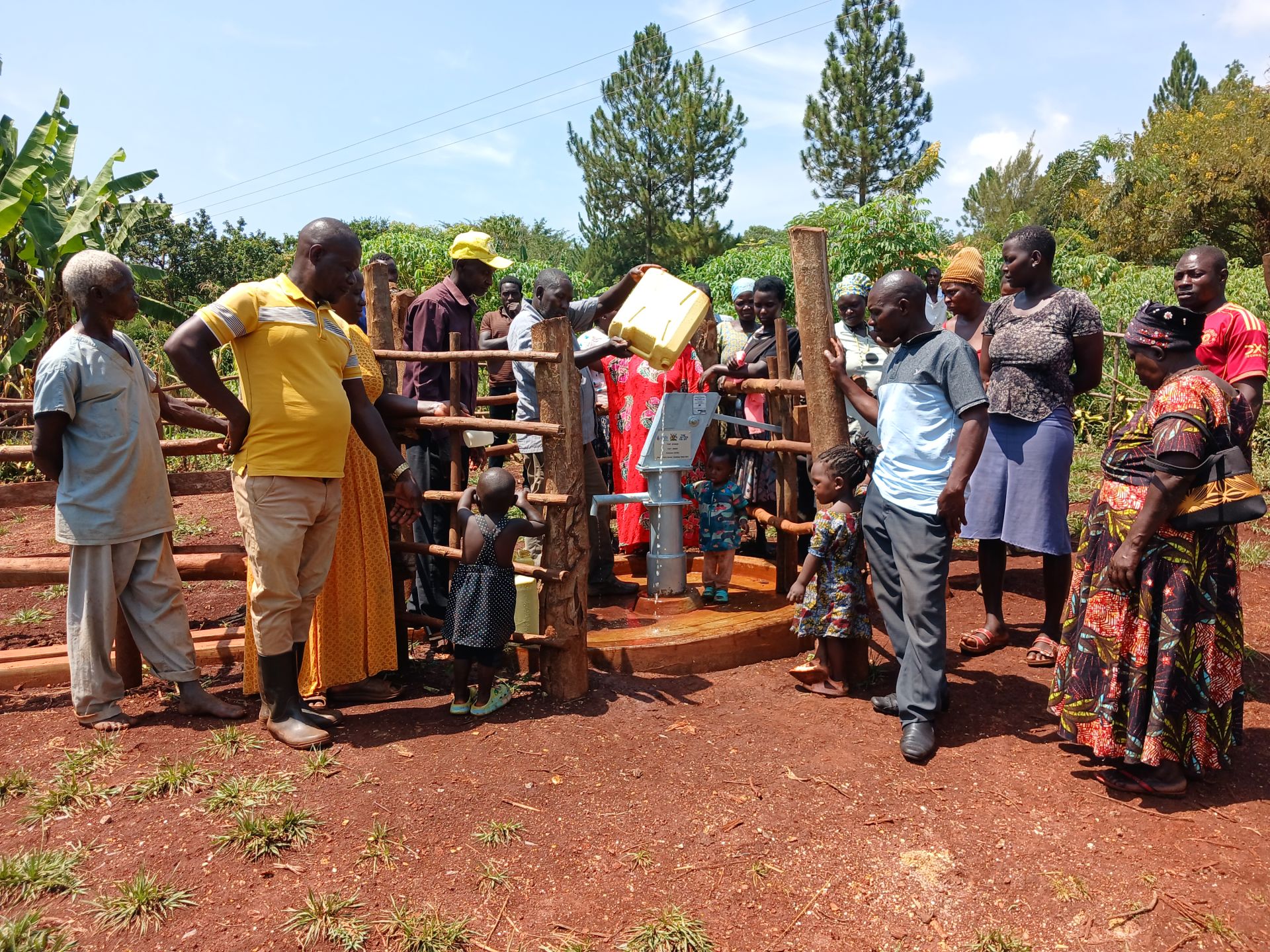
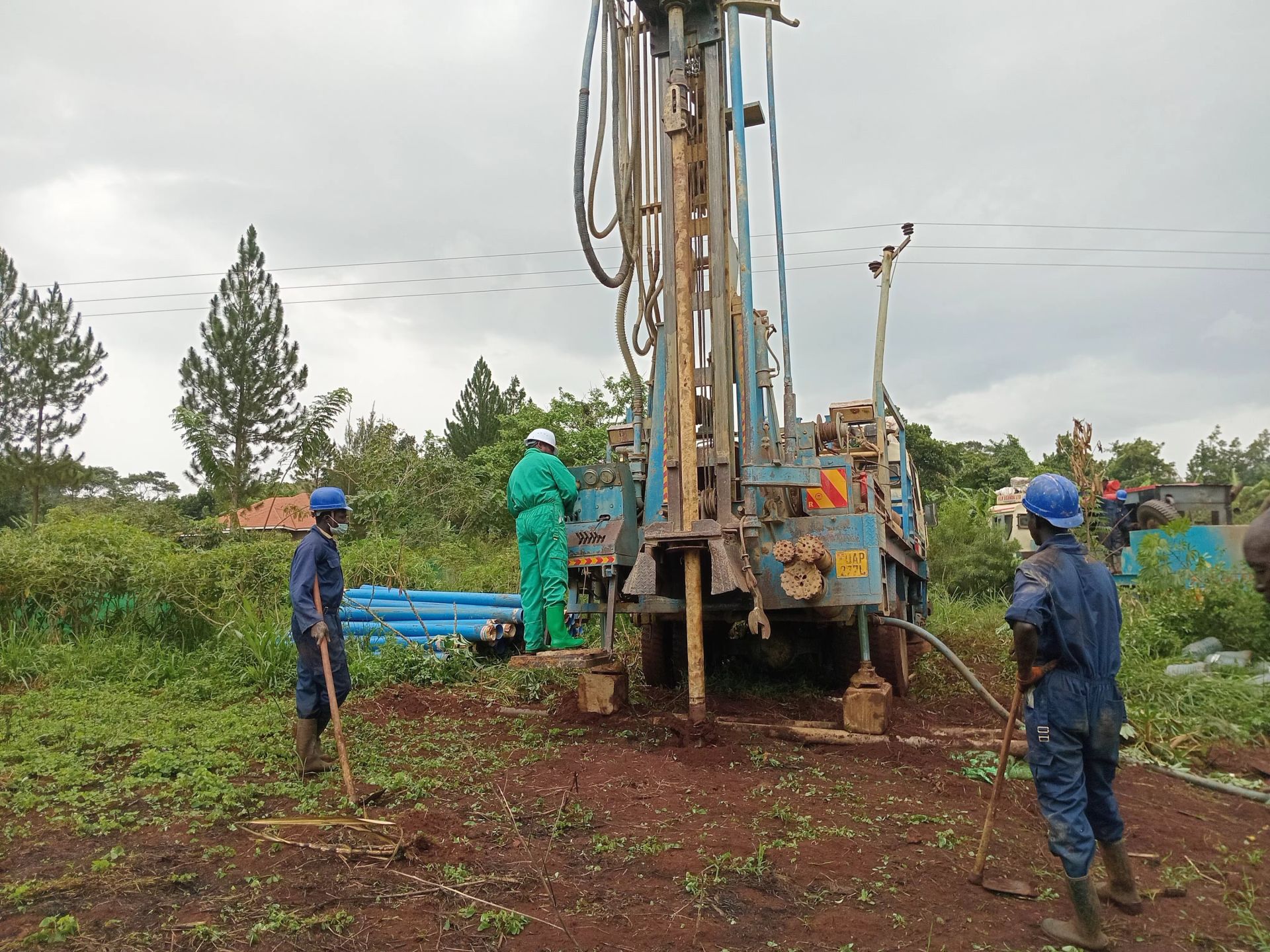
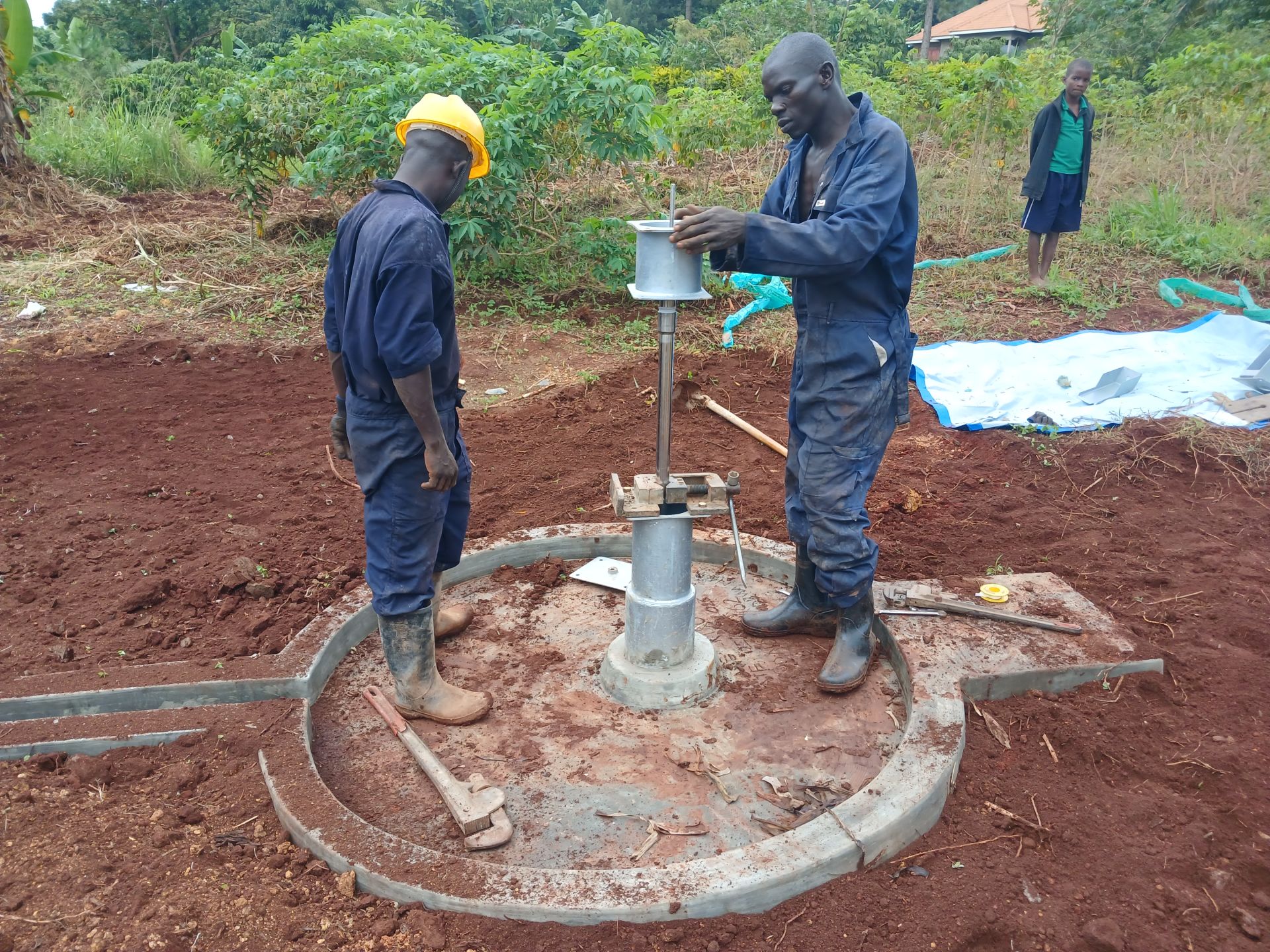
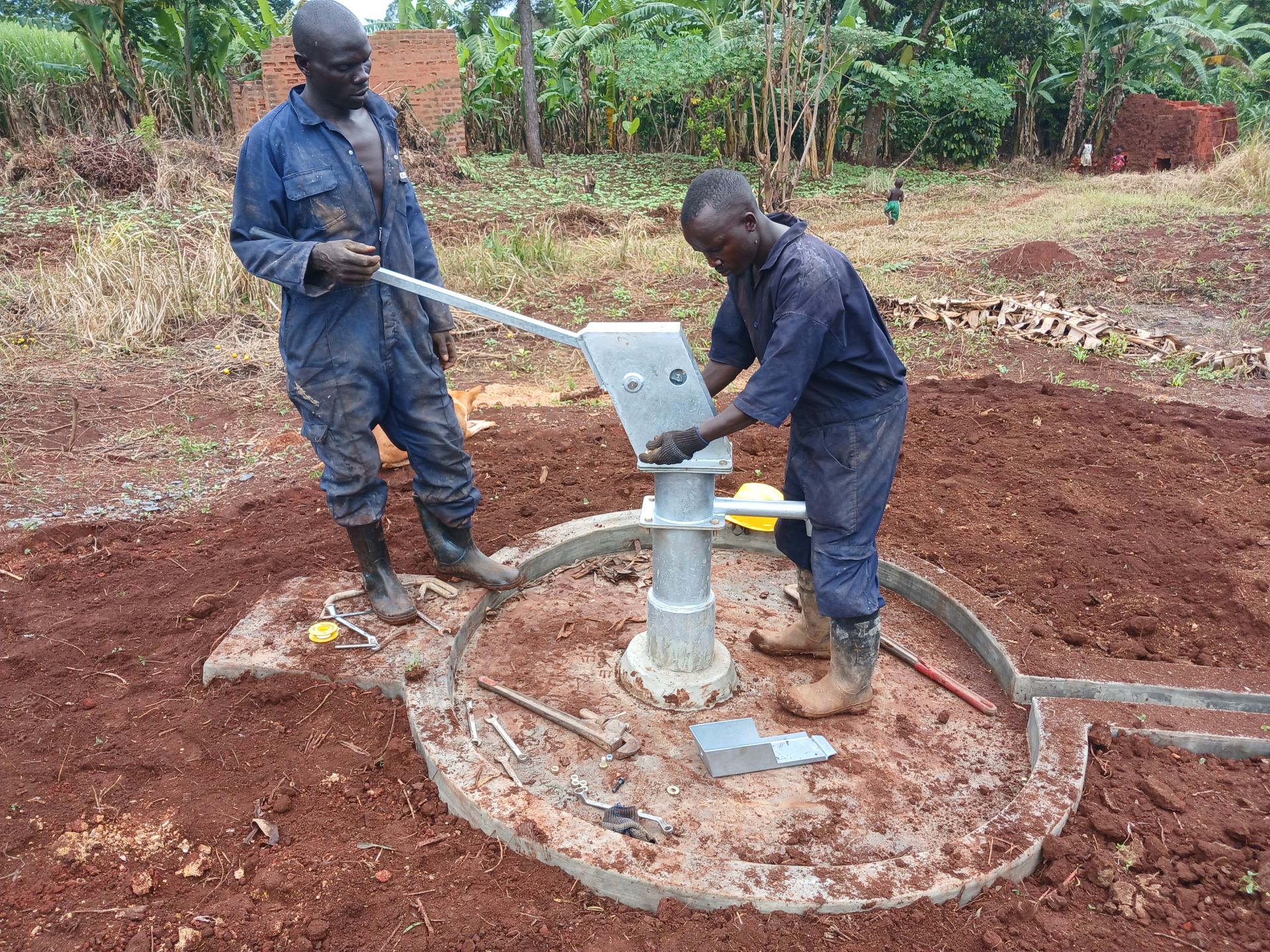
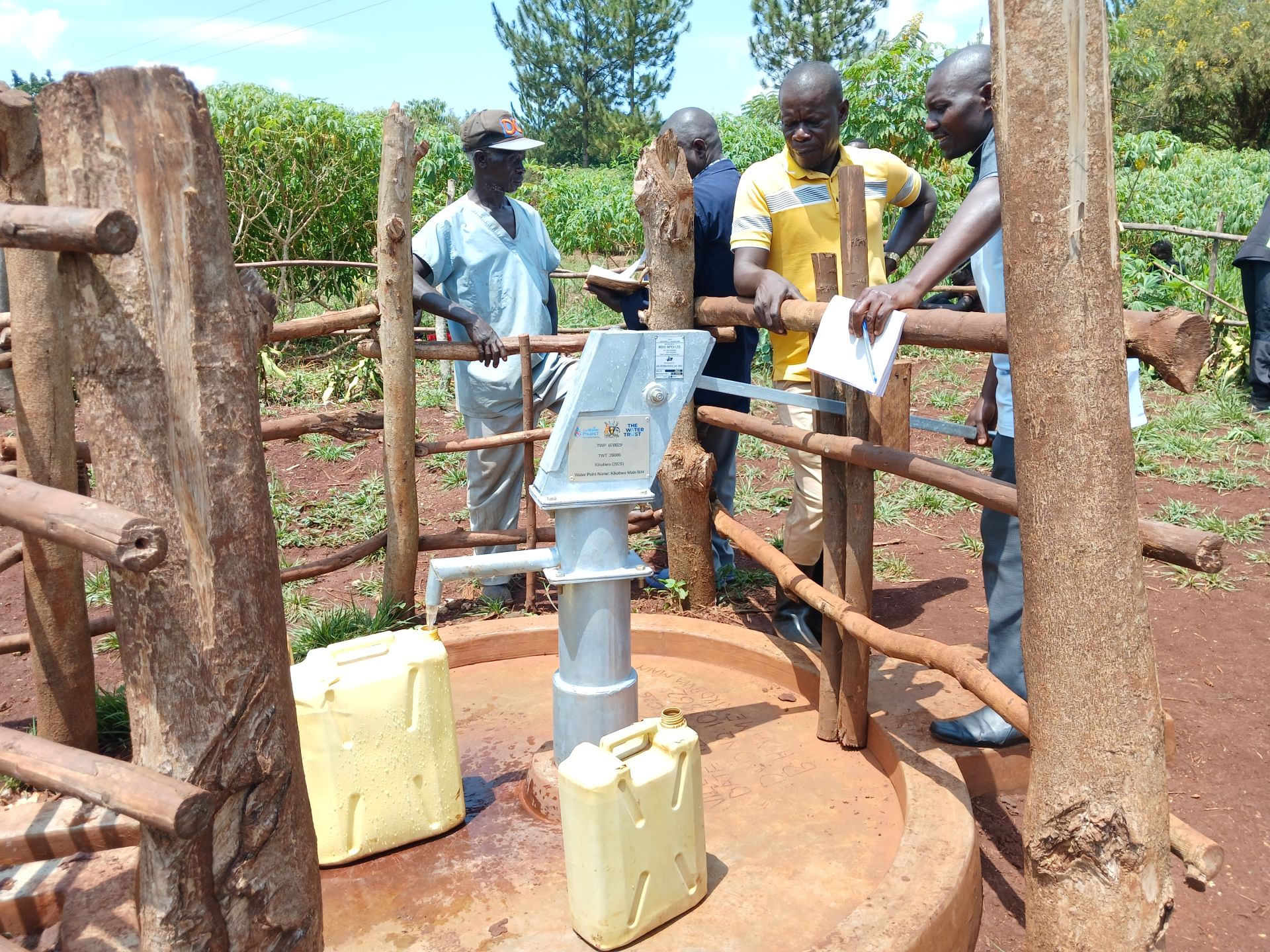
Our technical experts worked with the local community to identify the most effective solution to their water crisis. They decided to drill a borehole well, construct a platform for the well, and attach a hand pump.
Well
Abundant water often lies just beneath our feet. Aquifers—natural underground rivers—flow through layers of sediment and rock, offering a constant supply of safe water. A borehole well is drilled deep into the earth to access this naturally filtered and protected water. We penetrate meters, sometimes even hundreds of meters, of soil, silt, rock, and more to reach the water underground. Once found, we construct a platform for the well and attach a hand pump. The community gains a safe, enclosed water source capable of providing approximately five gallons of water per minute. Learn more here!
Community Education & Ownership
Hygiene and sanitation training are integral to our water projects. Training is tailored to each community's specific needs and includes key topics such as proper water handling, improved hygiene practices, disease transmission prevention, and care of the new water point. Safe water and improved hygiene habits foster a healthier future for everyone in the community.
A Community-Wide Approach
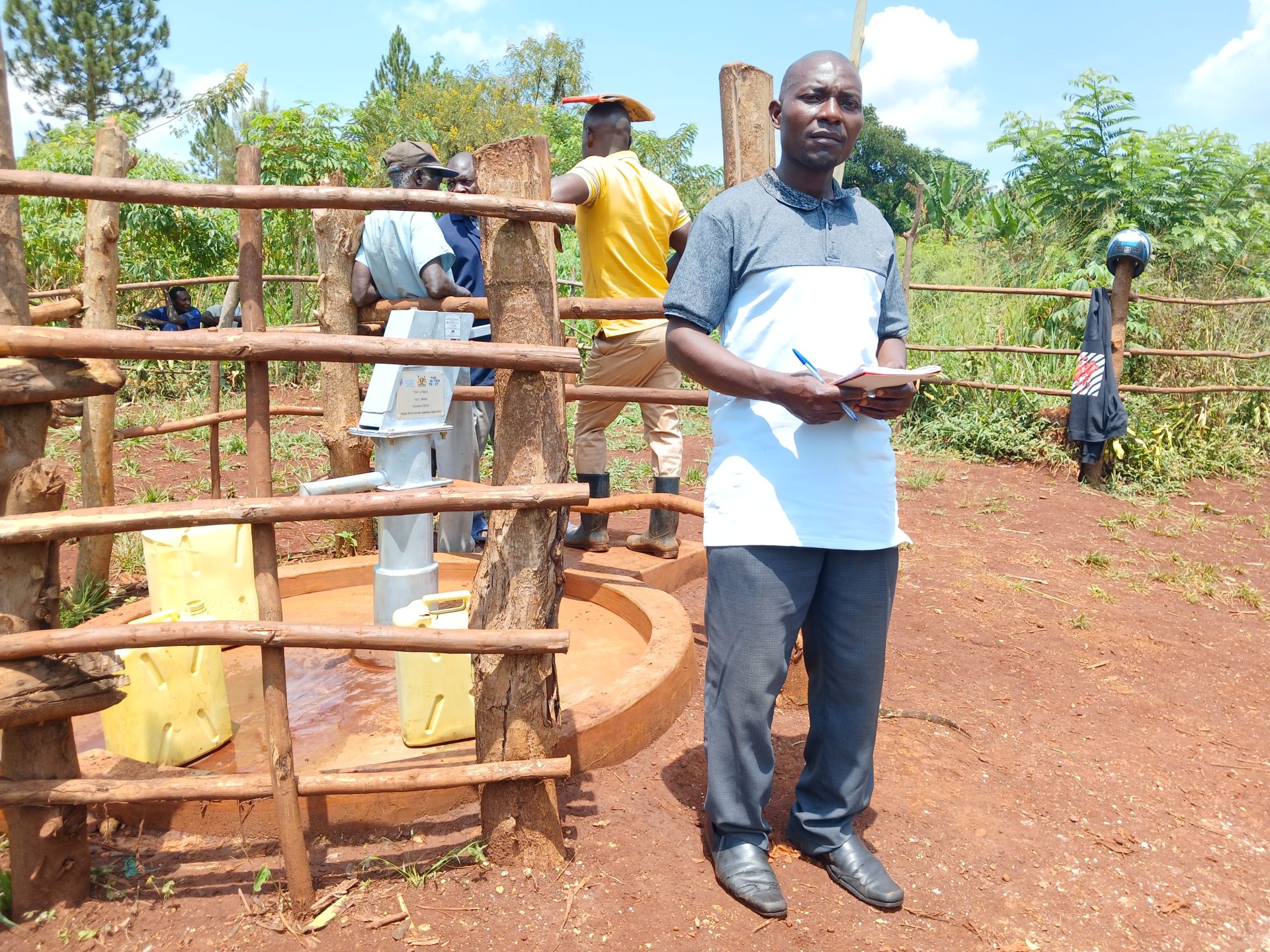
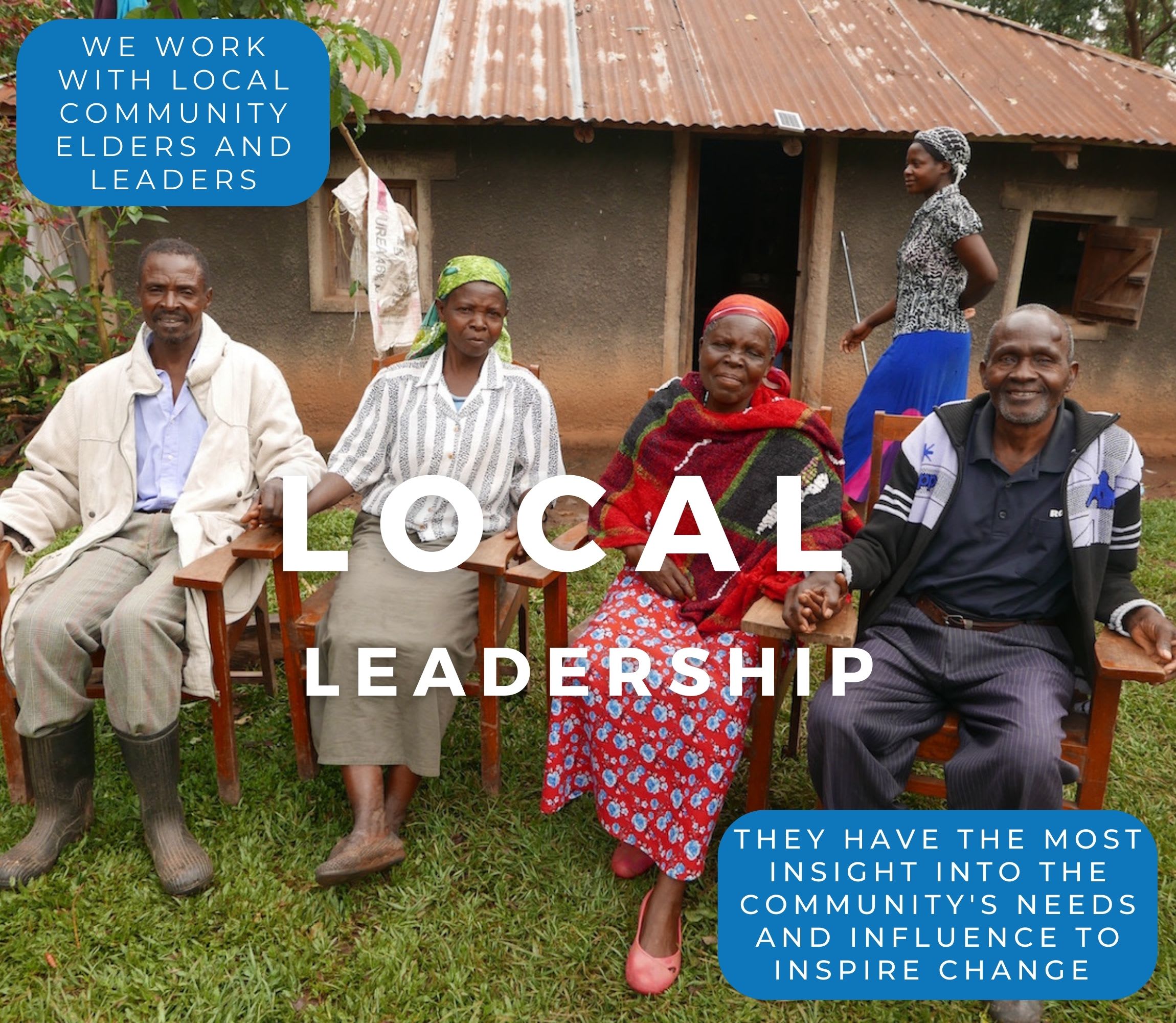
In Uganda, we use a Community-Led Total Sanitation (CLTS) approach, which involves several meetings where community members evaluate their own hygiene and sanitation practices to encourage lasting change. During these sessions, natural leaders emerge, motivating the community to recognize and change unhealthy behaviors that affect everyone.
Communities then commit to ending open defecation before we install the water project. Every household builds a latrine to prevent disease and improve hygiene and sanitation in anticipation of their new water source. To support this effort, a Community Development Officer (CDO) is assigned. The CDO encourages each household to set up handwashing stations, animal pens, garbage pits, and dish-drying racks. These additions are crucial in preventing the spread of common diseases.