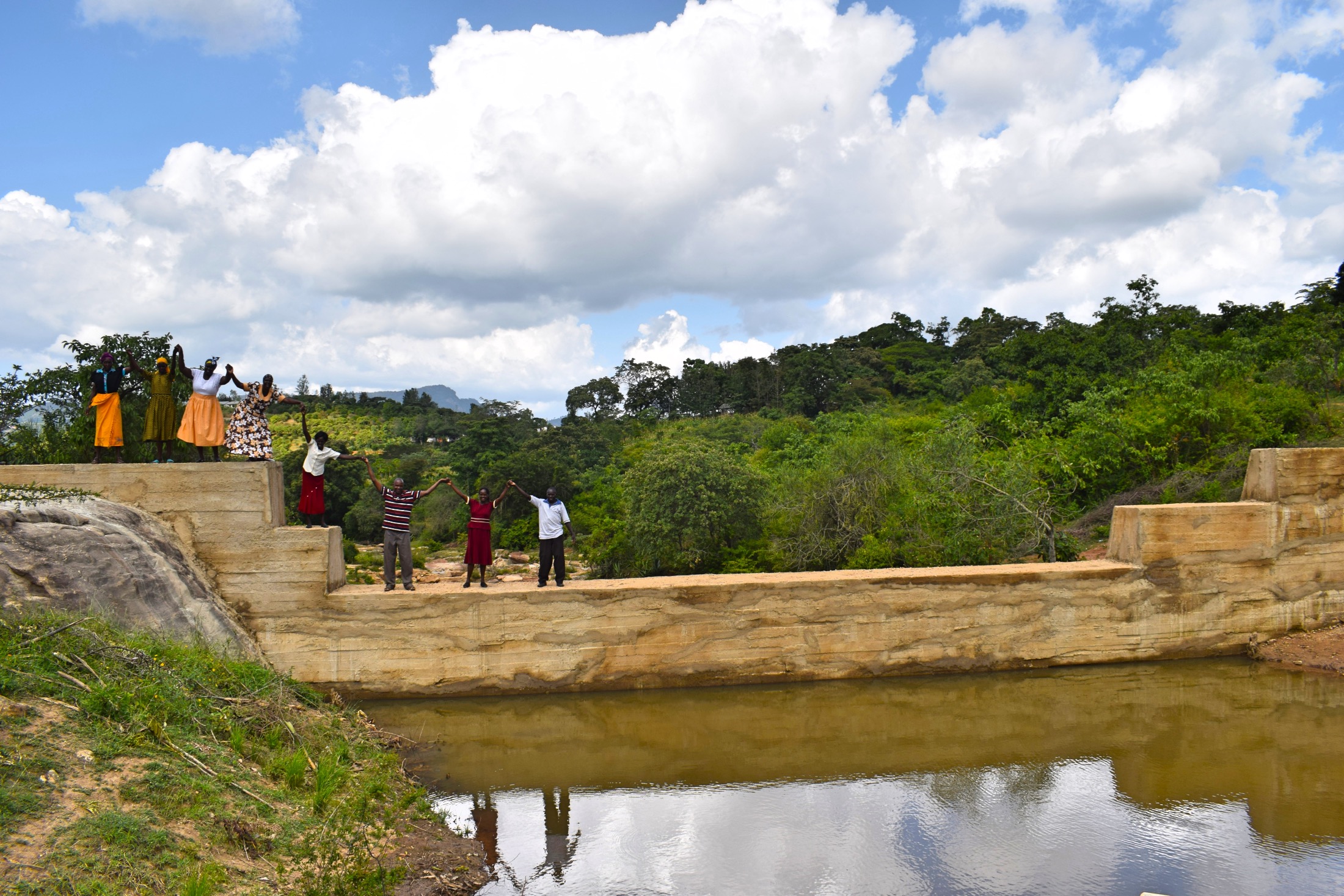
Sand Dams
What is a Sand Dam?
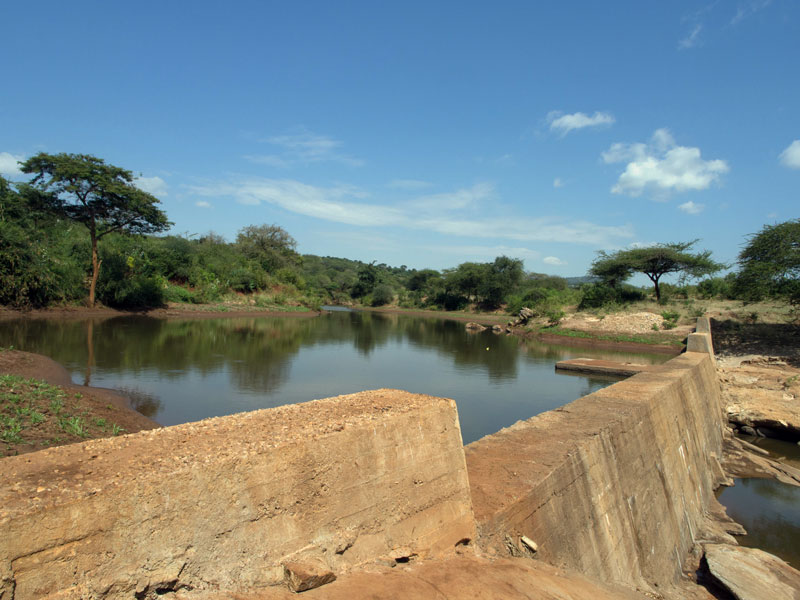
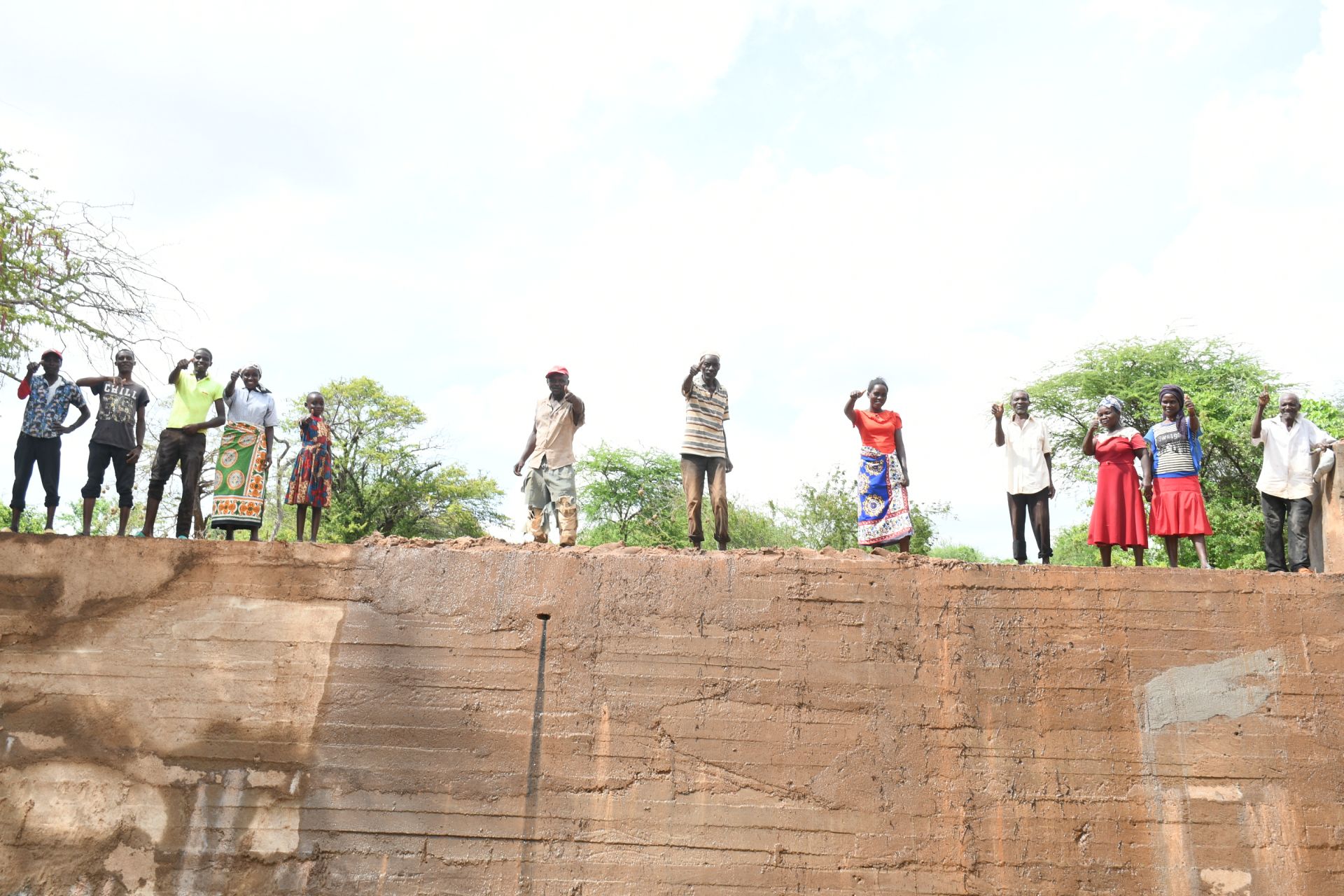
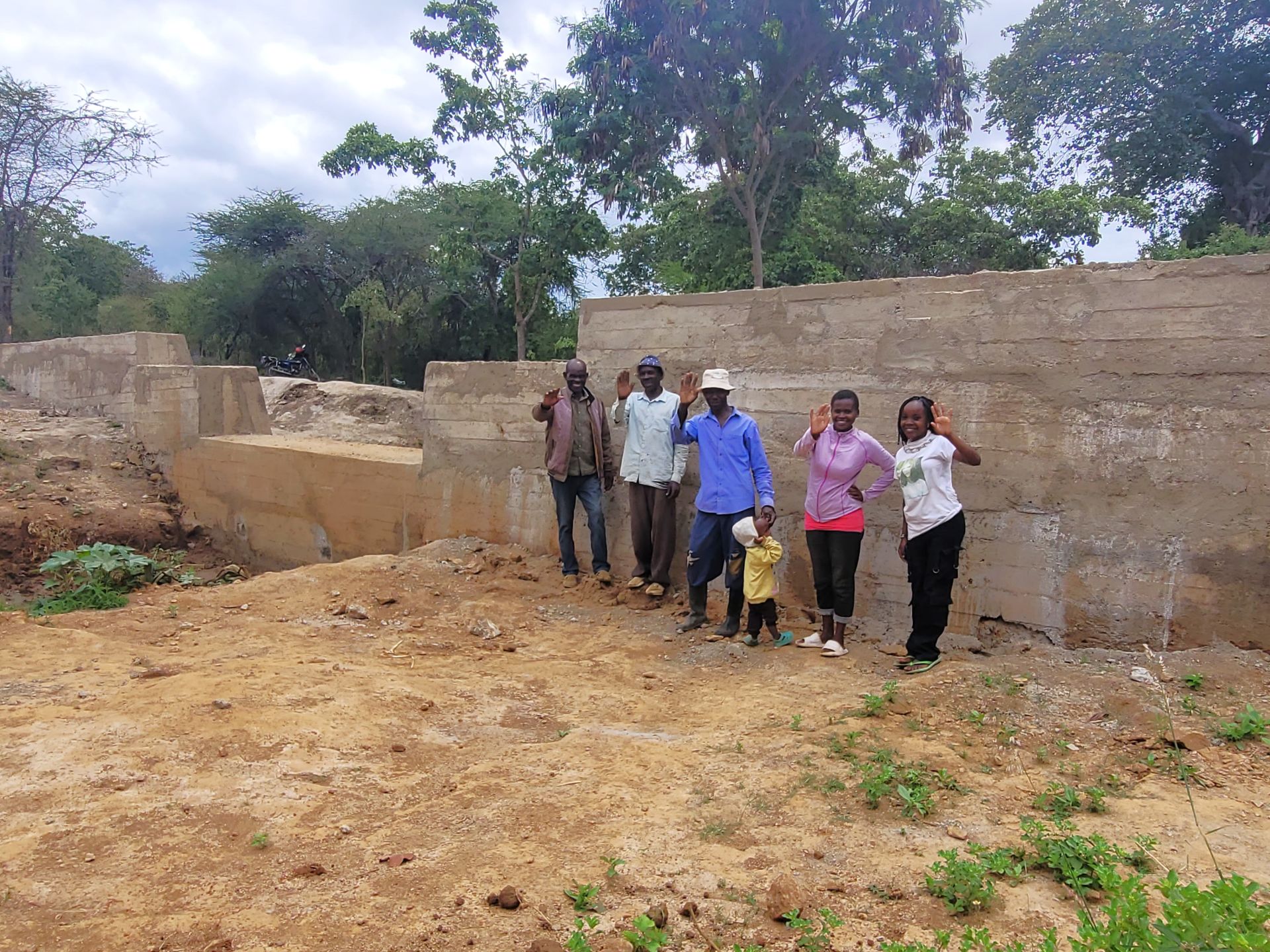
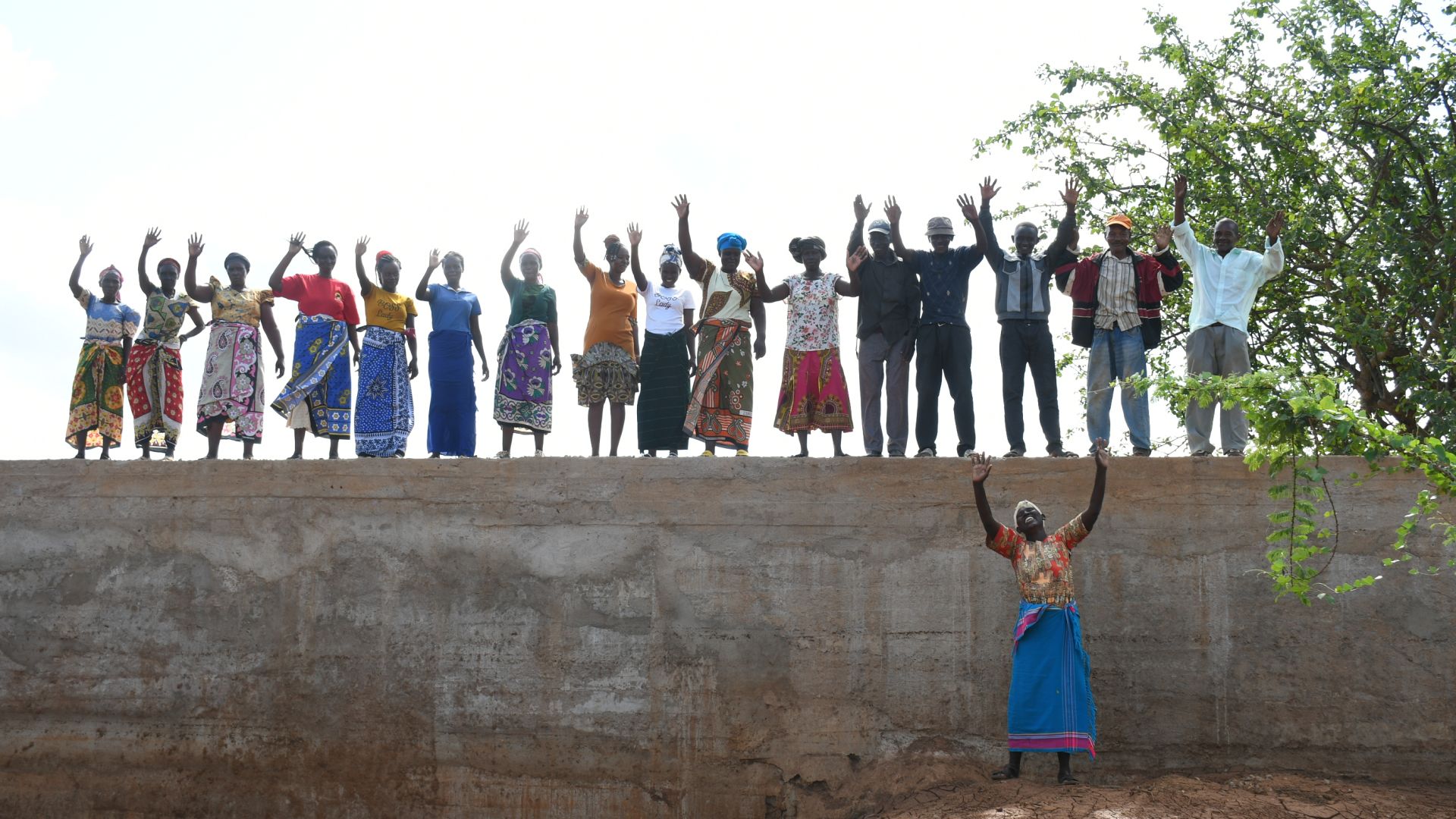
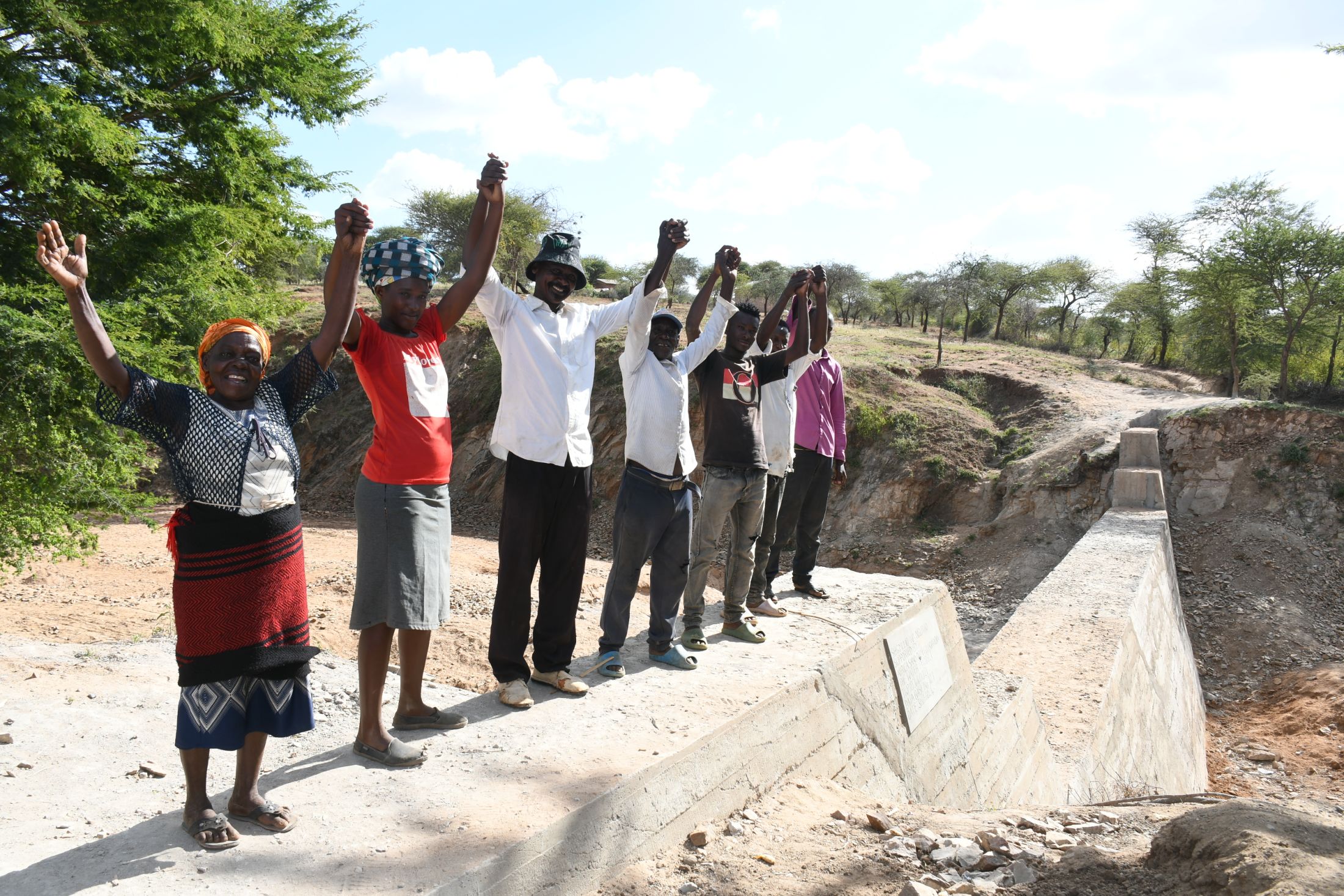
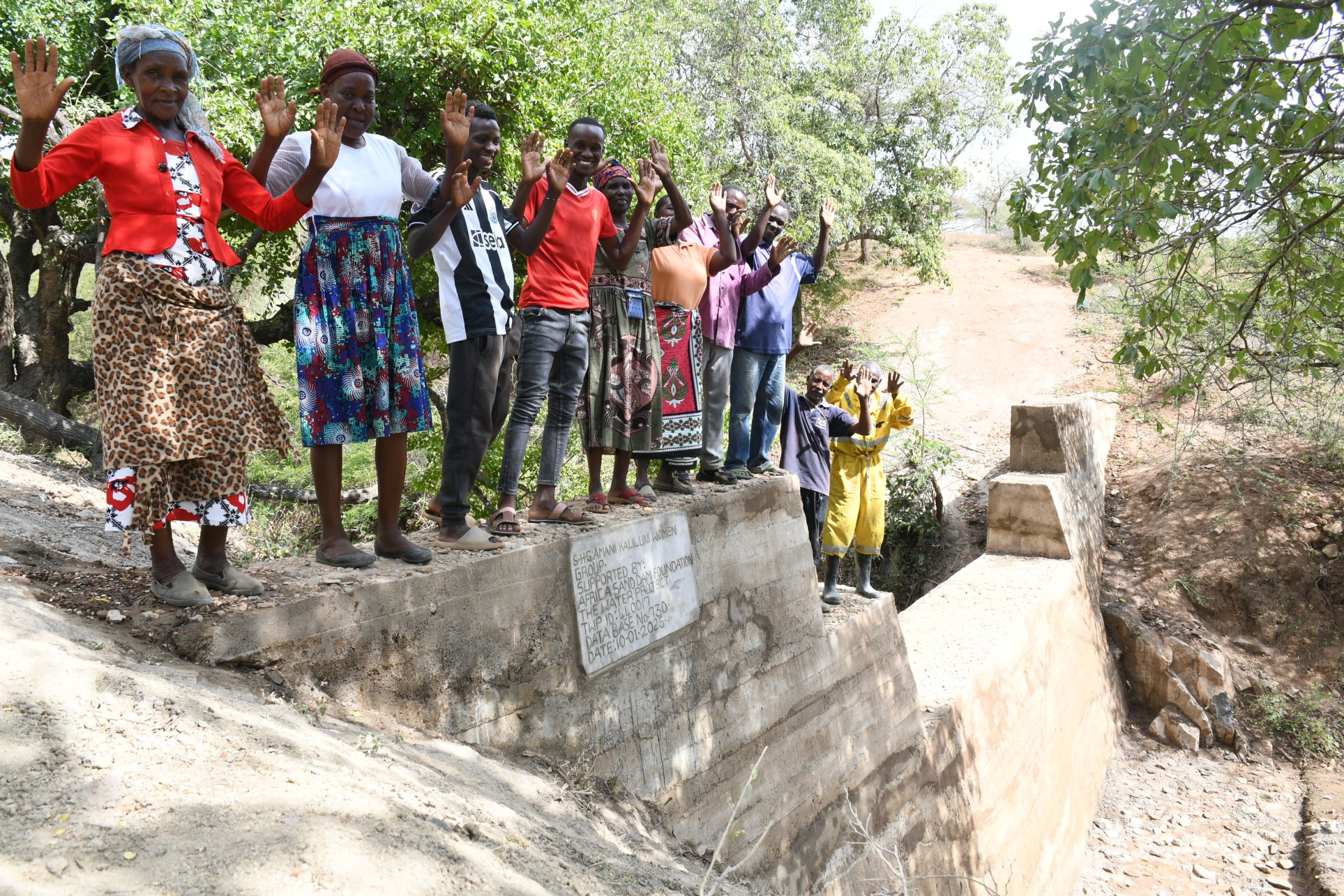
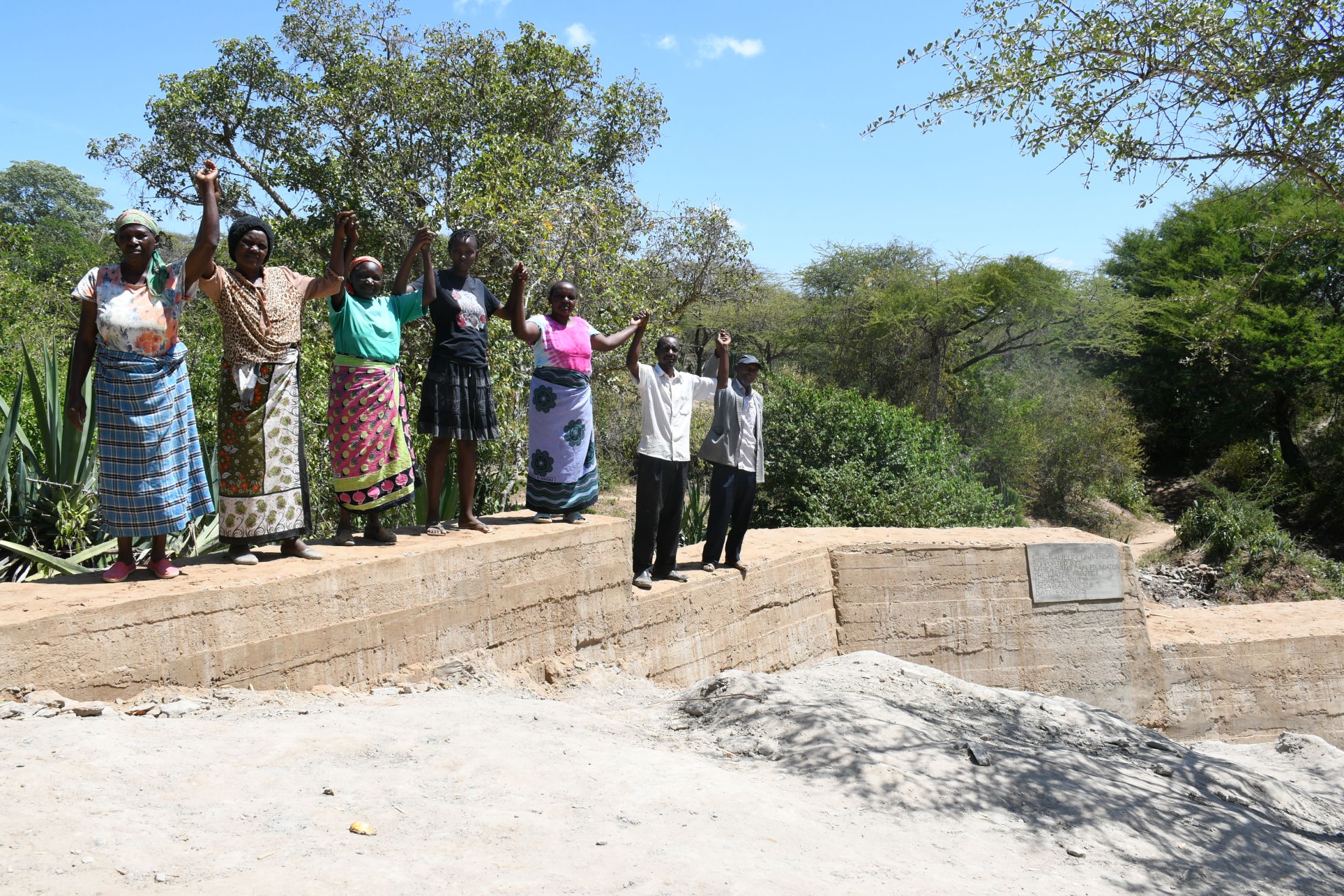
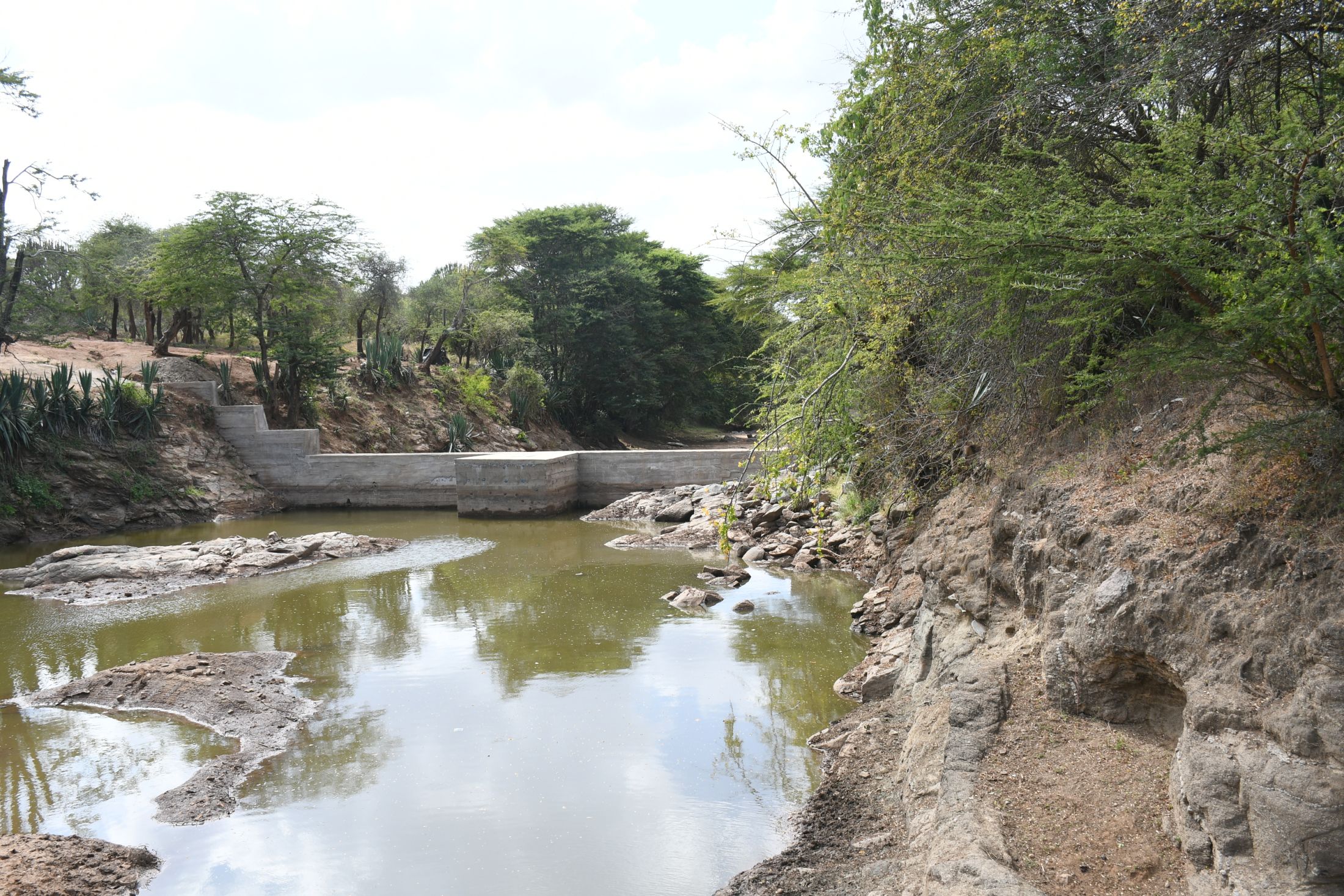
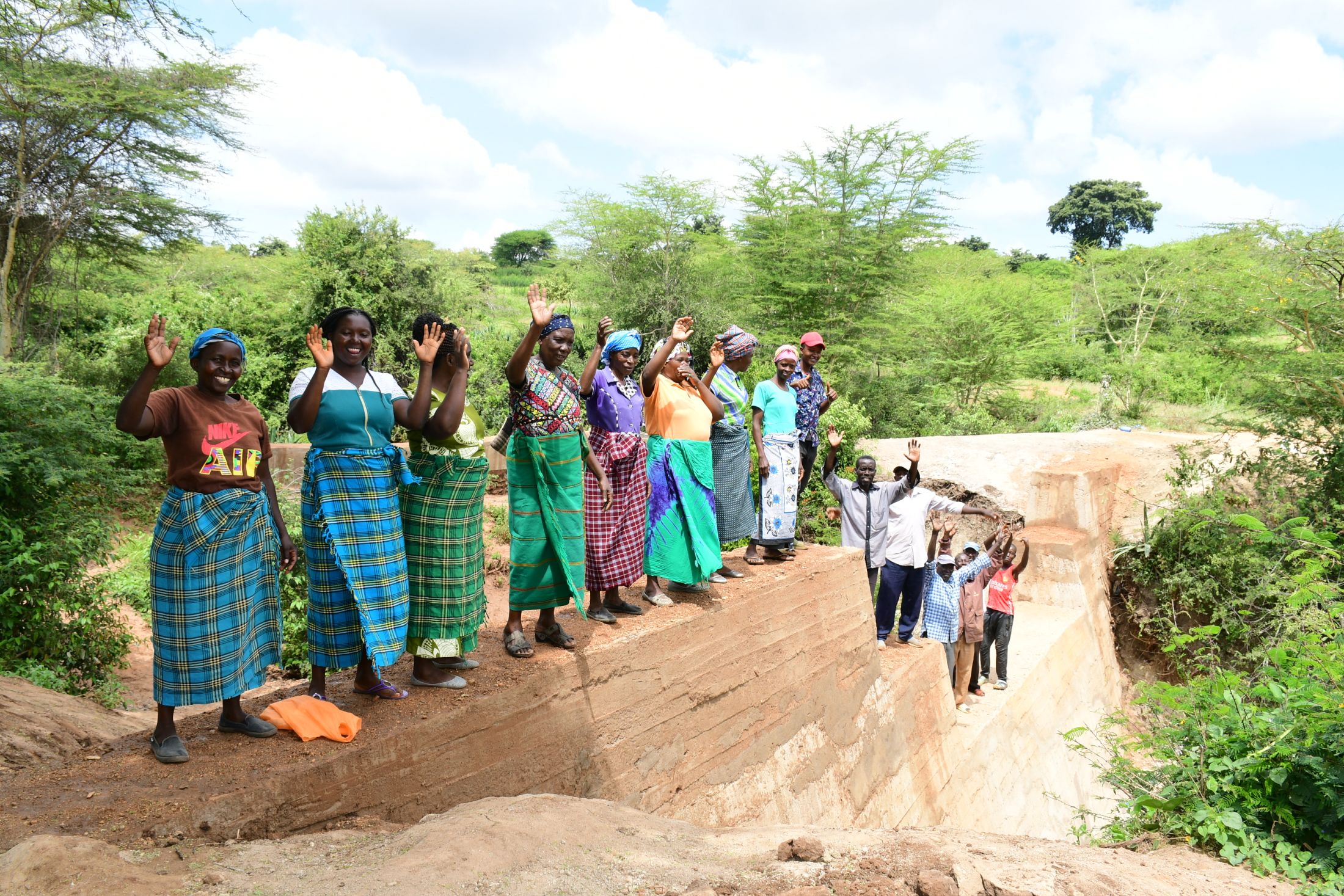
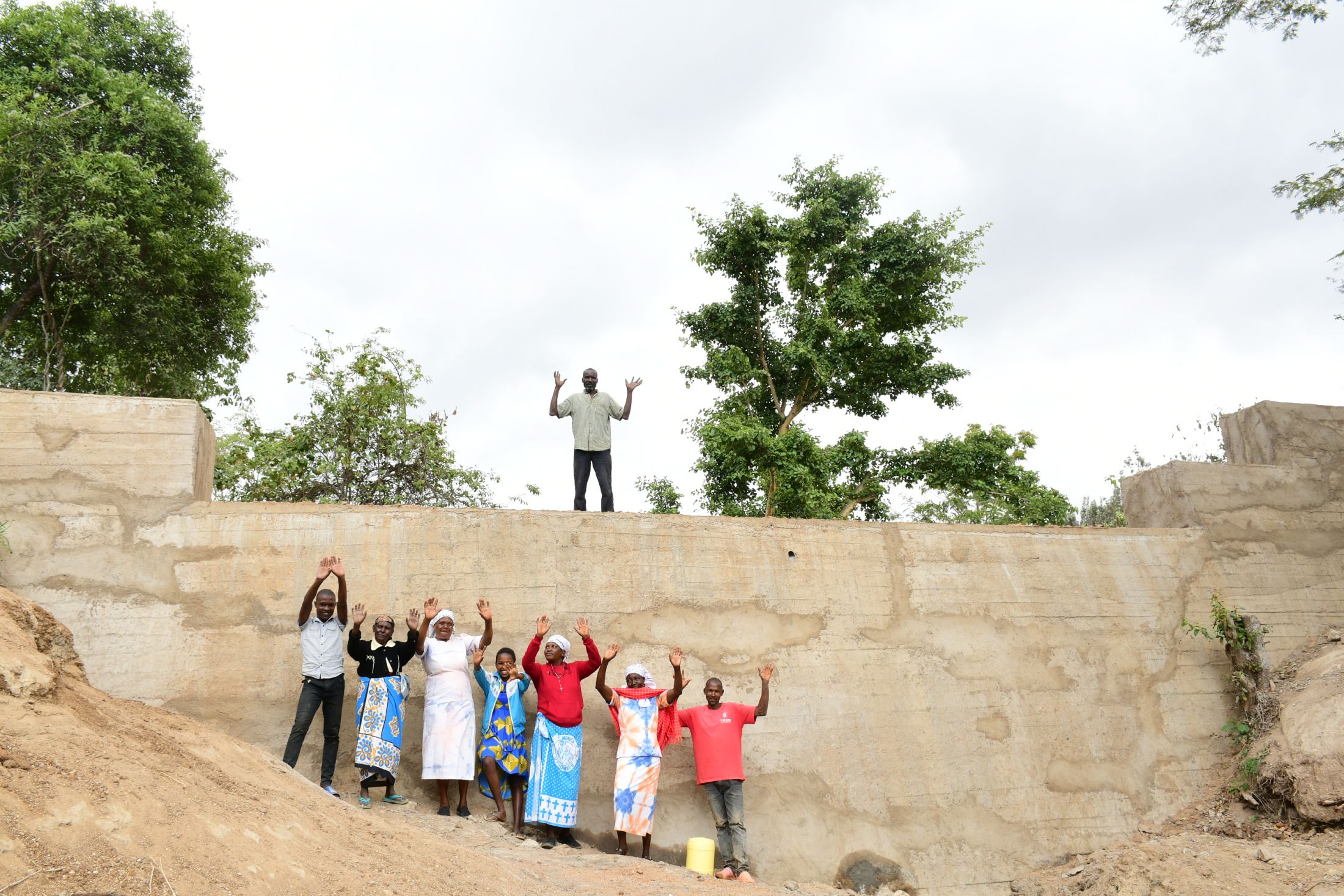
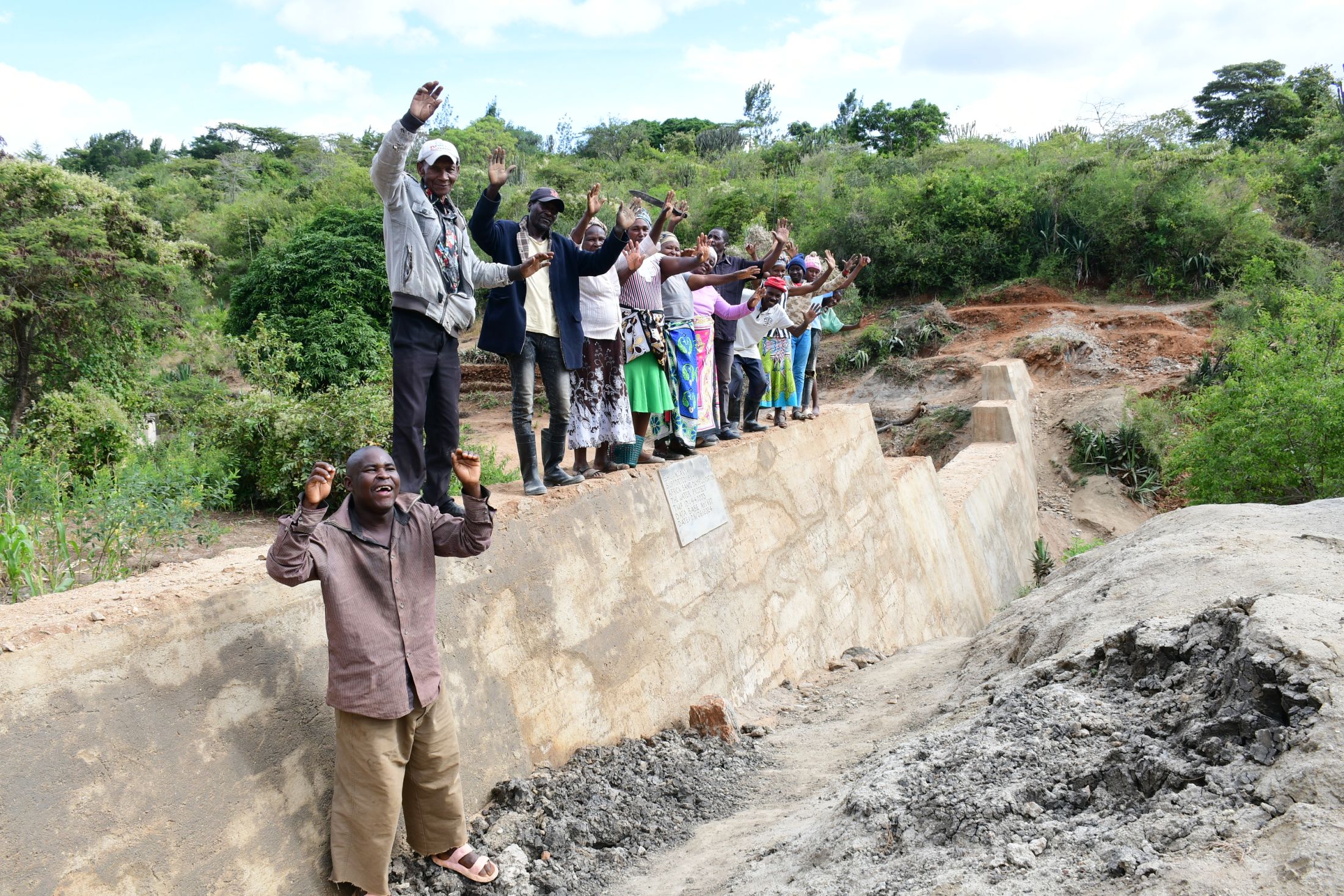
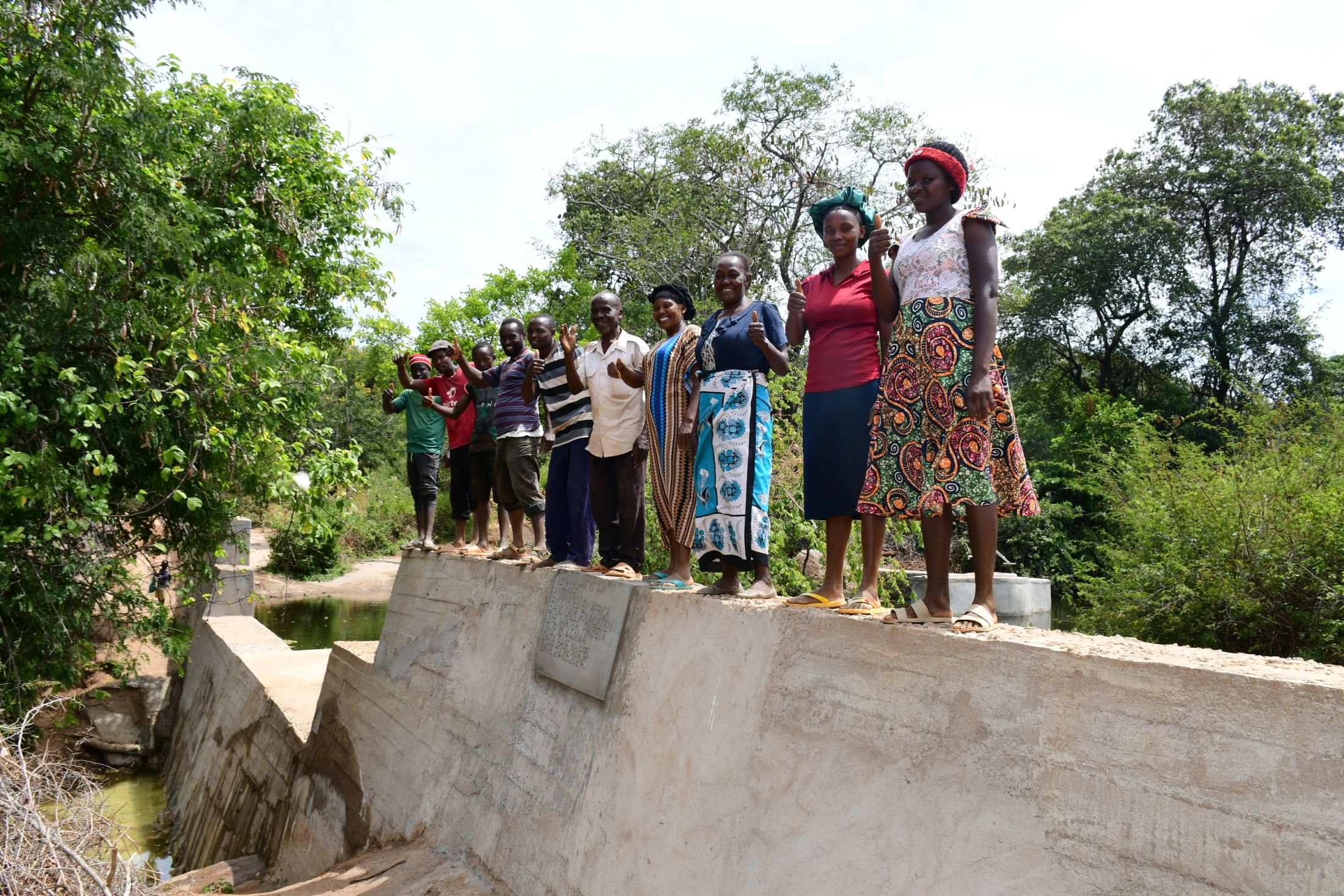
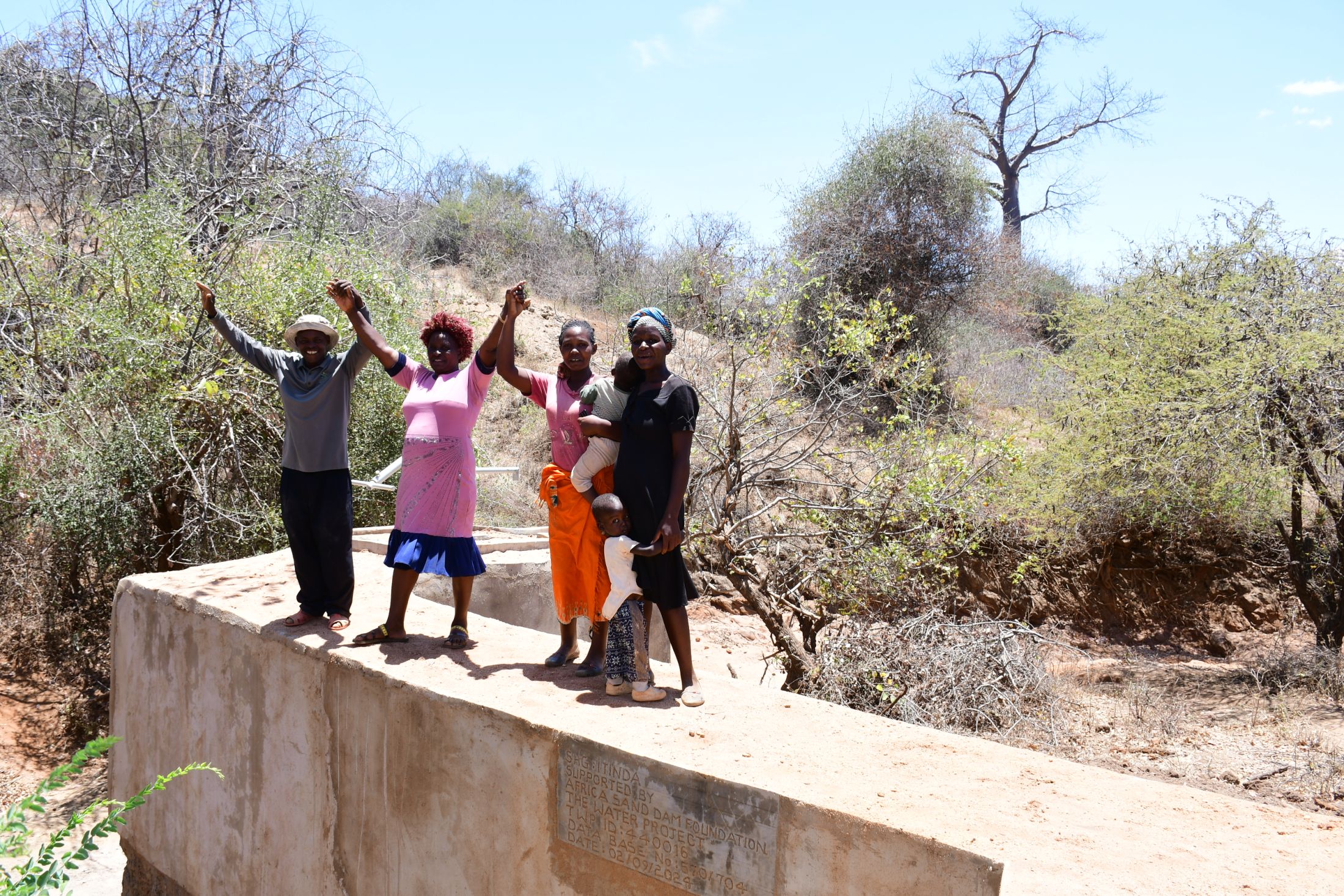
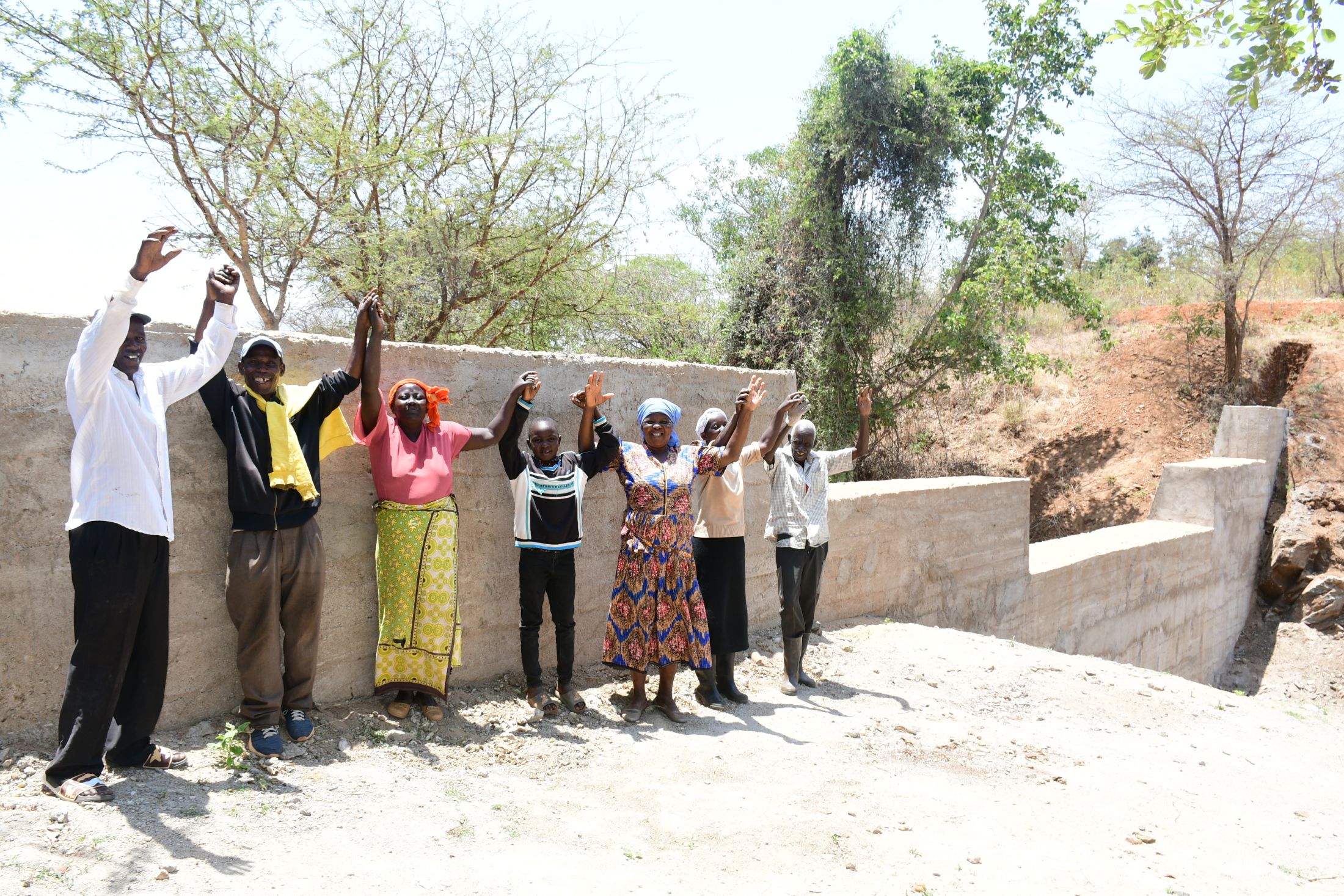
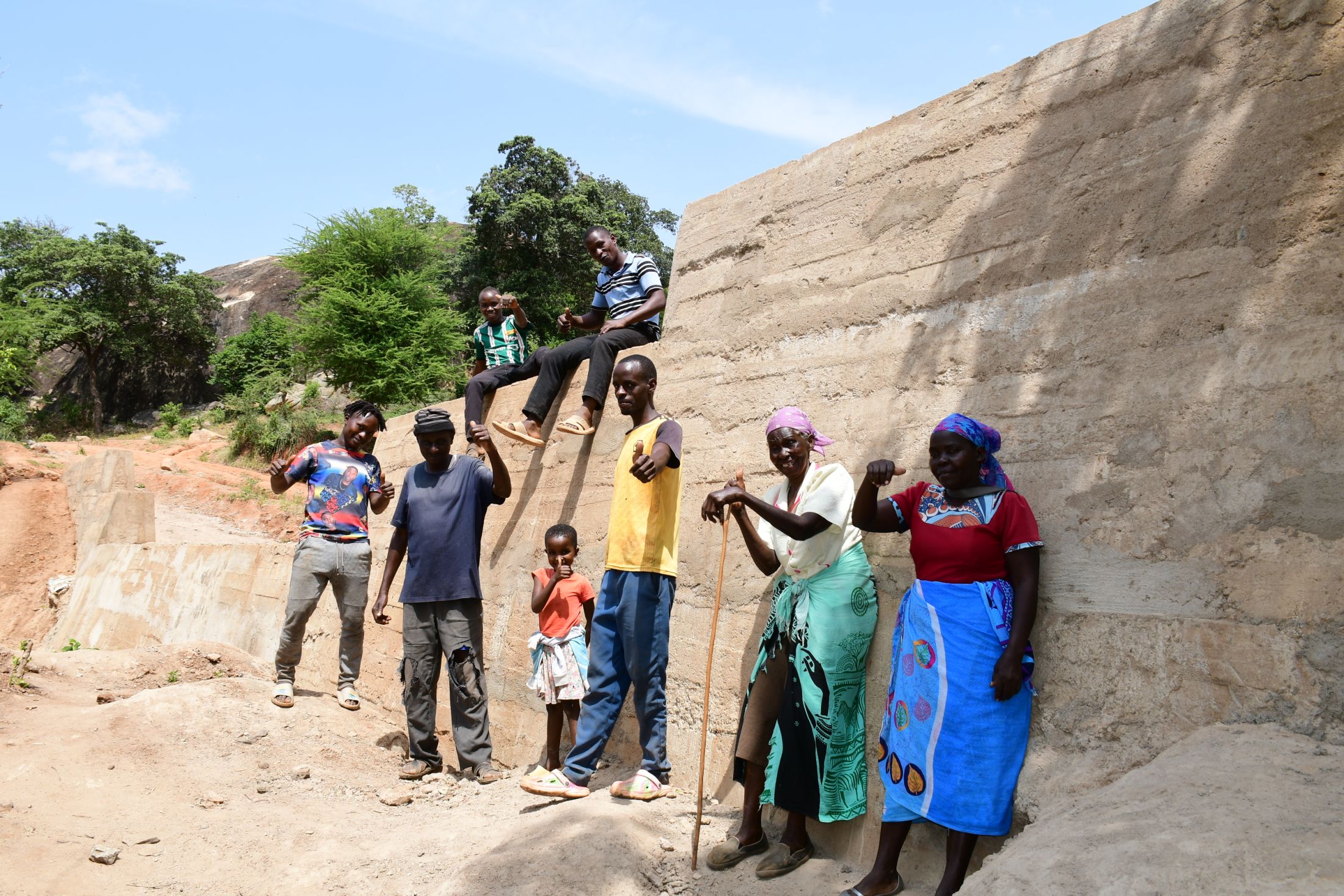
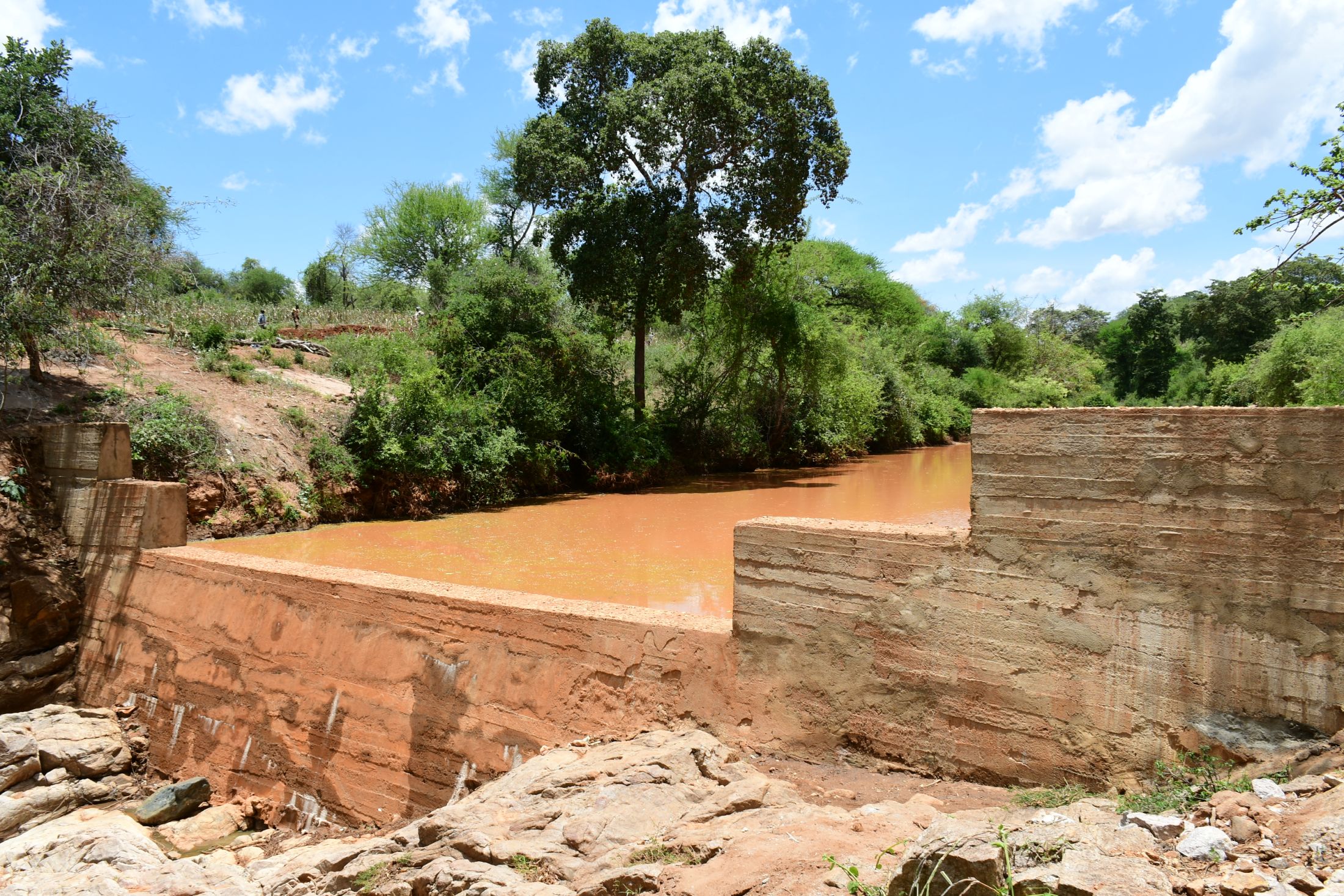
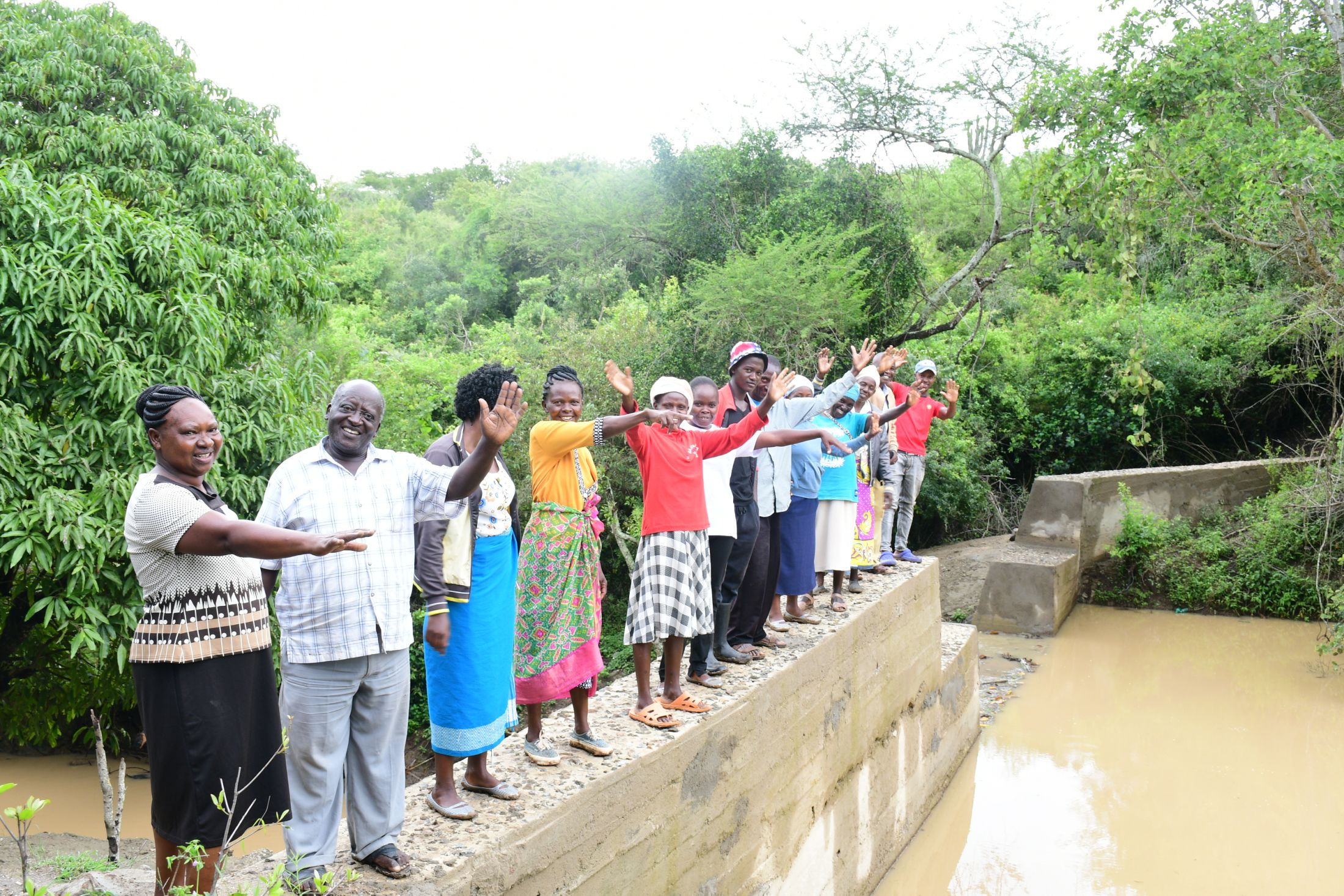
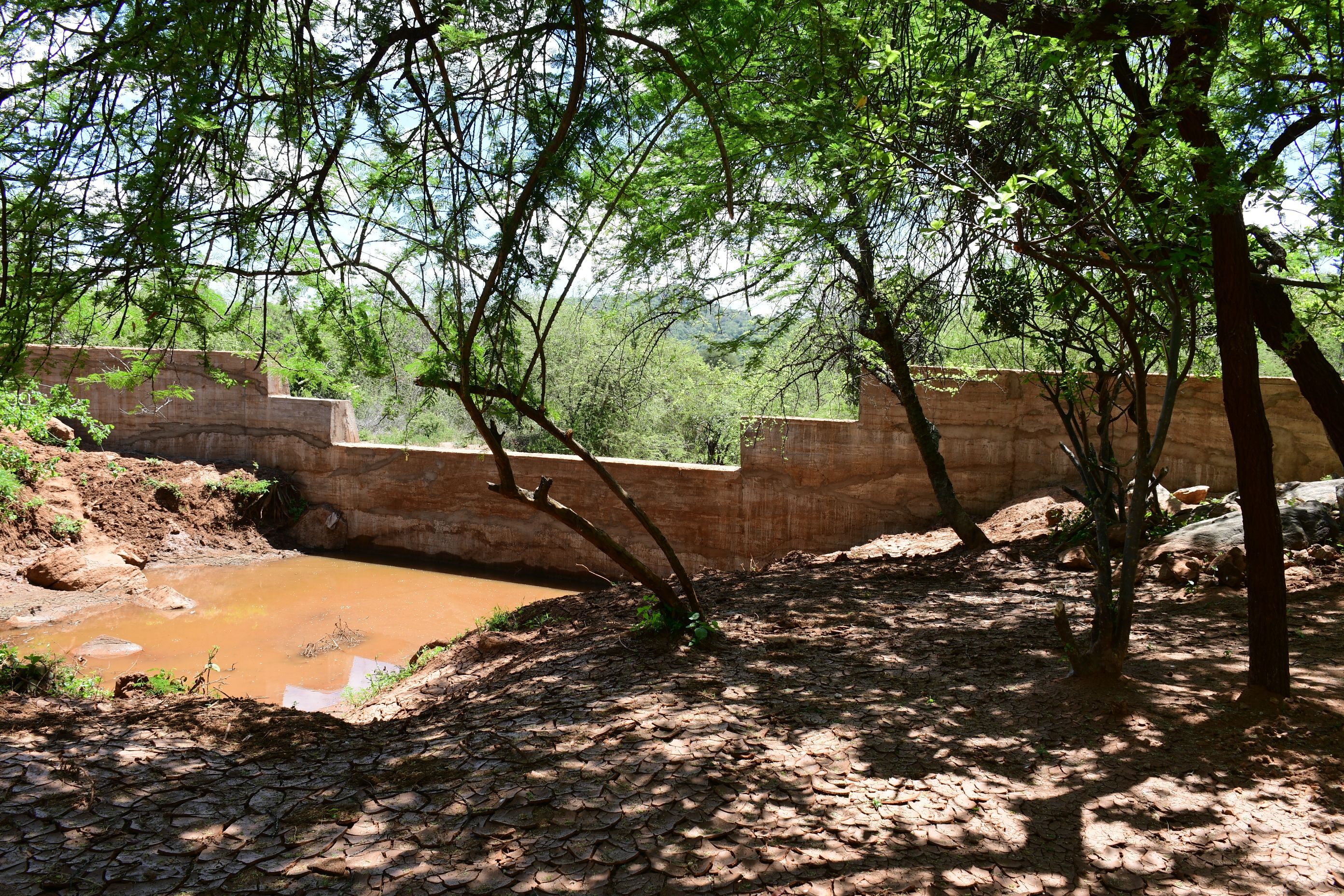
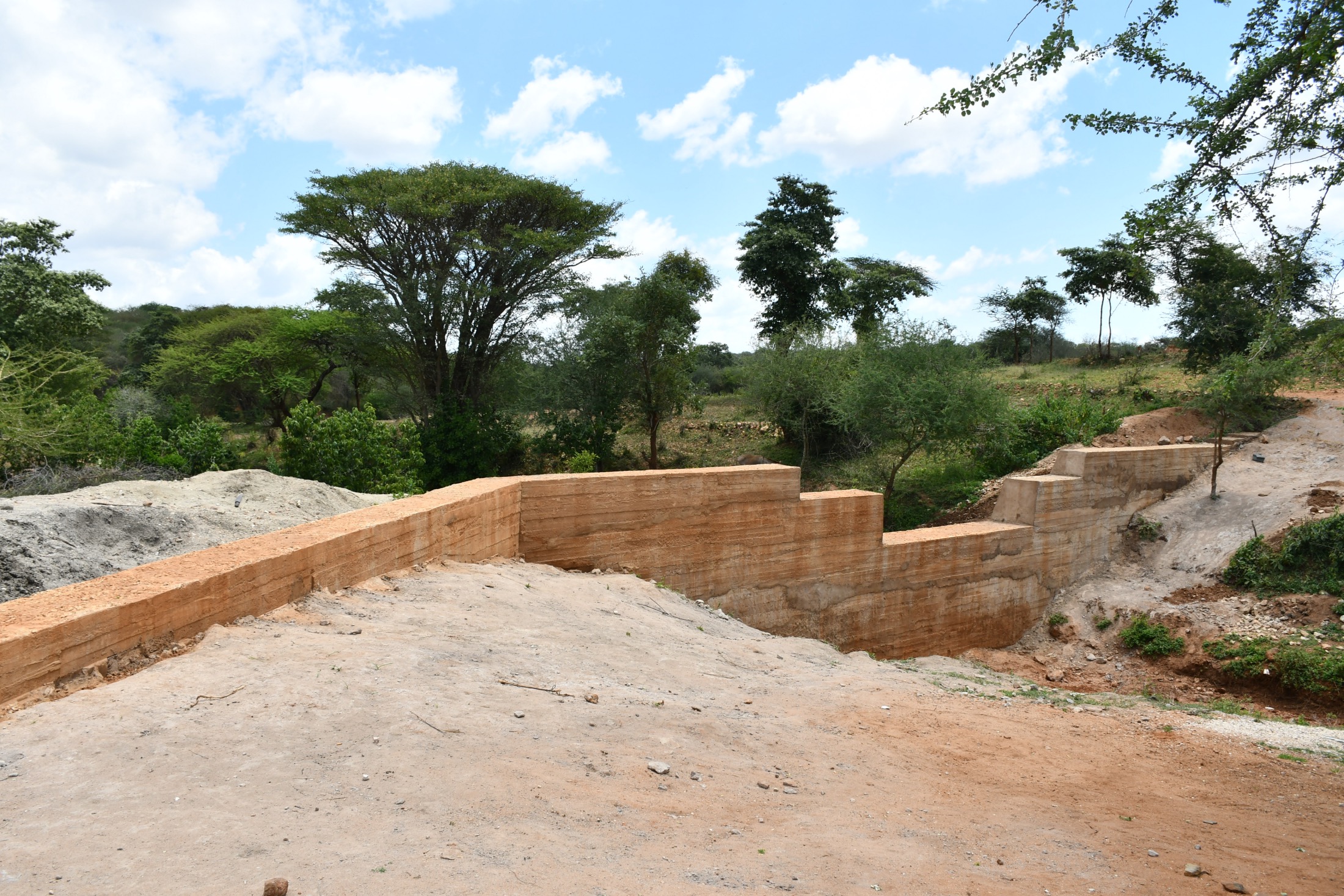
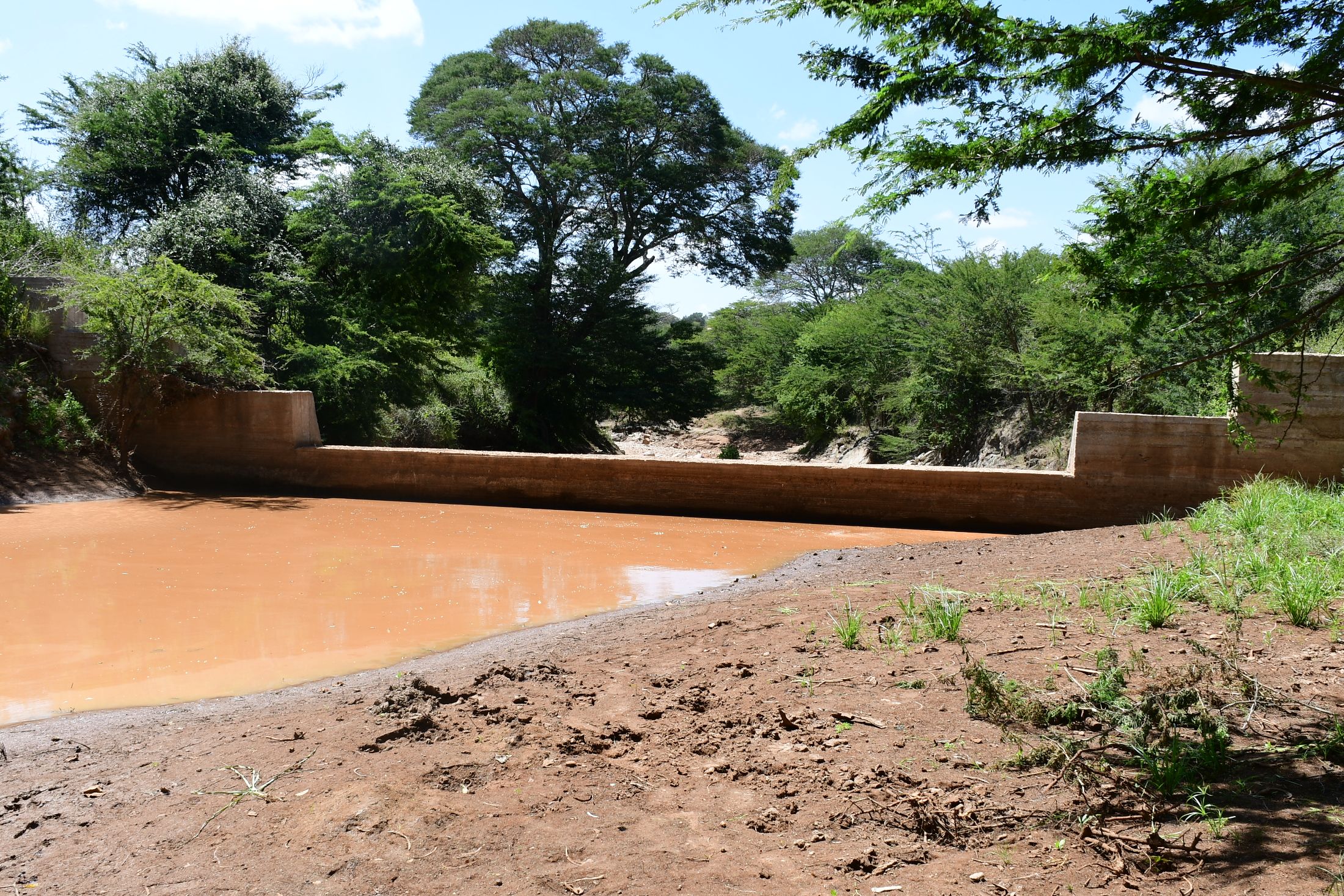
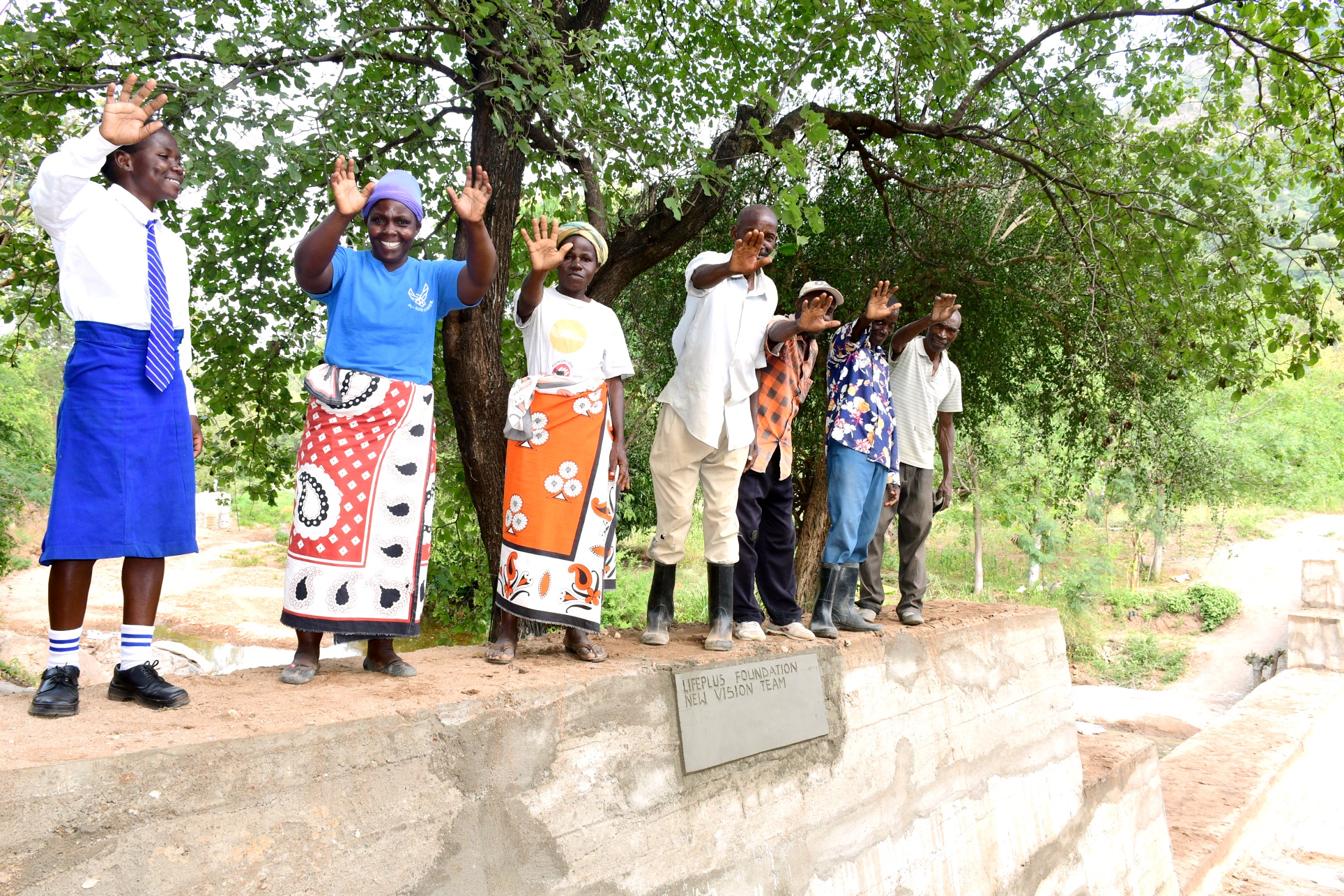
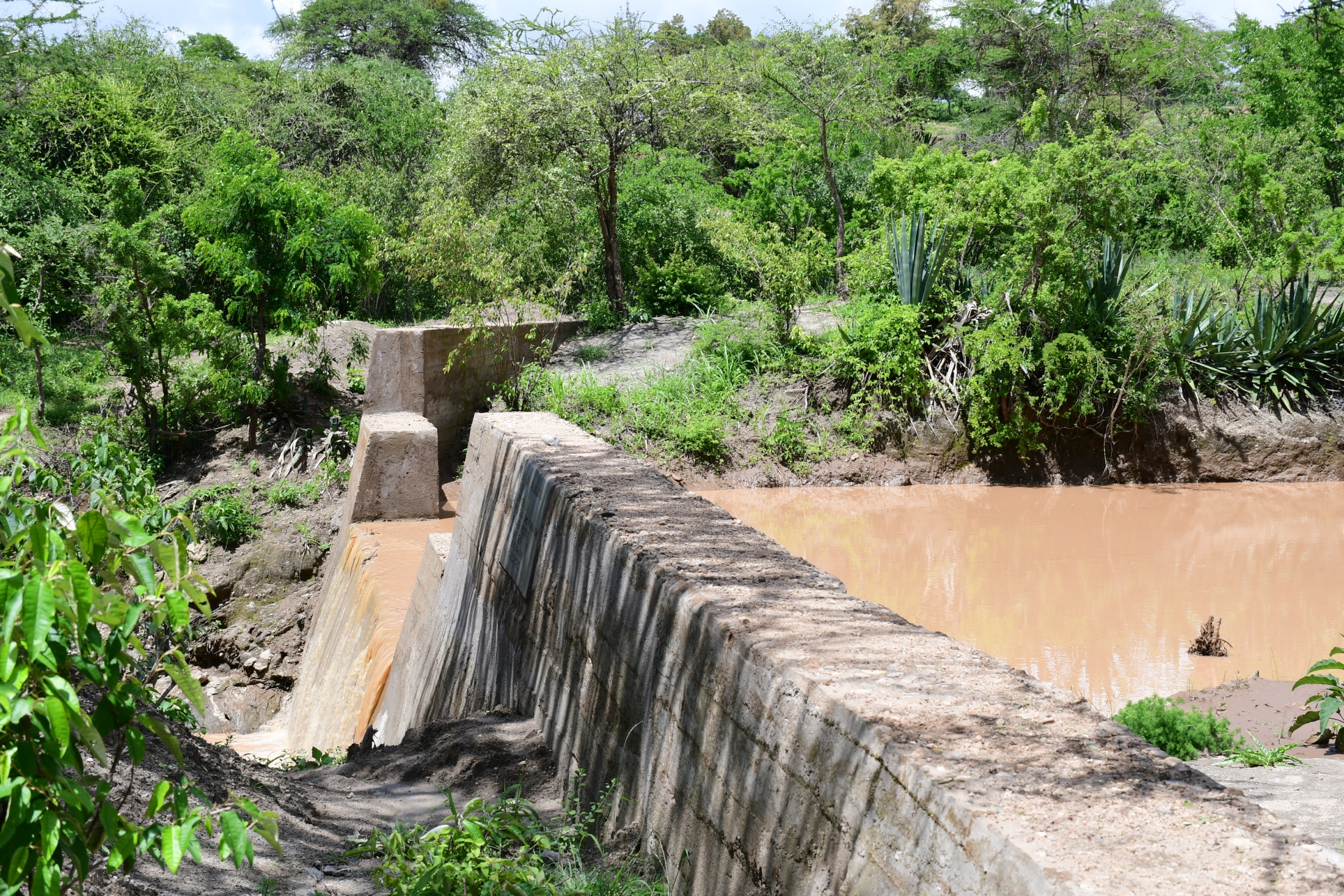
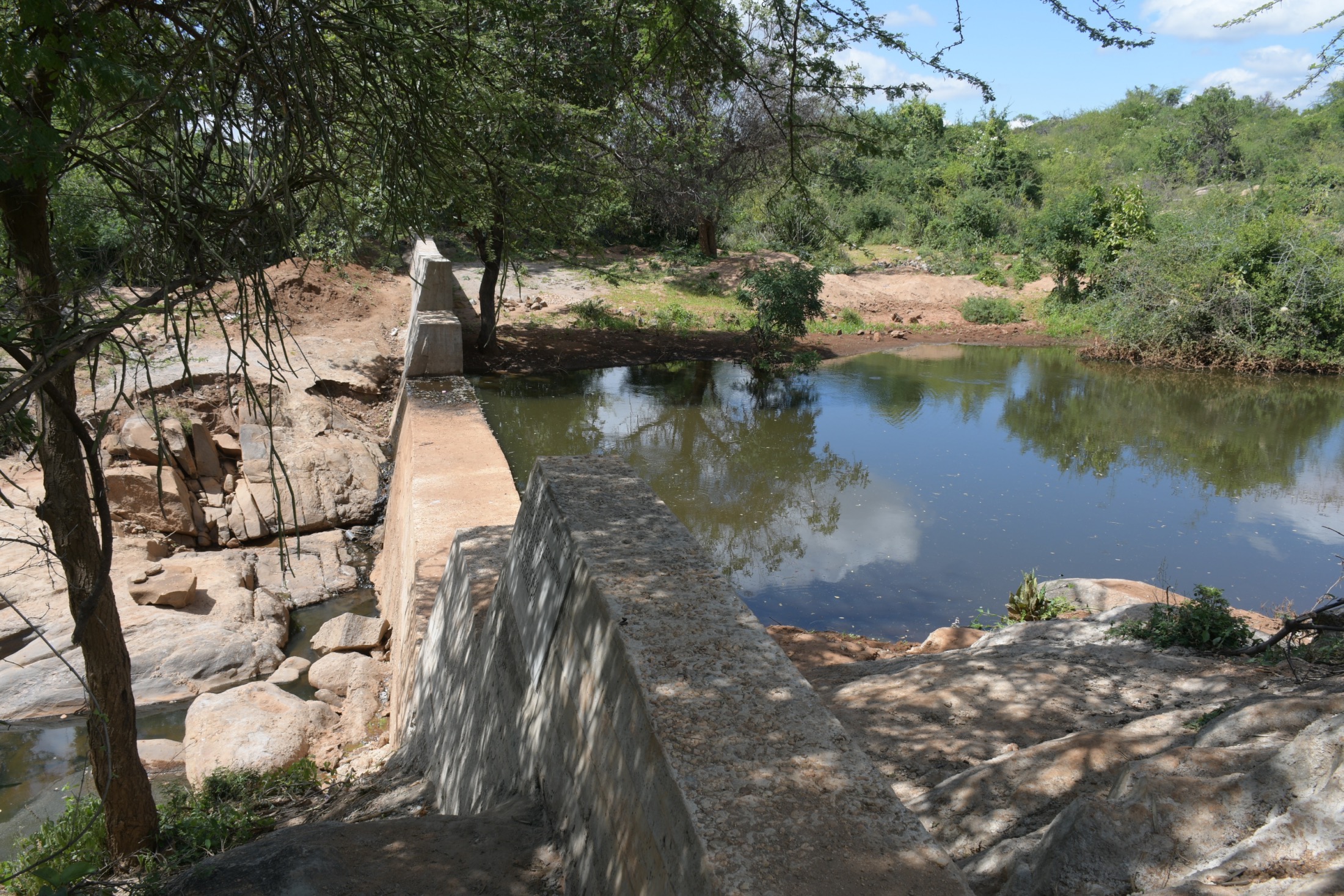
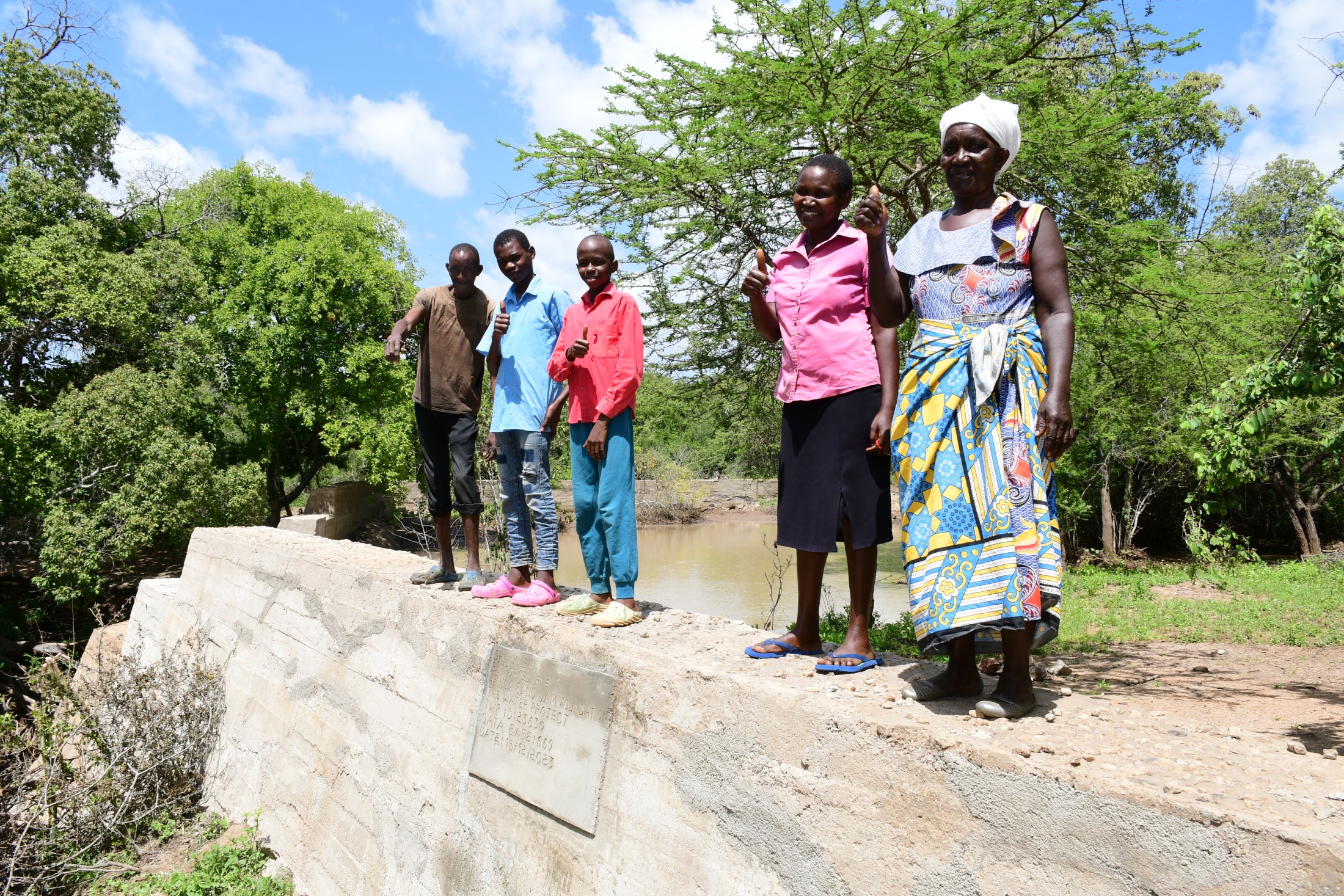
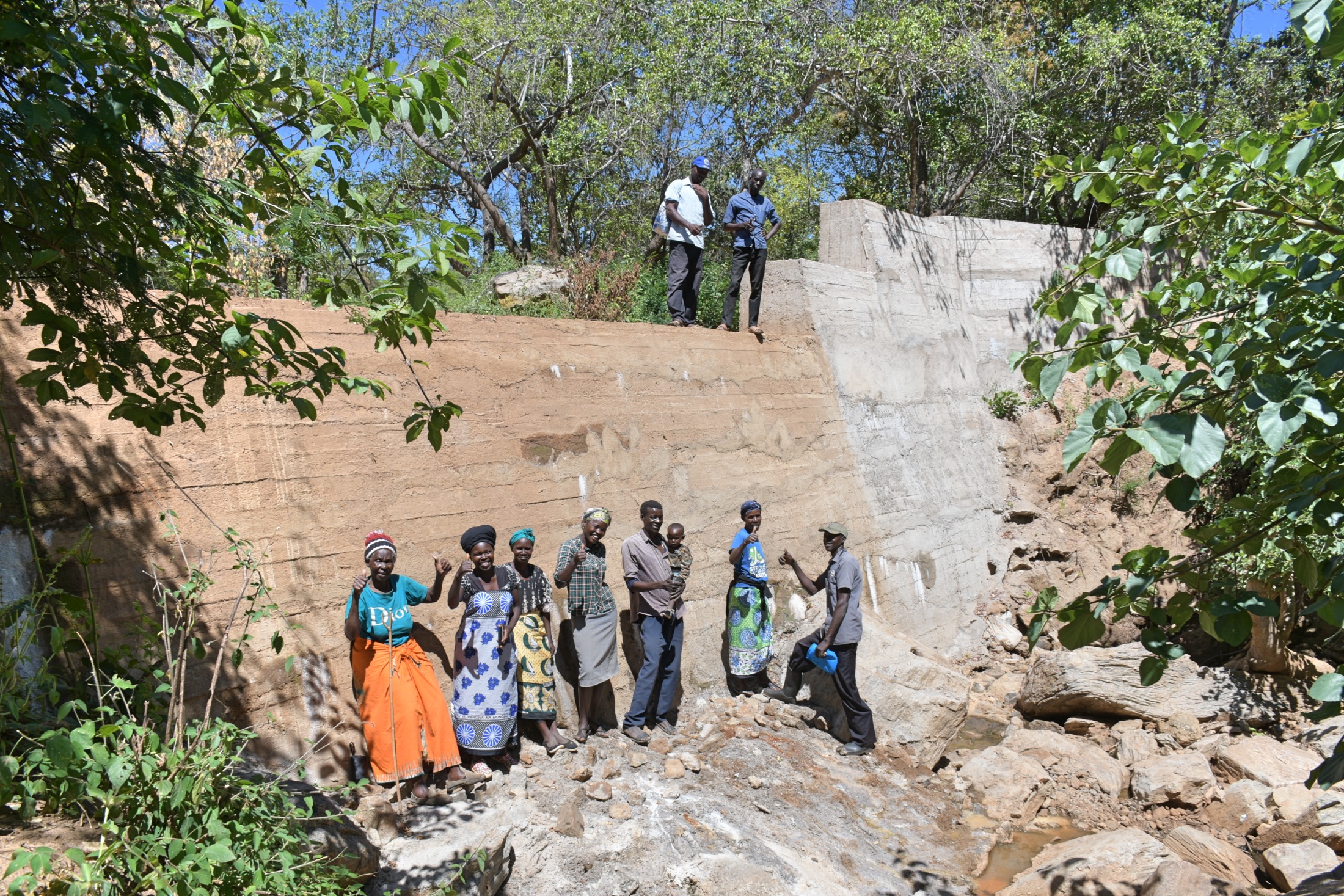
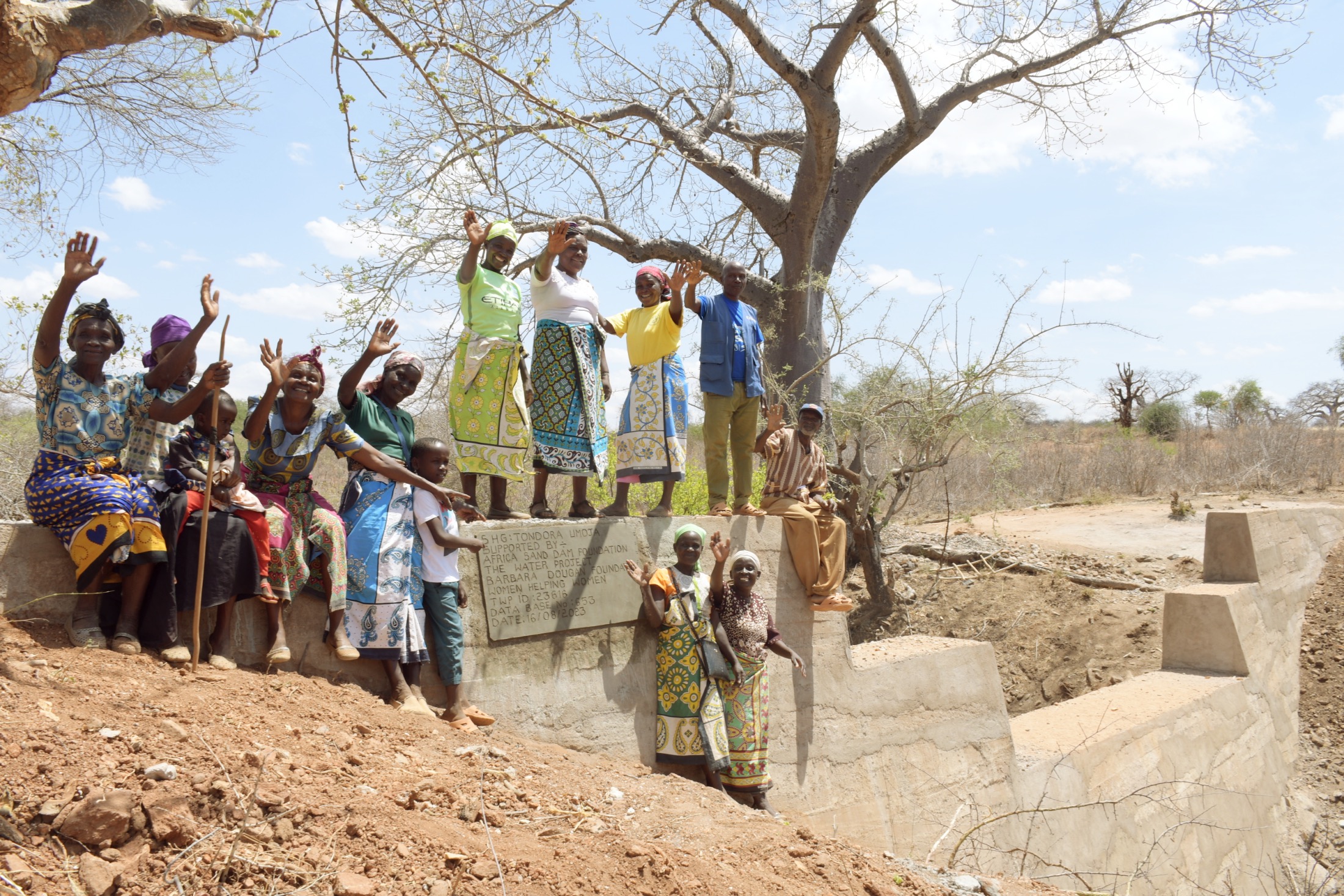
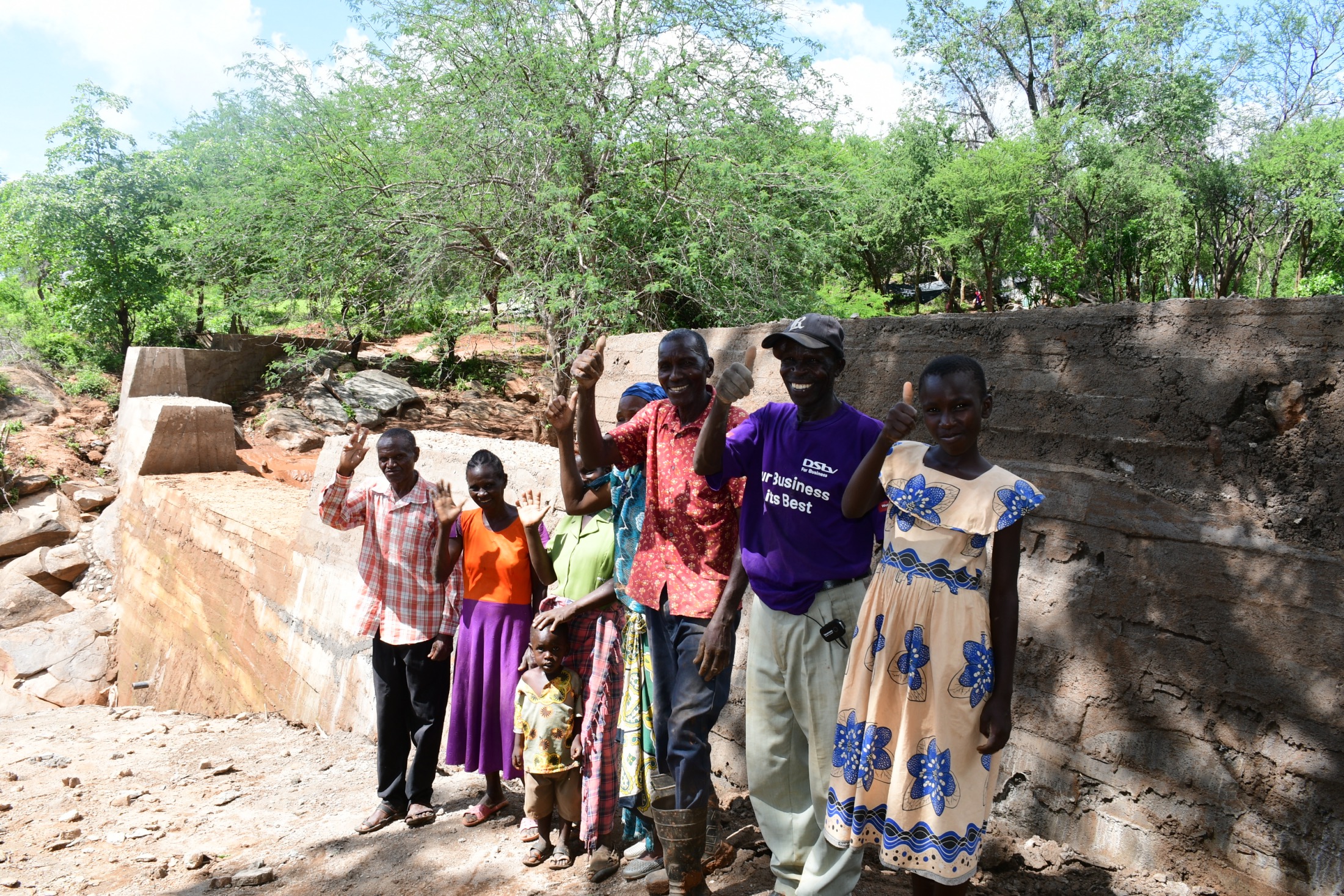
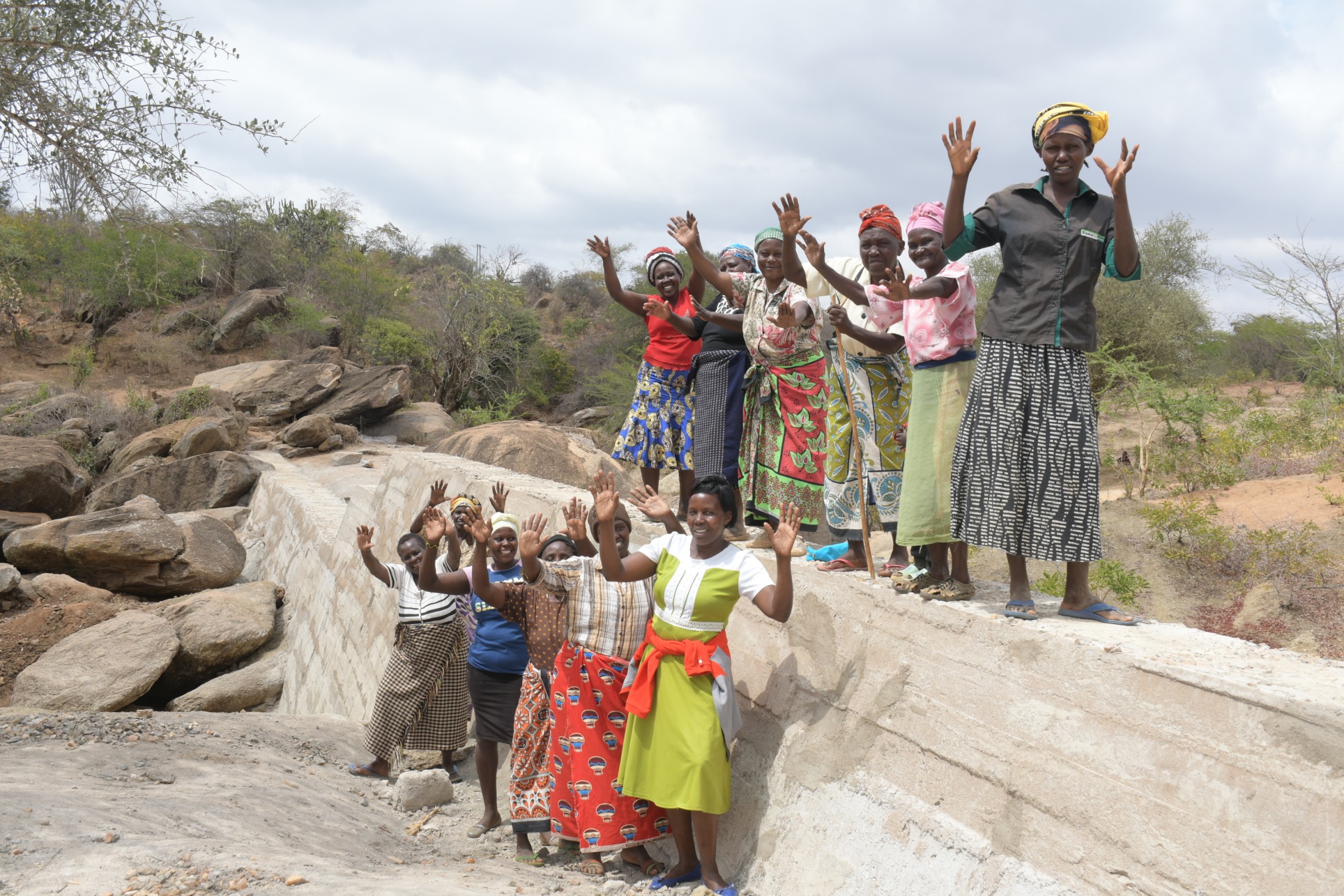
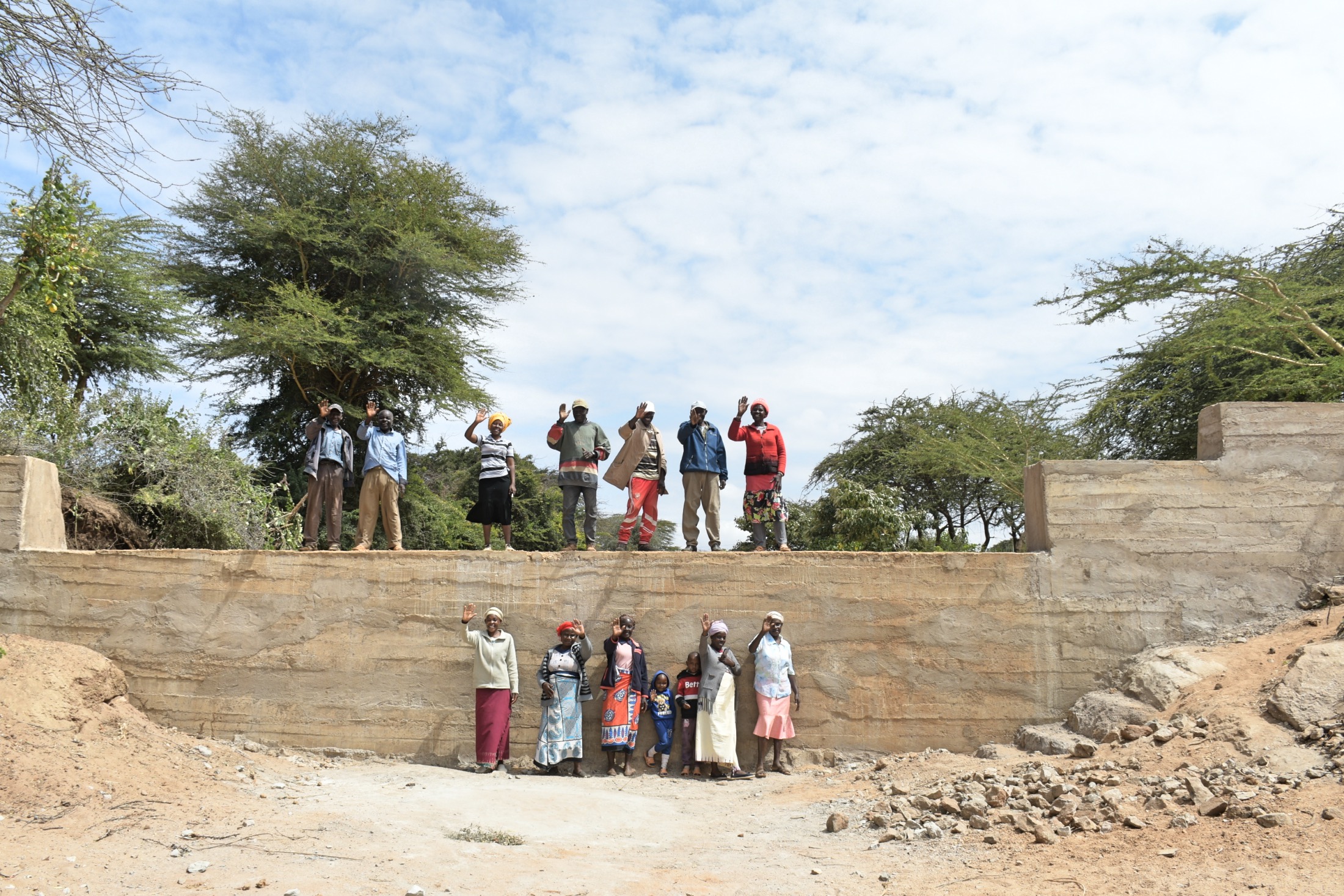
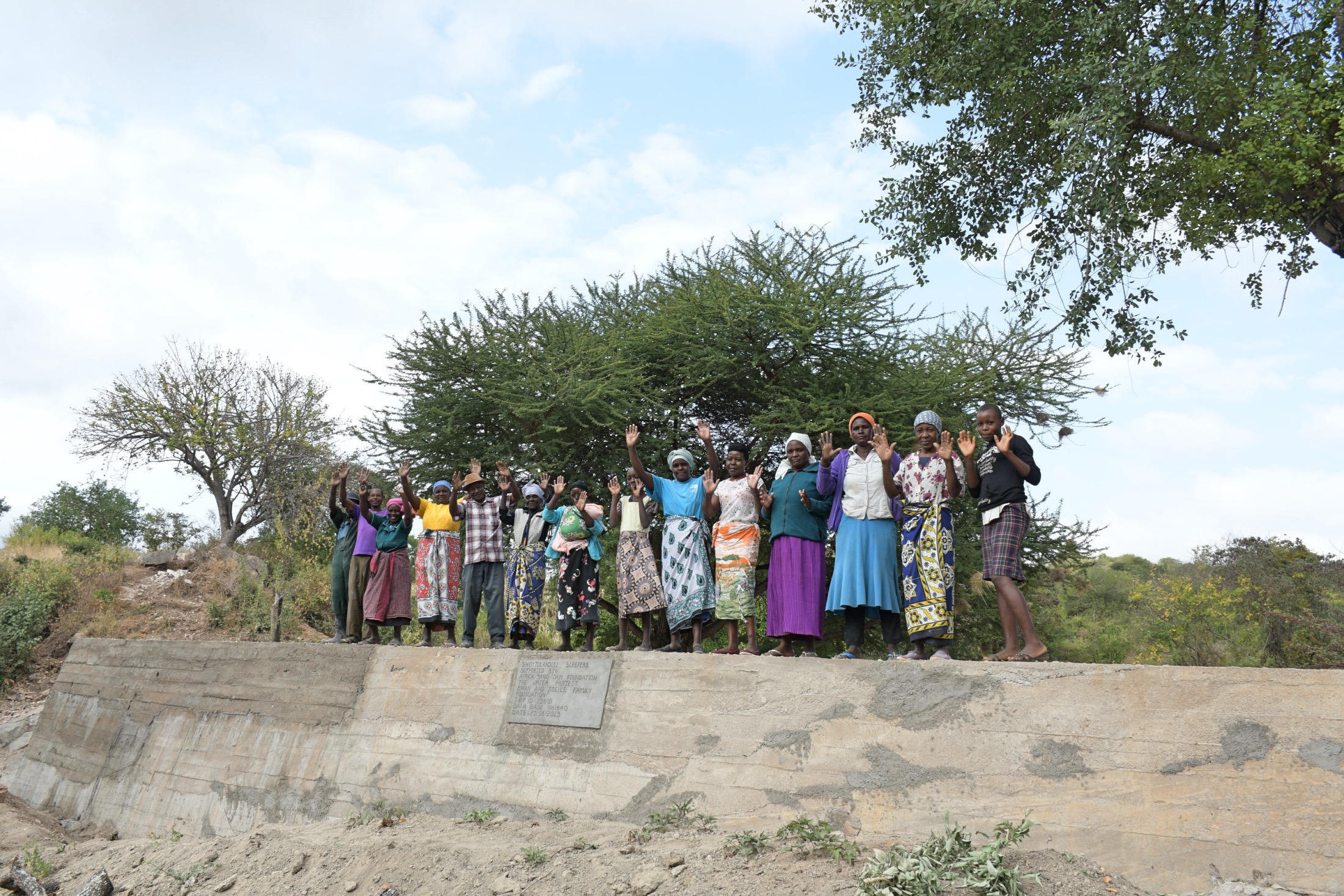
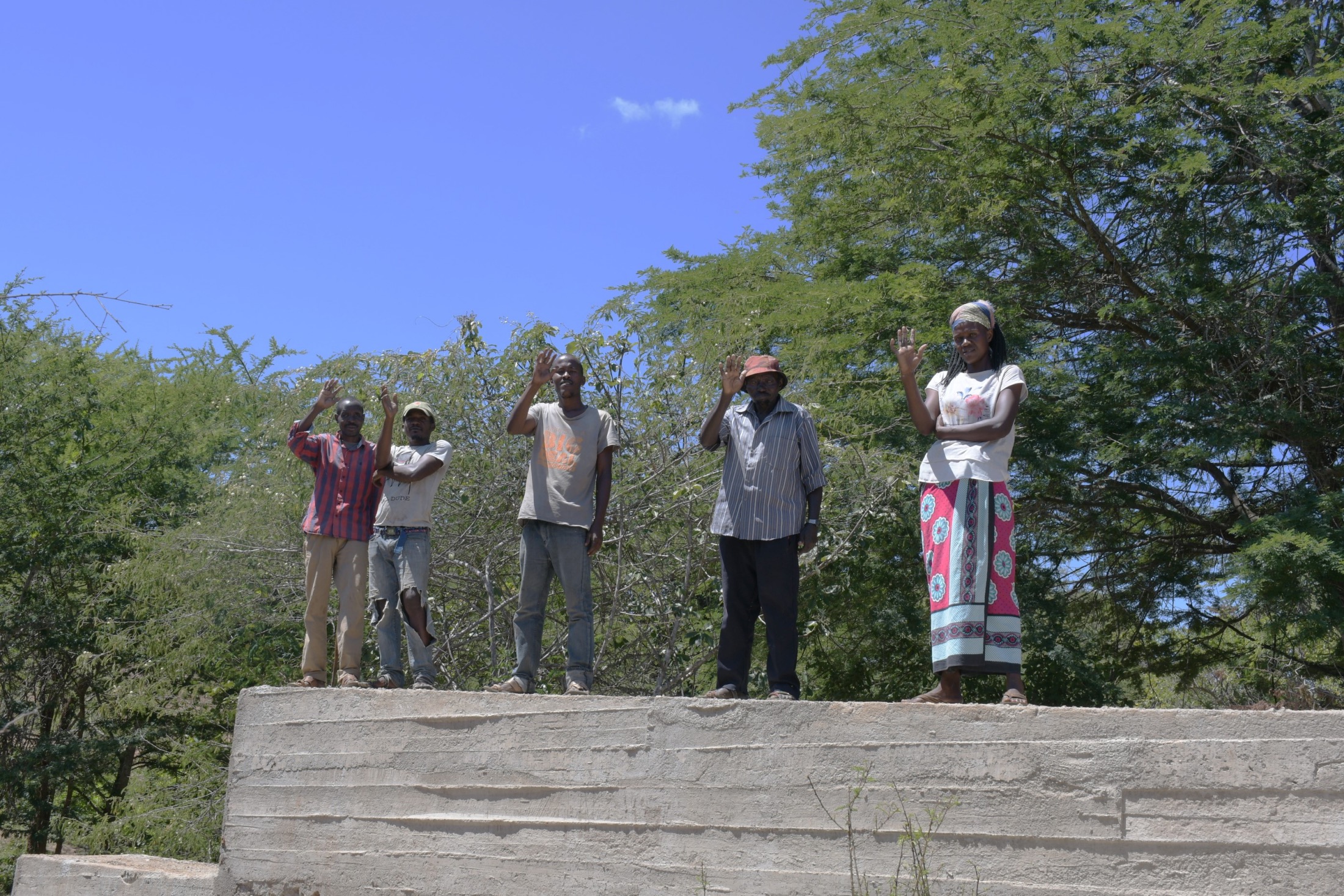
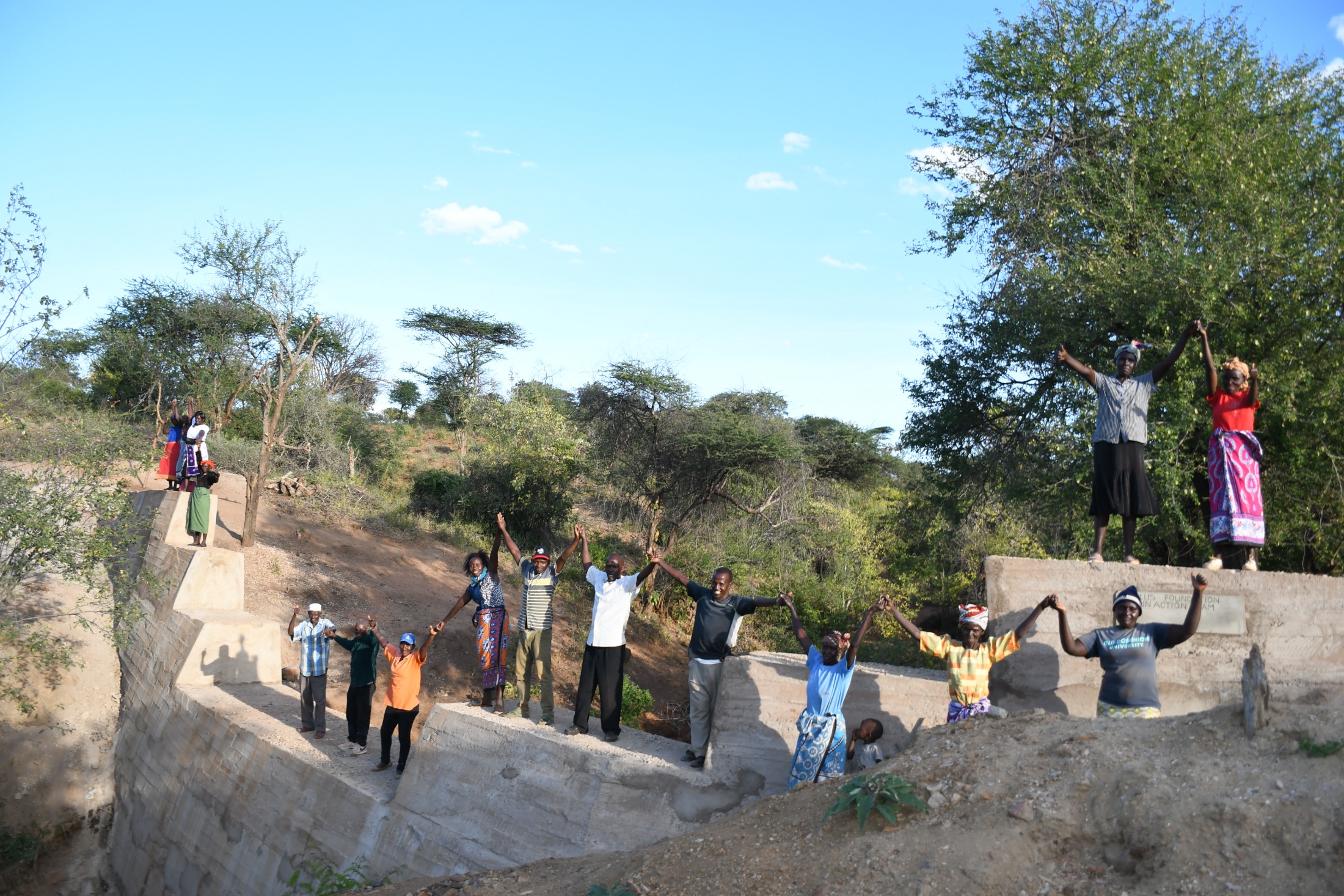
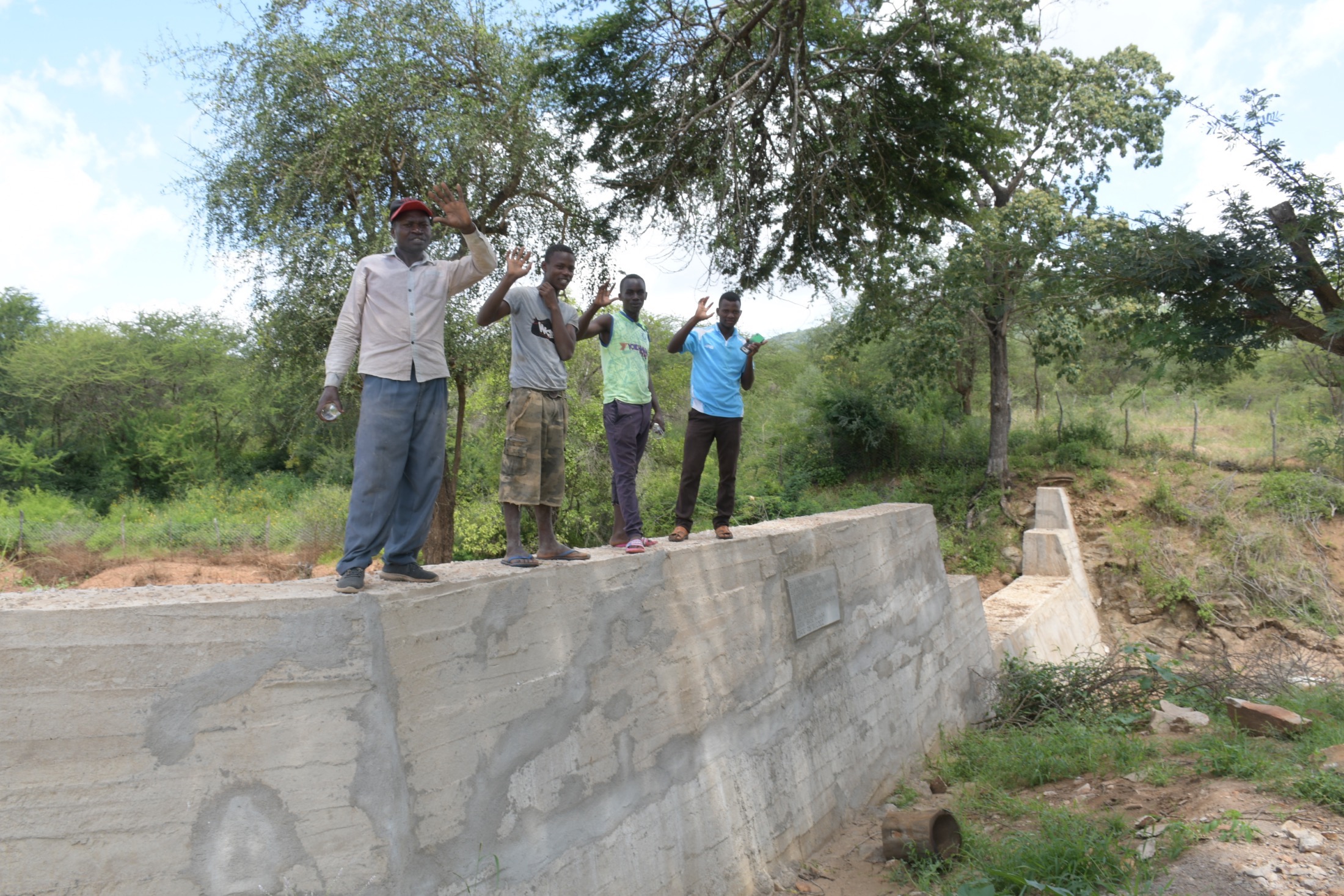
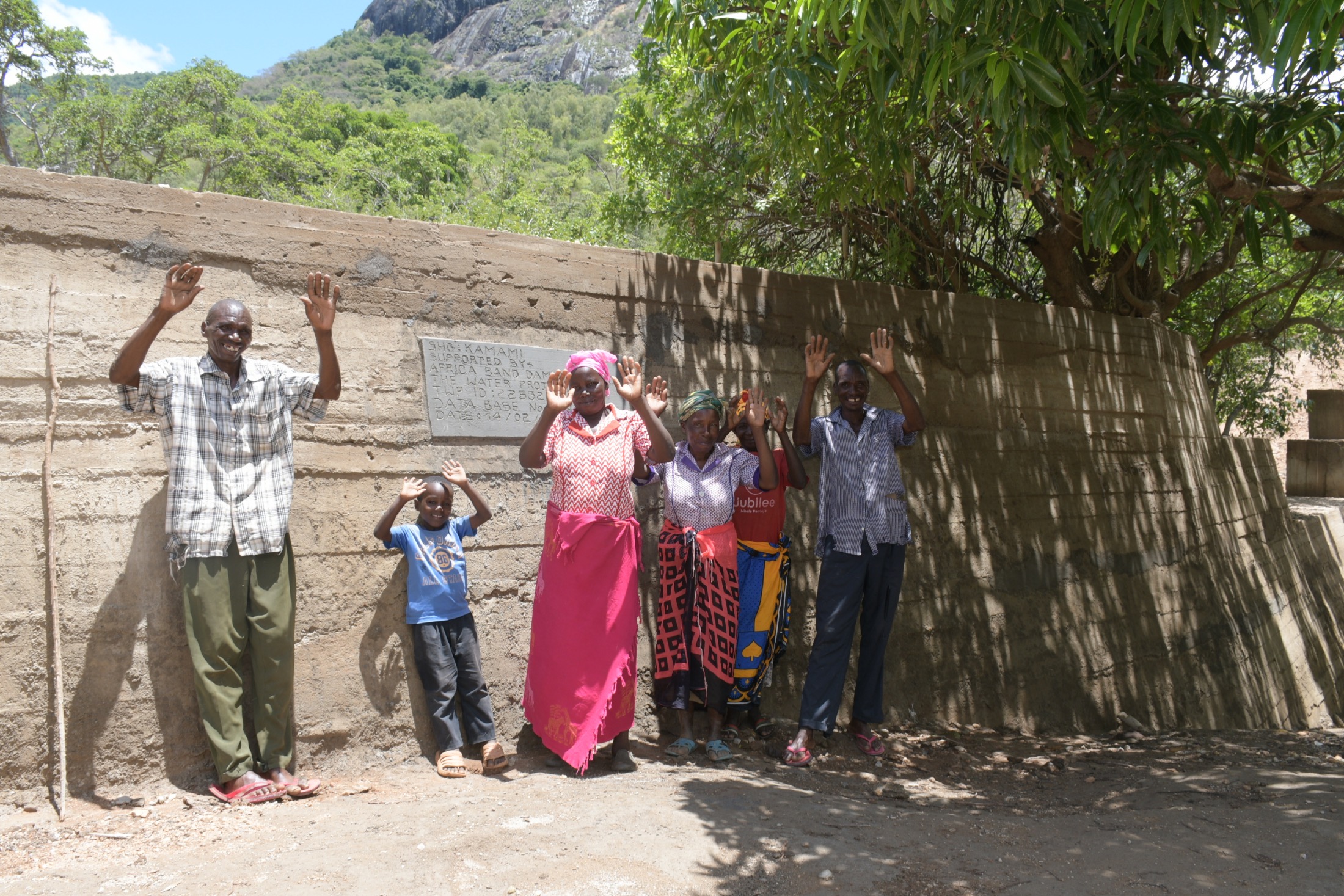
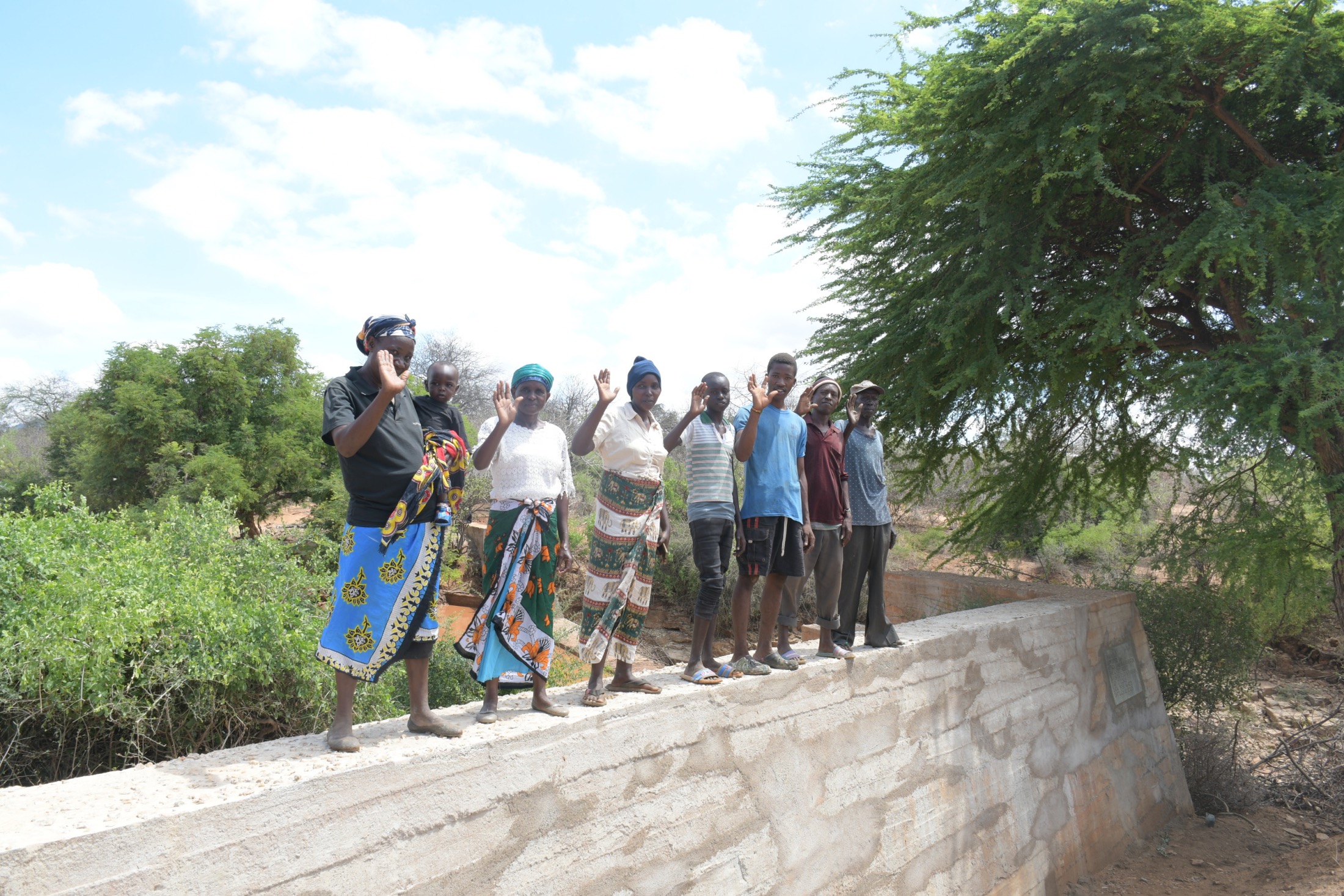
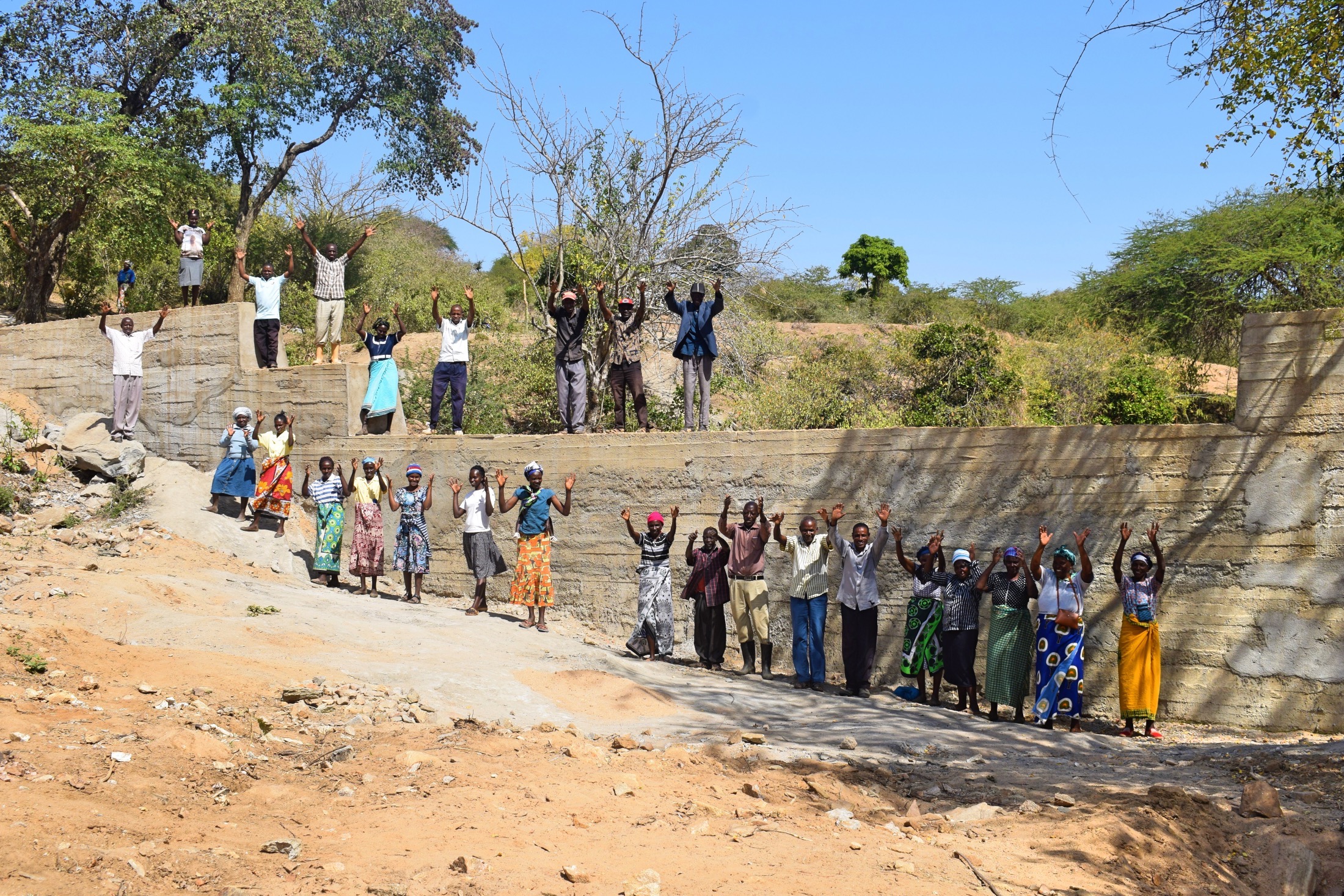
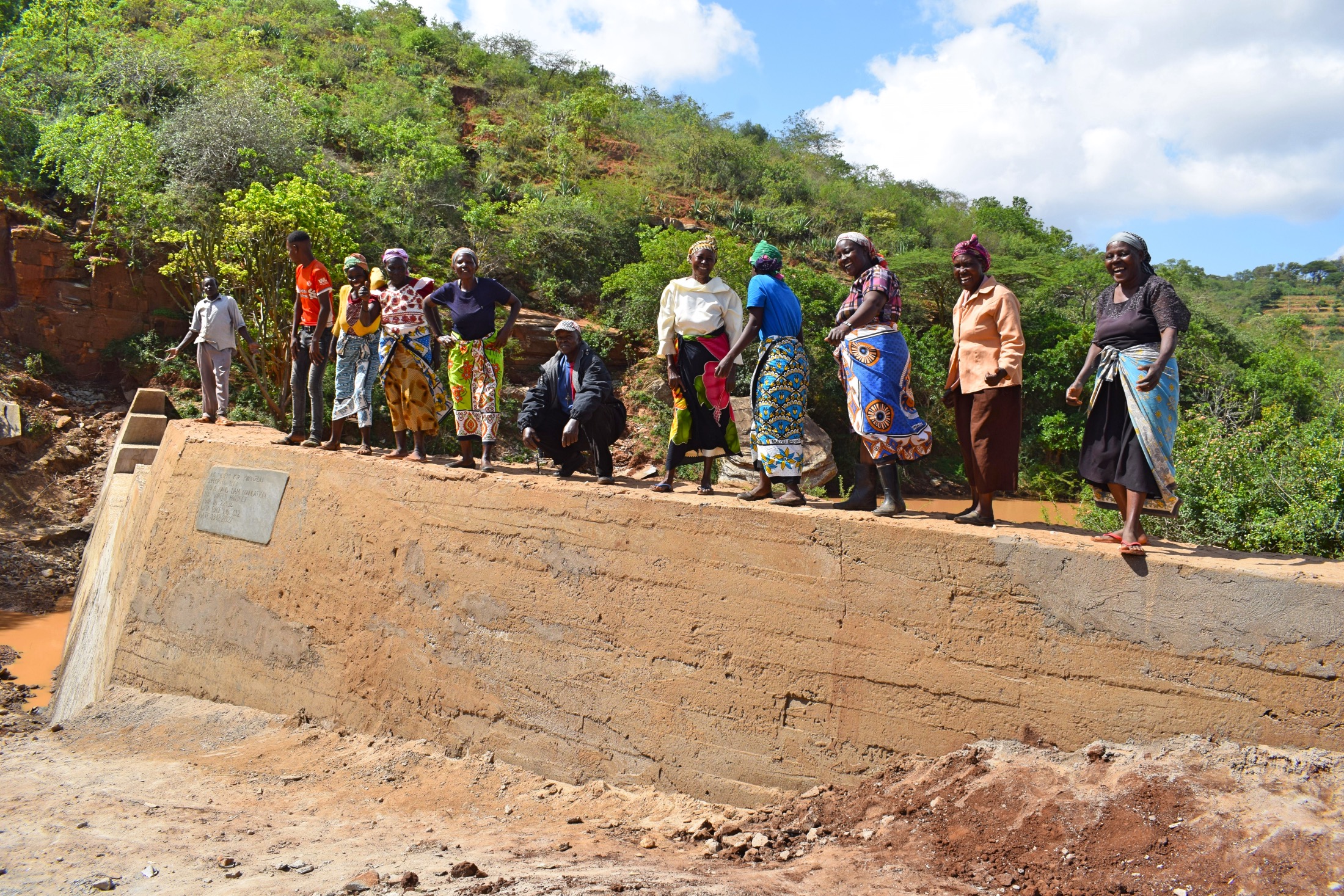
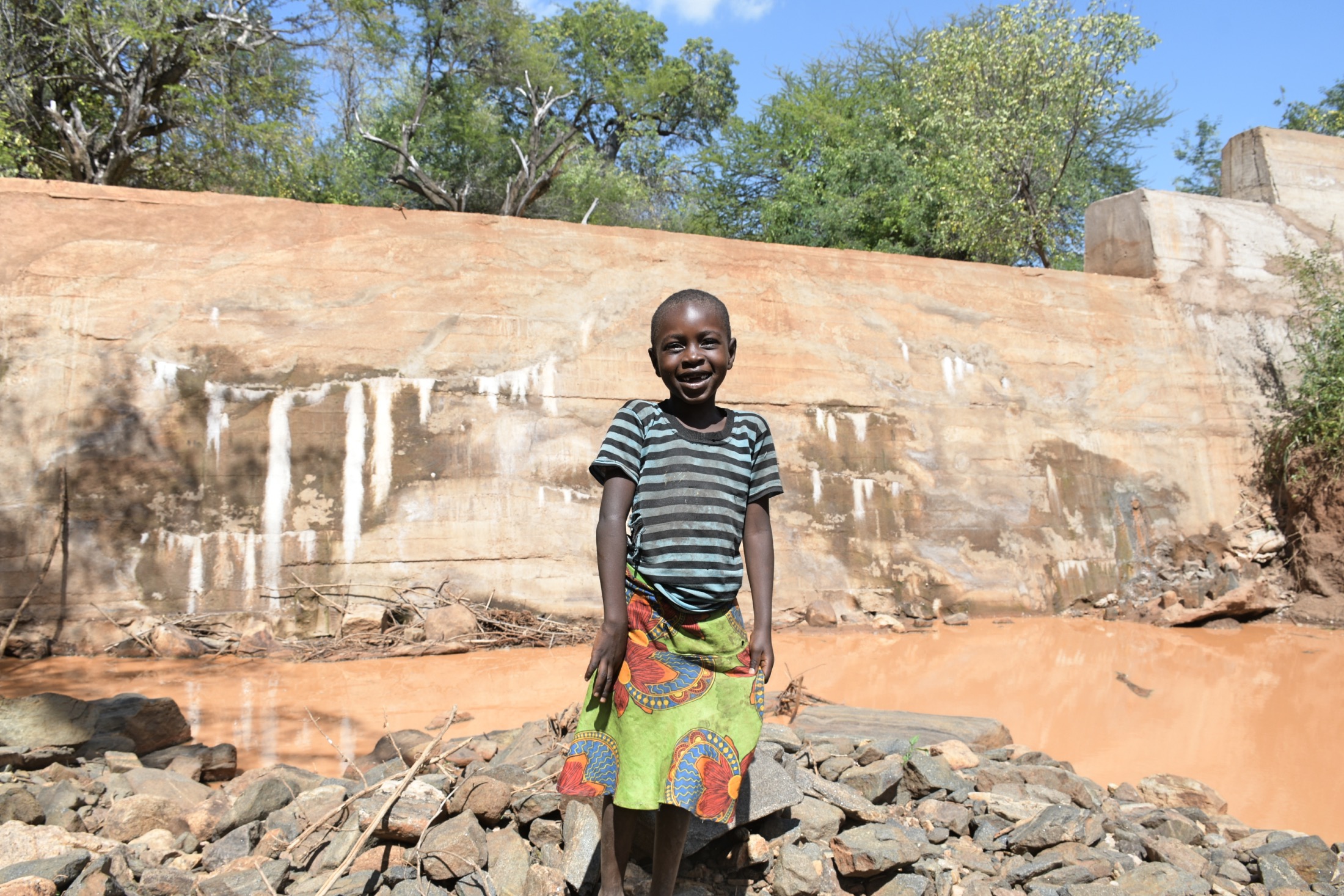
A sand dam is a reinforced rubble cement wall built across a seasonal sandy river. They are a simple, low cost, low maintenance technology that retains rainwater and recharges groundwater. Sand dams are the most cost-effective method of water conservation in dryland environments.
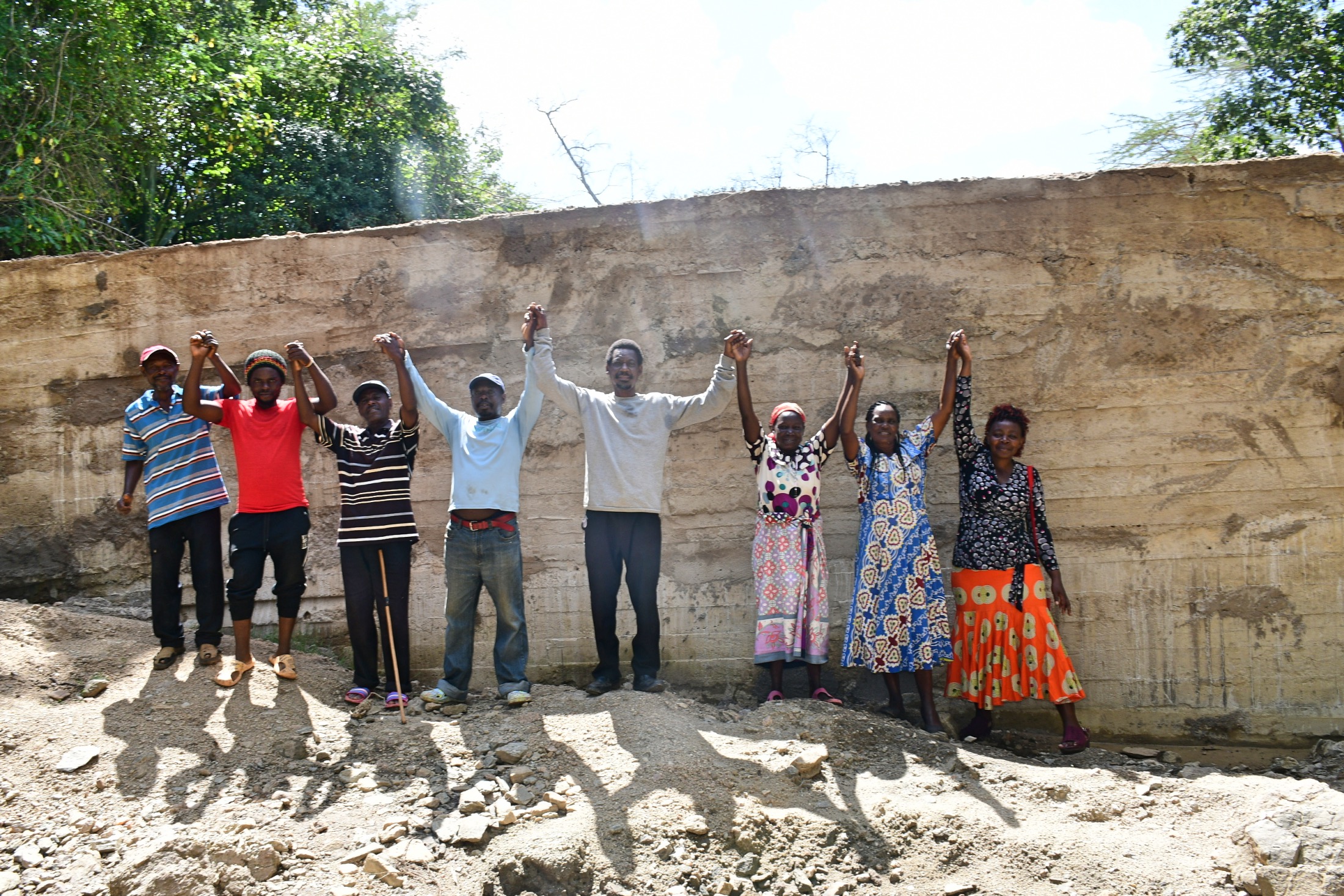
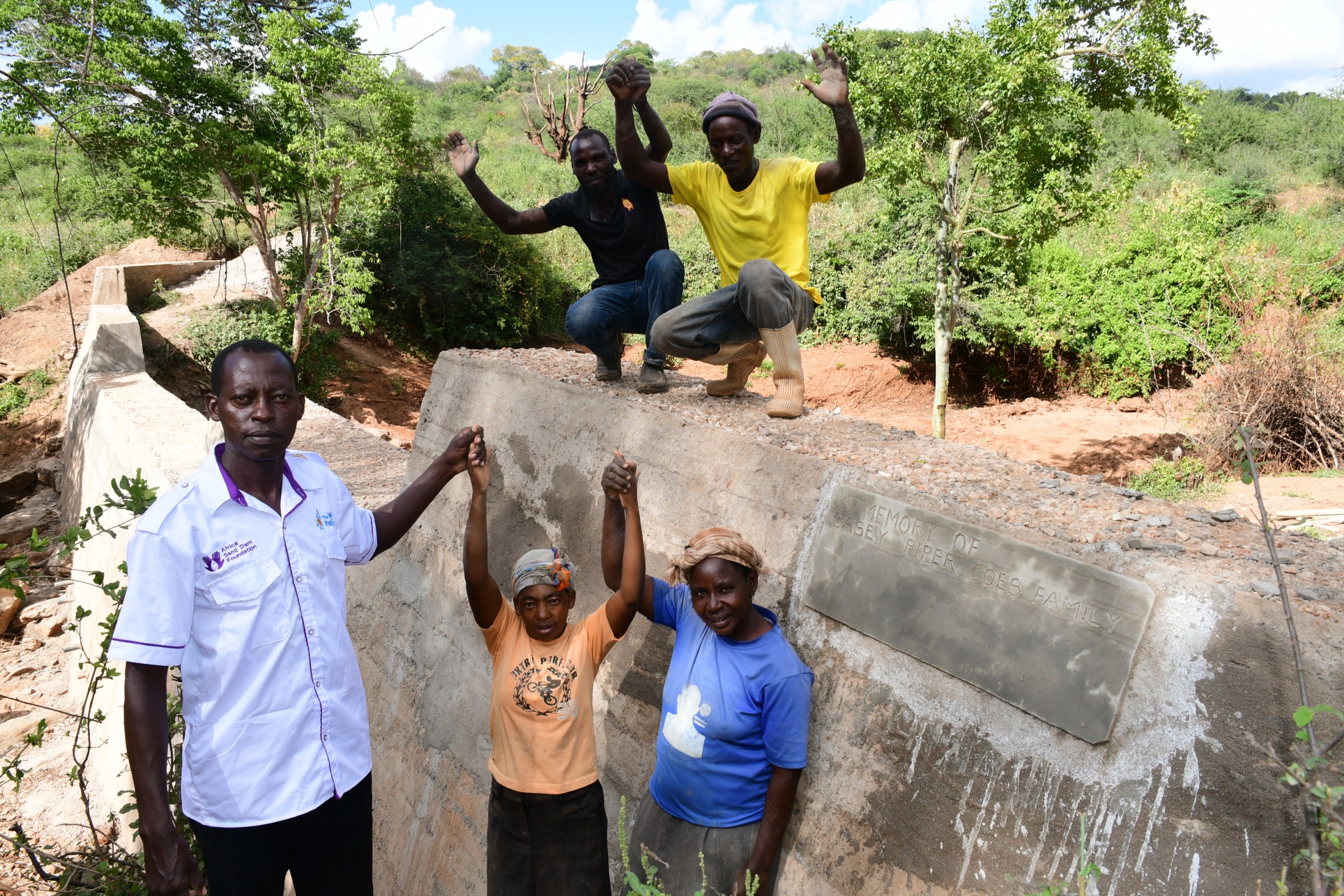
The Water Project is proud to provide funding and organizational support to help pioneer sand dam construction in Central Kenya with local partners like Africa Sand Dam Foundation. Our projects are holistic in approach supporting sand dam contruction, hygiene training, farmland terracing, seed distribution and shallow well development. These water projects help unlock potential through a sustainable, locally owned and community constructed solution.
WHAT'S THE IMPACT?
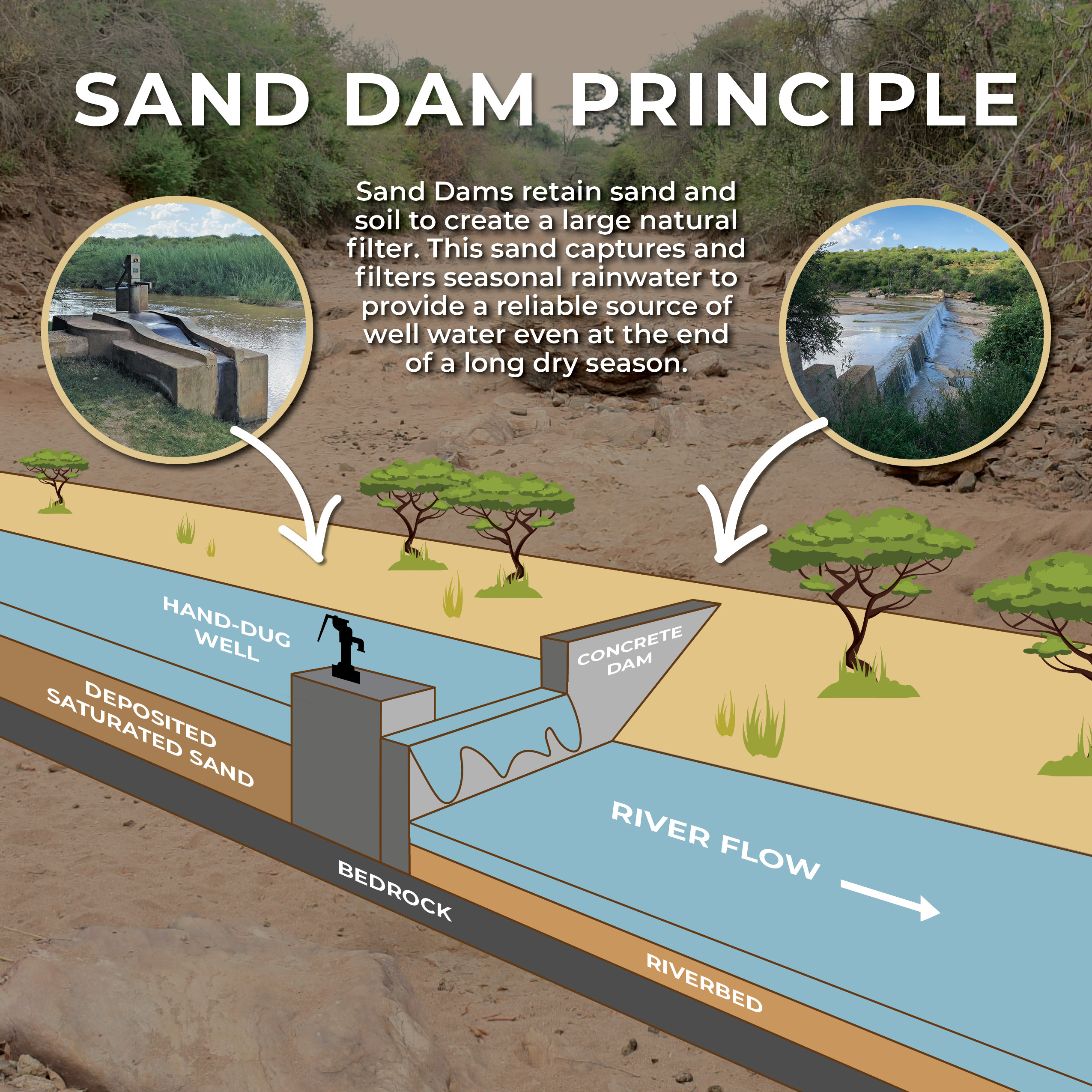
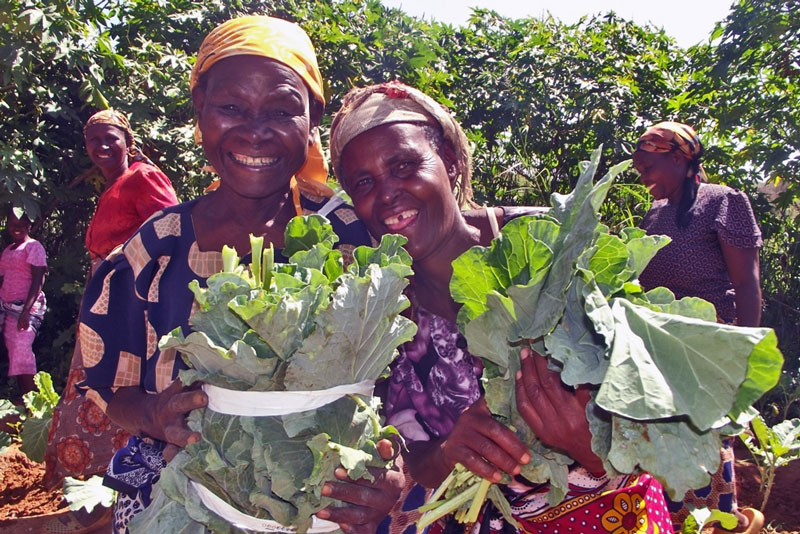
By re-charging the aquifer, sand dams provide enough water to establish tree and vegetable nurseries. Together, sand dams, farmland terracing and tree planting form a cycle of water and soil conservation that is self-perpetuating. Conserving water and soil on farms increases soil fertility, reduces the time spent collecting water, and increases the time available to farm, learn and innovate.
Sand dams provide the water and time necessary for people to productively farm. A year-round water source saves time and enables farmers to invest in improved agricultural techniques such as: inter-cropping, crop diversification, zero-grazing, and seed banks. Such activities facilitate the production of a secure and diverse supply of food, even during periods of drought.
Increased, more reliable and diversified crop production improves nutrition and food security, with surpluses sold at local markets; enabling the transition from subsistence to income generation. When families can produce food and generate an income, they are able to afford education for their children. With ready access to water, children don't have to spend their time collecting water, are less likely to suffer acute health impacts of diarrhoea and water-borne disease and realize their potential for a future outside of poverty.

WHY USE SAND DAMS?
Sand dams are the most cost-effective method of water conservation in dryland environments. They provide an improved, local and reliable source of water for communities living in remote, rural areas.
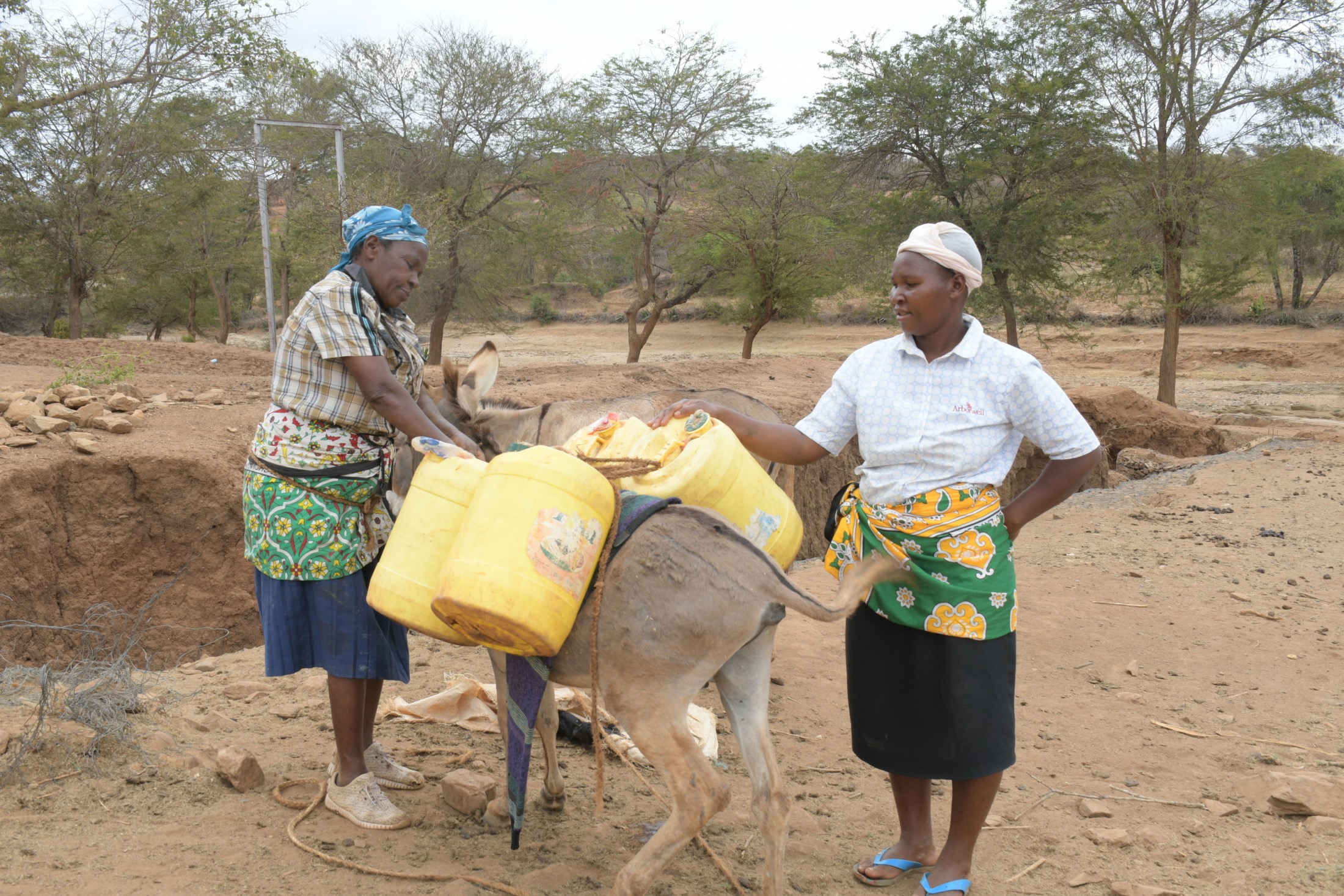
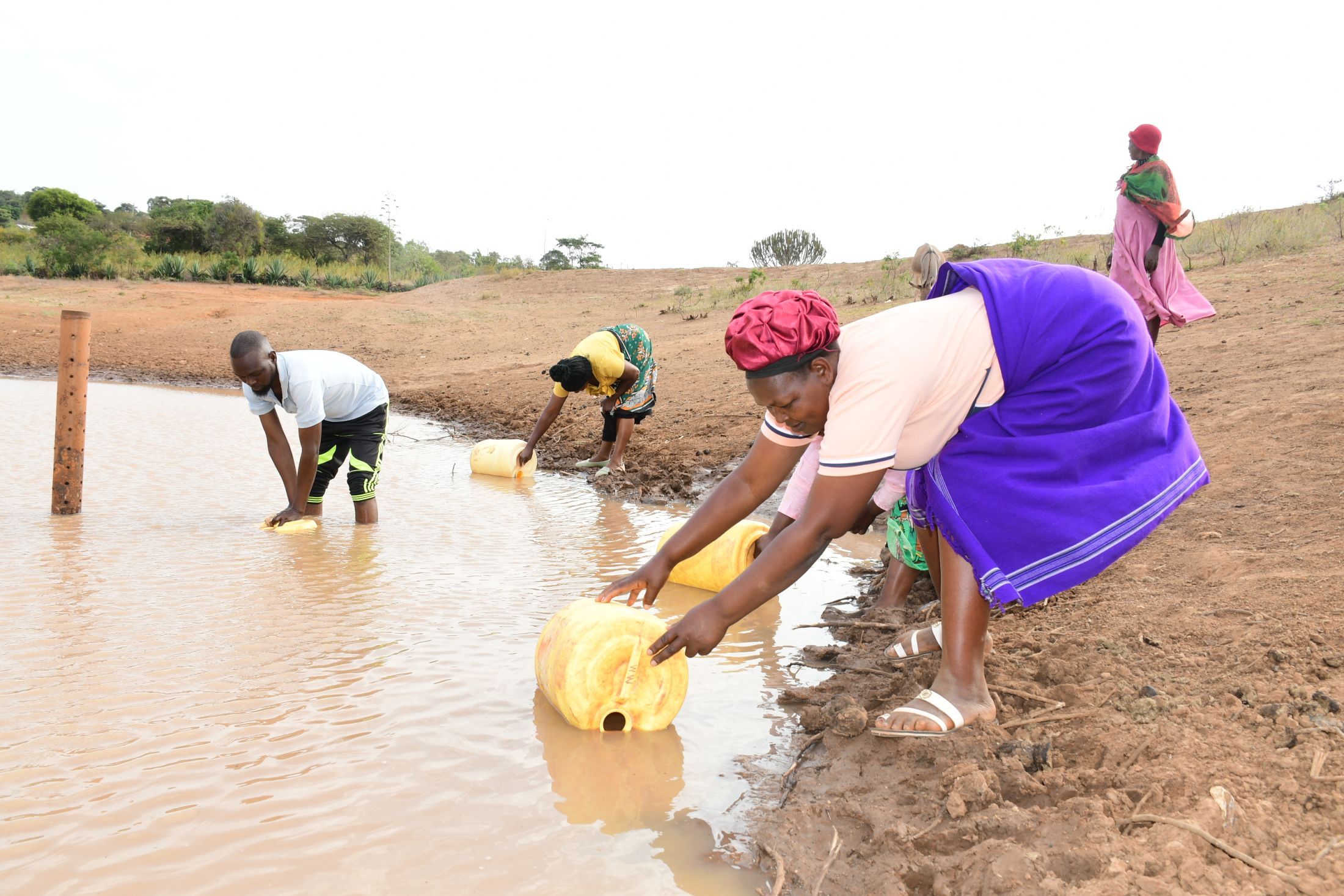
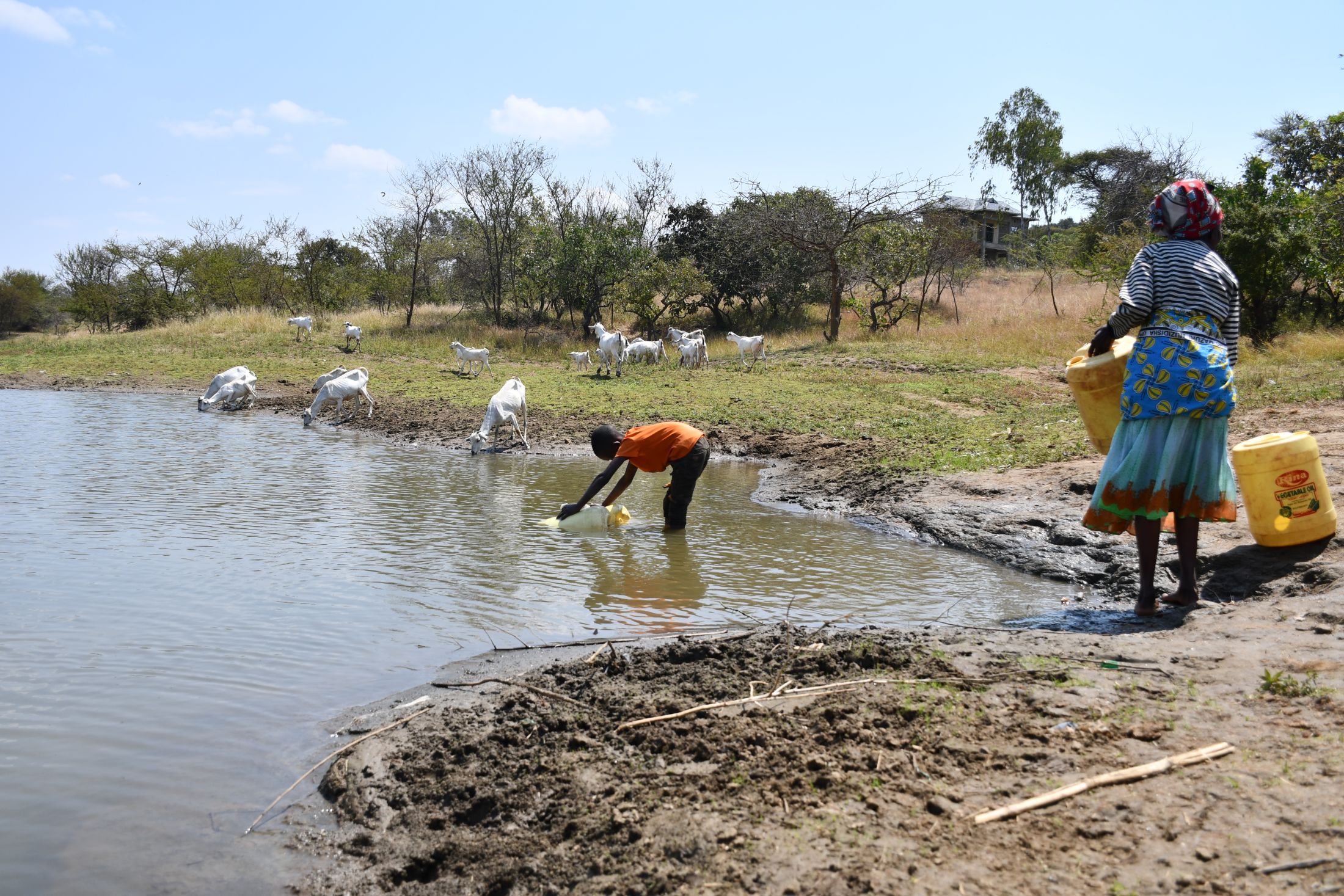
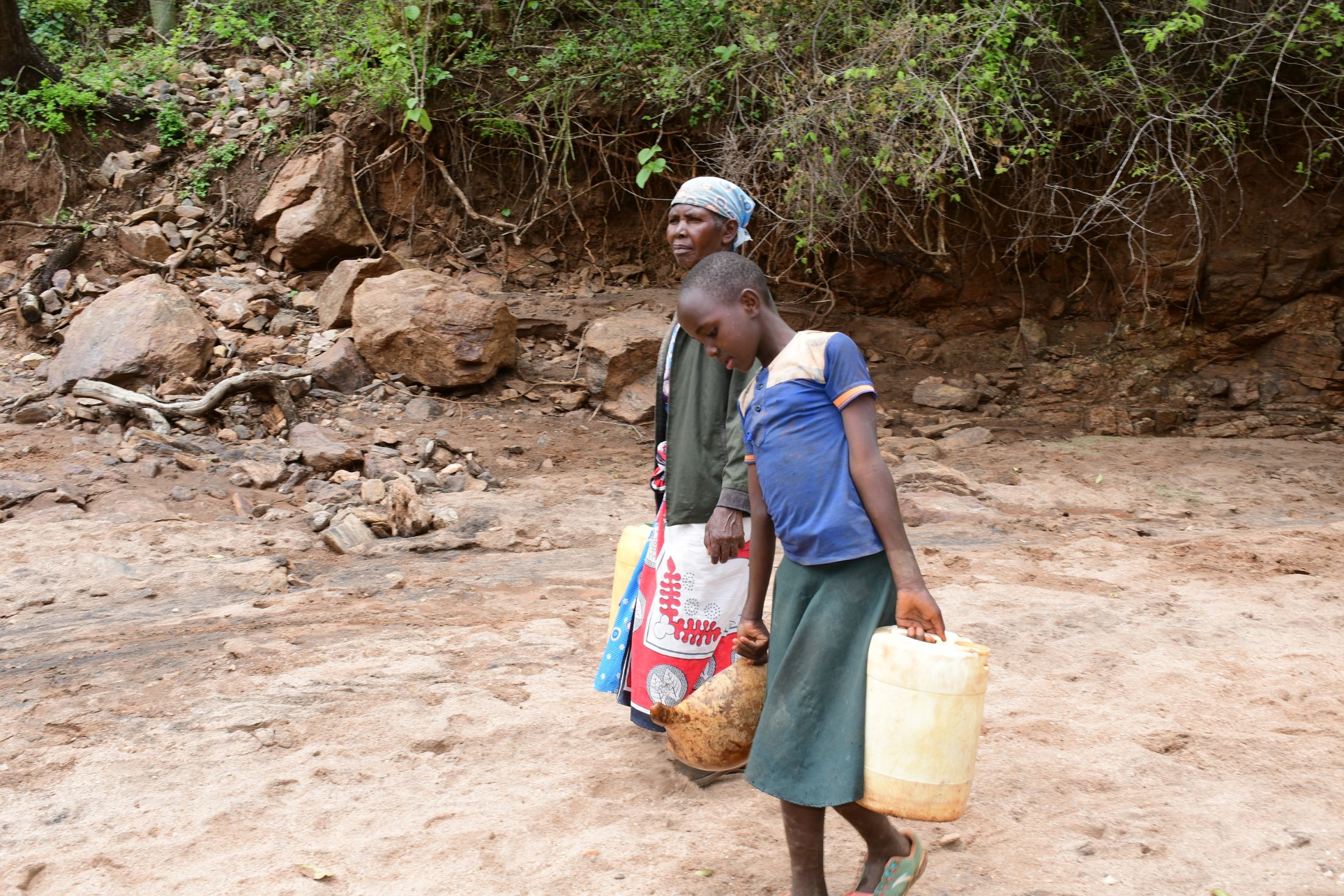
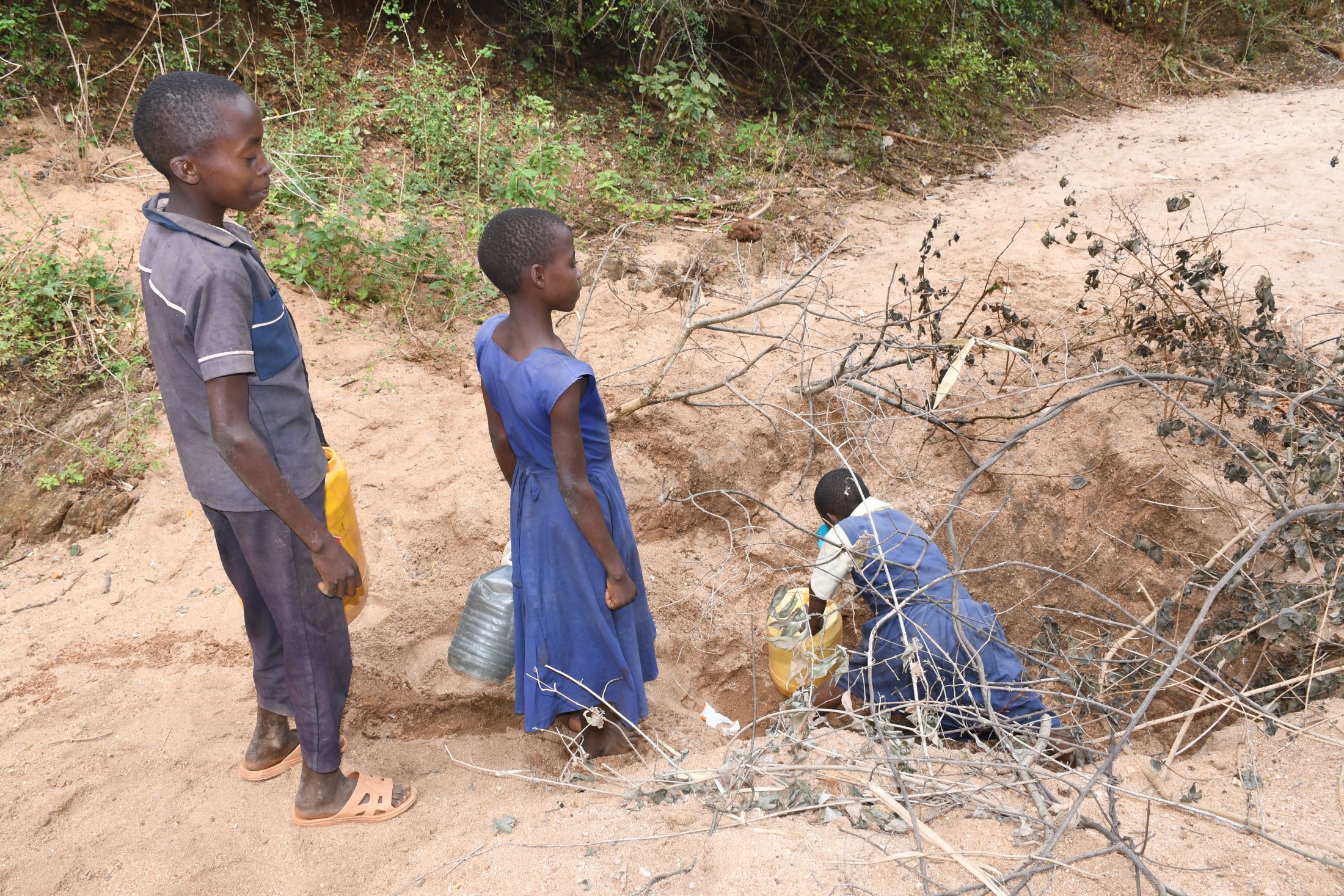
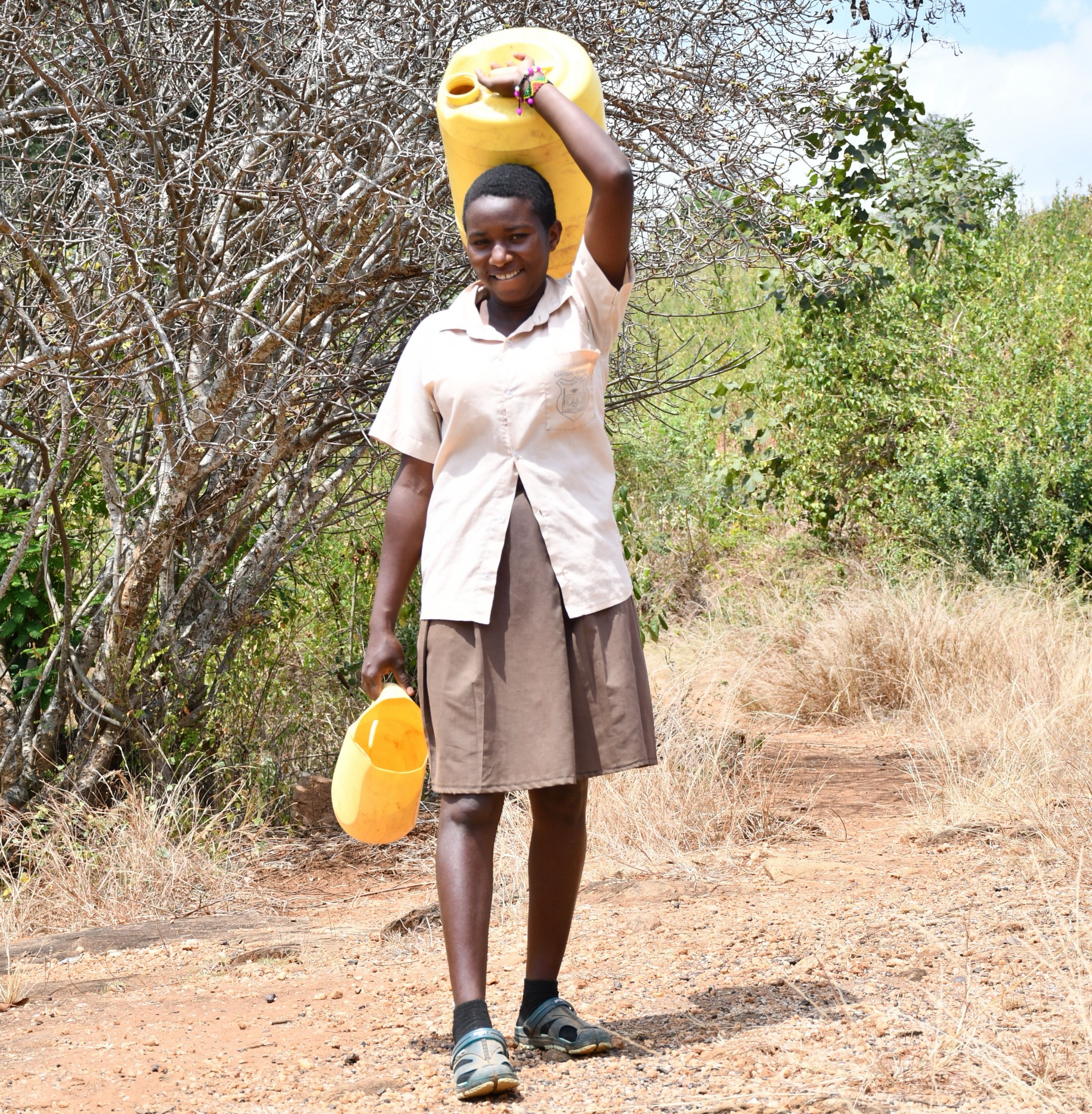
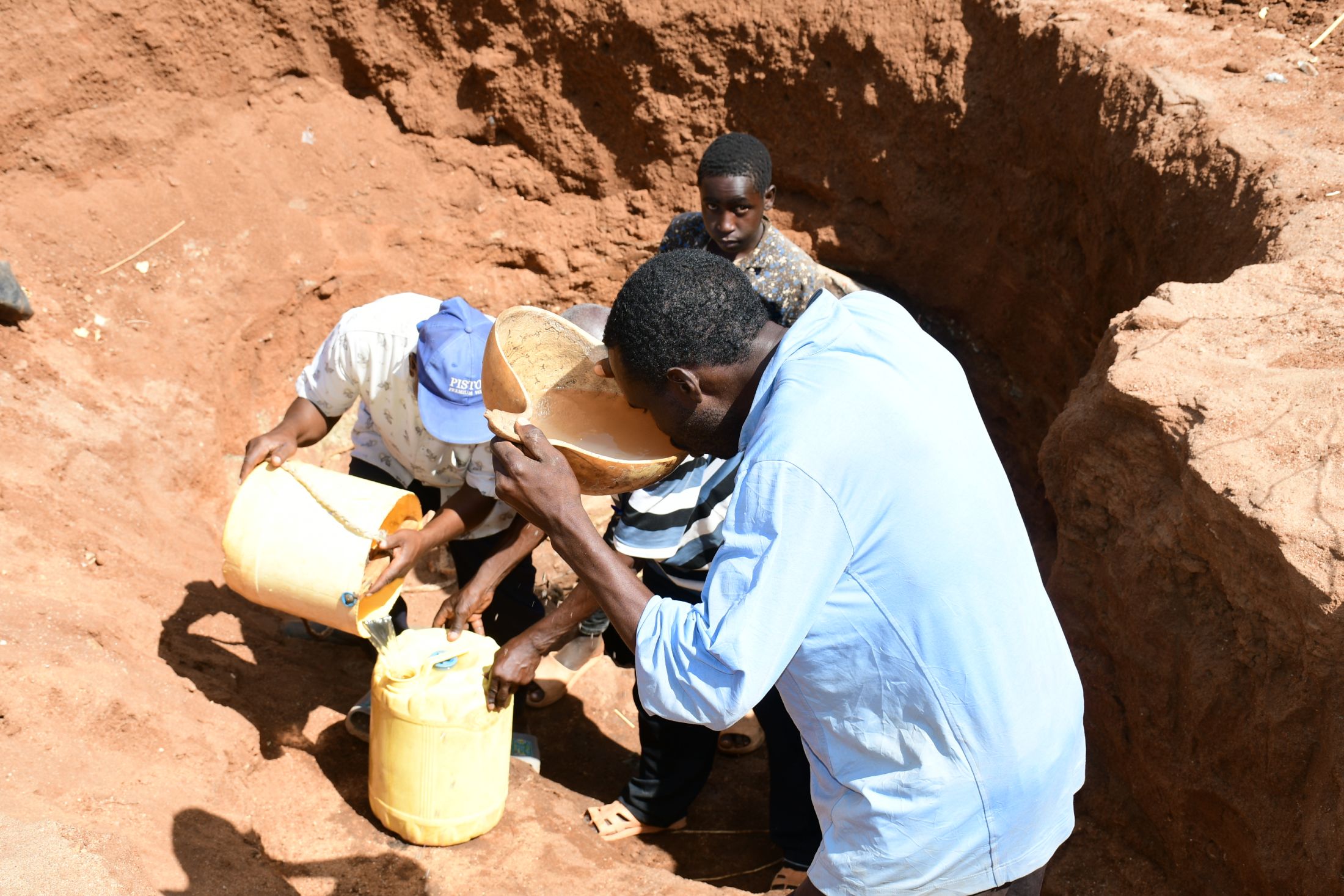
Sand dams provide a lifetime of local, clean and reliable water within 30-90 minutes of people's homes; improving access to water for people, crops and livestock in water stressed environments. The significant reduction in the time required to collect water affords the opportunity and energy to invest in sustainable farming activities, such as terracing and tree planting.
WHERE DO THEY WORK?
Sand dams are a water solution that is applicable to most dryland environments.
They only require a seasonal river with sufficient sandy sediment and bedrock that is accessible in the river-bed. Sand dams have a much broader geographical range of application than has yet been explored. Although sand dams are most common in Kenya, where currently 130 are built every year in the south-east counties of Machakos, Makueni and Kitui, there are examples of similar structures in Brazil, Angola and India.
Sand Dams can...
- Combat desertification by recharging groundwater and creating opportunity for sustainable land management.
- Mitigate climate change by creating water security and the time to practice climate-smart agriculture.
- Reduce conflict by increasing access to water for people and livestock in water-scarce dryland environments.
- Support disaster resilience by creating a buffer against drought and enabling vulnerable people to improve food production.
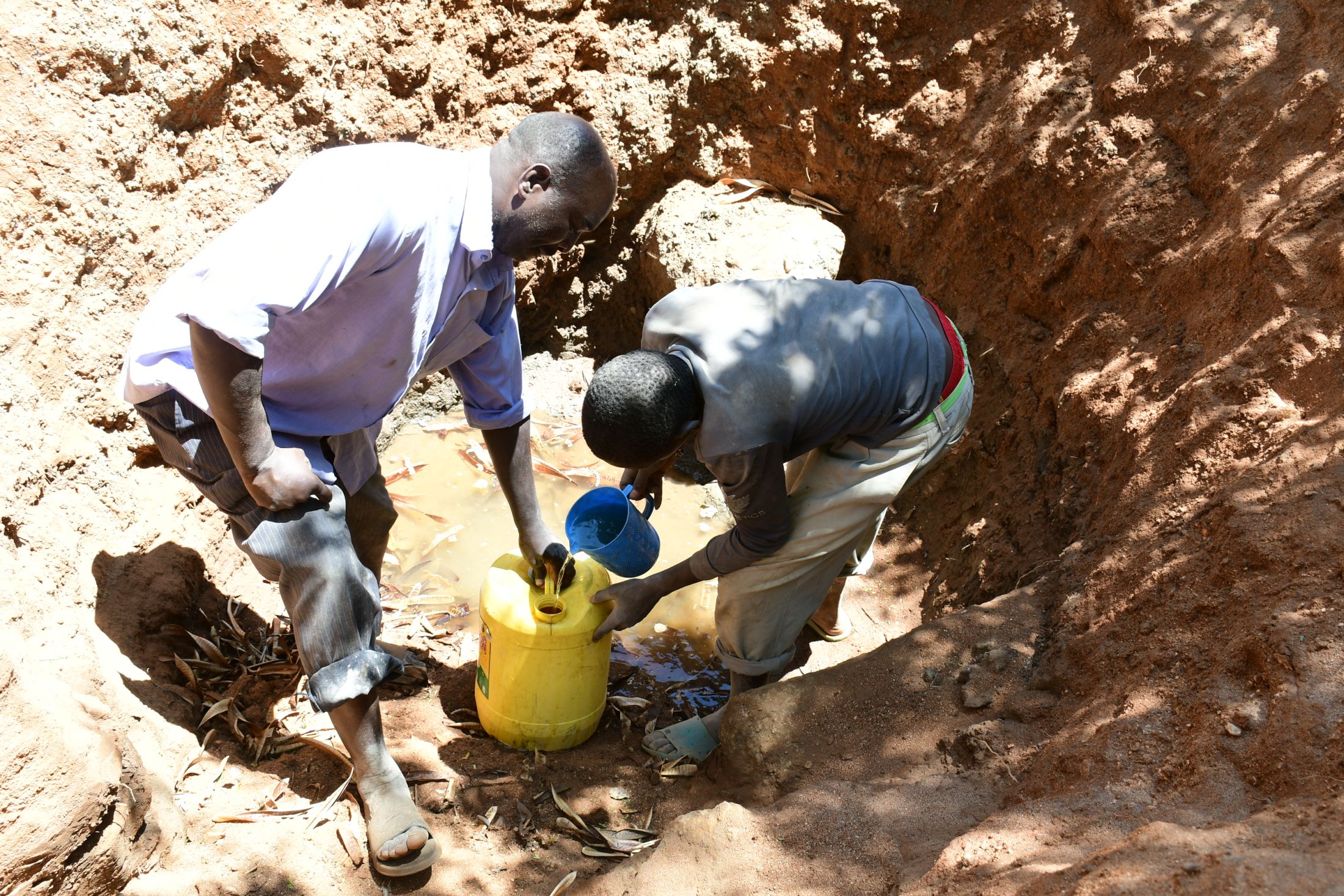
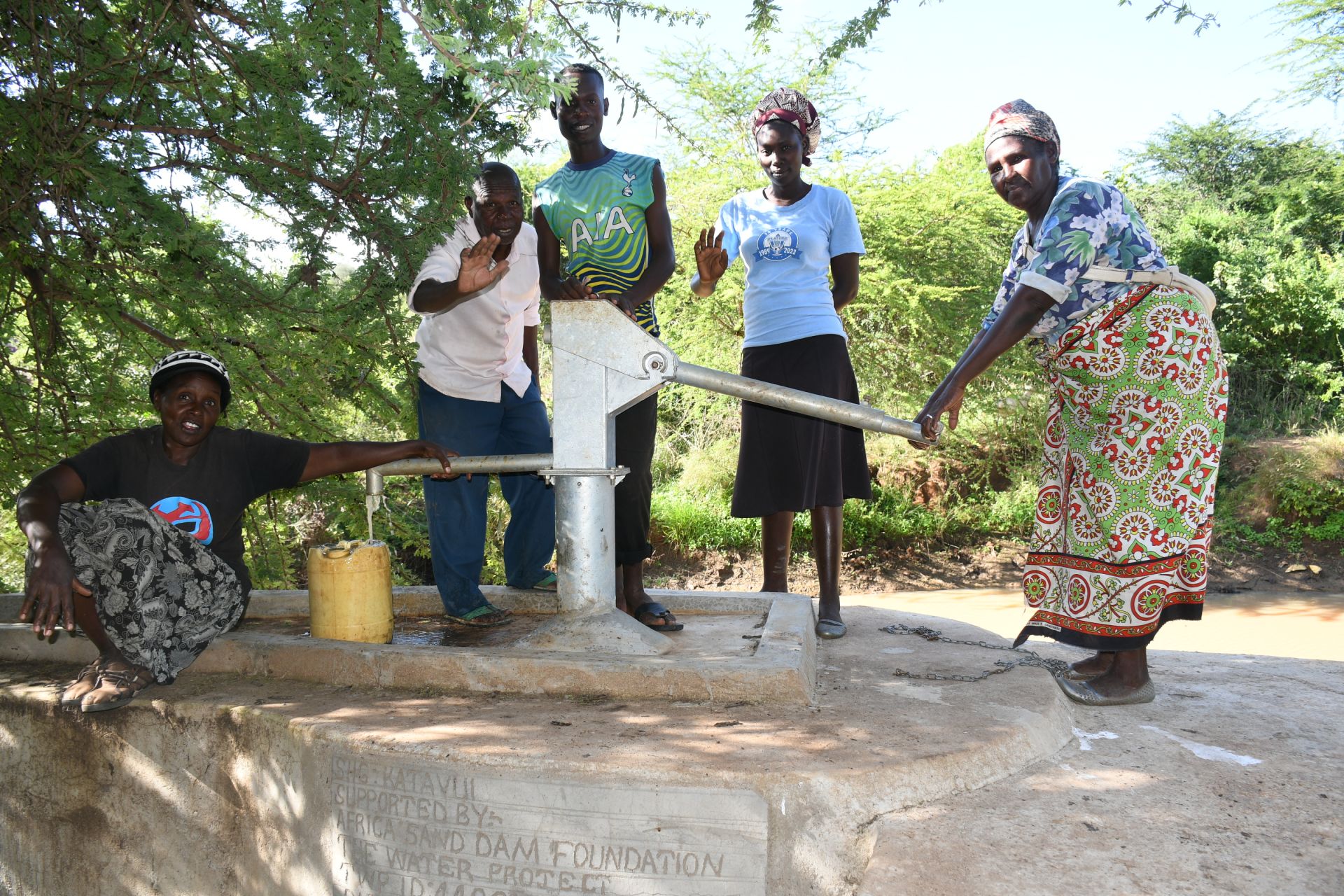
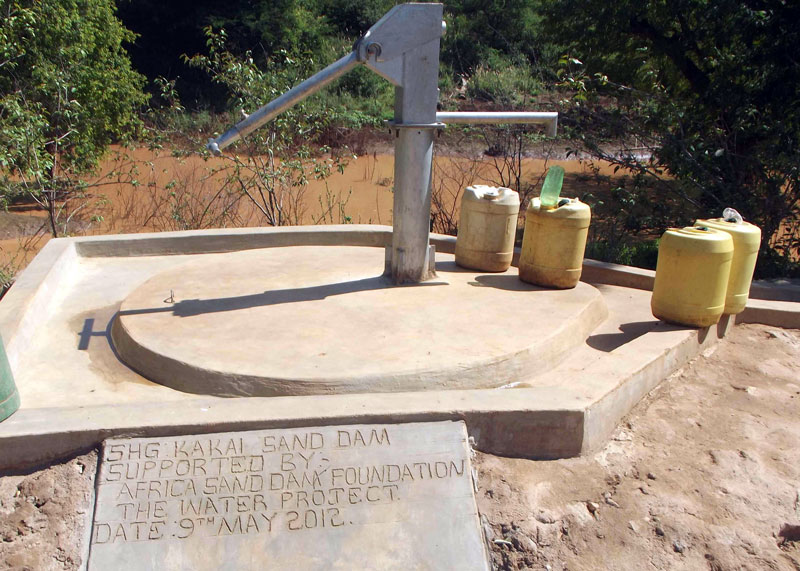
- Enable the installation of shallow wells producing safe drinking water.
Recent Sand Dam Projects