 Rainwater Catchment
 Rehabilitation Project










Kilulu Primary School has been serving children from the Kilulu Community and the surrounding villages since 1986. Over the decades, it has grown - but one thing hasn't changed: a daily water crisis. Today, 220 students and 17 staff members live with that stress every single day.
Their primary water source is a rain tank, but it is far too small to serve the entire school population of 220, and once it runs dry, it sits empty until the next rain.
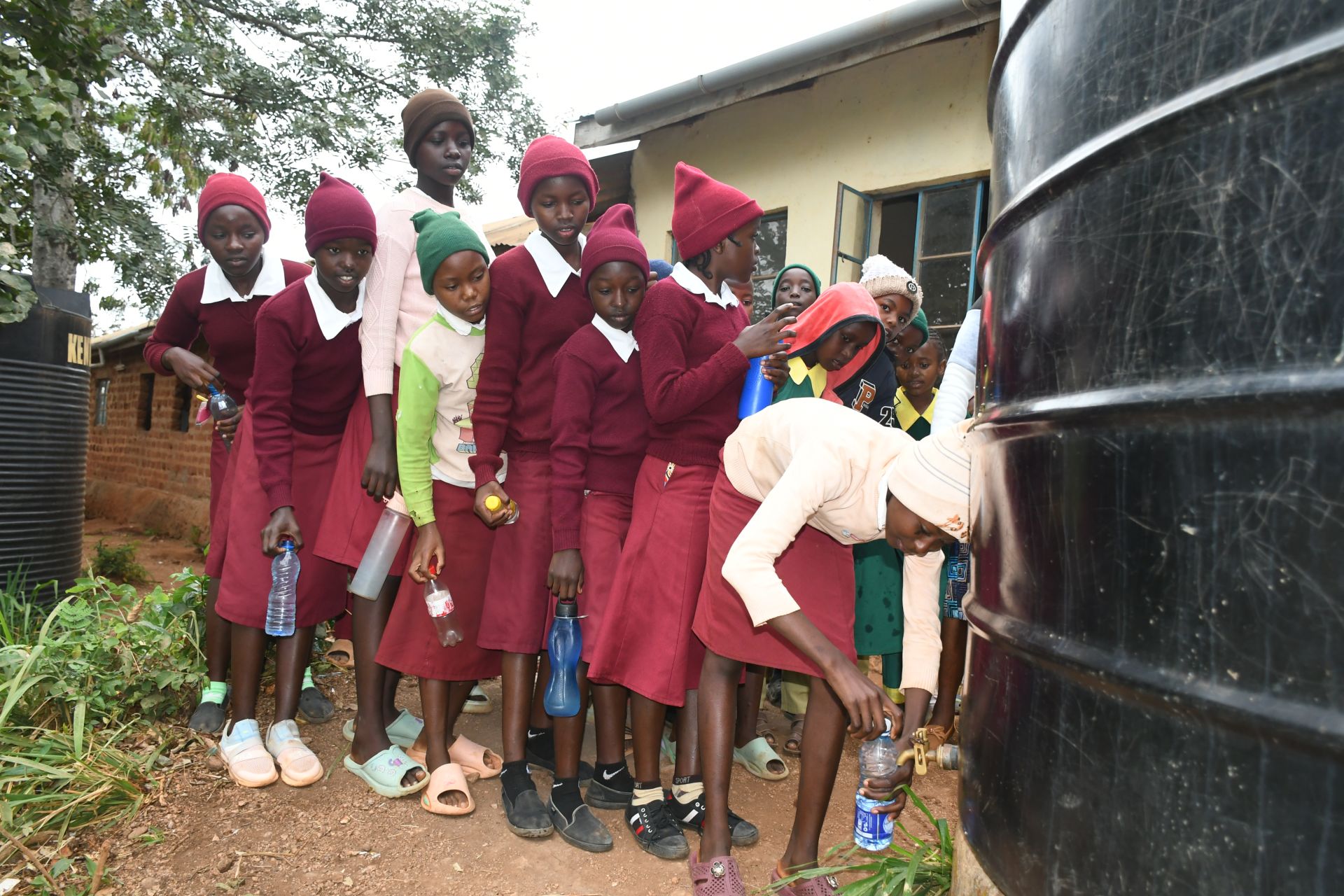
Teacher John Nduthu explained, "Our school has only 3 water tanks of 10,000 liters each, which are not sufficient to support learners walking through the year. One of the tanks is broken and cannot be used, therefore reducing the storage capacity. The school population has been constantly growing here, indicating that more water is needed to support them."
When the tanks are dry, students, their parents, and the staff turn to the community for water. They collect it wherever they can find it, and in this semi-arid environment, that most often means collecting water from scoop holes dug in dry river beds, which is almost certainly contaminated.
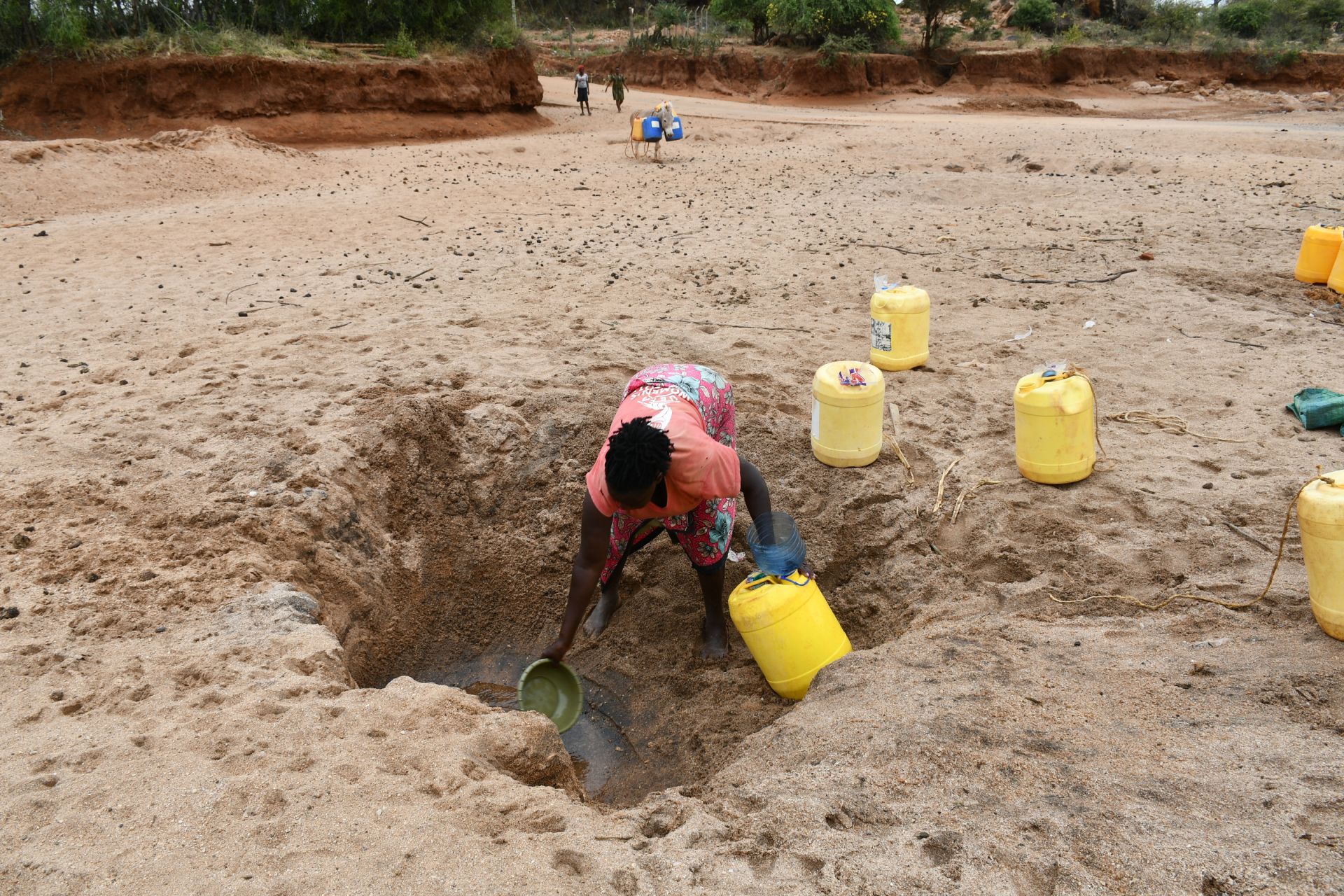
The community scoop hole.
It is not an easy task.
"The terrain around the school makes collecting water difficult. The nearest water source is located across rough, rocky, and uneven ground, which becomes dusty during the dry season and slippery when it rains. Water is often transported to the school by donkeys because oxen-pulled carts and vehicles cannot easily access the area. This makes the process slow, physically demanding, and costly, and delays in water delivery often leave the school without enough water for drinking, cooking, and sanitation," Field Officer Jefferson Mutie explains.
Once the water is collected, the problems are not over, and for some, they are just beginning.
"Community members report frequent cases of waterborne illnesses associated with drinking untreated water from scoop holes and other unsafe sources, particularly during the dry season. Common health problems include diarrhea, stomach aches, typhoid, dysentery, and skin infections. Children are especially vulnerable, often missing school due to illness," Jefferson said.
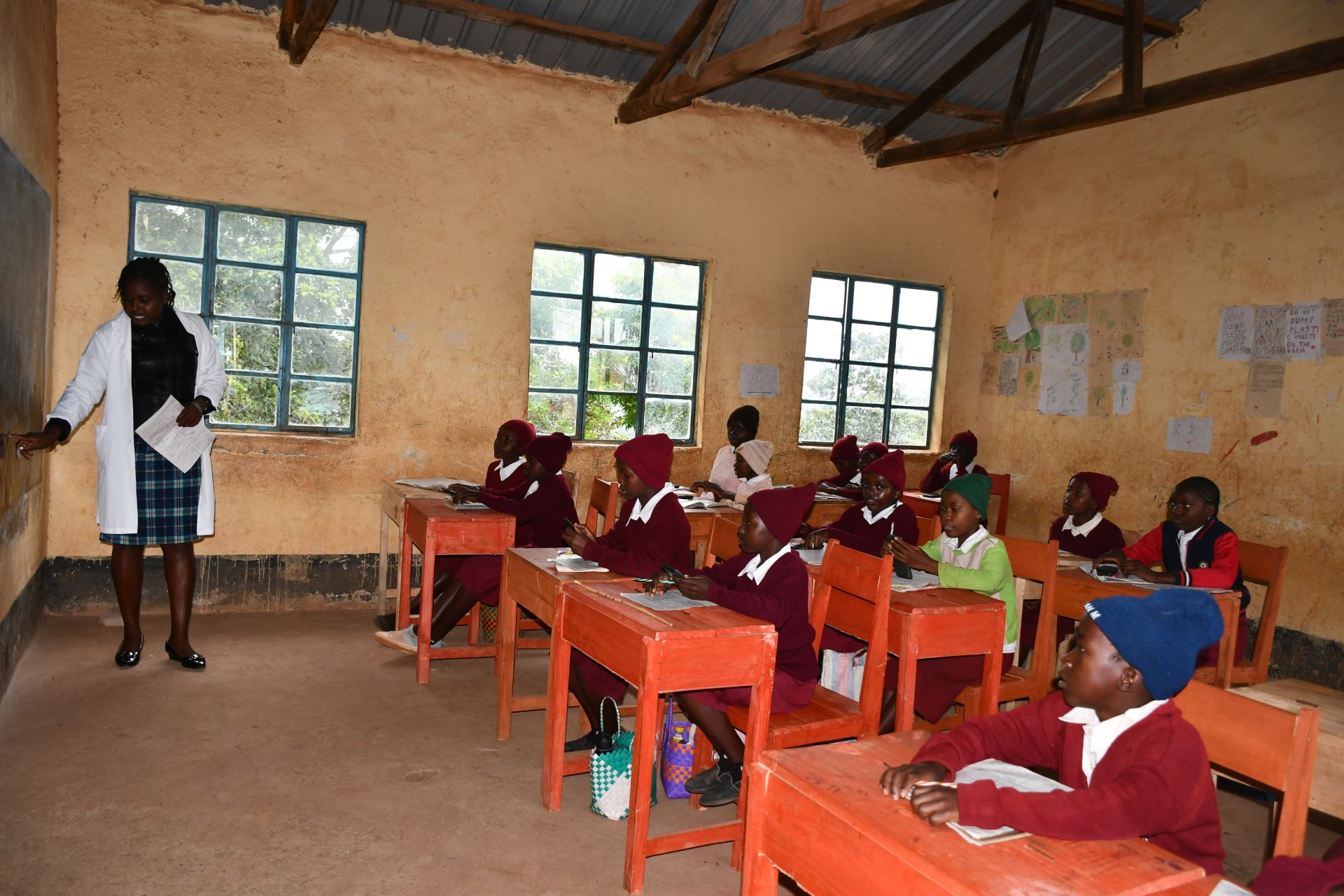
Jefferson notes that there are many concerns regarding the water insecurity this school is facing.
"Using these water sources has several negative consequences beyond health risks. Water is often scarce, so the school has to spend significant time and resources searching for or transporting it by donkey. This reduces the time available for learning, farming, and other productive activities. The cost of transporting water places an additional financial burden on the school. Inadequate water also compromises hygiene and sanitation, leading to dirty toilets and poor handwashing practices. During prolonged dry periods, the unreliability of these sources disrupts daily activities and leaves the community vulnerable to severe water shortages."
It is an issue that teacher John Nguthu (quoted earlier), 56, is very familiar with.
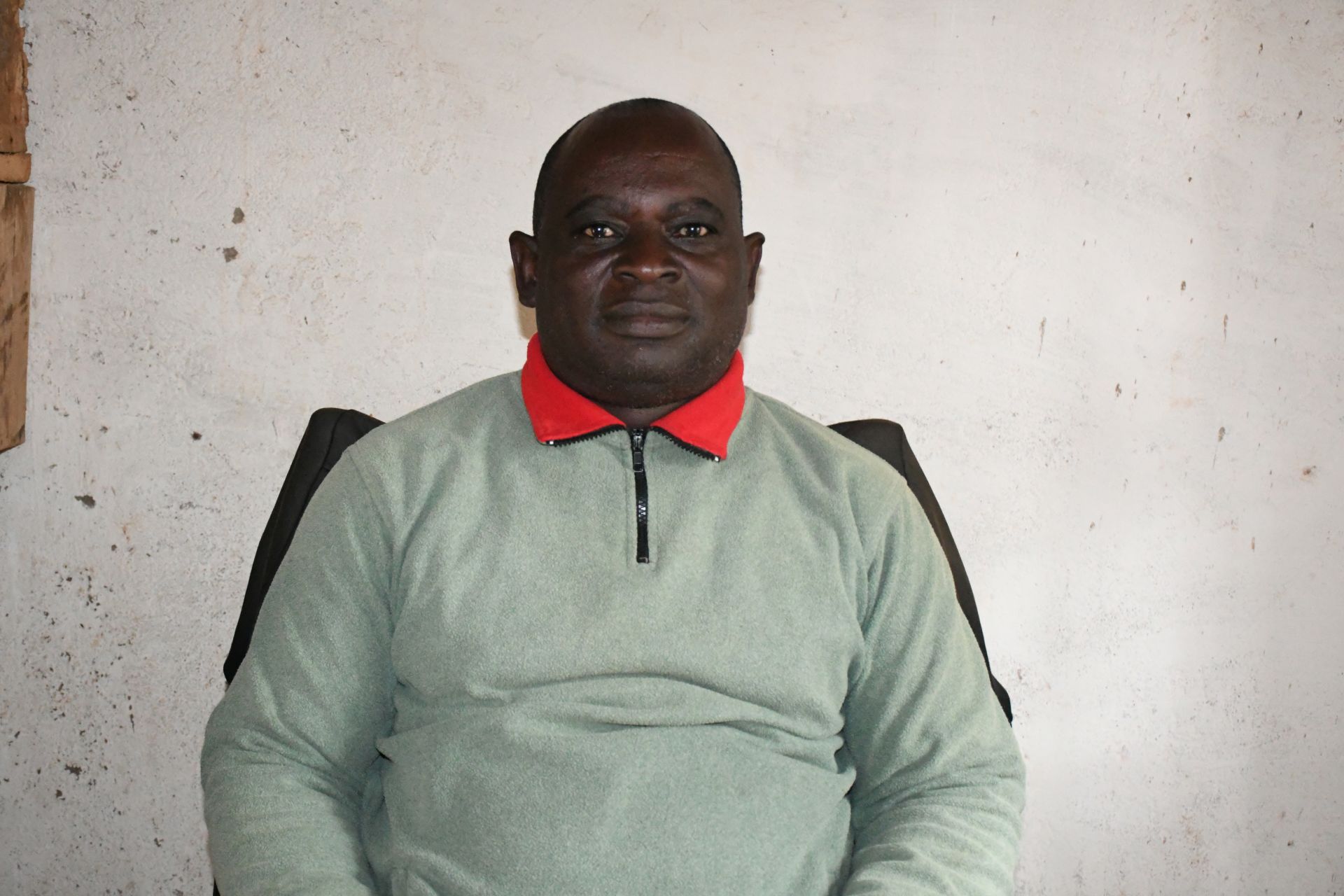
Mr. John Nguthu.
"This school has to forgo some of the important activities, such as purchasing materials for learning and infrastructure, and direct the funds to water purchase. During prolonged dry periods, the school is forced to buy water more frequently, increasing operational costs. In some cases, the budget is too tight to even allow the school to buy essential running items such as mere handwashing soap," he said.
"The shortage of water affects students in many ways. Many learners become dehydrated during the school day because there is not enough safe drinking water available. Poor access to water also makes it difficult to maintain proper hygiene, increasing the likelihood of illness and discomfort. Learning activities are frequently interrupted when water has to be rationed or delivered, and some students lose confidence because they cannot keep themselves clean. The overall learning environment becomes less comfortable, making it harder for students to fully participate in lessons and school activities," he continued.
Our hope is to bring a solution that will end the students' daily suffering and allow them to refocus on learning.
"To us, water is surely our daily life because without water, we cannot run the school, and the children wouldn't be in school anymore," Mr. Nguthu concluded.
Steps Toward a Solution
Schools without reliable, on-premises water access often rely on students to fetch and carry water, leading to rationing and uncertainty about water quality. The water is typically poured into a communal storage tank and used by the entire school. With children carrying water from all different sources, it is also impossible for teachers and staff to know exactly where the water comes from and how safe it is to drink.
A new water point will be located on-premises at the school to ensure accessibility, reliability, and safety for students, teachers, and staff while meeting our school coverage goals. Having water available at the school allows children to drink, wash hands, and use sanitation facilities without leaving school grounds, preventing disruptions to lessons and reducing safety risks. A dedicated source increases water availability, reduces reliance on stored water, minimizes rationing, and ensures confidence in the safety of the water. This means staff and students are healthier, and their lessons aren’t disrupted, contributing to a better education!
Our technical experts worked with the school leadership and the local community to identify the most effective solution to their water crisis. Together, they decided to construct a rainwater harvesting system.
Rainwater Harvesting System
A rainwater collection system consists of gutters that channel rainwater effectively into large holding tanks. Attached to buildings with clean, suitable roofing, these systems are sized according to the population and rainfall patterns. Water can be stored for months, allowing for easy treatment and access. Learn more
Handwashing Stations
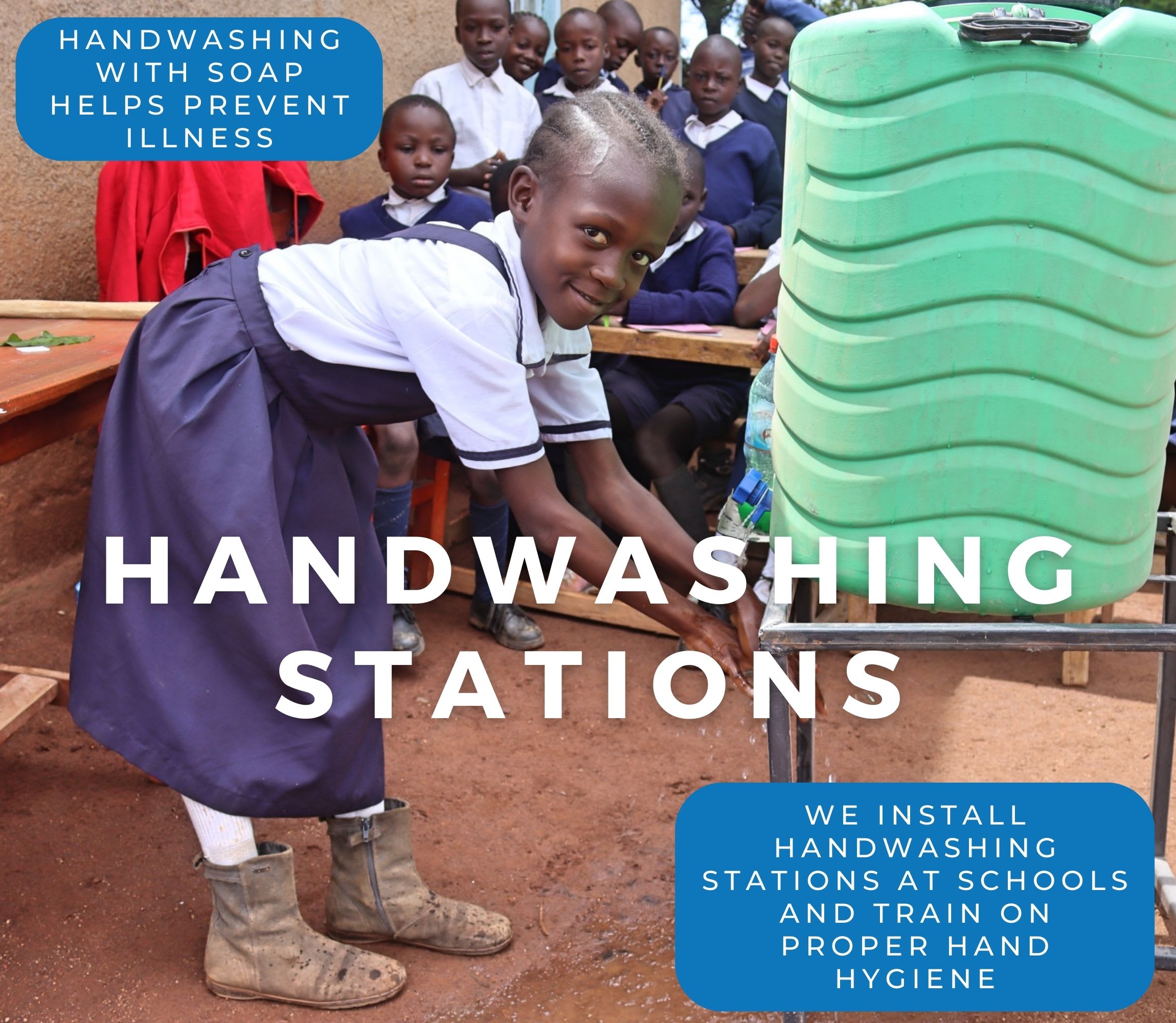
Alongside each water source, we install two gravity-fed handwashing stations, enabling everyone at the school to wash their hands. Handwashing is crucial for preventing water-related illnesses within the school and community. Student “health clubs” maintain the stations, fill them with water, and supply them with soap, which we often teach them how to make.
School Education & Ownership
Hygiene and sanitation training are integral to our water projects. Training is tailored to each school's specific needs and includes key topics such as proper water handling, improved hygiene practices, disease transmission prevention, and care of the new water point.
To ensure a lasting impact, we support forming a student health club composed of elected student representatives and a teacher. These clubs promote hygiene practices schoolwide and keep handwashing stations well-stocked. This student-led model encourages a sense of ownership and responsibility.
Safe water and improved hygiene habits foster a healthier future for the entire school.