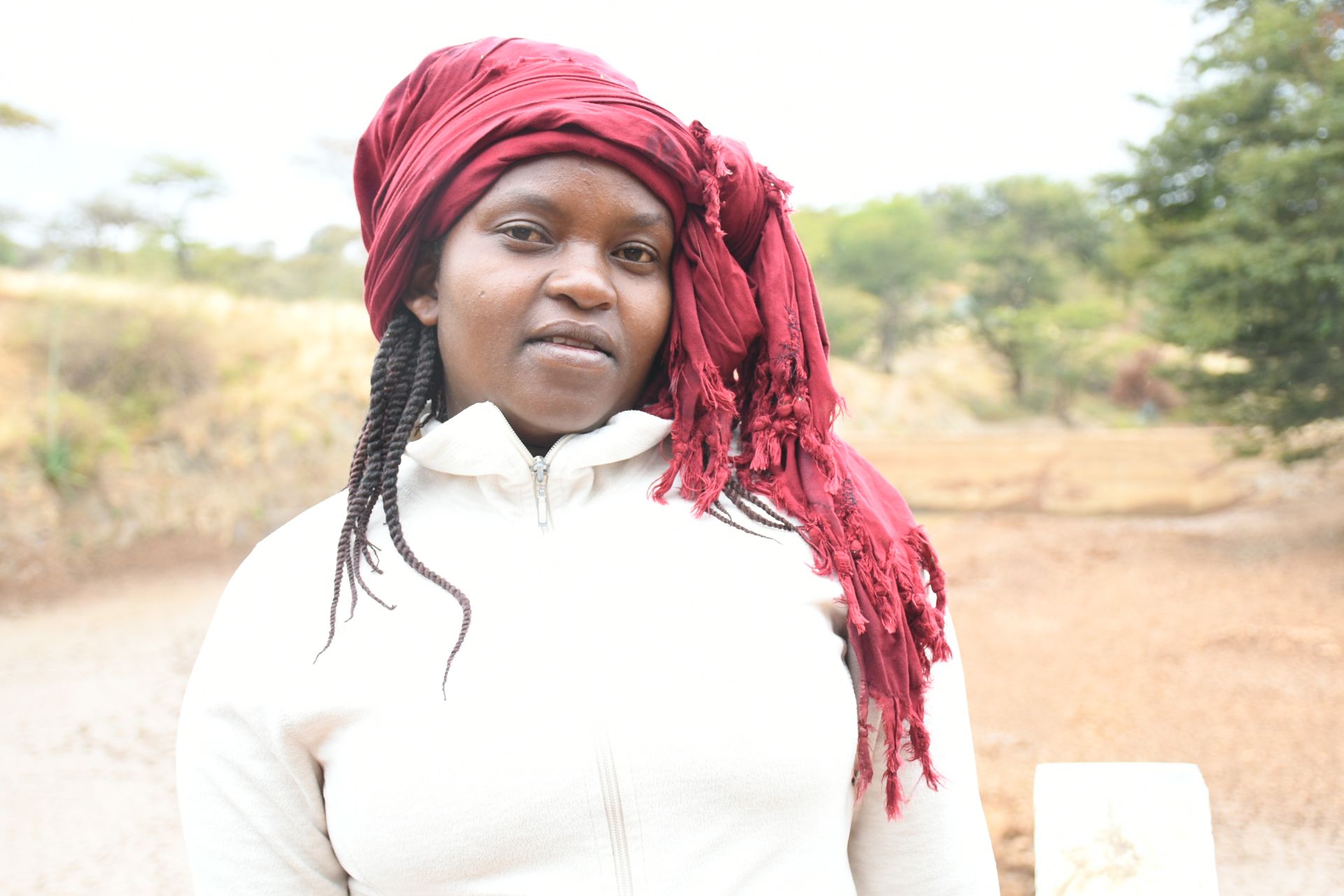

"I feel hopeful and confident about our future!"

May, 2026

Last year, your gift unlocked the potential for a brighter future for Rose. Since then, she and the Ngutho Community of 1,200 residents have had clean, reliable water. Your contribution has made a significant impact. Thank you for making a difference!

"I like fetching water here because it is nearby, clean, and reliable!" declared Rose.

Before the Sand Dam Installation

Like many women in Southeastern Kenya, 32-year-old Rose Mwengi is responsible for collecting water to meet her family's daily water needs. Before last year’s water intervention, this task stole her time and negatively affected her.

Previous water source.

Drinking the water caused severe consequences. Many in the community suffered from waterborne diseases that created health problems, affecting their daily lives. Limited accessibility also meant people wasted time collecting sufficient water to meet their needs. The difficult journey to collect water sapped their physical and emotional energy, creating roadblocks. For Rose, it lessened her opportunity to accomplish her daily tasks.

"We did not have enough water for farming, drinking, cooking, or even maintaining proper hygiene at home. The shallow well we depended on could not serve everyone, and during the drought seasons, it became overcrowded and unreliable. Some people, including myself, sometimes had to use contaminated water from Ndalani earthdam, which was unsafe and made us worry about diseases. Our animals also suffered because the water was too little, and our farms produced very poor yields, leaving us with very low income," Rose recalled.

Since the Sand Dam Installation

Your generous gift last year was much more than a simple donation; it was a powerful statement about your commitment to this community and Rose’s future. By supporting the water solution, you made clean water an everyday reality, fostering hope for a brighter future.

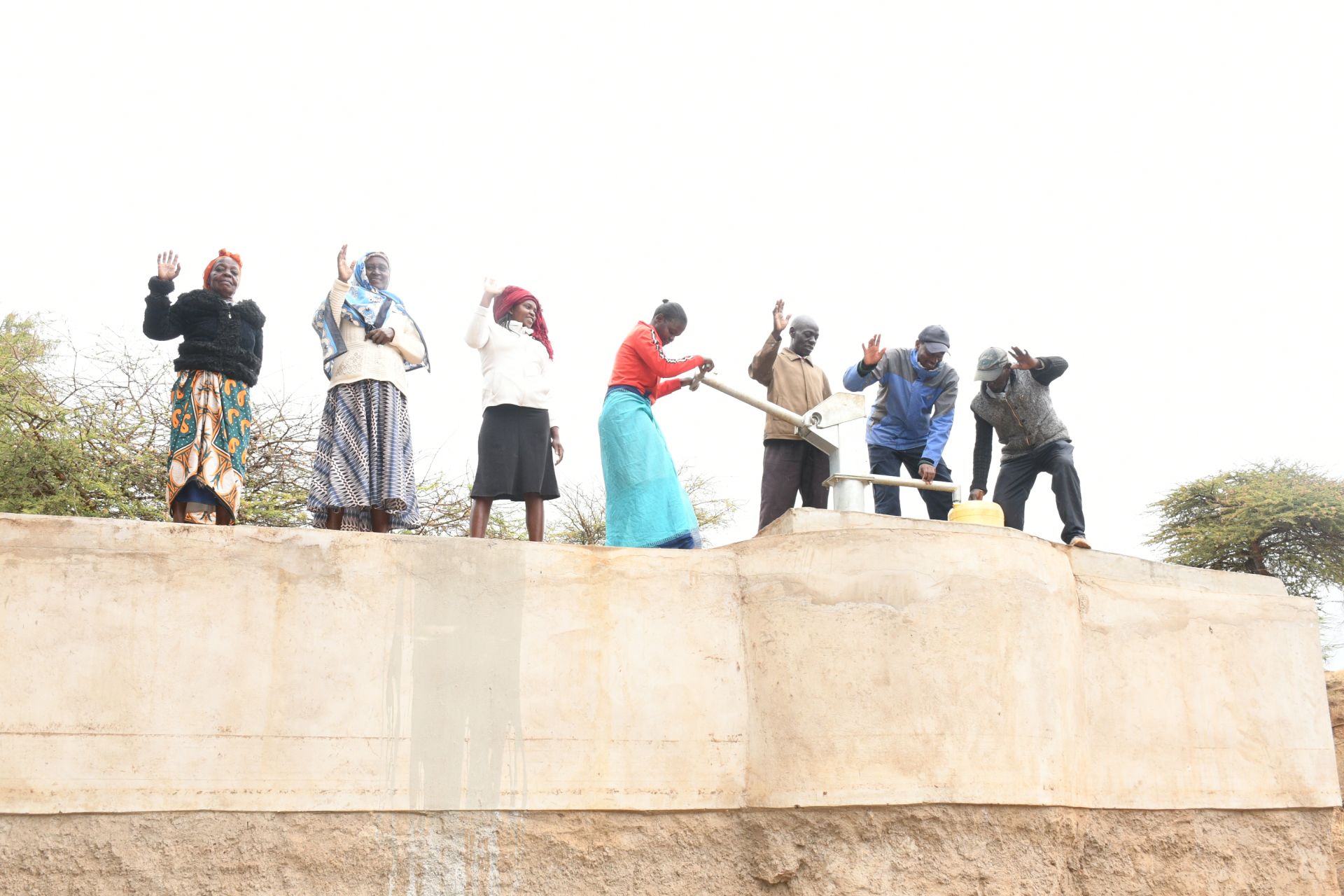
Rose (red head scarf) on the dam wall using the attached well.

Reliable and clean water lays the groundwork for improved health, education, and economic possibilities, allowing people to thrive. We frequently hear from those we interview that "water is life!"

"I no longer waste hours walking long distances or standing in long queues. The water is safe for drinking and household use, and I feel proud knowing that our community finally has a dependable source. It gives me peace of mind and makes daily life much easier," celebrated Rose.

"The best thing is the health and comfort it brings. Clean water means fewer illnesses, more time for work, and a more dignified life. My family can drink and cook safely, our home stays clean, and I no longer worry about my children suffering from water-related diseases," continued Rose.

The Future is Looking Bright!

A year ago, you made a difference for Rose and her community. This is just the first chapter of their story as access to clean water continues to improve their lives!

At The Water Project, we value sustainability and want to ensure that people continue to thrive. We commit to monitoring this project to ensure the water is always flowing and safe to consume. We inspect system hardware, monitor water availability, conduct sanitary inspections, and collect water-quality samples to identify risks. We work with our on-the-ground team to resolve them.

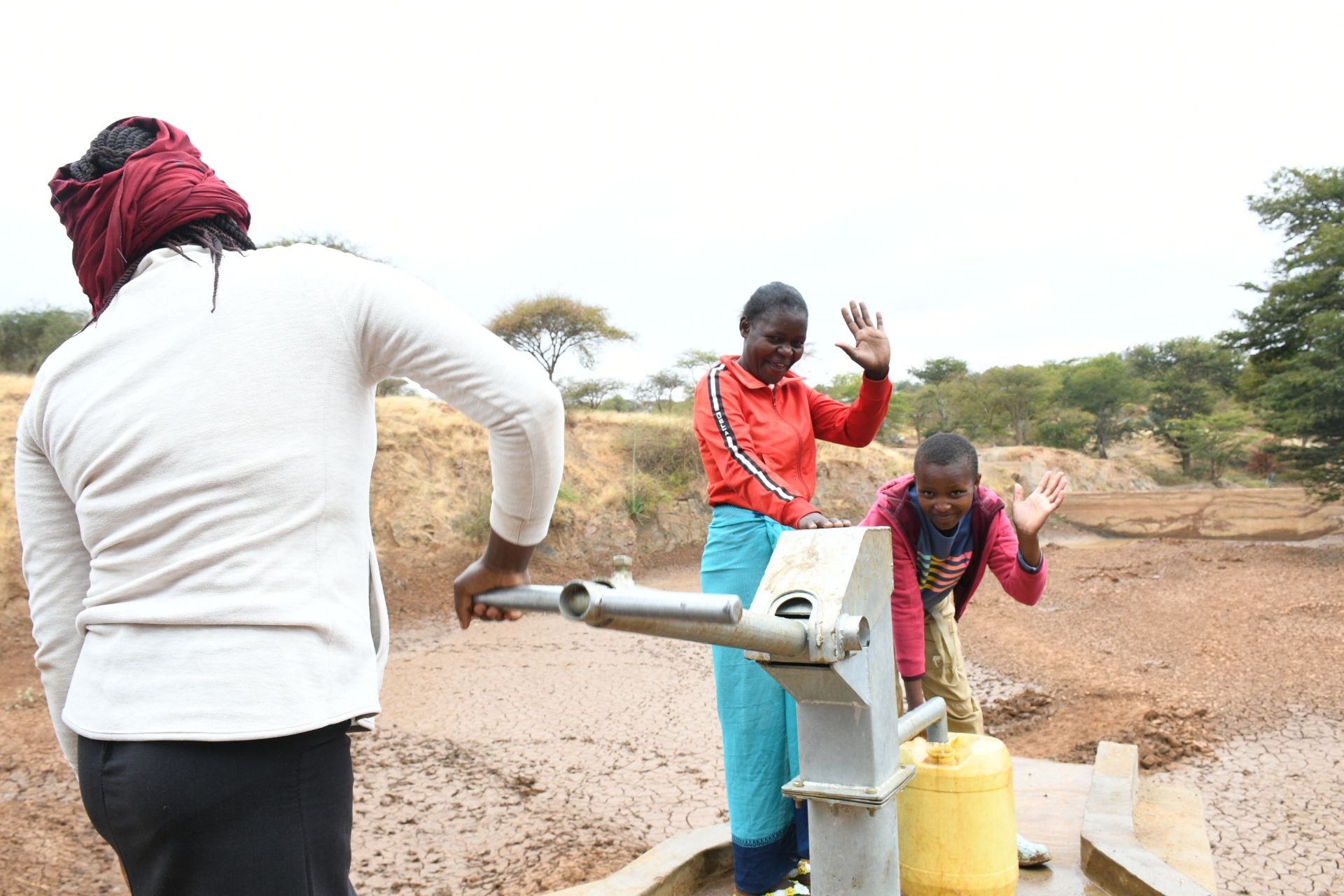
Rose pumps water at the well attached to the sand dam.

You gave Rose a crucial tool for achieving her dreams: access to clean water. Together, we can excitedly expect that with this precious resource, her enthusiasm and courage will help Rose fulfill her dreams.

"In the past year, I have managed to plant vegetables in my small garden, something that was impossible before. My family’s hygiene has improved a lot because we have enough water for washing, cleaning, and handwashing. The reliable water has also supported our group activities, like soap-making and maintaining clean compounds," Rose said.

"My dream is to expand my vegetable garden into a small business and continue improving my family’s life. I also hope to keep my children in school without struggling with fees. Access to water makes these dreams easier because I can farm, save time, earn some income, and maintain good health," Rose continued.

"I am most proud that my family no longer suffers the stress of water scarcity. My children are healthier, our home is cleaner, and I have been able to start growing vegetables. For the first time, I feel hopeful and confident about our future," Rose declared.

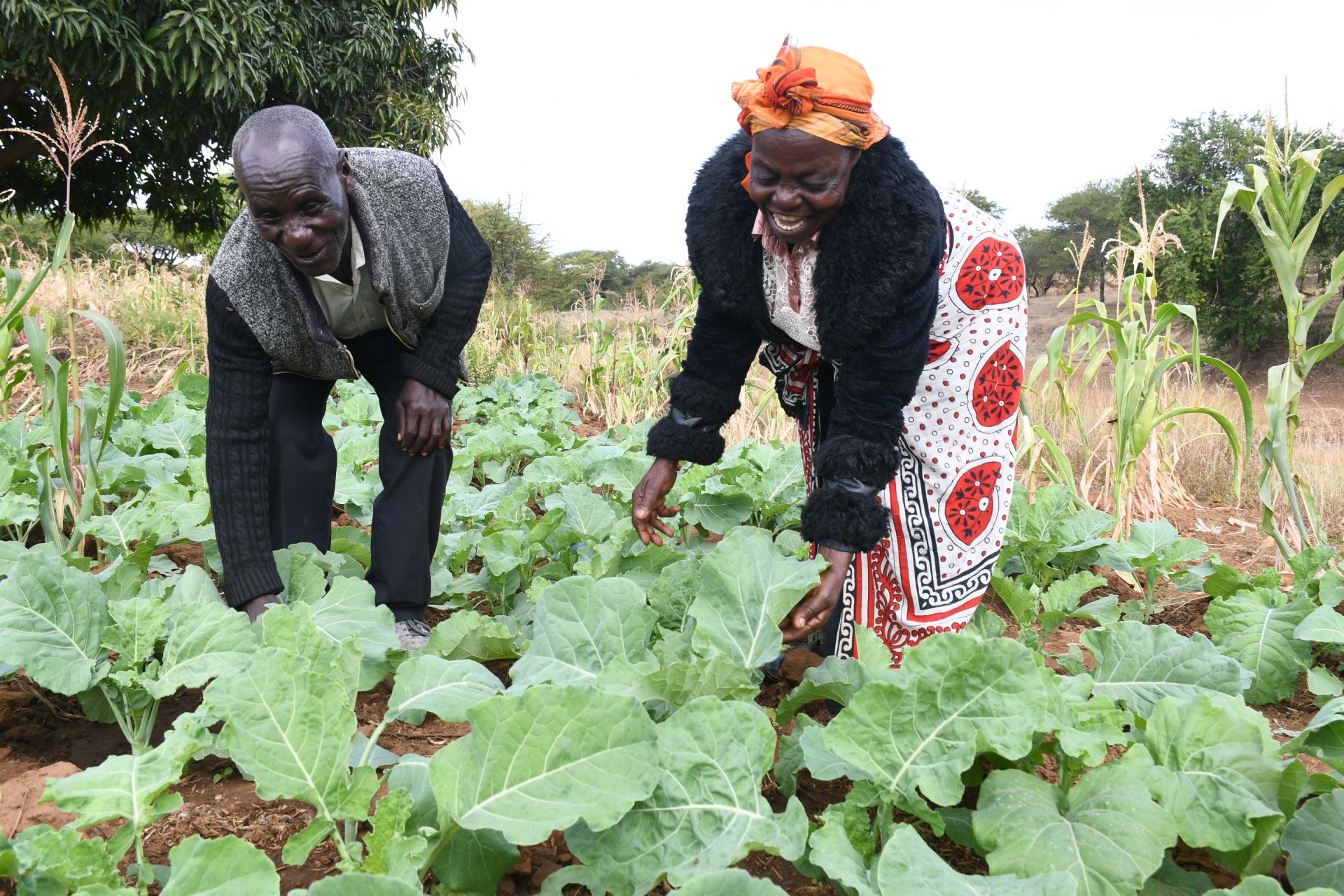
Community gardens made possible through water access.


Navigating through intense dry spells, performing preventative maintenance, conducting quality repairs when needed and continuing to assist community leaders to manage water points are all normal parts of keeping projects sustainable. The Water Promise community supports ongoing sustainability programs that help Ngutho Community 2A maintain access to safe, reliable water.

We’d love for you to join this world-changing group committed to sustainability.

The most impactful way to continue your support of Ngutho Community 2A – and hundreds of other places just like this – is by joining our community of monthly givers.

Your monthly giving will help provide clean water, every month... keeping The Water Promise.

Project Status


Project Type:  Sand Dam

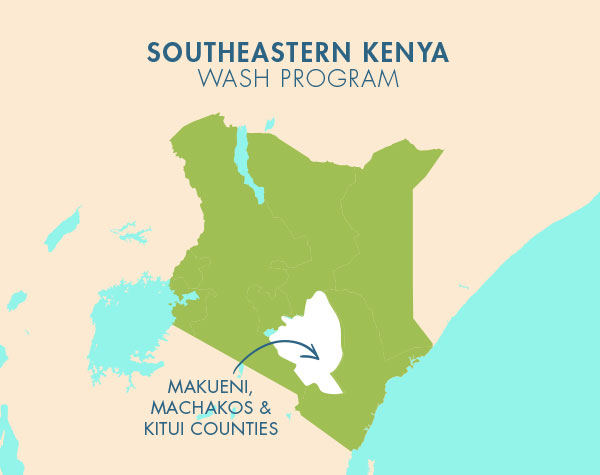
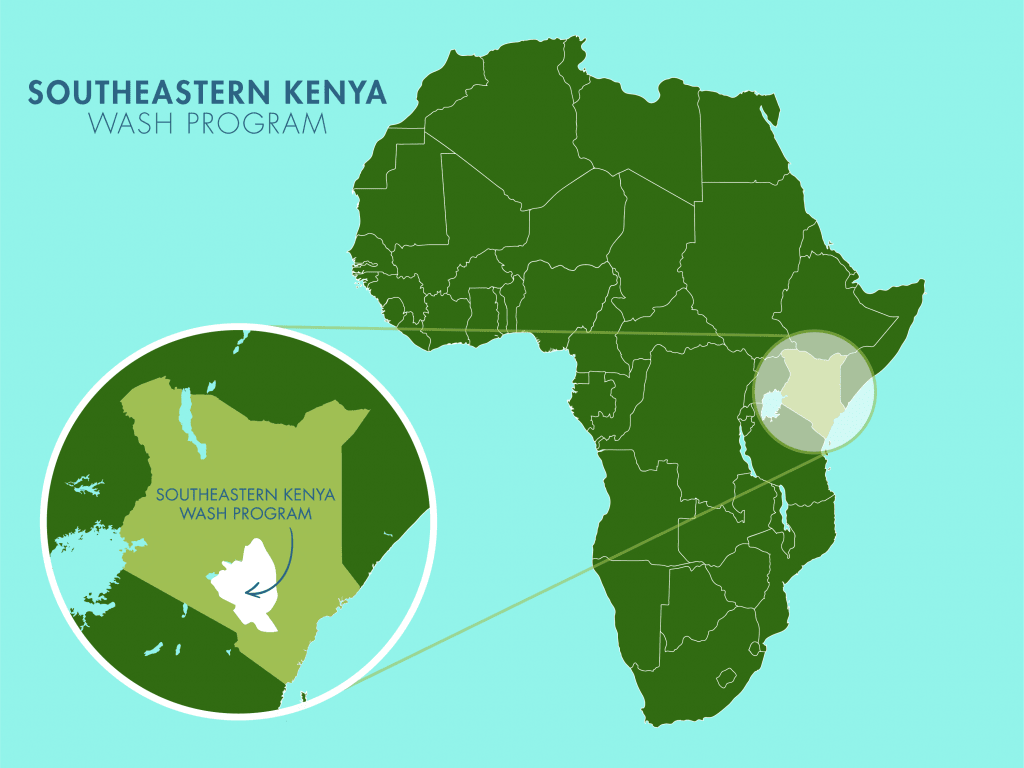
Regional Program: Southeastern Kenya WaSH Program

Impact: 1,200 Served

Project Phase:  In Service - May 2025

Functionality Status:  Functional

Last Checkup: 02/05/2026

Project Features


Click icons to learn about each feature.


The 1,500 people living in Ngutho Community face a water crisis that leaves them with little time or energy for other tasks except collecting water daily.

People have two options for water. They can walk to an open dam, a large pool of seasonal water open to contamination, or trek to an overcrowded well where they must wait in long lines that often end in insufficient water to meet the demands. Either option requires a long, exhausting journey under the hot sun.
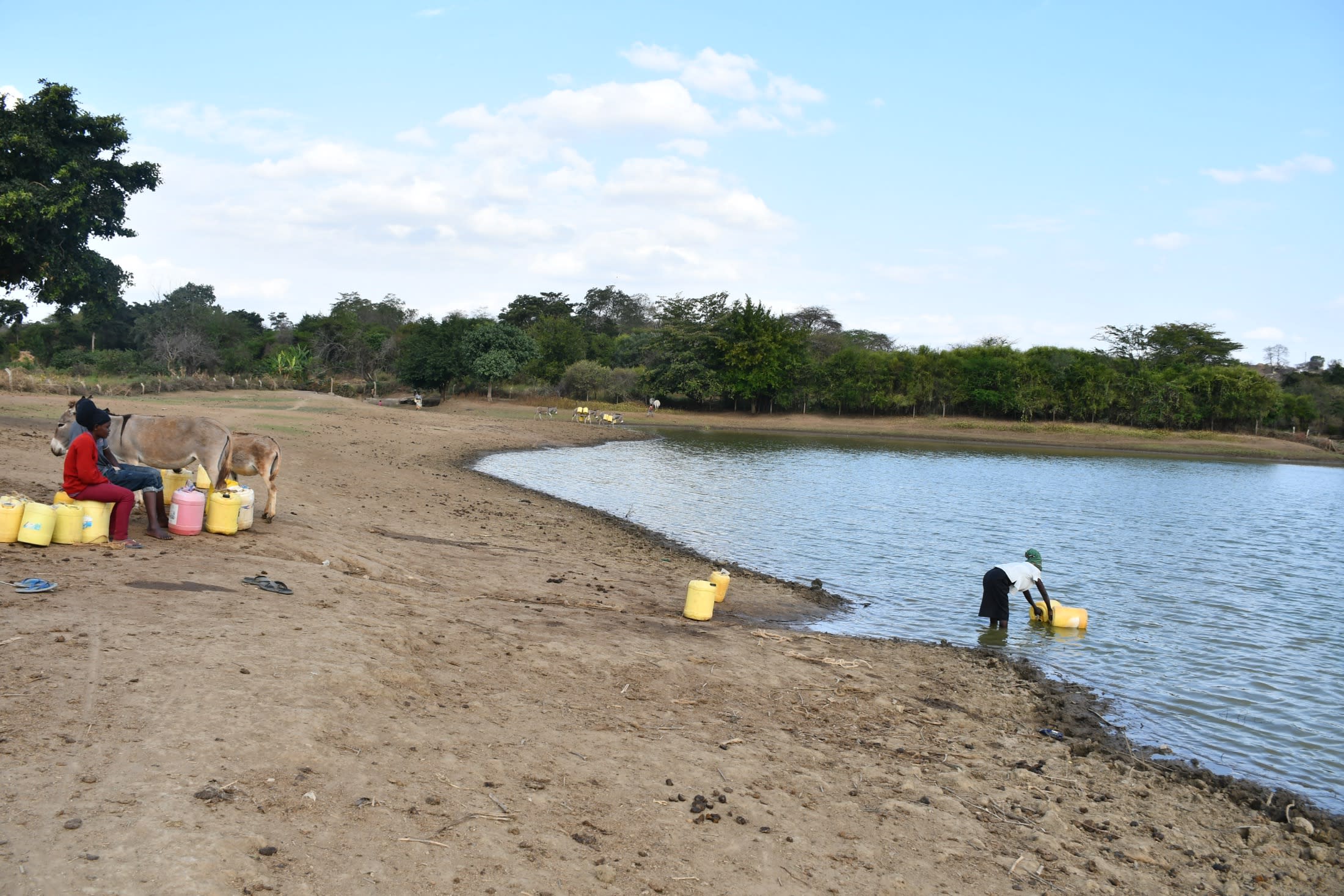
"The residents who live far away from the shallow well and earth dam are forced to walk 3 km (almost 2 miles!) to fetch water from the water points while carrying water on their backs or using donkeys if one is lucky [enough] to have one. Walking to fetch water under the scorching sun is arduous and time-consuming, leaving the residents with little energy and time to engage in activities like land preparation, rearing cattle, or improving hygiene and sanitation," shared field officer Alex Koech.

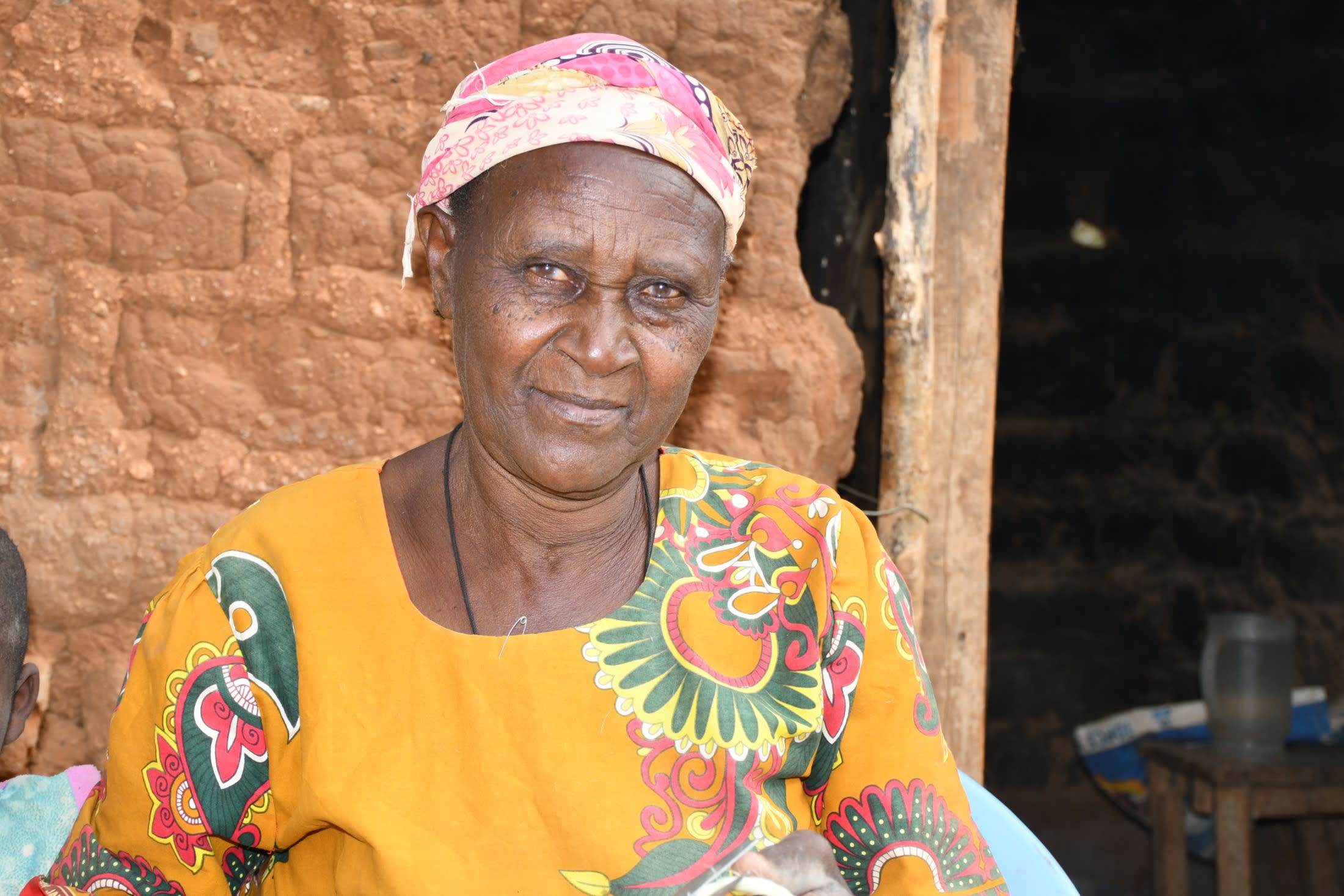
"It is very frustrating to get water from the distant Ndalani earth dam, and even my leg muscles develop pain due to the load and long journey. Waiting [in] the queue often leads to quarrels because someone usually jumps the queue. My grandchildren often remain at home with no water to drink while I go to fetch water from the surface water. Fetching water is the order of the day around here, and I come back home feeling exhausted and unable to tend to activities like cleaning the compound or nurturing my farm. Our garments are rarely cleaned because we have to use water sparingly," said 67-year-old farmer Maswii Mungai (shown below).
"They spend more than three hours at the water points due to the long queues and low water supply. Although the community can use the shallow well in the area, it does not offer enough water for all of them. Water can be acquired from Ndalani earth dam [but it] offers contaminated water, making it unsuitable for drinking. Irrigating crops is impossible because the available water is either salty or insufficient, which has led to food insecurity and poor levels of income," continued Alex.

Adults are not the only ones tasked with the difficult journey. Children are often late to school and miss out on playing with friends or getting their homework done because they are burdened with collecting water, too.

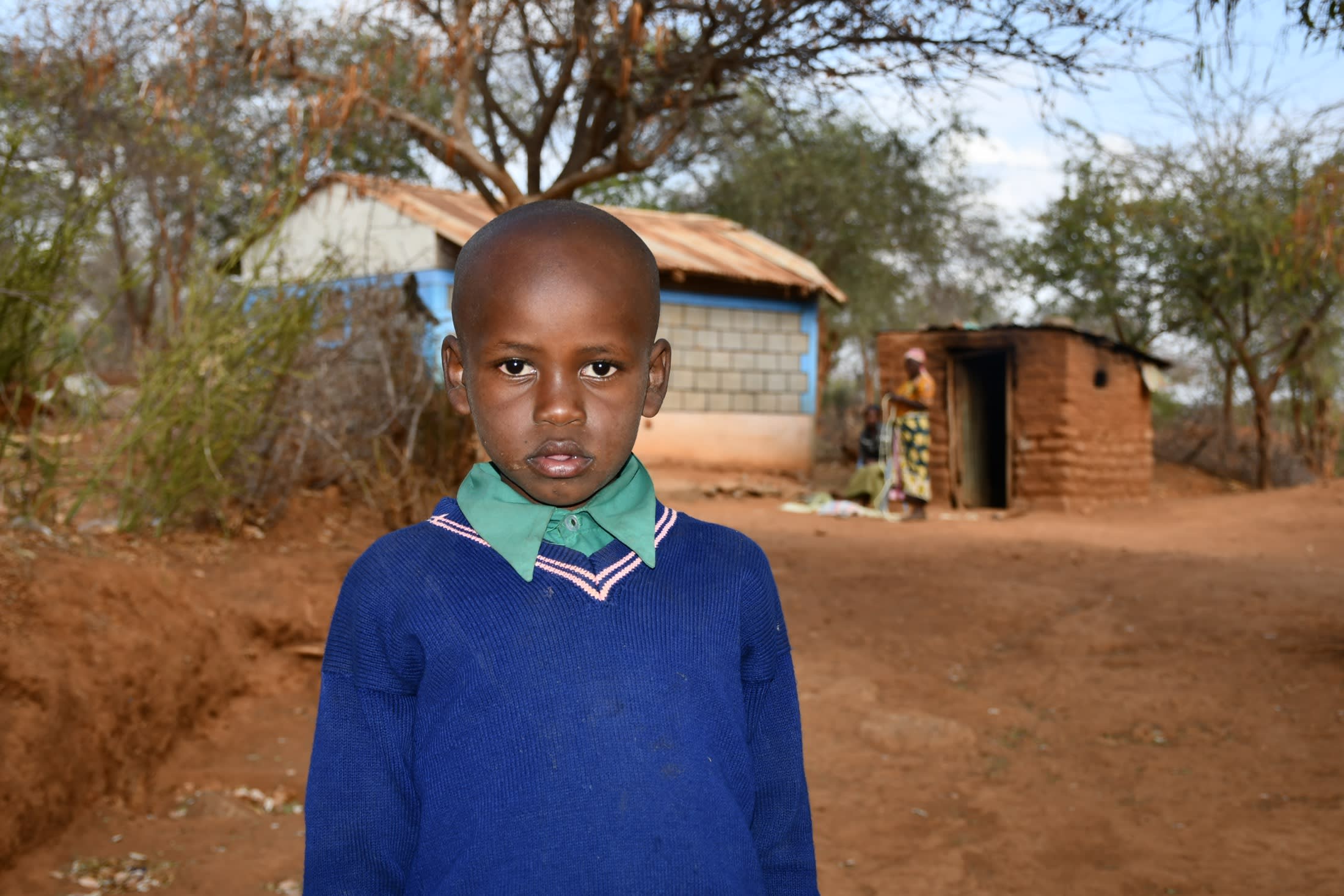
"I help my mother fetch water from the borehole during weekends and holidays, which is exhausting. The long journey leaves me exhausted and unable to play with my friends or do my homework. It also feels sad when I come back from school in the evening, and there is no food to eat or water to drink because my mother is at times held up at the water point due to the long queues and low water supply. When we get a sand dam and shallow well project near my home, I will be happy because I will spend less time fetching water," said 10-year-old Sammy K. (seen below).
"Parents have little income to pay school fees because of the poor farm yields, hence a high number of school dropouts. The residents' health is also affected because of lack [of] enough drinking water and proper diet," Alex said.

Installing the sand dam near community members' homes will enable people to access water whenever they need it within a reasonable amount of time so they can focus on the other important tasks they need each day to make progress and improve their daily lives.

"I believe that a sand dam and shallow well project will ensure water is adequate and close to my home. This will make me very happy," concluded Maswii.

"The community members will easily access the water point because it is close to their homes and spend extra time and energy on income-generating activities like farming. They could also make more trips and get enough water to improve household hygiene and sanitation," concluded Alex.

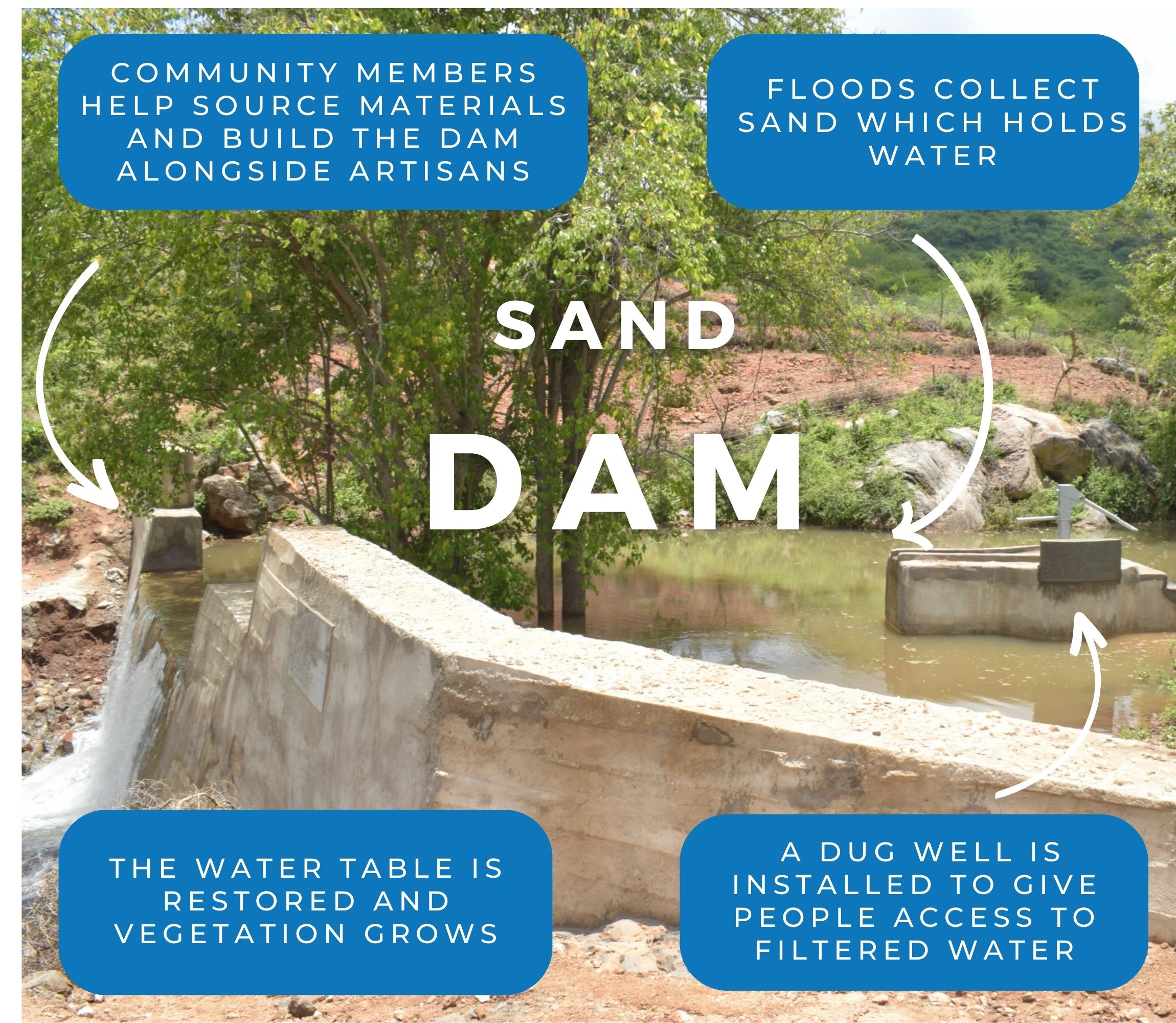
Helping to solve the water crisis in this community will take a multi-faceted system. It requires the collaboration of the sand dam and a dug well. They will work together to create a sustainable water source that will serve this community for years to come.

The Proposed Solution, Determined Together...

At The Water Project, everyone has a part in conversations and solutions. We operate in transparency, believing it benefits everyone. We expect reliability from one another as well as our water solutions. Everyone involved makes this possible through hard work and dedication.

In a joint discovery process, community members determine their most advantageous water solution alongside our technical experts. Read more specifics about this solution on the What We're Building tab of this project page. Then, community members lend their support by collecting needed construction materials (sometimes for months ahead of time!), providing labor alongside our artisans, sheltering and feeding the builders, and supplying additional resources.

Water Access for Everyone

This water project is one piece in a large puzzle. In Kenya, Sierra Leone, and Uganda, we're working toward complete coverage of reliable, maintained water sources that guarantee public access now and in the future within a 30-minute round trip for each community, household, school, and health center. One day, we hope to report that this has been achieved!

Training on Health, Hygiene & More

With the community's input, we've identified topics where training will increase positive health outcomes at personal, household, and community levels. We'll coordinate with them to find the best training date. Some examples of what we train communities on are:

  • Improved hygiene, health, and sanitation habits
  • Safe water handling, storage & treatment
  • Disease prevention and proper handwashing
  • Income-generation
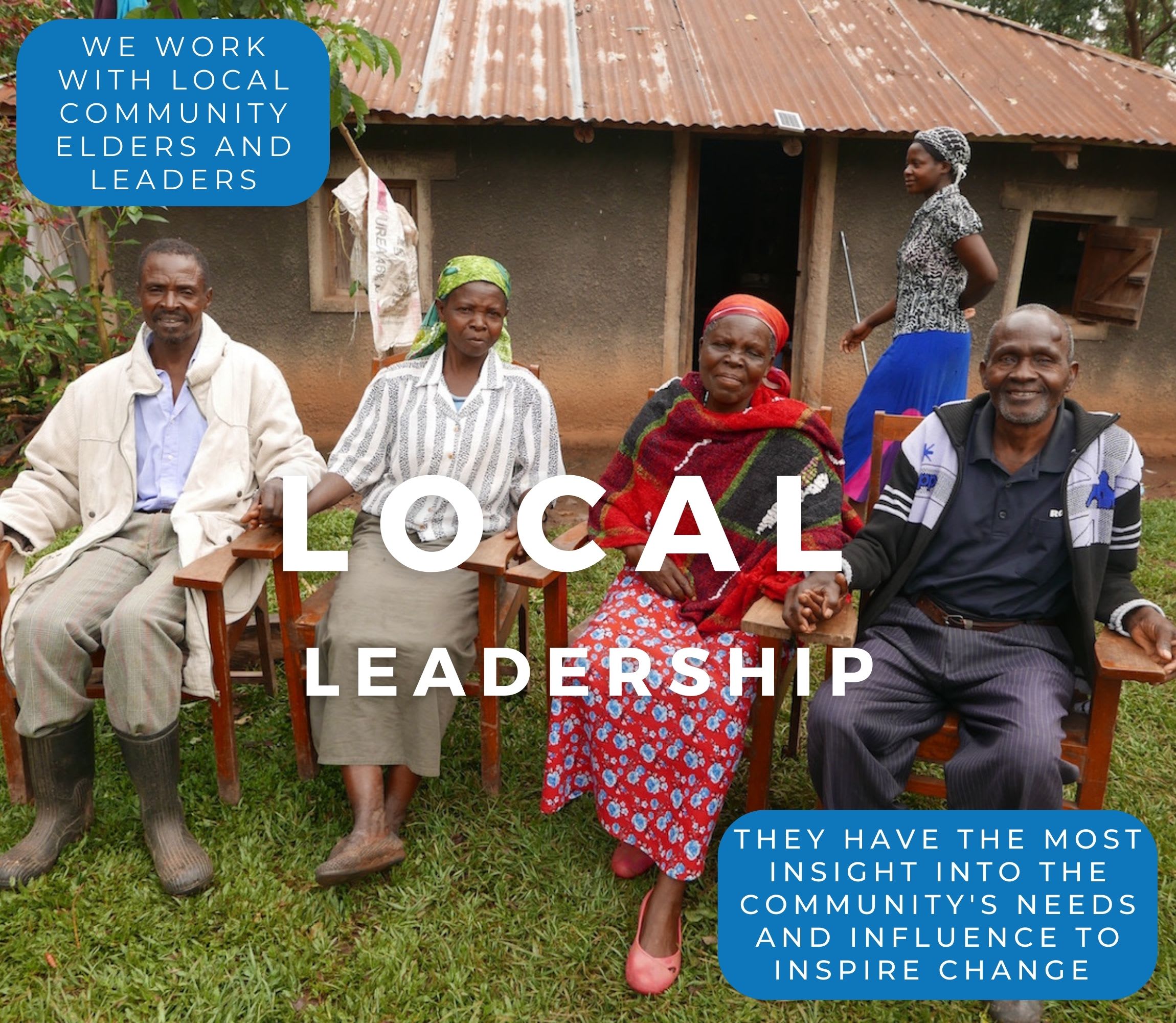
  • Community leadership, governance, & election of a water committee
  • Operation and maintenance of the water point
Project Updates


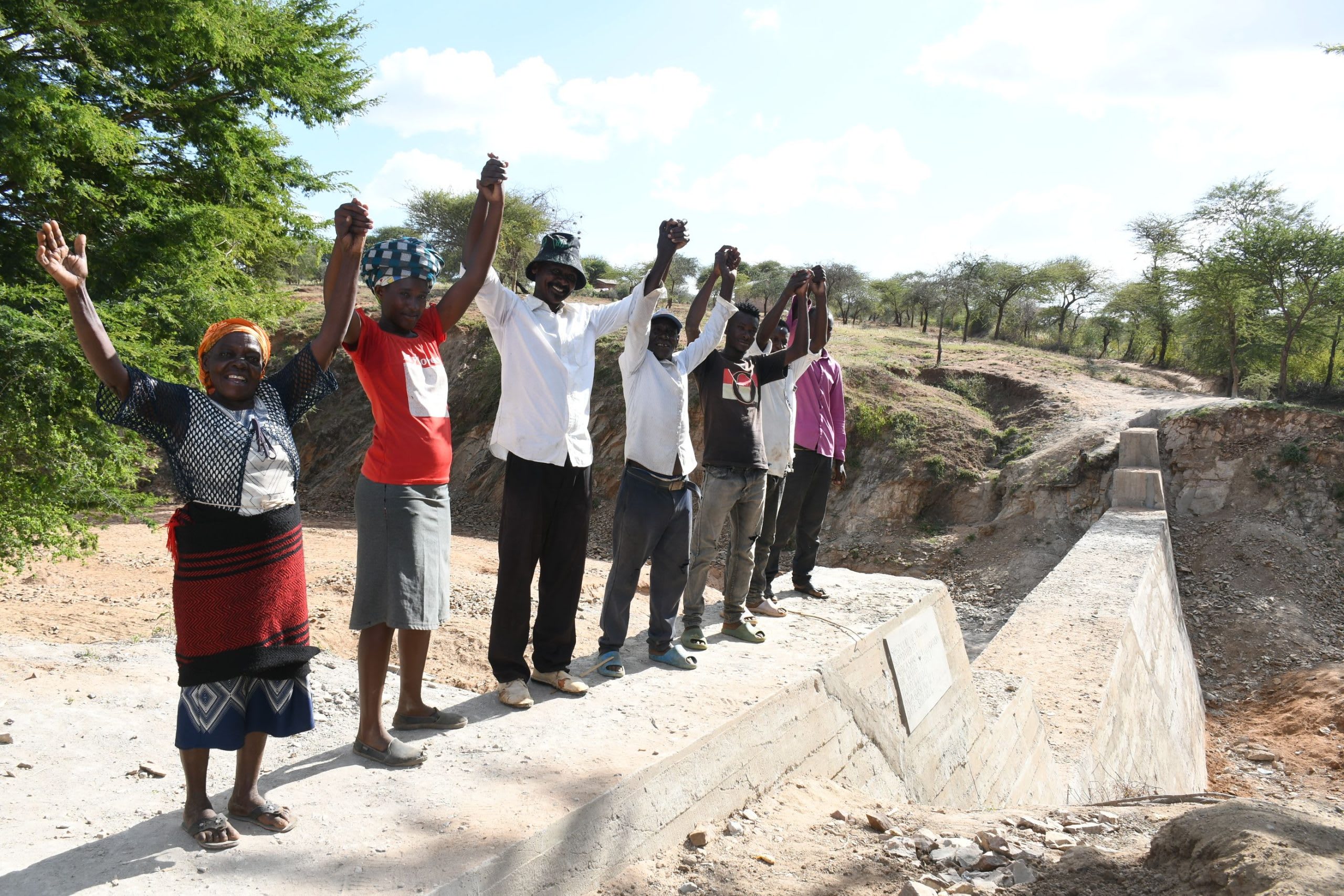
May, 2025: Ngutho Community Sand Dam Complete!

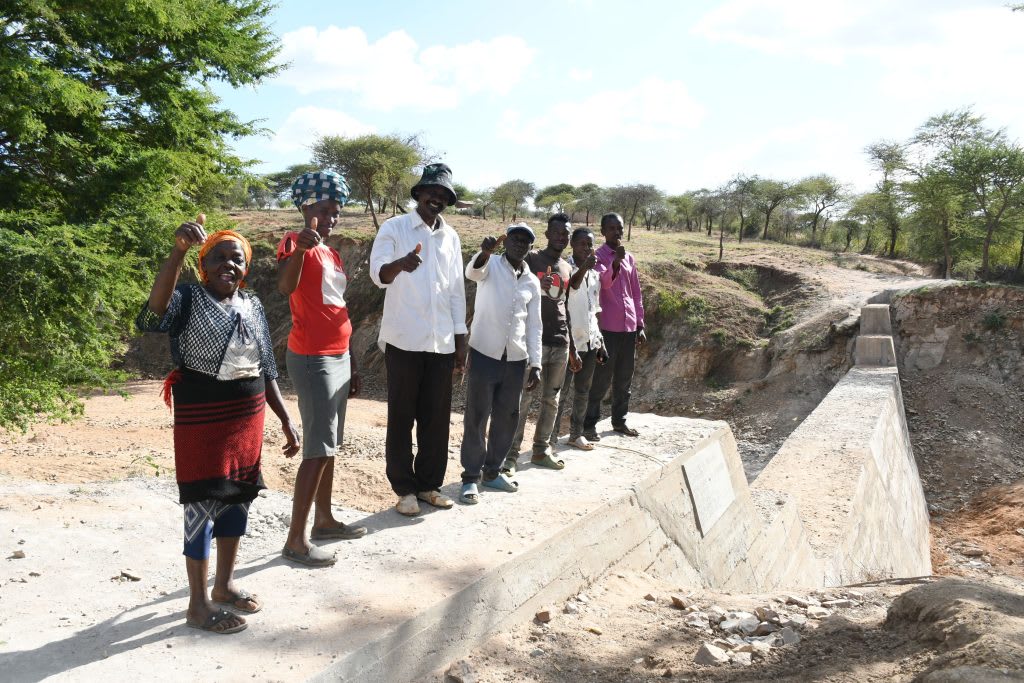
The Ngutho Community, Kenya, now has access to a new water source thanks to your donation! We constructed a sand dam on the riverbed, which will raise the water table and naturally filter water over time. We also built a new protected dug well with a hand pump adjacent to the sand dam, providing the community with a safer method to draw the drinking water supplied by the dam.

"This waterpoint is very close to my home, and [my] children and grandchildren will easily fetch water here and return home to focus on activities like farming, studying, or handling household chores. My grandchildren will have peace of mind knowing that water is adequate, and therefore, they will focus on studying and getting better grades at school, enabling them to achieve their dreams. My son's wives will conduct vegetable farming, which will enable them [to] feed their children," said Musyoka Mwengi, a 75-year-old farmer and Chairperson of the Water User Committee.

"My children and grandchildren will no longer be spending most of [their] energy and time walking to the mostly used borehole because water will be nearby and adequate. They will have enough clean water for drinking, cooking, conducting hygiene, and even irrigating their kitchen gardens. Gone are the days when my children had to skip meals due to water insufficiency at home!"

Sand Dam Construction

The members of the Muuo Wa Ngutho Self-Help Group collected all of the local materials, like rocks and sand, required to complete the dam. The collection of raw materials takes longer than the actual construction, lasting up to four months for a large sand dam. The group also dedicated their time to support our artisans with a tremendous amount of physical labor throughout the project.

First, our team drew up siting and technical designs and presented them to the Water Resources Management Authority. We then sent a survey to the National Environment Management Authority for approval before beginning construction.

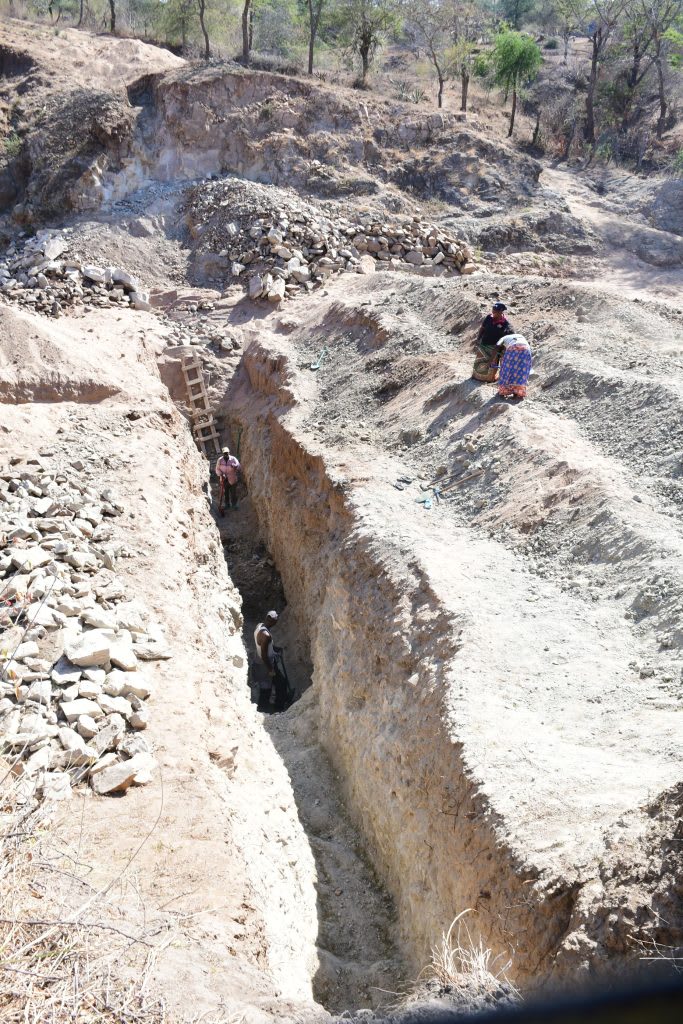
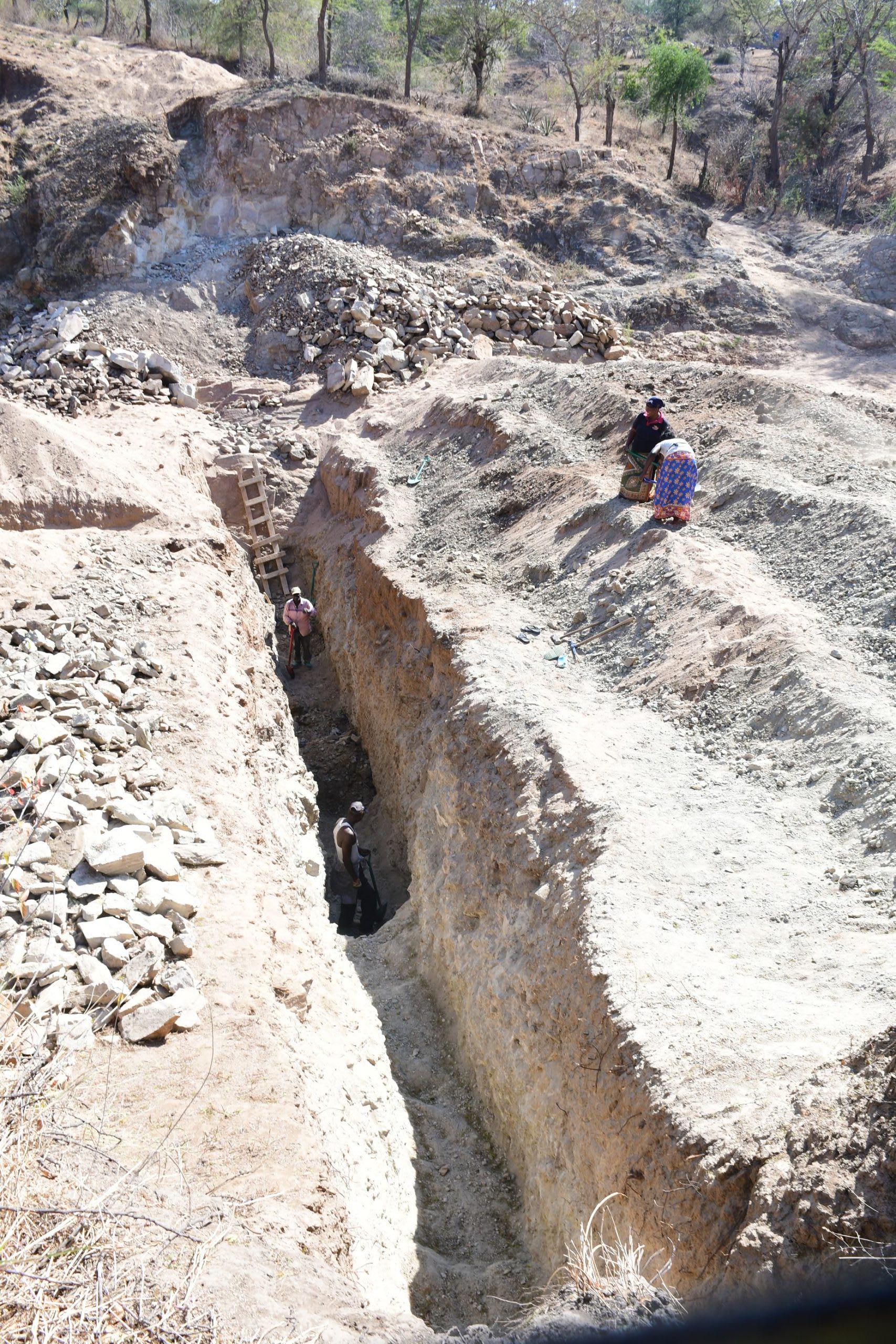
Once the plans were approved, we established a firm base for the sand dam wall. Usually, this requires the community to dig all the way down to the bedrock beneath the river channel. In the absence of good bedrock, we excavate to a depth at which the ground is compact enough to stop seepage.

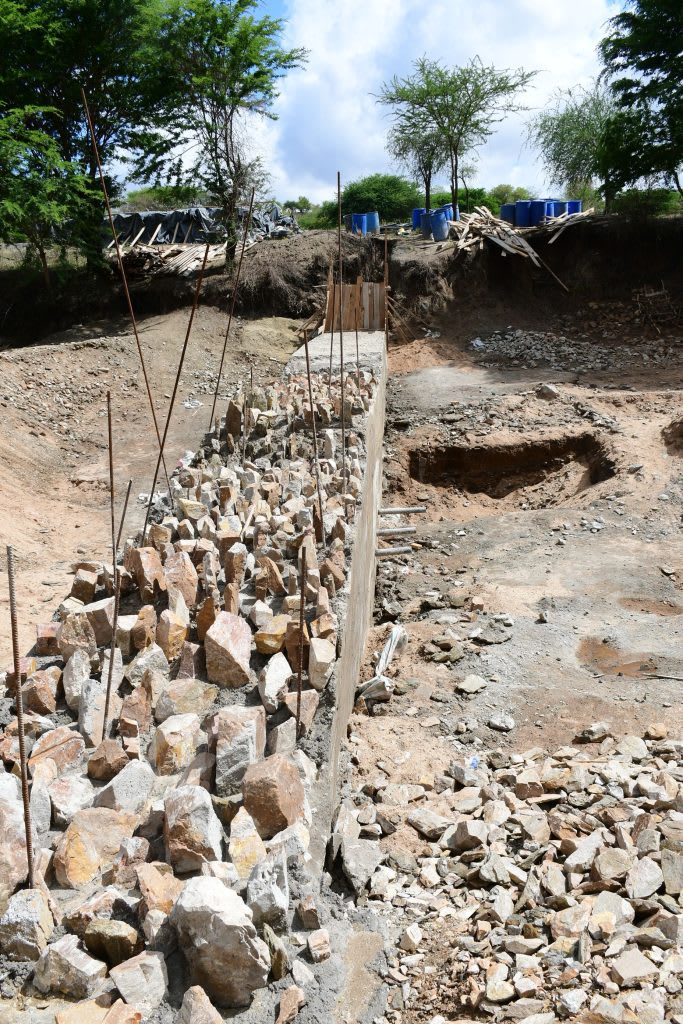
Next, we heaped mortar (a mixture of sand, cement, and water) into the foundation, followed by rocks. We then used barbed wire and rebar to reinforce the mixture.

Once the foundation was complete, we built a timber skeleton to hold the structure above ground level. We repeated the process until reaching a sufficient height, width, and length.

Finally, we dismantled the vertical timber beams and left the dam to cure. This dam measures 41 meters long and 4 meters high and took a whopping 1,750 bags of cement.

When the rain comes, sand and silt will be carried down the dry riverbed and build up behind the dam wall. This reservoir of sand acts as a giant natural filter, and allows rainwater to seep into the ground and raise the water table. With this water, the surrounding landscape will become lush and fertile, and the well will provide drinking water to the community. It could take up to three years of rain for this sand dam to reach maximum capacity because in this region, sometimes it only rains once a year!

"The community exhibited a lot of resilience to ensure the project was completed. Although finding bedrock was difficult and consumed most of the time, they still came every day to ensure the project was completed. They also mobilized stones, sand, and ballast before the onset of the sand dam construction. They also built the sand dam with their bare hands and put in immense hard work despite the various challenges like lack of water for construction," shared Field Officer Alex Koech.

Community Education

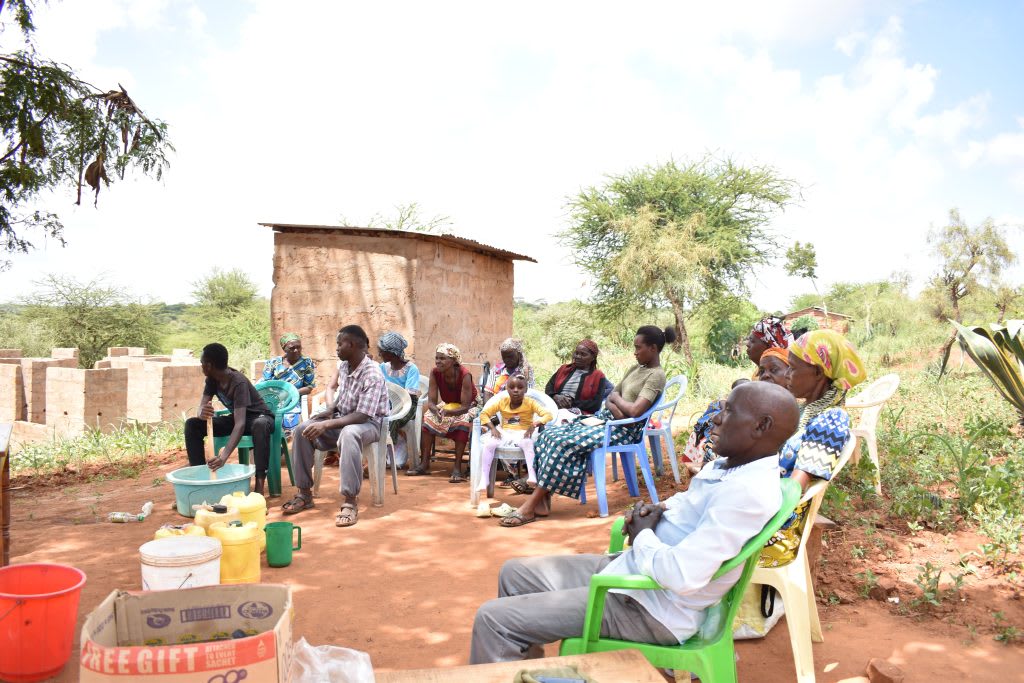
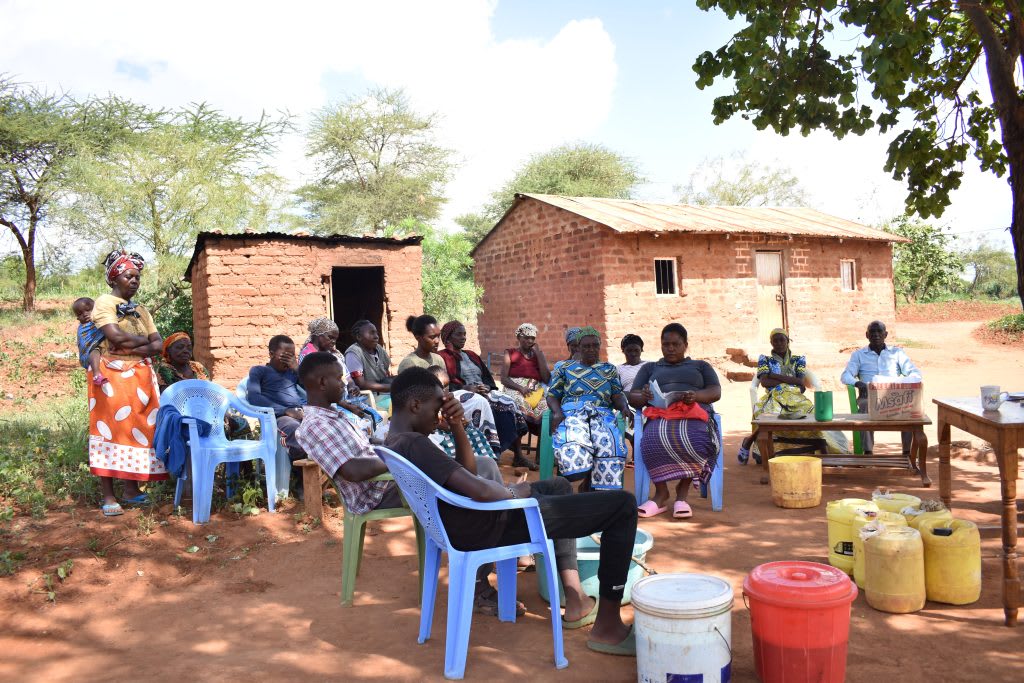
Our trainer worked with the field staff and community members to determine which topics the community could improve upon.

As we’ve worked with this Self-Help Group in the past, we asked them about the subjects they needed refresher training on.

We trained the group on various skills, including bookkeeping, financial management, project management, group dynamics, and governance. We conducted hygiene and sanitation training to teach skills like soap and detergent-making and improve habits, such as handwashing.

We covered health problems in the community, good and bad hygiene habits, and the prevention of disease. Finally, we covered natural resource management as well as the operation and maintenance of the sand dam.

"This training has been a reminder of what we had learned, and some of us had forgotten its importance. We will educate the other community members regarding proper hygiene practices like tippy tap construction, [the] importance of a latrine, dishrack construction, and more so that they can also improve their hygiene," said Mr. Mwengi, quoted earlier.

"Since the partnership with you, as a community [we] have learned a lot from the different trainings offered to us; we [are] able to differentiate in so many activities and adapt the behavior change communicated to us."

Thank you for making all of this possible!


March, 2025: Exciting Progress in Ngutho Community, Thanks to You!

We’re thrilled to share that, thanks to your generous support, significant change is coming for Maswii and the entire Ngutho Community. Construction has begun on the sand dam project, bringing them one step closer to having clean, reliable water.

But that's not all—during construction, we’re also providing vital health training. These sessions equip the community with essential hygiene practices, ensuring that the benefits of clean water extend to lasting health improvements.

We’re so grateful for your role in making this possible. Stay tuned for more updates—soon, we’ll be celebrating the arrival of safe water in Ngutho Community!


Project Photos


Contributors

2 individual donor(s)