Rain Catchment

Rainwater harvesting is a economical alternative in the right climates.

Water Tank Roof Top

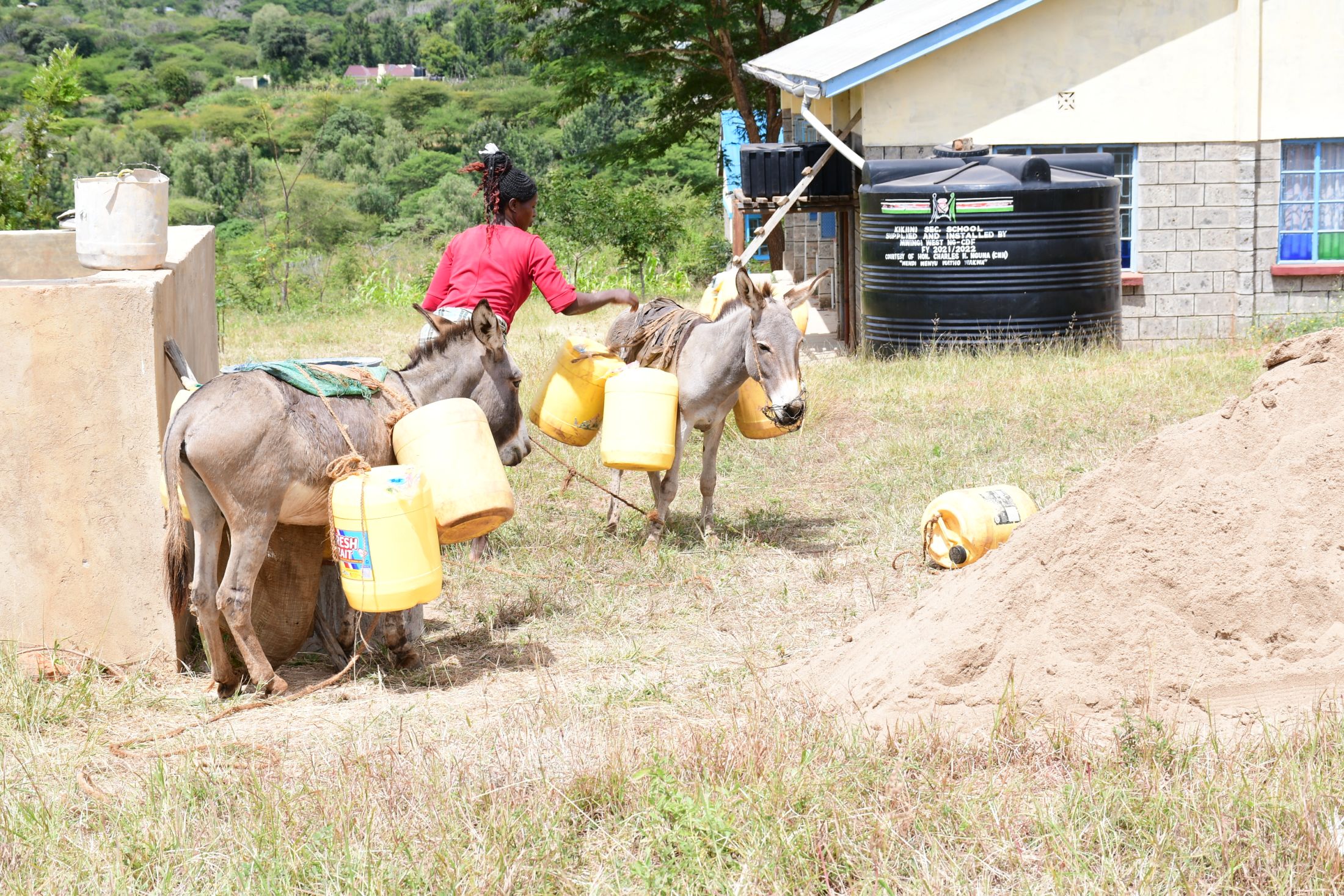
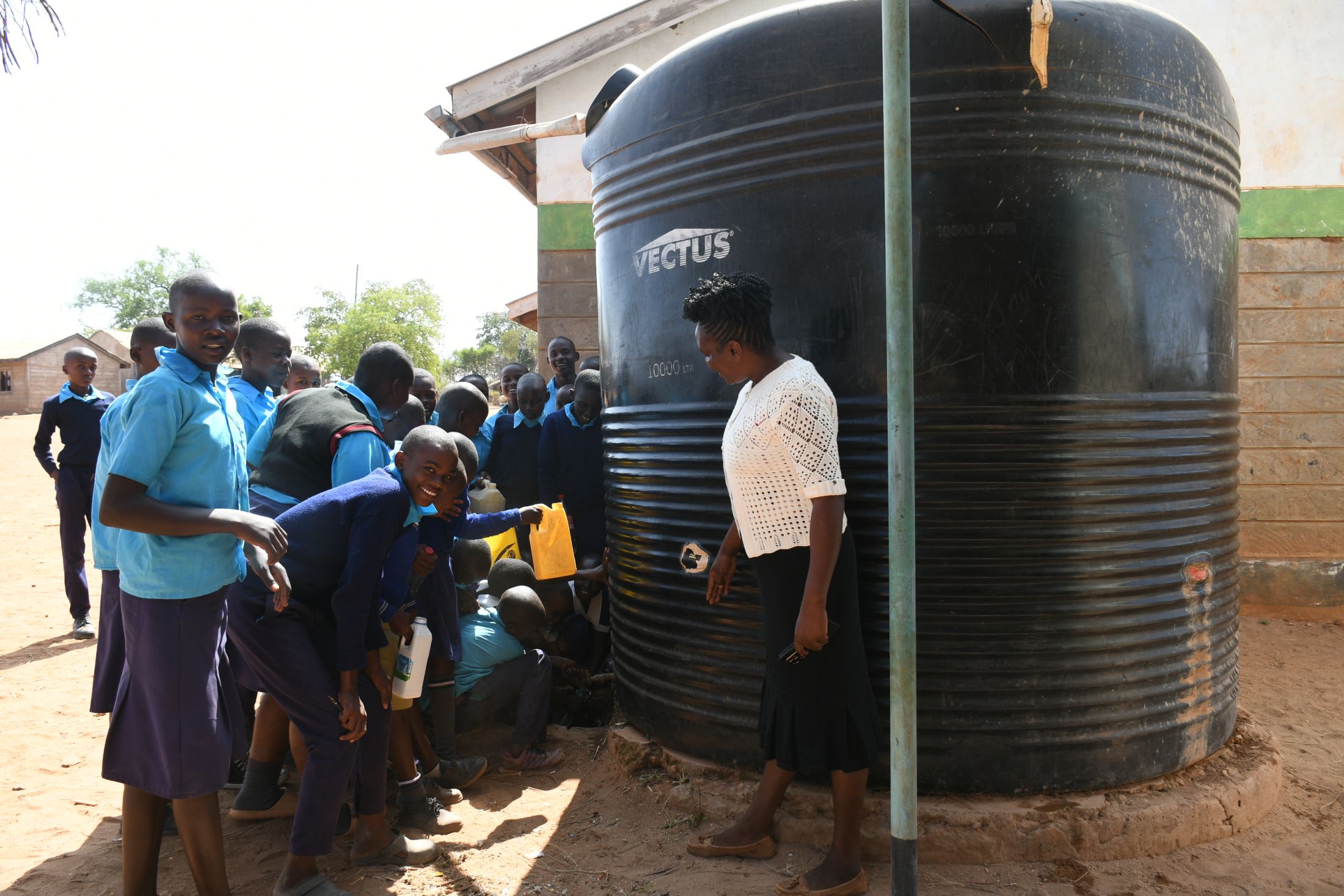
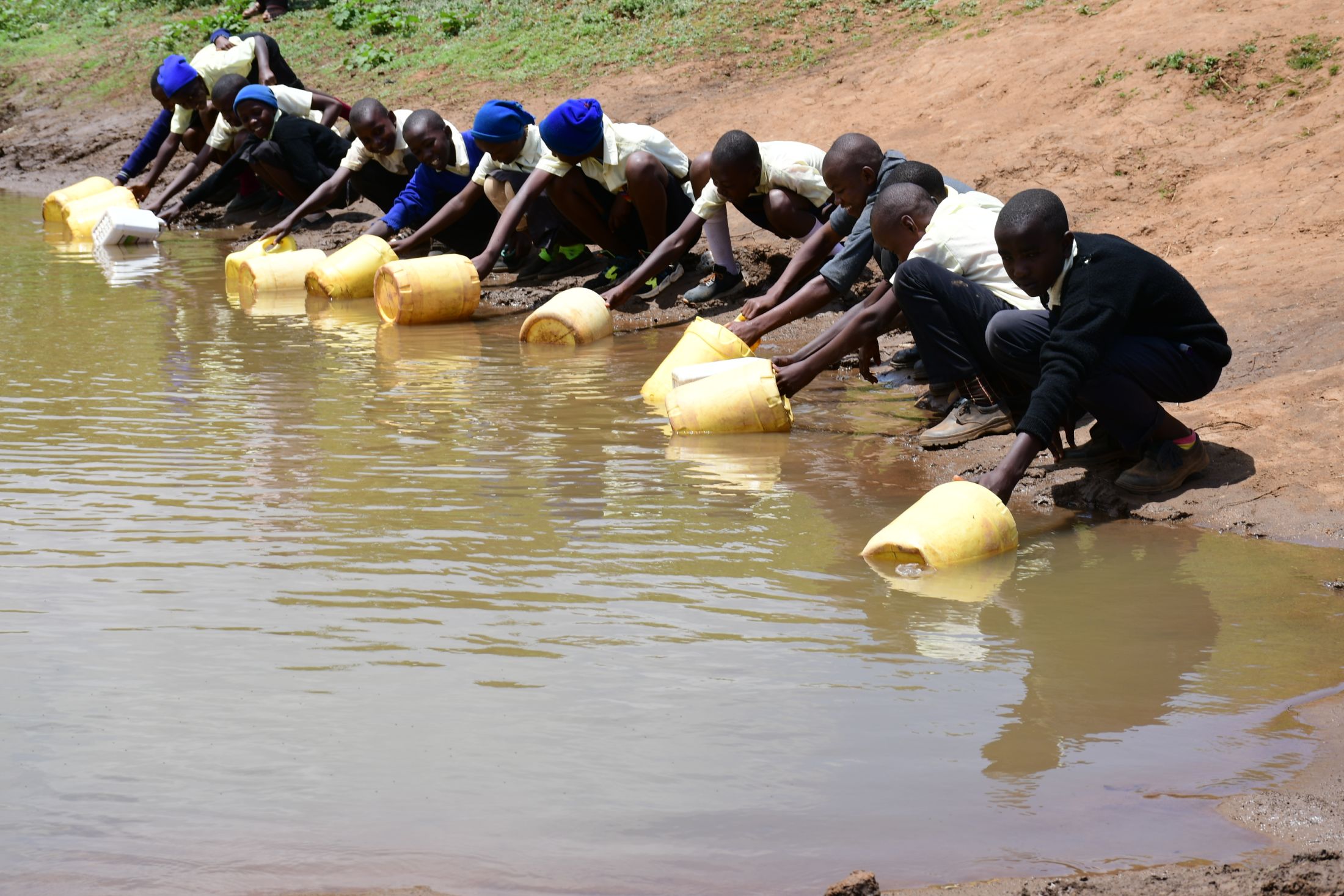
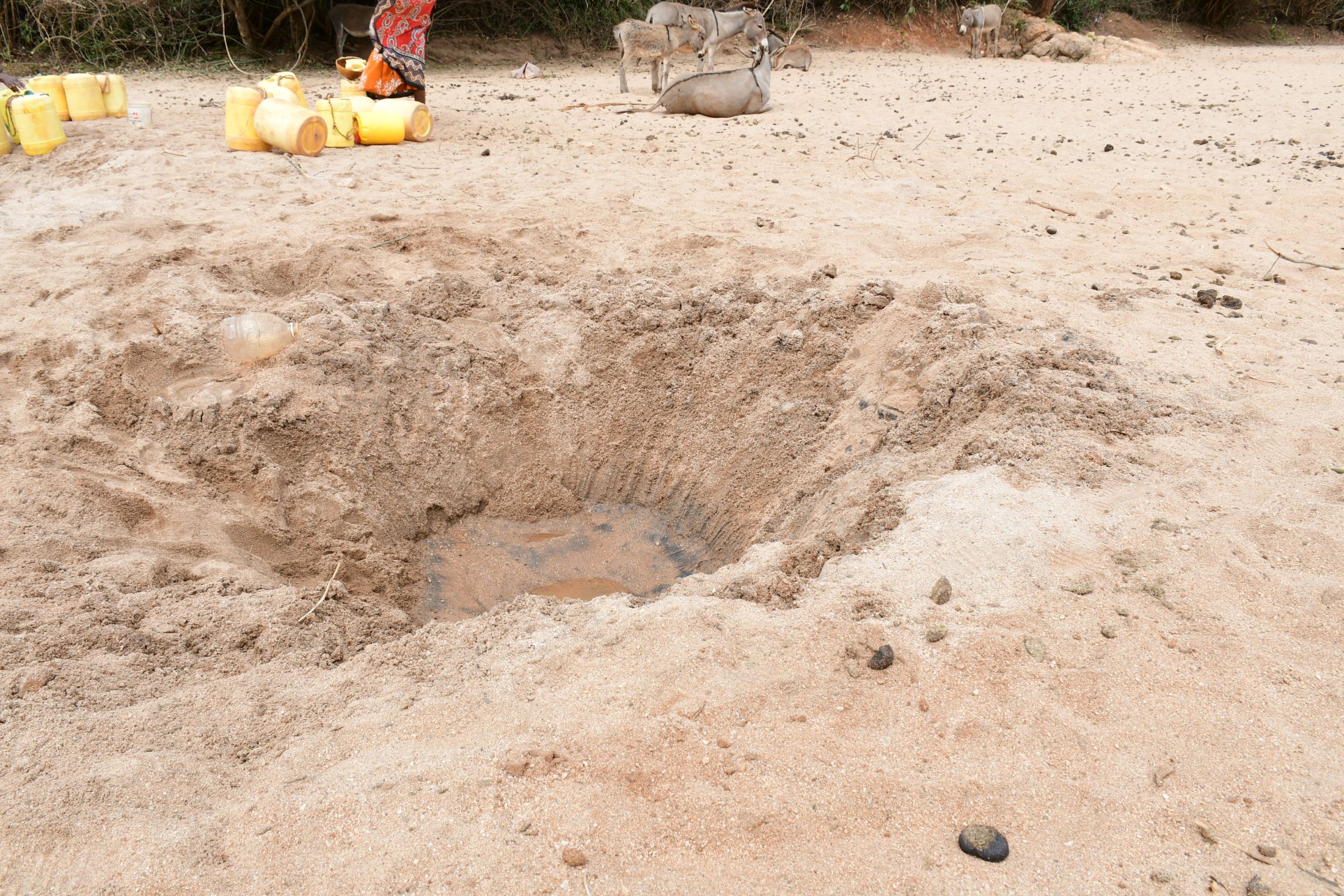
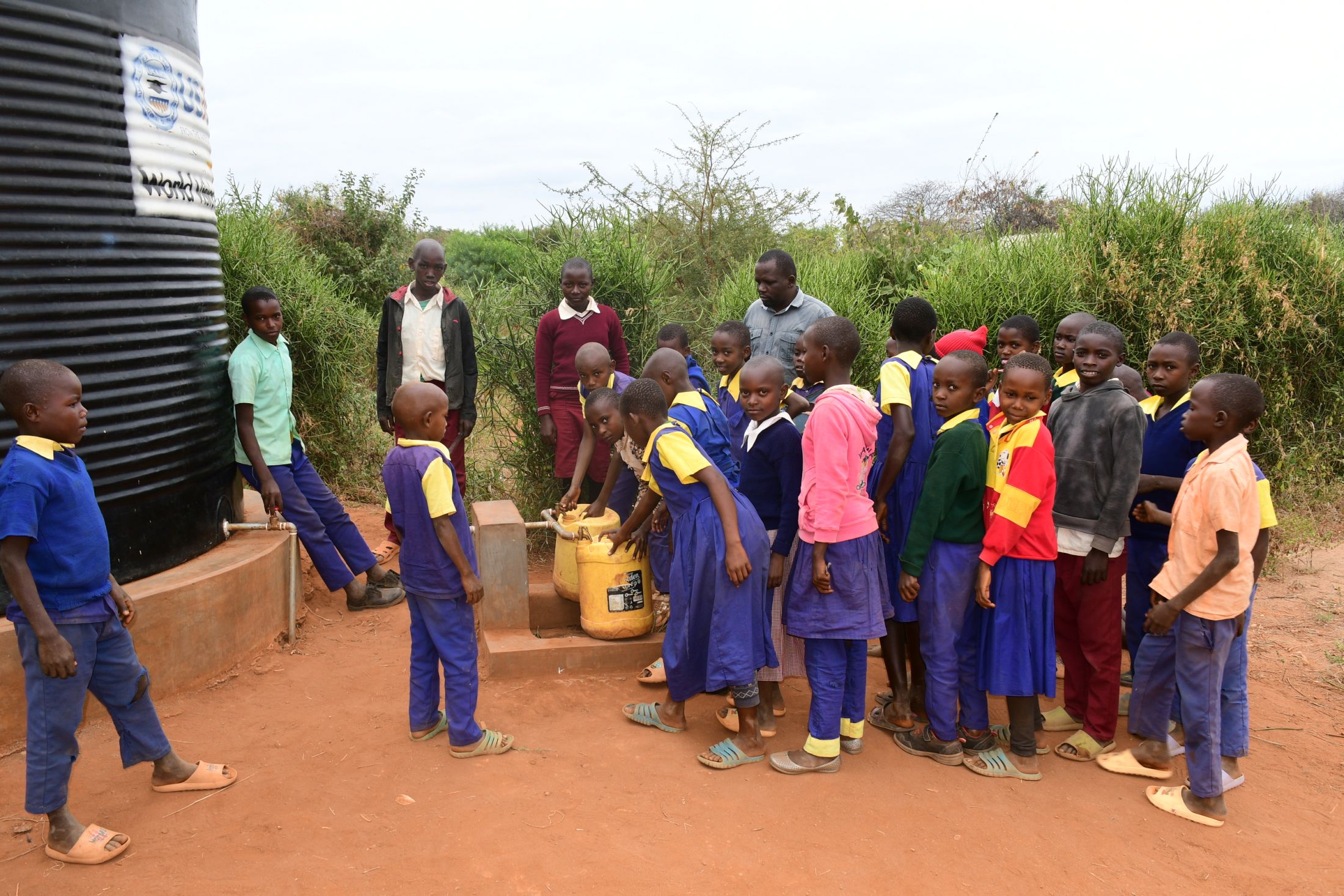
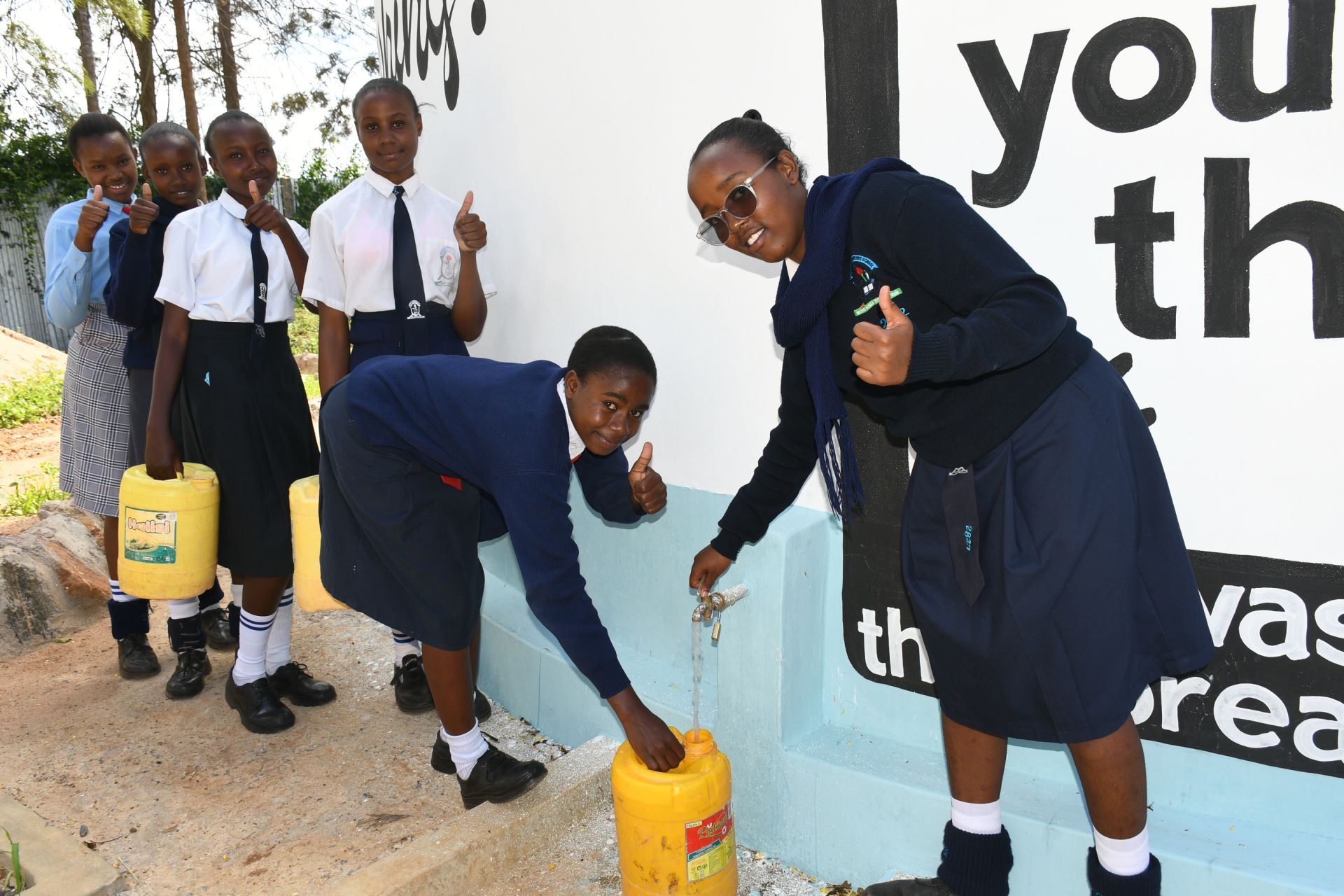
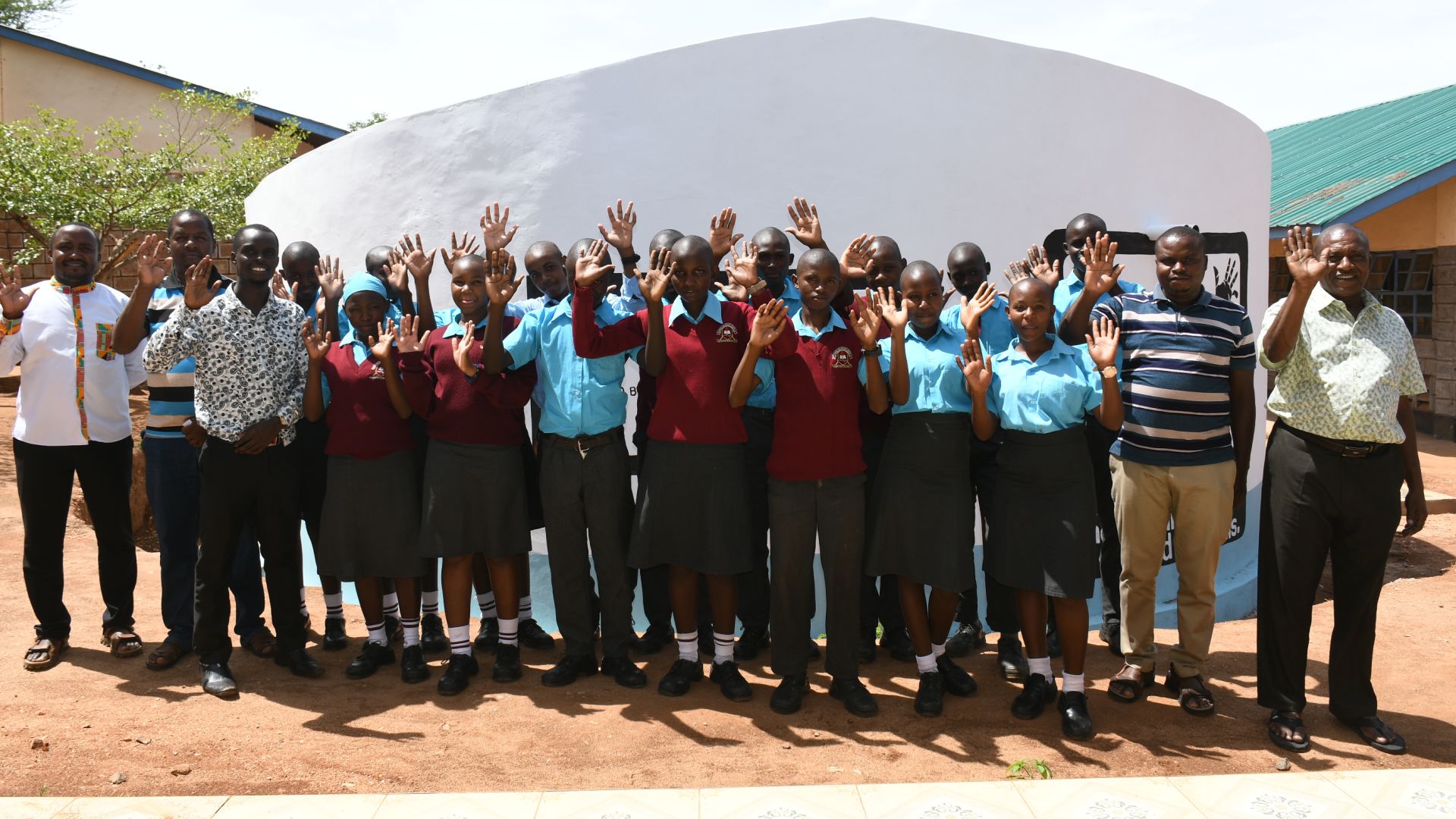
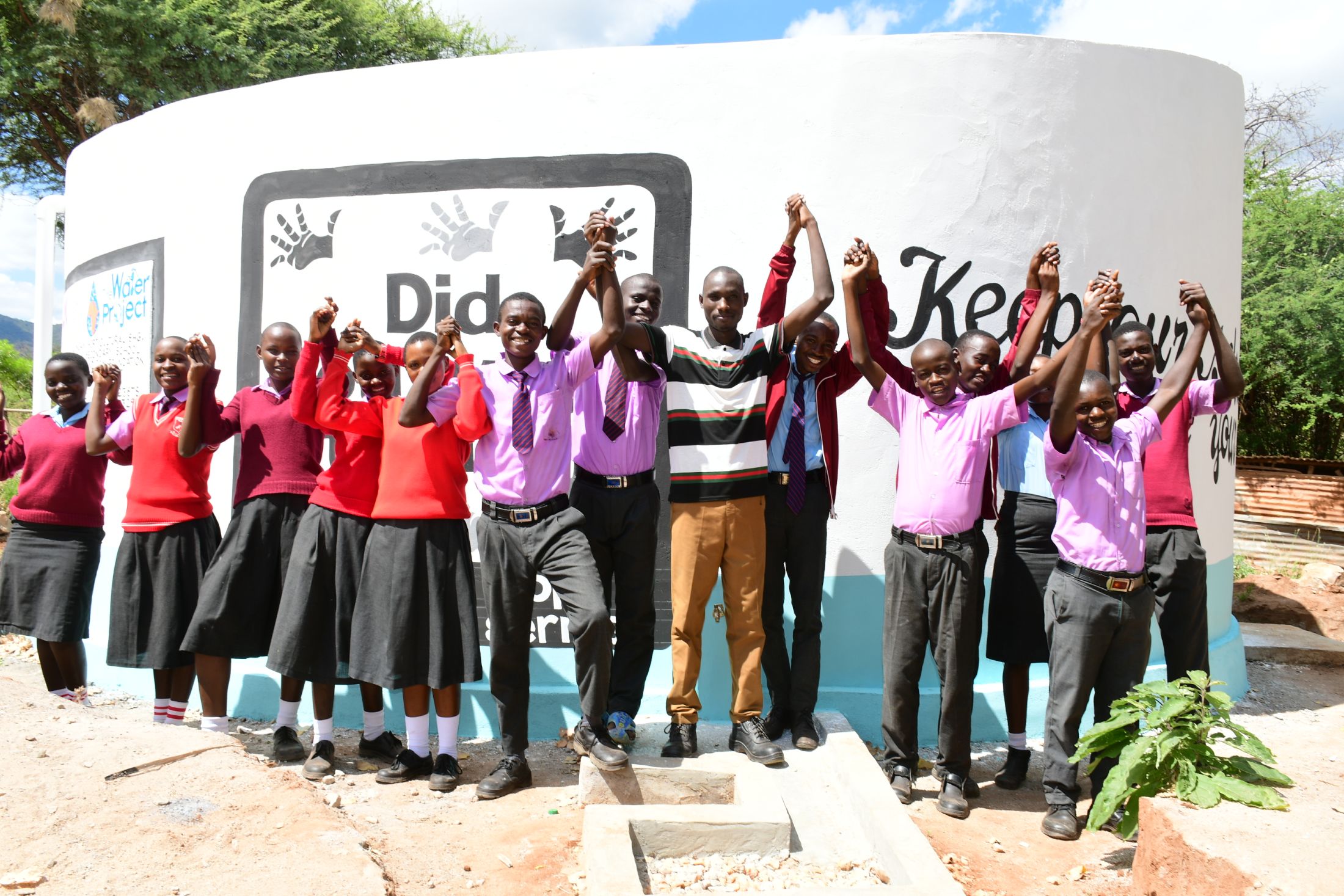
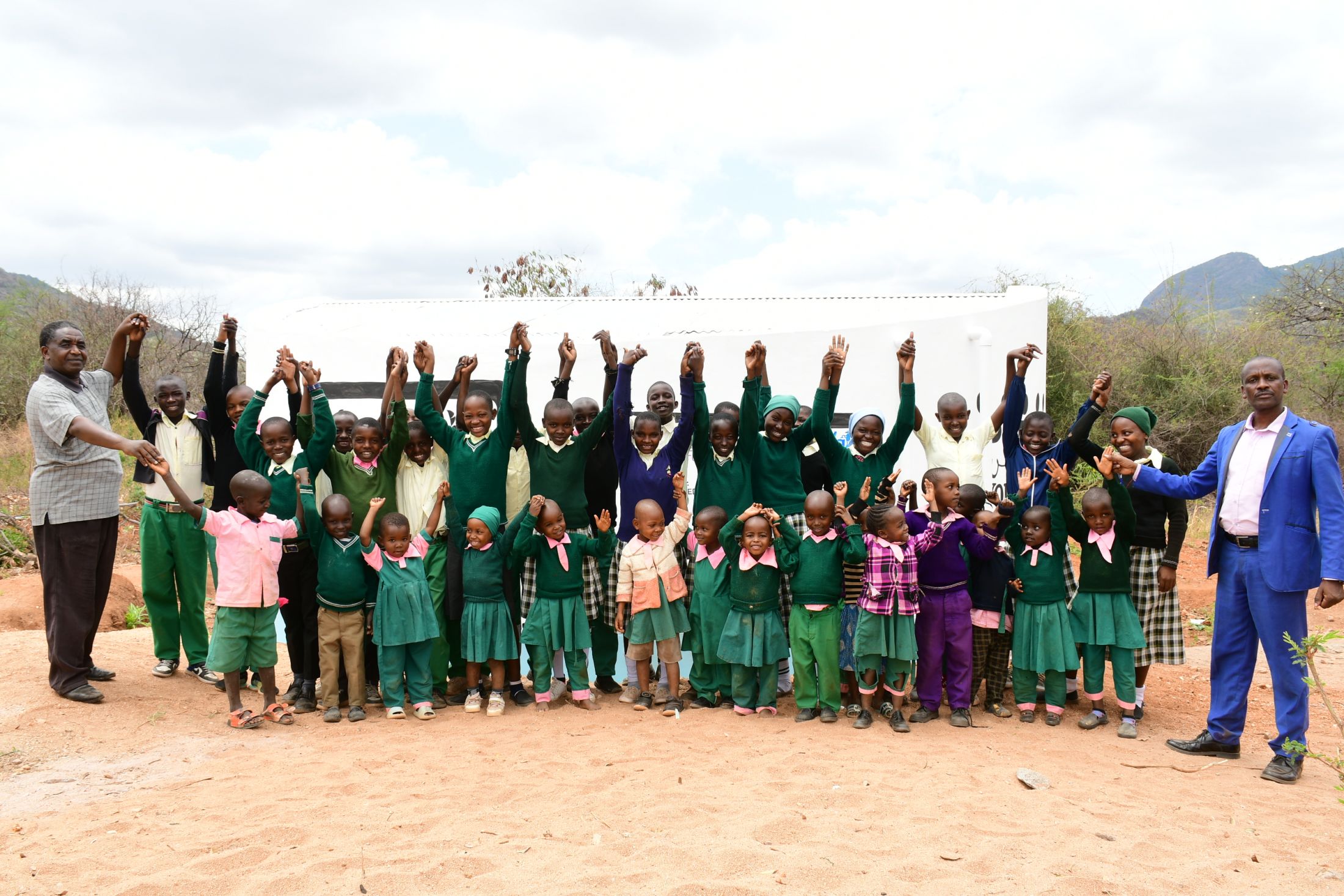
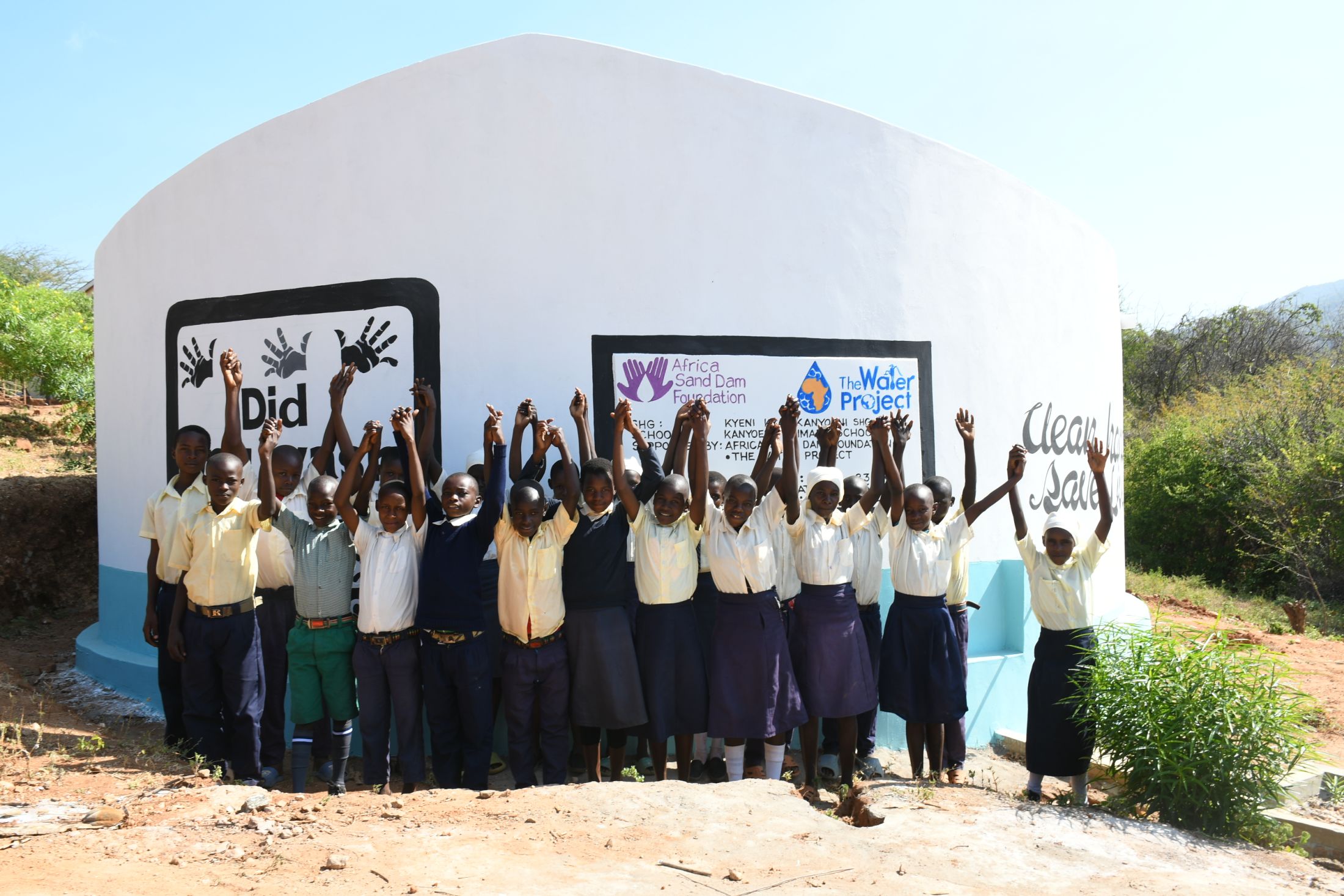
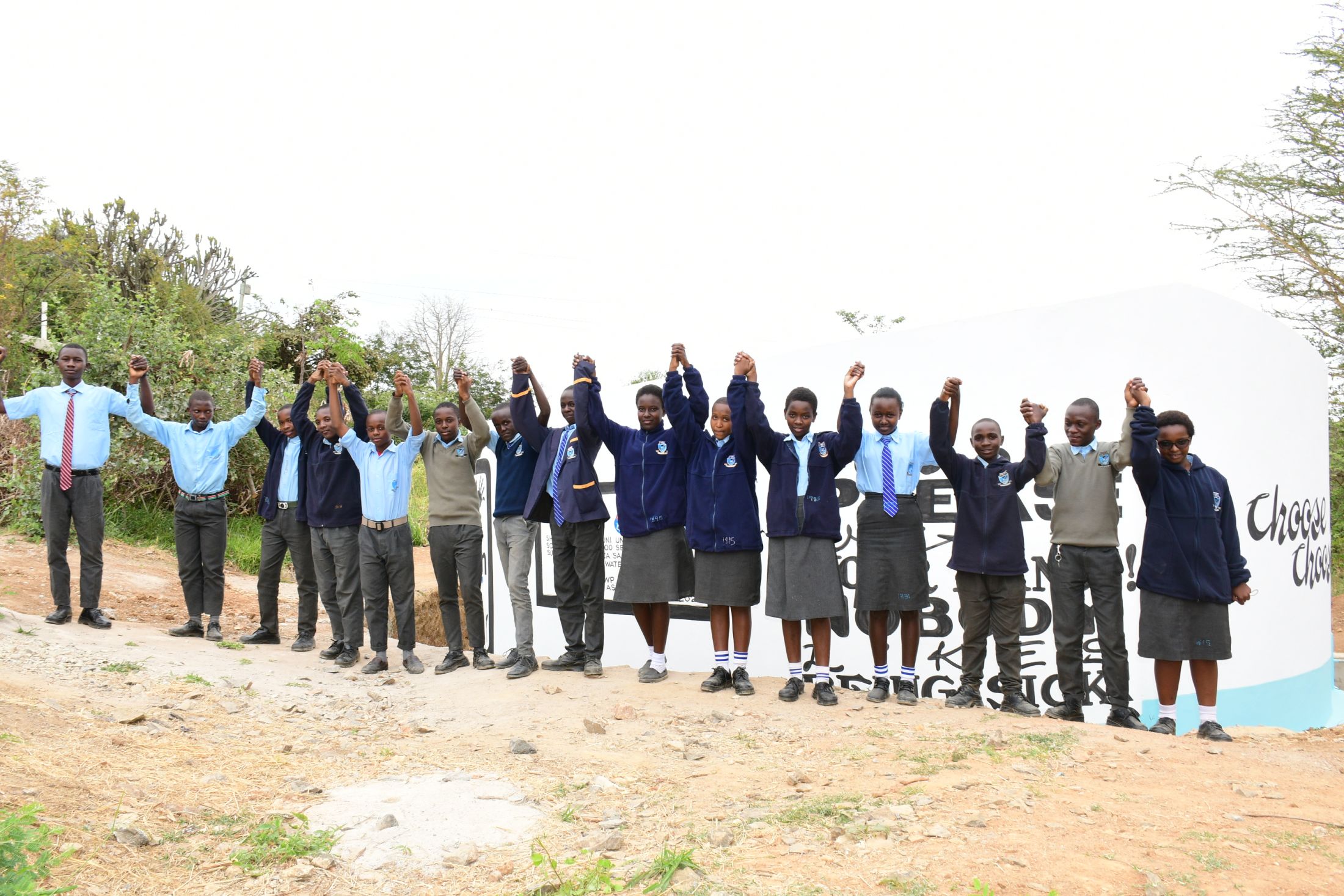
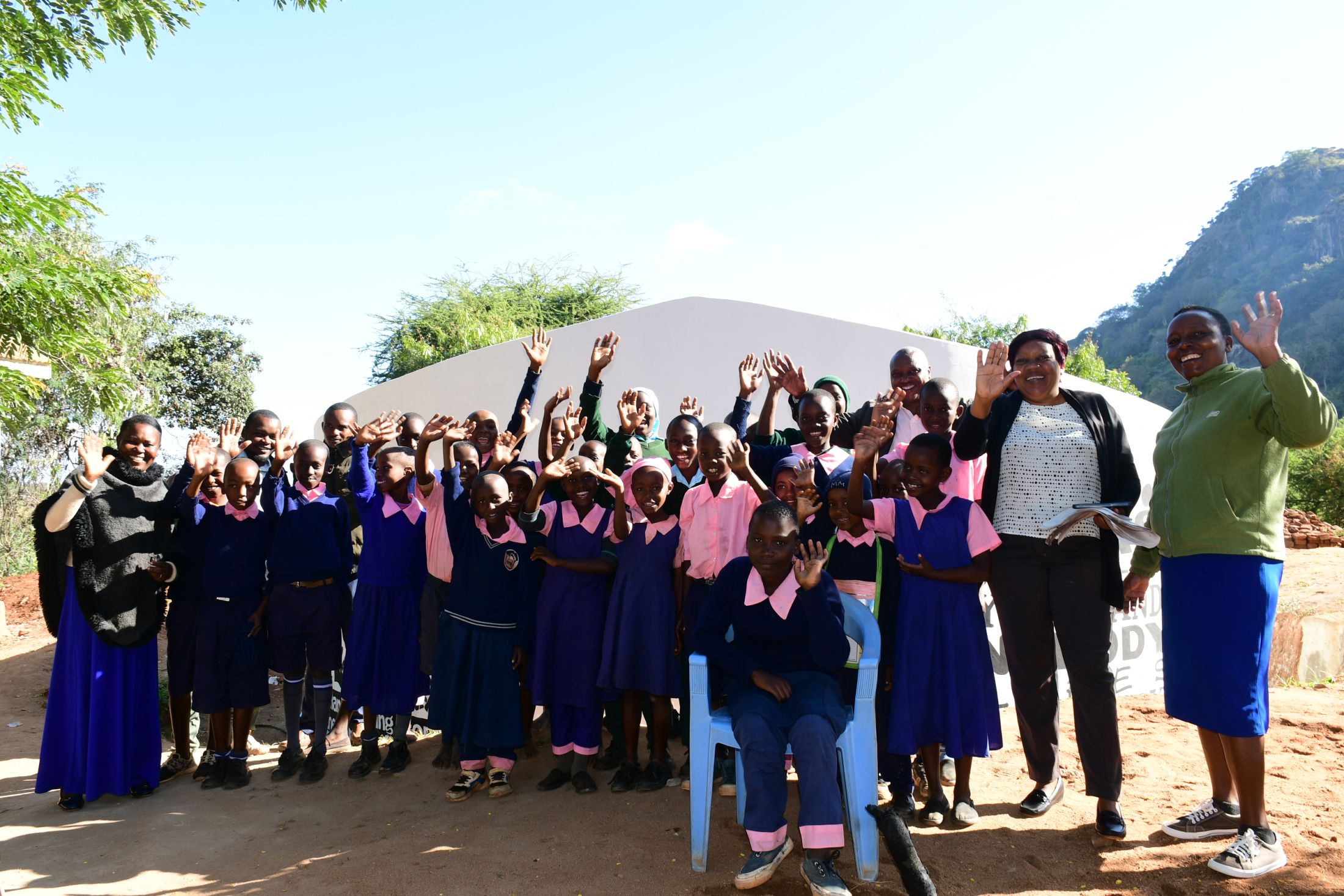
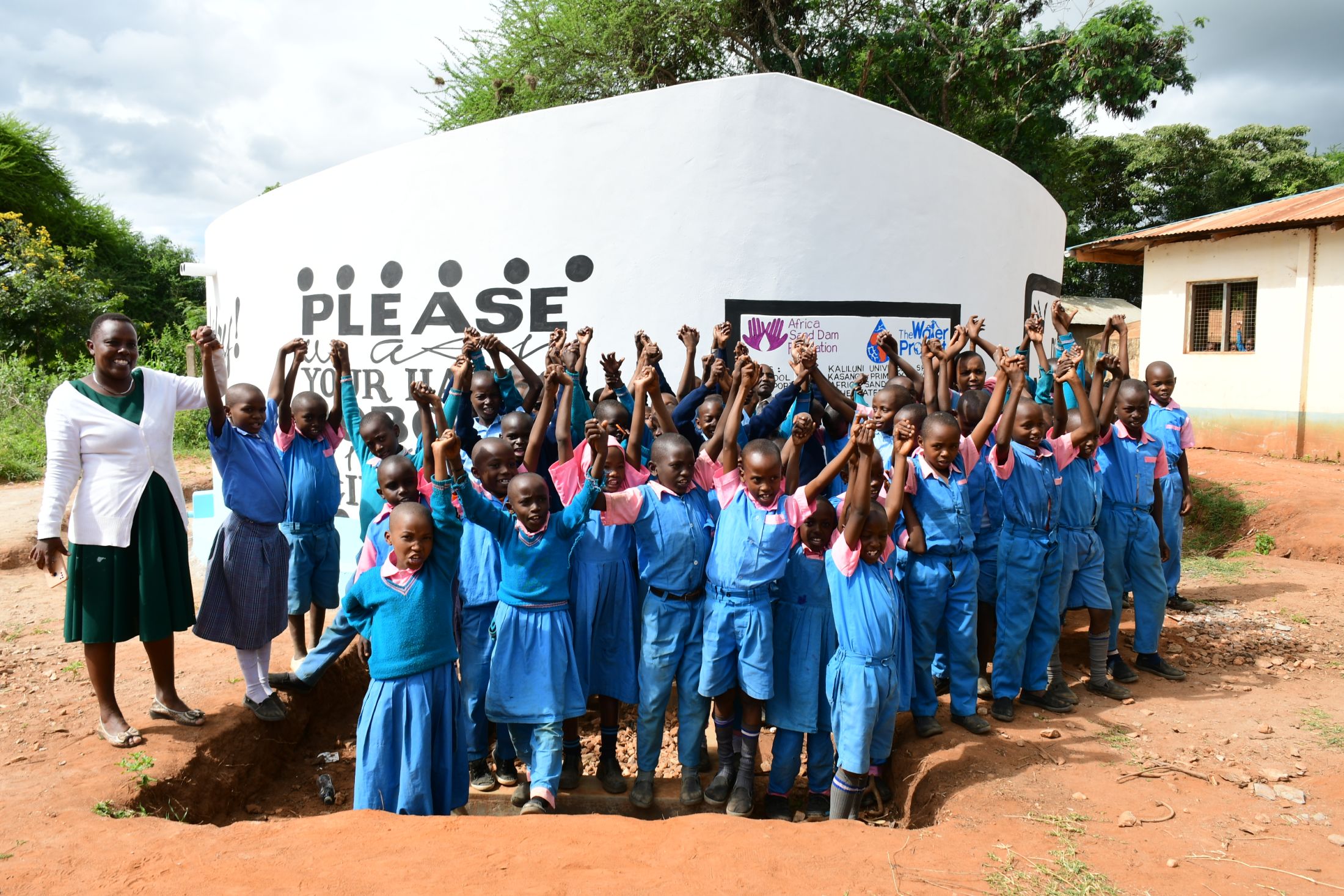
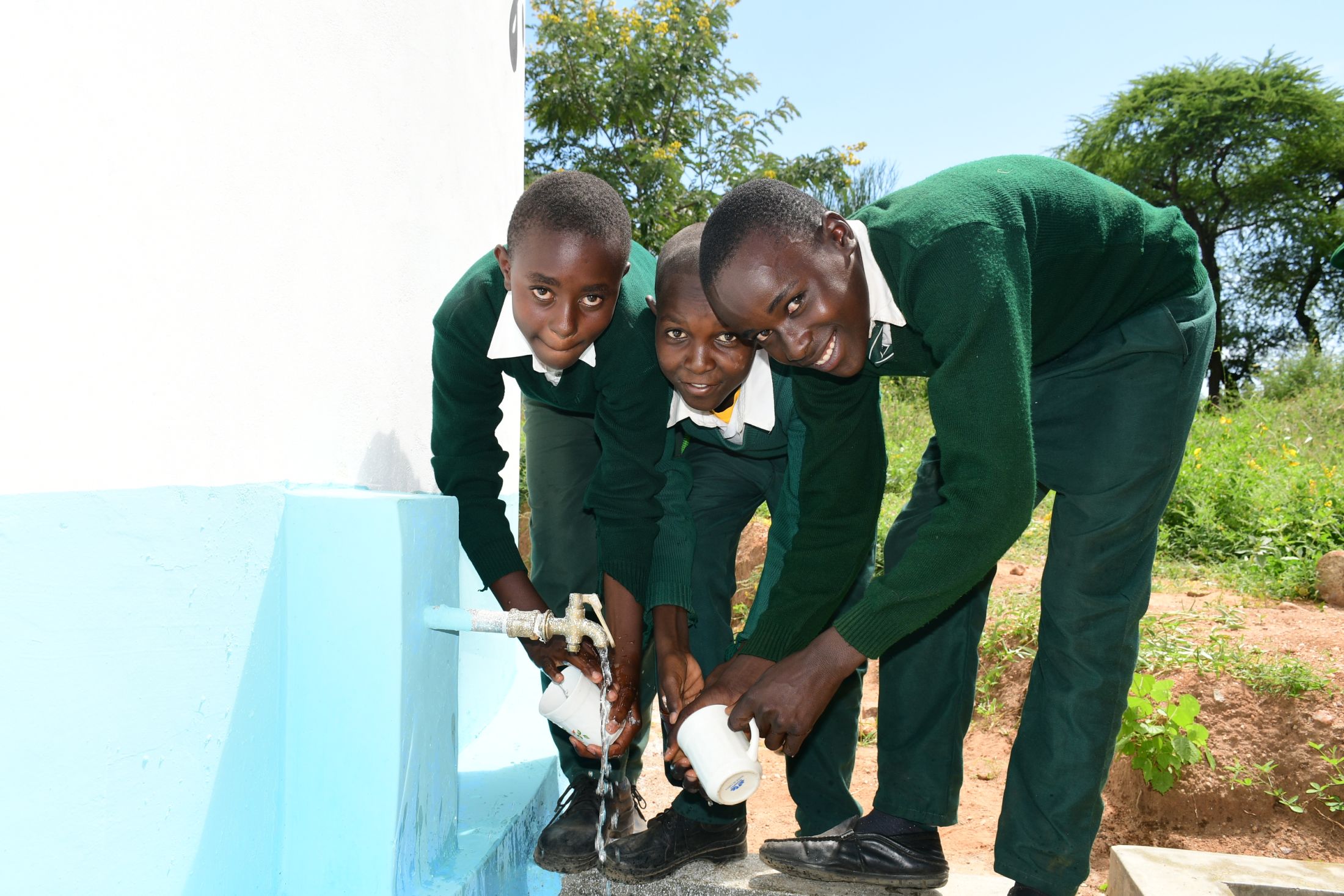
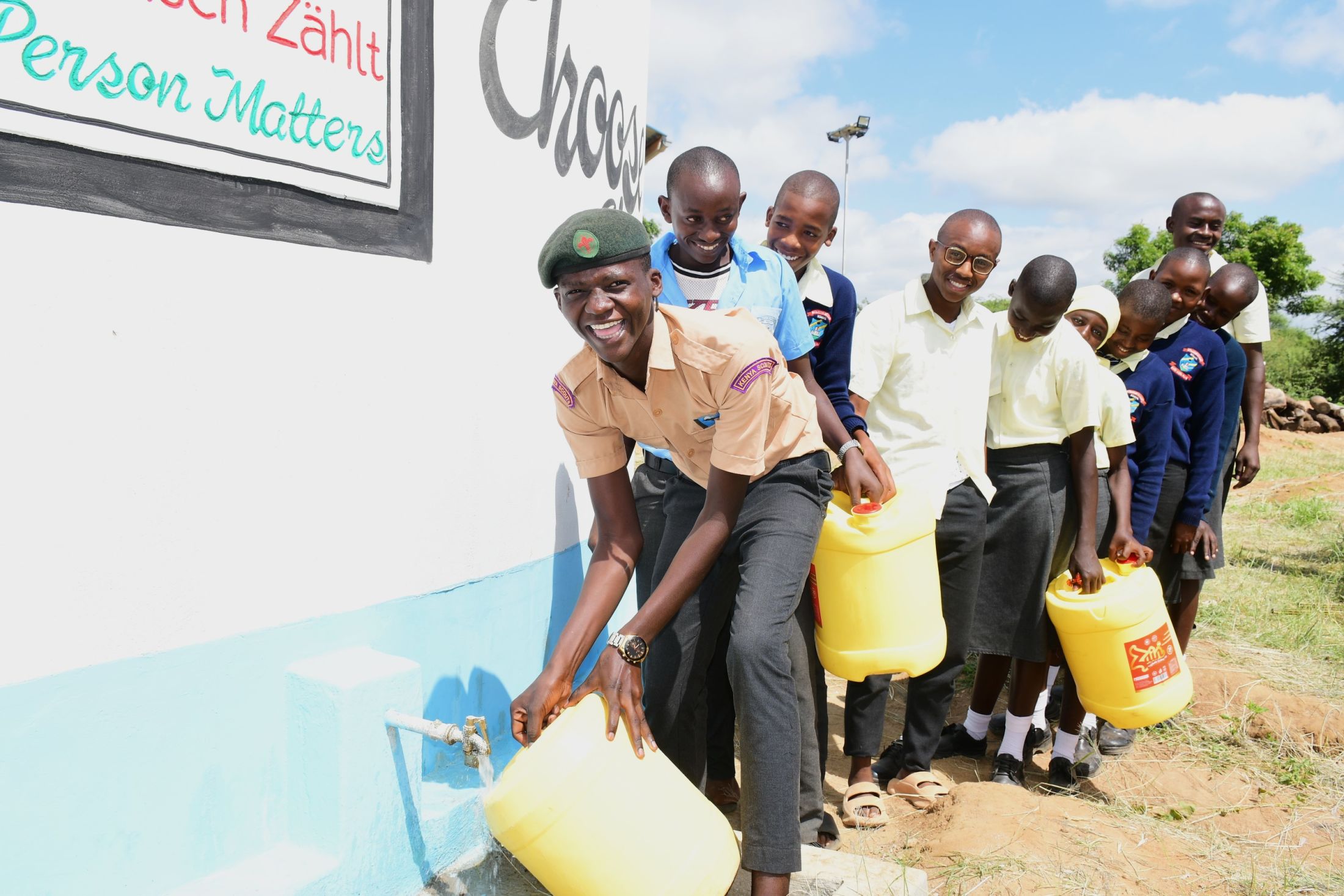
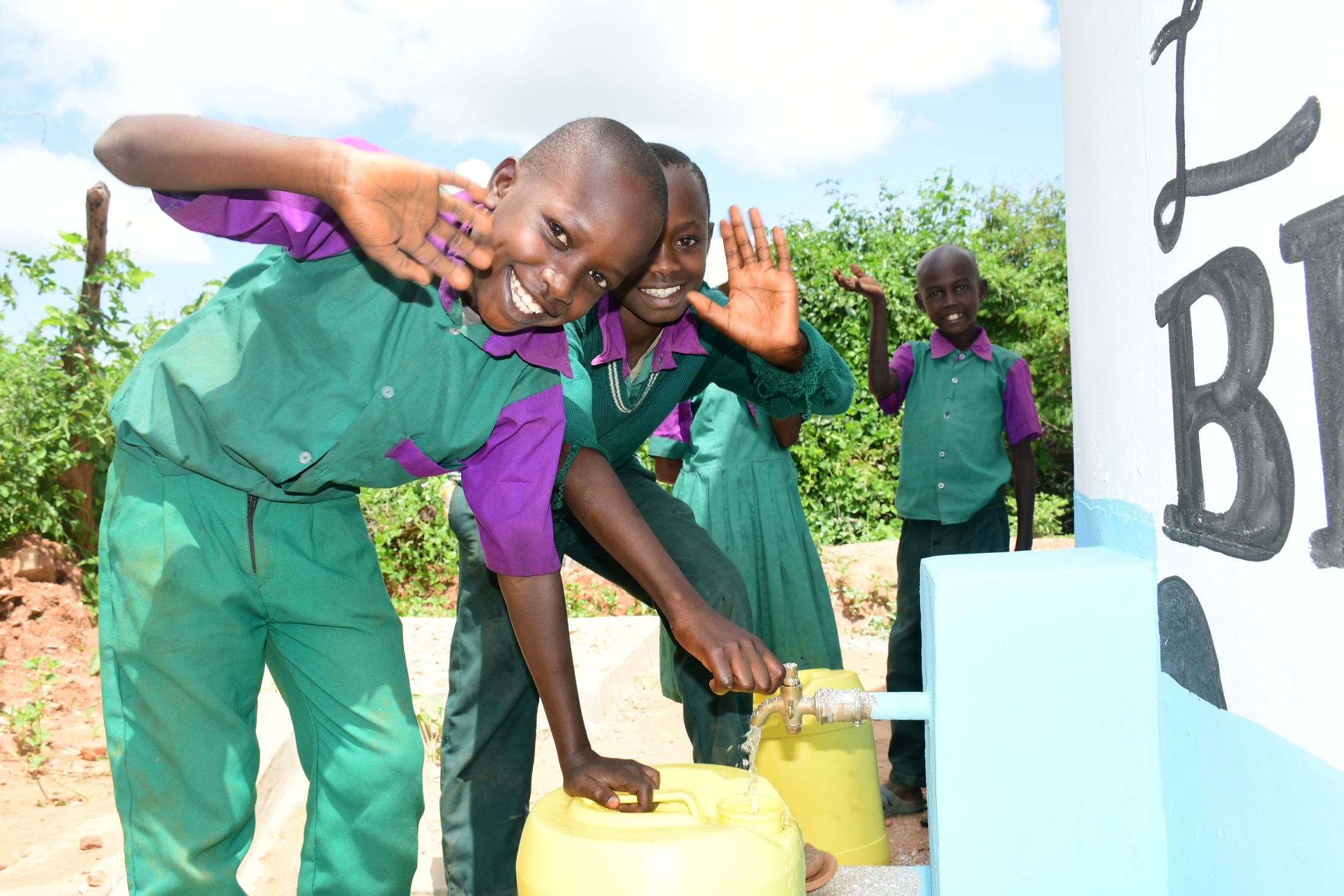
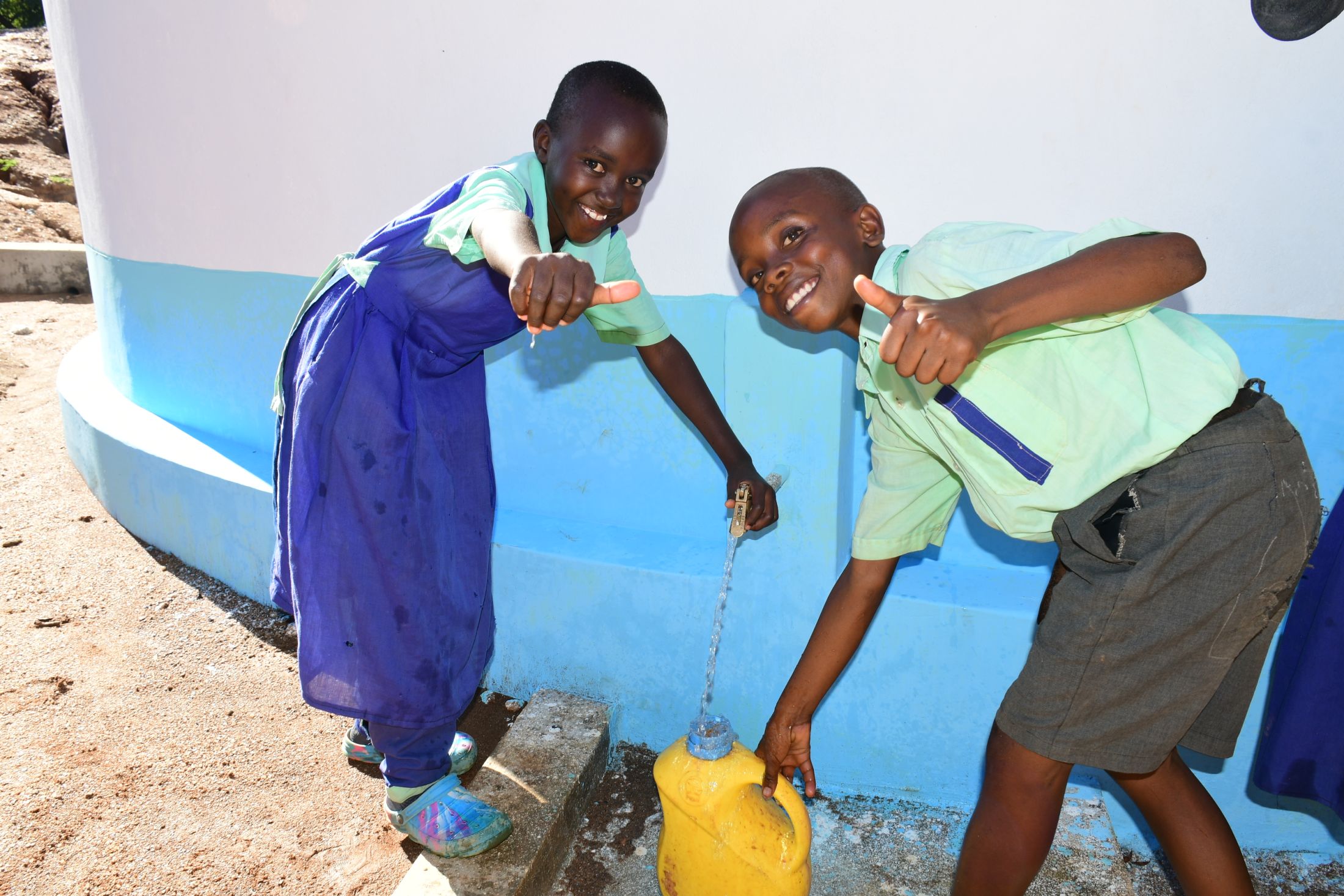
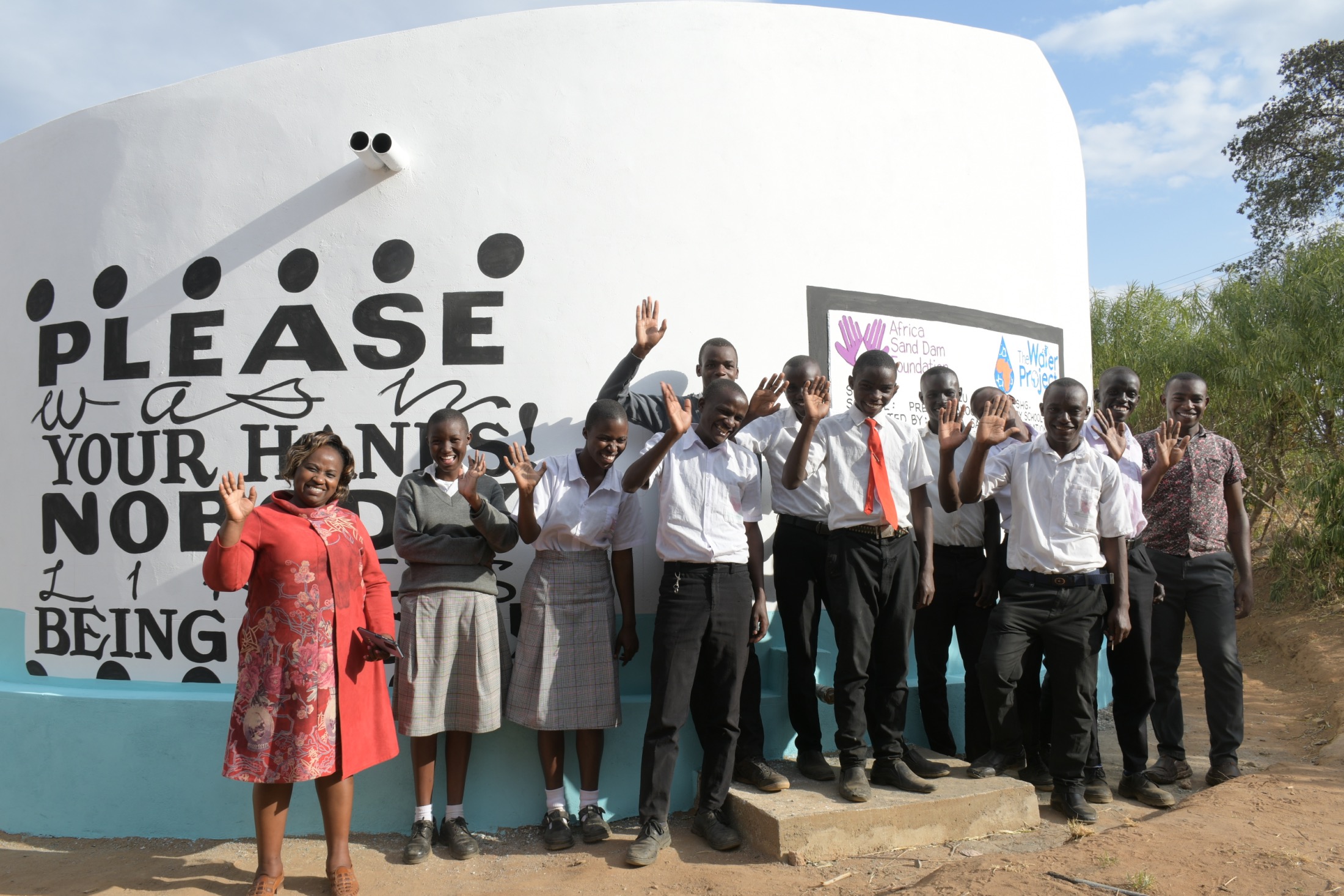
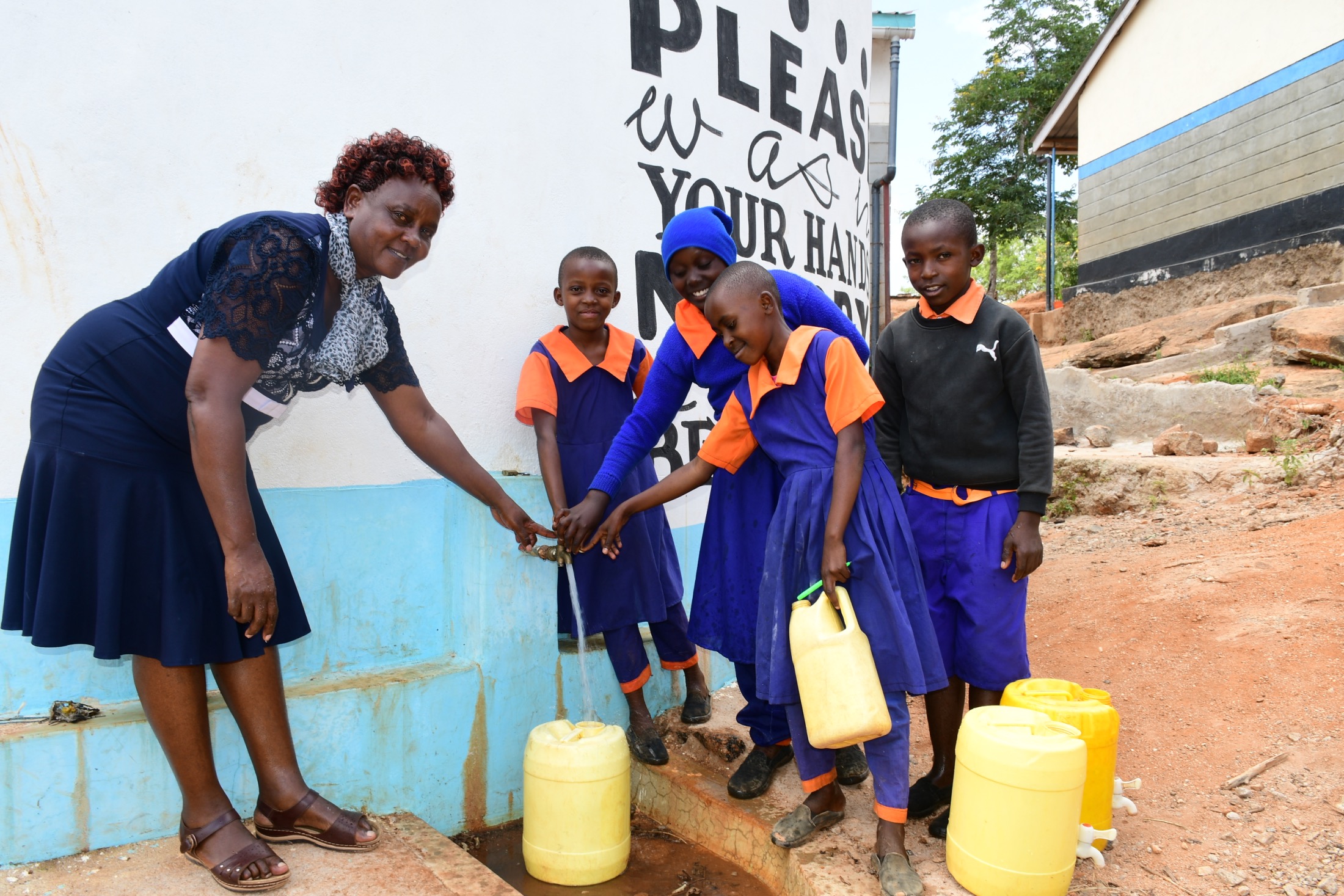
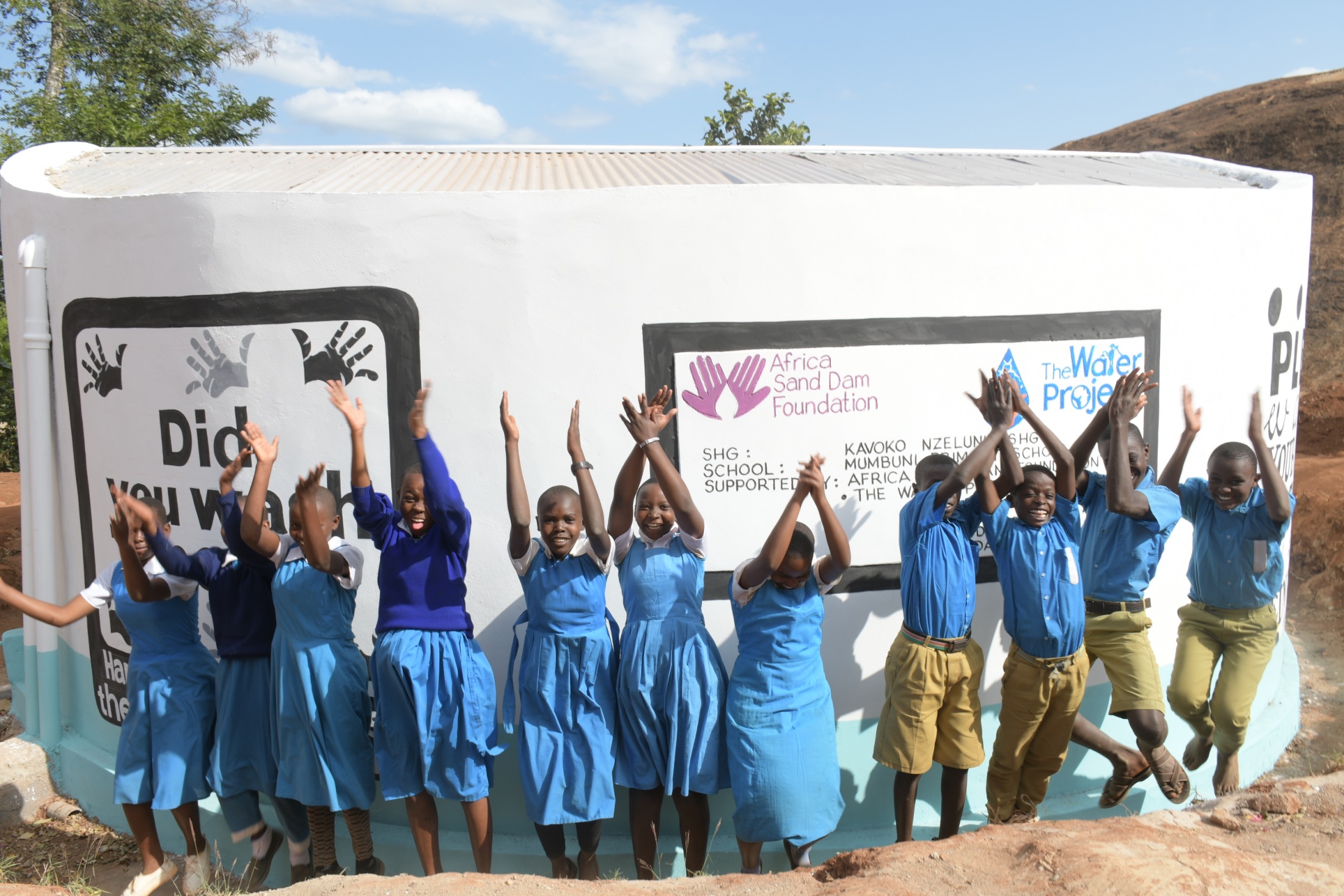
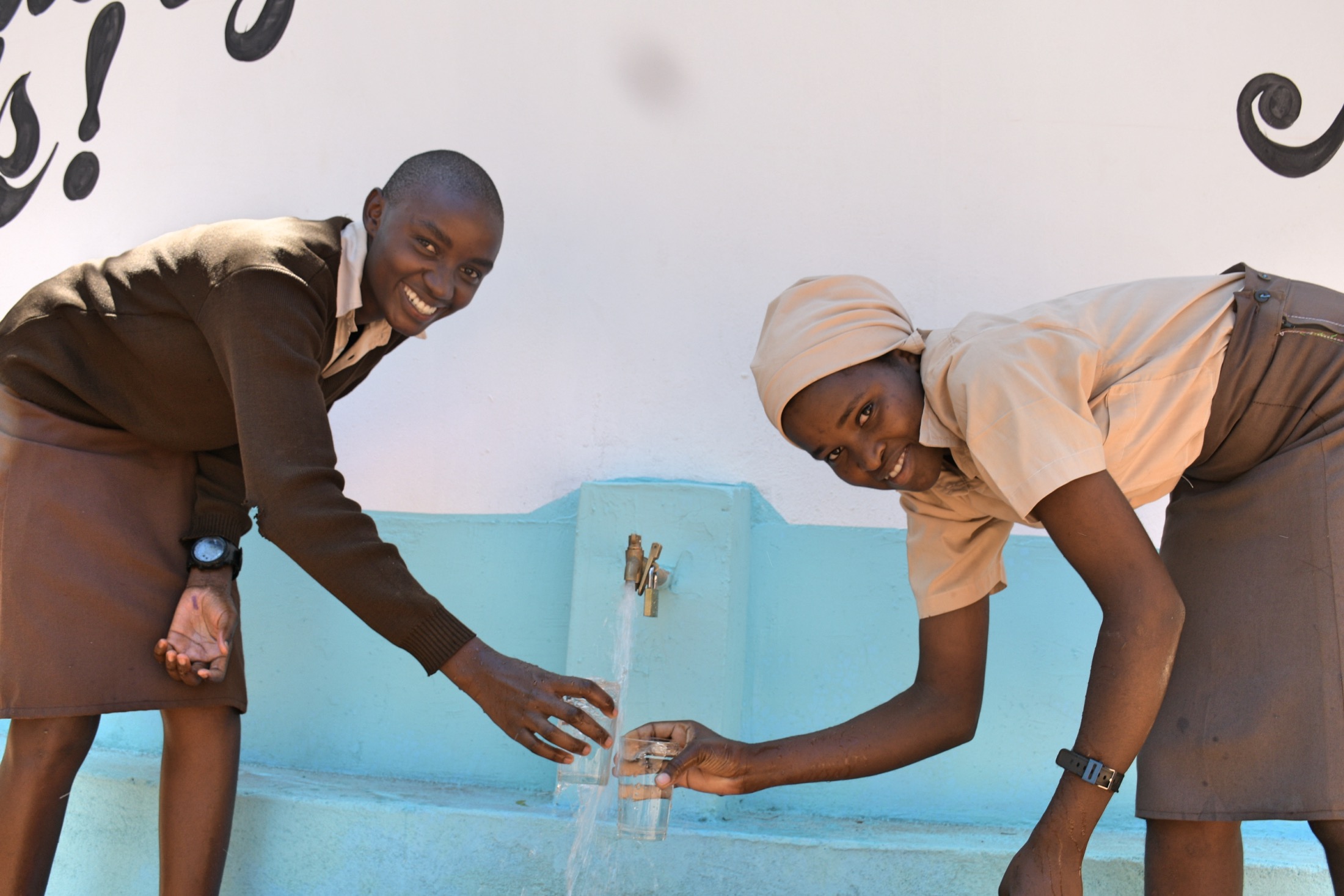
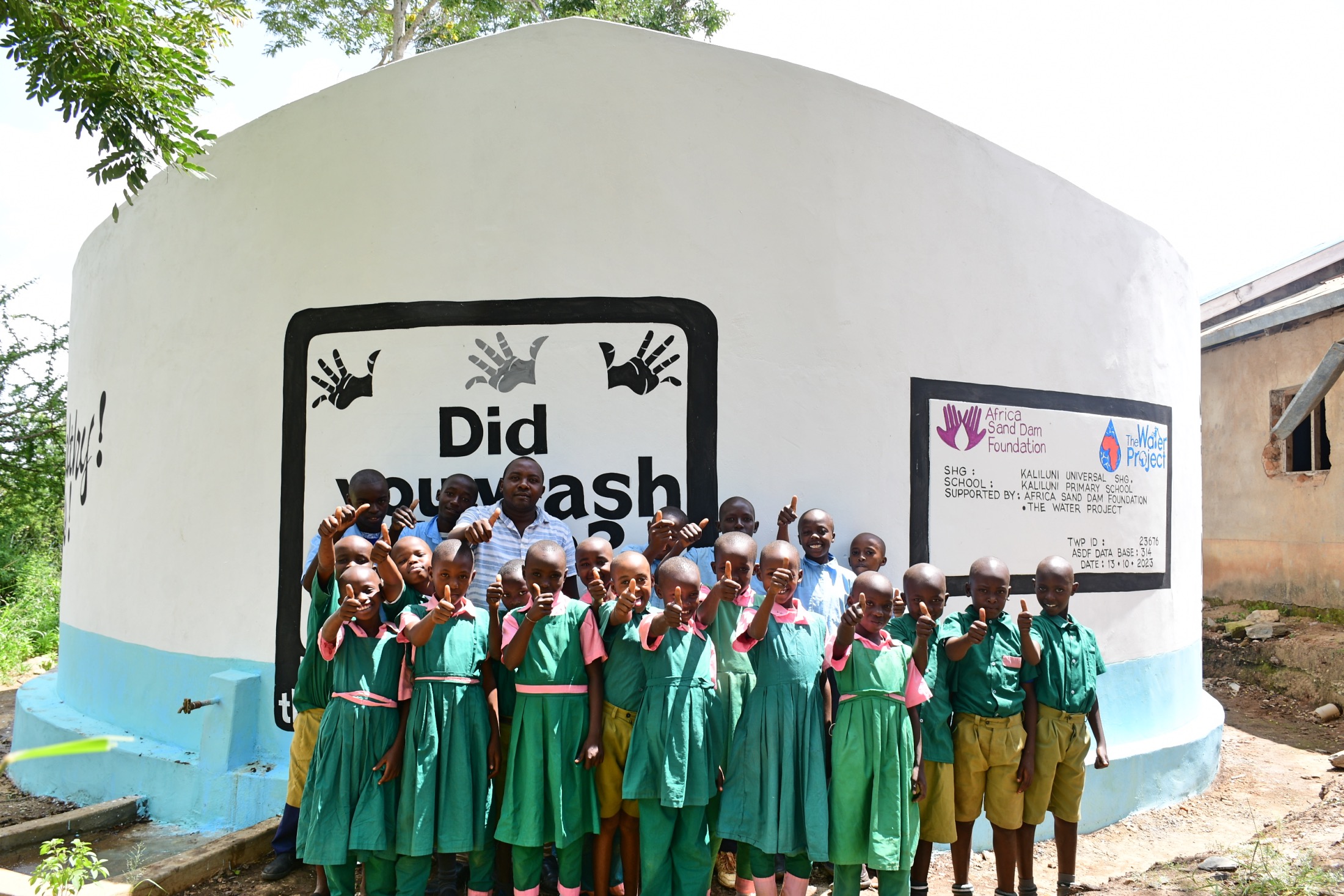
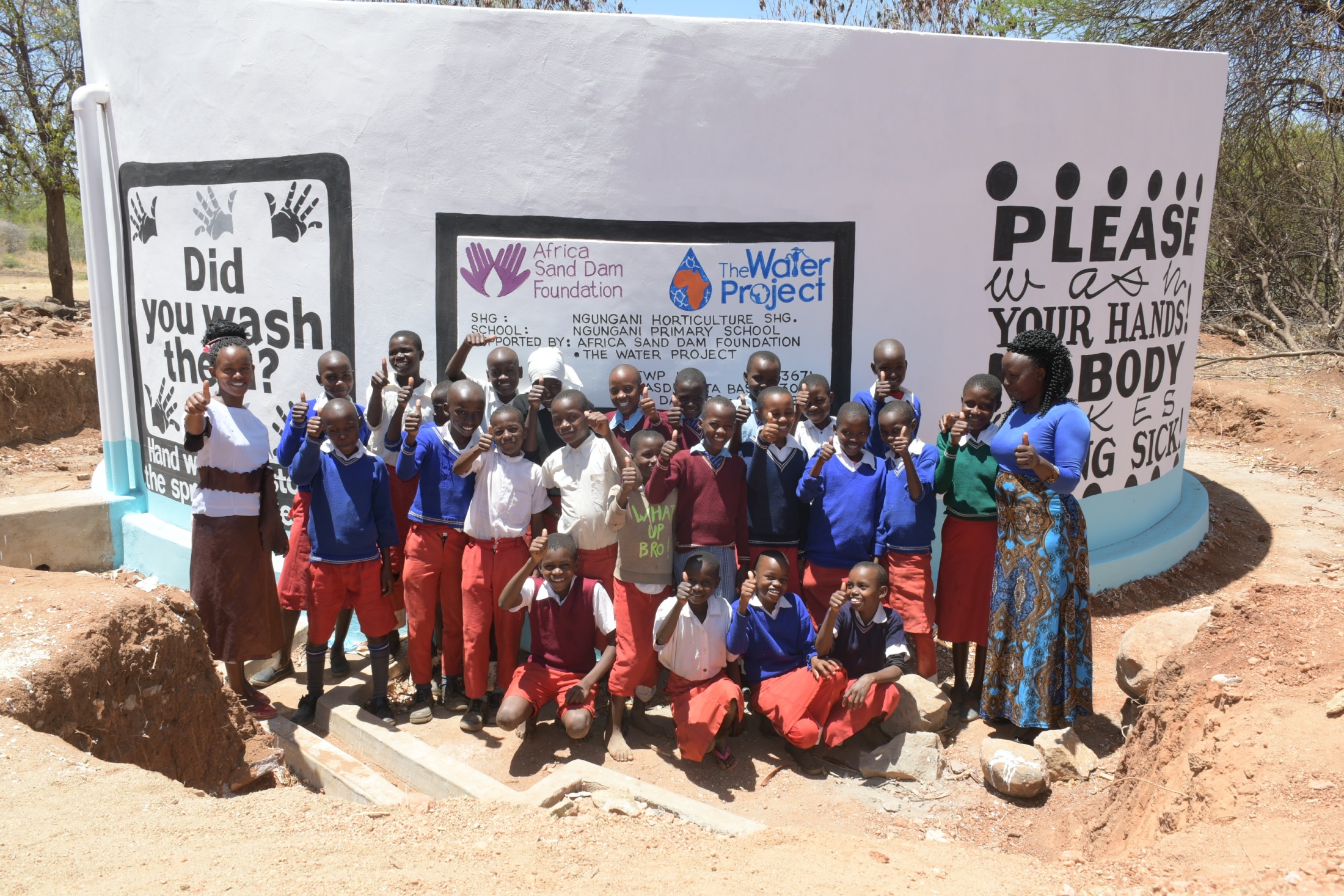
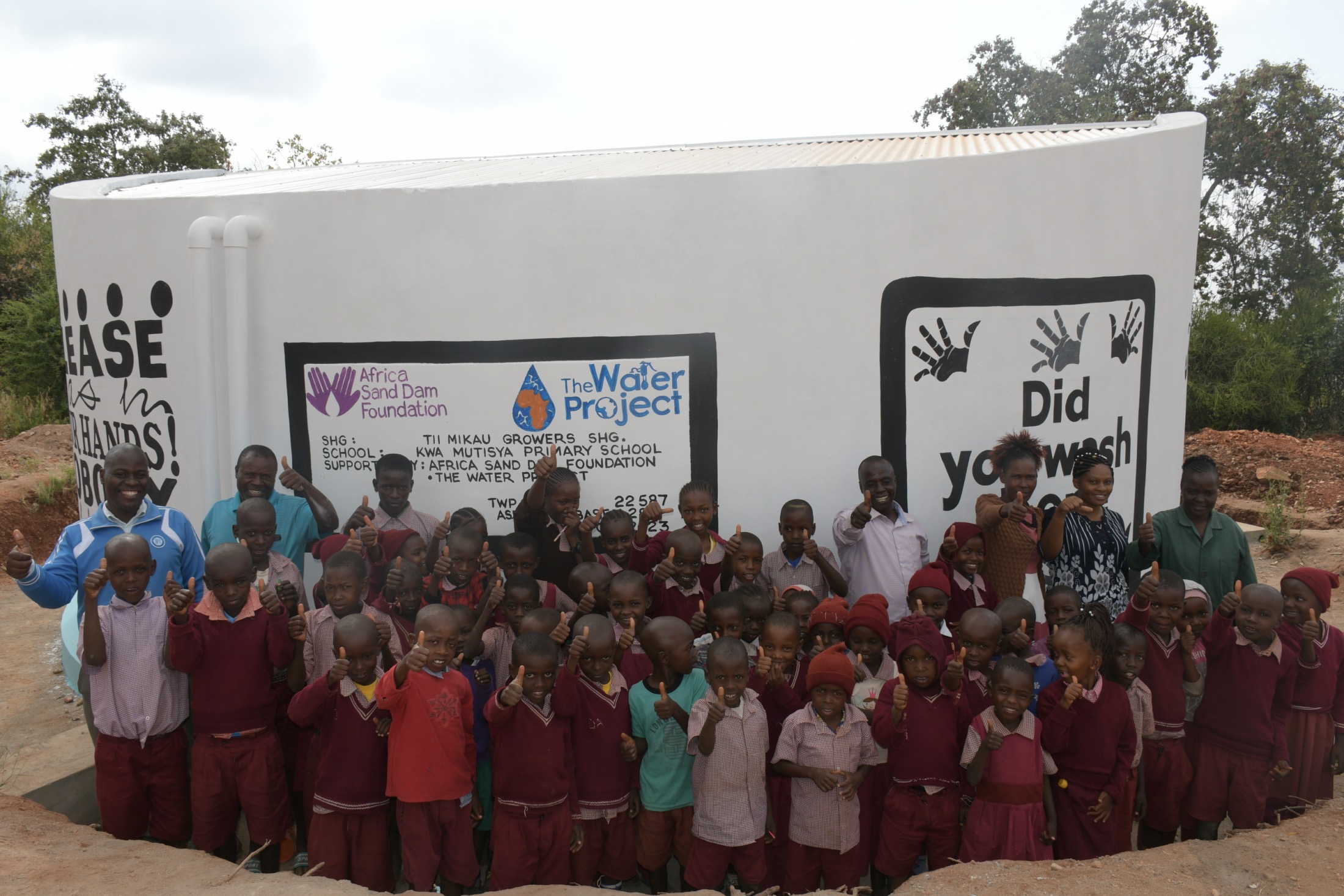
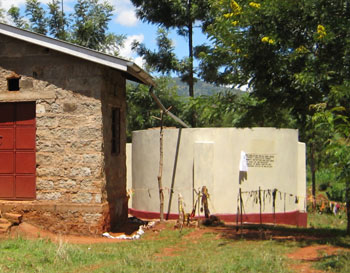
Also called rain harvesting, these simple systems connect downspouts (gutters) to a central water tank capable of holding about 100,000 litres of water or more. Often, in African countries, the issue is not that it never rains, but rather that when it does, most of the runoff is lost. These water systems make the best use of what little rain there is.

Rain water harvesting has been around for hundreds of years. It is in use in developed and under-developed nations alike. In Australia for instance, many homes away from the cities use it as a primary source of water.

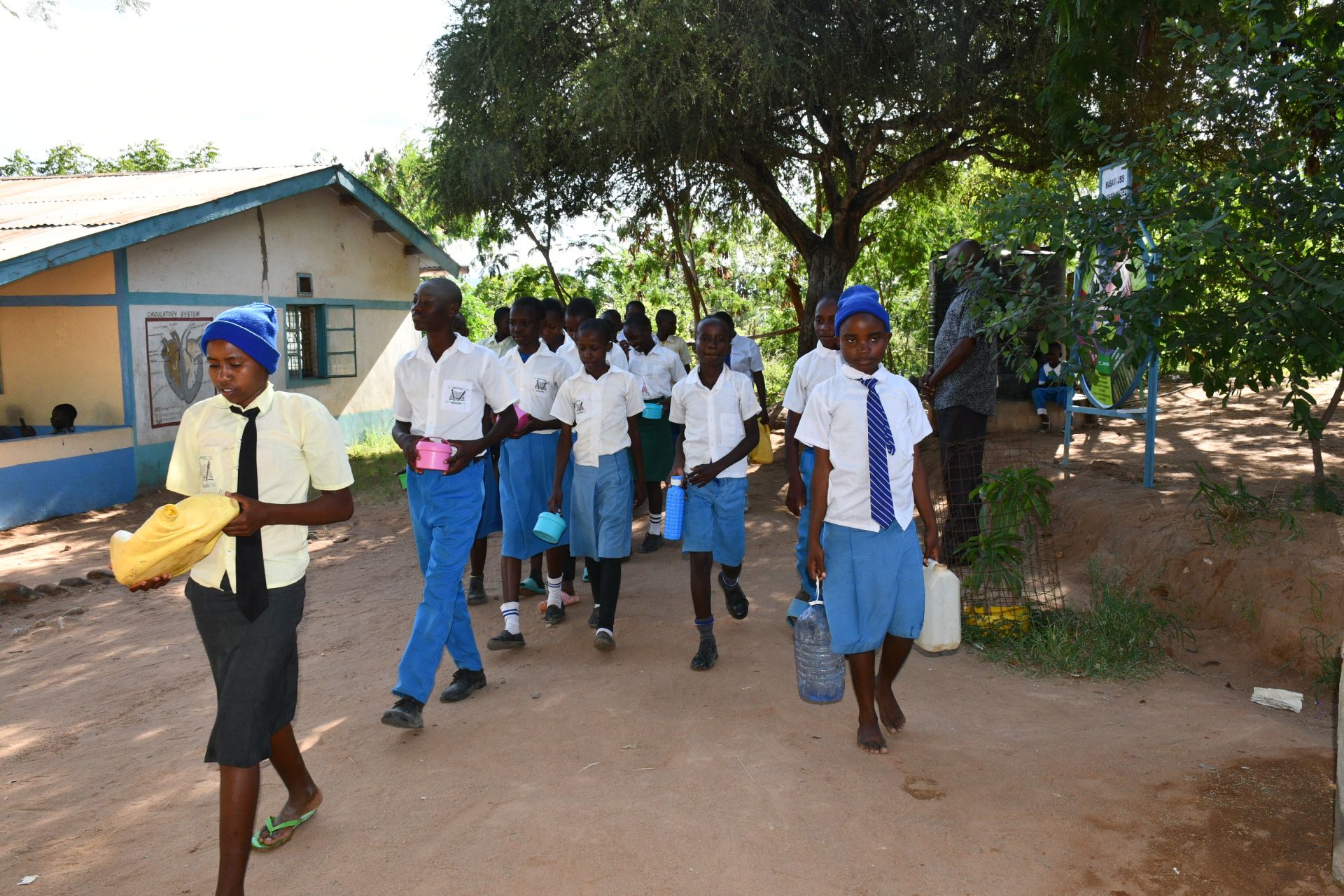
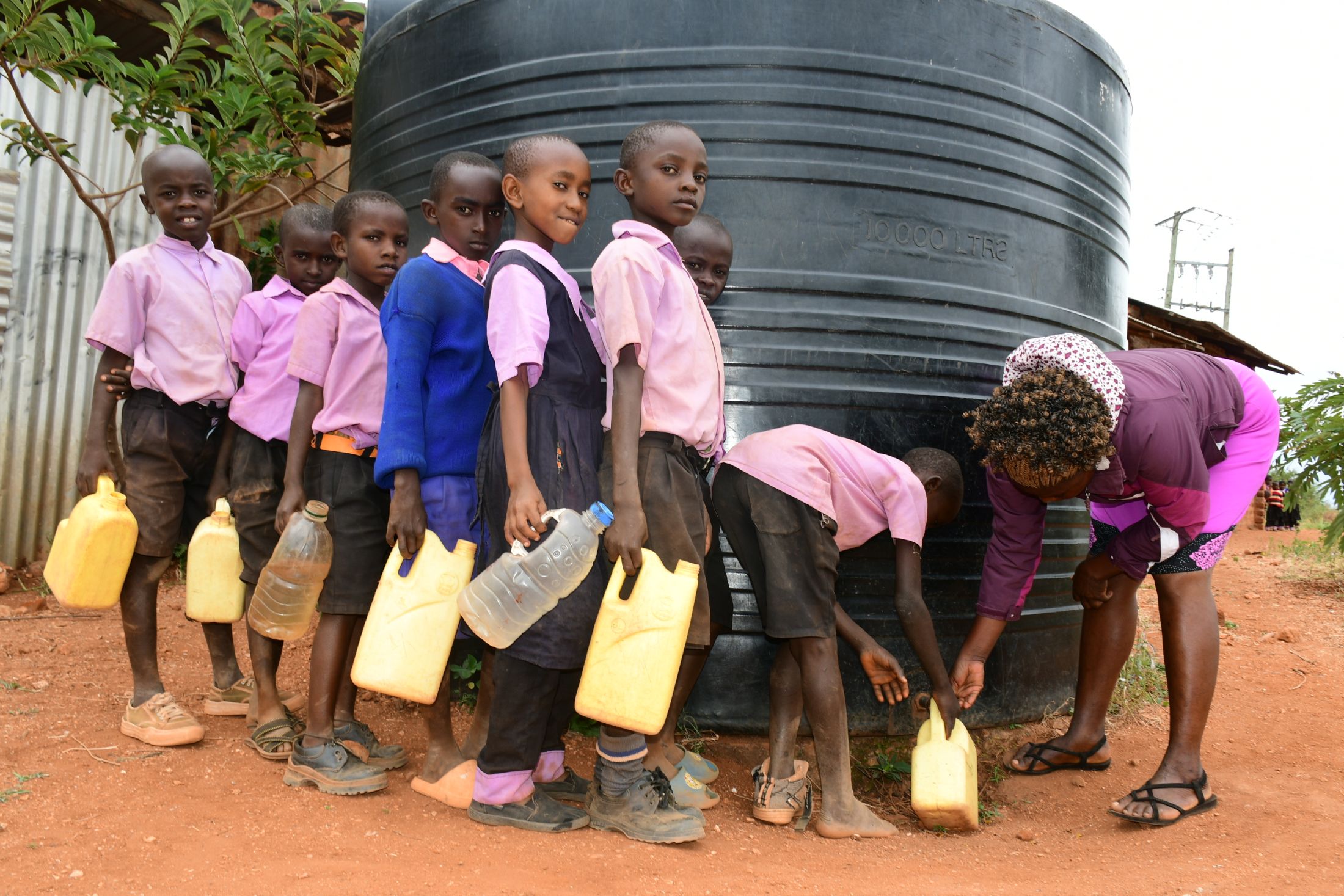
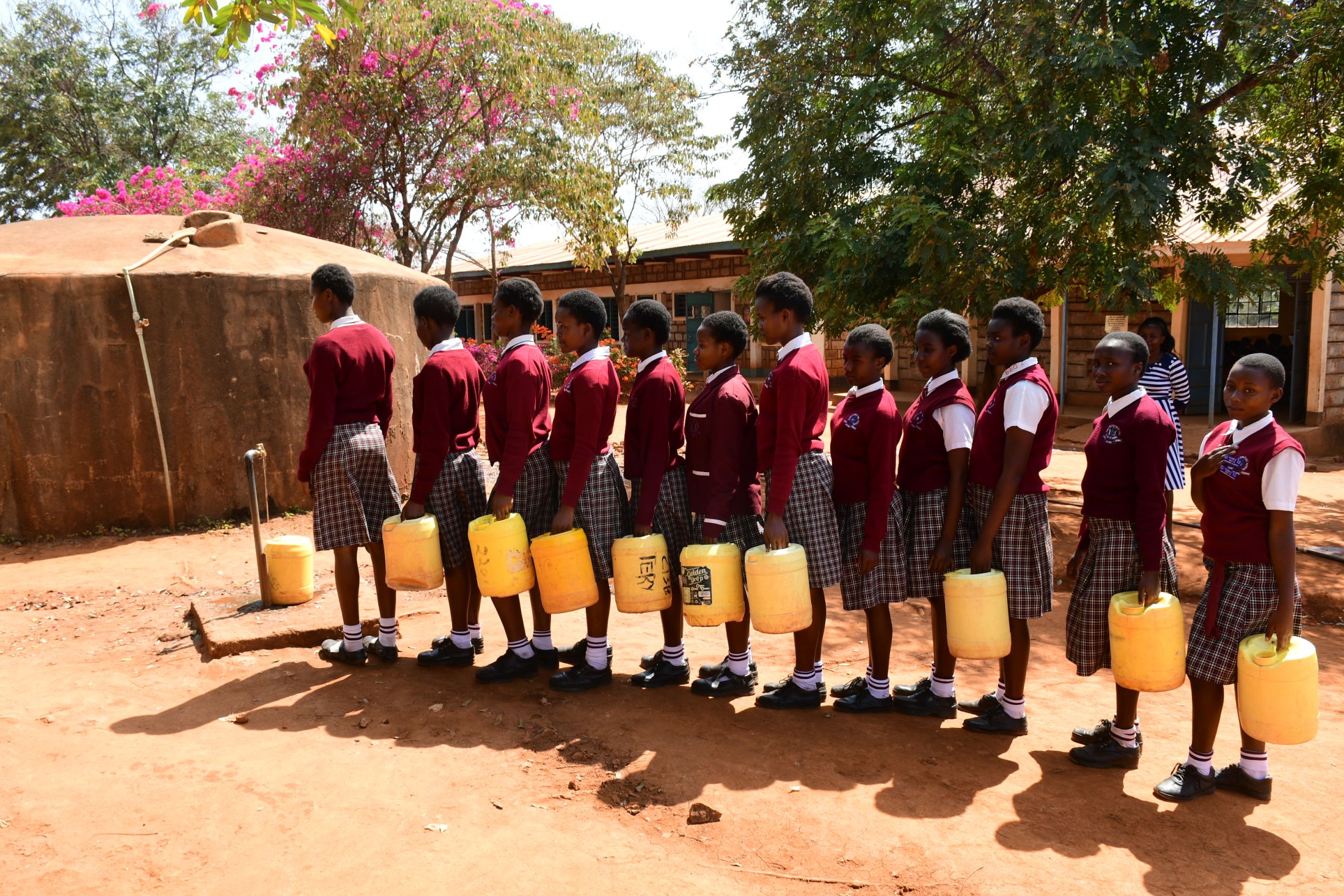
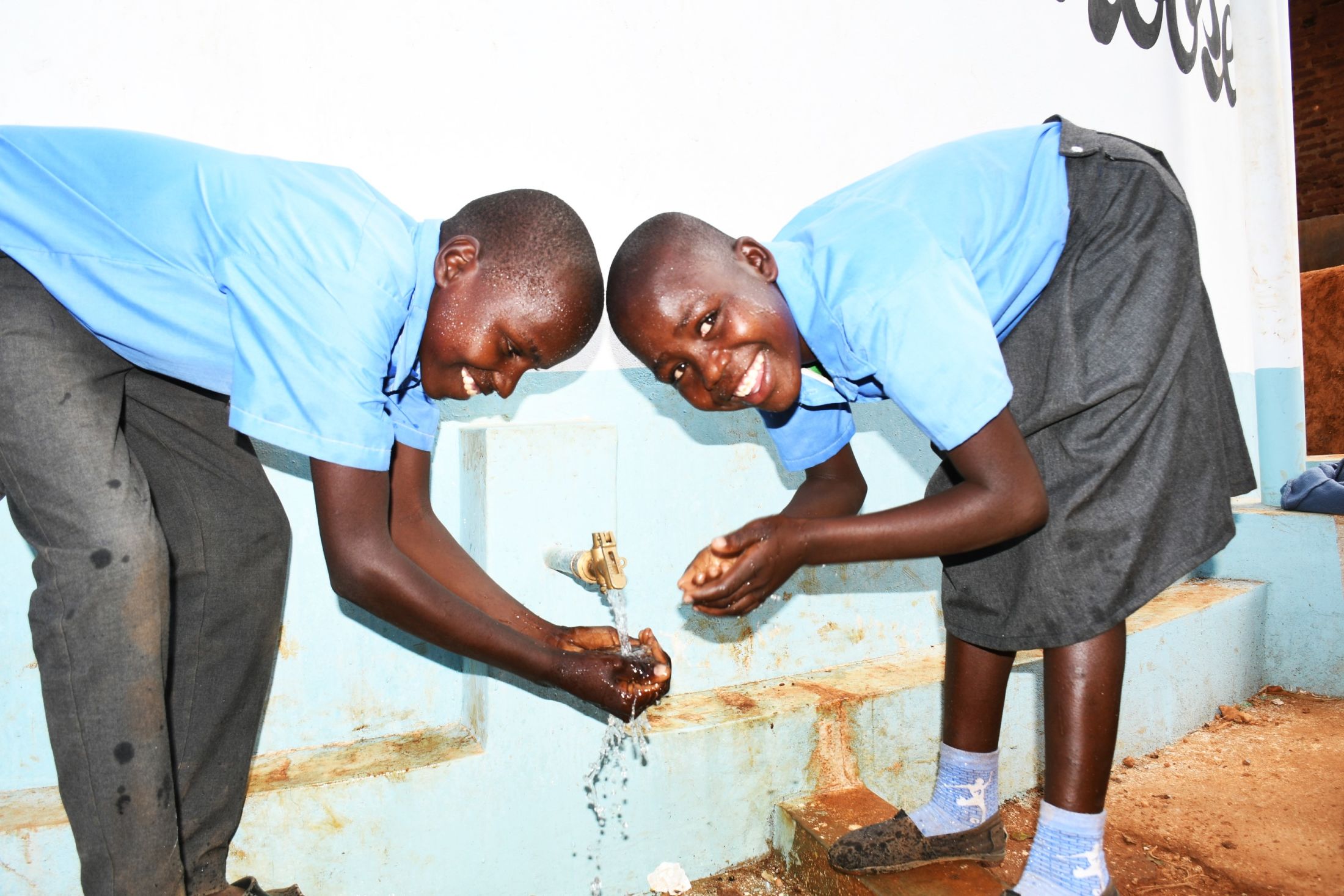
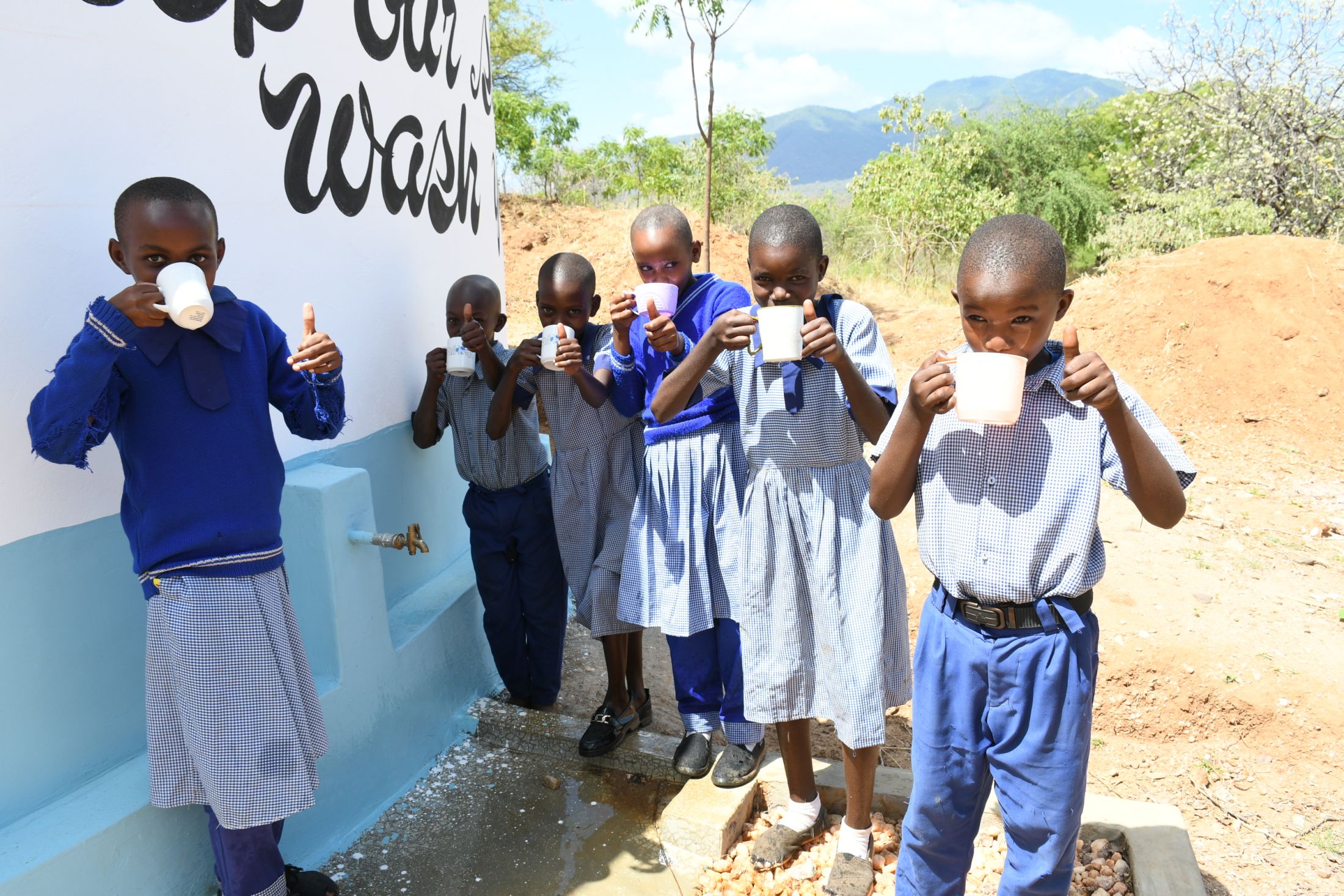
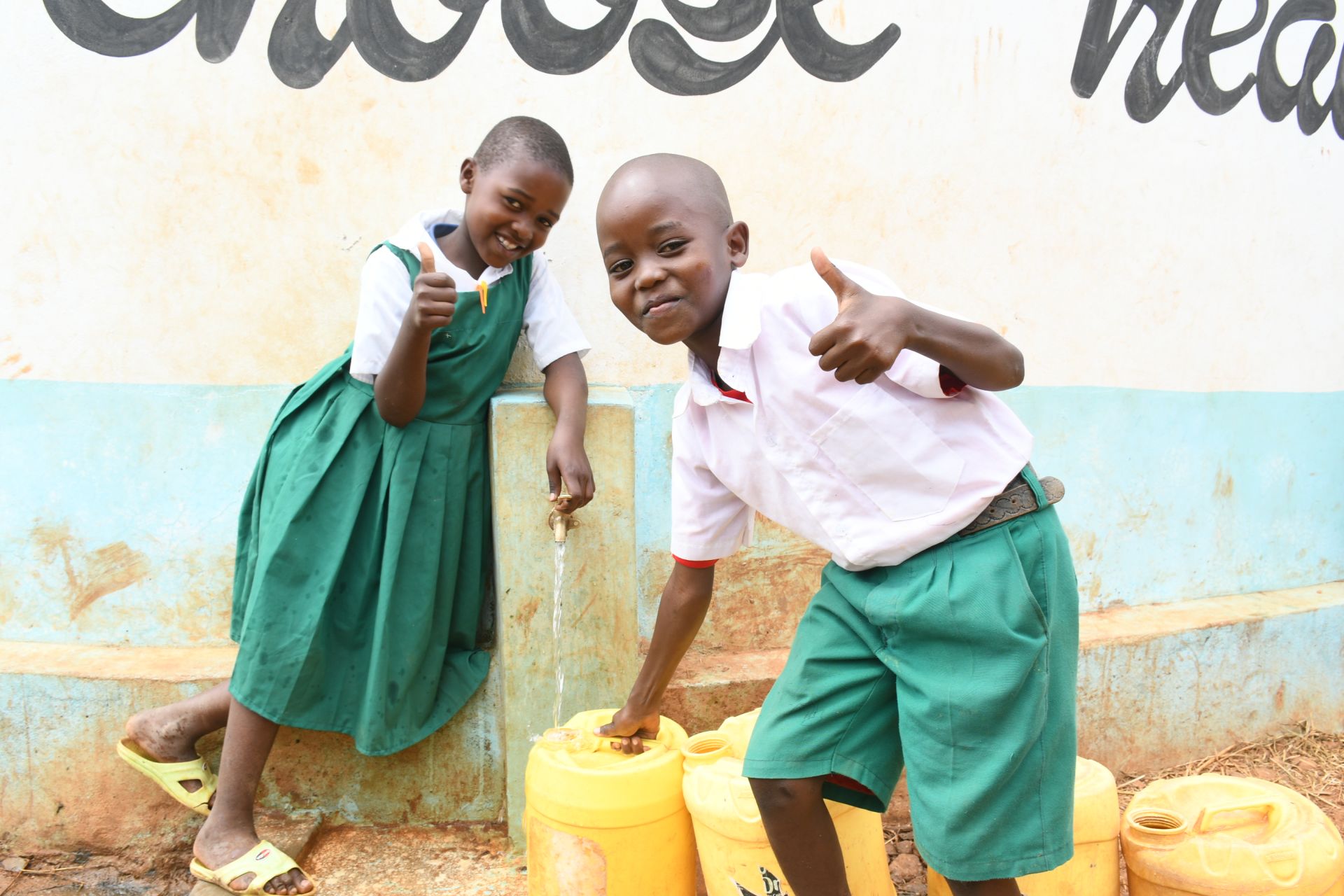
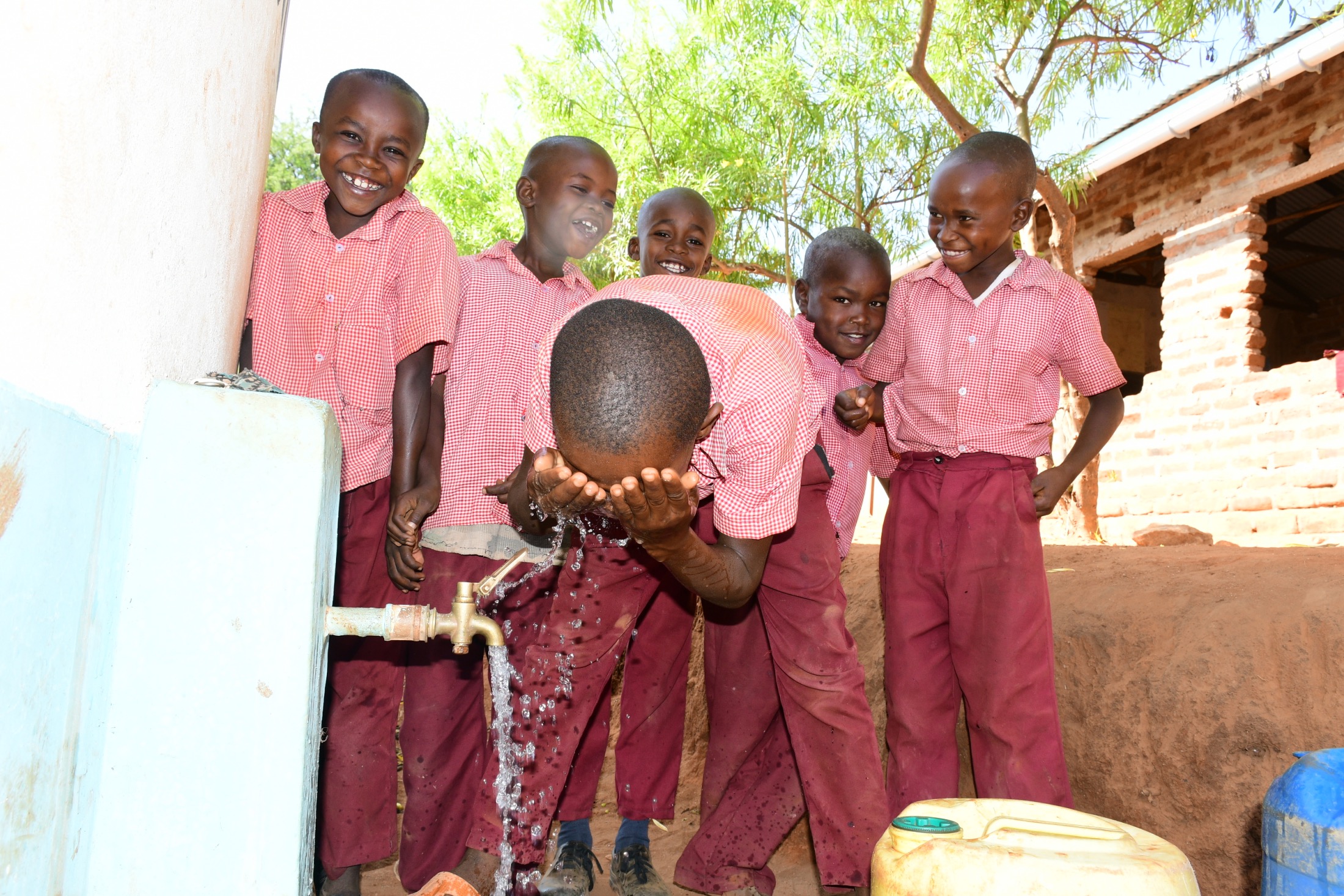
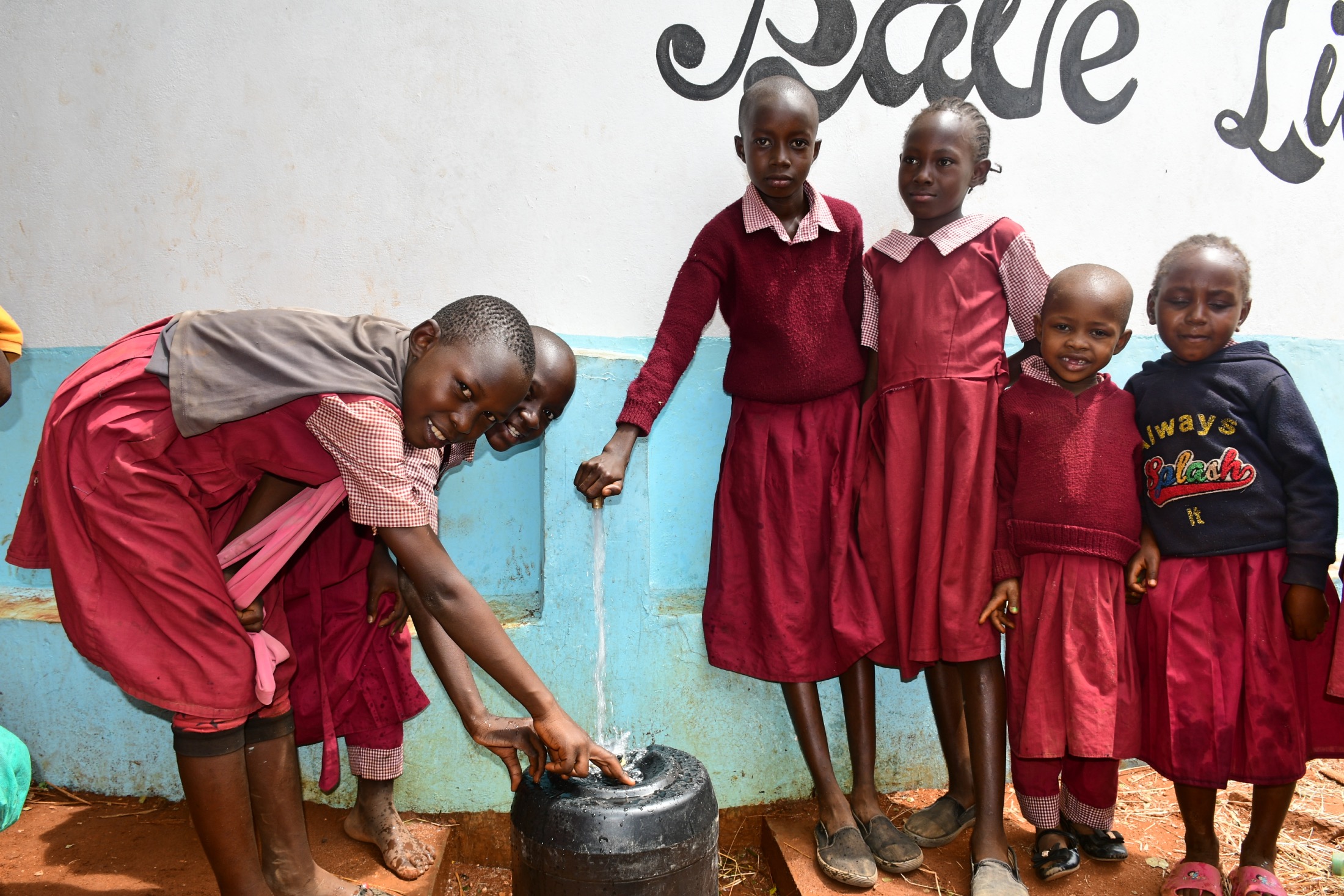
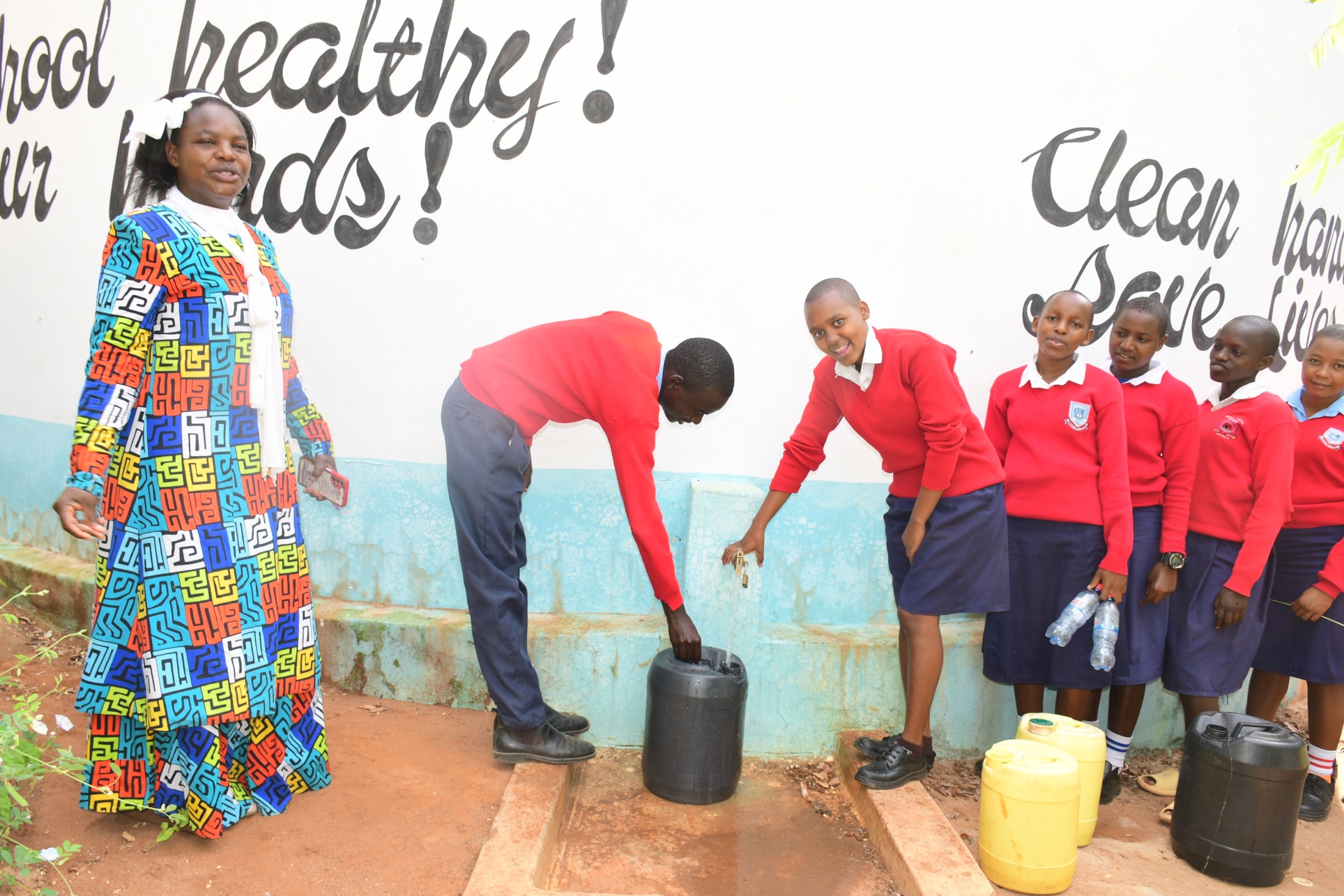
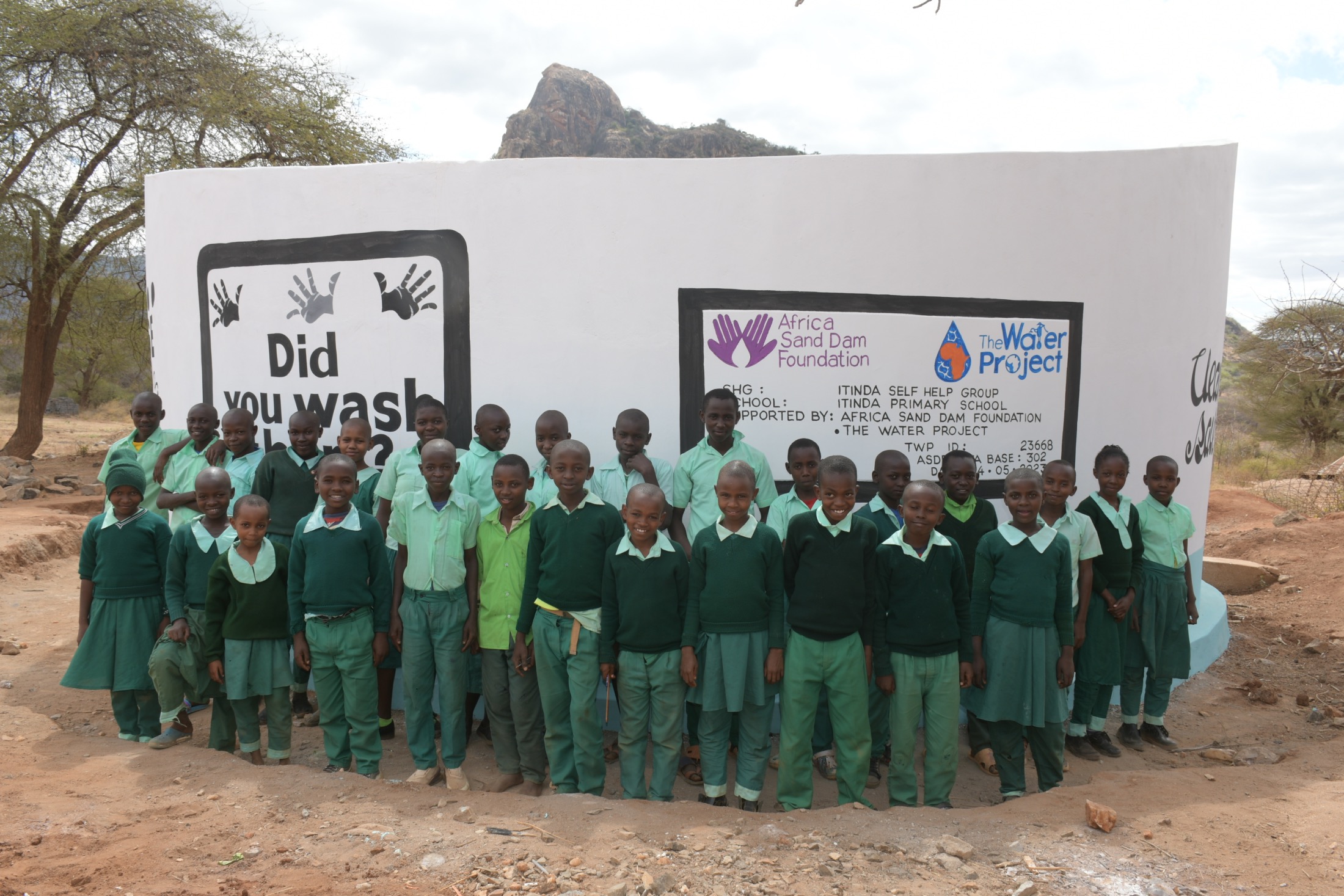
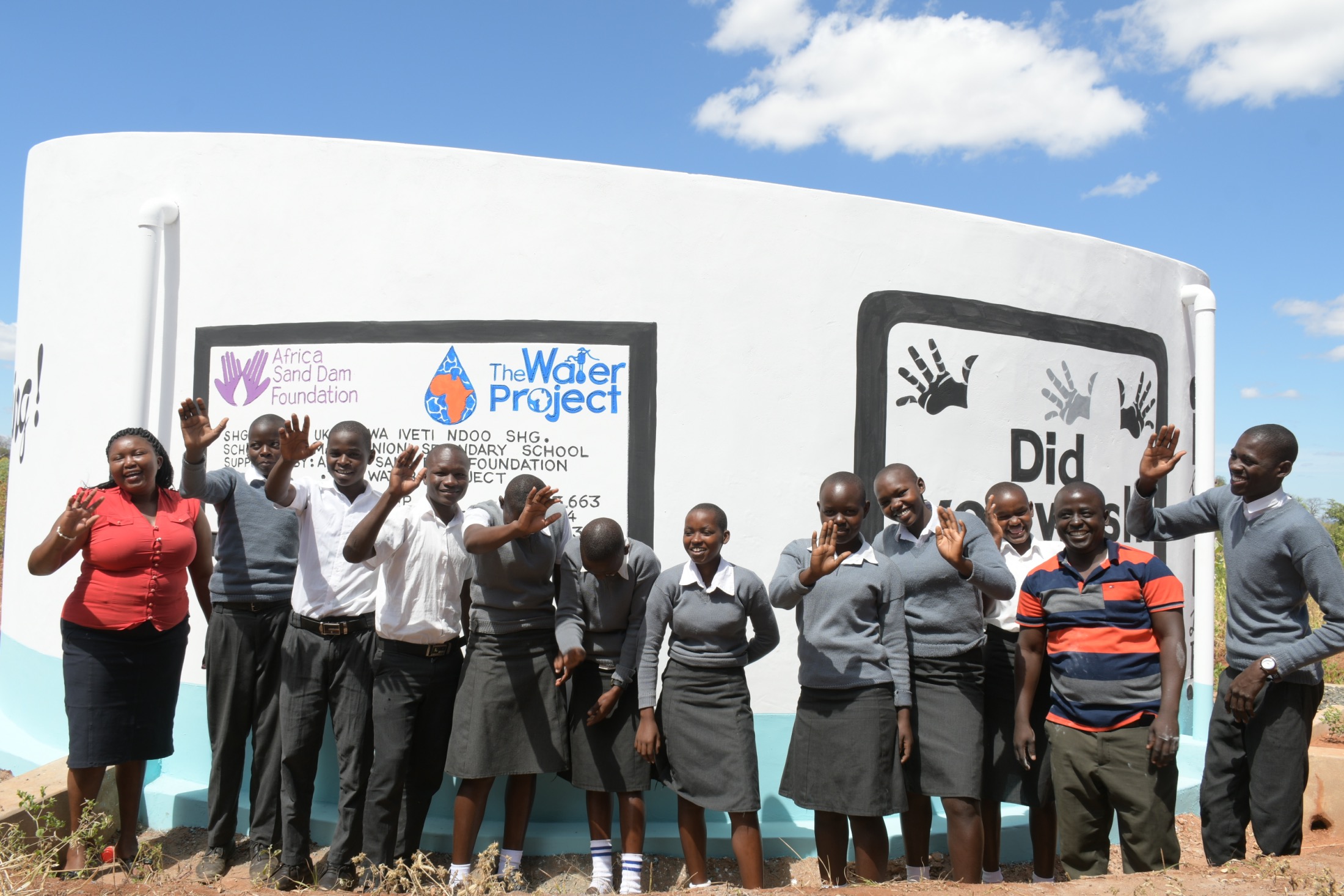
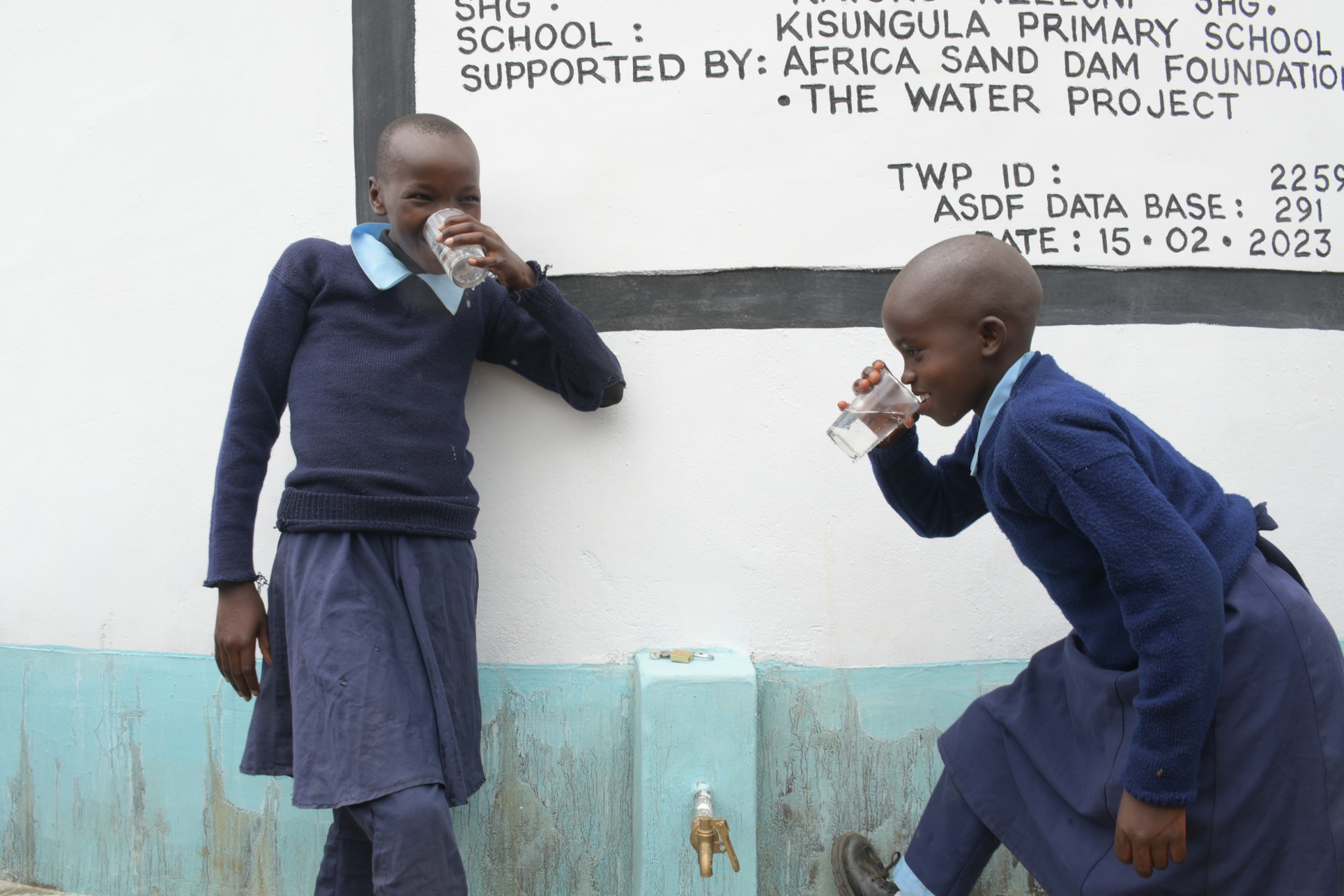
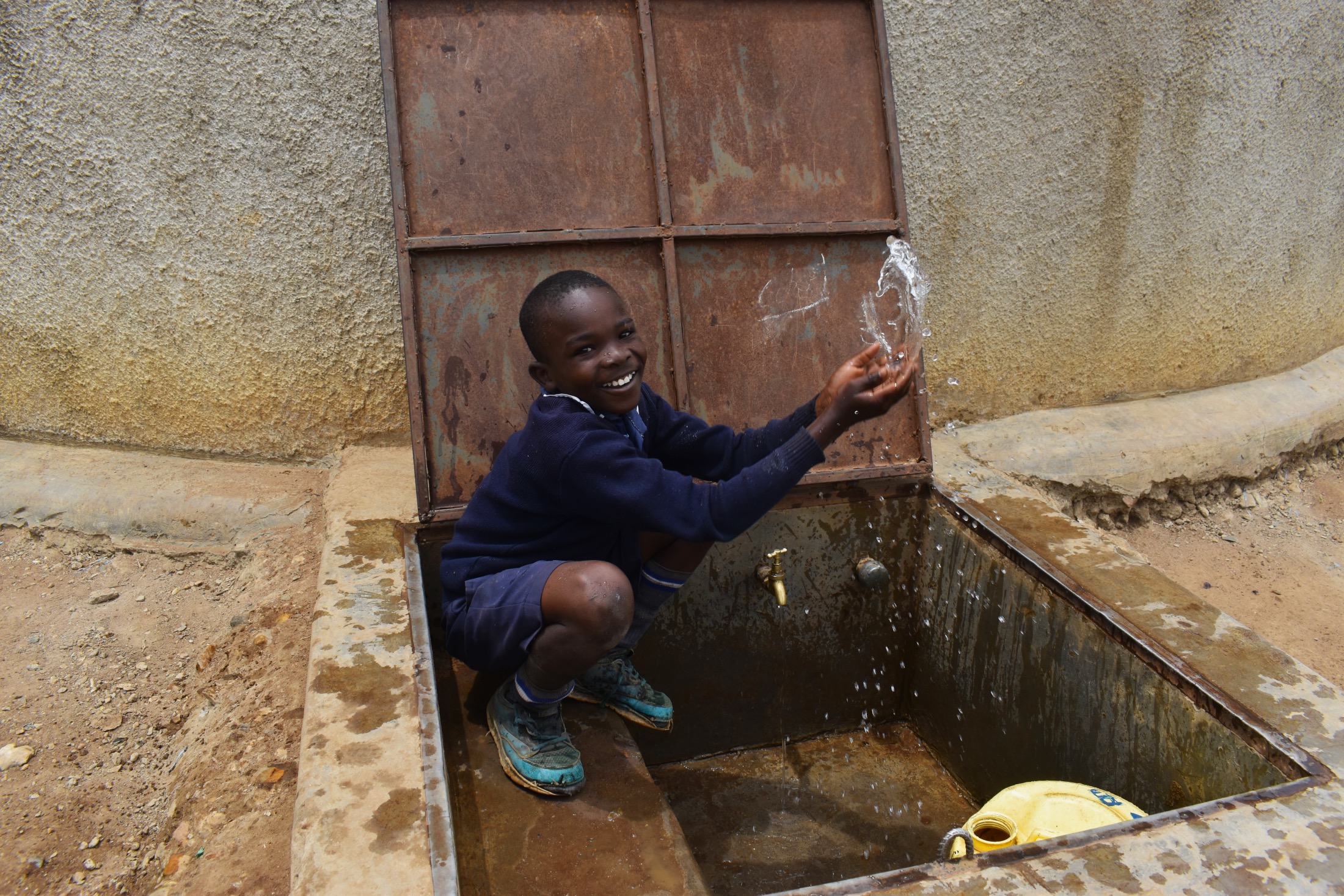
These simple systems are cost-effective and last for a long time. In communities that have medical clinics, schools and other larger-roofed structures they do a great job of collecting much needed water to use throughout the year.

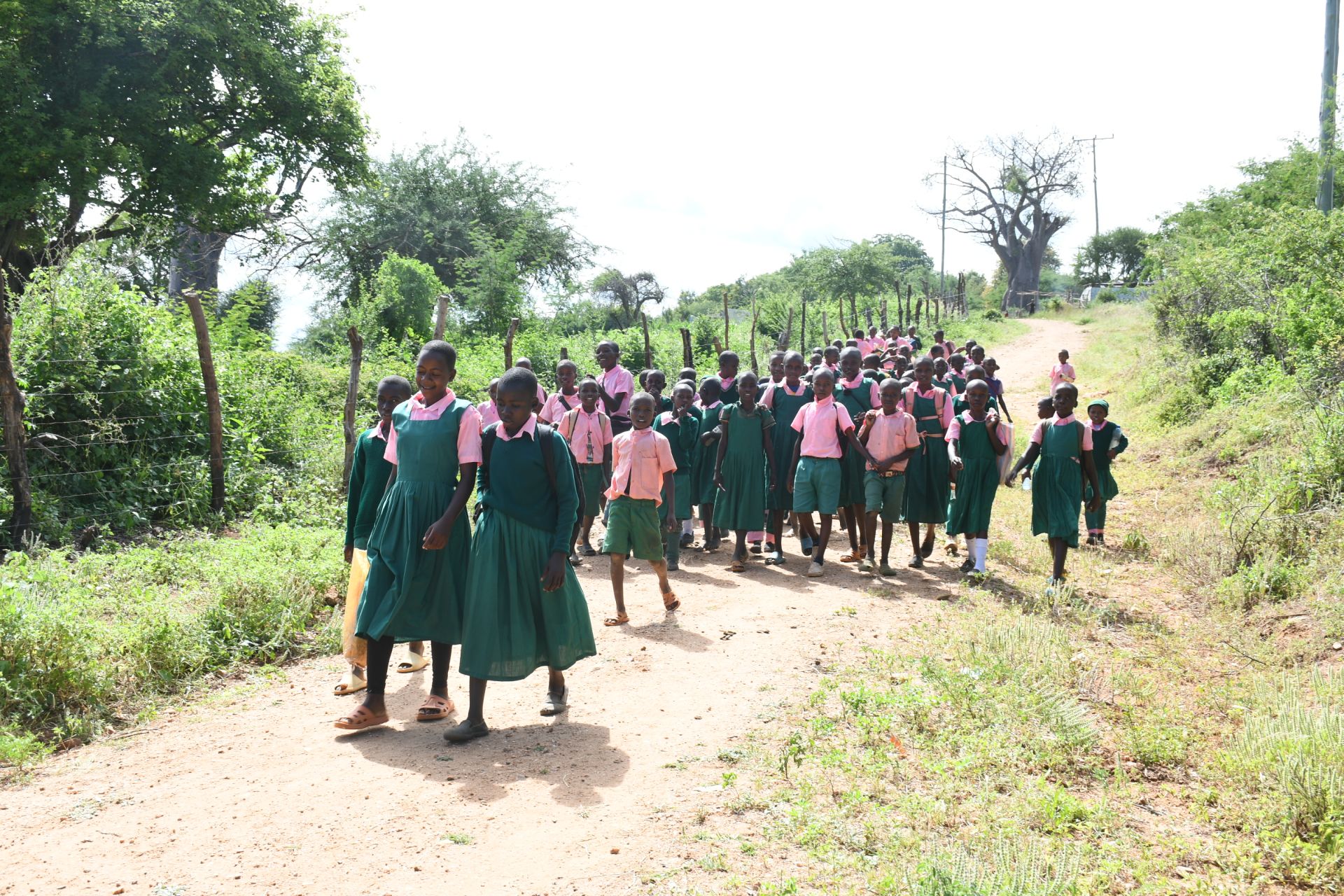
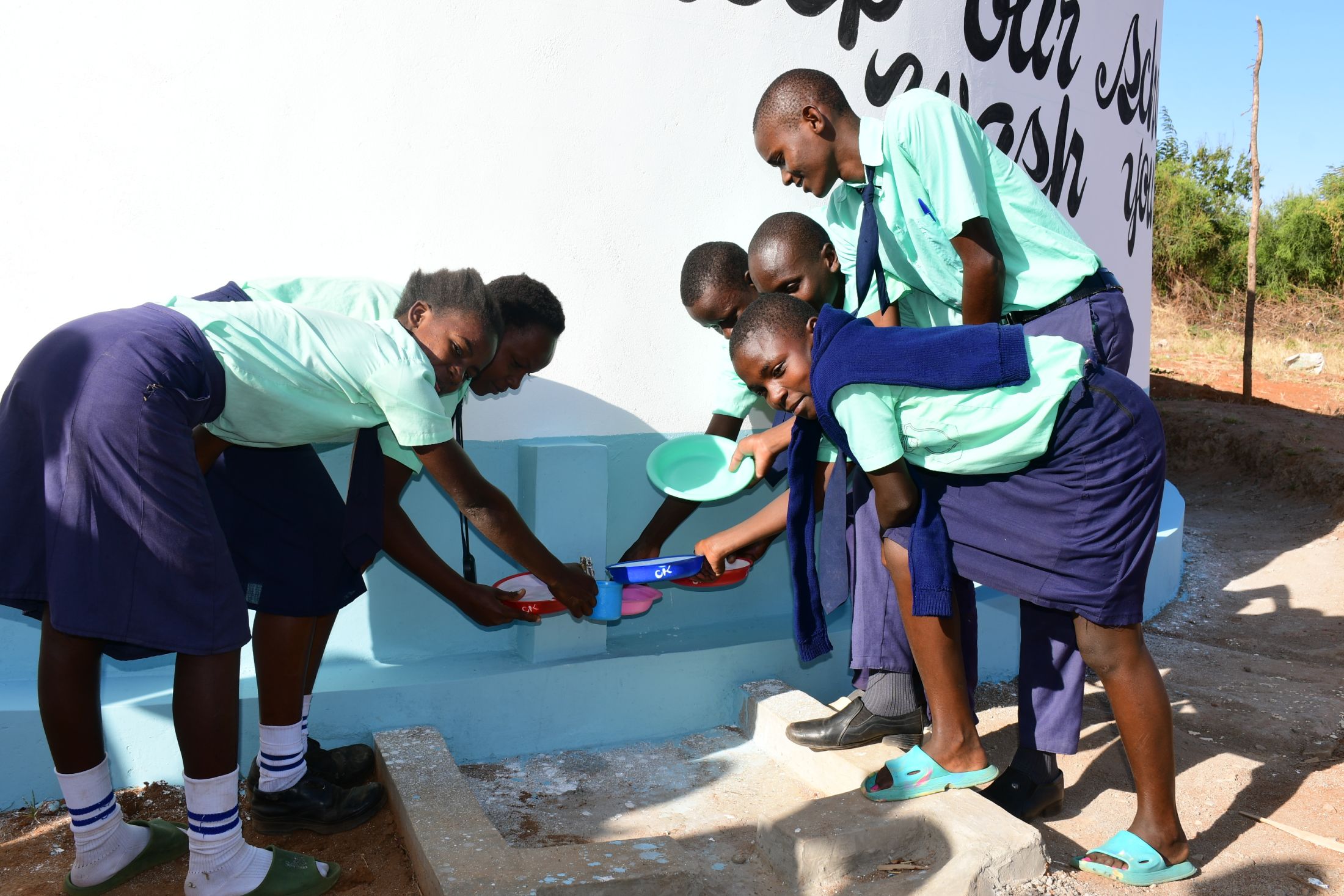
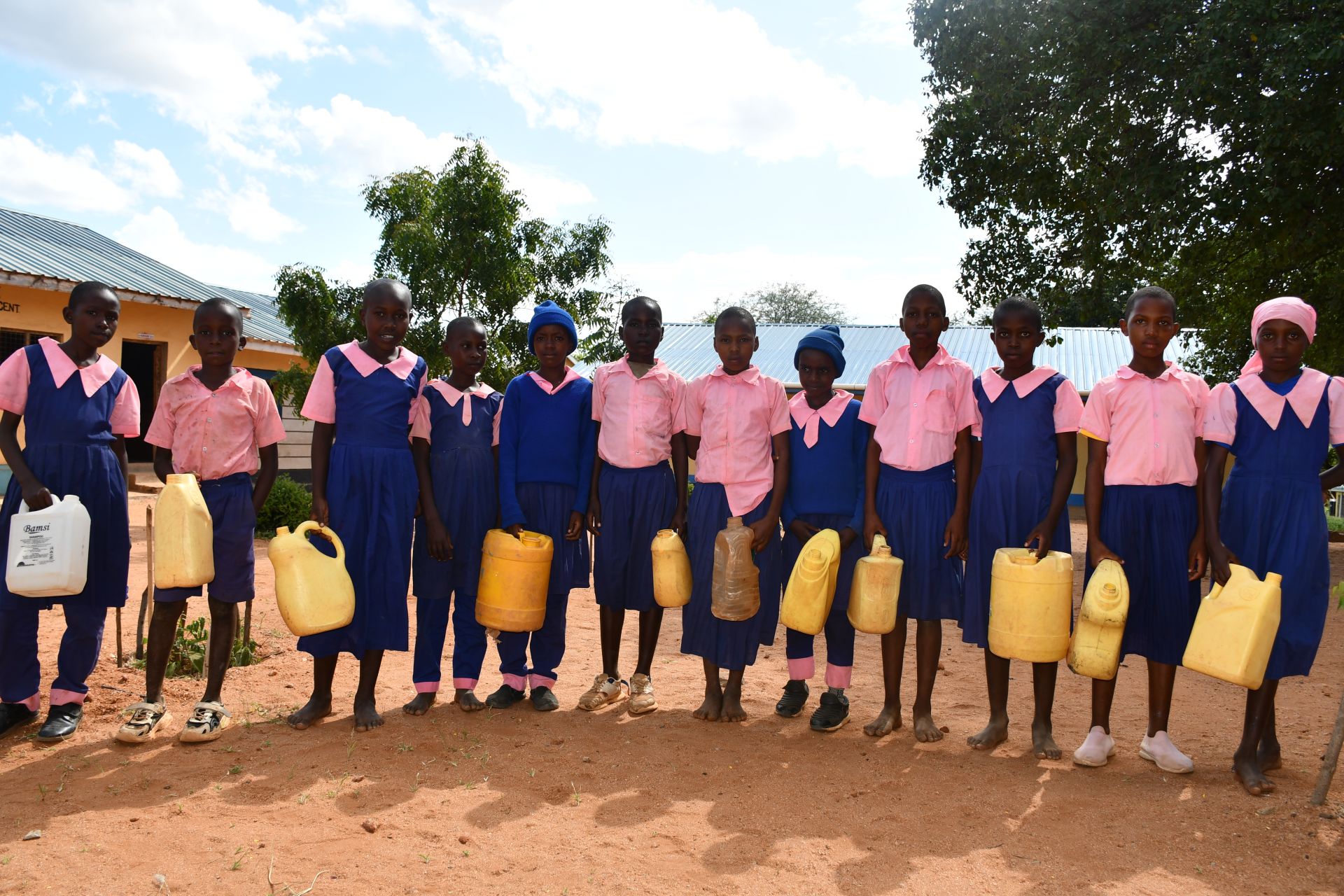
In some communities the tanks have been filled with municipal sources that are often very unreliable and thus available only parts of the year. By filling the tanks at such times, in addition to collecting rain water, the community was able to end their harsh "dry season" rationing of water to school children.

Rain Catchment Projects
See recent water projects and learn how you can help.

Photo of Kambusu Primary SchoolPhoto of Kikiini Secondary SchoolPhoto of Kyethani Primary SchoolPhoto of Kalanga Secondary SchoolPhoto of Mwanziu Primary SchoolPhoto of Muukuni Primary SchoolPhoto of Katuka Primary SchoolPhoto of Ngombeni Primary SchoolPhoto of AIC Yambyu Girls Secondary SchoolPhoto of Kyethani Secondary SchoolPhoto of Ndatha Primary SchoolPhoto of Tulanduli Secondary SchoolPhoto of Mbangwani Primary SchoolPhoto of Itoloni Girls Secondary SchoolPhoto of Kyamboo Primary SchoolPhoto of Itendeu Secondary SchoolPhoto of Kasioni Primary SchoolPhoto of Katse Primary SchoolPhoto of Ngungani Secondary SchoolPhoto of Musosya Primary SchoolPhoto of Kanyoeni Primary SchoolPhoto of Kivou Secondary SchoolPhoto of Kyamboo Secondary SchoolPhoto of Waasya Primary SchoolPhoto of Kasanga Primary SchoolPhoto of Kaghui Primary SchoolPhoto of Kandwia Primary SchoolPhoto of Mutwang’ombe Secondary SchoolPhoto of Ngaaka Primary SchoolPhoto of Musola Primary School Photo of Kavaini Secondary SchoolPhoto of Katangini Primary SchoolPhoto of Ithunzi Primary SchoolPhoto of Gamoi Primary SchoolPhoto of Tondora Primary SchoolPhoto of Mumbuni Secondary SchoolPhoto of Precious Blood Tyaa Secondary SchoolPhoto of Kanyuuni Primary SchoolPhoto of Kithaalani Primary SchoolPhoto of Mumbuni Primary SchoolPhoto of AIC Ithambwangao Secondary SchoolPhoto of Kaundu Mixed Secondary SchoolPhoto of Kaliluni Primary SchoolPhoto of Musuani Primary SchoolPhoto of Ngungani Primary SchoolPhoto of Kaliwa Secondary SchoolPhoto of Itinda Primary SchoolPhoto of Masukanioni Secondary SchoolPhoto of Kisungula Primary SchoolPhoto of Hamutua Primary SchoolPhoto of Kwa Mutisya Primary SchoolPhoto of Kalaa PAG Primary SchoolPhoto of Syomukii Primary SchoolPhoto of Tii Primary School

Your gift provides technical assistance and supplies (rebar, concrete, forms, gutters, piping, etc.) so that communities can build these water tanks. You make it possible for them to help themselves.

On average a rain catchment system costs a total of $7,000-$12,000 for skilled labor and materials.