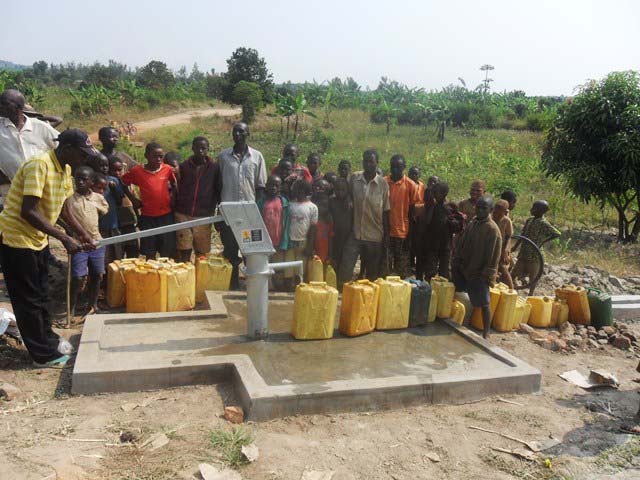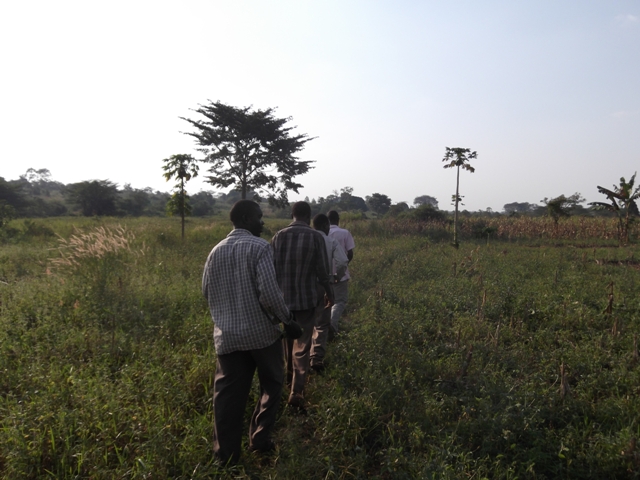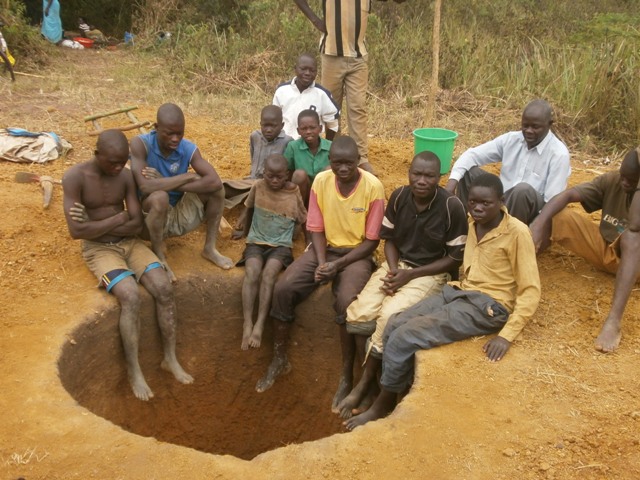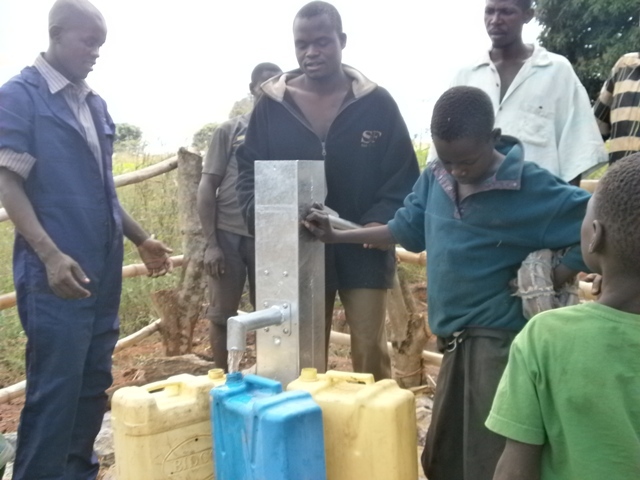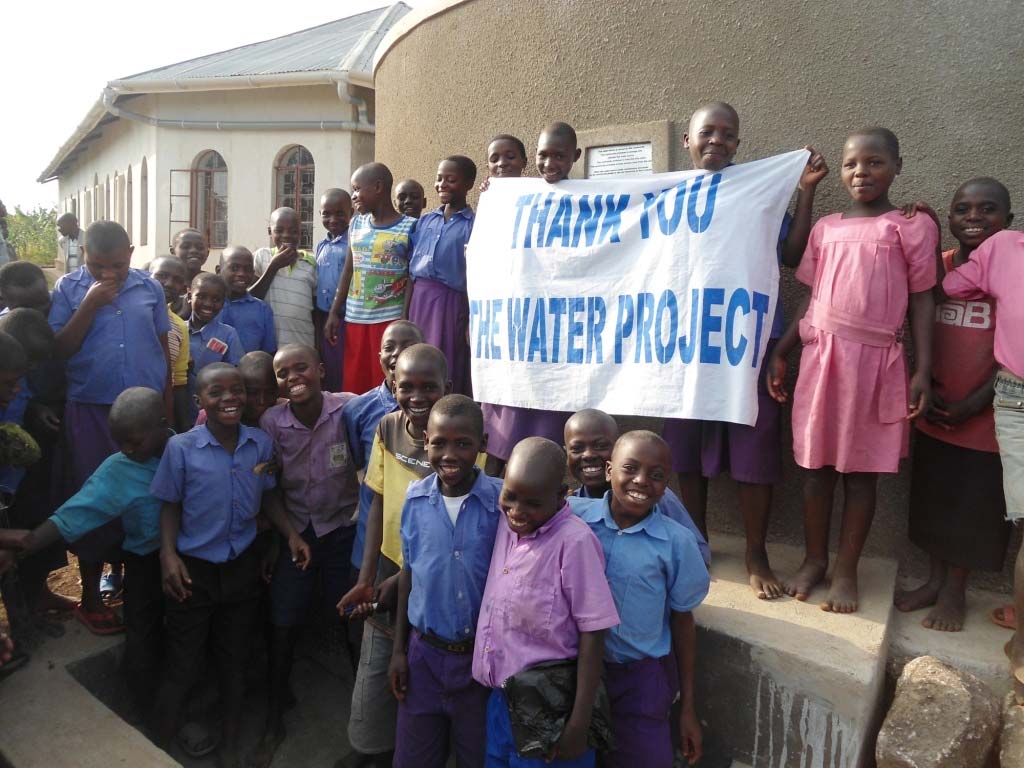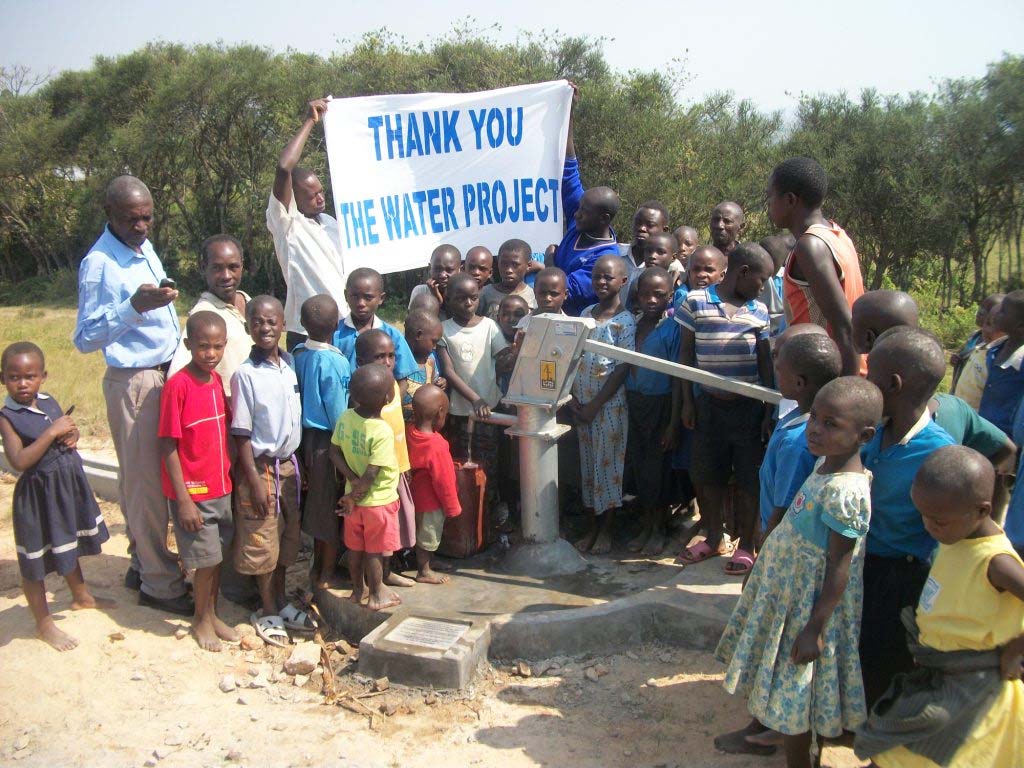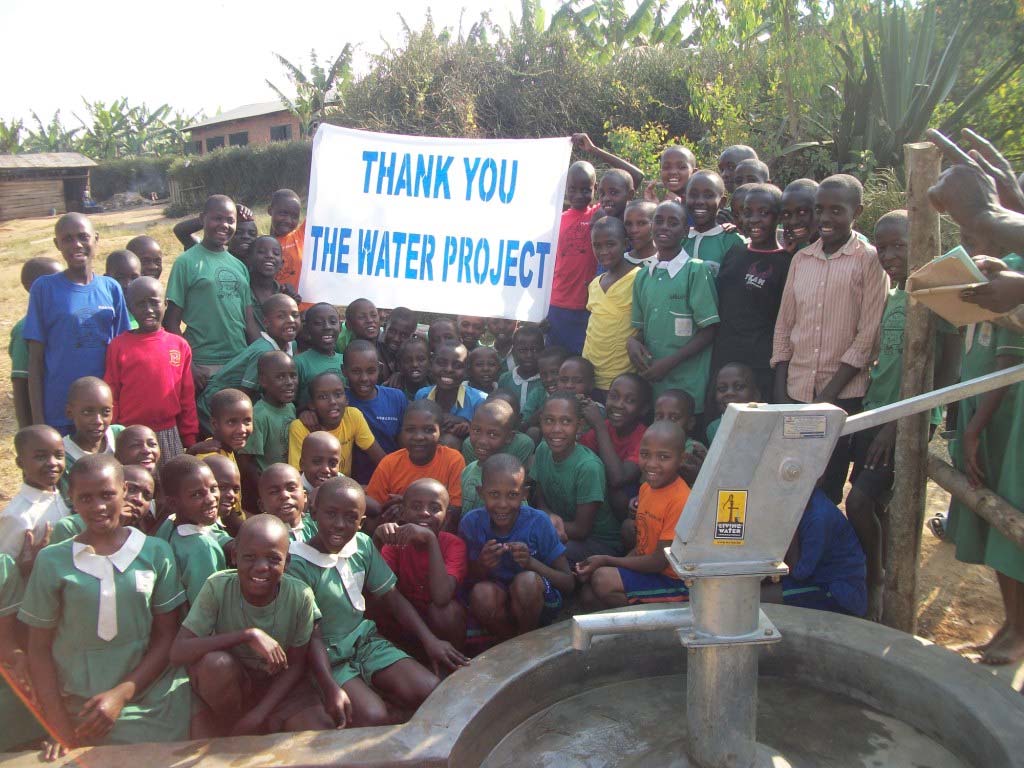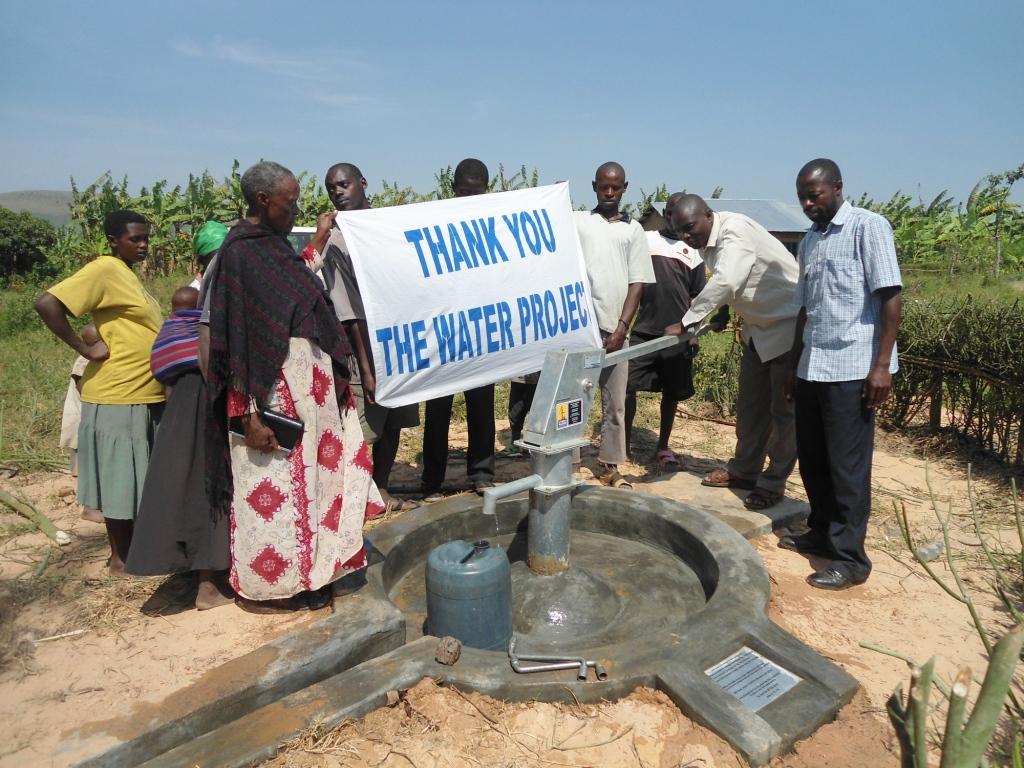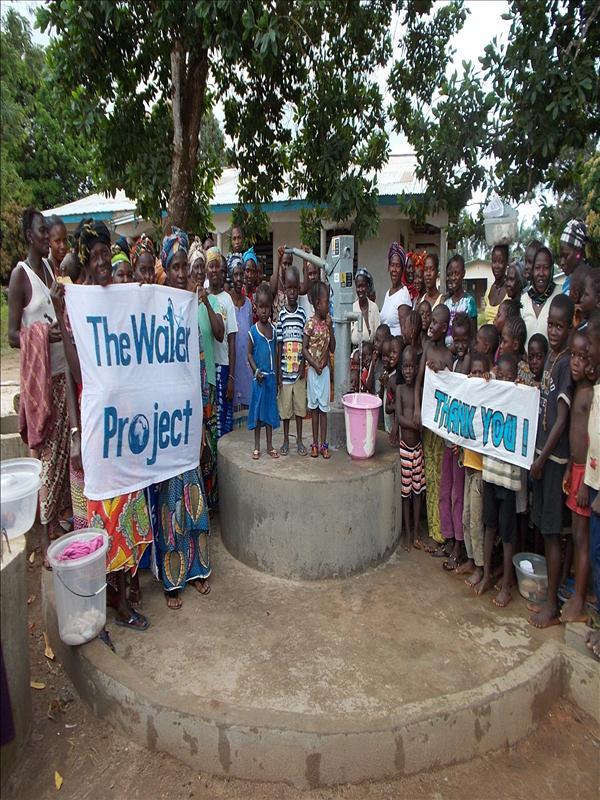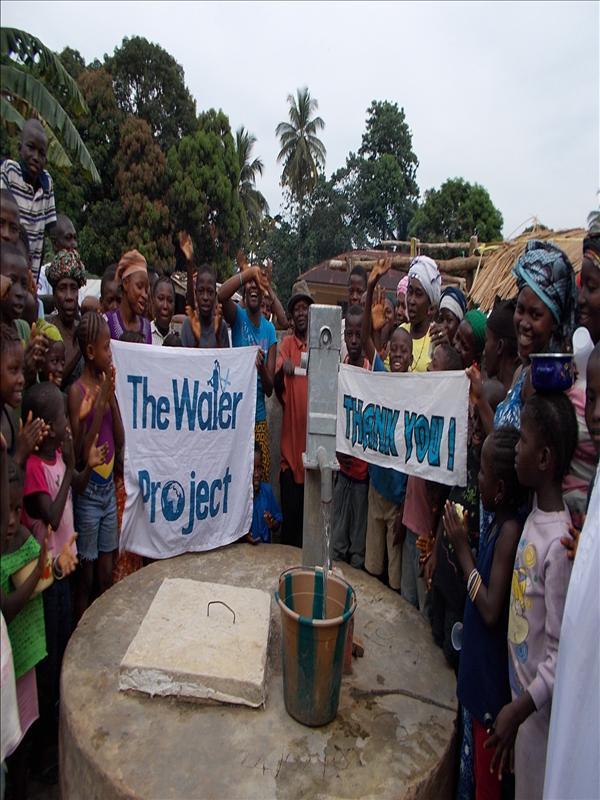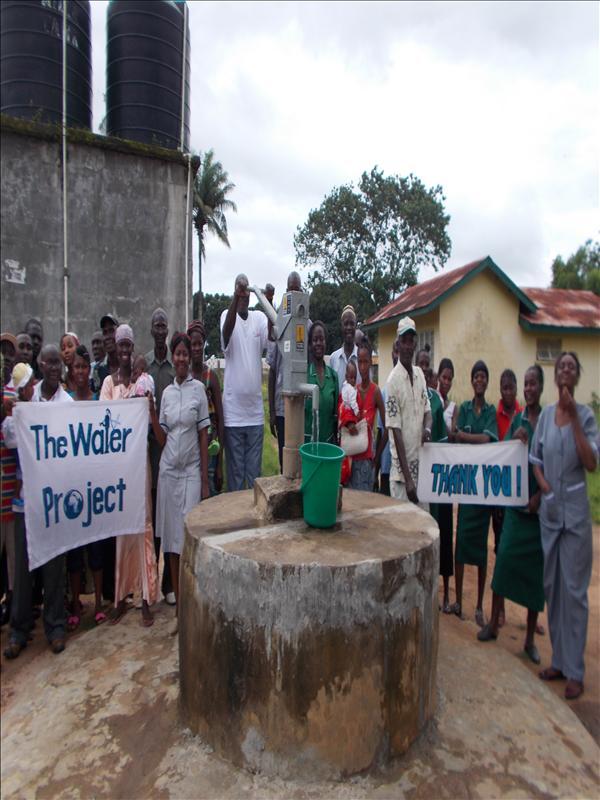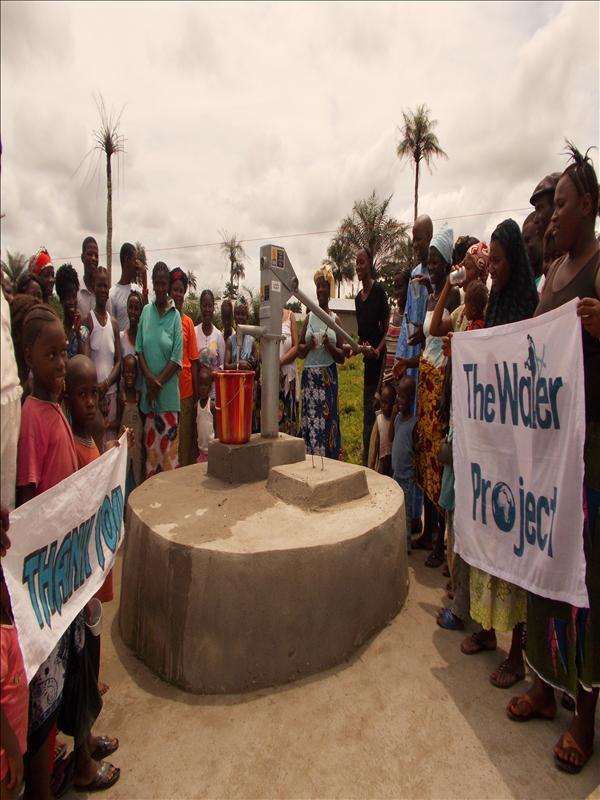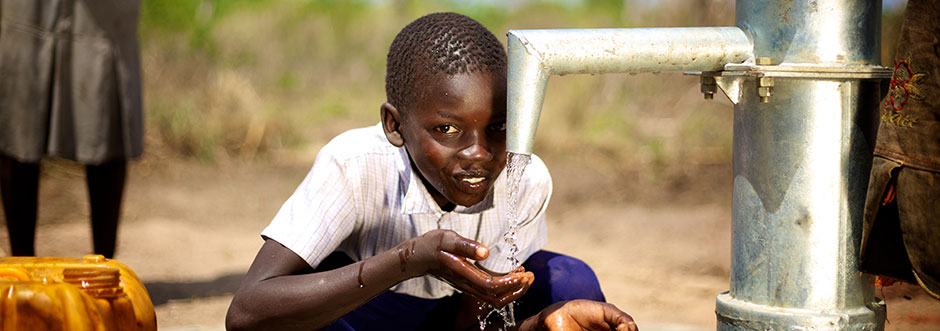
2012 Water Projects

Water Projects Funded in 2012

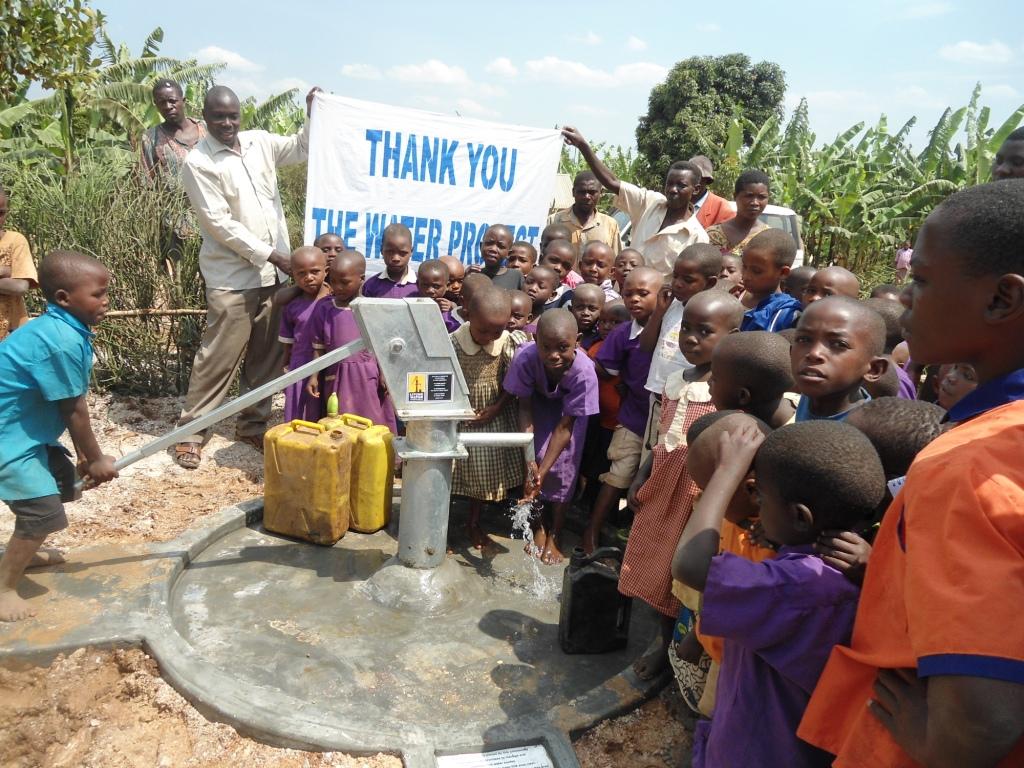
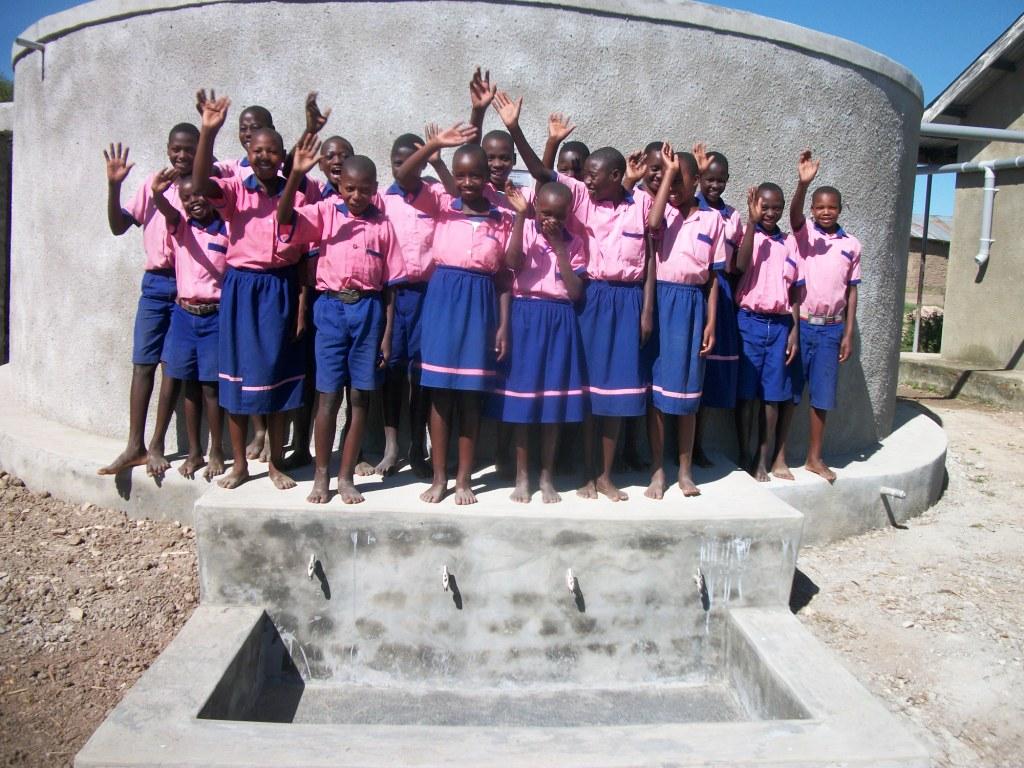
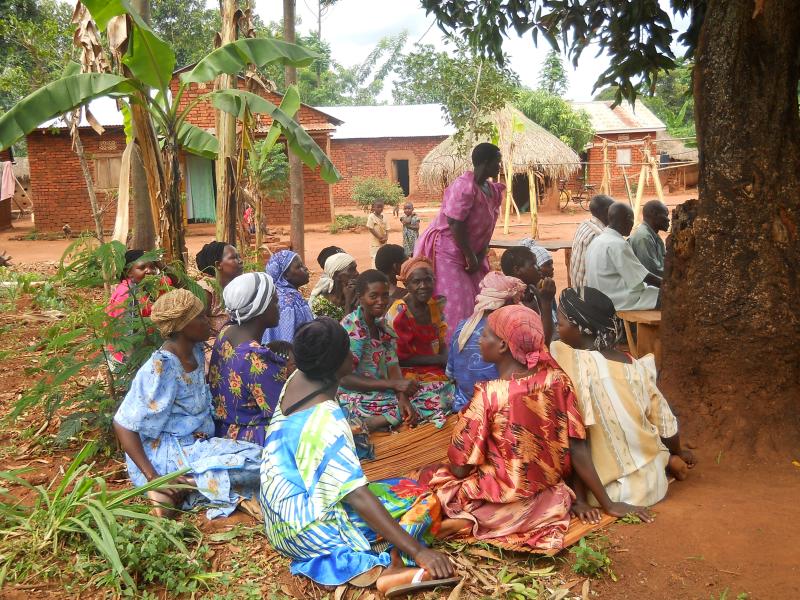
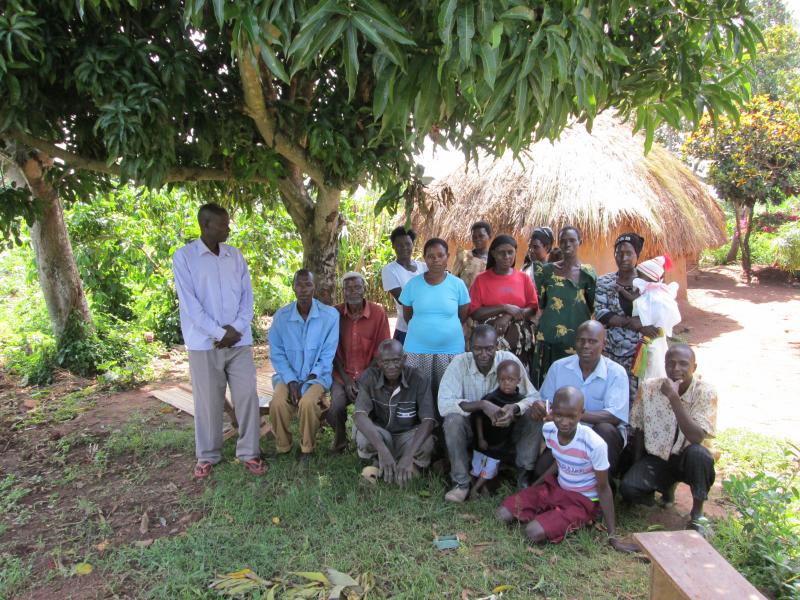
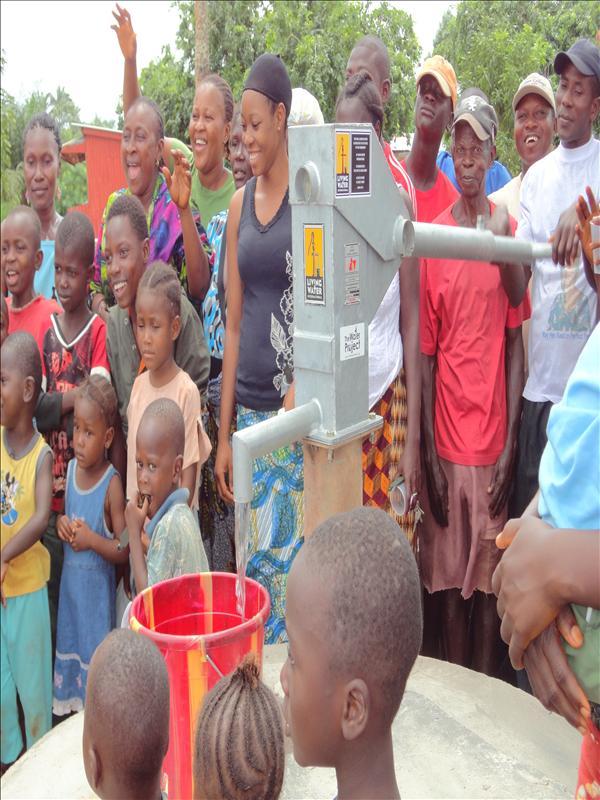
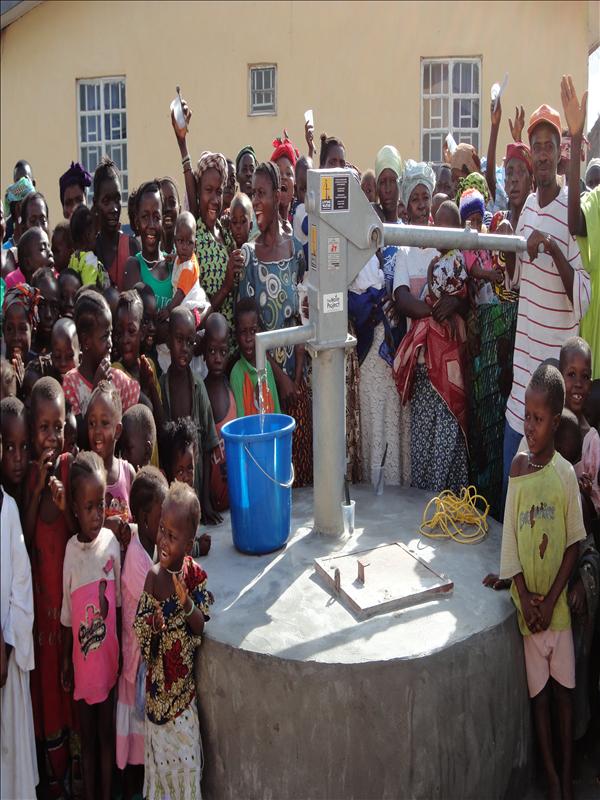
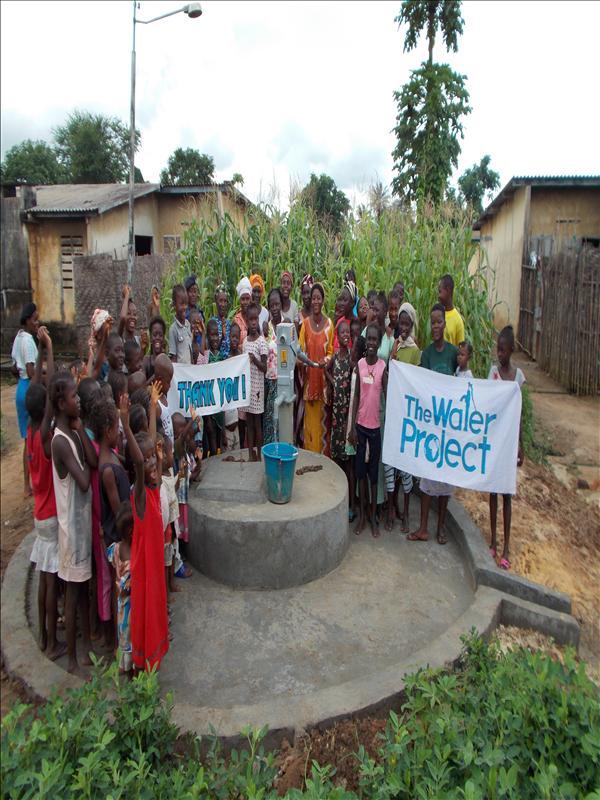
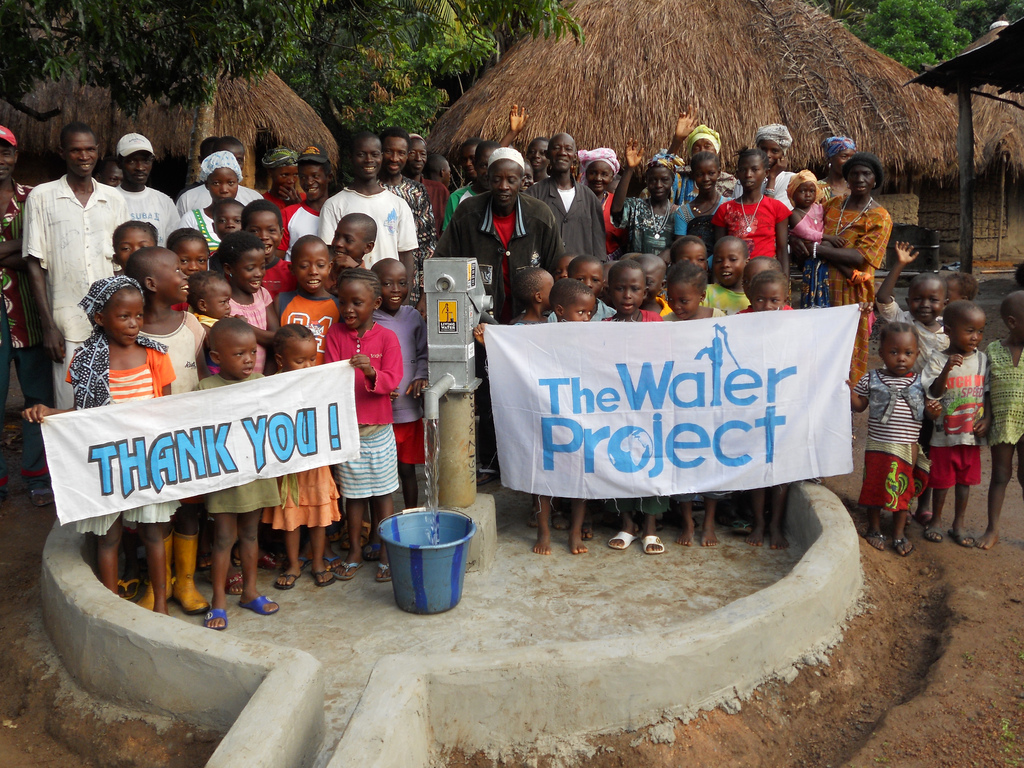
The numbers in our annual report are great, but the real return on the investments we're making together is best seen at the community and individual level.

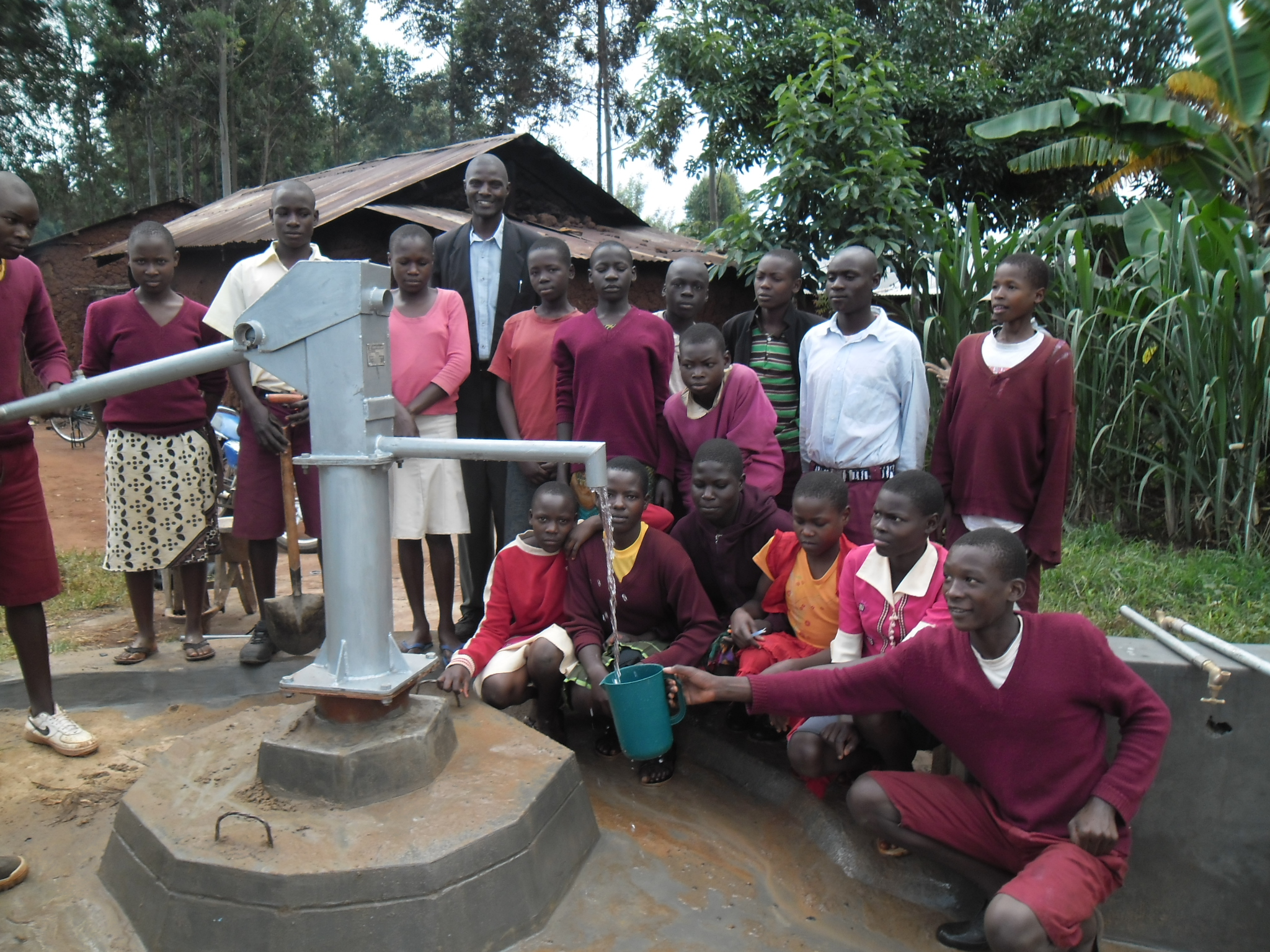
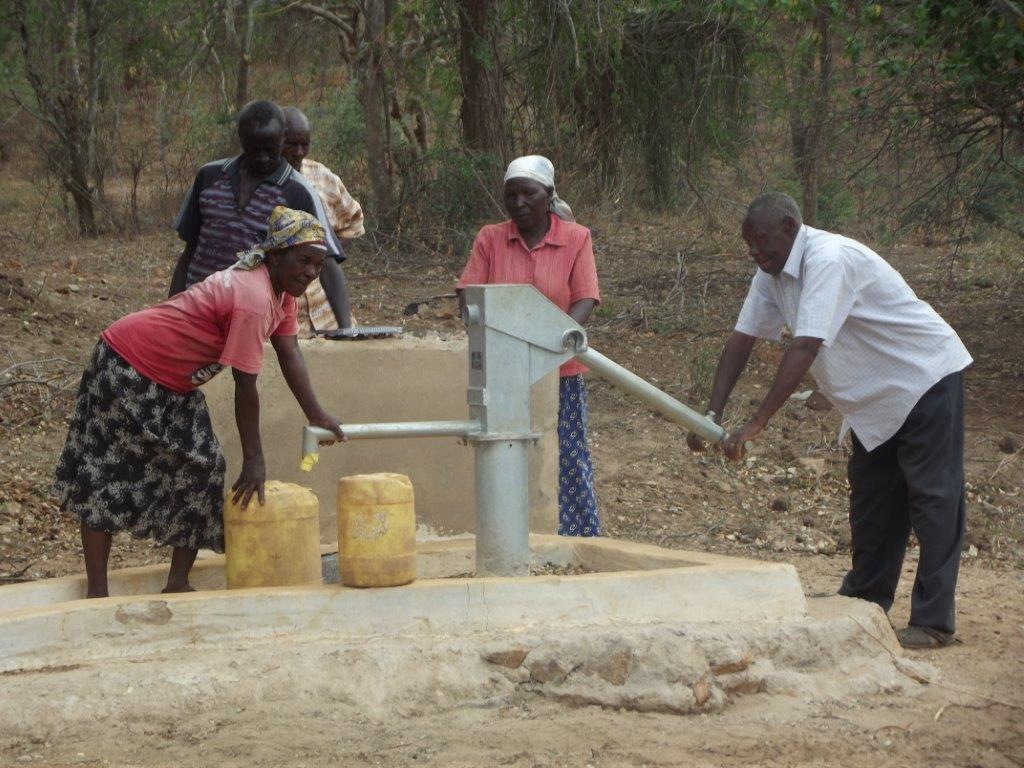
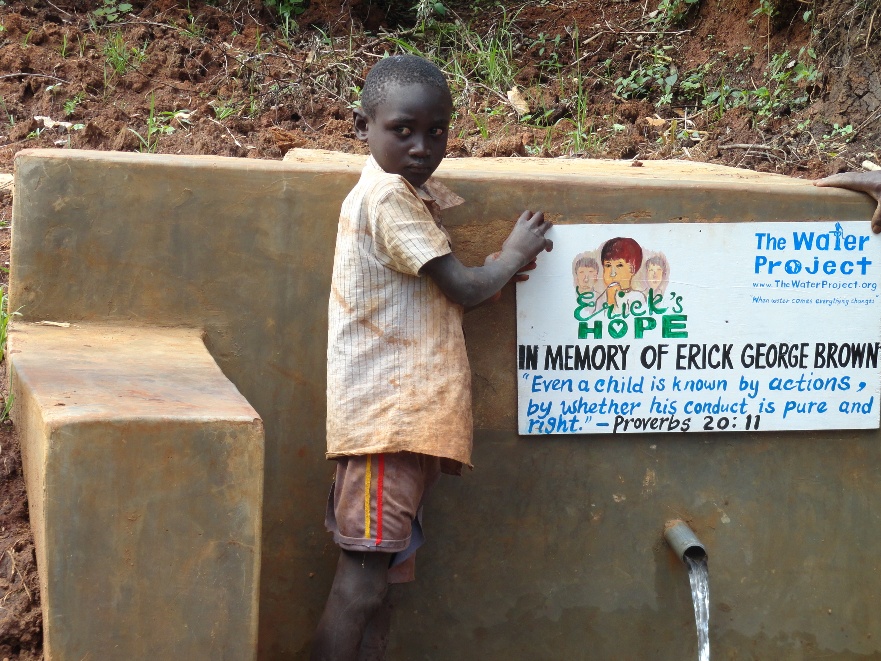
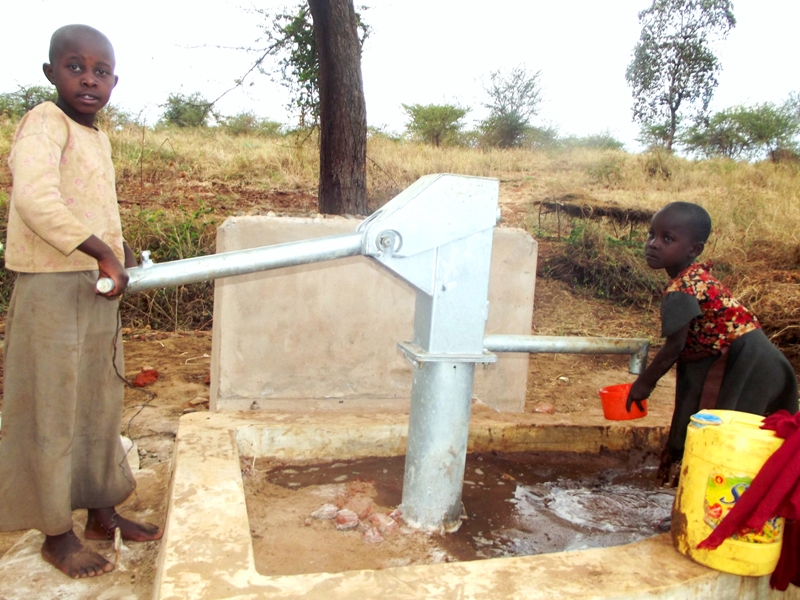
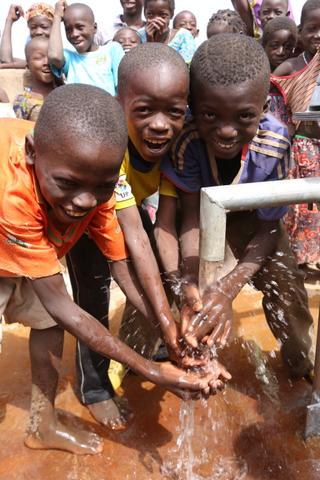
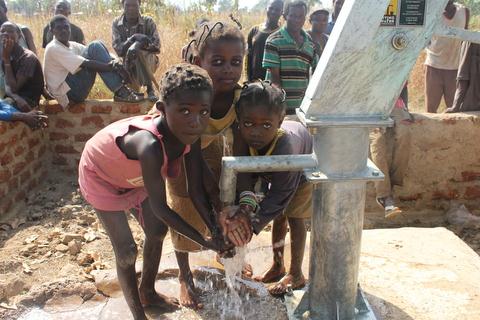
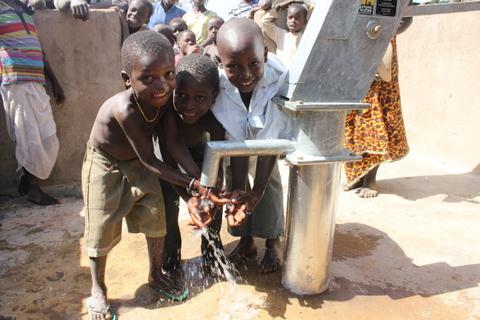
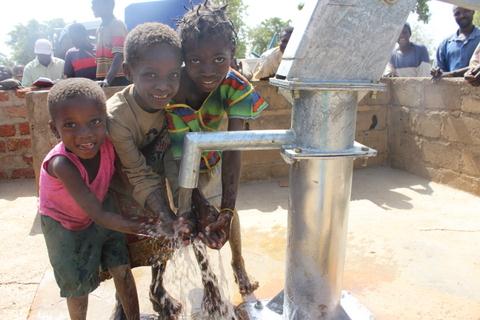
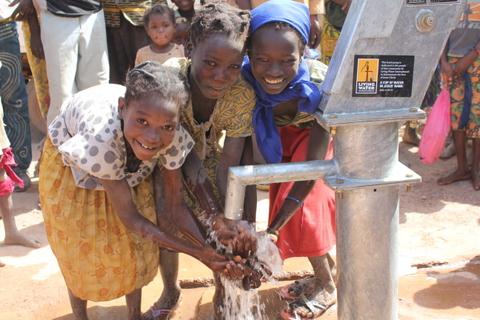
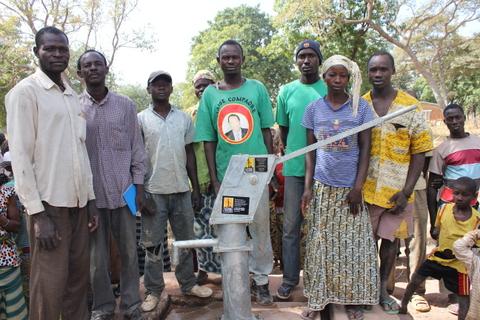
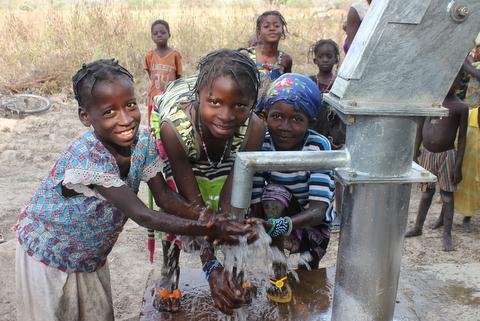
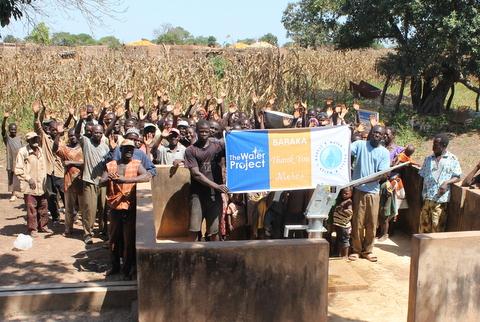
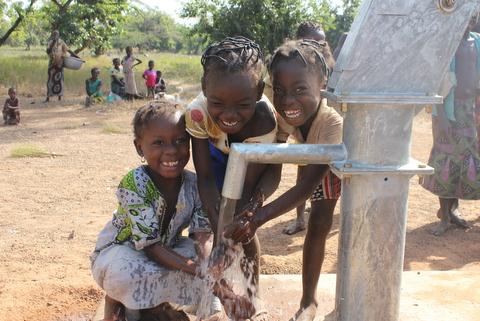
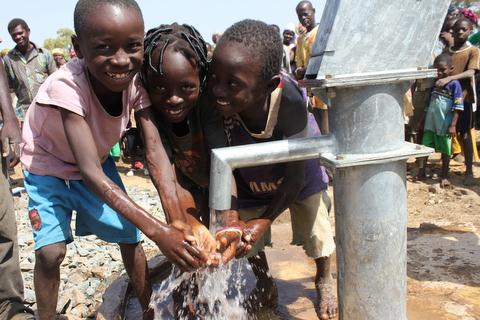
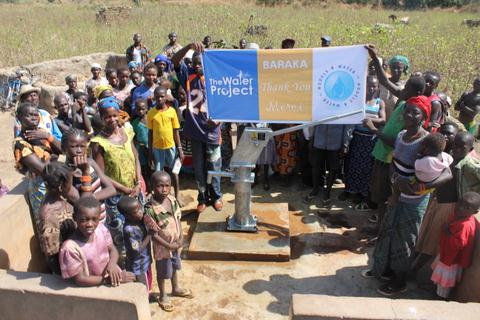
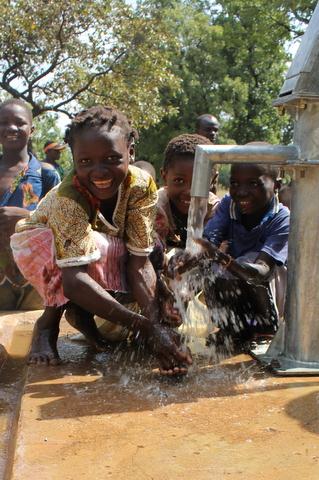
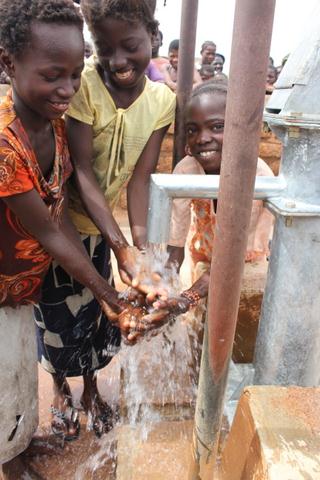
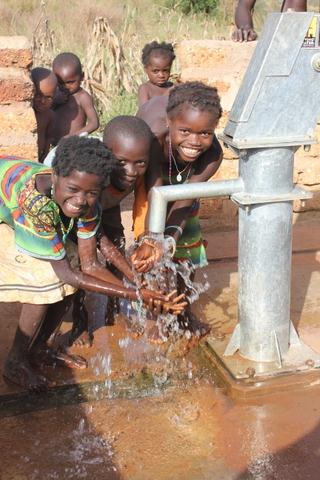
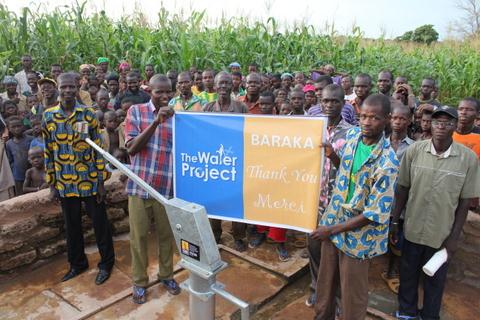
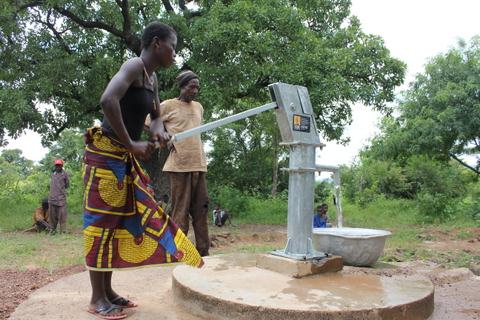
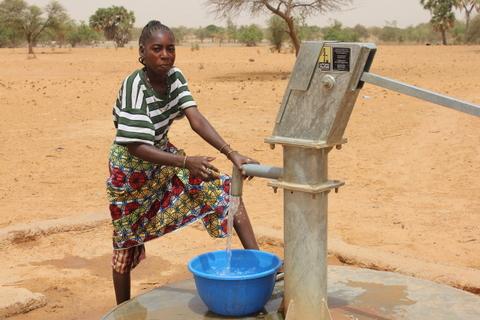
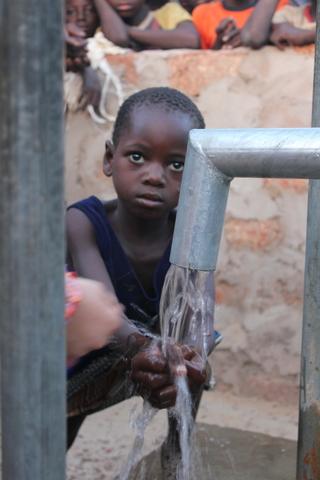
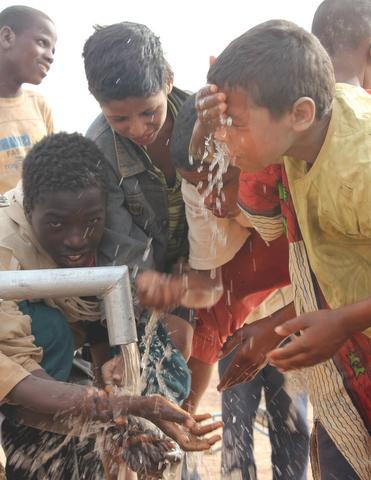
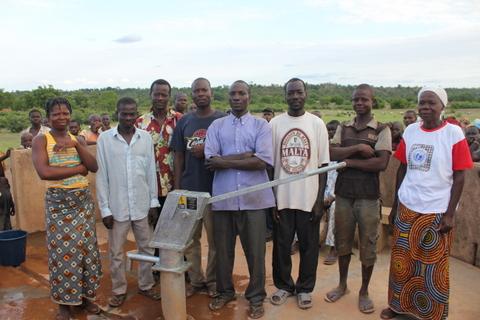
Here's a glimpse of every water project we funded in 2012.

Please take a few minutes to click into a few to see the impact your gifts are making today.

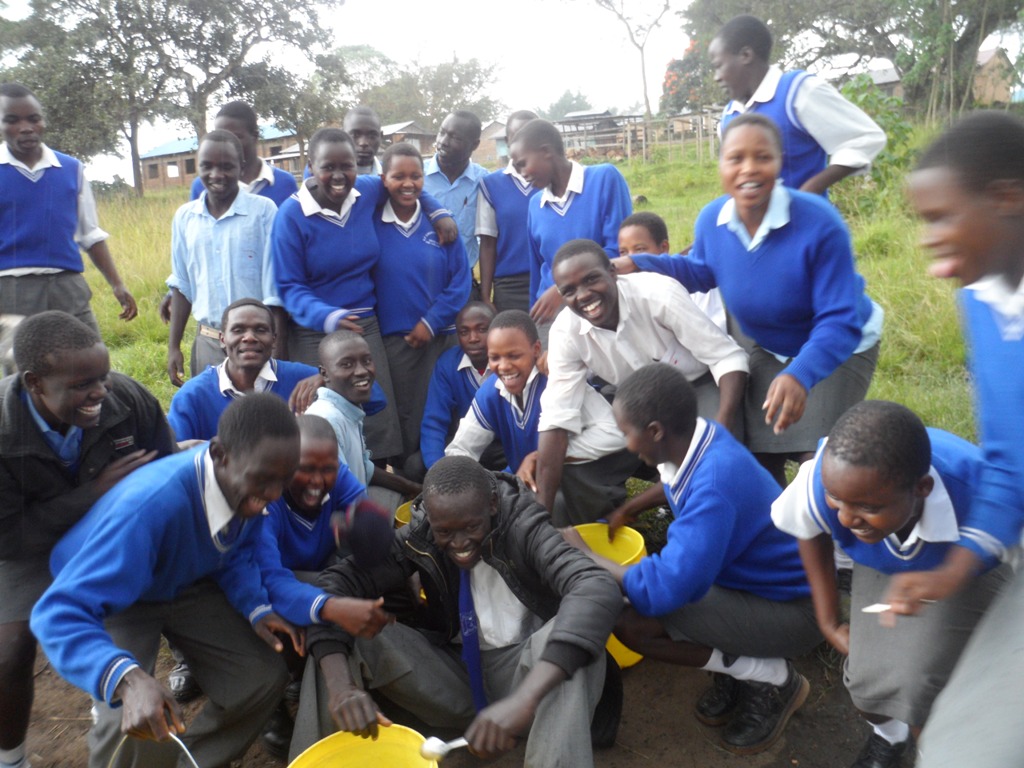
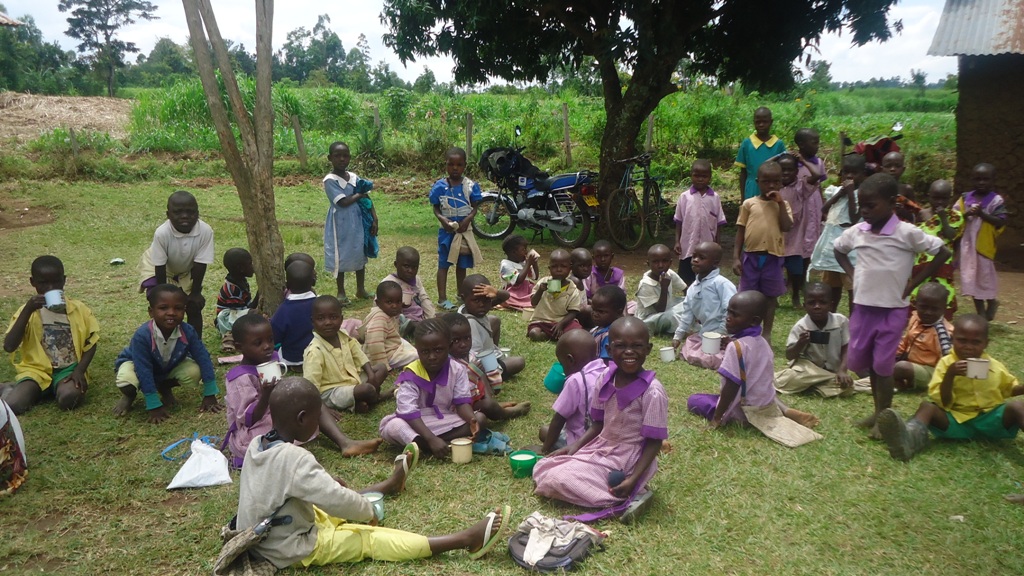
Kenya

84 Water Projects

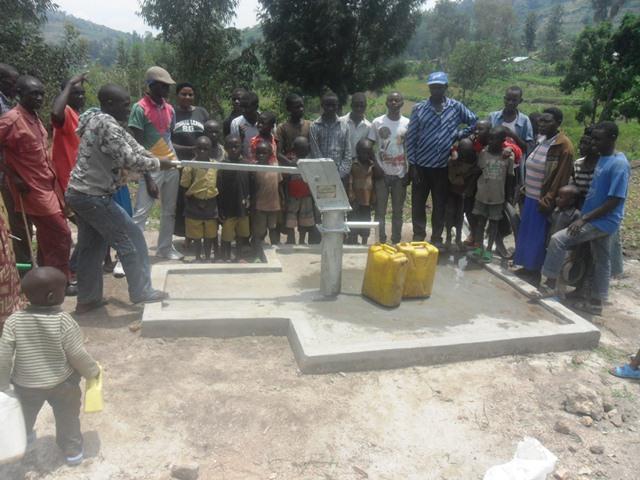
We continue to expand and enhance our work in Kenya through our valued implementing partners.

Bridge Water Project
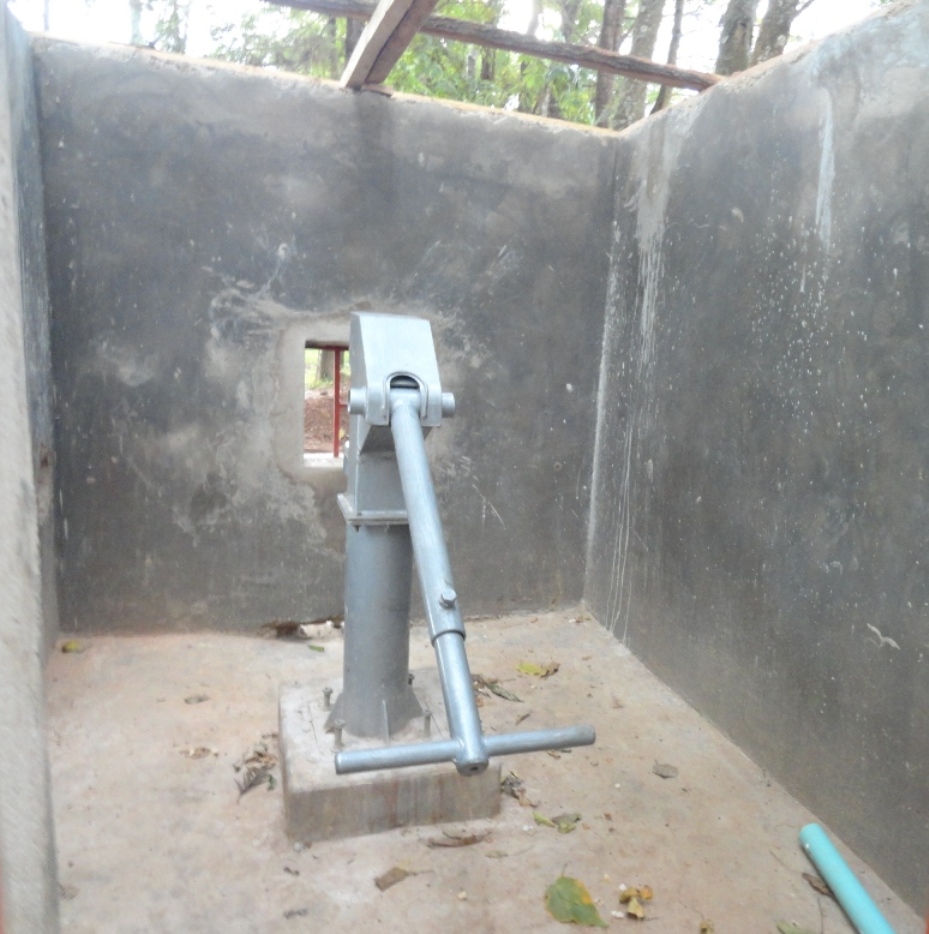
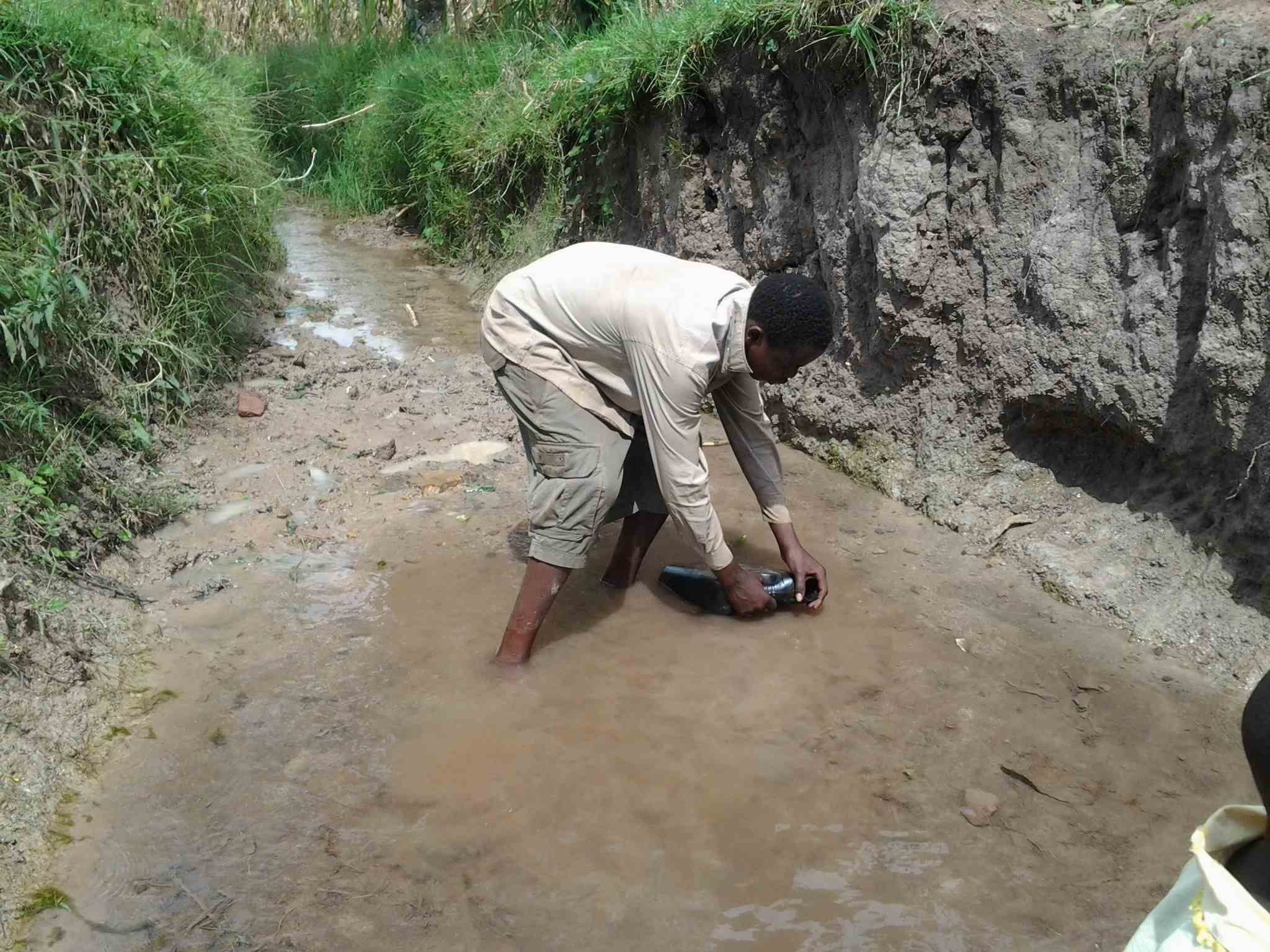
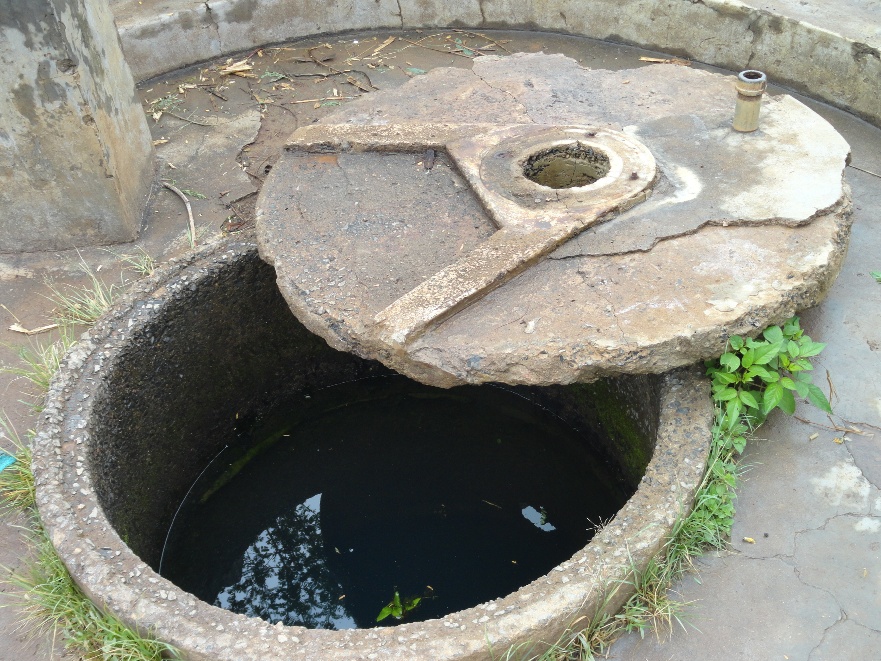
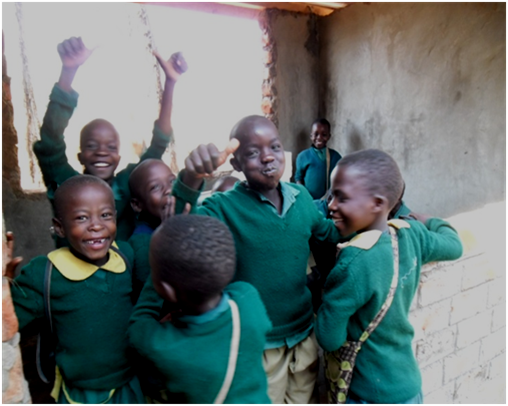
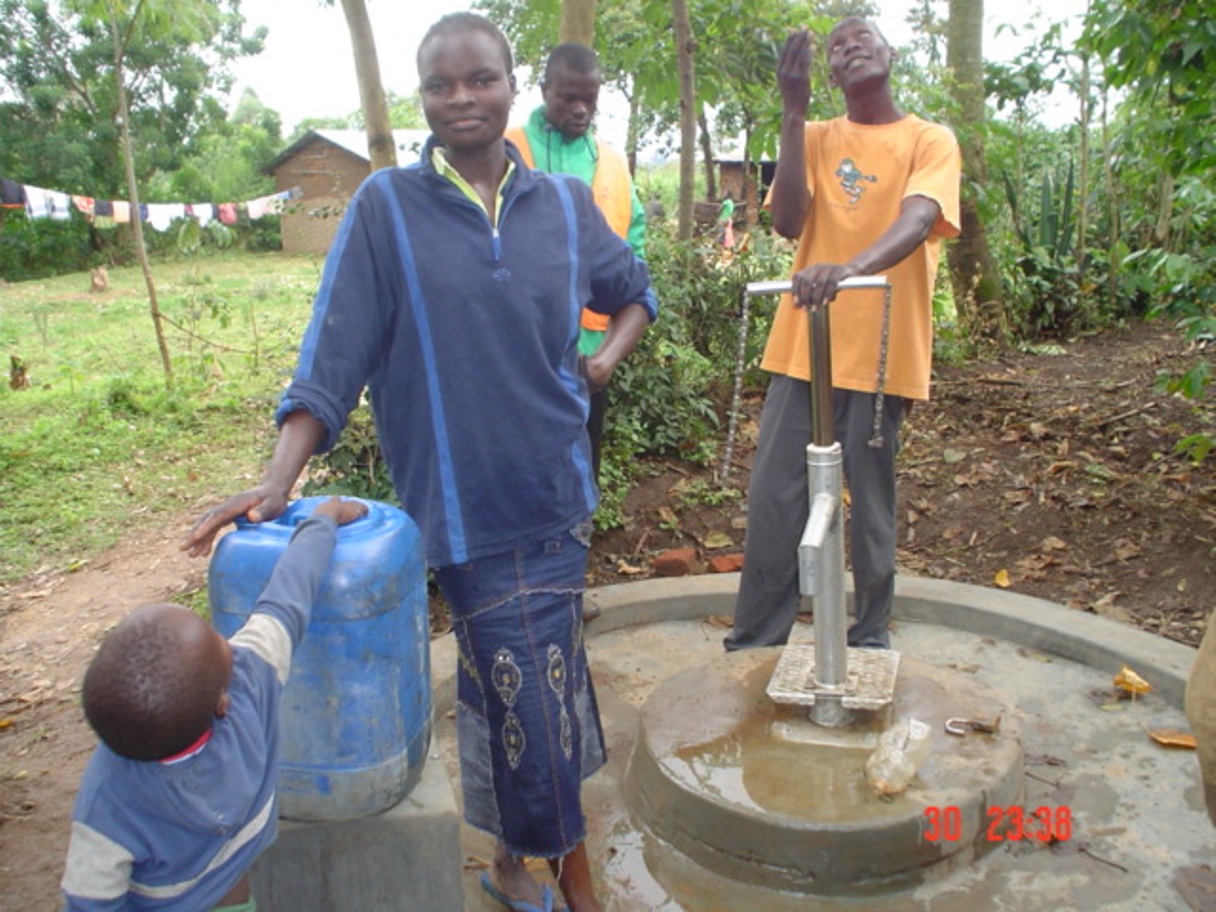
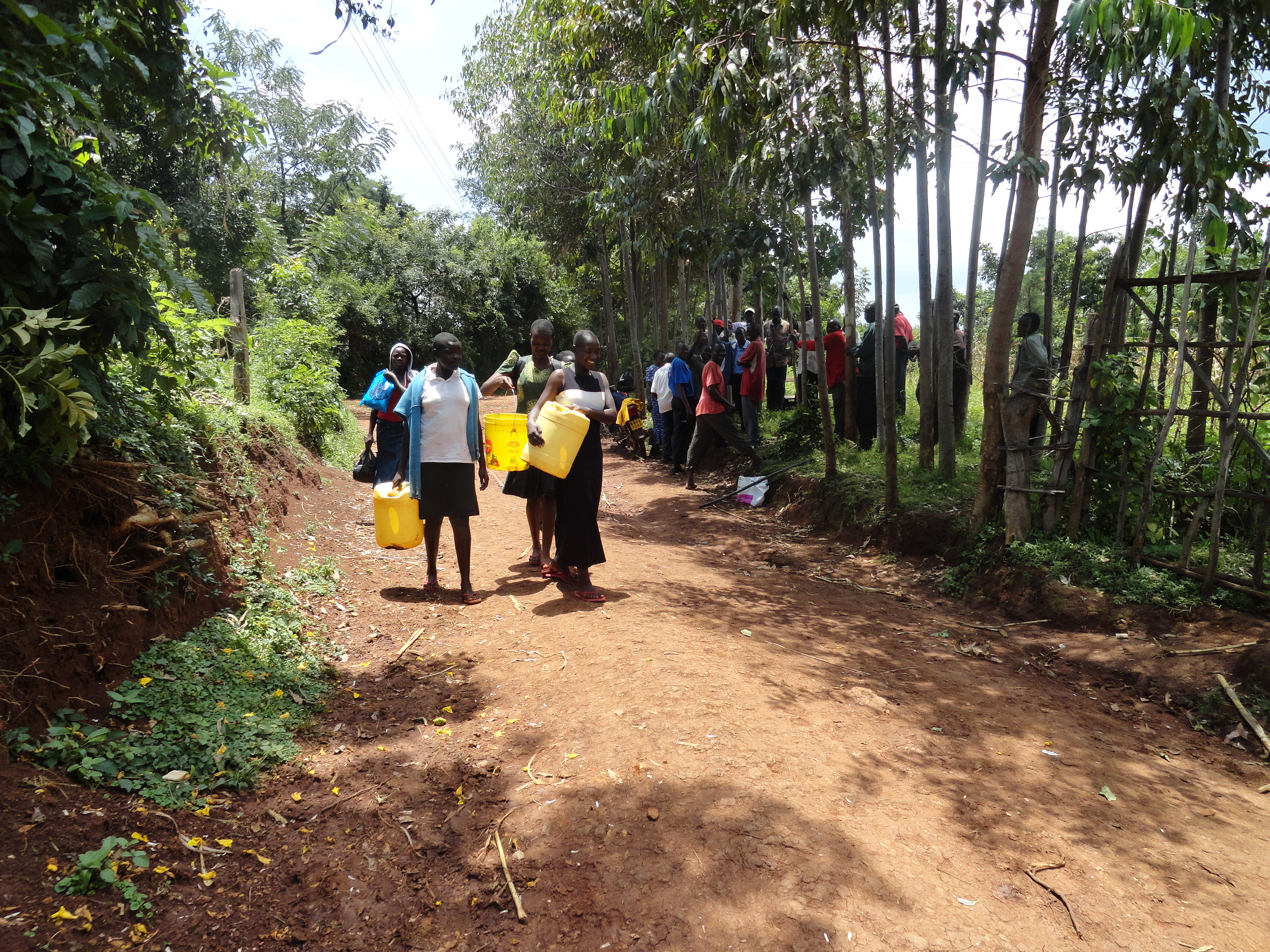
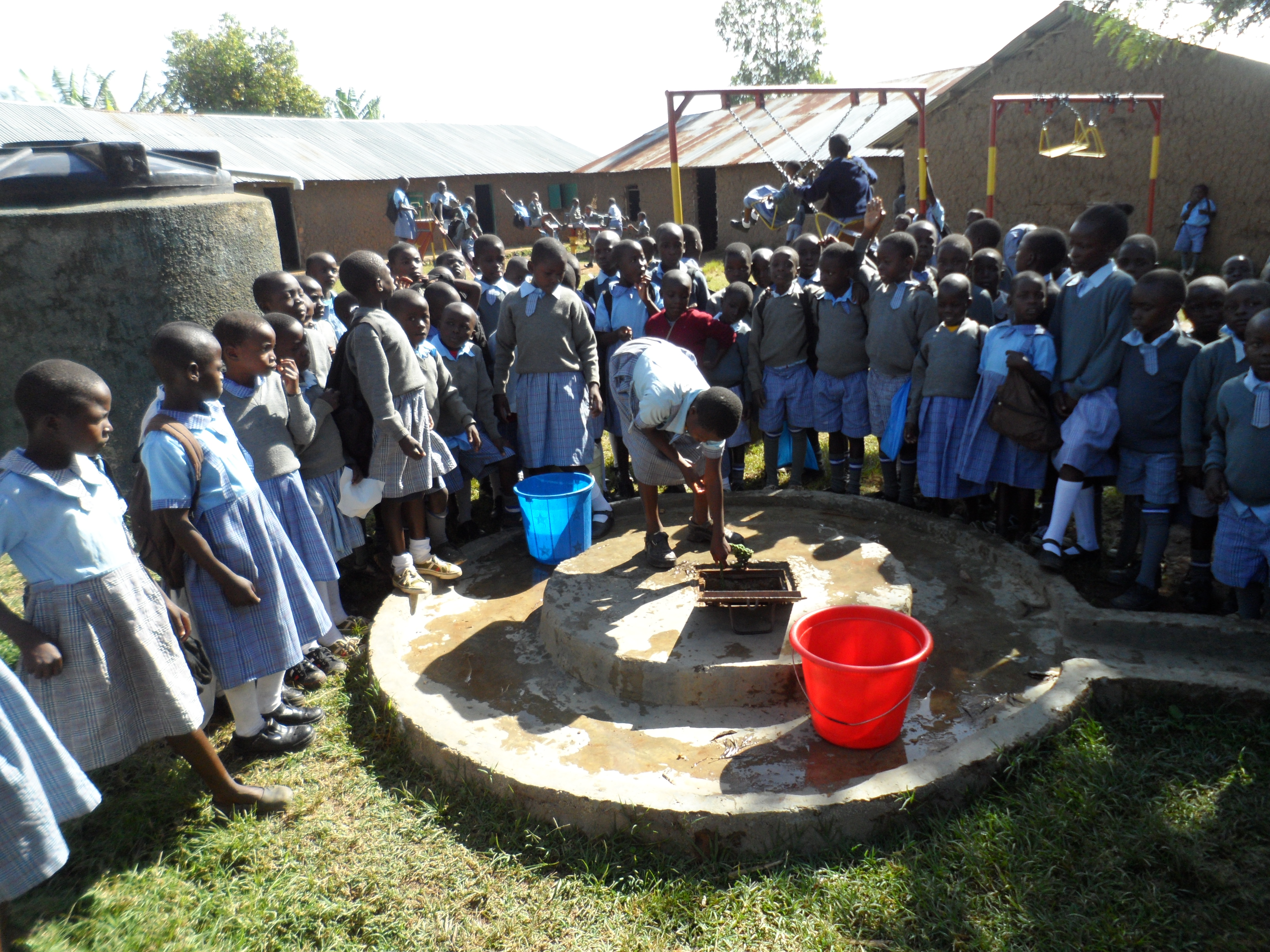
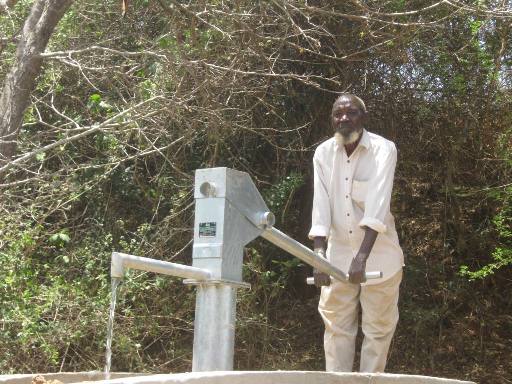
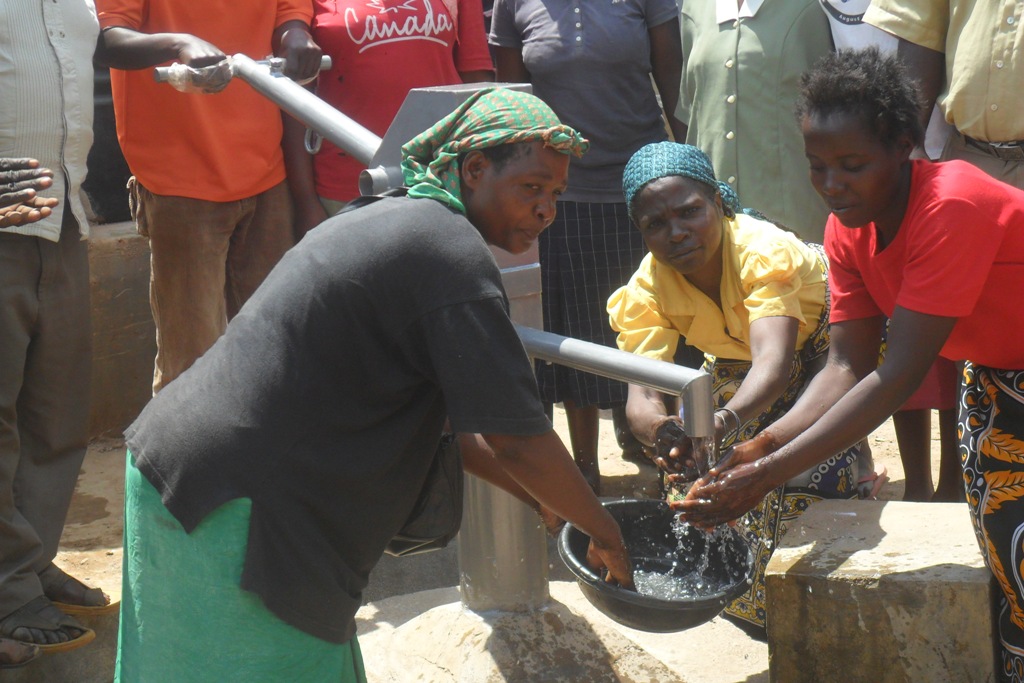
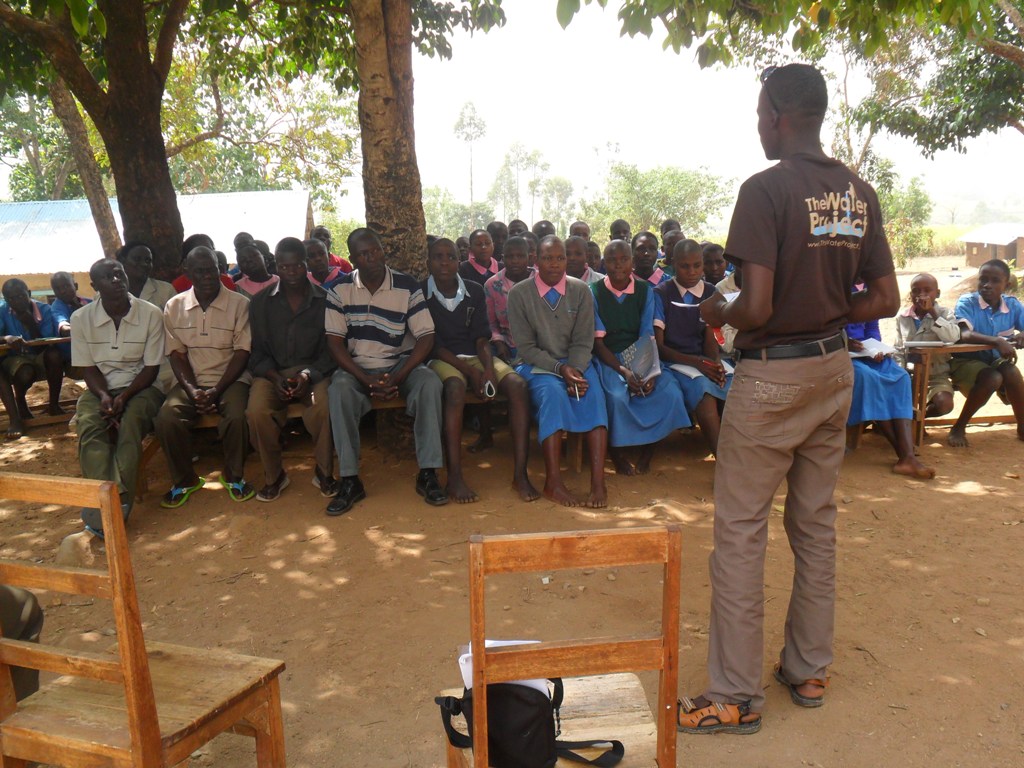
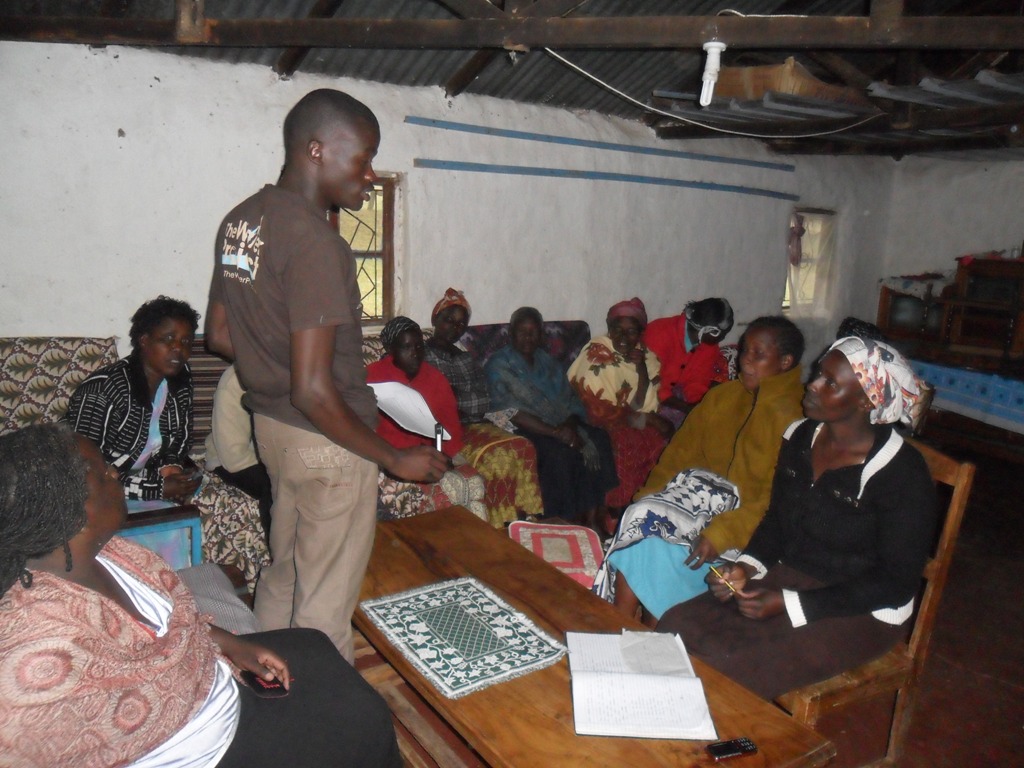
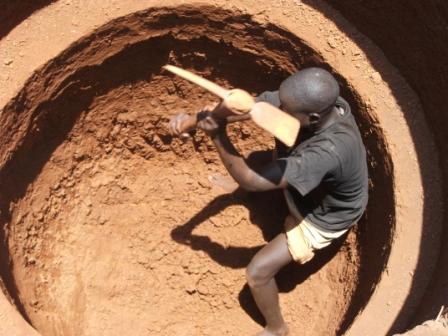
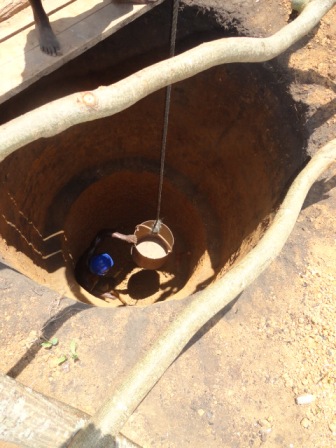
Working through Bridge Water Project, we refocused efforts in Western Kenya on well rehabilitation and construction. Local communities apply with BWP to either have a water project overhauled or installed for the first time. BWP works with these communities to ensure they are ready and able to manage their water source and that they are properly trained in hygiene and sanitation. We've spent over six years strengthening this team and it is so encouraging to watch them hitting their stride in providing reliable and sustainable water projects.

Africa Sand Dam Foundation
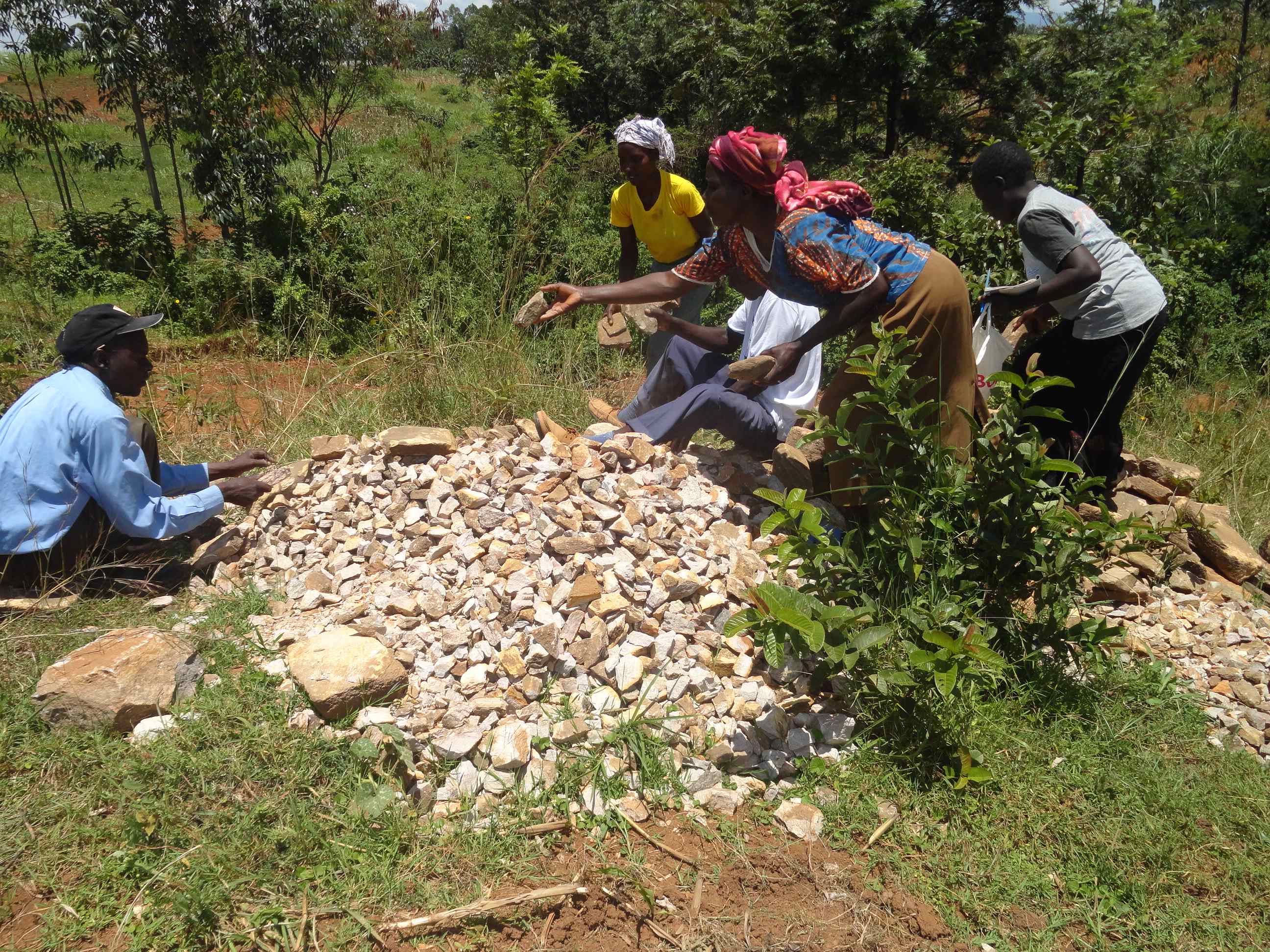
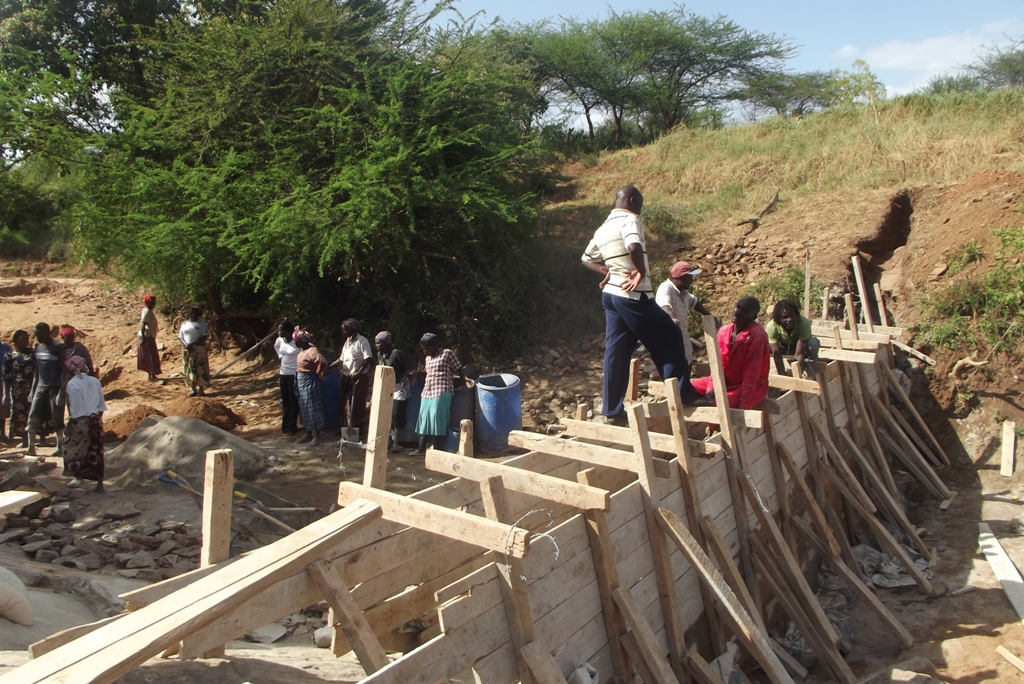
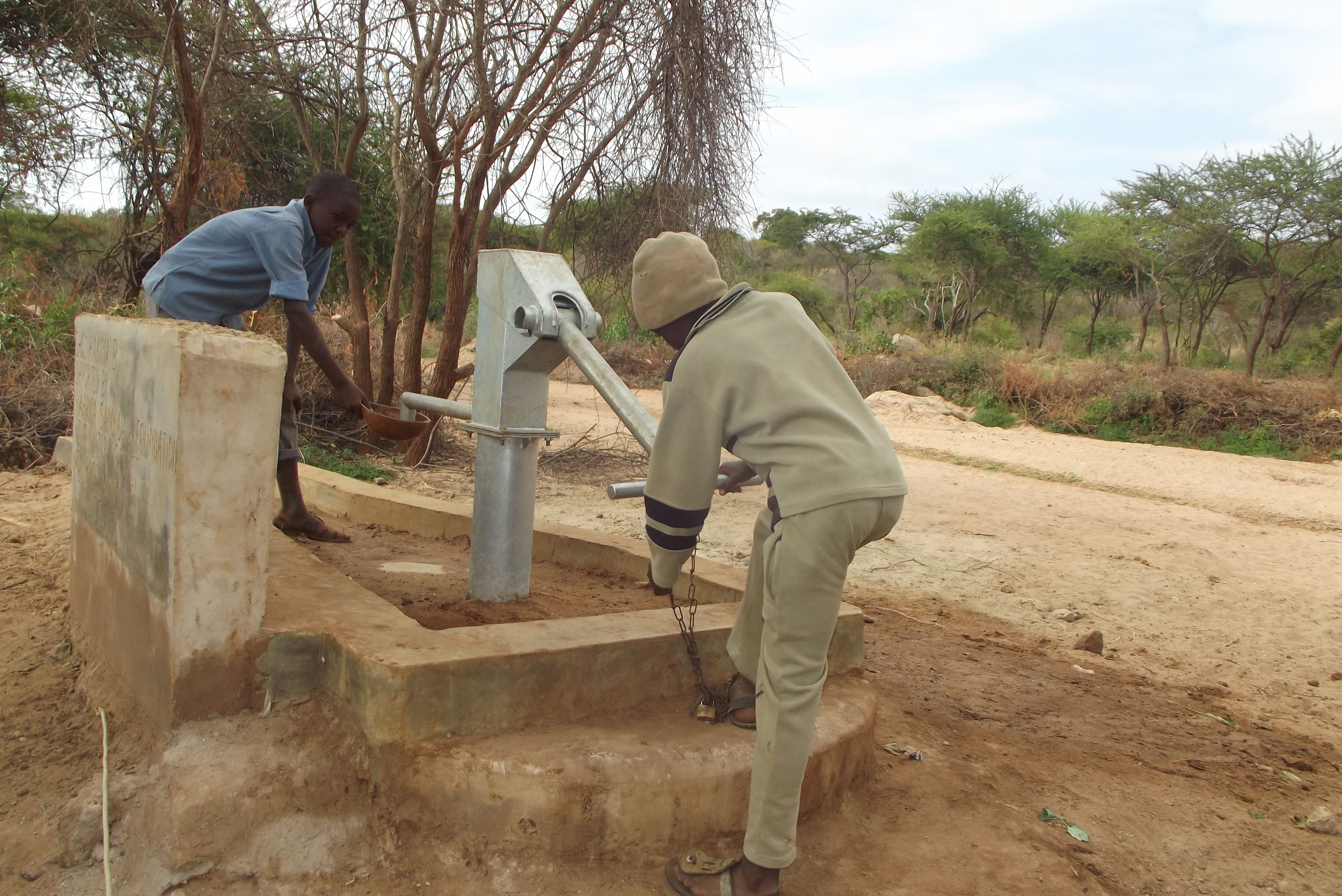
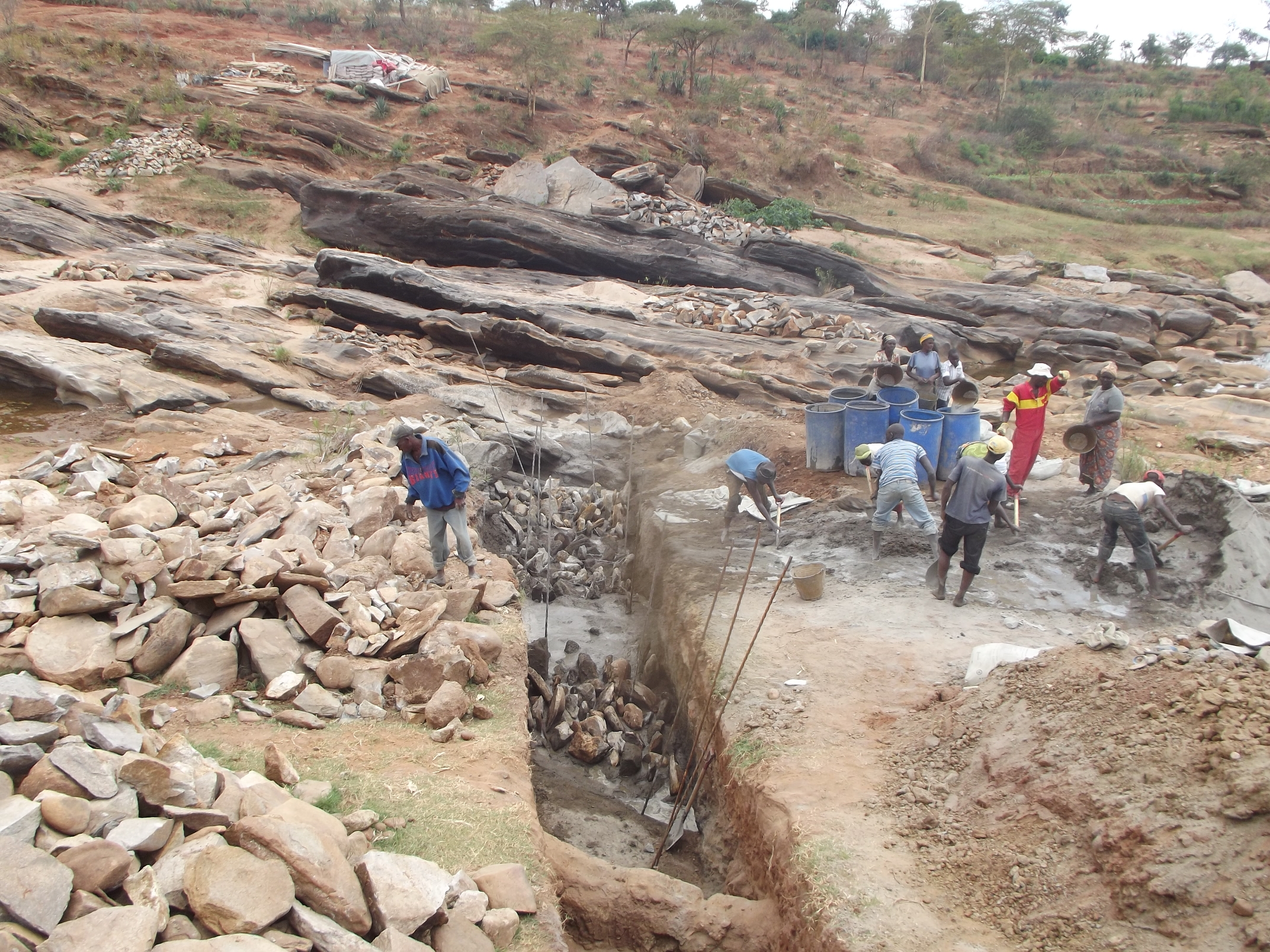
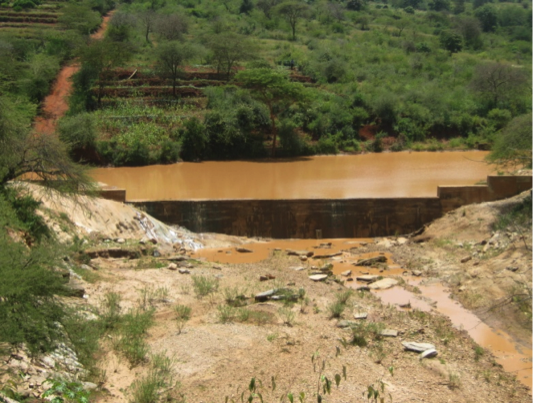
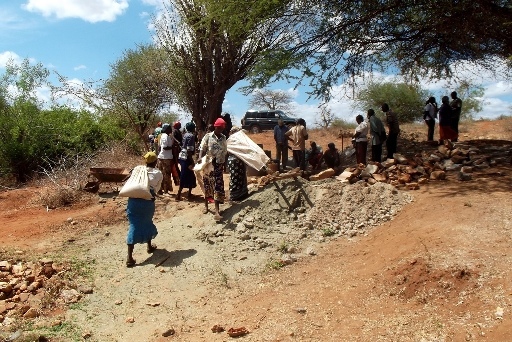
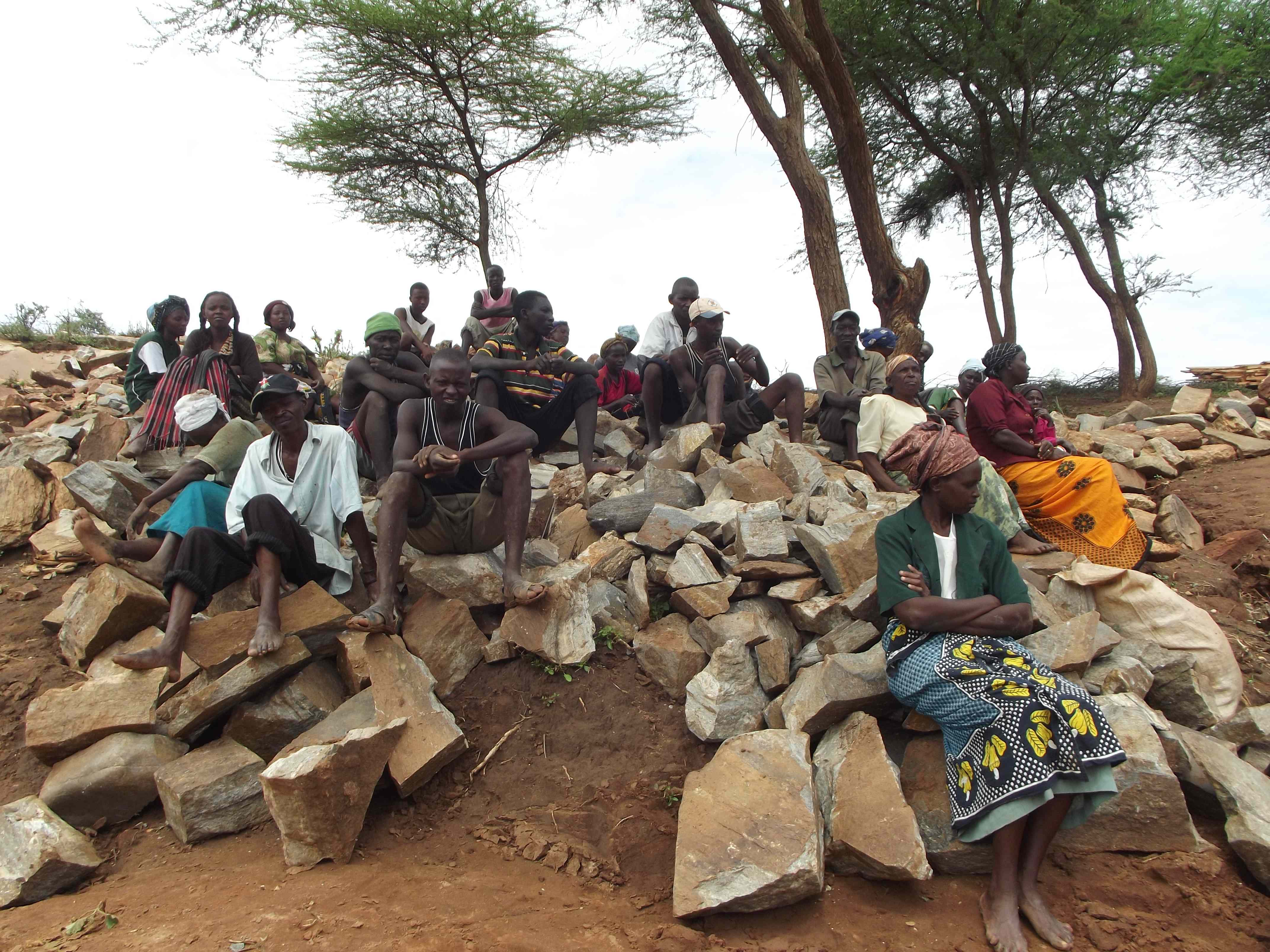
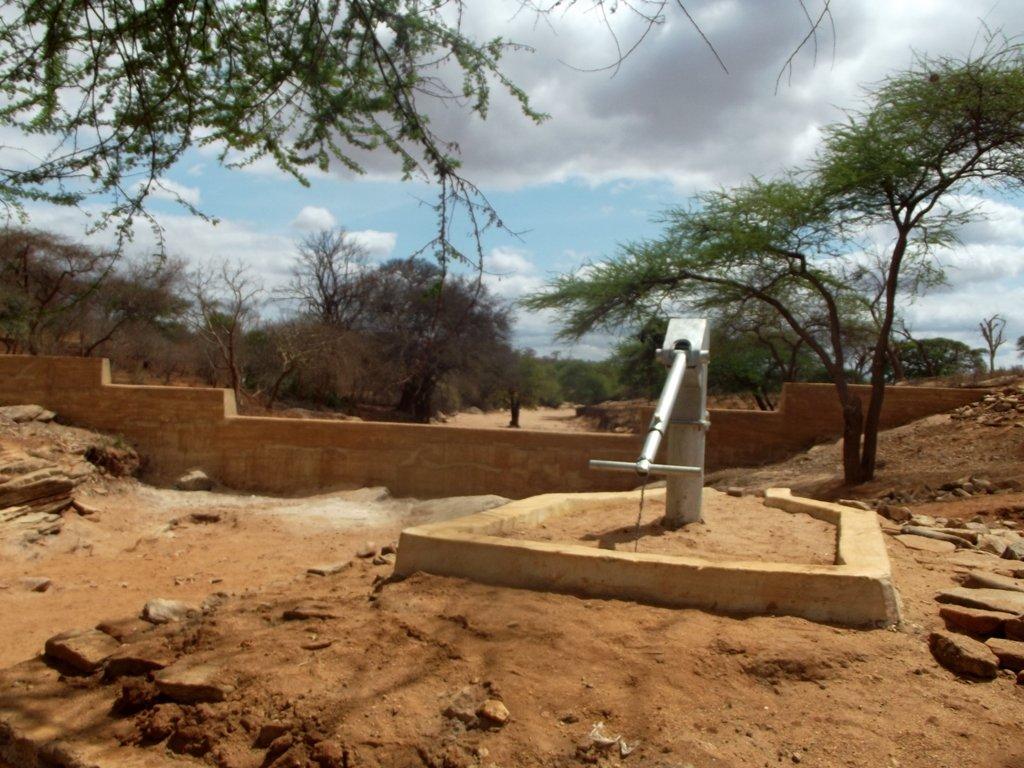
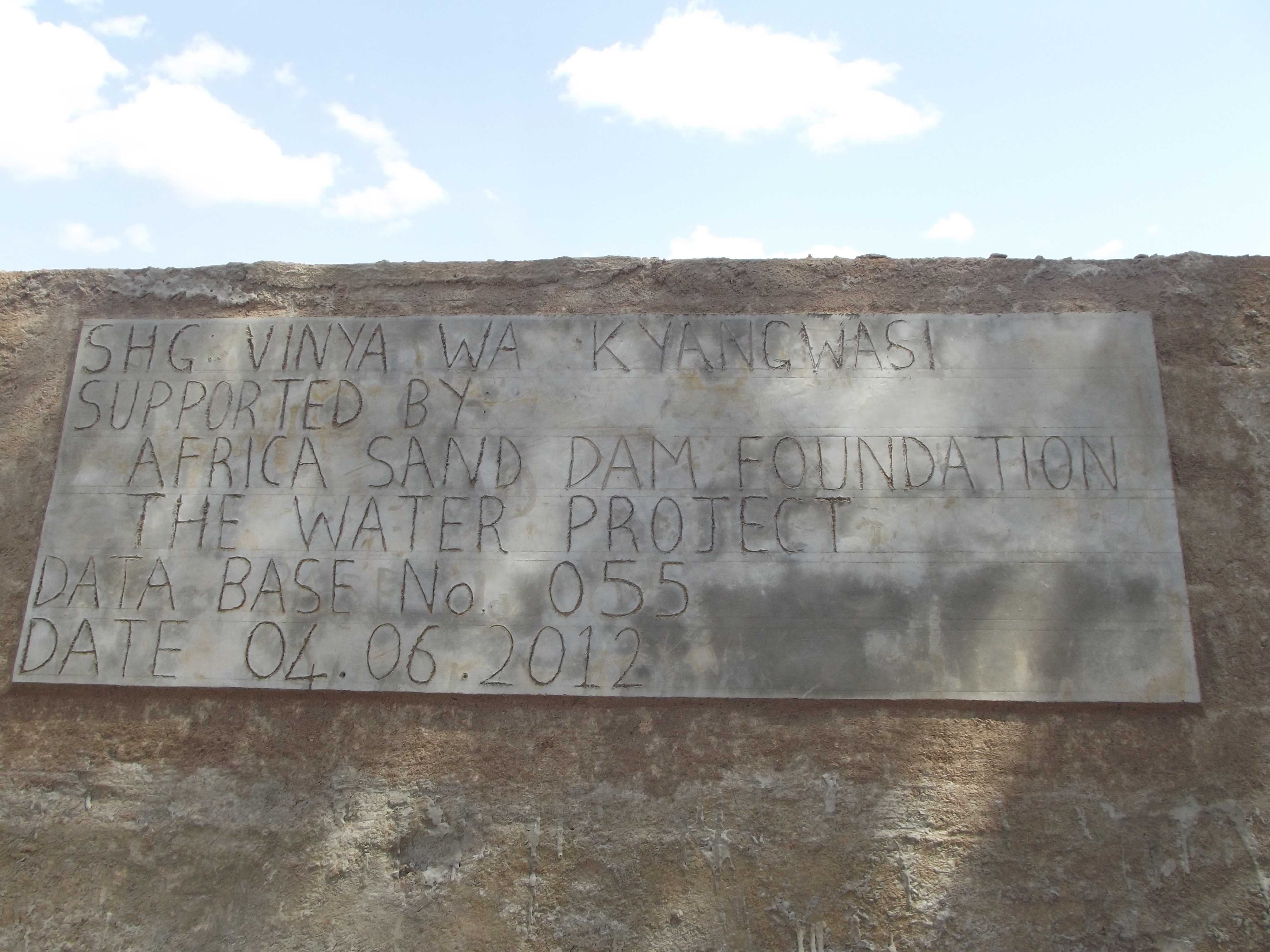
We expanded our relationship with the Africa Sand Dam Foundation, building our 2011 pilot program into a robust construction effort that includes 10 sand dams and 8 shallow wells. These comprehensive projects included the design and construction of small subsurface dams, as well as efforts in agriculture, land terracing, tree planting and watershed management.

Pamoja Trust
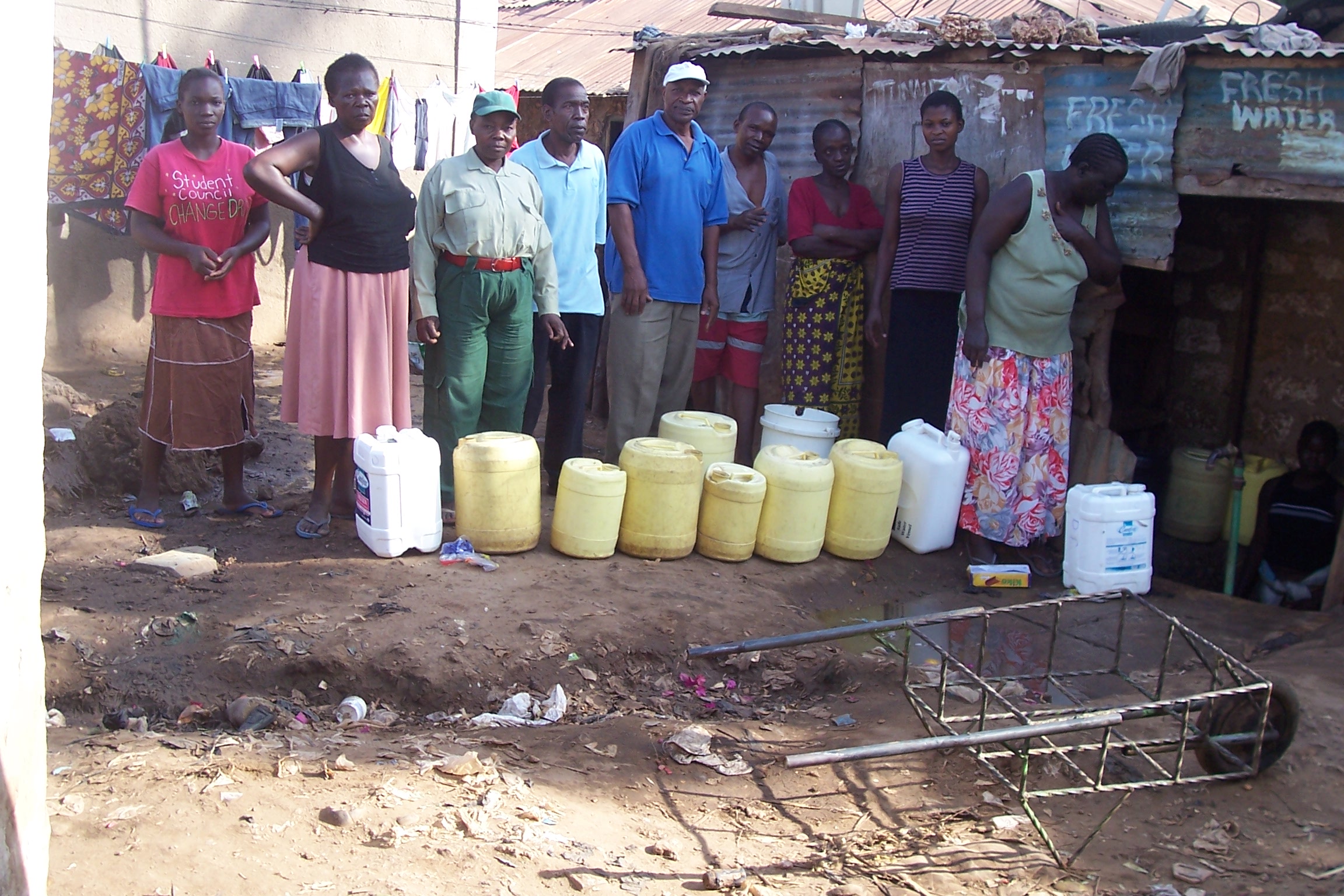
Our unique Urban Water Kiosk pilot in Mombasa, with Pamoja Trust, was a success. These small kiosks provide low income families with affordable alternative access to clean, safe municipal water. Without these interventions, which are coordinated and endorsed by the local government, families often pay a prohibitive premium for stolen and often dangerous drinking water from unscrupulous providers. The kiosk programs are entirely managed and operated by the local community and profits from water sales are reinvested into programs such as secondary education scholarships.

IcFEM
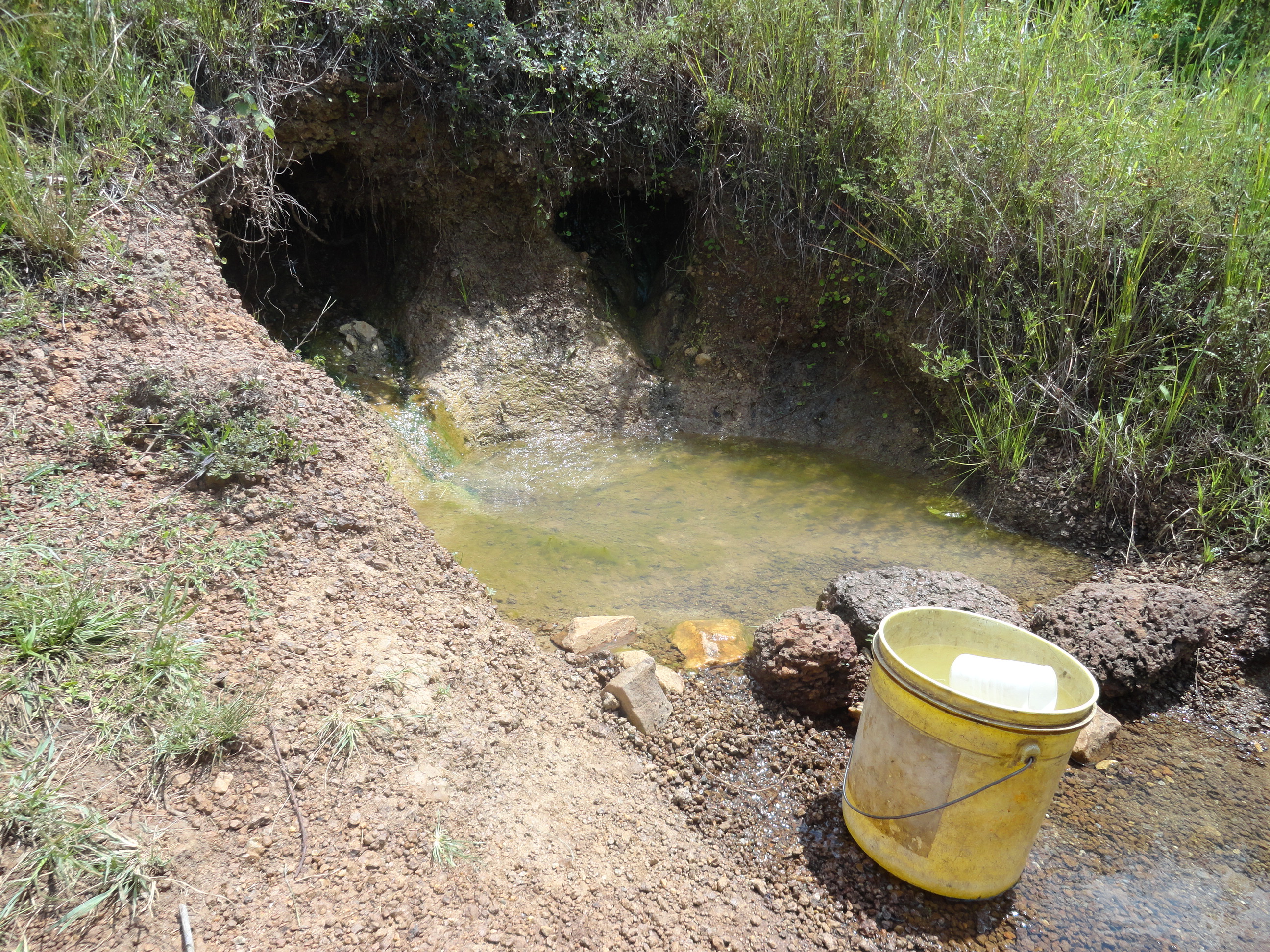
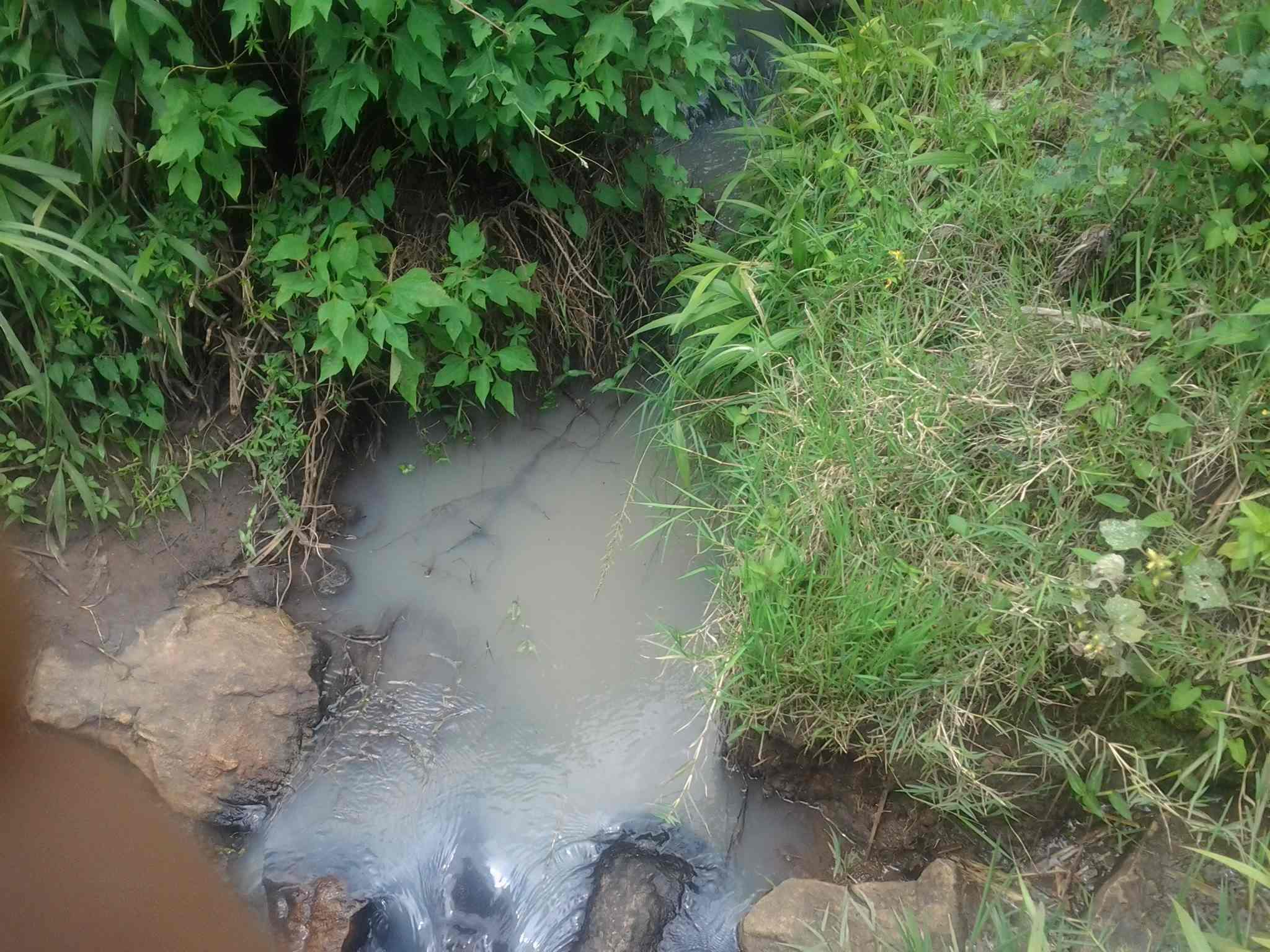
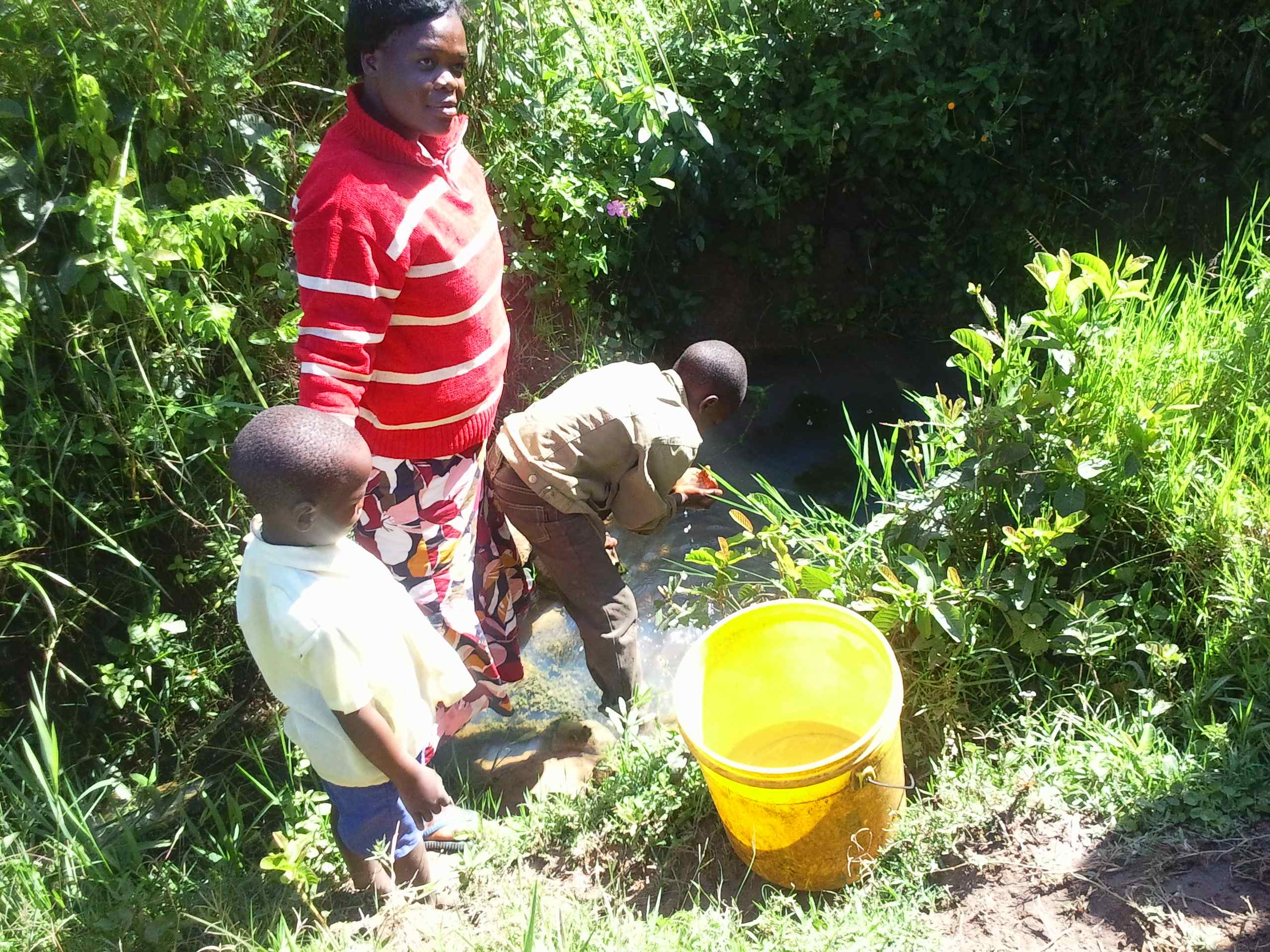
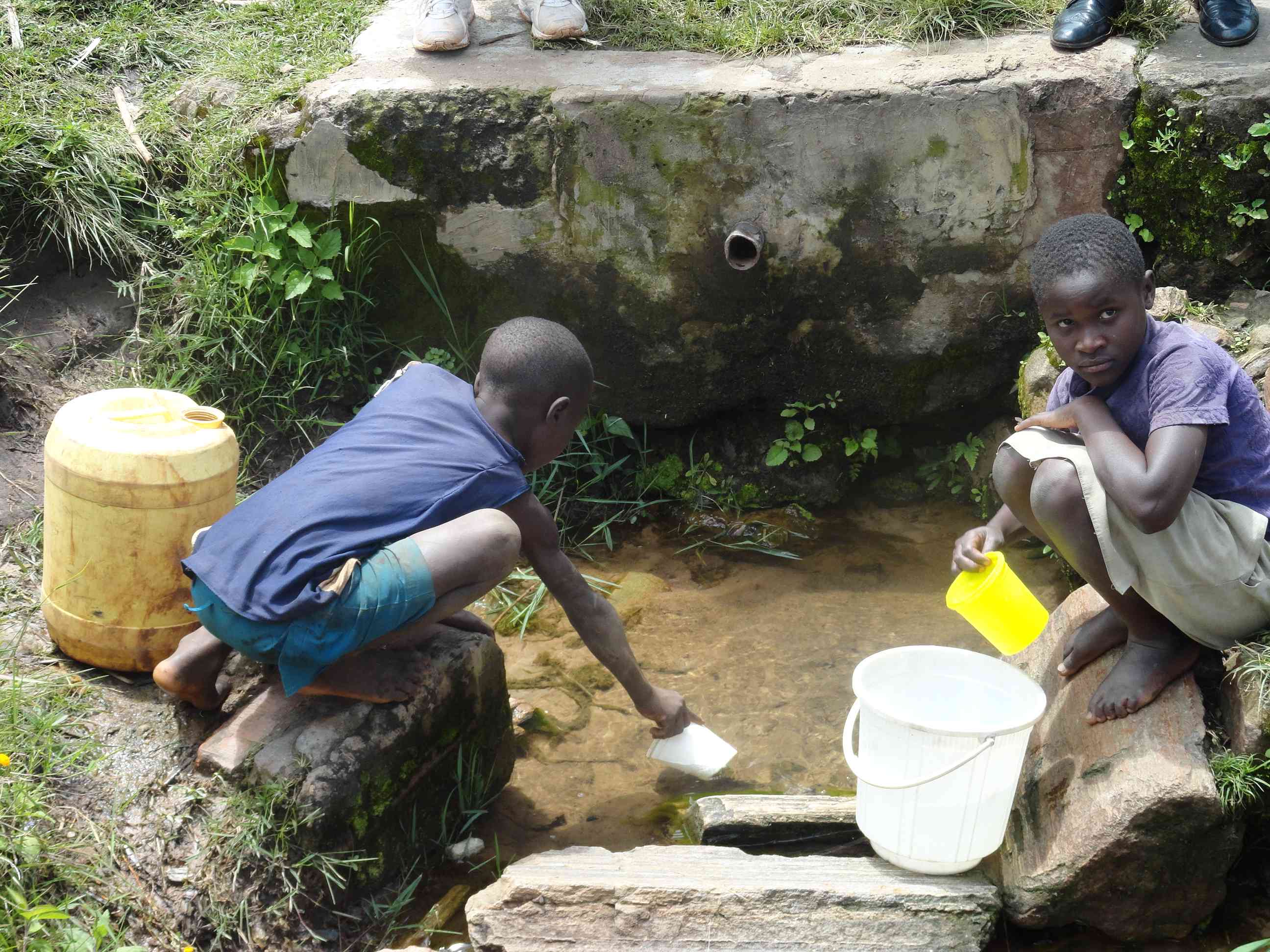
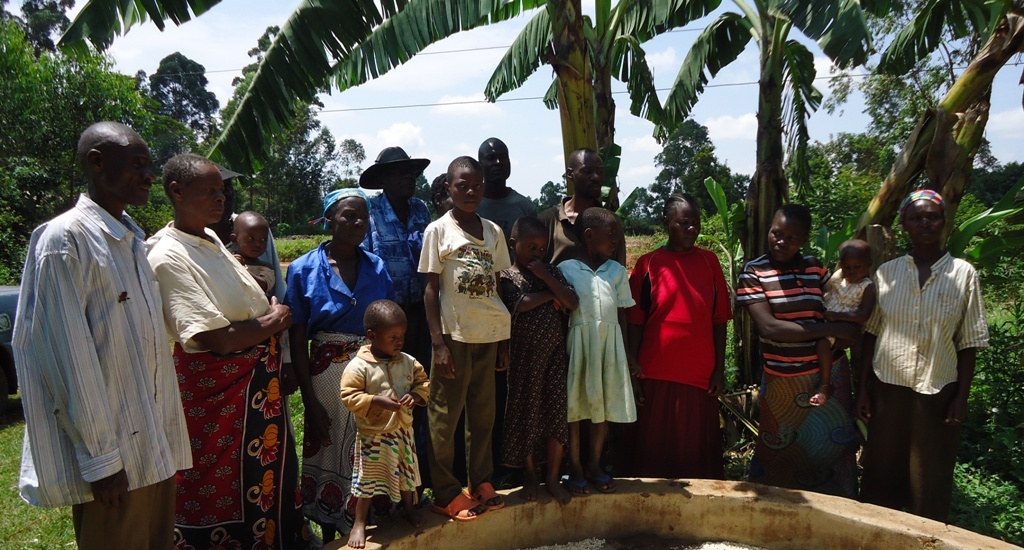
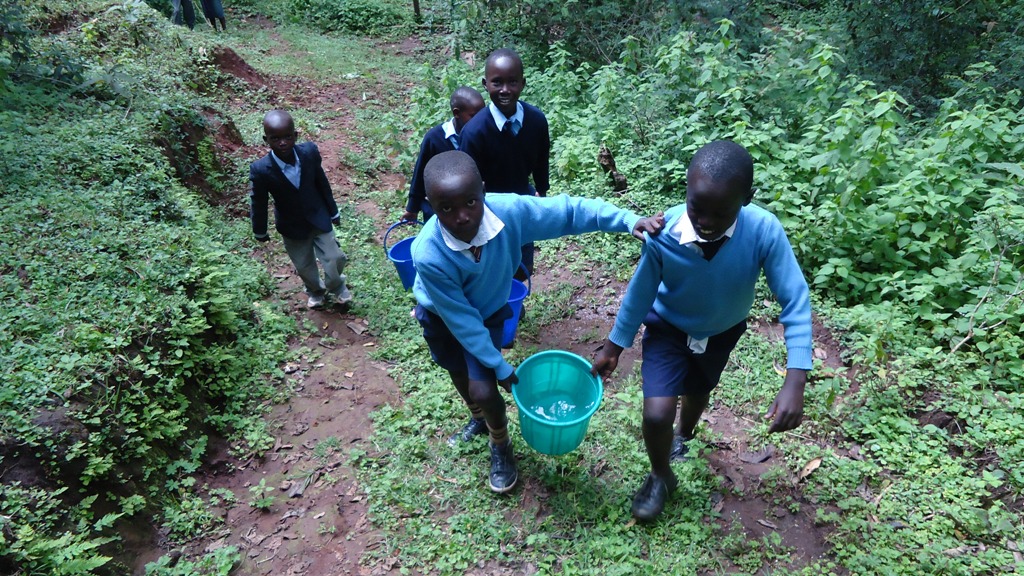
Finally, our relationship with IcFEM, a local community-led development NGO near Kakamega, expanded to include spring catchment schemes and rainwater harvesting in addition to water wells. We fund all of the water and sanitation efforts of this holistic development organization.
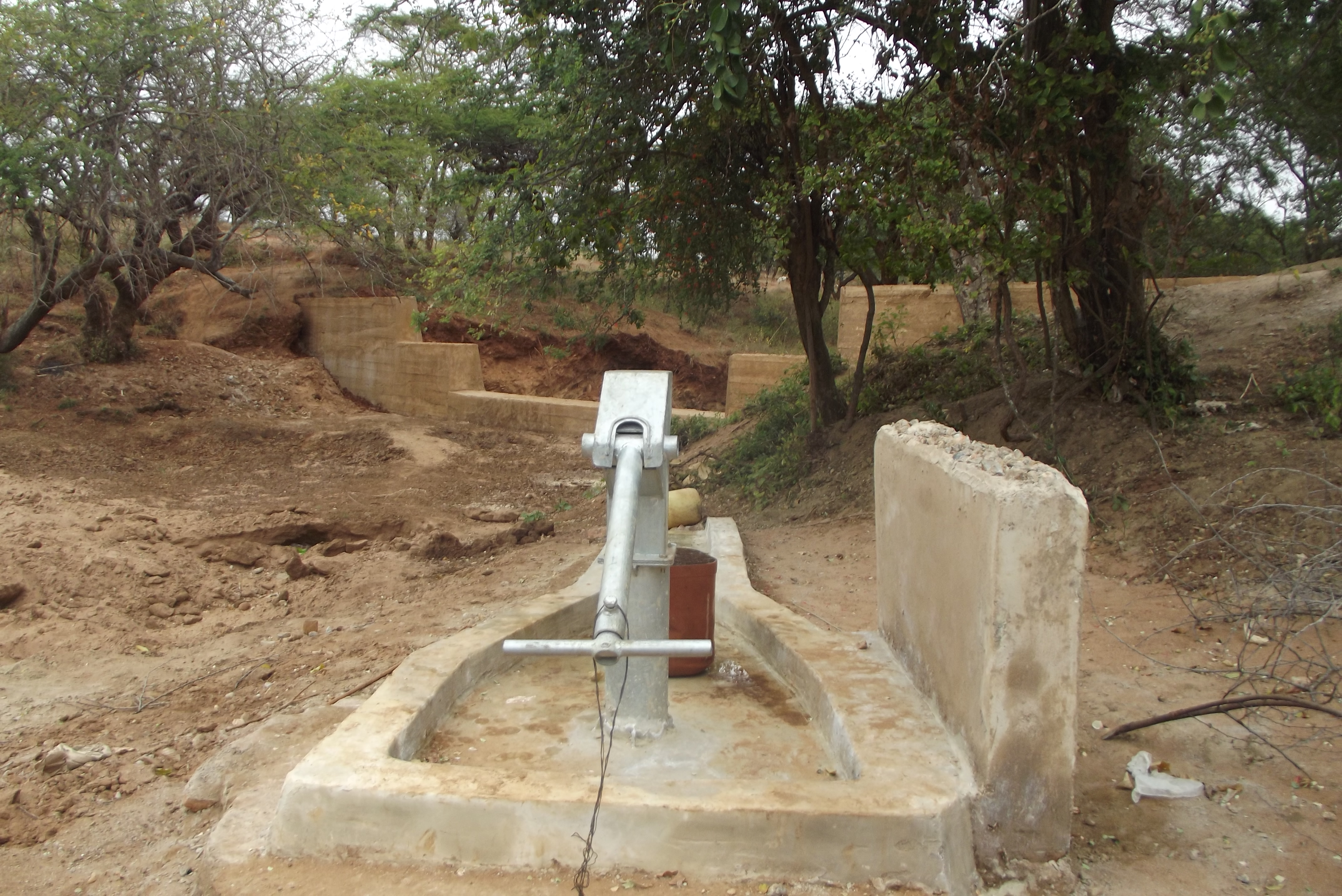
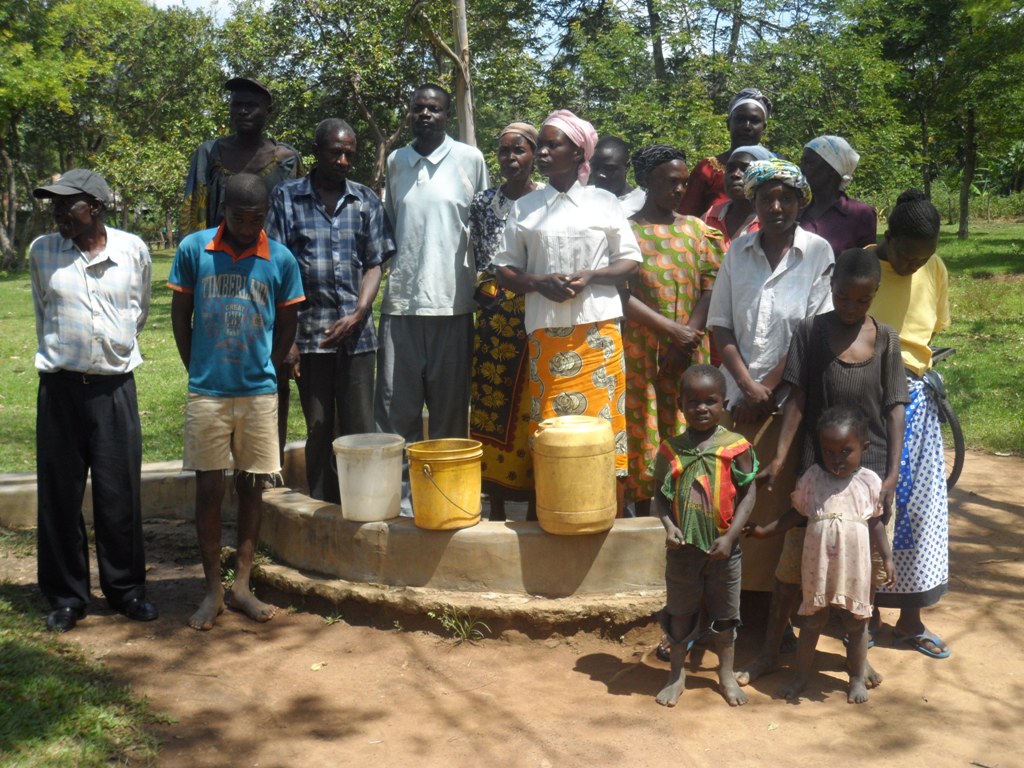
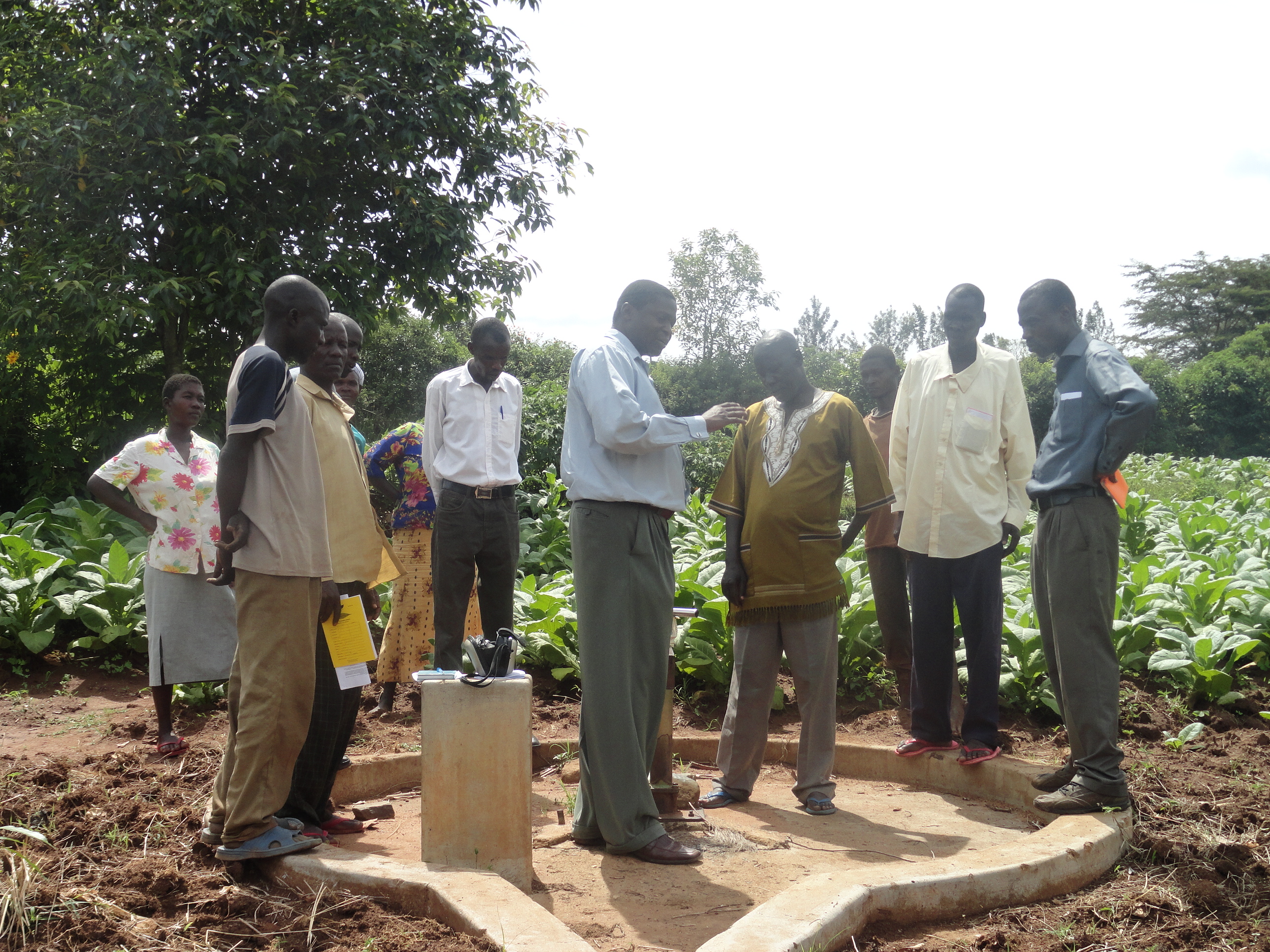
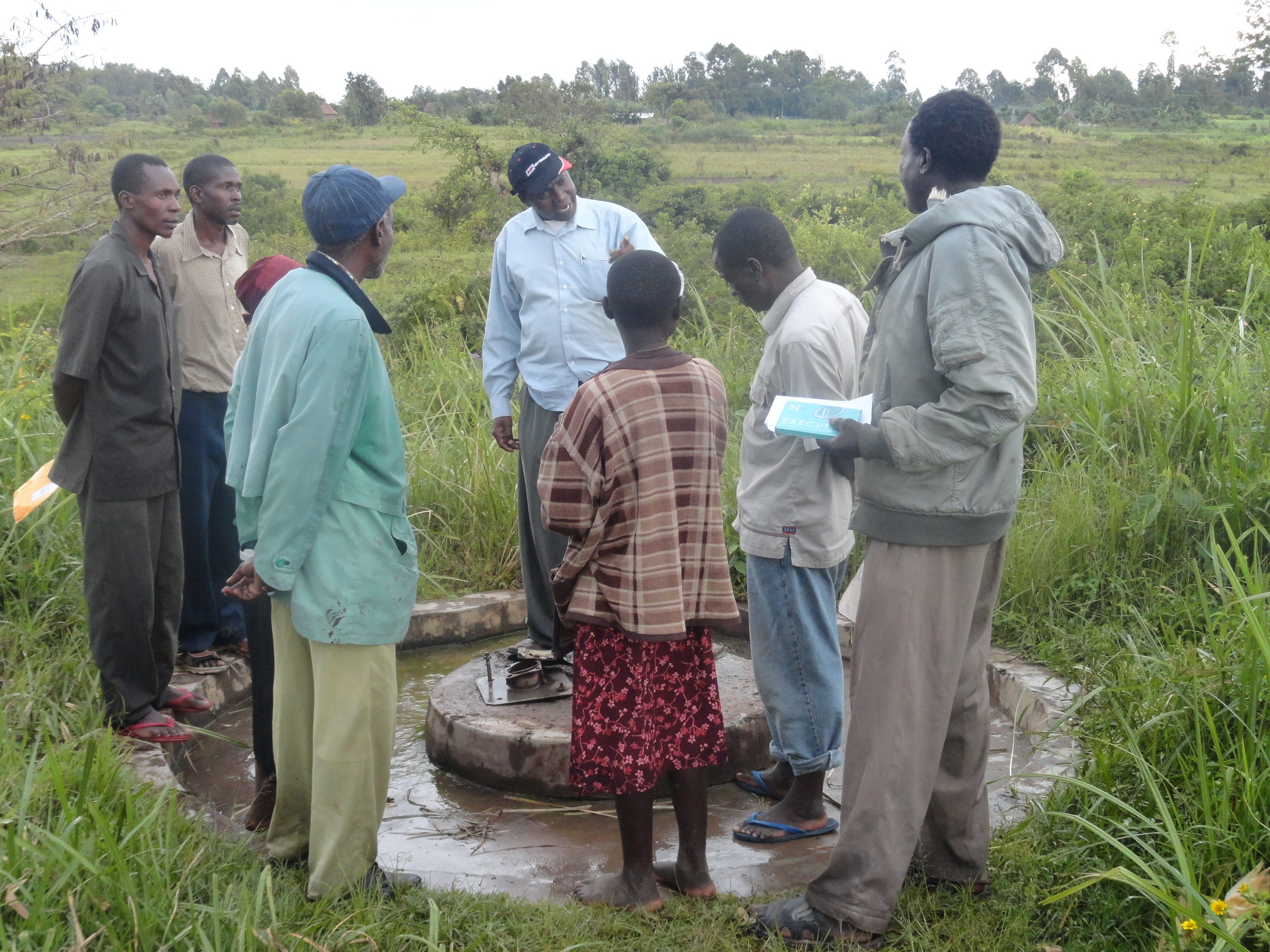
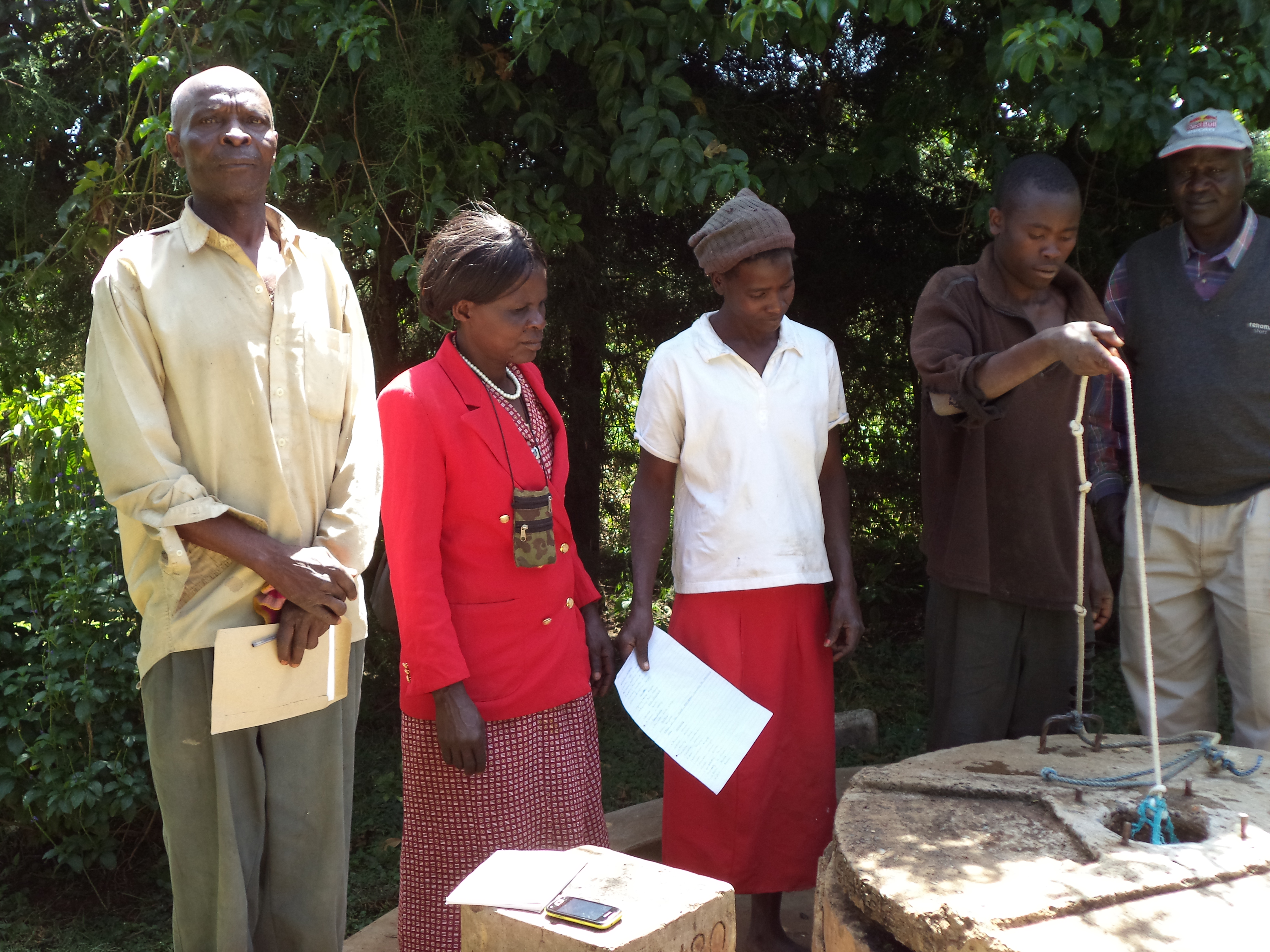
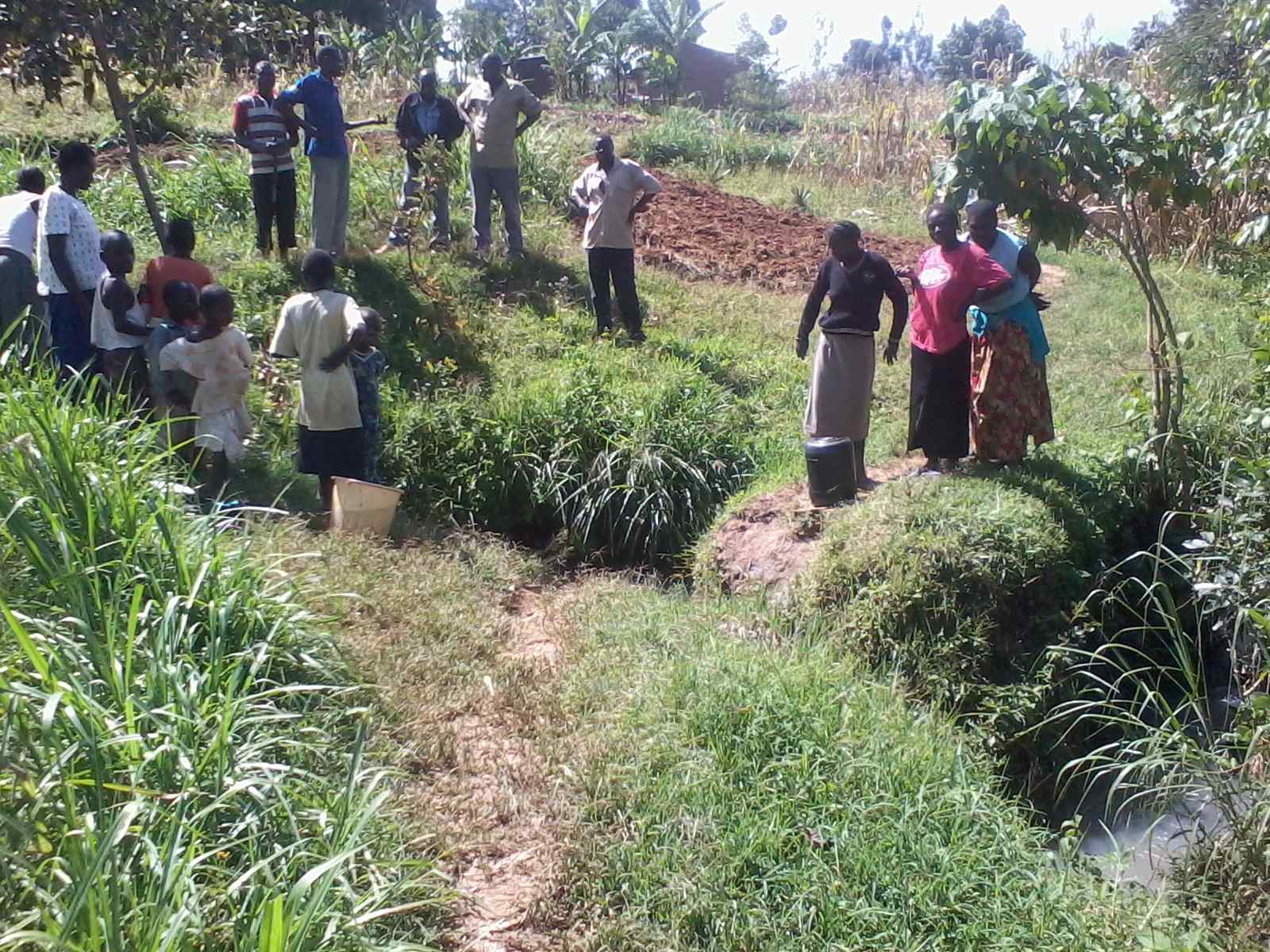
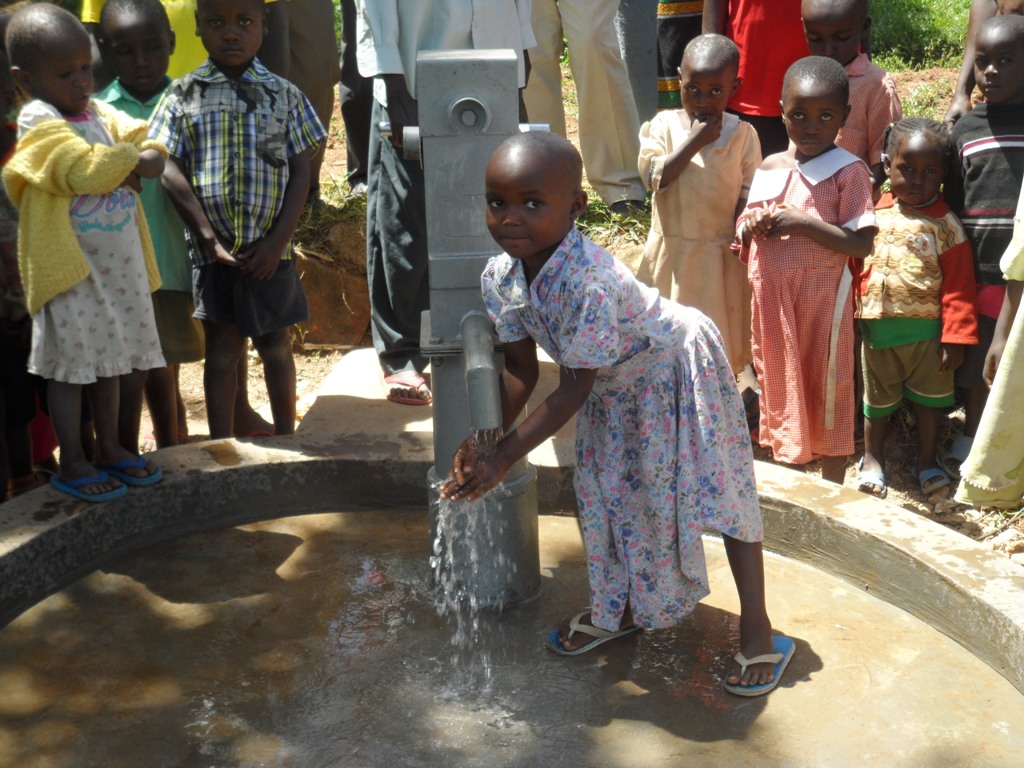
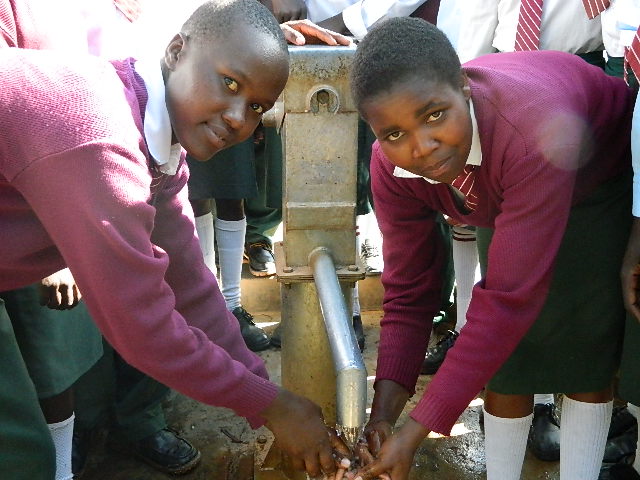
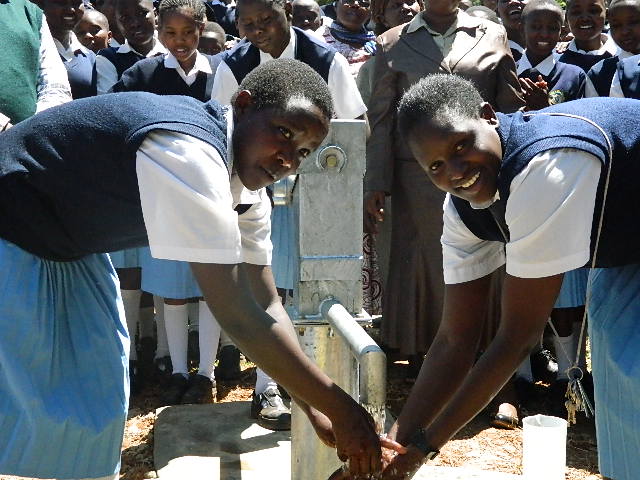
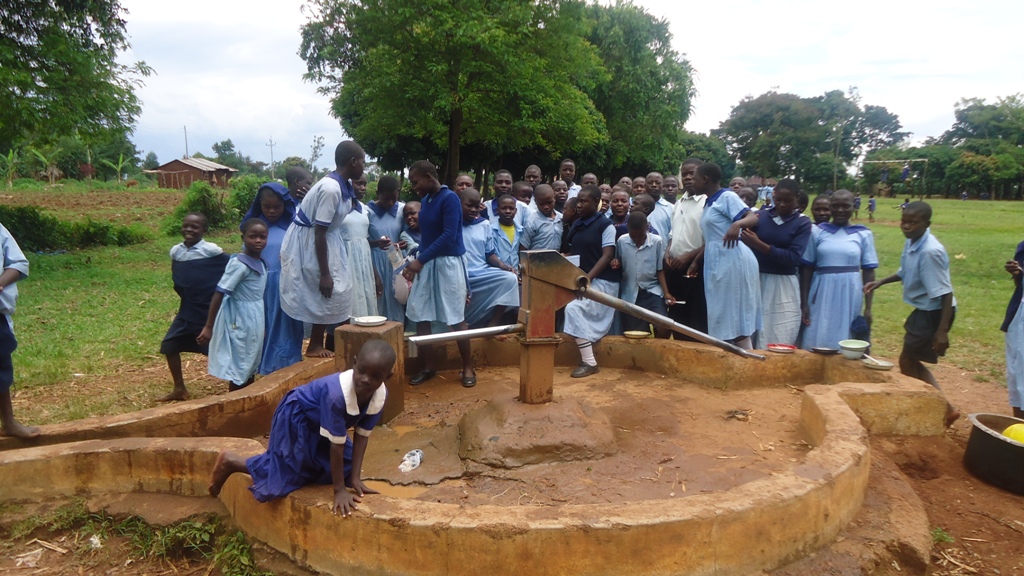
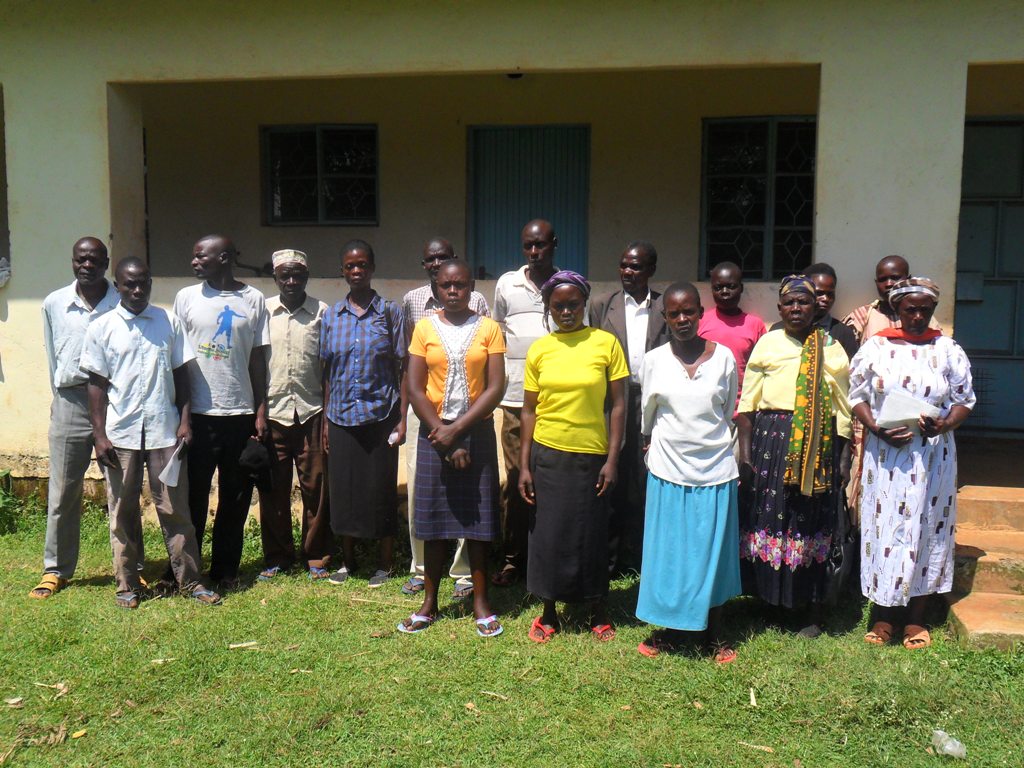
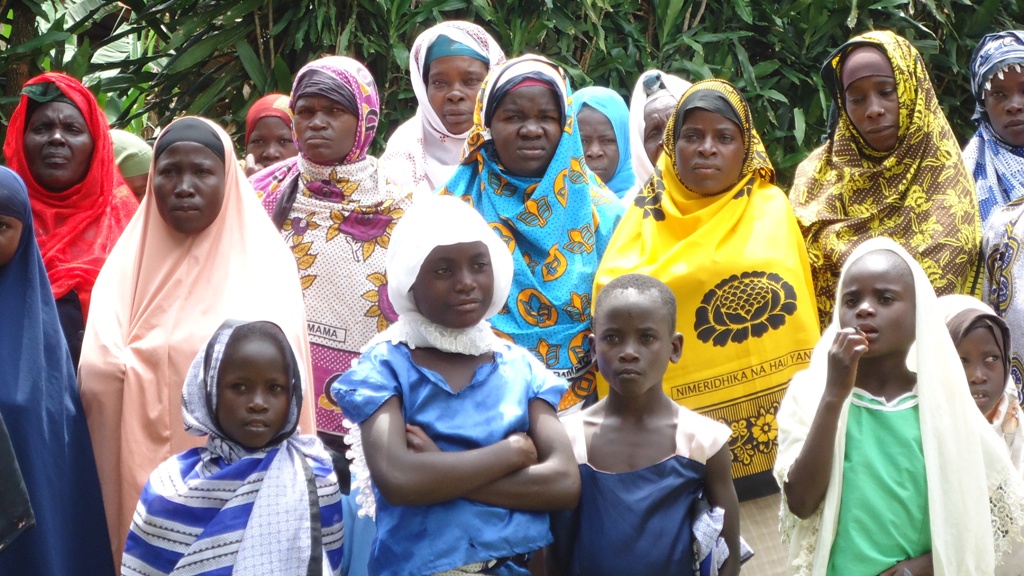
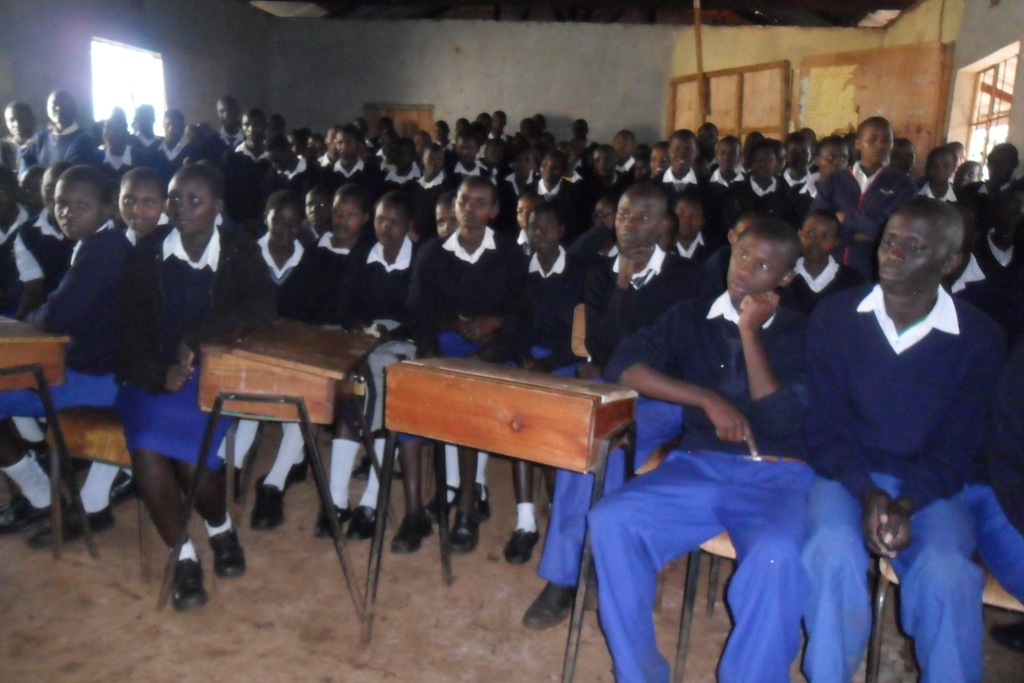
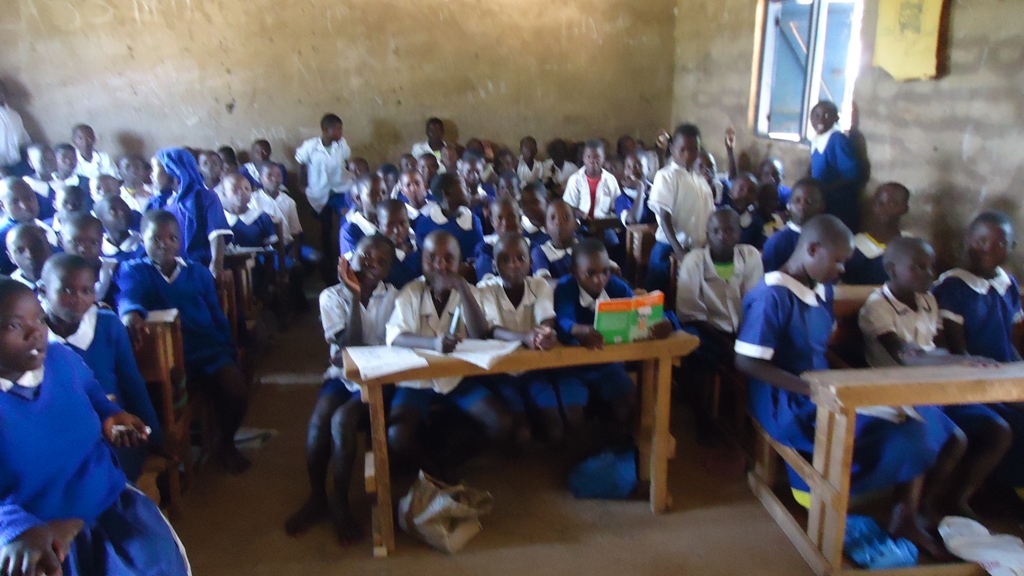
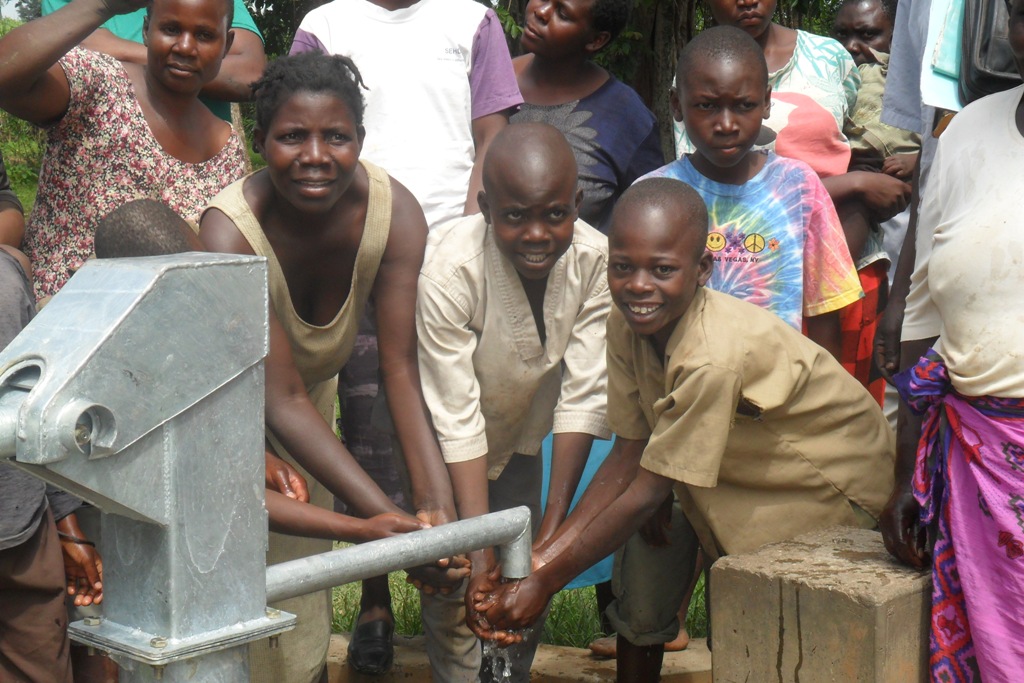
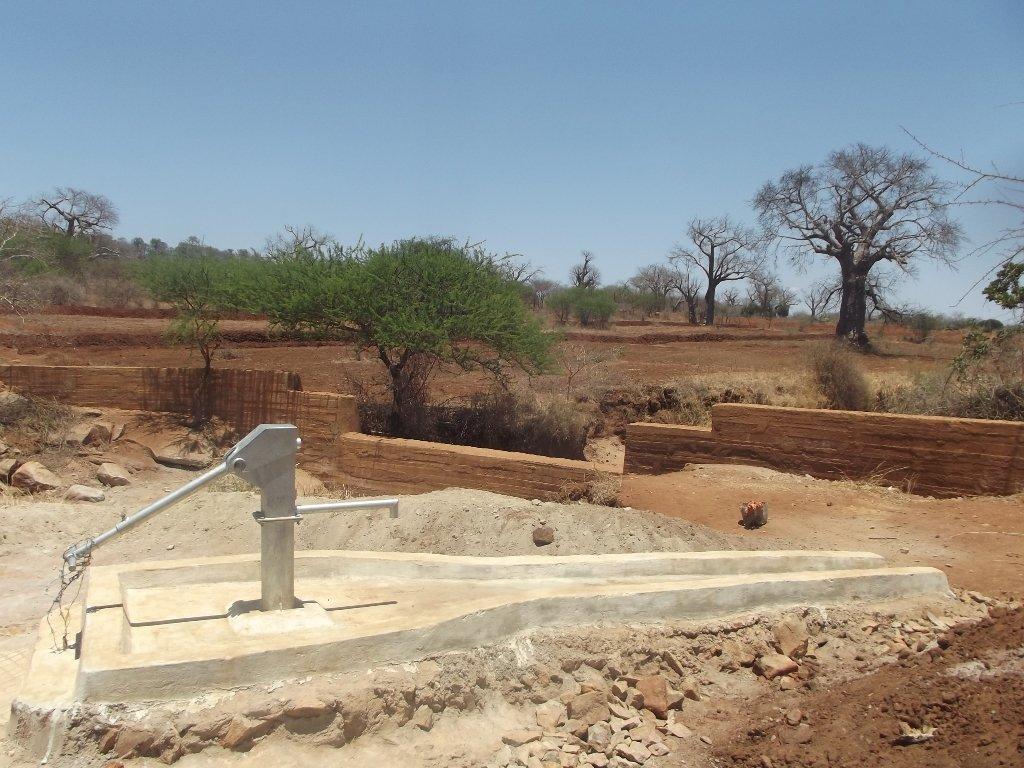
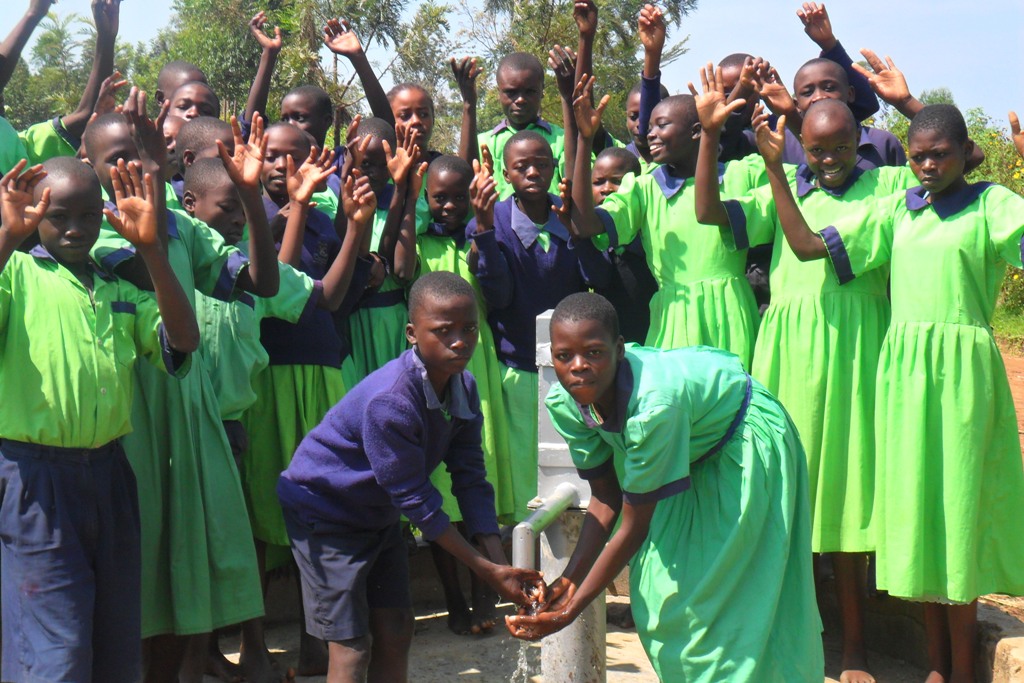
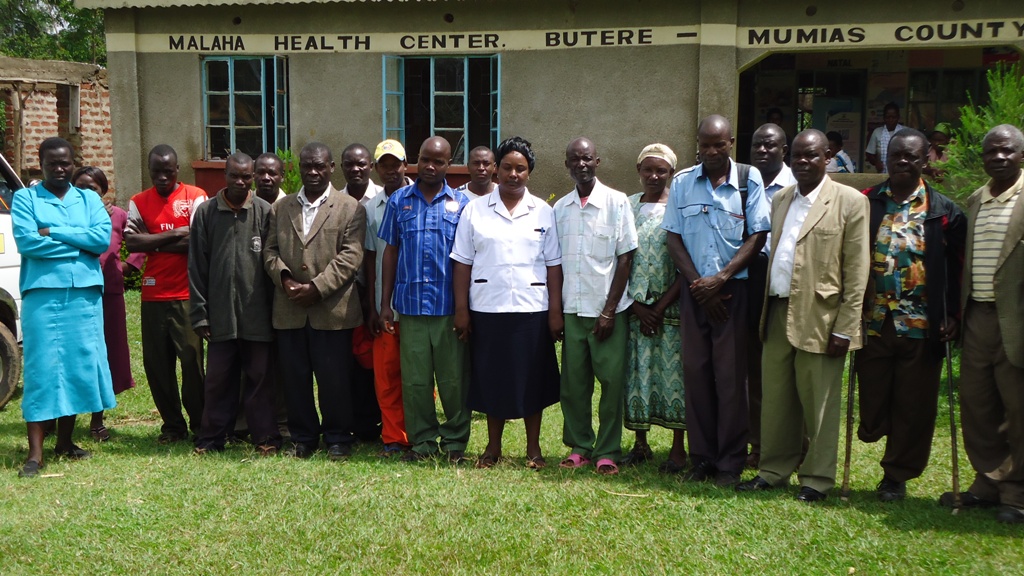
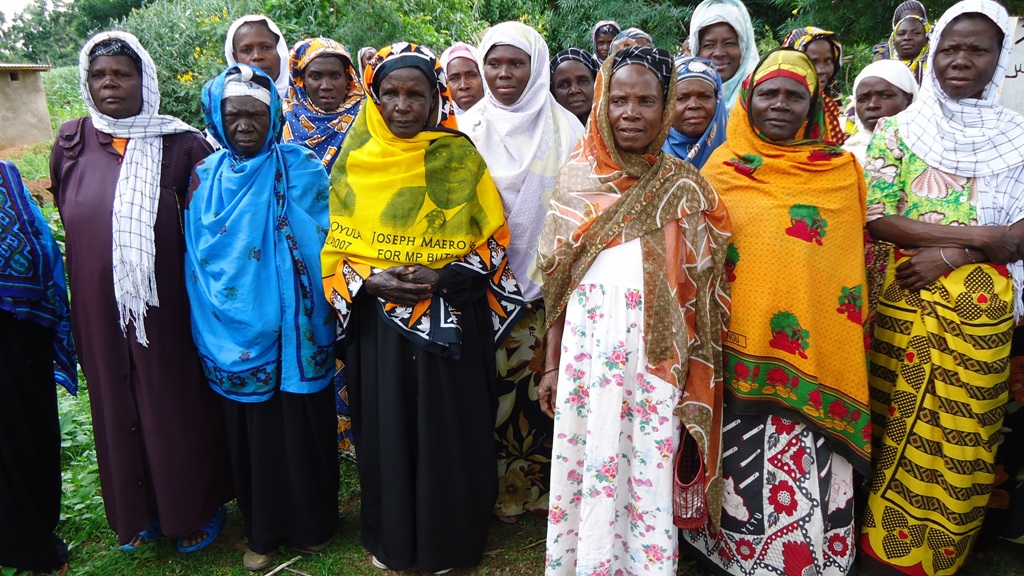
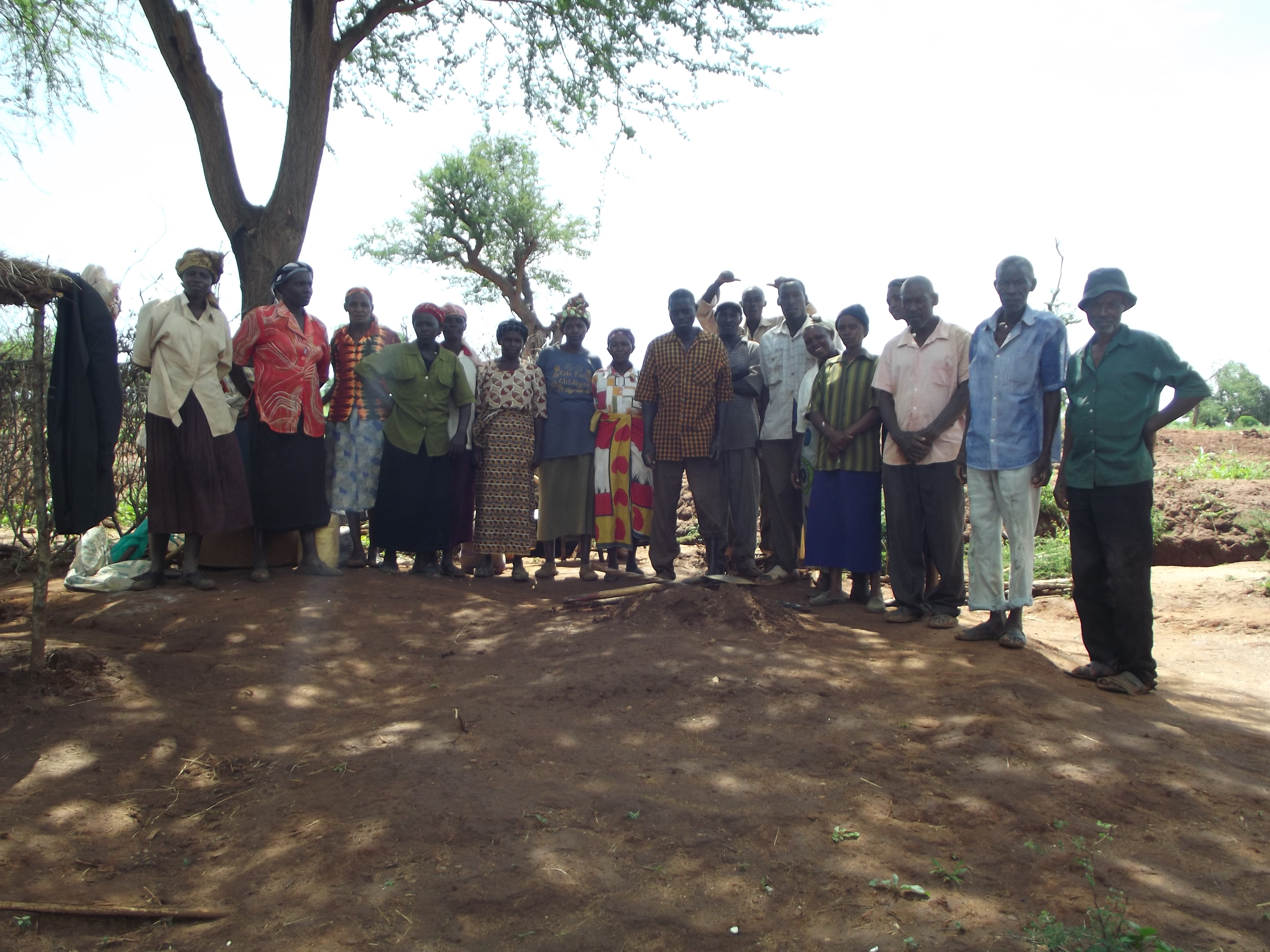
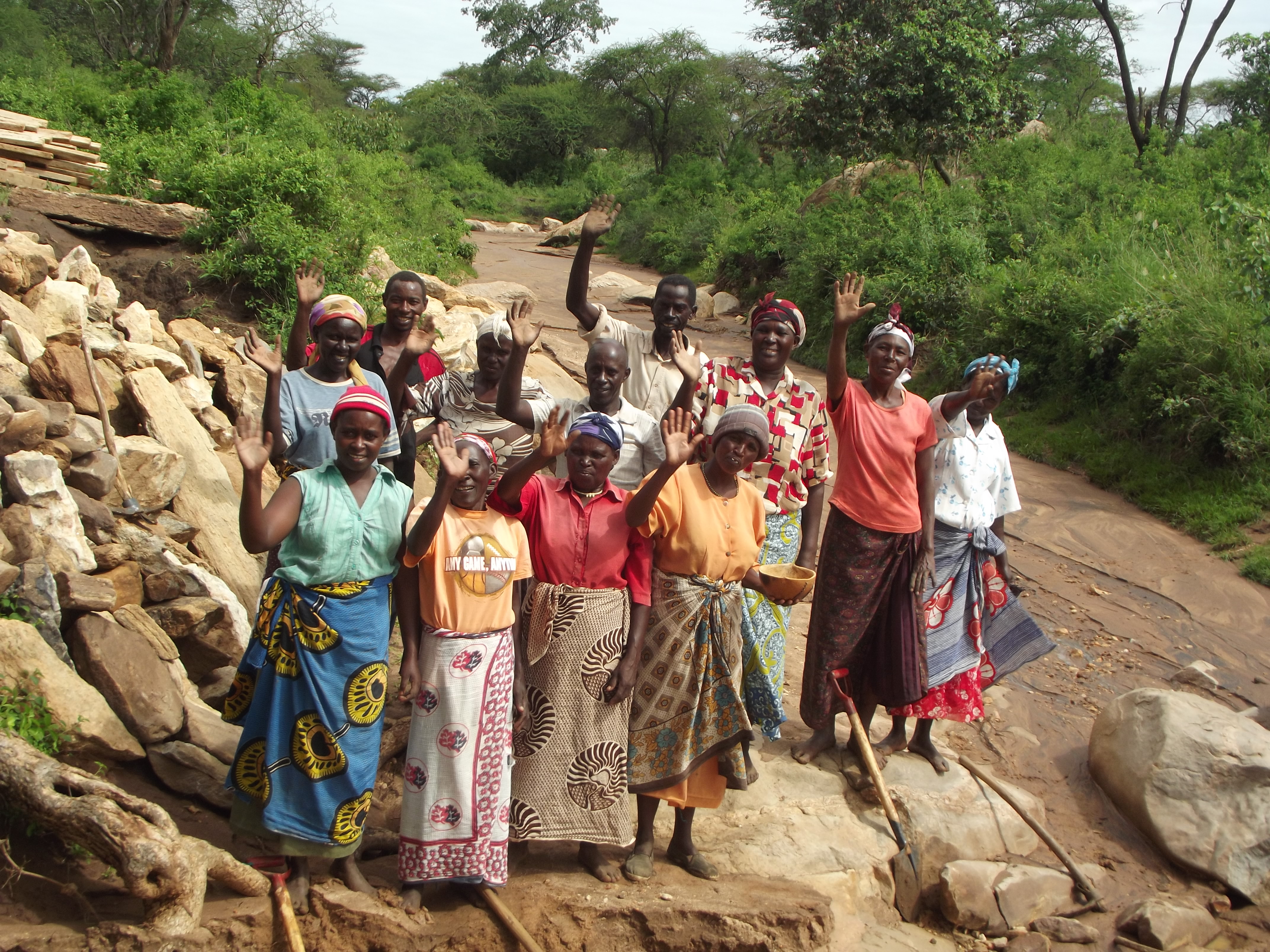
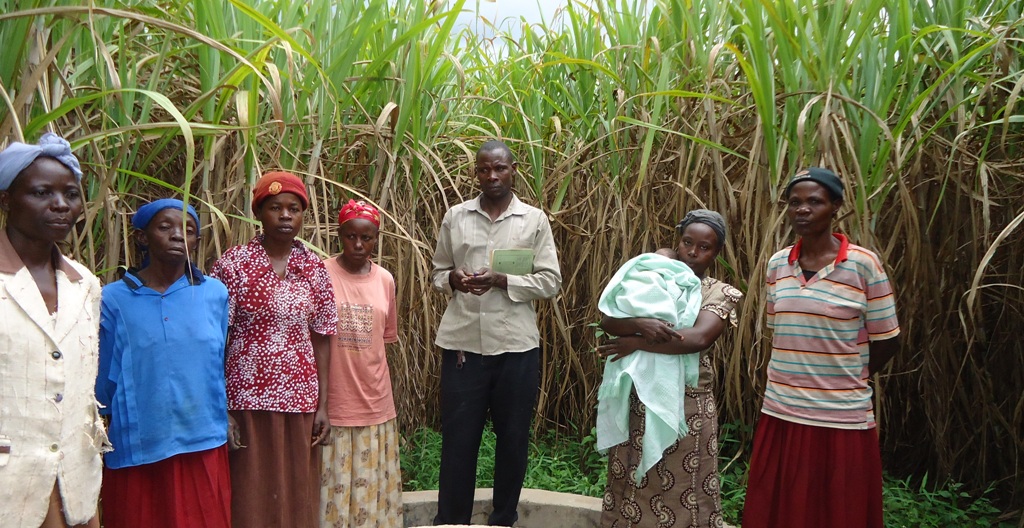
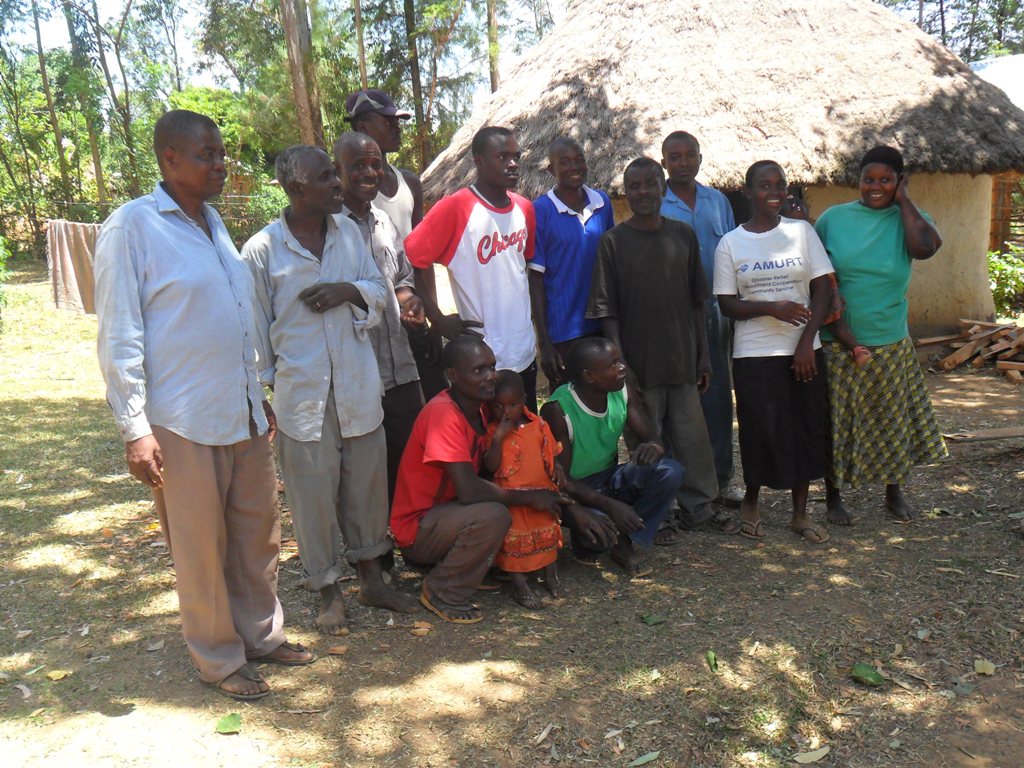
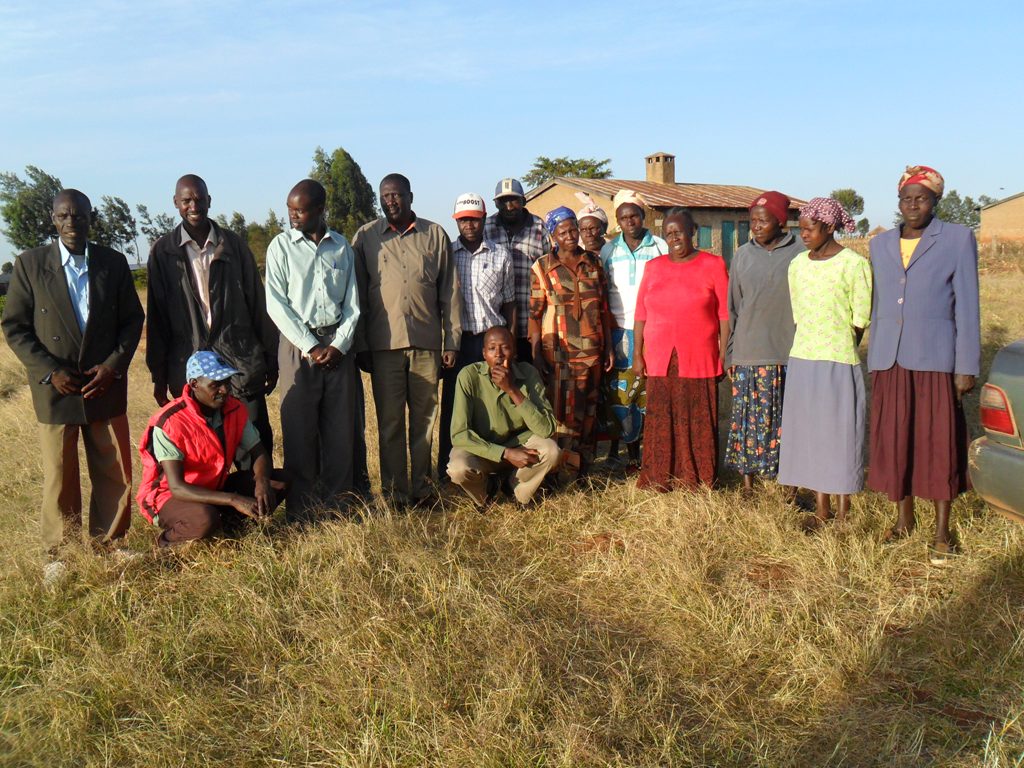
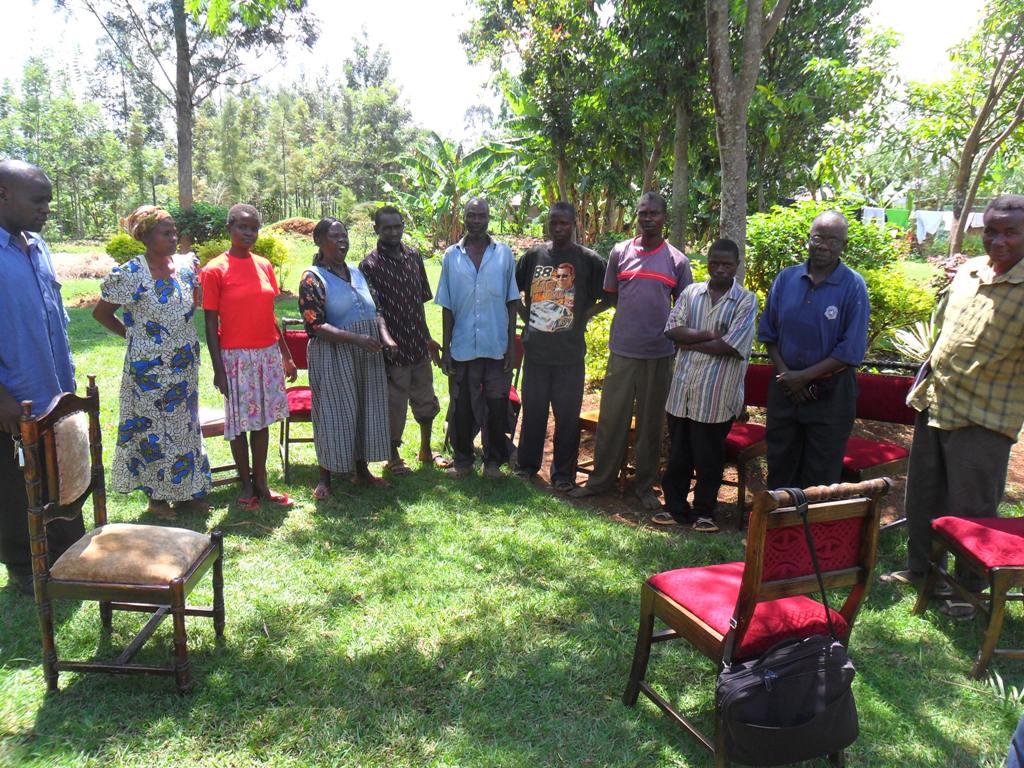
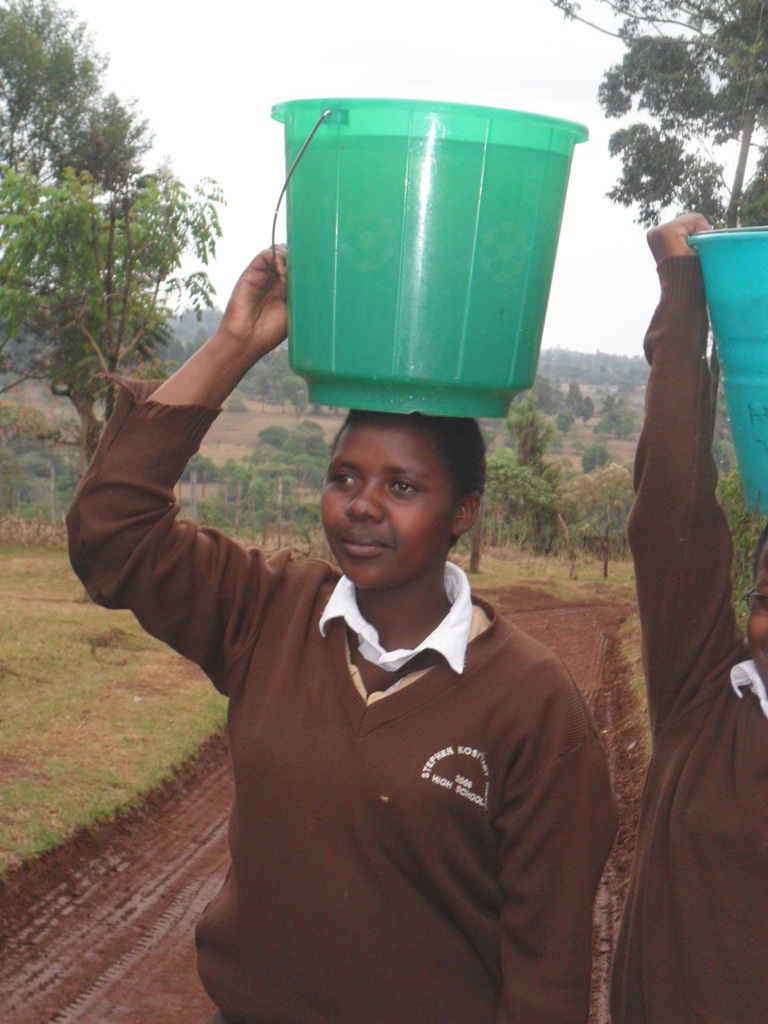
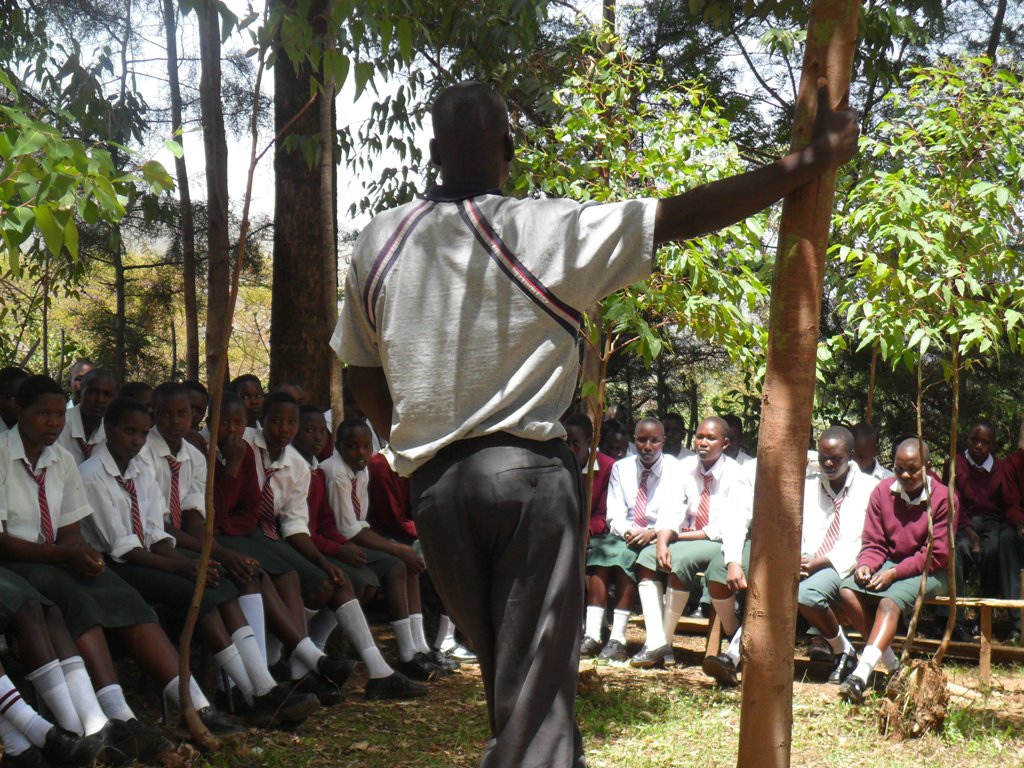
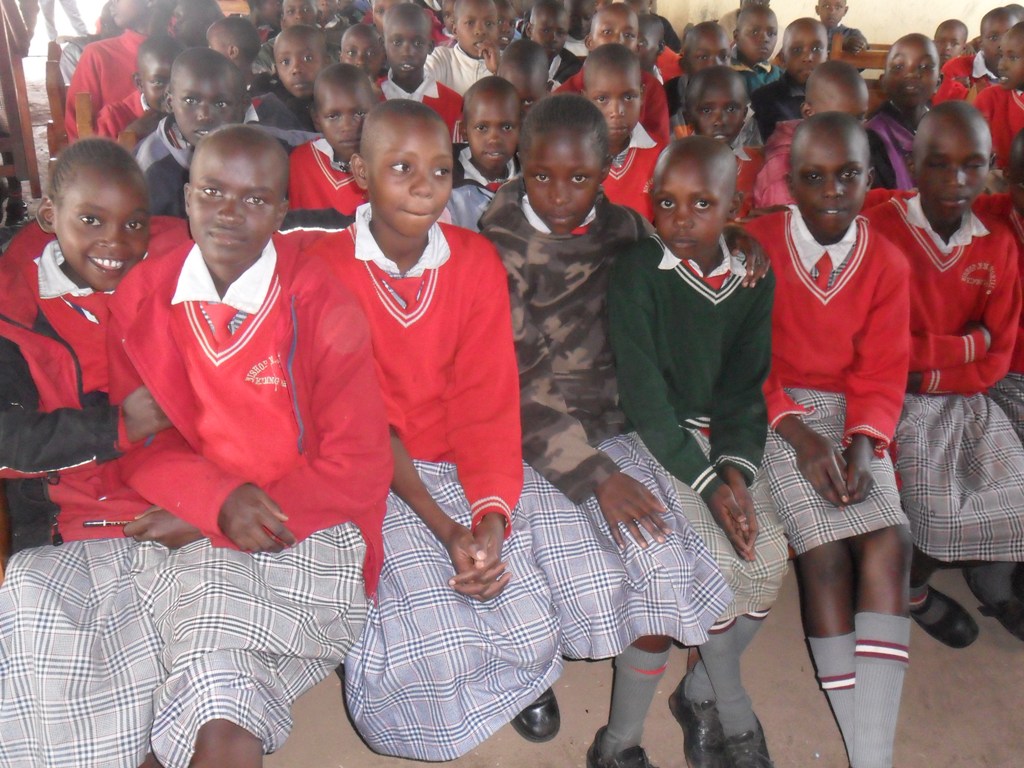
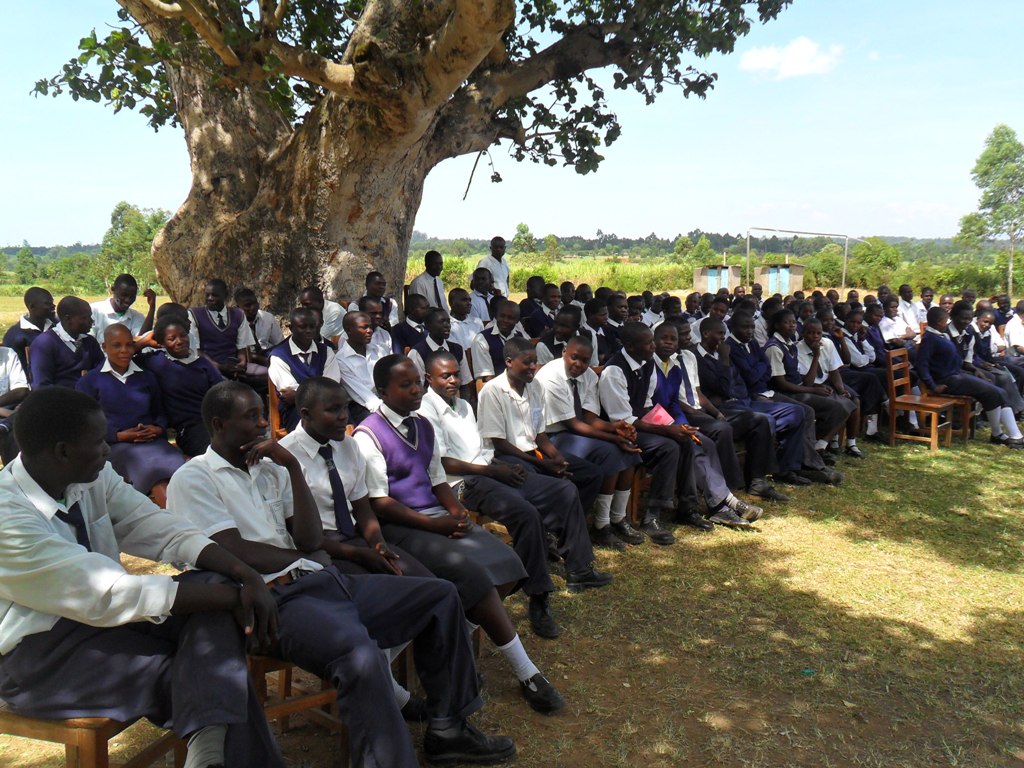
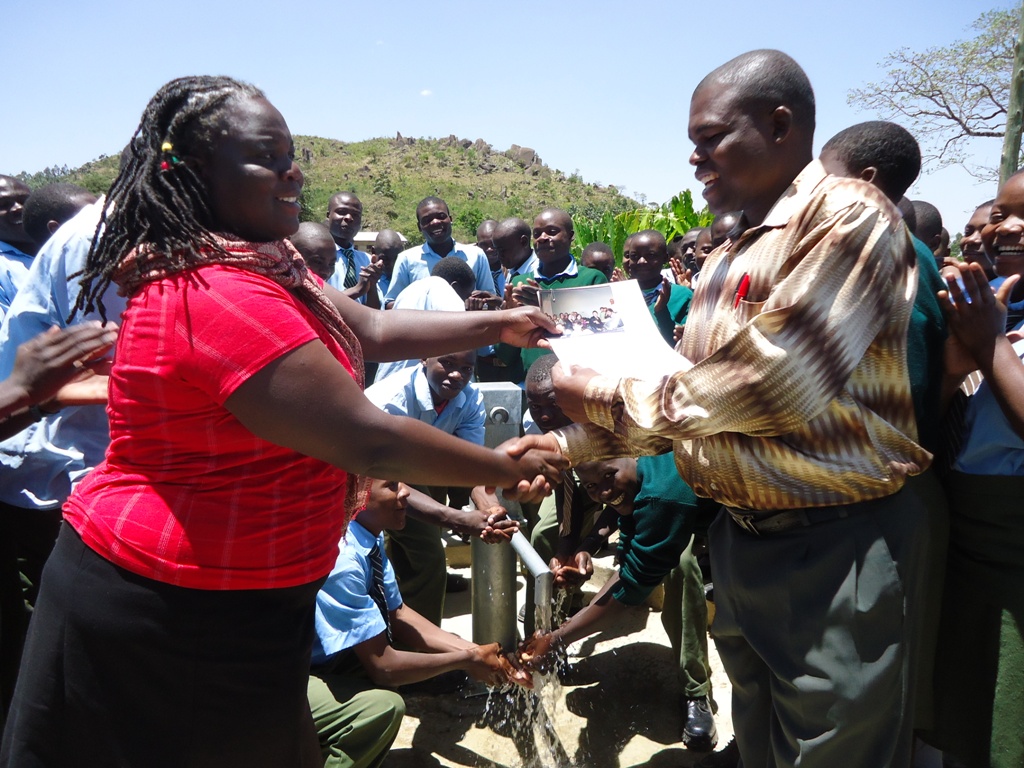
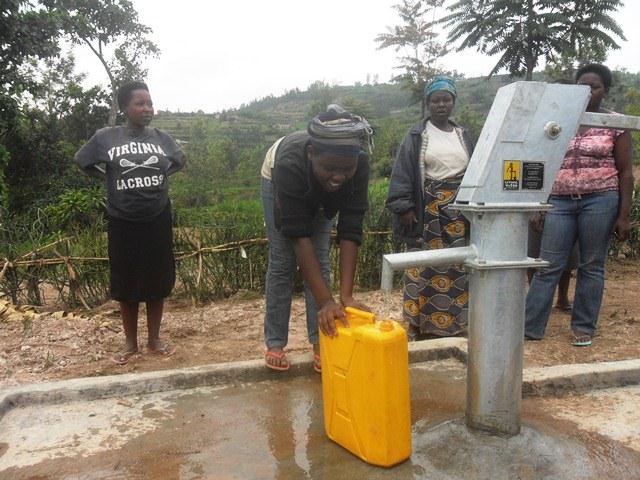
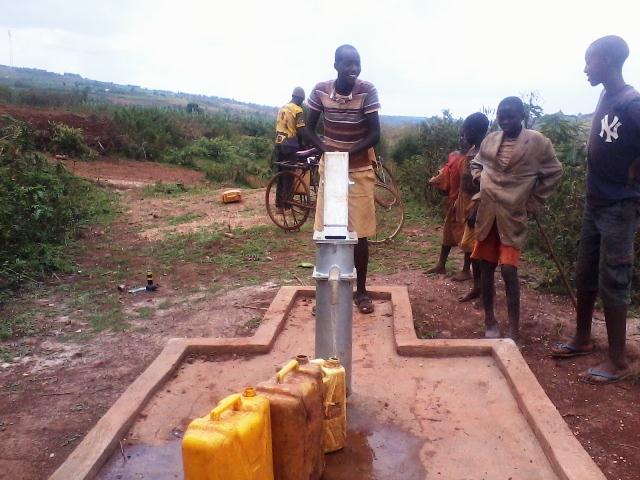
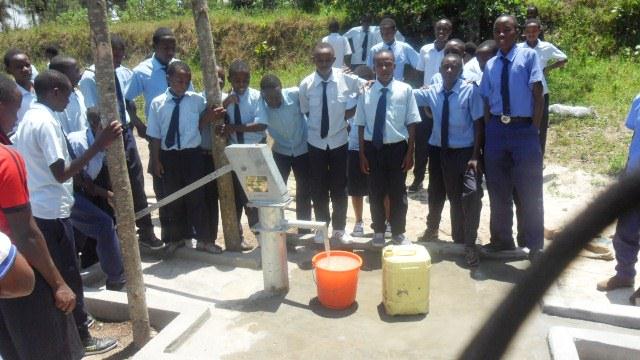
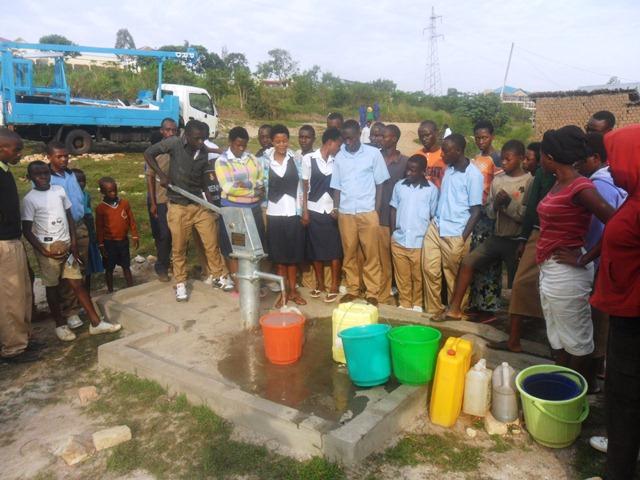
Photo of Kyeni Kya Syatu Community 1APhoto of Inzu Yene Self Help GroupPhoto of Baraton Primary School Borehole RehabPhoto of Sichangi Spring Catchment ProjectPhoto of Lukhuna Borehole RehabPhoto of Nakhabale Spring Catchment ProjectPhoto of Ang'urai Kolait Borehole Rehabilitation ProjectPhoto of Kimaeti Lurende Borehole Rehabilitation ProjectPhoto of Mtambo Borehole Rehabilitation ProjectPhoto of Makhele Spring Catchment ProjectPhoto of Mateleni Spring Catchment ProjectPhoto of Soysambu Spring Catchment ProjectPhoto of Tongaren DEB Primary School Borehole RehabPhoto of Mikhuyu Community Borehole RehabPhoto of Kware Spring Catchment ProjectPhoto of Lwanda Primary School Borehole RehabPhoto of Kakima B Community 1APhoto of Kyeni Kya Syatu Community 1BPhoto of Kolongolo Spring Catchment ProjectPhoto of Mbaa Ngoka Community 1BPhoto of Mbaa Ngoka Community 1APhoto of Peresten Spring Catchment ProjectPhoto of Kutosi Kimakwa Spring Catchment ProjectPhoto of Kakima B Community 1BPhoto of Ebumanyi CommunityPhoto of Makunga IFC ChurchPhoto of Friends Secondary School KongoniPhoto of St. Teresa Of Avila Girls Secondary SchoolPhoto of Ekambara Primary School Well Rehabilitation ProjectPhoto of Matawa Primary School Well Rehabilitation ProjectPhoto of All Saints ACK Makunga Well Rehabilitation ProjectPhoto of Kamburu Spring Catchment ProjectPhoto of Kasing'e Spring Catchment ProjectPhoto of Matili Spring Catchment ProjectPhoto of Sibanga Spring Catchment ProjectPhoto of Sirende Spring Catchement ProjectPhoto of Kamanyinya Secondary School Water ProjectPhoto of Kipico CommunityPhoto of Nyeki Ndune Community 1APhoto of Epanja Primary School Well Rehabilitation ProjectPhoto of Matsakha Jamia Mosque and Community Well Rehabilitation ProjectPhoto of Kyeni Kya Thwake Community 1APhoto of Maiuni Community 1Photo of Wuumisyo Wa Kiumoni CommunityPhoto of Athiani Community 1BPhoto of Bukaya Community Well Rehabilitation ProjectPhoto of Mwitseshe Community Well Rehabilitation ProjectPhoto of Teresia Primary School Water ProjectPhoto of Ulaani Kwa Katwa Community 1APhoto of Ulaani Kwa Katwa Community 1BPhoto of Emukhuwa Primary School Well Rehabilitation ProjectPhoto of Mnazi- Moja Community Water Kiosk TwoPhoto of Mnazi- Moja Community Water Kiosk OnePhoto of Emuchimi Health Centre RehabPhoto of Lureko Jamia Mosque Community Well Rehabilitation ProjectPhoto of St Patricks Chemnoet Secondary SchoolPhoto of Buhuru Market Water ProjectPhoto of Eshikalame Primary School Water ProjectPhoto of Shughulika Women's Group Water ProjectPhoto of St Andrews A.C.K Eshikalame Parish Water ProjectPhoto of Bumia Primary SchoolPhoto of Nyeki Ndune Community 1BPhoto of Khayimba Primary School Water ProjectPhoto of Malaha Health Centre Water ProjectPhoto of Njirinya Community Water ProjectPhoto of Tulwa Self Help Group Water ProjectPhoto of Elusheya Community Water ProjectPhoto of Mung'ang'a Primary School Water ProjectPhoto of Methovini Community 1APhoto of Vinya Wa Kyangwasi Community 1APhoto of Shihuna CommunityPhoto of Wazee Hukumbuka Self Help GroupPhoto of Chemoset Community Water ProjectPhoto of Eshibinga Community Water Supply ProjectPhoto of Steven Cositany Girls Secondary SchoolPhoto of AIC Chepkemel Secondary SchoolPhoto of Bishop Muge Memorial Primary SchoolPhoto of Mutono Pefa School And Church GroupPhoto of Vinya Wa Kyangwasi Community 1BPhoto of Chepkemel Beek Women Group & Primary SchoolPhoto of Igunga Girls Secondary SchoolPhoto of Bushiangale Technical InstitutePhoto of Lwanda K. Secondary SchoolPhoto of Magalle PAG Secondary School

Rwanda

29 Water Projects

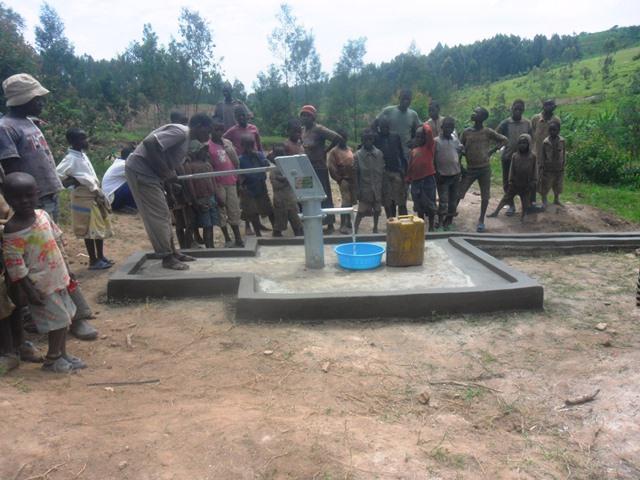
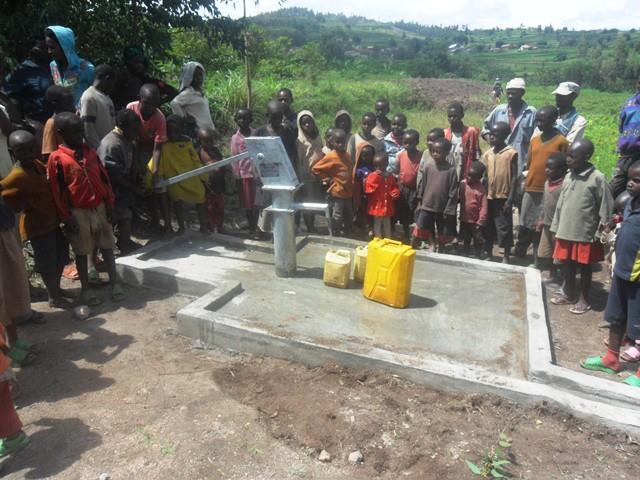
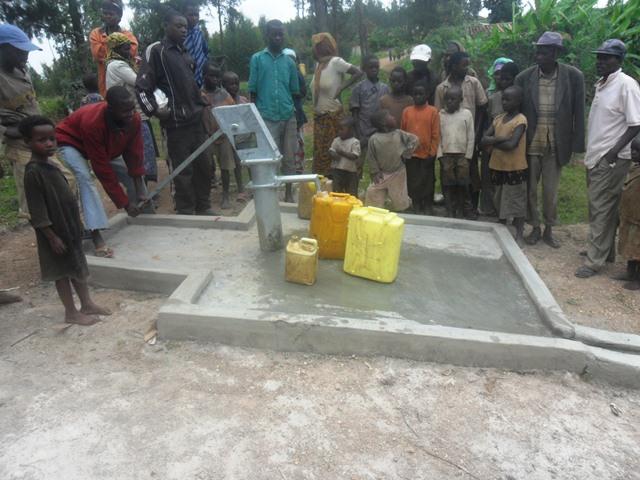
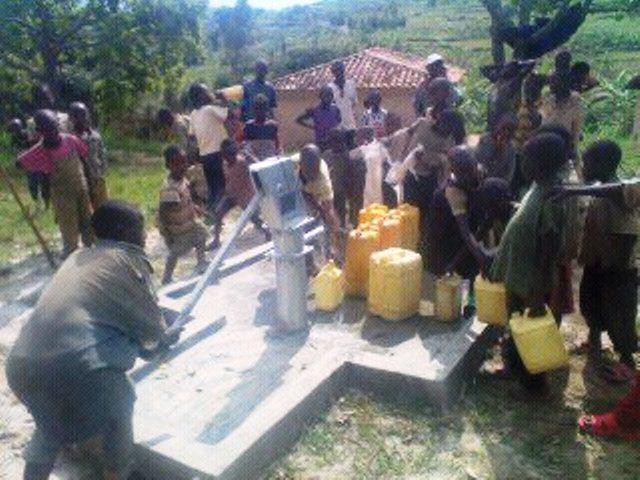
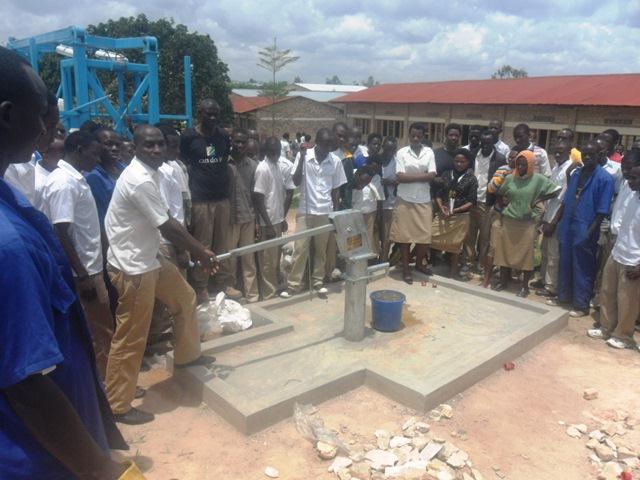
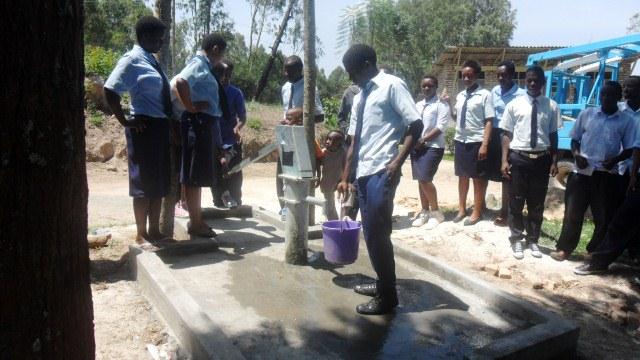
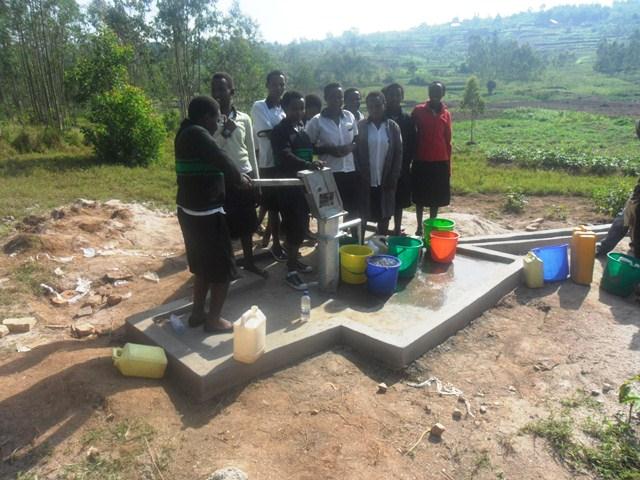
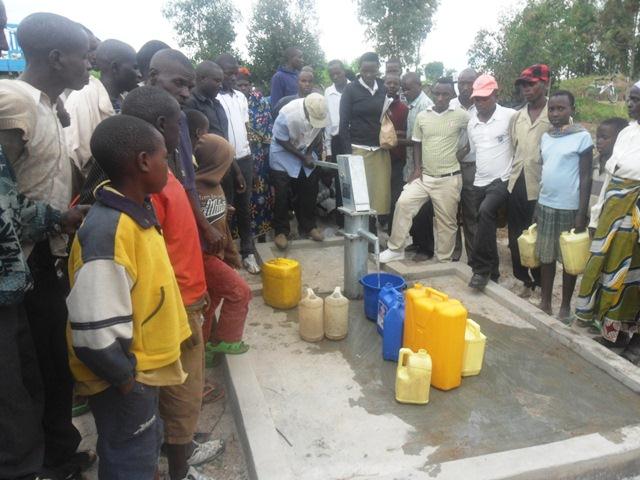
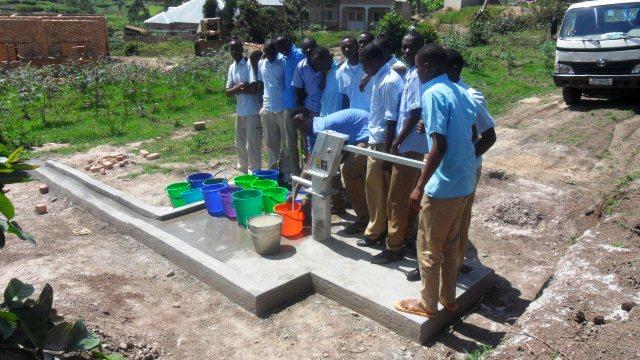
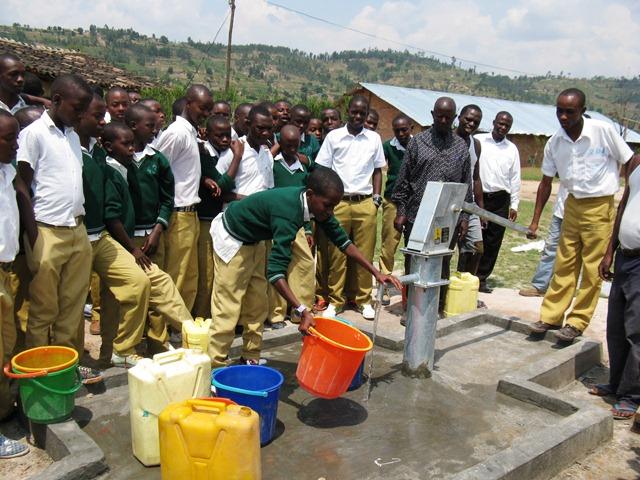
TWP has been working through Living Water International (LWI) in Rwanda for over two years. This maturing program has most recently been concentrating on the development of better models of monitoring and evaluation, determining the right manner and method to measure the long term effectiveness of the water source interventions we fund there.

Keeping tabs on former water projects is really the easy part though. The challenges arise, here and in every community we serve, in balancing responsibilities of the local implementer and the water user committees. When projects fail, do we "bail out" a community that was unwilling or unable to save for well repairs, as they agreed to? If yes, will that create unhealthy dependencies? This is but one example of tough questions without easy answers. We're working closely with our partners to address them and then share what we learn across our program.

We're looking forward to some innovative monitoring pilot programs in Rwanda in the coming year.

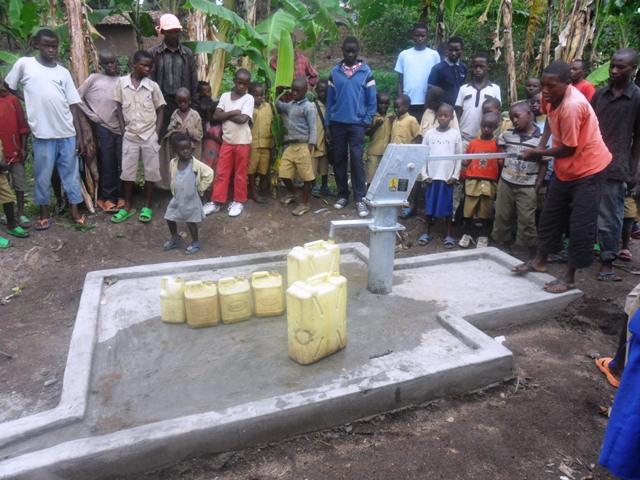
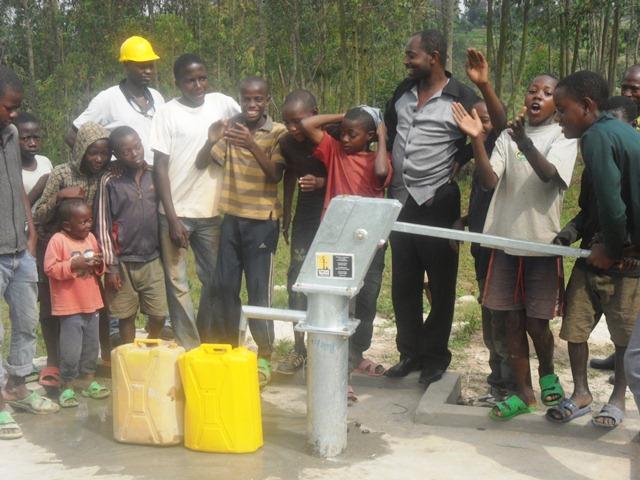
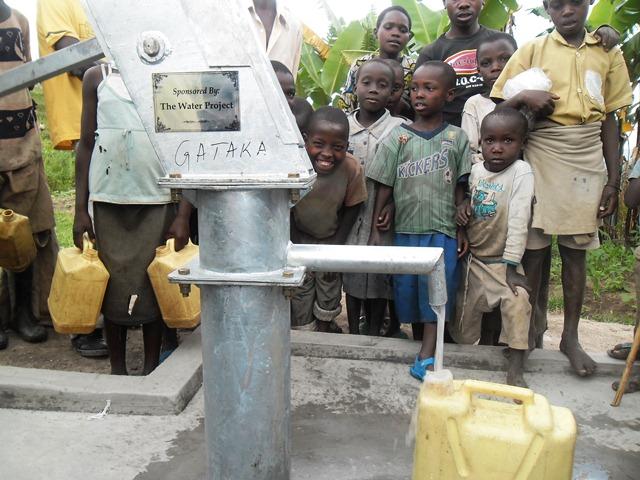
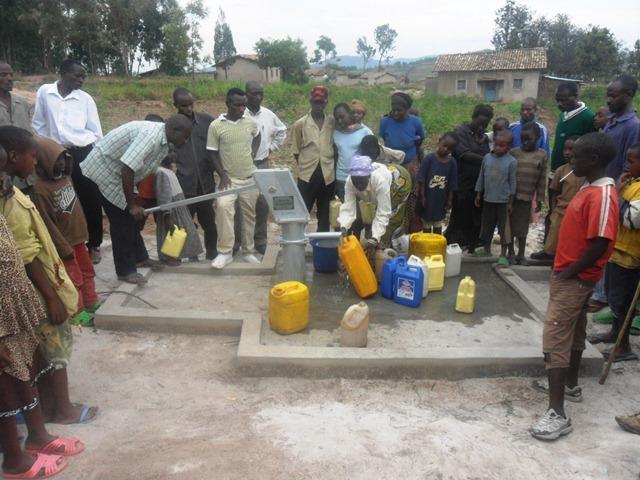
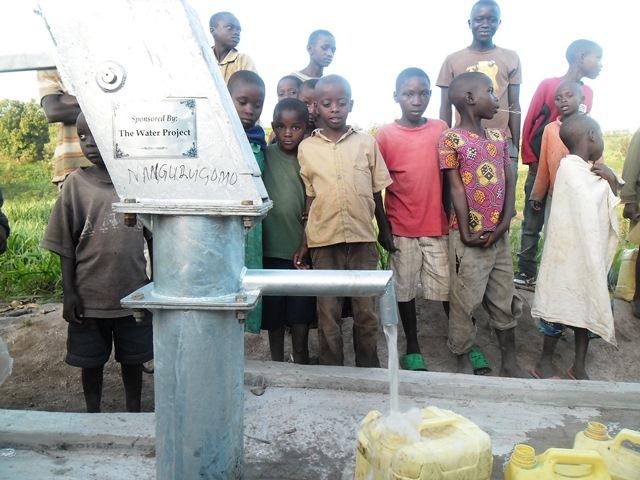
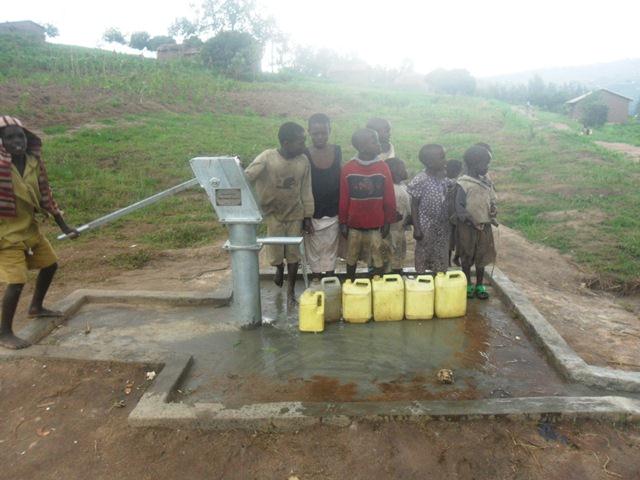
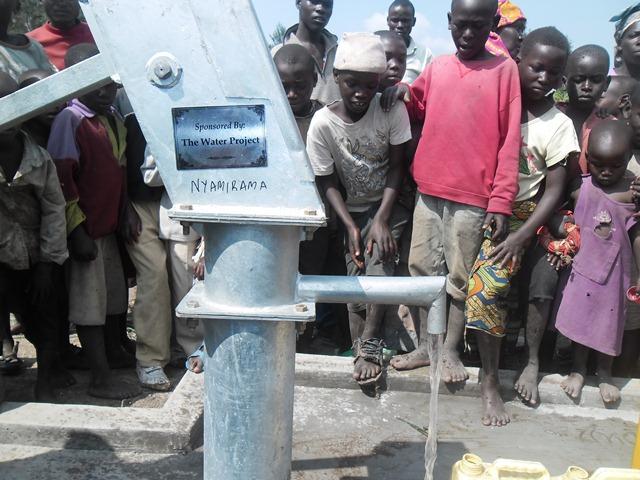
Photo of Cyeru CommunityPhoto of Munini CommunityPhoto of Gataka IIPhoto of Kinama IIPhoto of NangarugomaPhoto of WimanaPhoto of BuhoroPhoto of KageyoPhoto of NyamiramaPhoto of BugariPhoto of BugaruraPhoto of KamurenziPhoto of MujyejuruPhoto of RwintamaPhoto of Indangburezi Secondary SchoolPhoto of Kanyete CommunityPhoto of College Adventists de Gitwe IPhoto of Gisagara CommunityPhoto of Karambi Secondary SchoolPhoto of Tubindi CommunityPhoto of College Adventists de Gitwe IIPhoto of Gataka CommunityPhoto of Kibingo Secondary SchoolPhoto of Kinama CommunityPhoto of Espag IIPhoto of Espag Secondary SchoolPhoto of Karambo II Water ProjectPhoto of Rusororo Community WellPhoto of Kalehe

Uganda

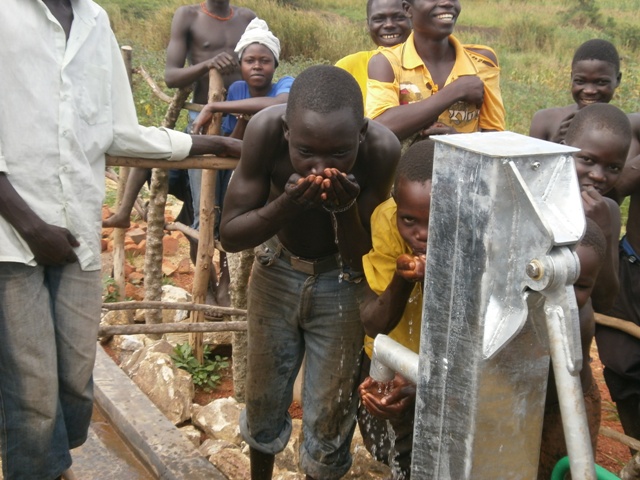
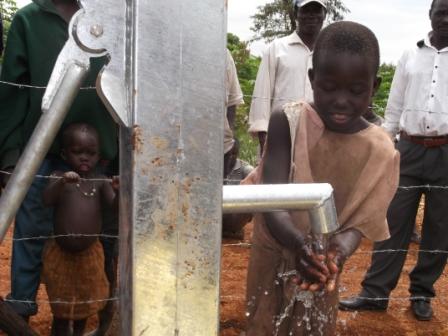
31 Water Projects

We're working in three regions of Uganda through two partners, LWI and The Water Trust.

LWI's program is quite mature in Uganda and we use this partnership as a measure for many others. From the robust data collection taking place, to the reporting we receive, we're able to regularly measure the community level impact of this work to determine if such detailed tracking and evaluation pays off in long-term sustainability and community ownership. These are important questions. The investment is substantial and we're hopeful the return will be as well.

Through our support, our other partner in Uganda, The Water Trust, continued implementations in central Uganda and was also able to significantly expand their excellent work into a second region, near Jinga, in 2012. The Water Trust continues to be a leading partner in community engagement and training. Their unique approaches are being shared with our other partners as they too have shown, through careful reporting, that their impact is significant and lasting.

Photo of Mpumwe IIPhoto of Karungi-KyababyaraPhoto of Kiruli-KyakajumbaPhoto of KabalePhoto of Nyakabale-HangaPhoto of Nyakanika IPhoto of Kyababyara-JupatoPhoto of Kyamugenyi IIIPhoto of Iranda-WatesoPhoto of Kaborogota CommunityPhoto of Kinumi-KisuugaPhoto of Bututi VillagePhoto of Kyabalere VillagePhoto of Kibibira VillagePhoto of Kifuruta IIPhoto of Kitaleba VillagePhoto of KyakunguluPhoto of ButangalaPhoto of Kashanda Primary School NtungamoPhoto of Kizaara Primary School NtungamoPhoto of Rukoni Green Hill Nursery and Primary SchoolPhoto of Enkondo VillagePhoto of Kibeho Village SchoolPhoto of Mutanoga Village SchoolPhoto of Nakabaali VillagePhoto of Bubaali VillagePhoto of Kantenga Community WellPhoto of Kikoko Community WellPhoto of Kisula Mafumu Community WellPhoto of Buliga Communtiy WellPhoto of Busambwa Village

Burkina Faso

30 Water Projects

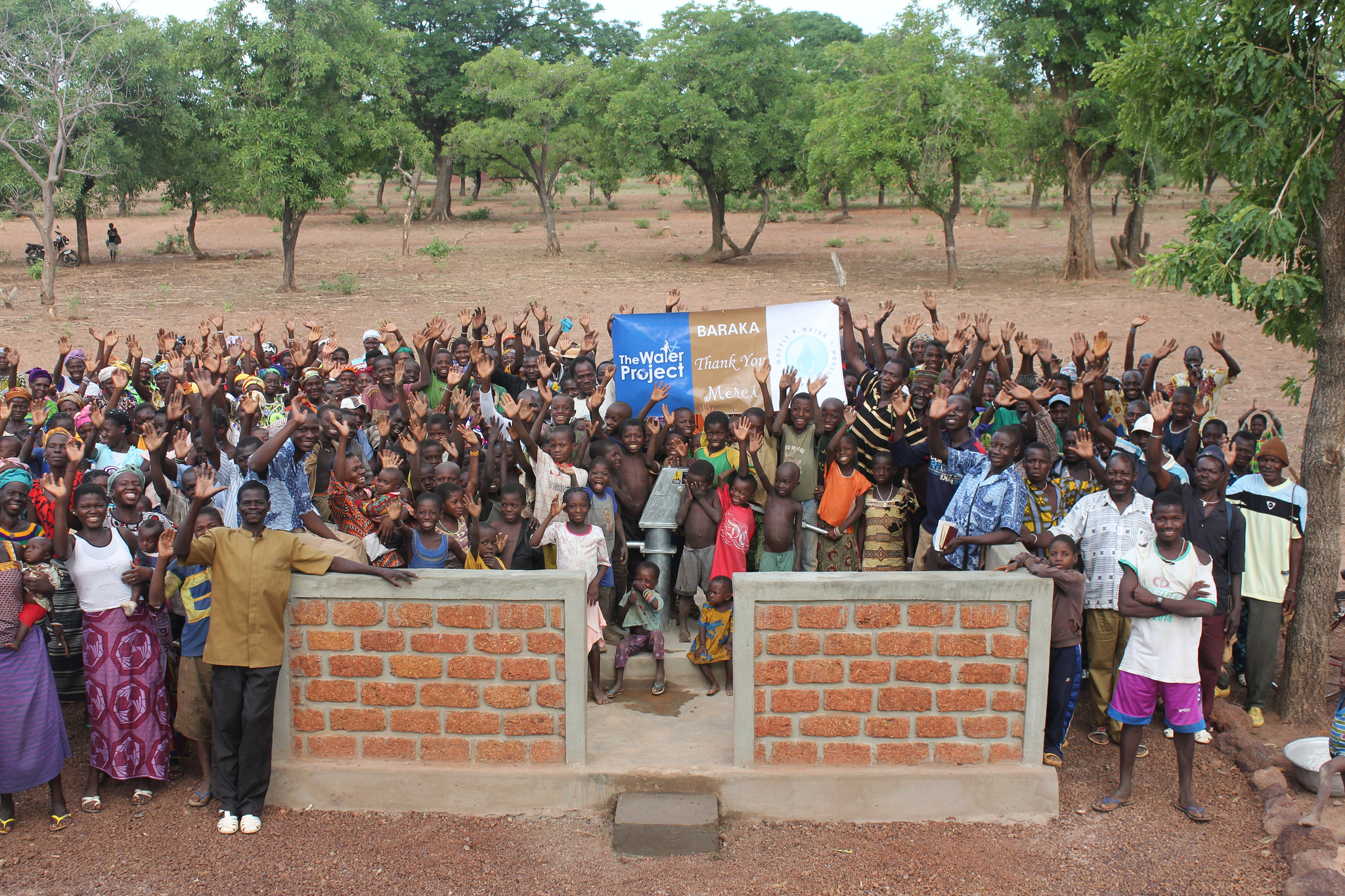
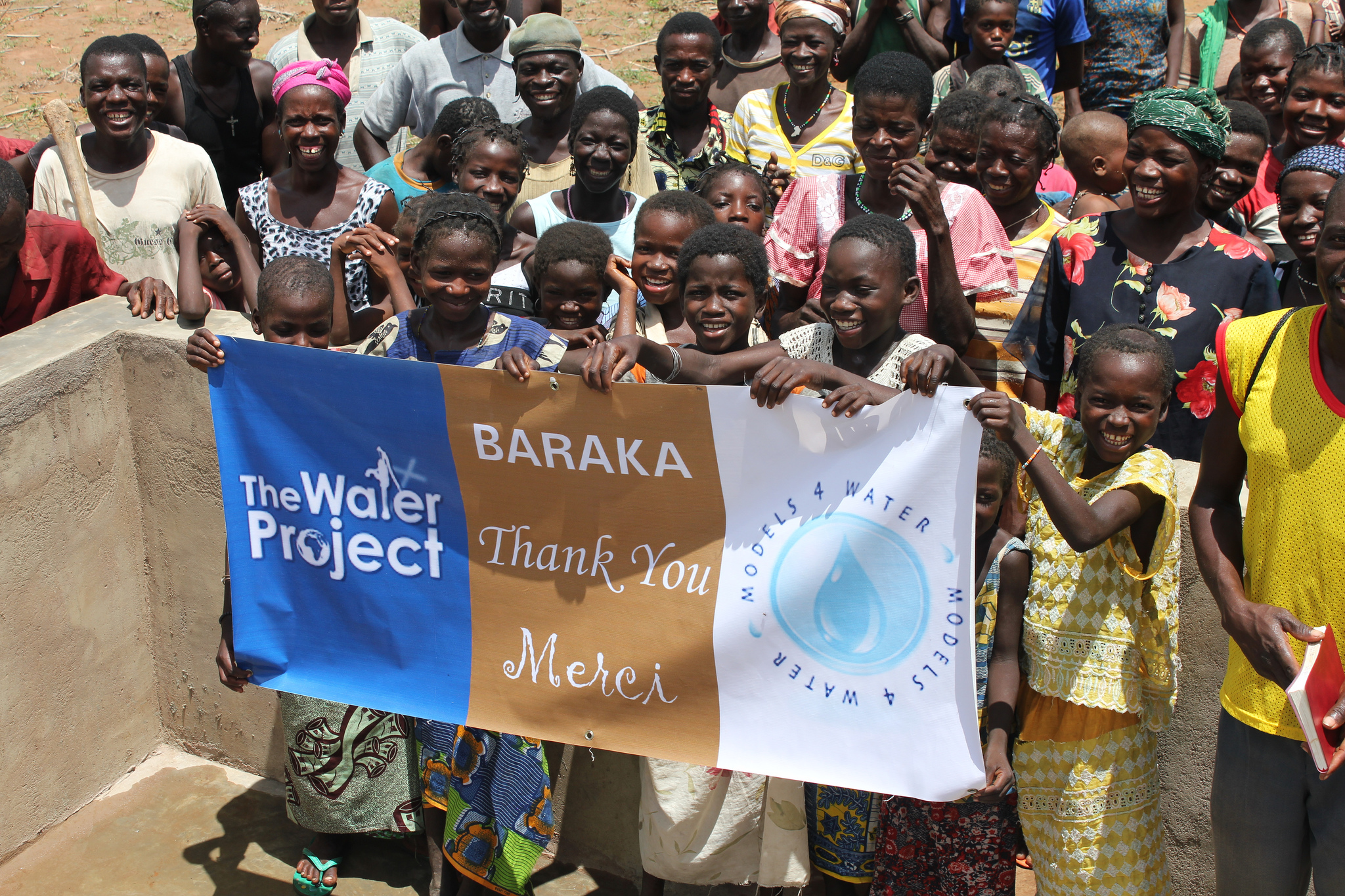
LWI was again able to greatly expand its activity in Burkina Faso thanks to our increased investment. This young and rapidly growing program also focuses on well repair, as so many water points have become inoperable from years of neglect. Working most often in cooperation with new local churches, communities are eager to embrace the responsibility of caring for their new water points. They understand the value of the water point and commit to making it last.

Photo of Dano, Ioba, Burkina FasoPhoto of V3, Ioba, Burkina FasoPhoto of Gnikan, Burkina FasoPhoto of V3 II, Gueguere, Ioba, Burkina FasoPhoto of V4 Katougue Ecole, Burkina FasoPhoto of V4 Katougue Village, Burkina FasoPhoto of Yehoun (Sikinon), Founzan, Burkina FasoPhoto of Nahiridon, Burkina FasoPhoto of Nahiridon Bagane, Burkina FasoPhoto of V4 Badone, Burkina FasoPhoto of Kolkol Community, Burkina FasoPhoto of V7 Centre, Burkina FasoPhoto of Bountiouri Gnimi, Burkina FasoPhoto of V7 Zegnein, Burkina FasoPhoto of Kombazien Village, Burkina FasoPhoto of Orpoune Village, Burkina FasoPhoto of Founzan Community, Burkina FasoPhoto of Dalare II, Burkina FasoPhoto of Panan, Burkina FasoPhoto of Yerfing Ecole, Burkina FasoPhoto of Dalare Centre, Burkina FasoPhoto of Gnibare Village, Burkina FasoPhoto of Moulourou Village, Burkina FasoPhoto of Fulani Village, Burkina FasoPhoto of Kourhour, Burkina FasoPhoto of Taureg Refugee Camp, Burkina FasoPhoto of Tenoule, Burkina FasoPhoto of Nakar Village, Burkina FasoPhoto of Bagnire, Ioba, Burkina FasoPhoto of Tenoule Community Rehab

South Sudan

9 Water Projects

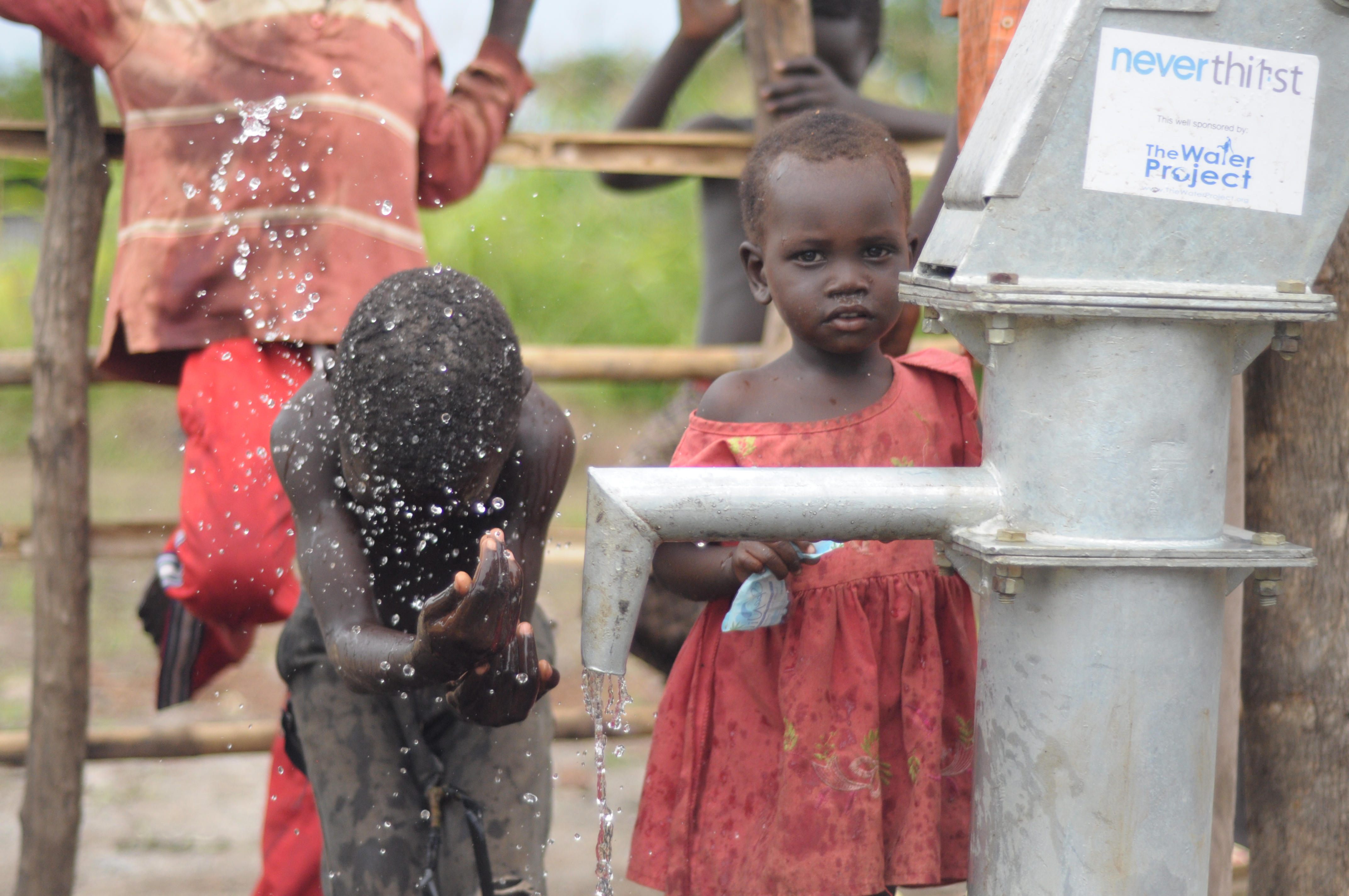
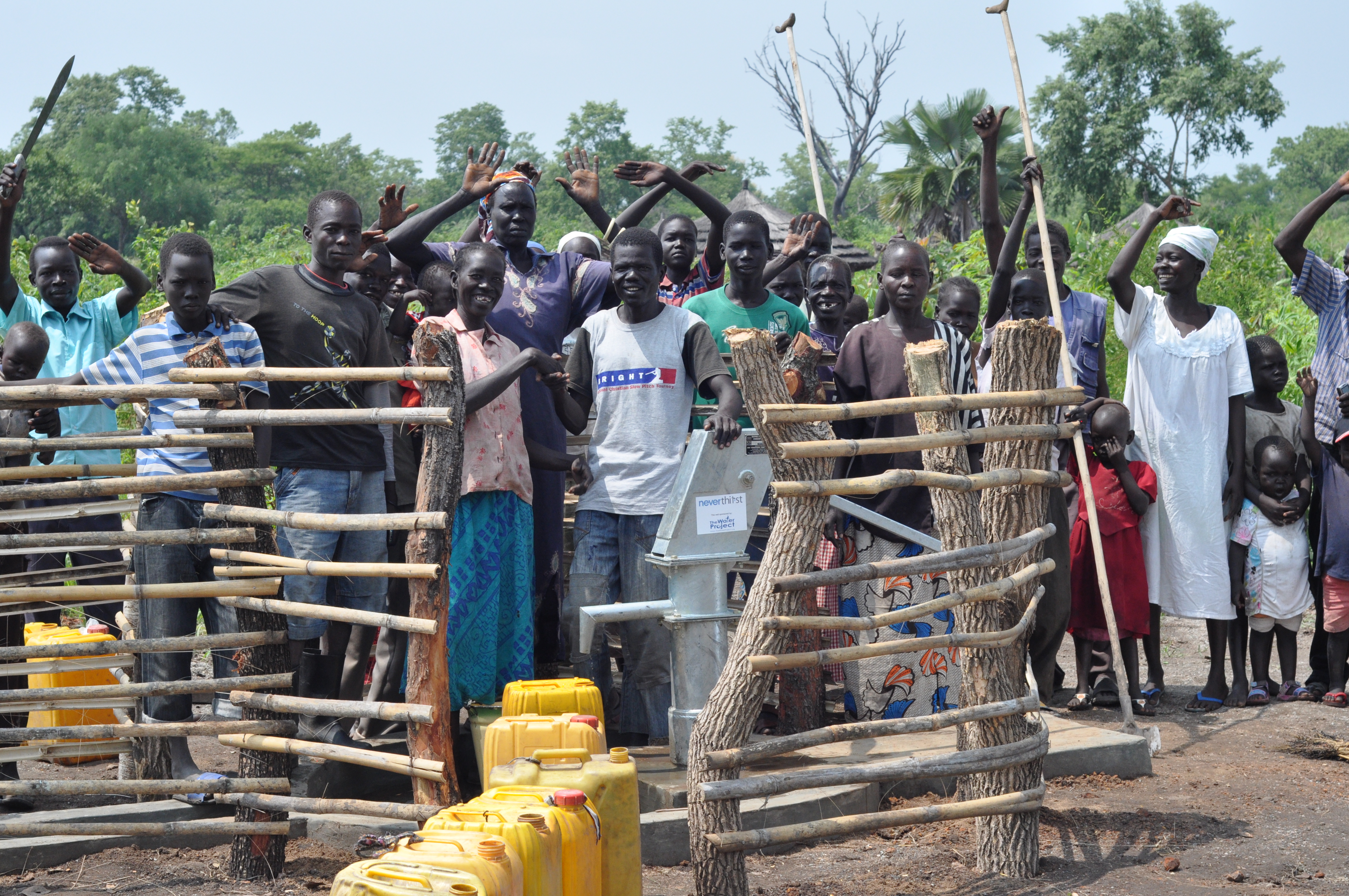
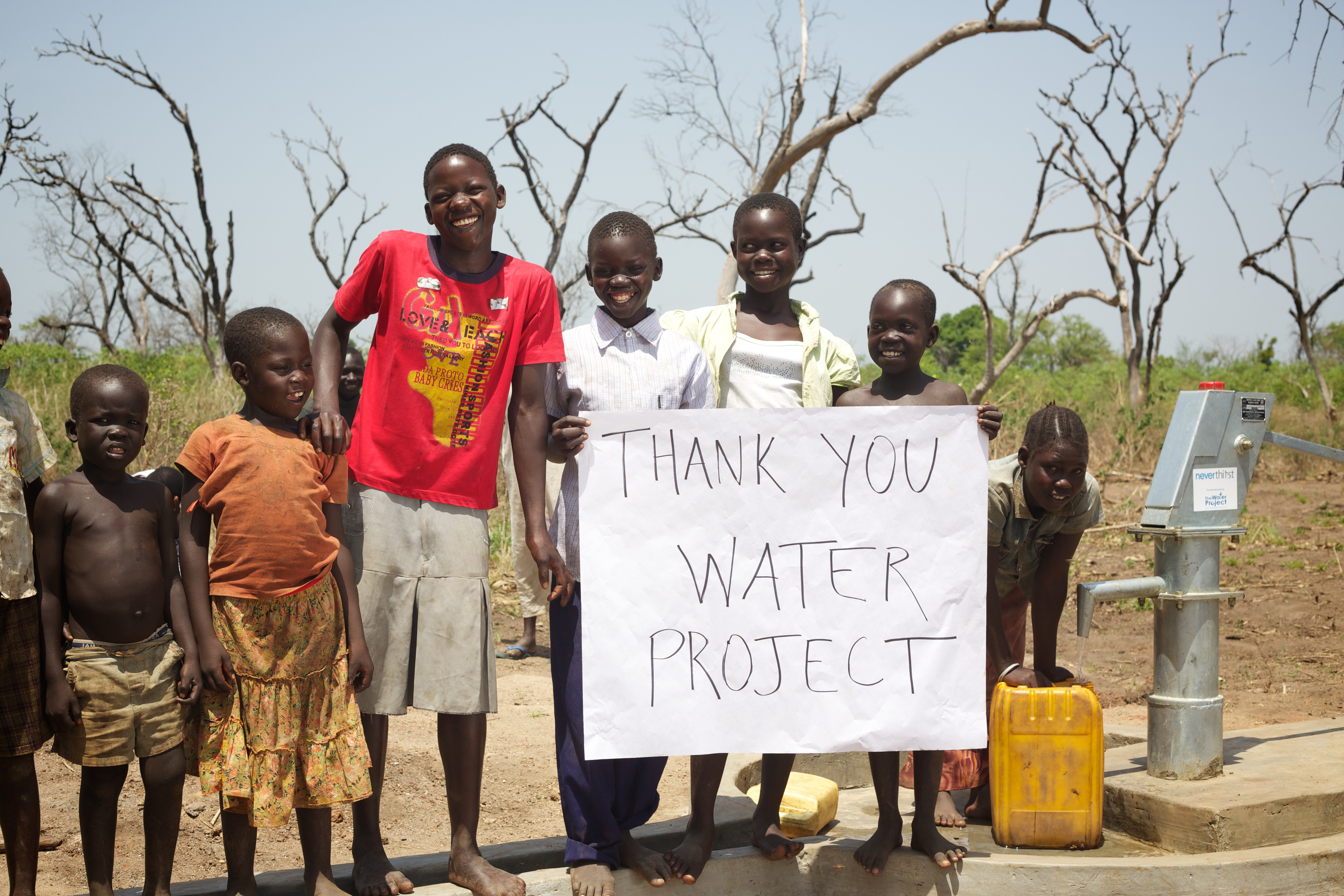
In the midst of new found independence, South Sudan remains perhaps the most challenging country in which we operate. We work carefully and on a limited basis there.

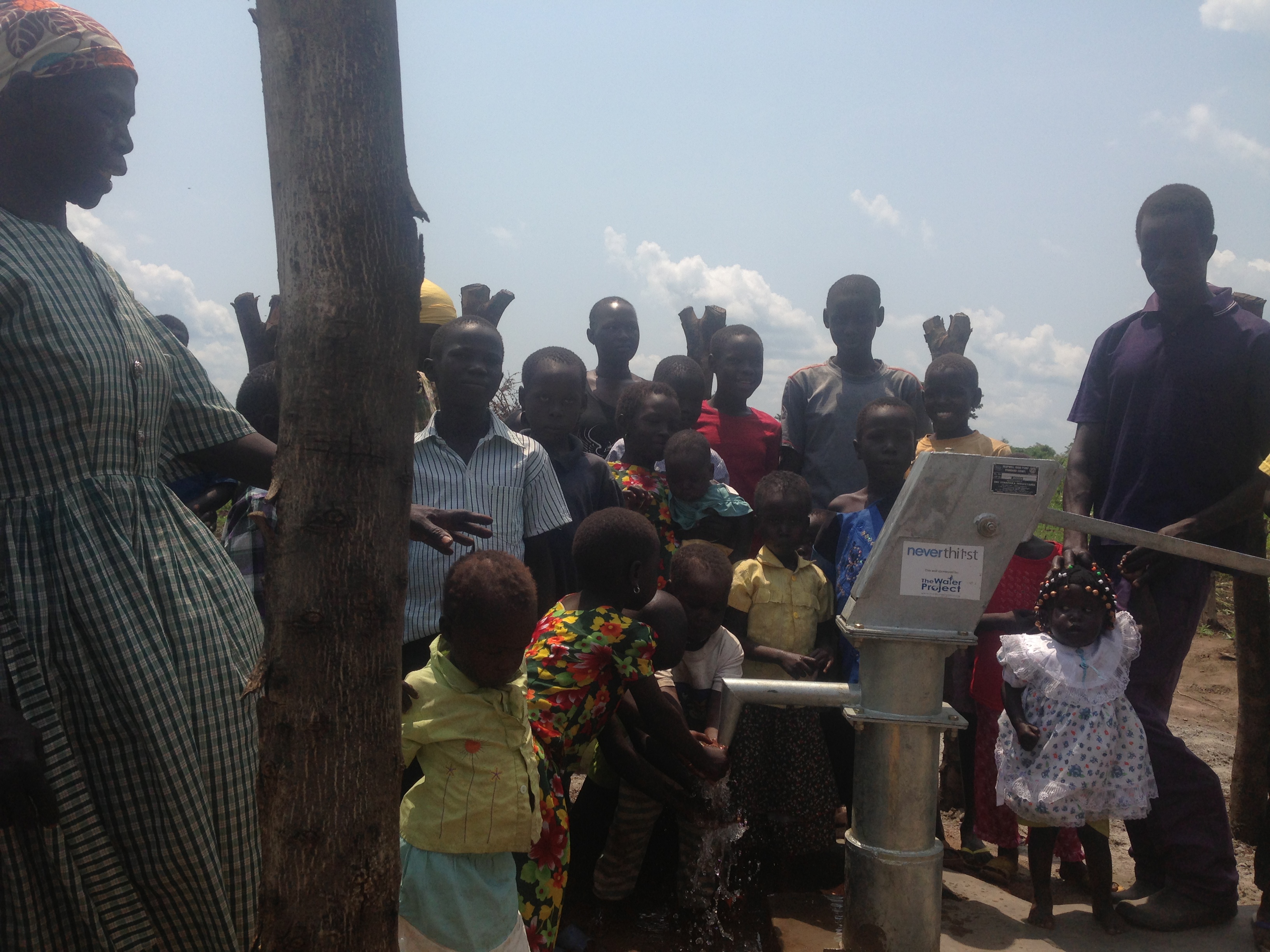
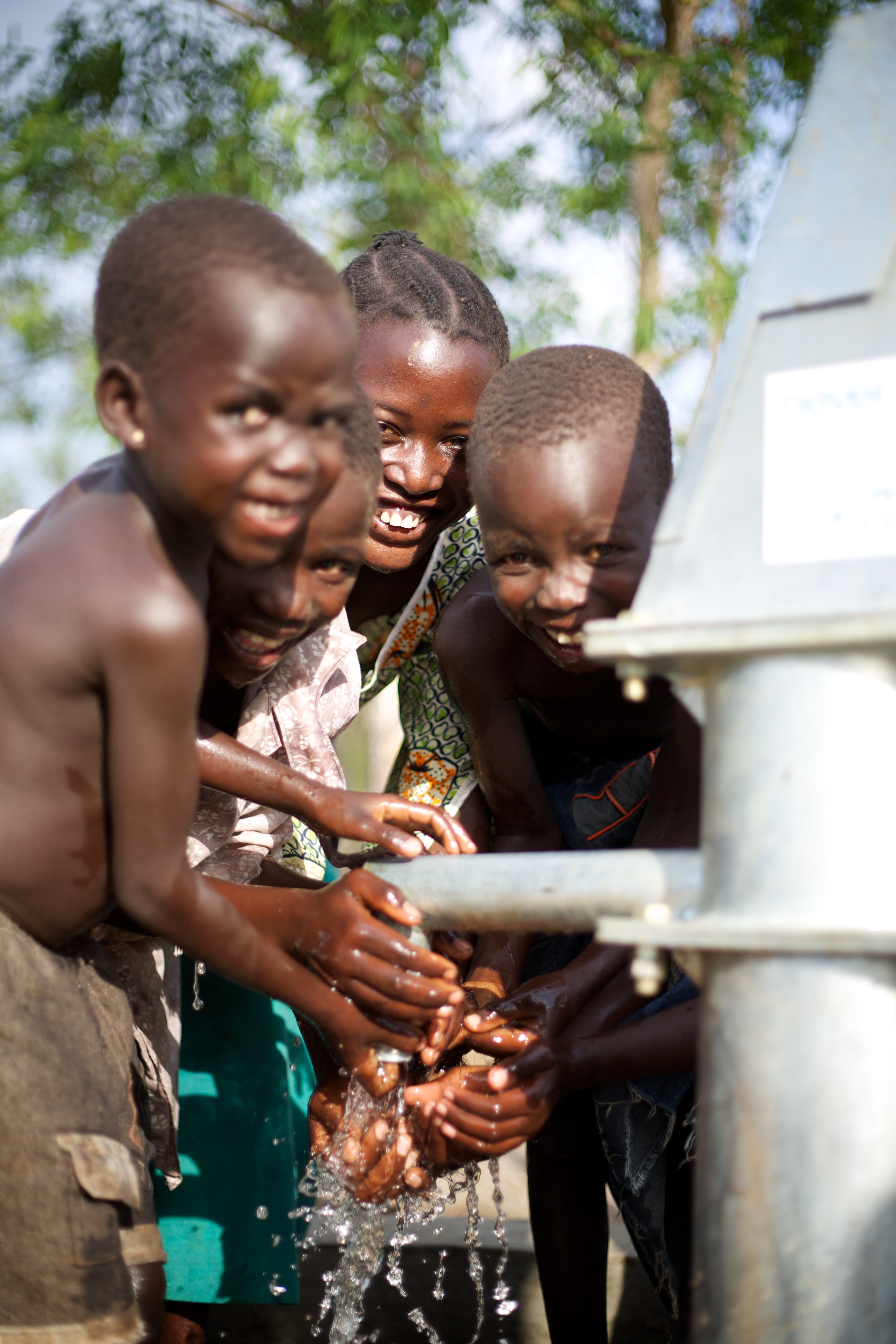
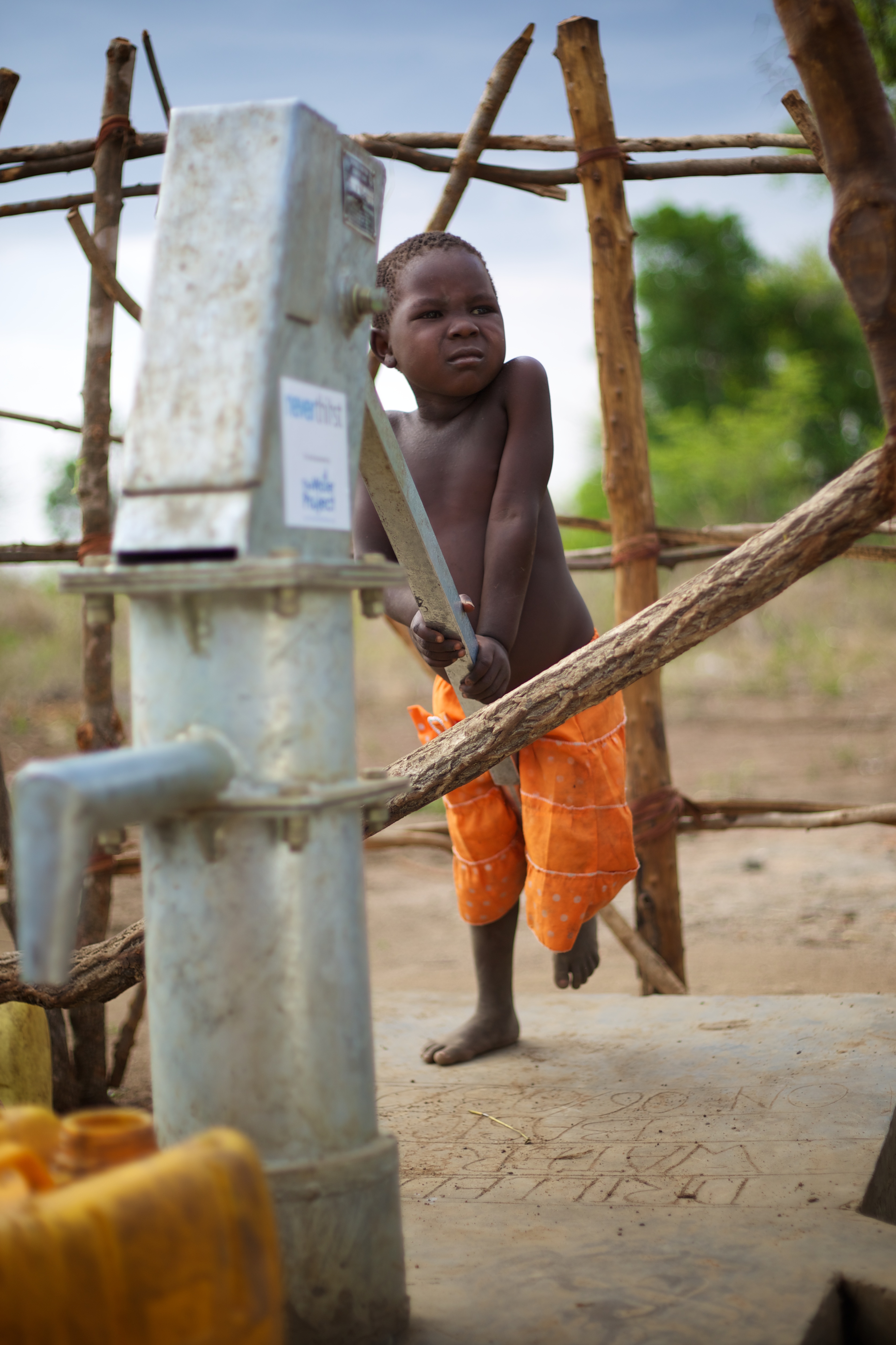
We identified a new partner, NeverThirst, to carry on our work in South Sudan. Their deliberate and methodical approach to community development encompasses elements far beyond water and sanitation. It may limit the reach of the work, in terms of total water points, but we are still excited to partner with them to bring water to nine communities.
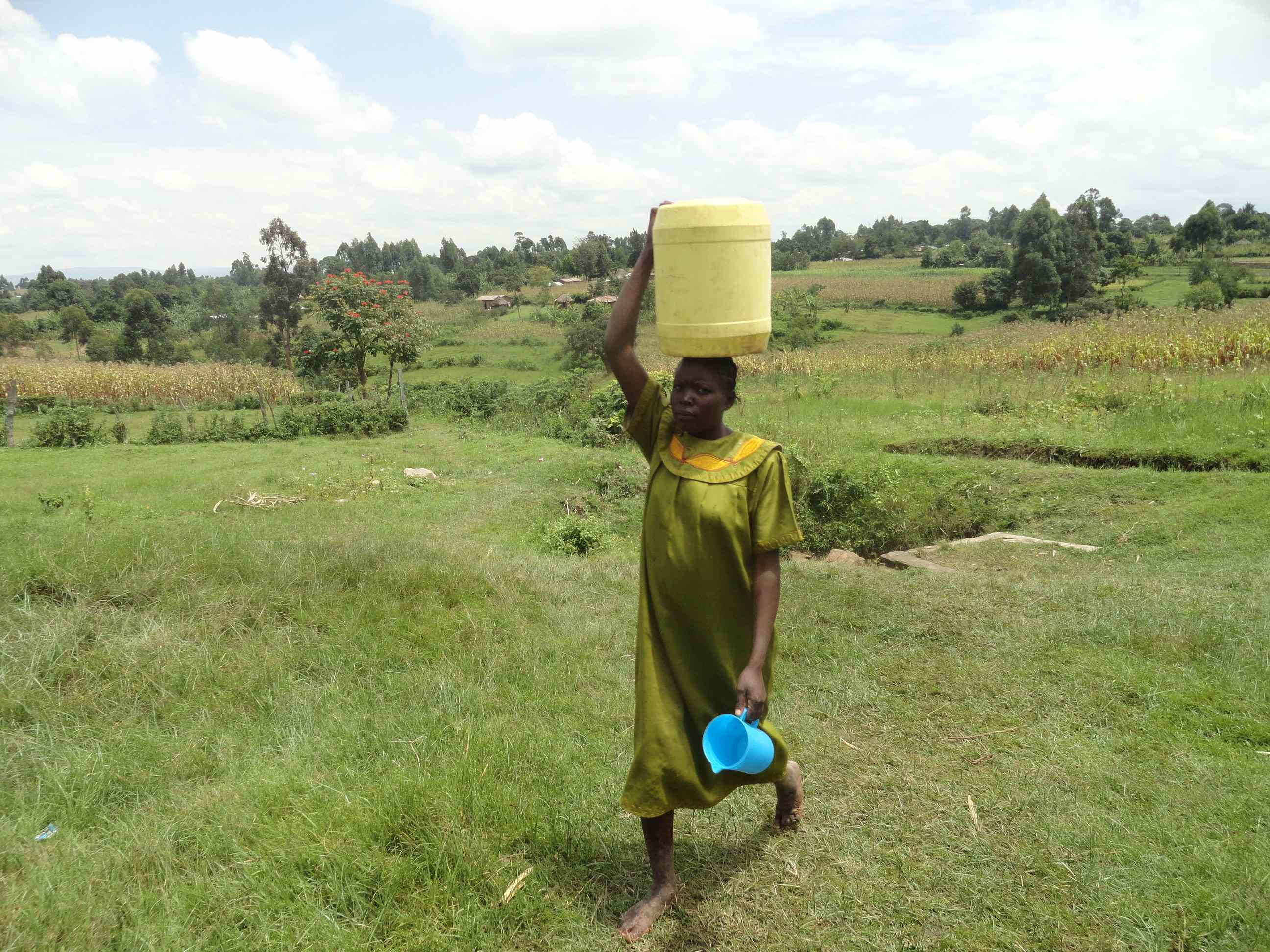
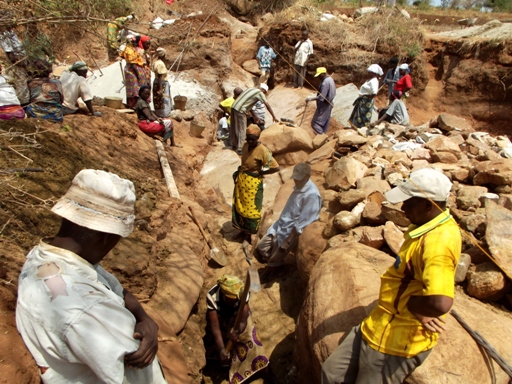
Though we may not fund a great deal more work there for the time being, we're looking forward to seeing the impact of the wells we funded come to light this year.
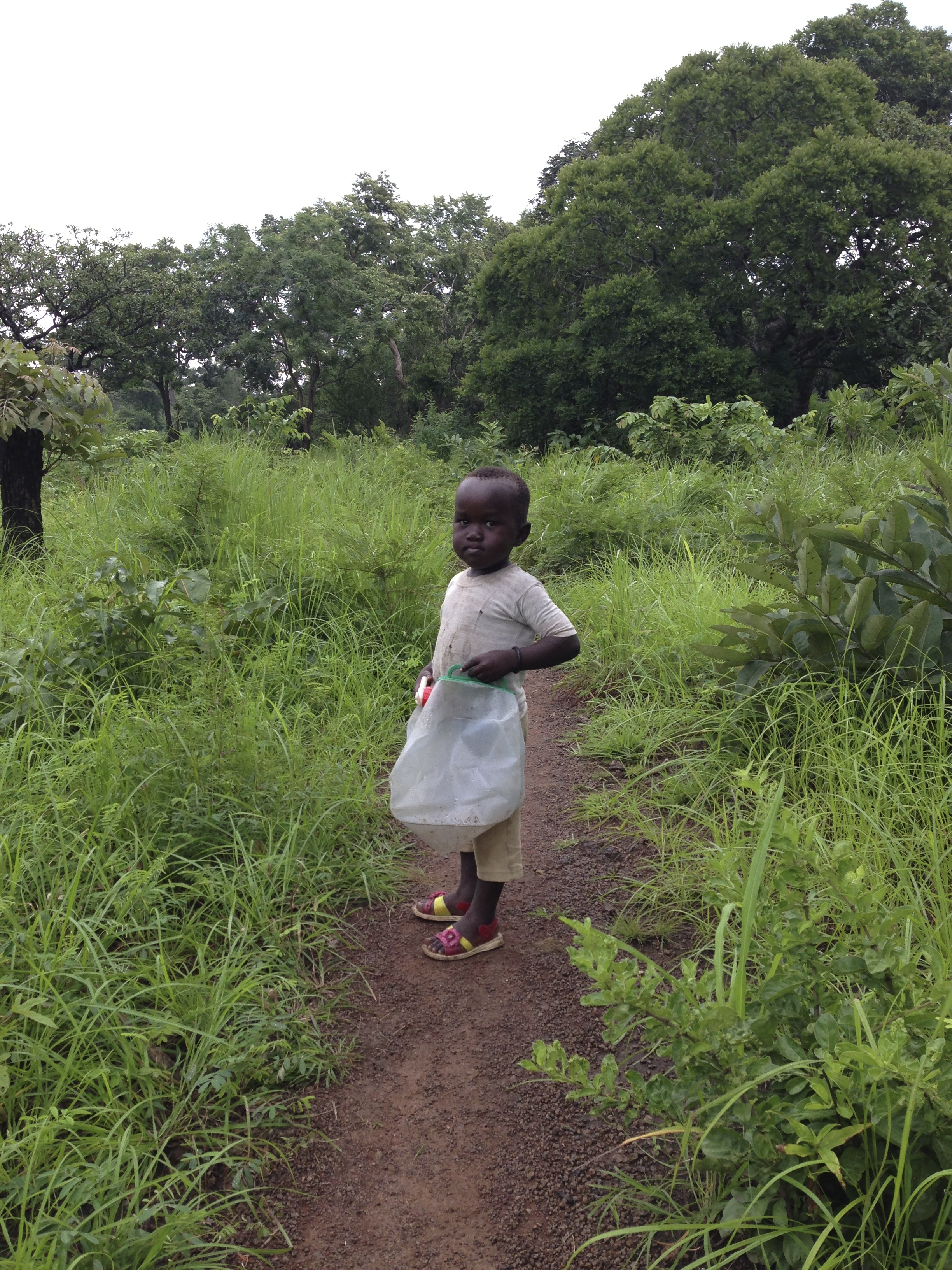
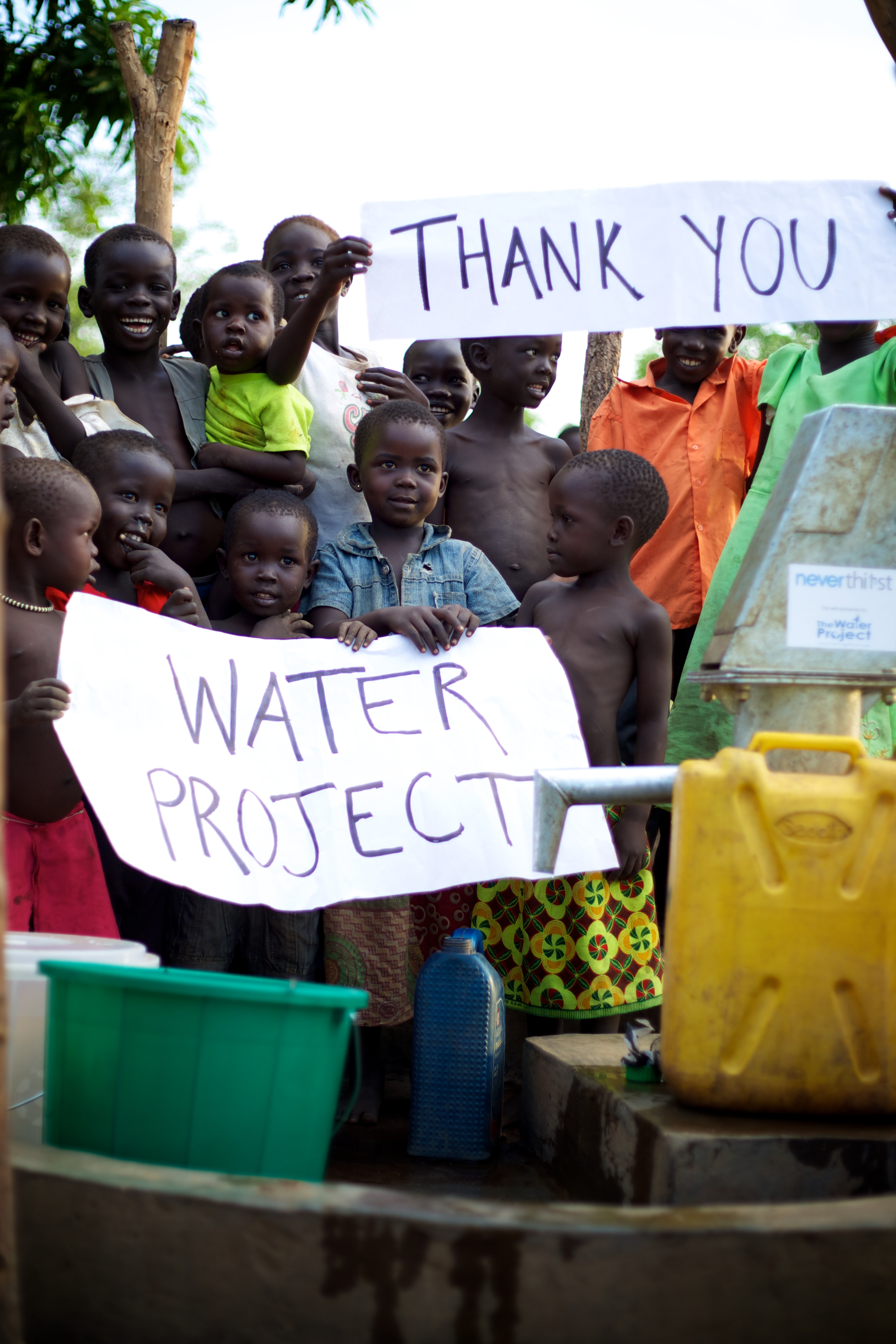
Photo of IDP Settlement North Air StripPhoto of JarangalaPhoto of Nyeaba CommunityPhoto of Hai TarawaPhoto of Miri-GaibaPhoto of LorobePhoto of UshoPhoto of MedewuPhoto of IDP Settlement South Air Strip

Sierra Leone

20 Water Projects

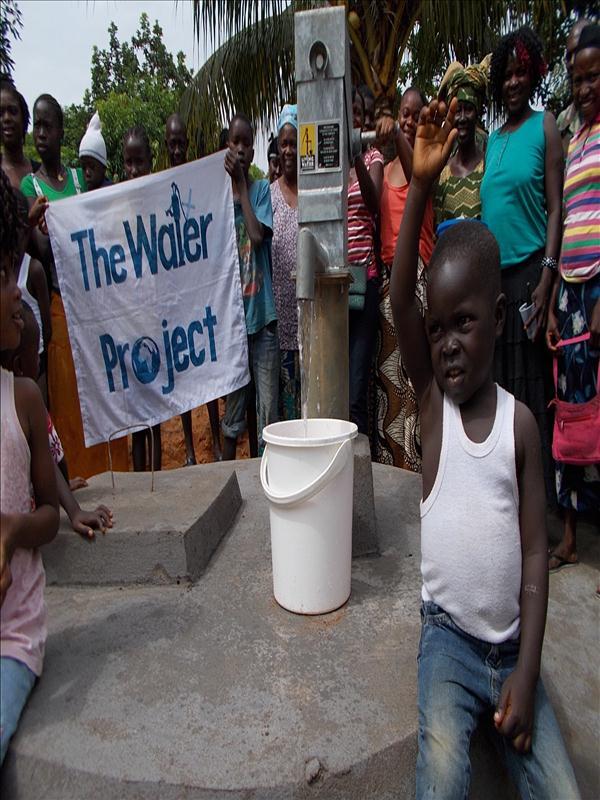
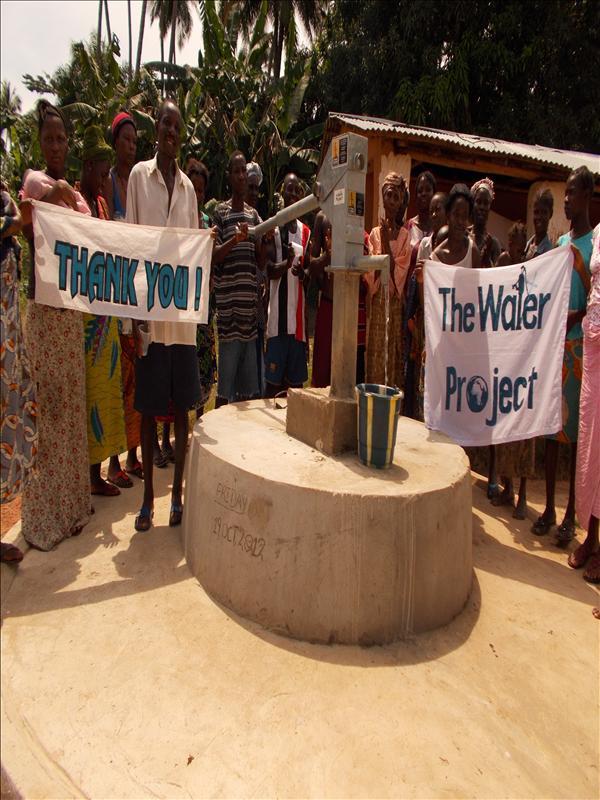
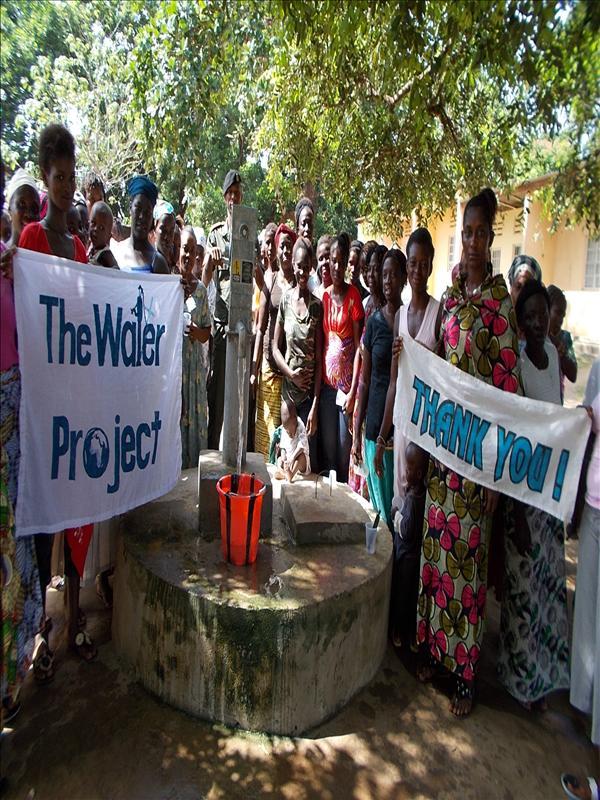
There is probably no better example of the value of relationship than what our partner LWI's team demonstrates in Sierra Leone.

For years, they have listened carefully for the needs of the communities we serve together. Through schools in particular, they poured their lives into caring for others while restoring clean water. Training up groups of students and empowering them to lead the effort to see clean water and clean hands transform lives makes this work a notable model for others.

During the 2012 cholera outbreak, student led health teams leaped into action and these young students helped educate their neighbors on proper hygiene practices and save many lives. These are the future leaders of Sierra Leone. This is what potential looks like when it's unlocked.
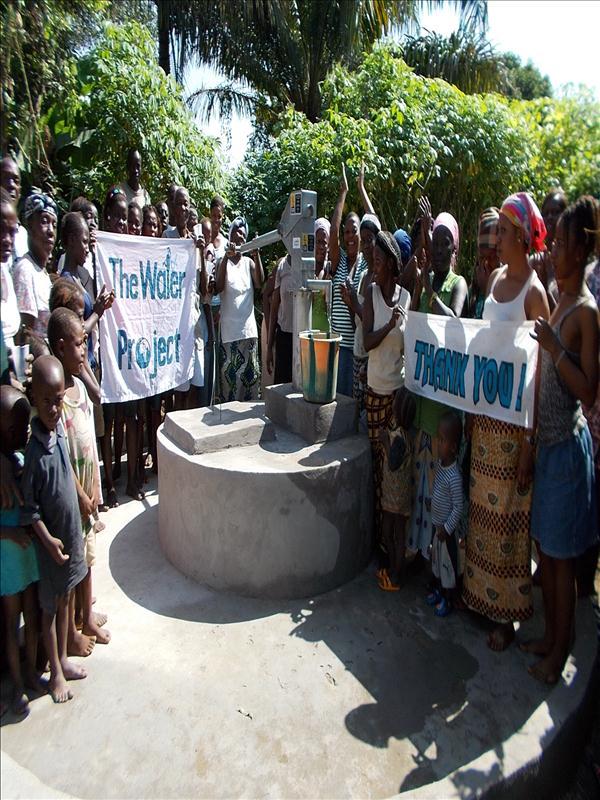
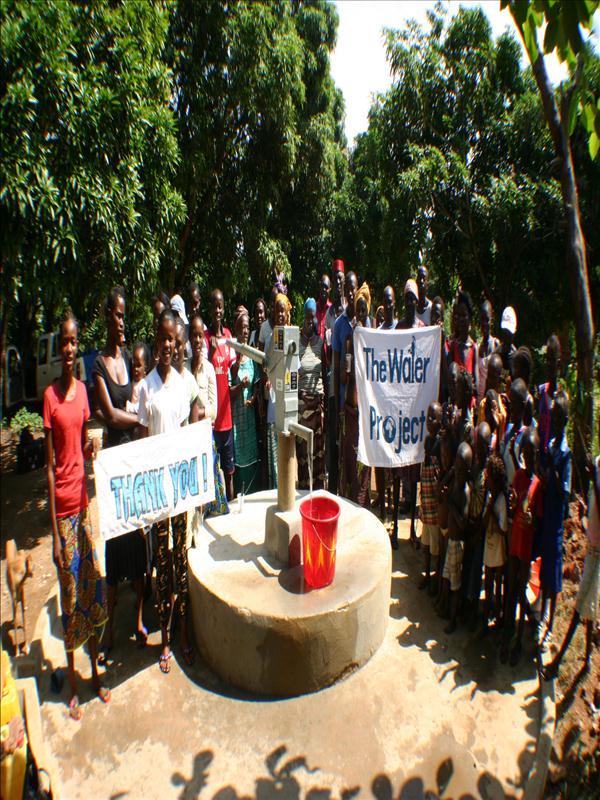
Photo of Gboro Well RehabilitationPhoto of Suctarr Kallie Line Well RehabilitationPhoto of Suctarr, 1 Kabbia Lane Well RehabiltationPhoto of Suctarr Village, 47 Kamara St Well RehabilitationPhoto of Magbanga Village Well Rehabilitation ProjectPhoto of Tinatafor, Officers Quarters Well RehabilitationPhoto of Limena-Sam Rd Well RehabilitationPhoto of Lumpa Well Rehabilitation ProjectPhoto of Lungi Community Well RehabilitationPhoto of Lungi Government Hospital Well RehabilitationPhoto of Newton Community Well Rehabilitation ProjectPhoto of Nyandehun Well Rehabilitation ProjectPhoto of Peninsular Secondary School Well Repair ProjectPhoto of Petifu Junction Health PostPhoto of Petifu Junction Well RehabilitationPhoto of Roloko Road Well RehabilitationPhoto of St. Dominics Well RehabilitationPhoto of Maforay Village Health Post Well RehabilitationPhoto of Tintifor, Police Barracks Well RehabilitationPhoto of Makeni Well RehabilitationPhoto of Gboro Well RehabilitationPhoto of Suctarr Kallie Line Well RehabilitationPhoto of Suctarr, 1 Kabbia Lane Well RehabiltationPhoto of Suctarr Village, 47 Kamara St Well RehabilitationPhoto of Magbanga Village Well Rehabilitation ProjectPhoto of Tinatafor, Officers Quarters Well RehabilitationPhoto of Limena-Sam Rd Well RehabilitationPhoto of Lumpa Well Rehabilitation ProjectPhoto of Lungi Community Well RehabilitationPhoto of Lungi Government Hospital Well RehabilitationPhoto of Newton Community Well Rehabilitation ProjectPhoto of Nyandehun Well Rehabilitation ProjectPhoto of Peninsular Secondary School Well Repair ProjectPhoto of Petifu Junction Health PostPhoto of Petifu Junction Well RehabilitationPhoto of Roloko Road Well RehabilitationPhoto of St. Dominics Well RehabilitationPhoto of Maforay Village Health Post Well RehabilitationPhoto of Tintifor, Police Barracks Well RehabilitationPhoto of Makeni Well Rehabilitation